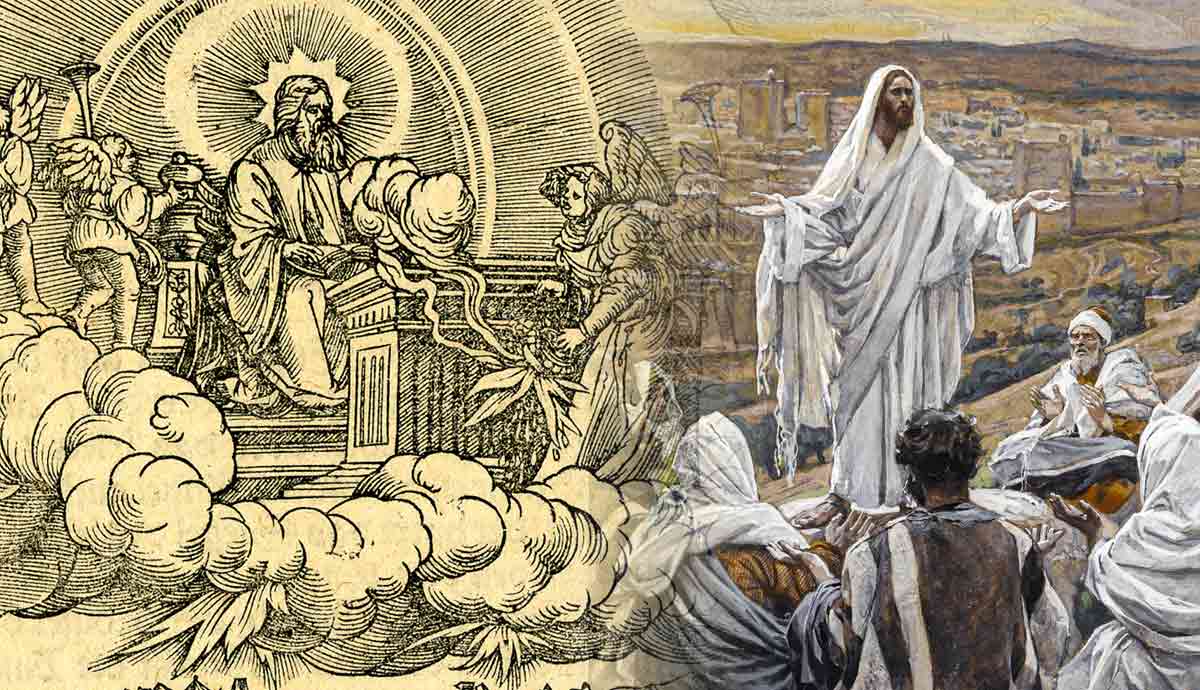

The Greek word apokalypsis is the first word in the last book in the New Testament, where it is often translated “Revelation.” The verb of this word, apokalypto, means “to reveal” or “disclose” something otherwise hidden. While the thing revealed could be a future event, apocalyptic literature is not preoccupied only with things to come. Rather, it is characterized by sweeping, symbol-laden descriptions of heavenly visions in which highly elaborate and, importantly, ineffable imagery conveys an otherwise “hidden” perspective that demonstrates God’s providence and sovereignty over human affairs.
Where Are the Apocalyptic Texts in the Bible?
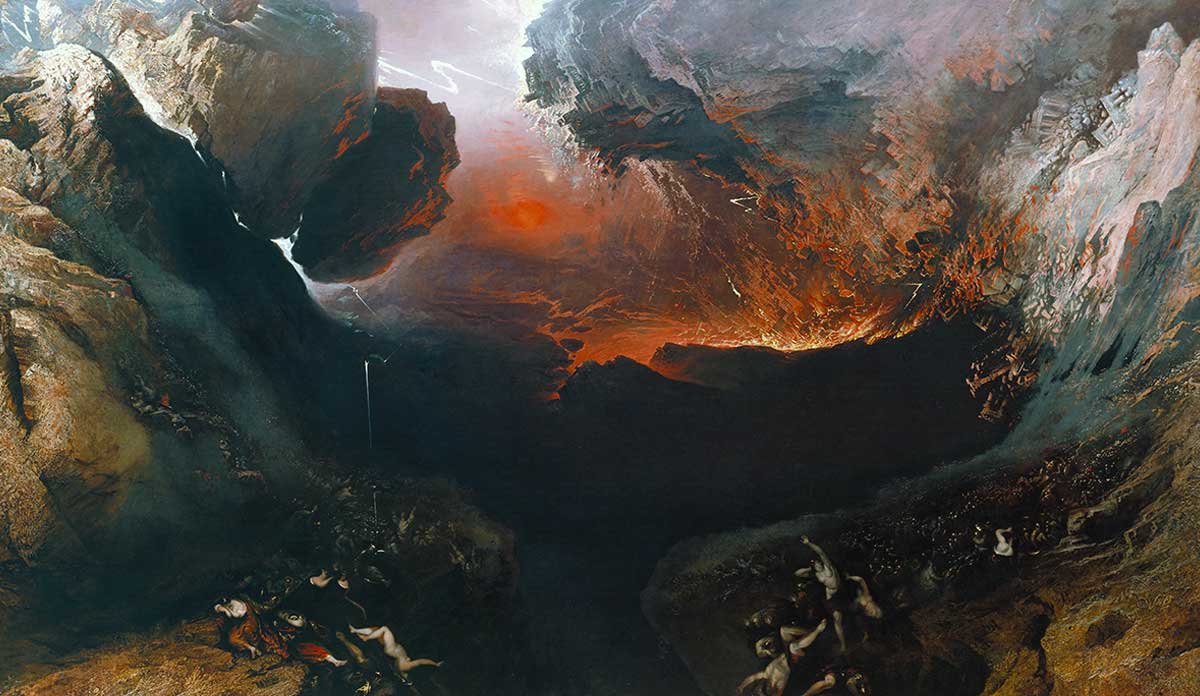
Apocalyptic literature features a heavenly vision guided by a heavenly messenger. The illumined author will often begin by stating that the heavens were opened, and then an angelic being begins to introduce and narrate a series of visions. While dreams play pivotal roles in many biblical narratives, apocalyptic visions sometimes take place when the prophetic seer is wide awake, and they can begin without warning.
Passages that share features with apocalyptic texts can be found in Isaiah, Jeremiah, Ezekiel, Joel, and Zechariah. But the quintessential example of this genre in the Hebrew Bible is the second half of Daniel. Daniel’s vision is presented as a journey. He is not only its witness, but also steps into the vision and interacts with its characters and elements. The book of Revelation, in the New Testament, draws heavily from the imagery and themes in Daniel’s apocalypse.
Apocalyptic Literature Reveals a Cosmic Struggle
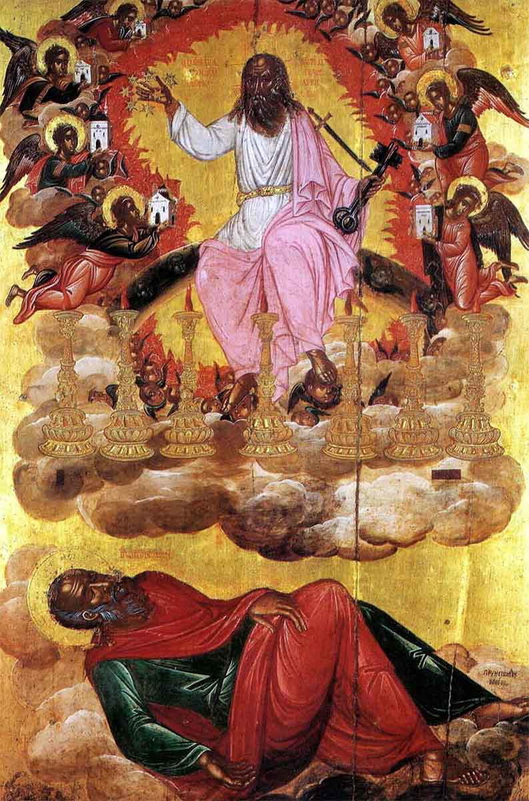
While a futuristic setting is a key characteristic of popular apocalyptic movies, television shows, and novels today, biblical apocalyptic texts are many times intended to speak into situations contemporary to their authors. In fact, the heavenly visions they contain often look backward onto historical events, such as the rise and fall of empires, as small parts of a larger, cosmic struggle between God and the forces of evil.
The creatures and characters that appear in apocalyptic texts are extremely difficult to draw or paint, if all the details in the text are taken into consideration. Narrators tend to punctuate their descriptions with qualifiers such as “like” or “as if,” which highlights the ultimate inadequacy of human language to describe the otherworldly views they are witnessing. The visionary’s inability to fully describe what he sees is characteristic of this genre: the visions are clear to him, but ultimately ineffable. He cannot fully describe them.
Not All Biblical Visions Are Considered Apocalyptic
The clearest example of apocalyptic literature in the Bible is Revelation, with the second half of Daniel being the Hebrew Bible’s closest parallel. However, the vast majority of apocalyptic literature is not contained in the Hebrew or the New Testament, which is why there is some debate among biblical scholars regarding whether or not certain biblical passages fit properly into this genre.
There are numerous examples of classically apocalyptic texts dating from the post-exilic period to the early centuries of Christianity. Among the Jewish writings are The Book of Enoch, The Apocalypse of Abraham, and The Apocalypse of Moses. Others, such as The Apocalypse of Paul and The Apocalypse of Peter, were written by Christians in the centuries following Christianity’s birth. Thus, while Revelation and the second half of Daniel define the genre within the Bible, there is a large corpus of ancient texts that contribute to its definition.
Apocalyptic Literature Has Other Defining Characteristics
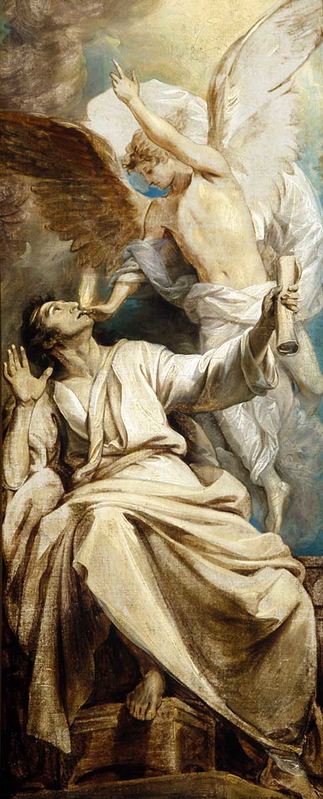
Certain characteristics distinguish apocalyptic literature from other genres of post-exilic Jewish writing. While they also contain visions, older prophetic texts tend to emphasize prophets receiving oracles from God, and do not contain the extensive visionary experiences that characterize apocalyptic literature. The cinema-like nature of apocalyptic texts also lends itself to the portrayal of a more comprehensive worldview than does other prophetic literature. The worldview portrayed is highly dualistic, including a variety of mystical, celestial beings that battle either for or against God’s will.
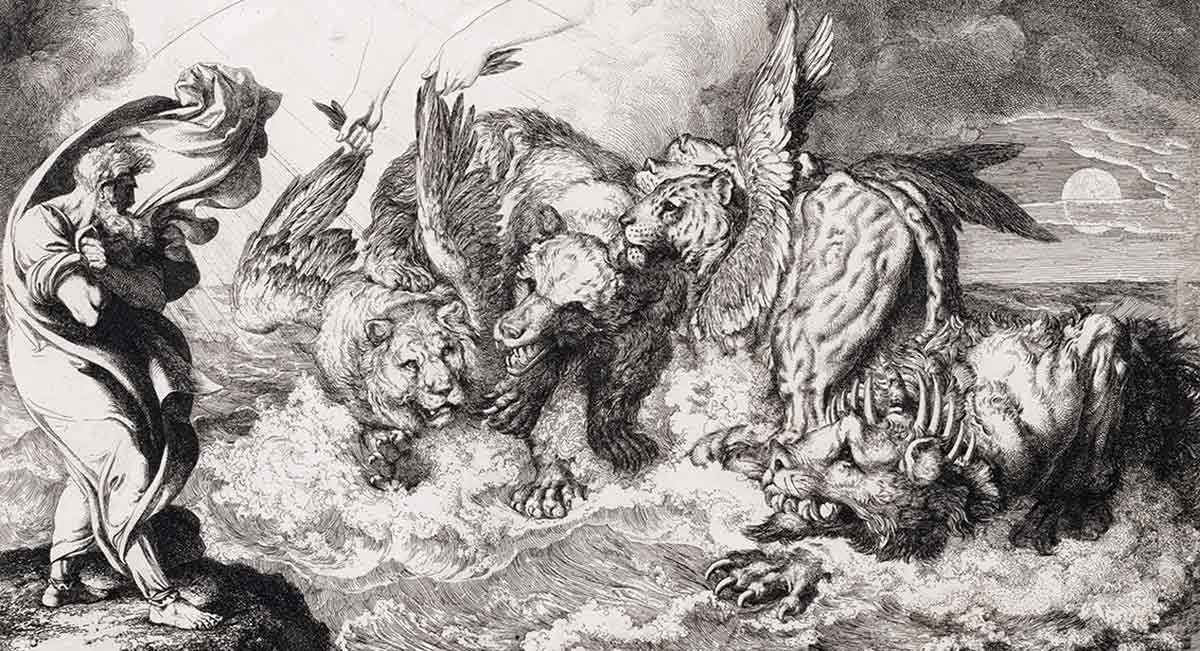
In addition, apocalyptic literature tends to reference immense eras, concerning itself not only with immediate concerns but with virtually all of known human history. Another defining characteristic is the fantastic creatures it portrays. Talking beasts with multiple heads, eyes, and conglomerates of different animals that have obvious roots in Ancient Near Eastern iconography play key roles in apocalyptic visions.
It Provides a Trip through Heaven
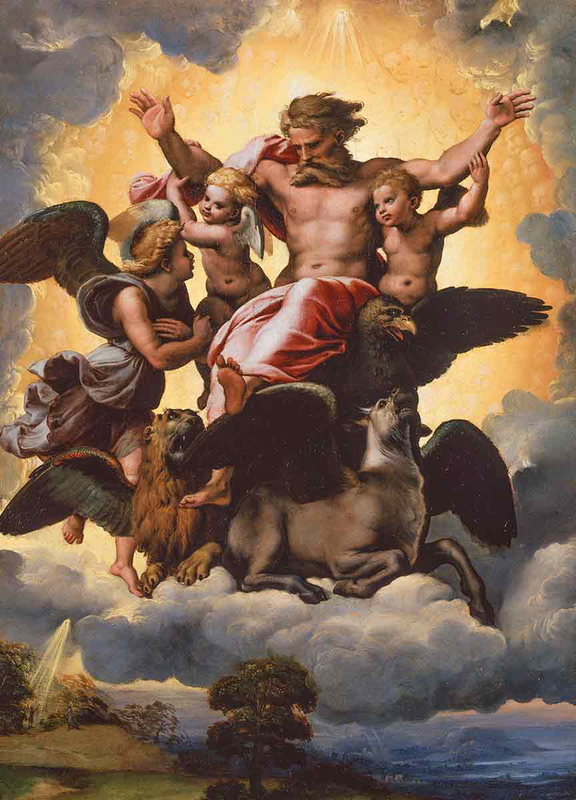
The apocalyptic vision also highlights God’s ultimate victory over evil from a heavenly, divine perspective. “Heavenly perspective,” in this sense, does not mean a place of unmitigated bliss walled off from earth’s pains, but a cosmic, panoramic view of both human and celestial activity as these realms interact with each other. There is a tension in apocalyptic texts between the uncertainty of present struggles and the determined future in which God will finally crush evil and establish eternal peace both in heaven and on earth.