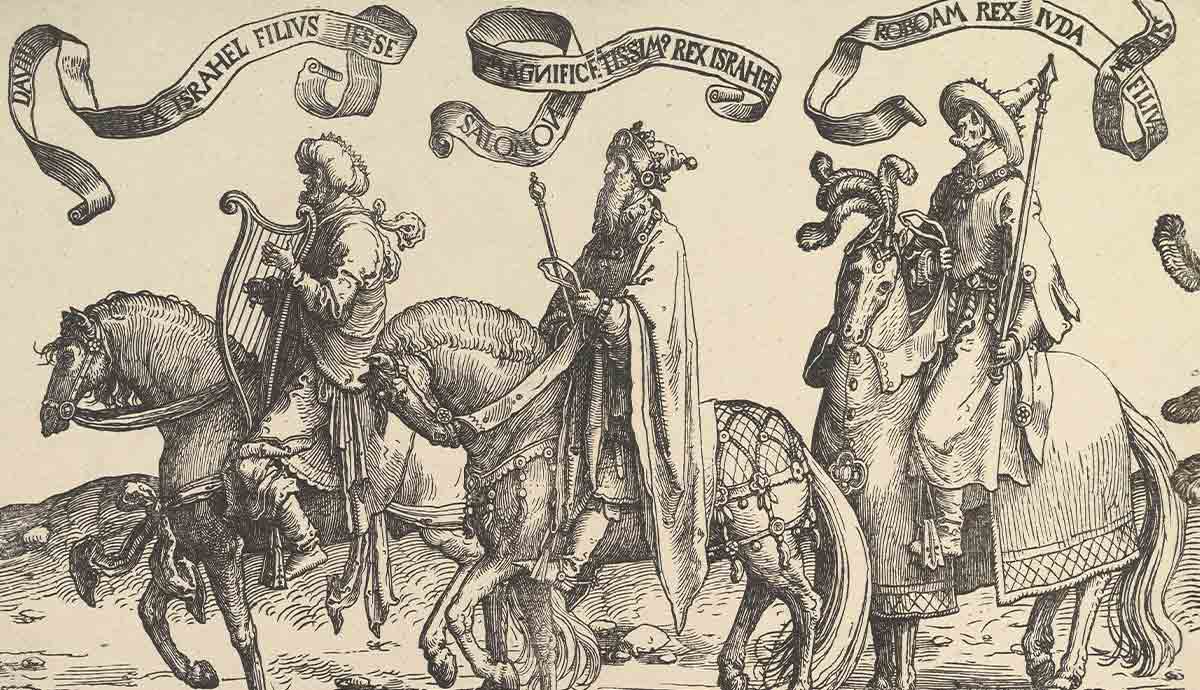
Biblical priesthood was restricted to men only. The only legitimate Israelite monarchs were men, and nearly all of Israel’s leaders before the monarchy were also men. But while the priesthood could not function without the Temple, the period of the judges ended with the monarchy, and the monarchy ended when Israel was taken into captivity, the institution of prophethood continued. Unlike priest and monarchs, prophets could be men or women.
Four Women Prophets Are Named in the Hebrew Bible
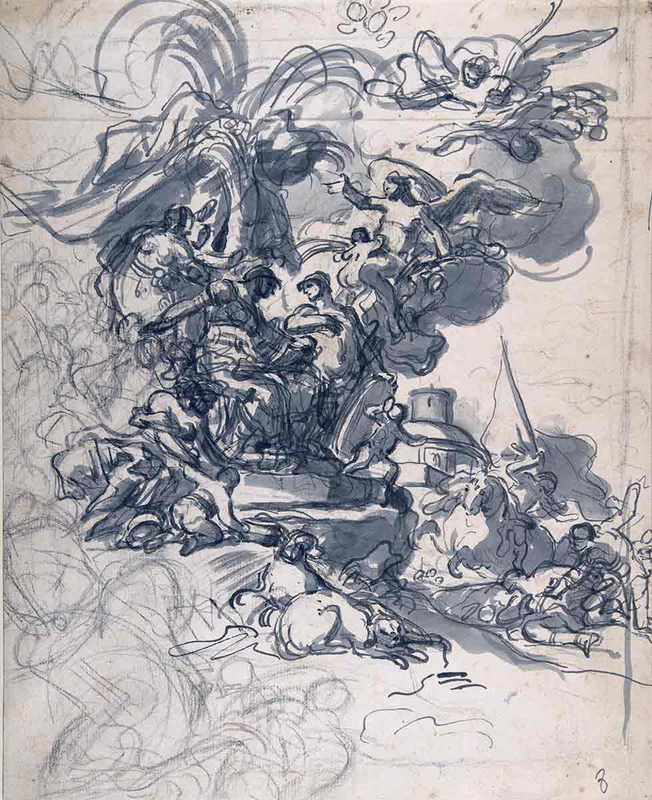
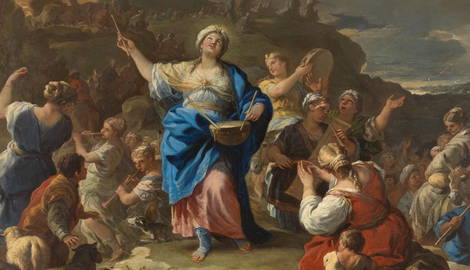
Five individual women are called “prophetess” in the Hebrew Bible. Four of these, Miriam, Deborah, Huldah, and Noadiah are named. Another, who is the wife of Isaiah, is not named. In her case, scholars wonder whether her title is due to her own prophetic role or merely to her being a prophet’s spouse.
Prophets in the Bible are not expected to be flawless. In the book entitled with his name, Nehemiah thanks God for giving him the courage to face his opponents, among whom are a group of unnamed prophets. One of these he identifies as the Prophetess Noadiah. Nothing further is said about her.
Biblical prophets often played more than one role. Miriam appears to have been an officially recognized leader alongside her brothers in the Hebrew community. Deborah was a judge, and Huldah may have been a scribe.
Women Prophets Continue to Appear in the New Testament
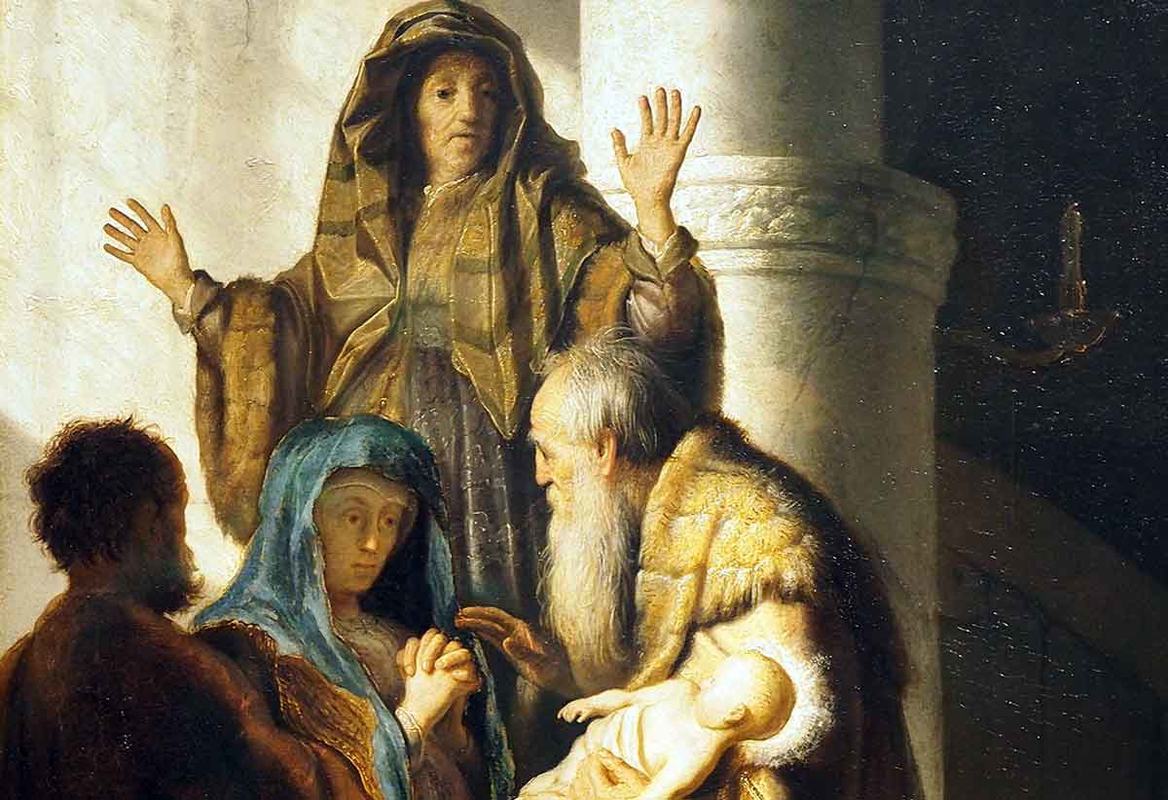
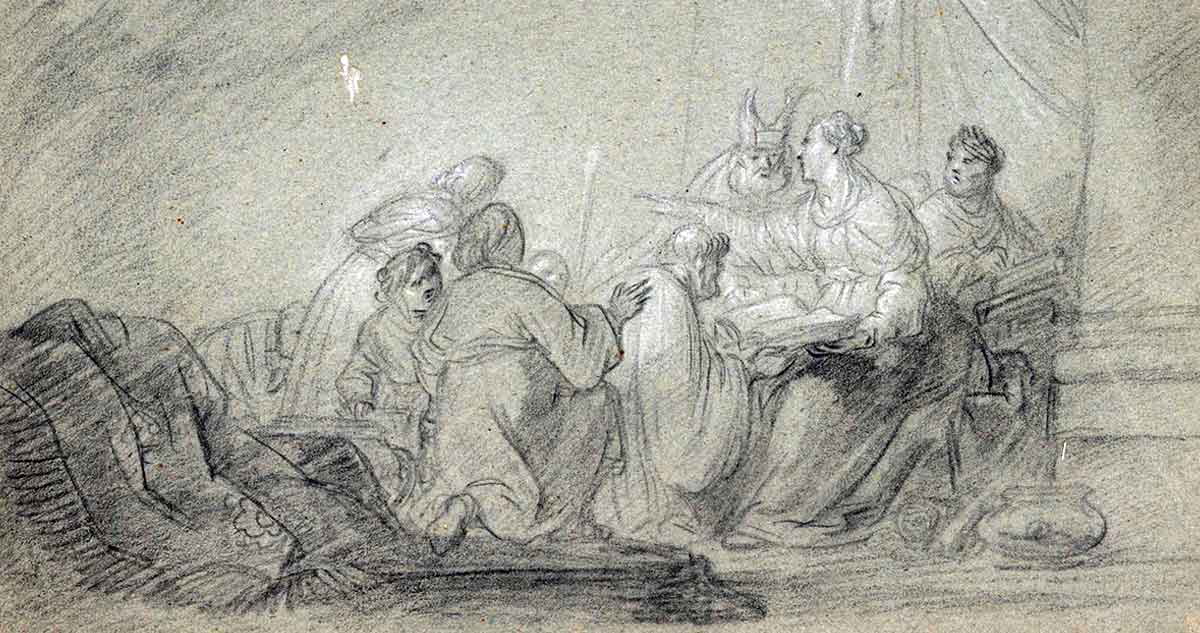
A woman named Anna is called a prophetess in the Gospel of Luke, and appears to have been recognized as such in the Jewish community at Jerusalem. She recognizes the baby Jesus’s messiahship along with an elderly man named Simeon.
In the book of Acts, a man named Philip is said to have had four daughters who had the gift of prophecy. A woman called Jezebel is called a prophetess in the book of Revelation, but she is viewed negatively by the author.
The ability to prophesy (which means, roughly, the ability to hear and convey messages from God) is more democratized in the New Testament than it is in the Hebrew Bible. Thus, the title is not designated frequently to particular individuals. Instead, the gift is understood as an unction that could theoretically be available to anyone in the community of faith, including women.
Some Unexpected Women Demonstrate Prophetic Ability
Though seldom thought of as such, Mary the mother of Jesus could be viewed as a prophetess since she is portrayed as receiving divine insight. Her cousin Elizabeth is also able to recognize Jesus’s identity while he is still in the womb, just like Anna is later able to do after Jesus was born. Her ability is prophetic, even if she is not given the title.
Why Were There Women Prophets in Israel but Not Women Priests?
Virtually anyone could be a prophet in the biblical world, regardless not only of gender, but also of heredity, class, tribal affiliation, ethnicity, and health status. By contrast, biblical priesthood was restricted not only to men, but to men born in the tribe of Levi from the family of Aaron. They also could not have certain physical defects. One of these, mentioned specifically, was damaged testicles.
When priests performed their duties, they had to conform to ritual cleanliness regulations. Any person who had been in recent contact with either semen or menstrual blood could not enter the Temple. While contact with semen required waiting one day before entering, contact with menstrual blood meant a week’s wait. It would have been impractical for women to be priests for this reason. Prophets, by contrast, did not need to enter a sanctuary to commune with God, and were thus unencumbered by these restrictions.