The pursuit of virtue is a difficult one, and doing so in a misguided manner has led to many issues both for individuals and for mankind collectively, and it continues to do so in modern times. When we discuss problems arising from the pursuit of virtue, our minds immediately think of extremism, radicalism, and fanaticism. However, Aristotle’s concept of virtue goes completely against all of these standpoints, arguing that true virtue can only derive from balance.
History and Pillars of Aristotle’s Philosophy
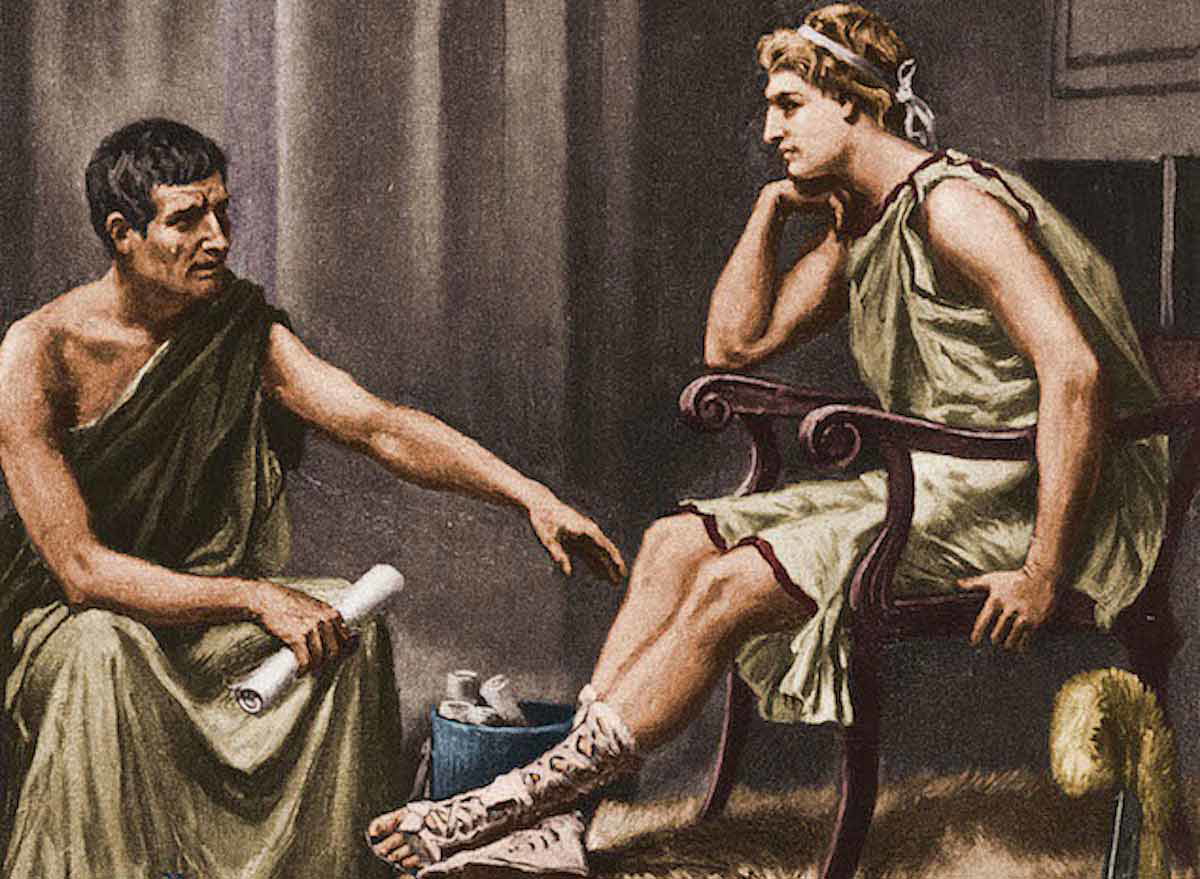
As one of the most important names in Greek Philosophy and Western civilization as a whole, Aristotle was Plato’s most brilliant pupil, later becoming the tutor of none other than Macedonian emperor Alexander the Great. His extensive work covered areas such as natural philosophy, metaphysics, and ethics, and laid the foundation for many concepts that would eventually be studied by psychology. While the influence of Platonism is essential to understanding Aristotle’s philosophy, the philosopher heavily deviates from his former teacher.
Aristotle’s ethical philosophy, as outlined in the Nicomachean Ethics, centers on the concept of happiness or flourishing, known as eudaimonia. He argued that the highest good for humans is not pleasure, wealth, or glory, but the fulfillment of our existence as rational beings. In order to achieve this fulfillment, we have to live our lives according to two types of virtues: moral virtues and intellectual virtues. What this ultimately means is that happiness and success are built on a daily basis, through the application of rational principles in our every action.
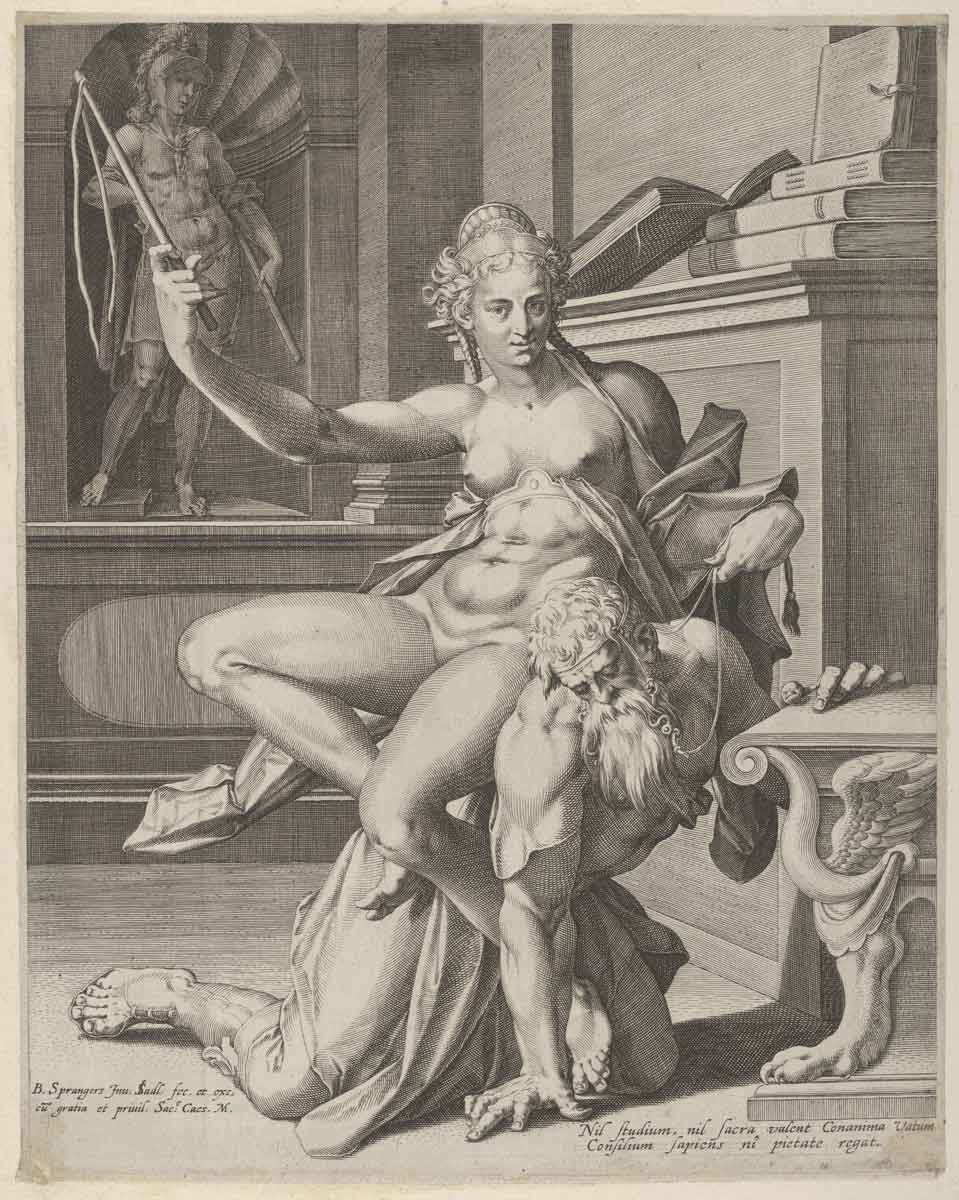
The foundation of this perspective towards life can be found in De Anima, another one of Aristotle’s most important writings. In that work, the philosopher explores the nature of life and the nature of the soul. He defines the soul as the essential principle of life, being responsible for every vital function of living beings. According to Aristotle, there are three kinds of souls: vegetative, sensitive, and rational. These types of souls belong to plants, animals, and humans, respectively. Furthermore, unlike Plato, Aristotle rejects the idea of the soul as separable from the body, viewing them as two essential parts of a whole. Together, the Nicomachean Ethics and De Anima establish Aristotle’s vision of humans as rational and moral beings. Ethics is inseparable from human nature and is practiced through virtues in our daily lives, allowing for the pursuit of well-being, as we will see in our analysis.
De Anima: Origin and Meaning of Existence
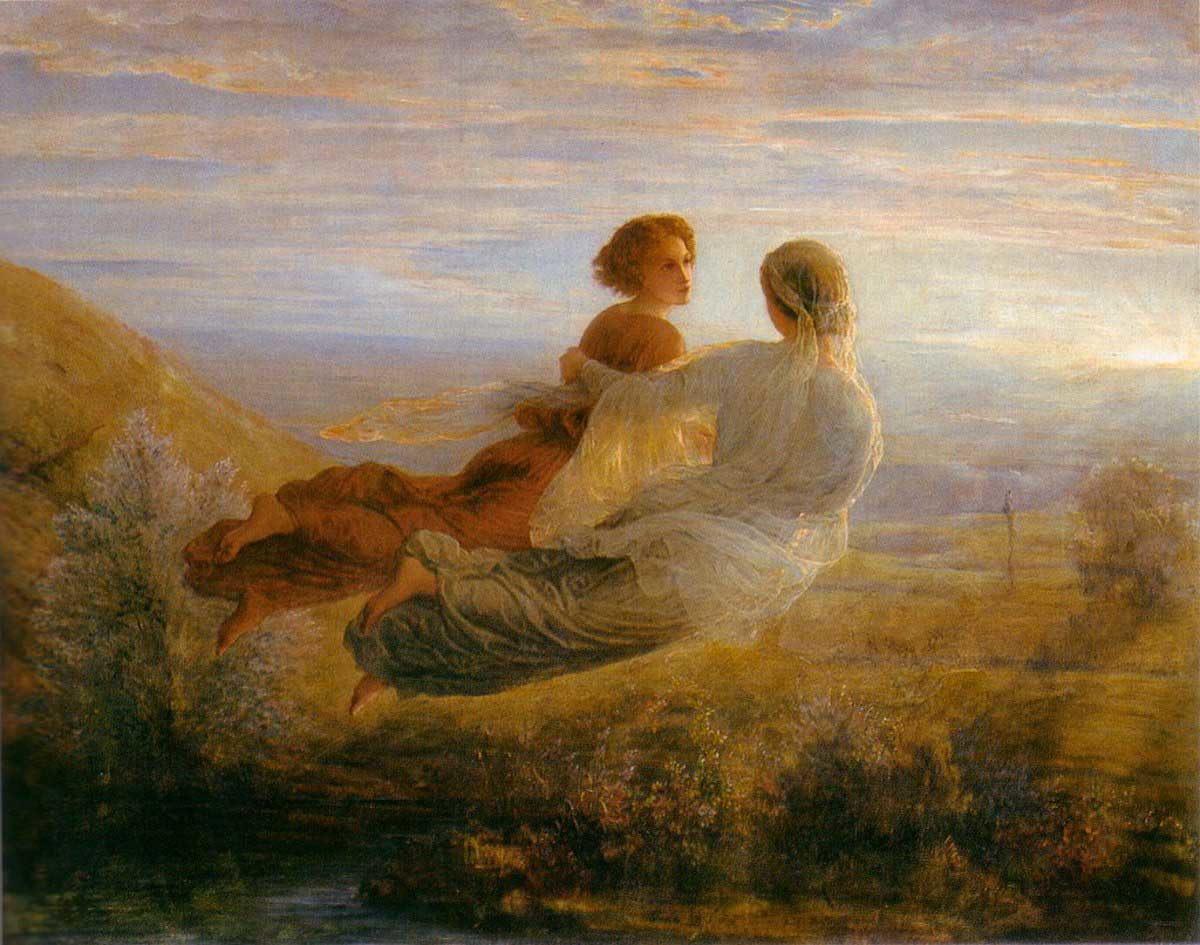
Aristotle’s De Anima is a foundational work in his philosophy, setting the groundwork for the development of the concept of virtue in his later work, Nicomachean Ethics. The work is an inquiry into what it means to exist, to be alive, and to perform the activities that are essential to living beings, such as perception, motion, and nutrition.
In order to answer these questions, the philosopher establishes the soul as the principle of life, the essence that defines a living being and enables it to perform any action. According to Aristotle, the soul and the body are necessarily connected, for one is the essence while the other is the matter that compounds a whole living creature. The soul exists to realize the potential of the body to live.
Aristotle then proceeds to define the vital functions and classify different types of souls according to the functions they perform. The simplest functions are the vegetative ones: nutrition, growth, and reproduction. Plants, for example, can only perform vegetative functions and, therefore, possess vegetative souls. The sensitive functions are perception and motion, and they can be performed by animals in addition to vegetative functions. This means that animals have a sensitive soul.
Now, humans can perform vegetative and sensitive functions, but they can uniquely perform what we call rational functions: thought and intellect. Humans are the only living creatures who possess a rational soul. This distinguishing feature is what defines human beings. In summary, we are not bound by the biological needs of our bodies or the cravings of our five senses; we are able to reflect upon life and understand abstract concepts, which will be extremely important for defining virtues later on.
Nicomachean Ethics
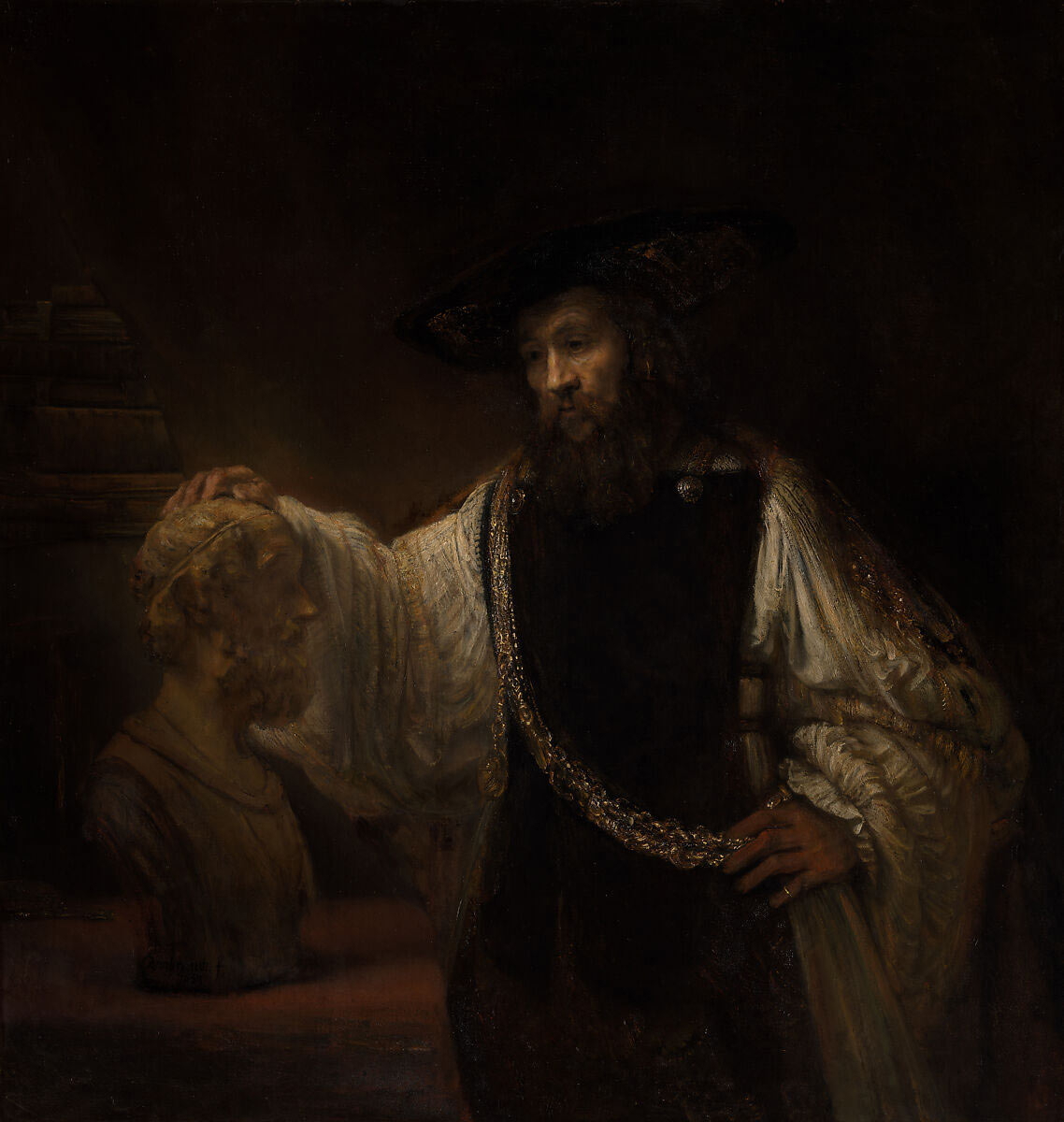
Nicomachean Ethics is one of the most important works in moral philosophy, exploring the nature of virtue and how people can reach true happiness. The work, named after either Aristotle’s father or his son Nicomachus, is a collection of notes made by the philosopher during his lectures, with its main objective being to determine true happiness and how to live a flourishing, virtuous life.
Aristotle begins by asserting that every activity aims at some good, and the highest of all goods must be something desirable for its own sake, not as a means to another end. This ultimate good, he argues, is happiness, or eudaimonia, which means the well-being of the individual through a flourishing life. Unlike pleasure, wealth, or glory, which are only means to an end and essentially temporary, true happiness is self-sufficient and the fulfilment of our potential as human beings who possess a rational soul, as we have previously established. Through our rational functions, we are able to go beyond bodily desires. Therefore, we can only truly feel fulfilled when we achieve this potential through the exercise of rational activity. This connection between reason and happiness is central to Aristotle’s Philosophy.
In order to realize the aforementioned rational functions and achieve happiness, we must constantly live our lives through the guidance of virtues. Aristotle distinguishes between two types of virtues: moral virtues and intellectual virtues. Moral virtues, such as courage, temperance, and generosity, concern the regulation of emotions and actions. Intellectual virtues, such as wisdom and judgment, concern reasoning and thought. These virtues exist in us as potential, but are only developed through habit and practice. By habituating oneself to virtuous behavior, a person cultivates a truly flourishing life. But how can we define and achieve these virtues? Virtue, according to Aristotle, lies in finding the intermediate between two extremes: excess and deficiency.

For example, a courageous person is one who acts in the middle between the extremes of recklessness and cowardice. The mean is relative to the individual and situation, requiring constant practical judgment to determine what is appropriate. This emphasis on balance and context sensitivity is what separates the virtues and ethics of Aristotle from those observed in many doctrines and religions around the world, where an absolute perspective on such matters can lead to dangerous extremism.
Furthermore, the work explores the role of pleasure in our lives. While pleasures are not good by themselves, they do have a significance in our lives as long as they are practiced within virtue. Virtuous, or balanced, exercise of pleasures is important for a flourishing life, while the extreme practice of the same pleasures leads to vice and subsequent pain, straying us from the path of happiness.
Another important aspect of a happy life is cultivating friendships. During our lives, we may encounter three rather self-explanatory types of friendships: friendships of utility, friendships of pleasure, and friendships of virtue. While they are all parts of the human experience, the friendships of virtue are the highest form of friendship. These are the ones where people cultivate mutual respect and pursue happiness together through virtue. Such friendships are enduring and contribute significantly to human flourishing, as we are innately social creatures.
In conclusion, Aristotle’s Nicomachean Ethics presents a comprehensive vision of happiness and human flourishing grounded in virtue. Happiness is the end goal of human life, and it can be achieved through the proper exercise of our rational souls through virtuous actions. Aristotle’s philosophy remains influential because it balances individual responsibility with social context, reason with emotion, and practical wisdom with philosophical insight, offering a timeless guide on how a person can truly live well.
Virtue as a Way for Happiness
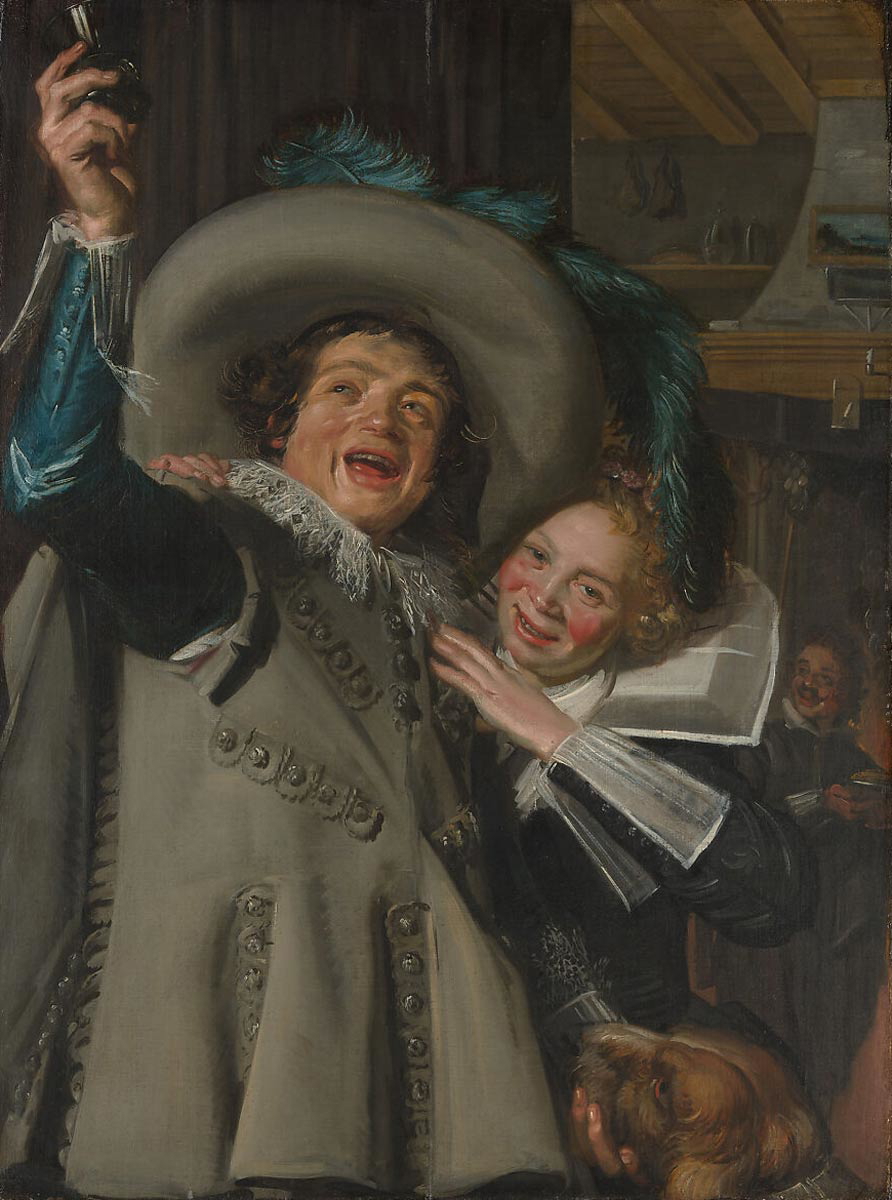
Ultimately, every person seeks happiness, a sense of fulfillment, and satisfaction with their own lives. Aristotle’s Philosophy provides a very interesting perspective on how we can achieve that. The definition of the human soul as rational by its very nature is a clear explanation as to why we can never feel truly happy through the indulgence in sensory pleasures.
The essence of the human being craves more than what physical matter alone can provide. We are naturally inclined to reasoning, reflection, and philosophy. A lack of exercise of these rational functions leads us to an intimate frustration that many people experience, whether they notice it or not, and this frustration leads us to an attempt at escapism in extremes: eating disorders manifest in excess or complete absence of nutrition, mental breakdowns are usually characterized by raging euphoria or absolute apathy, and the list goes on. People can achieve happiness if they stop, reflect, and balance their actions. Not only in dire situations, but in everyday habits. Reason is the most powerful tool of the human being, and it is capable of building the life that we all want as long as we know how to use it.