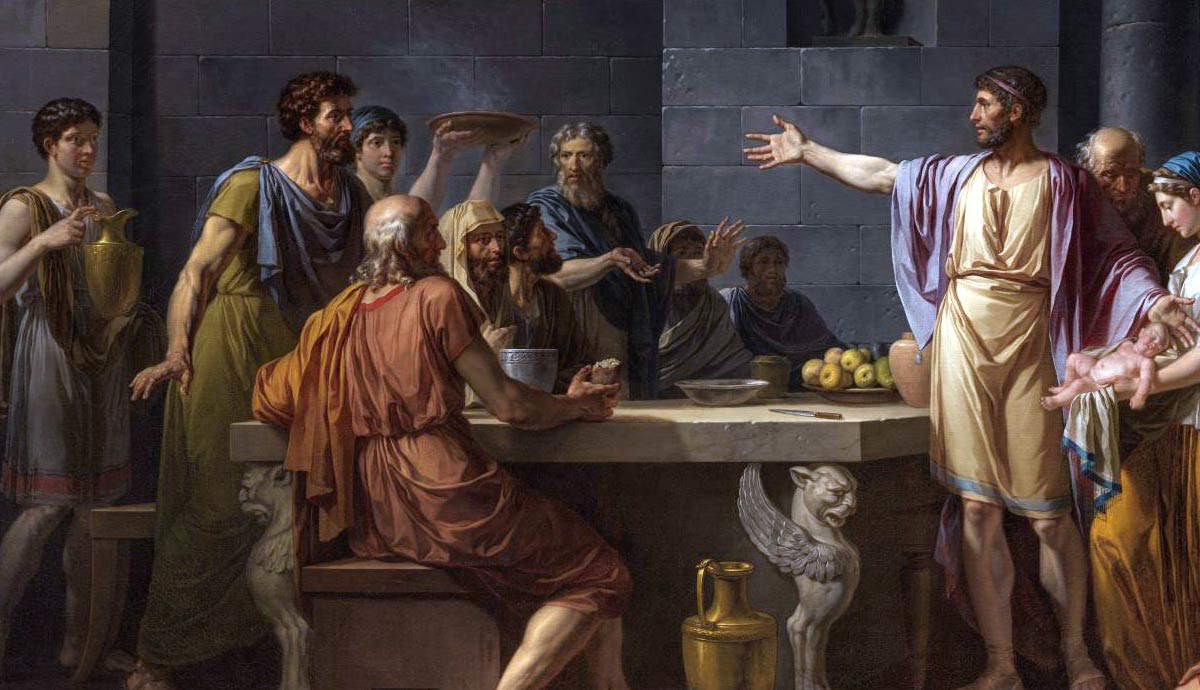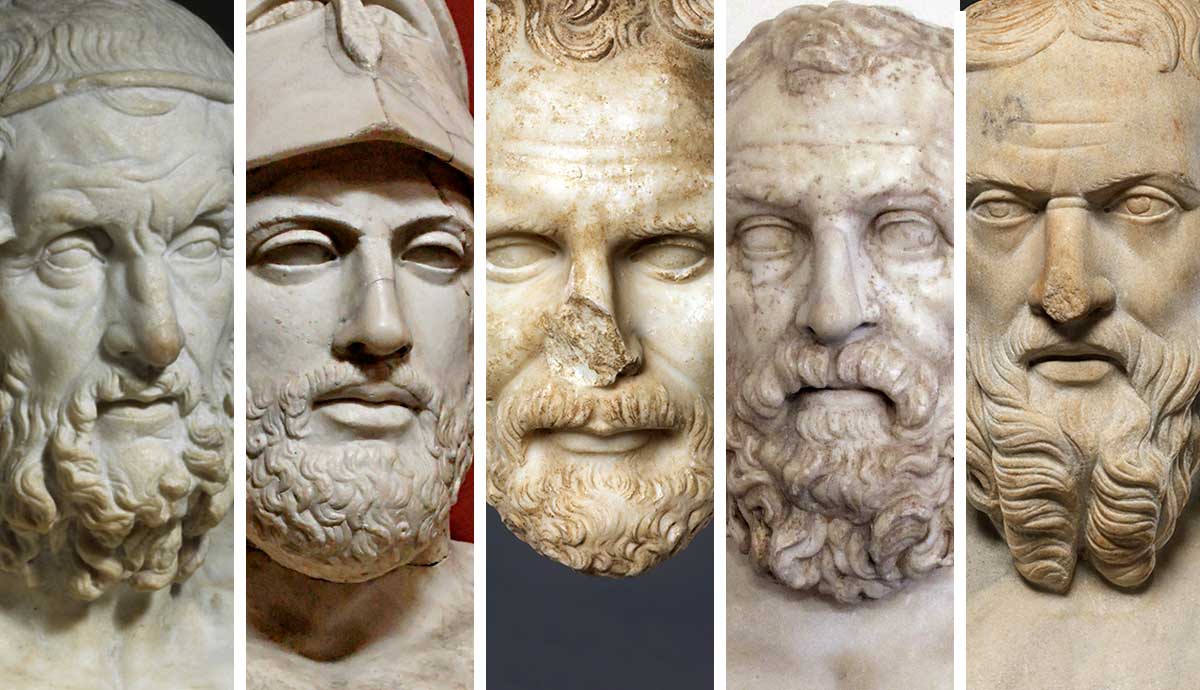
“Draco’s laws were not written in ink, but in blood.” This is what 4th-century BCE orator Demades reportedly said of Draco, a 7th-century BCE Athenian lawmaker. Draco is the man credited with providing Athens with its first written law code. Not much of the code has survived, but what does remain is the homicide code, which was considered excessively severe, even by ancient standards. So much so that the term “draconian” has found its way into the modern vocabulary as a byword for archaic severity. But have Draco and his laws been misjudged?
Who Was Draco?
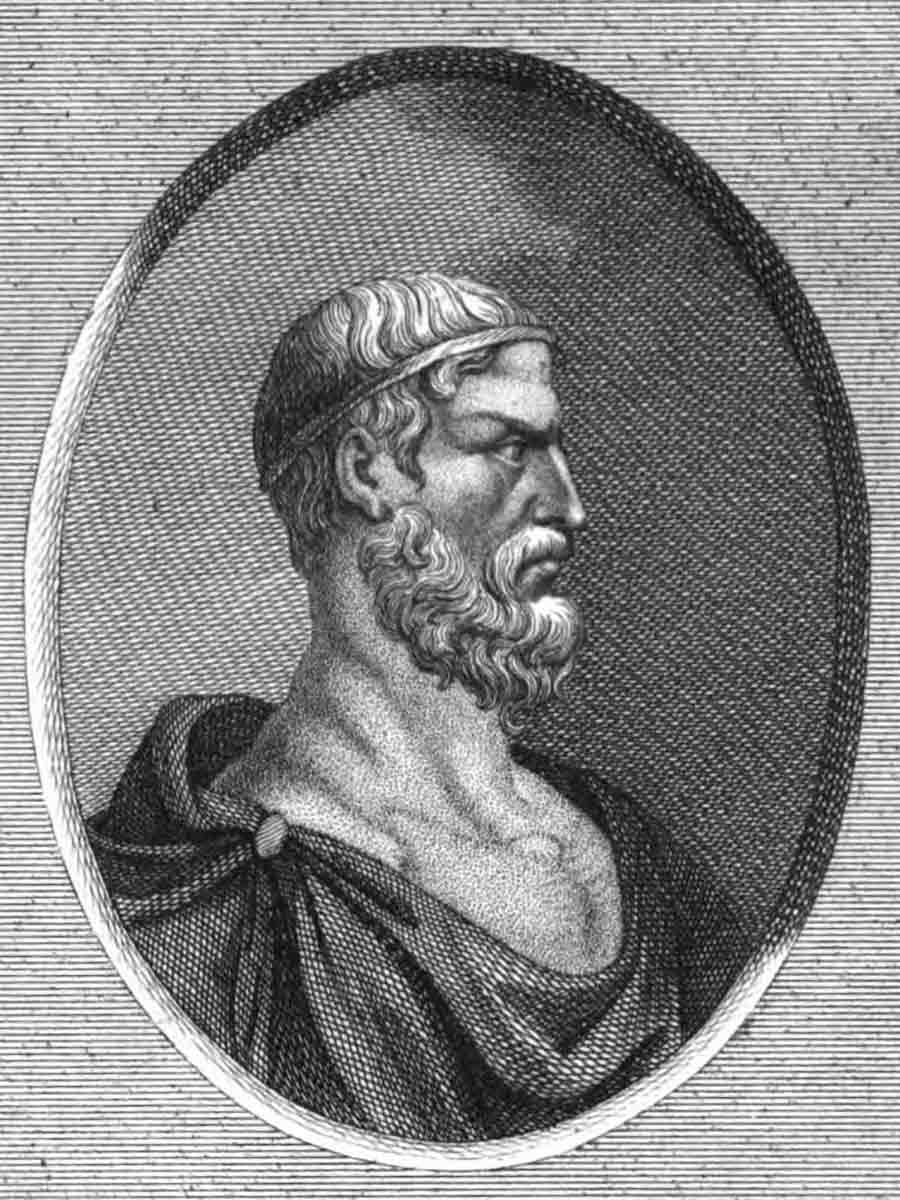
Unfortunately, not much of Draco’s life is known, only that he established his legal code around 621 BCE, during the Archonship of Aristaechmus. Before Draco, the law was the domain of the aristocracy. They were passed down orally and left to the leading oligarchy to interpret and manipulate.
Some scholars link Draco’s rise to the Cylonian coup of c. 630 BCE, which led to the Alcmaeonid tribe’s exile from Athens. Though it was unlikely that he was ever Archon, it seems that Draco was given extraordinary powers similar to Solon, who was considered one of the Seven Sages of Greece.
Draco was the first to write down the law code of Athens, enabling literate citizens to read and understand the laws without the need for aristocratic interpretation. From that time onwards, people were empowered to bring their own lawsuits to court. We have a general outline of the constitution after Draco from Aristotle. However, it is unclear whether Draco created these laws or just codified them, since in his Politics, Aristotle said that Draco worked from an existing constitution. The only known laws that are certainly attributed to Draco are those concerning homicide.
What the Sources Say
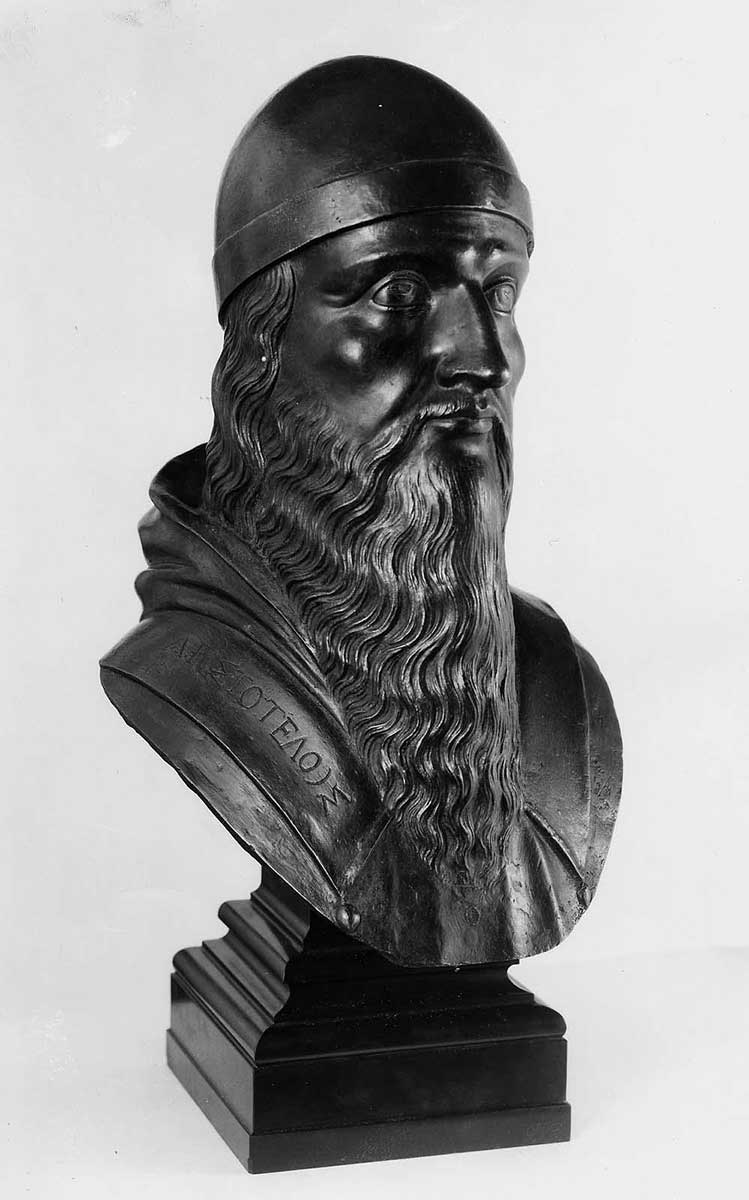
Whenever Draco was spoken of in the surviving sources, it was usually in context with the harshness of his law code. The earliest source to mention Draco’s severity is Aristotle, writing in the 4th century BCE. In his Politics, Aristotle wrote that there was nothing remarkable about his laws except for their severity.
Plutarch, writing in the early 2nd century CE, wrote that Draco applied the death penalty for nearly all crimes, and that someone who stole fruit received the same punishment as a murderer. He even offered an anecdote that Draco himself was said to have been asked why he gave the death penalty for most offenses. His reply was that the lesser crimes deserved it, and for the greater ones, he couldn’t think of a harsher punishment. Aulus Gellius, a Roman author of the late 2nd century CE, also wrote that Draco punished theft with death.
The Law Before Draco
According to Aristotle, before Draco’s reforms, the Athenian constitution was based on wealth and ancestry. The three top political offices were those of the King, Warlord, and Archon. The King was the oldest office and was hereditary, passed down from father to son. Athens was originally a monarchy, but over time, the king’s powers were divided among several magistracies. By the time of Draco, the King performed sacred rites and had a judicial role, presiding over murder cases and trials against impiety.
The next highest office was the Warlord, or Polemarchos. They were the city’s general and led the army in battle. Aristotle wrote that the office was created because some kings proved cowardly or weak generals.
The newest of the high offices was Archon. The office was created as the power of kingship declined, taking on many roles traditionally belonging to the monarch. As the duties entrusted to the Archon increased, it became the highest office in the city. All of these roles were initially held for life, then reduced to ten-year terms, and finally elected annually from the aristocratic class.
The Cylonian Affair
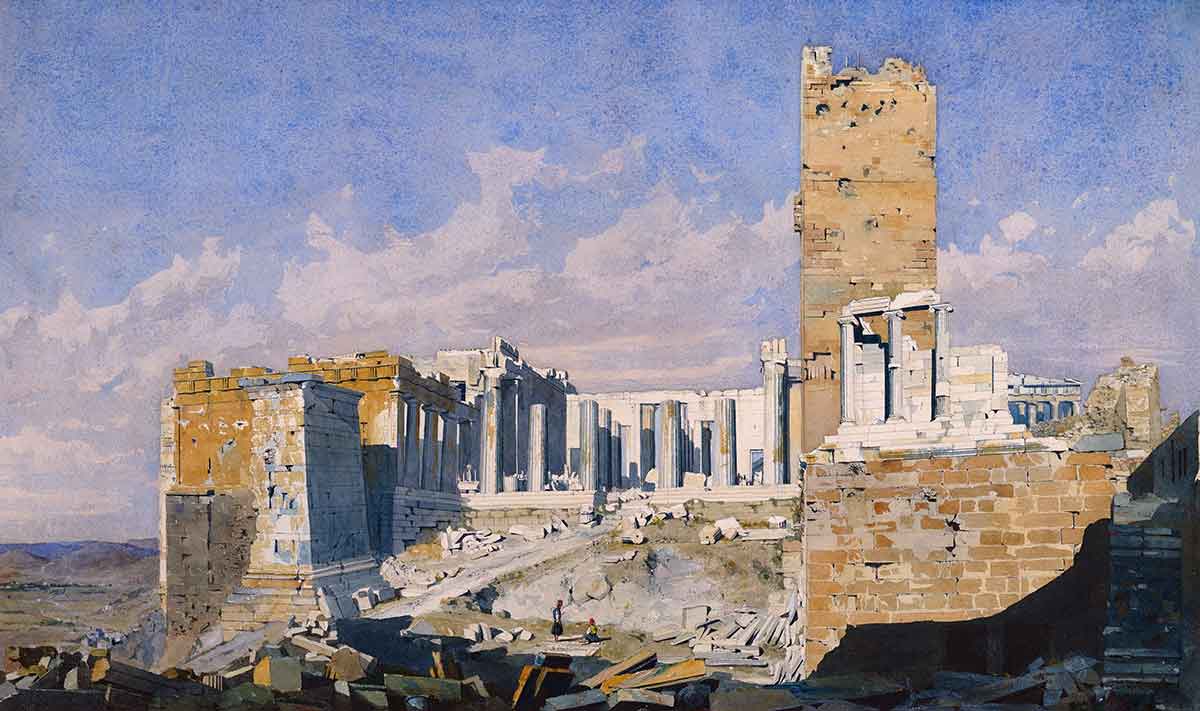
The Cylonian Affair refers to the attempted coup of Athens by Cylon and his supporters in 632 BCE. Cylon was also given men by the tyrant of Megara, his father-in-law, Theagenes. According to Thucydides, Cylon sought advice from the Oracle at Delphi, which told him that he should seize the Acropolis at Athens during the grand festival of Zeus. Cylon believed that this meant the Olympic Games, since he was an Olympic victor himself. But the greatest festival of Zeus in Athens was the Diasia, held just outside the city. Cylon seized the Acropolis during the Olympic Games, but when the Athenians learned what he had done, they came storming into the city from the countryside and laid siege to the Acropolis.
The siege lasted days, long enough that Cylon’s forces started to die of starvation. Cylon and some friends managed to escape, but the rest of his force took refuge at an altar of Athena and surrendered to the Athenians under the assertion that they would not be harmed. They were led away from the altar and killed.
This impious act was blamed on the Alcmaeonid family, one of whom, Megacles, was an Archon at the time, and was said to have laid a curse on the city. To rid themselves of the curse, the Alcmaeonids were exiled from Athens. This curse would be referenced several times in the following centuries as a pretense for other political exiles. It’s been suggested that this caused the constitutional crisis that preceded Draco’s appointment, but there were other sources of political strife in 7th-century-BCE Athens.
Athens’ 7th Century Political Strife
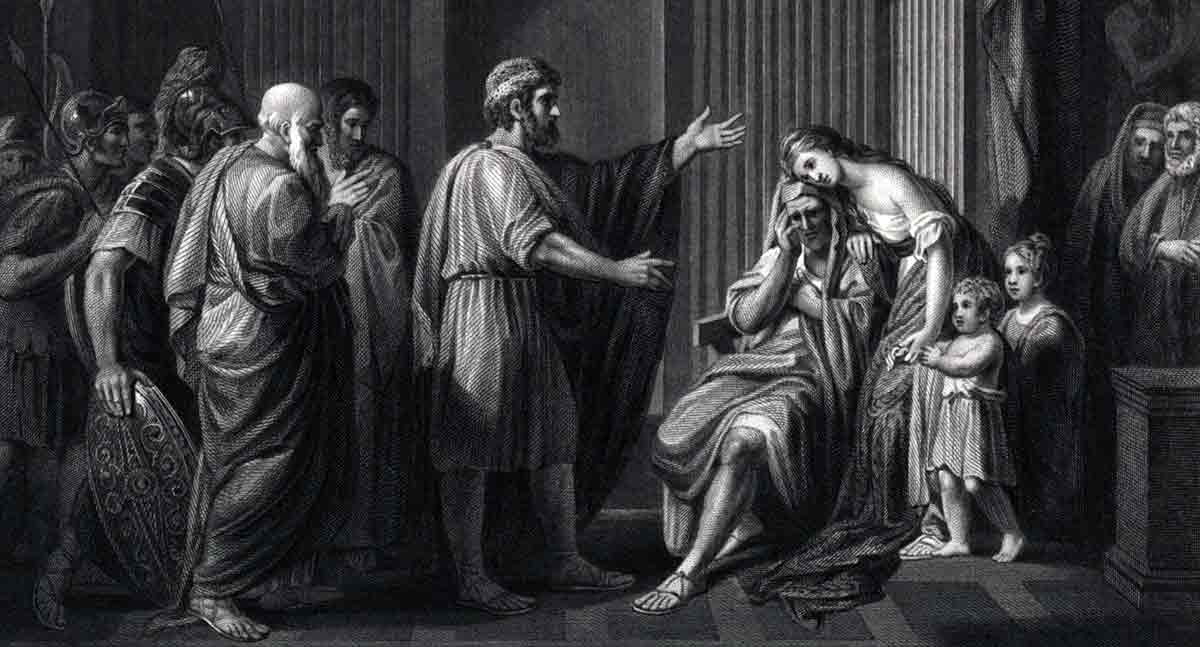
Draco was appointed in 621 BCE to record the laws because the “constitution was in disorder.” At this time, there was a massive wealth and power disparity between the aristocratic class and the rest of the population, not just in Athens but across the mainland. People were increasingly in debt, and it was a common occurrence that they’d be forced to sell themselves or family members into slavery. The city was governed by a constantly rotating group of aristocratic families, who overthrew and exiled each other, only to return with an army and do the same to their rivals.
In this context, the Cylonian Affair is just another in a long list of aristocratic coups and exiles. Draco was given unprecedented power to restructure the constitution, implementing laws that would also apply to the aristocratic class. Some serious political strife beyond the status quo infighting must have led to this decision, possibly originating from the lower classes.
Like Solon after him, Draco was appointed to resolve the strife between the aristocracy and the people. Yet his laws were clearly unsuccessful, as Solon was elected Archon only a few years later, in 594 BCE, to resolve the same grievances.
Draco’s Homicide Law
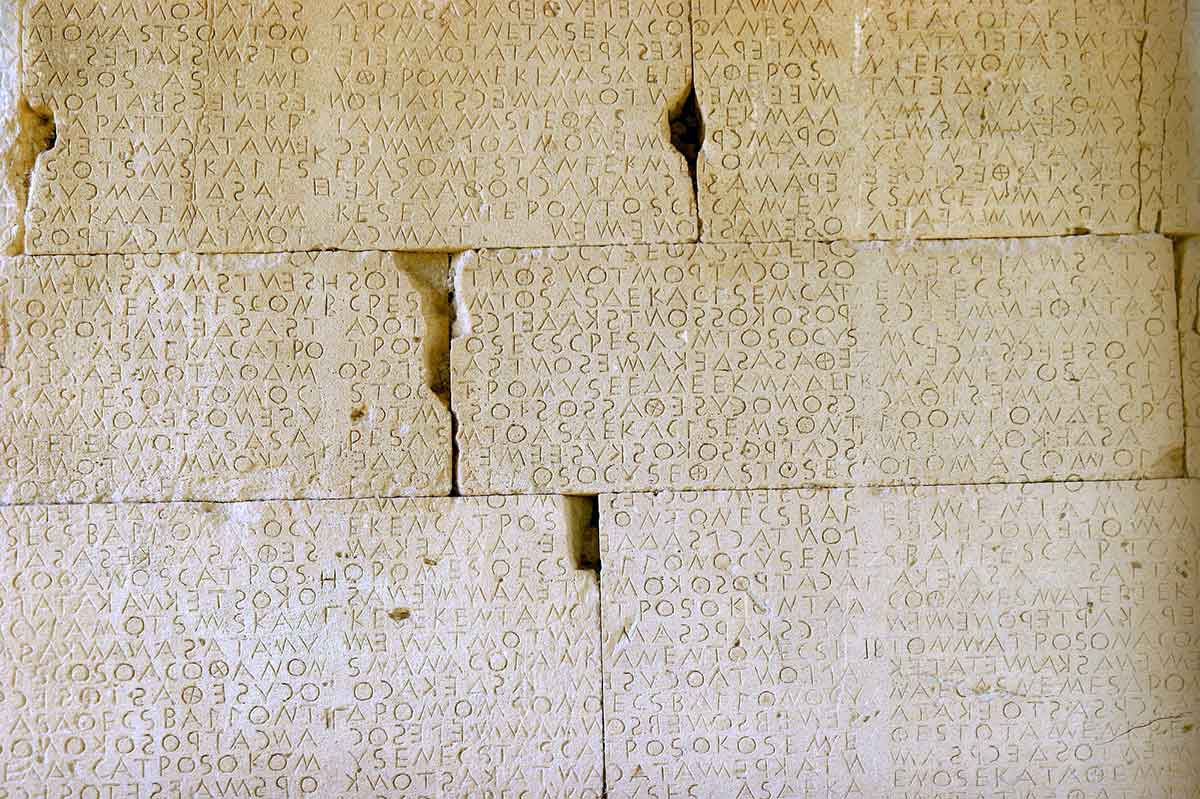
Draco’s homicide law is remembered mostly because it was one of the earliest recorded in Greek history. However, as far as scholars can tell, Draco based it on traditional penalties for murder. In the archaic period, murder was a matter to be settled between the families of the killer and the victim. Draco’s innovation was an elaborate procedure outlining the rights of both parties before, during, and after the court trial.
It can be assumed that Draco set out other laws since Aristotle wrote that most of them fell into disuse, while Plutarch wrote that Solon repealed them all save one. The only one he kept was the law on homicide.
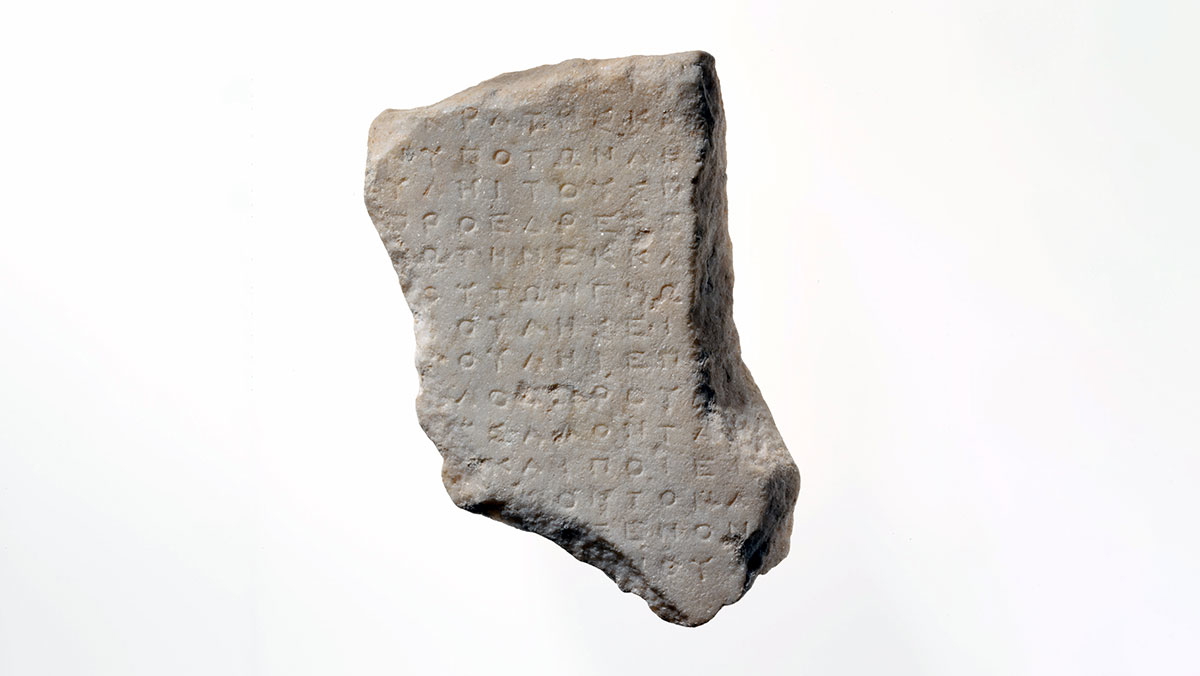
The law determined the punishment for murder as well as how the accused and the family of the victim could be reconciled. The law also differentiated between premeditated and unintentional or accidental murder. While death was certainly a penalty for murder, there were other options. The family of the victim could settle for monetary compensation, or they could pardon the killer altogether. The victim, before death, could also pardon the killer. The accused could even go into exile without being pursued. Draco was also said to have detailed the situation where a murder was justified. The homicide law remained in use throughout the Classical Period, as it was reaffirmed in 409 BCE.
Was Draco Really “Draconian”?
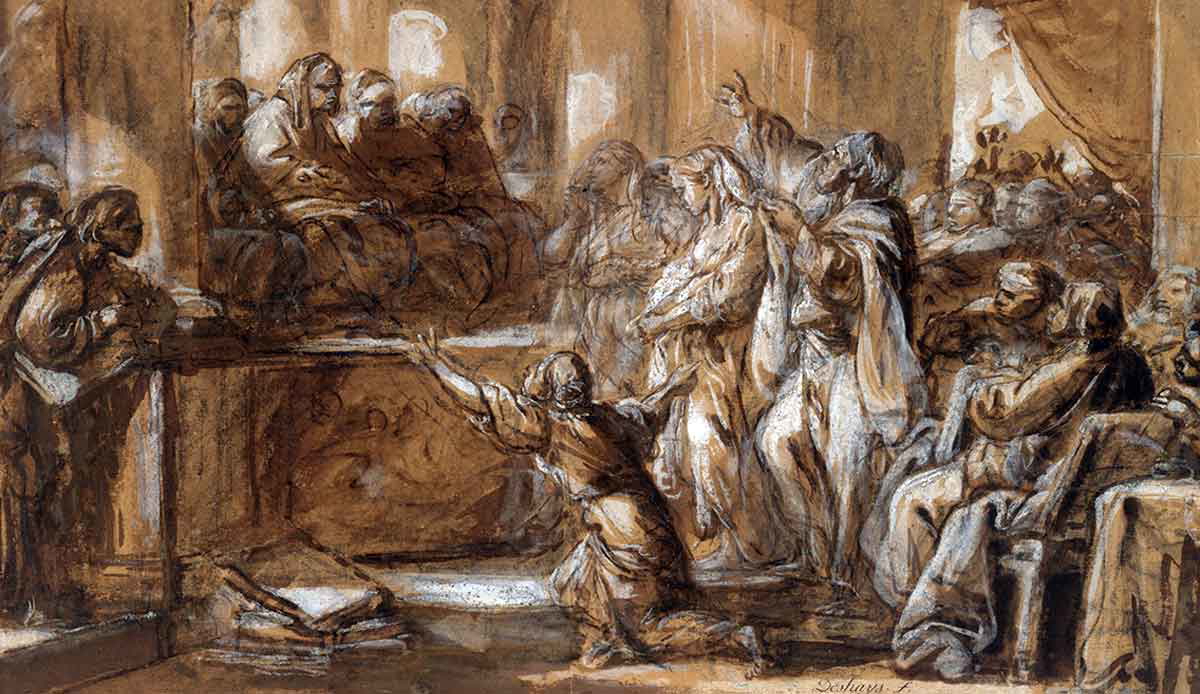
While the common consensus among ancient and modern scholars is that Draco’s laws were severe, were they as severe as Plutarch made them out to be? Part of Draco’s legacy of severity may stem from his name. Astute readers of Greek history and mythology would have noticed the connection between the name Draco and the Greek word “drakon,” meaning snake. Aristotle noted the pun in his Rhetoric when he said that Draco’s laws were not those of a man but of a snake.
Later authors wrote that Draco imposed the death penalty for even the most mundane of crimes, yet this is clearly false. The 2nd-century-CE author Julius Pollux recorded that a provision in Draco’s law set a penalty of twenty oxen. Even the surviving fragment of the homicide law provides for reconciliation and never specifies death as the only punishment.
Draco was also widely considered a good and just man. The 4th-century BCE statesman Aeschines, in a speech, said that Draco, like Solon, paid close attention to morality in his laws. Demosthenes, another 4th-century BCE statesman, said that Draco exhibited the principles of justice in his laws. While Aristotle was likely right in asserting that the only law of Draco in force in his time was the one concerning homicide, that does not necessarily mean that all of them were repealed by Solon, as Plutarch later claimed. The more likely answer is that the laws either ceased to be enforced or were revised to reflect new conditions. The laws were inscribed on public monuments, so changing them required taking down the monument and rewriting it. The Athenians wanted to attribute all their laws to Solon, and, given that he was in charge of reforming the government after Draco had provided Athens with its first written laws, he would necessarily have had to revise existing laws.
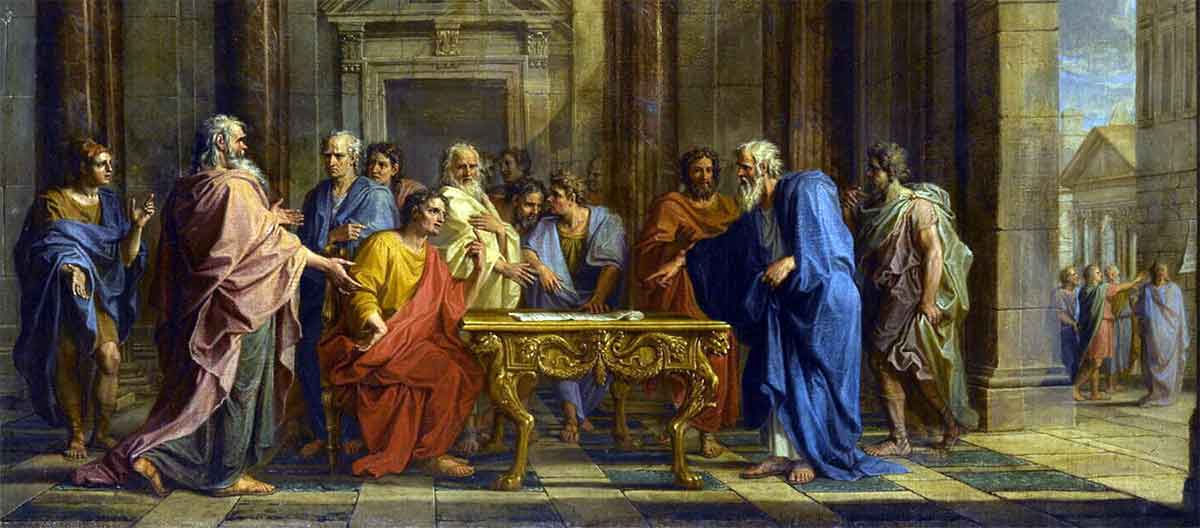
So, was Draco as severe as sources claimed? Probably not. Later authors often exaggerated his severity for rhetorical flourish, but that does not mean that he was not severe. There’s too much consensus to assume otherwise, but his “draconian” reputation is probably exaggerated, and Athenians clearly venerated him as a just lawmaker in the same vein as Solon.
Select Bibliography
- Carey, C. (2013). “In Search of Drakon.” The Cambridge Classical Journal, 59, 29–51.
- Gagarin, M. (1989). Early Greek Law. University of California Press.
- Gagarin, M., & Cohen, D. (2005). The Cambridge Companion to Ancient Greek Law. Cambridge University Press.
- Phillips, D. D. (2008). Avengers of Blood: Homicide in Athenian Law and Custom from Draco to Demosthenes.
- Rhodes, P. J. (Ed.). (2020). A Commentary on the Aristotelian Athenaion Politeia (Revised edition). Oxford University Press.