





About Patrick Bodovitz
Patrick earned his bachelor’s degree from Gettysburg College where he majored in political science and minored in history. His main focus of study was on the intersection of American politics and international affairs. He followed with a master’s degree from the American University School of International Service where he studied conflict and peace. Patrick published for AU’s academic journal and the International Policy Journal at the Center for International Policy.
Education
BA Political Science with minor in History
Gettysburg College
MA Peace and Conflict Resolution
American University School of International Service
Areas of Expertise
About Patrick Bodovitz
Patrick earned his bachelor’s degree from Gettysburg College where he majored in political science and minored in history. His main focus of study was on the intersection of American politics and international affairs. He followed with a master’s degree from the American University School of International Service where he studied conflict and peace. Patrick published for AU’s academic journal and the International Policy Journal at the Center for International Policy.
Education
BA Political Science with minor in History
Gettysburg College
MA Peace and Conflict Resolution
American University School of International Service
Areas of Expertise

10 Must-Visit Remnants of New Amsterdam That Still Capture New York’s Dutch Past
Dutch rule in New York left a heavy footprint in the institutions and architecture that can be found throughout the city.
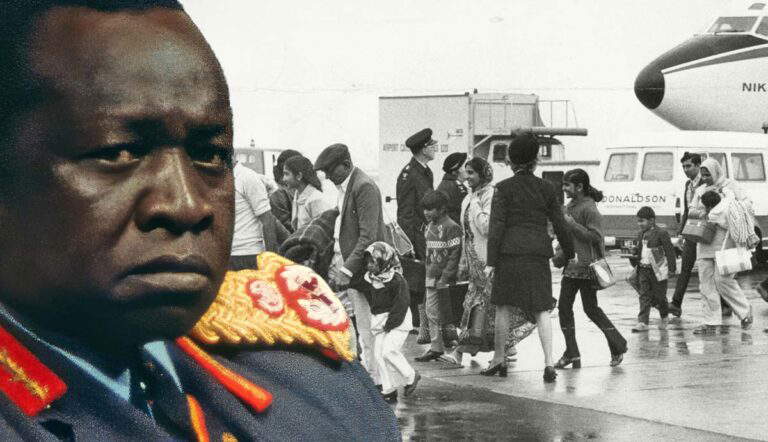
Why Thousands of South Asians Were Forced Out of East Africa
Postwar decolonization in Africa was a messy process that reordered societies built by the colonial powers. The Indians of East Africa were among the victims.
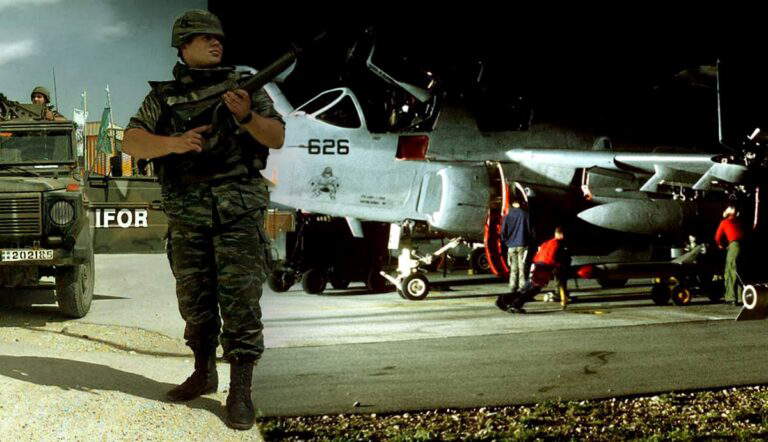
How Operation Deliberate Force Brought an End to the Bosnian War in 1995
In 1995, NATO launched its largest multinational military operation to date in an effort to force Bosnian Serb forces to accept a ceasefire.
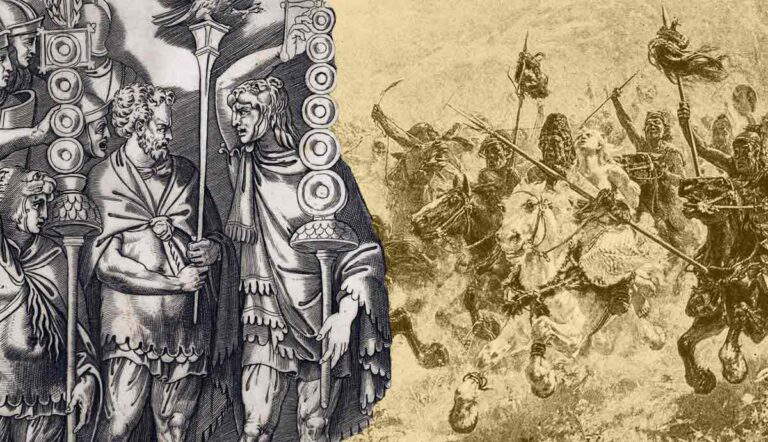
8 Largest Armies of the Ancient World From Rome to China
Even in the ancient period, some empires could deploy large armies of hundreds of thousands of men to defeat and destroy their enemies.
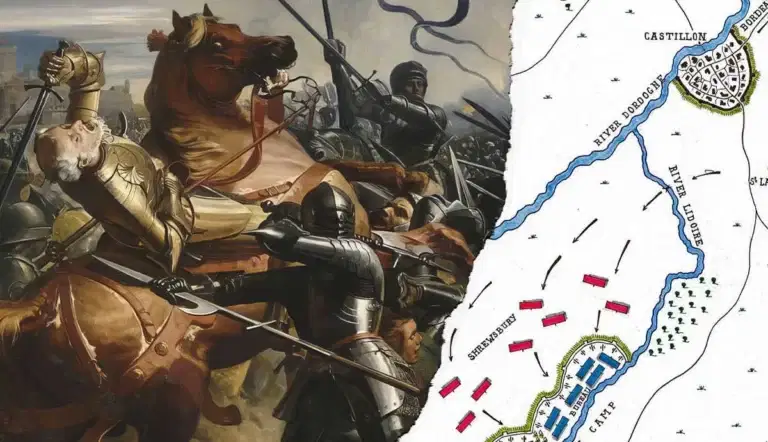
How Gunpowder Outclassed the Longbow in the Final Battle of the Hundred Years’ War
At the Battle of Castillon, English archers failed as French artillery crushed Talbot’s army in 1453.
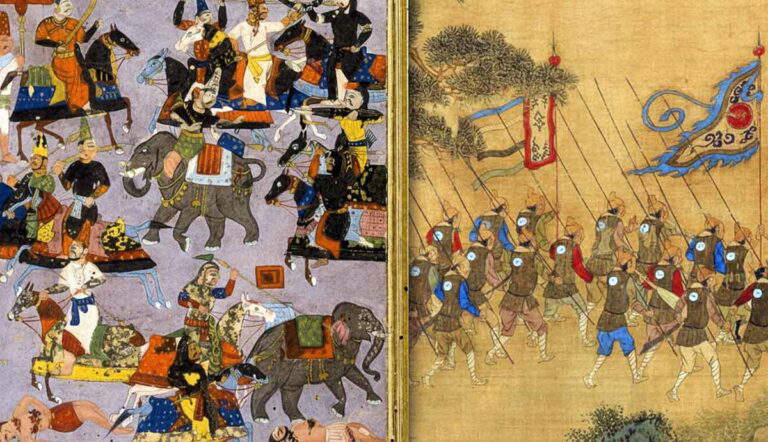
9 Massive Medieval Armies That Crushed Entire Empires
Medieval empires were capable of fielding armies of over a million men that rampaged continents and built empires.
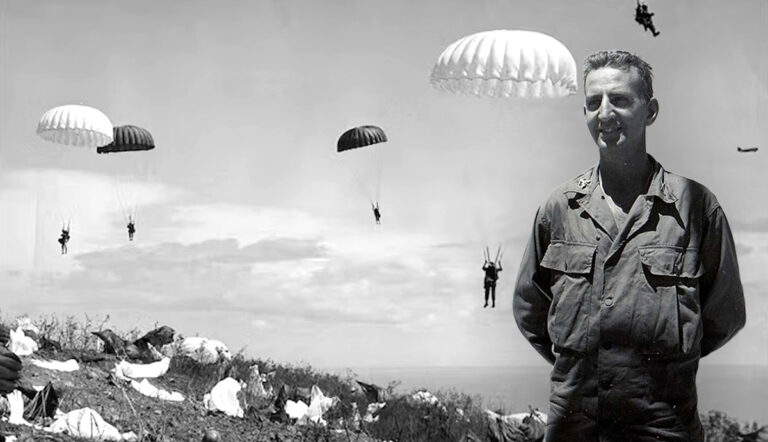
How MacArthur Avenged His Greatest Defeat at the Battle of Corregidor
When American forces managed to retake Corregidor Island from the Japanese, it proved to be sweet revenge for the Allies after having lost the island in 1942.
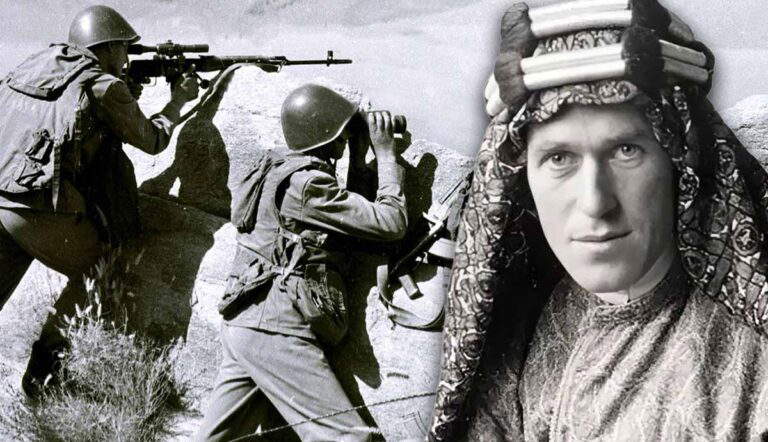
6 Successful Underdog Insurgencies From Military History That Beat the Odds
These six successful insurgencies from military history have captivated audiences as underdogs defeated much more powerful forces.
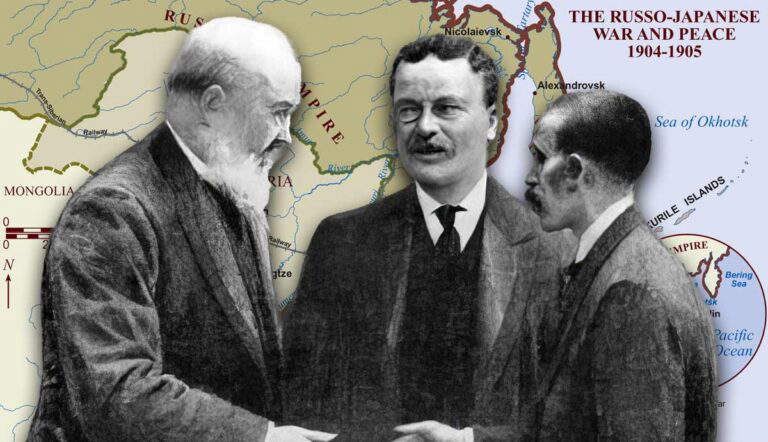
The Treaty of Portsmouth (1905) Did Not End Rivalry in the Pacific
One of the most important conflicts before WWI ended with a US-mediated peace treaty, projecting American power in Asia.
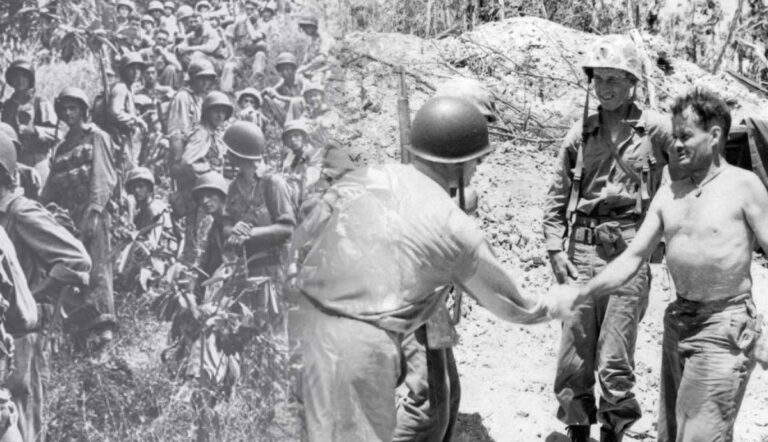
How Chesty Puller Built the Legend of the US Marine Corps
Lewis "Chesty" Puller (1898–1971) was a United States Marine Corps officer whose frontline leadership in five major conflicts earned him five Navy Crosses.
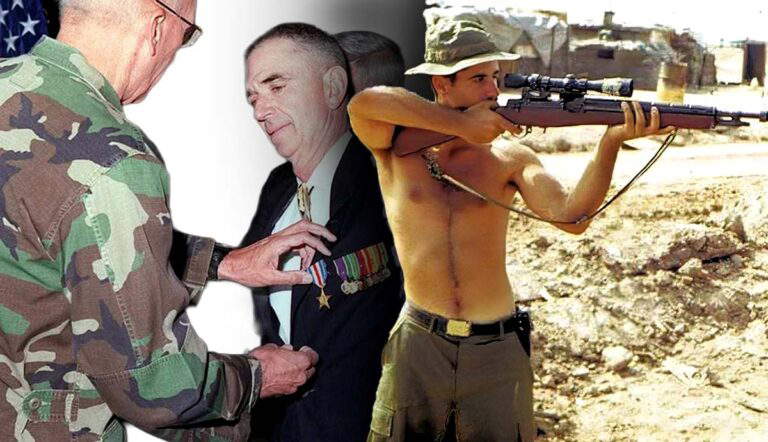
How Carlos Hathcock Became the Deadliest Marine Sniper in Vietnam
Marine Gunnery Sergeant Carlos Hathcock was one of the most formidable snipers in US history and became a legend for his exploits in Vietnam.
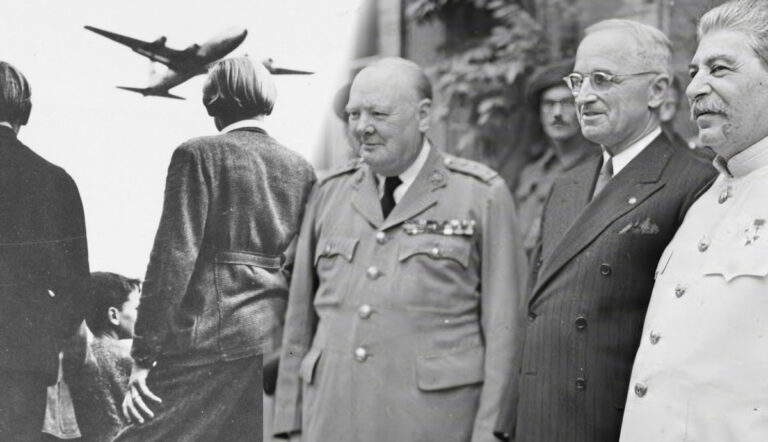
What Happened to Germany After WWII? A History of Postwar Germany
The division of postwar Germany between East and West helped shape the future of the country and its people.