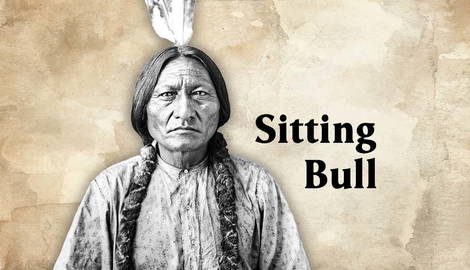
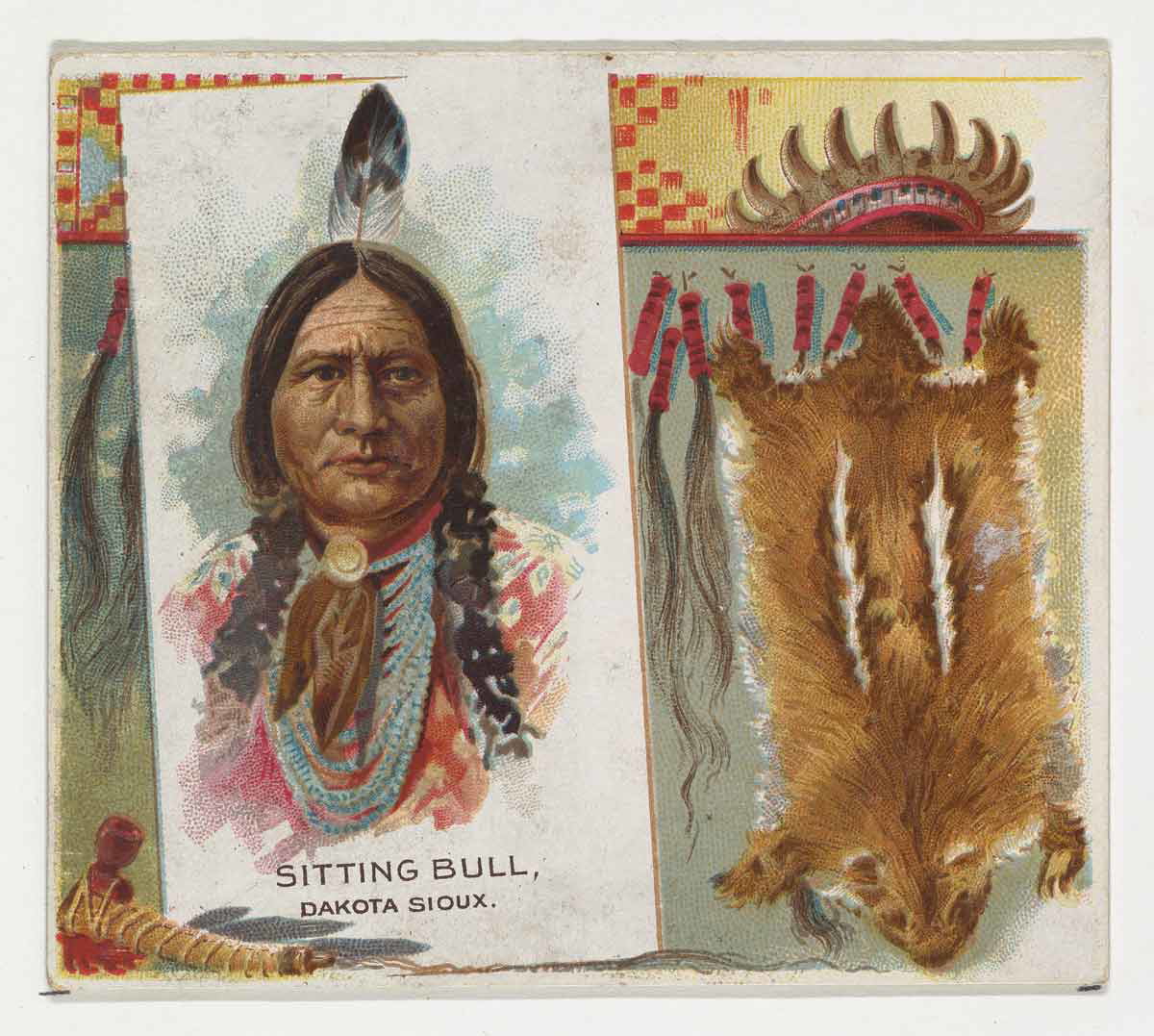
Conceivably the most famous Indigenous figurehead in US history, Sitting Bull fought tirelessly to preserve the culture and survival of his people. Born to a family of prominent chiefs and warriors, Sitting Bull had big shoes to fill, and he exceeded expectations, becoming a leader and an incredible soldier in his own right. He resisted white incursion for as long as he could, even after confinement to a reservation. His death would be the impetus that led to the final climactic clash between the Lakota people and the US government, a legacy of injustice that echoes into modernity.
A Young Soldier
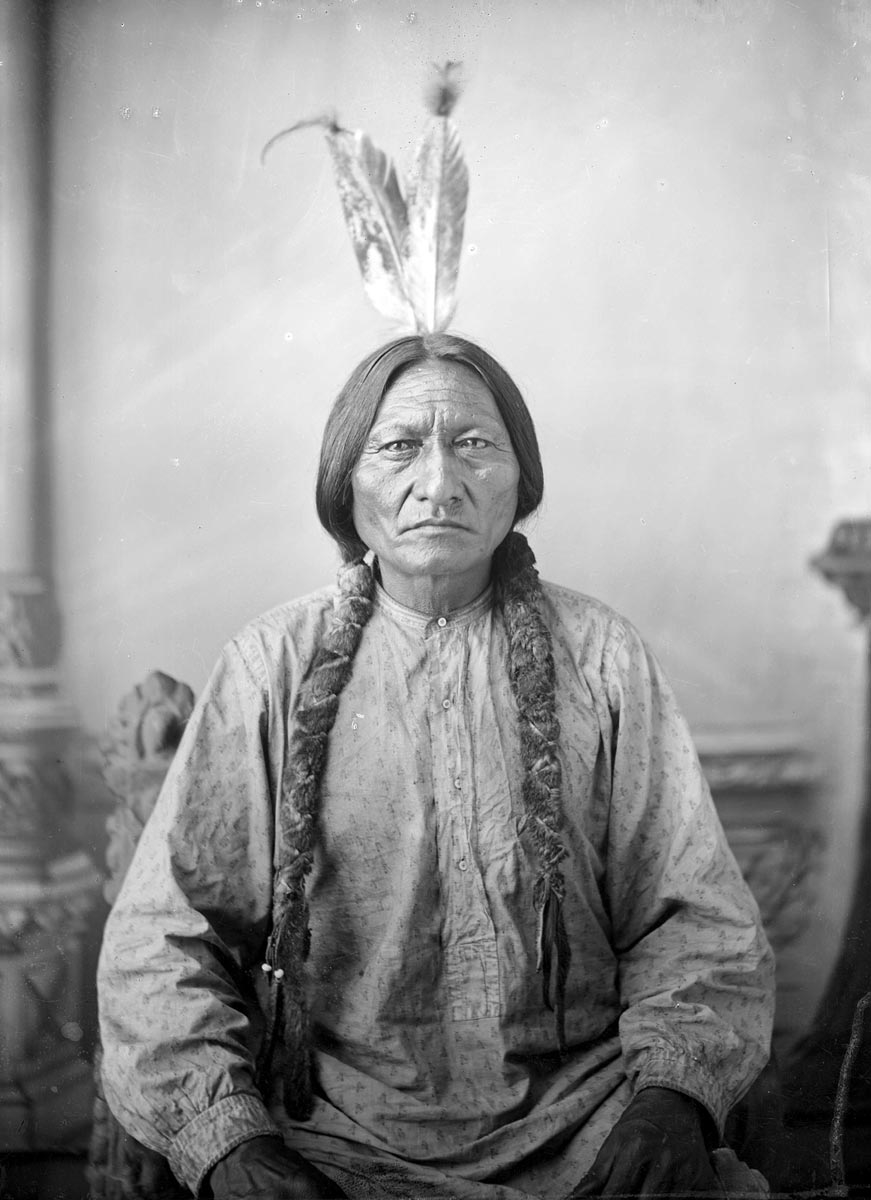
Sitting Bull was born along the Grand River in what is now South Dakota around 1831. He was born into the Hunkpapa Lakota tribe, which is often referred to as the Sioux, a name given to them by early enemies. His family was a prominent one within the tribe, with his father and two uncles accomplished warriors and chiefs. Sitting Bull’s birth name was Hoka Psice, or Jumping Badger. He was nicknamed “Slow,” given his laid-back demeanor and apparent lack of talent in any particular area of skill. Still, he looked up to his father and participated in traditional Lakota training for boys.
As he grew, he improved his abilities and killed his first bison at age 10. Four years later, he was fighting in battle. At 14, he counted his first coup, earning his adult name, Tatanka-Iyotanka, or Sitting Bull. Counting coup is a tradition in many Indigenous Plains tribes, in which a warrior attempts to touch his enemy without or before killing them, often repeatedly, to demonstrate courage. Counting coup was done by hand, with a weapon such as a bow or rifle, or with a special tool known as a coup stick.
A Rising Warrior
Now that Sitting Bull had proven his bravery, he continued to earn accolades as a fierce warrior among the Lakota. He earned a spot in the Kit Fox, or Tokala, Society, a group of “brave young men of good repute” who aimed to echo a fox’s slyness and cunning in battle. He was also a member of the Strong Heart Warrior Society, an elite group of fighters, and eventually became one of two “sash-wearers” of the group.
In addition to his role as a soldier for his people, Sitting Bull was involved in civic activities, serving as a member of the Silent Eaters, a group concerned with the welfare of all members of the tribe. Sitting Bull’s feeling of responsibility for others was evident in his work for his community. This would become a lifelong focus of the man, who spent a great deal of his time working for his fellow Lakota. His empathy was not limited to only those of his own tribe. When he traveled the United States, he was shocked by the poverty he observed in some of the cities, especially the conditions in which some children were being raised. On his trips, he was often seen giving money to people on the street and was commended for his generosity by onlookers.
The Lakota Versus the United States
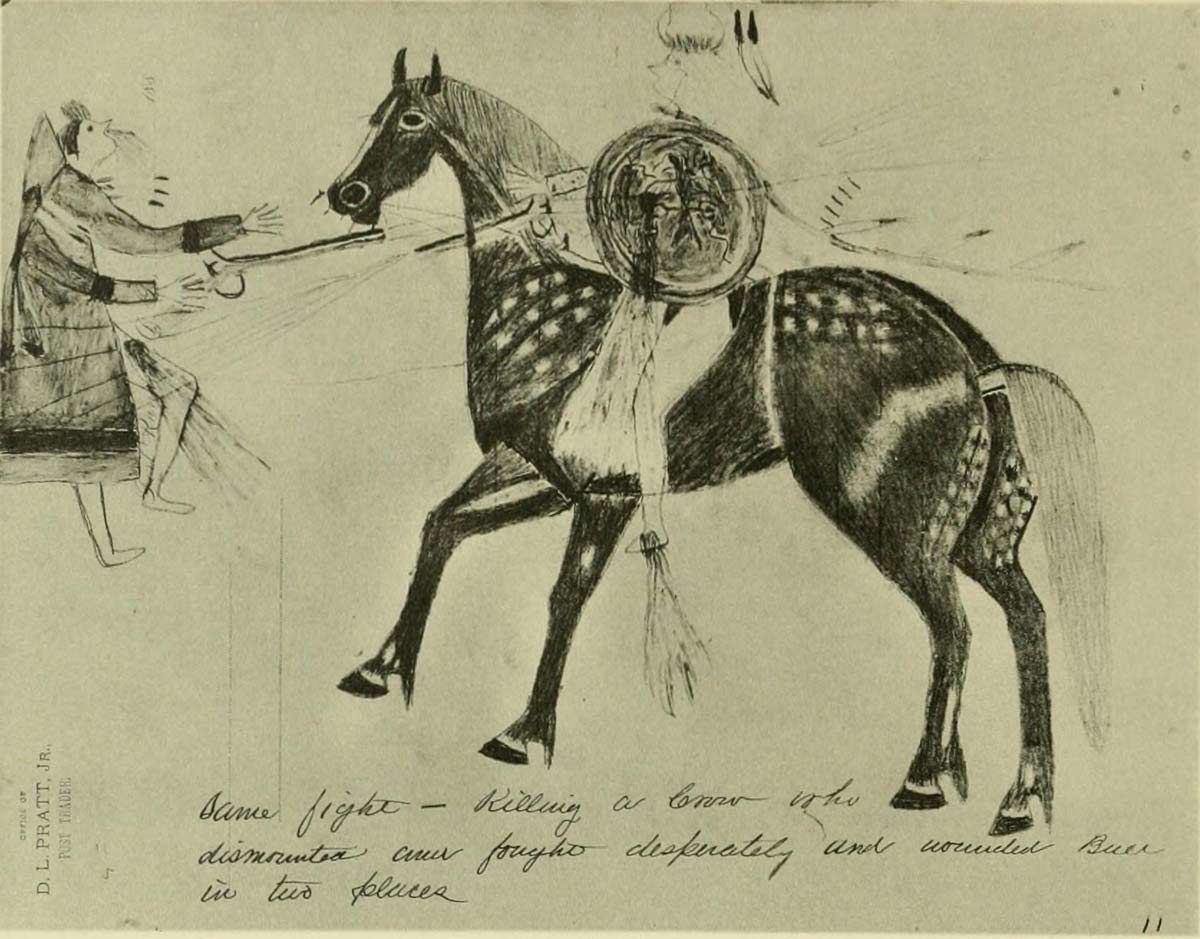
Sitting Bull’s earliest experiences in warfare came in conflicts amongst enemy tribes on the plains. He first encountered American soldiers in 1845, then fought against them again in the Battle of Killdeer Mountain in 1846. However, contact with the US Army would ramp up in Sitting Bull’s later life as the military established forts throughout the Lakota territory and emigration increased.
Sitting Bull advocated against any form of relations between the Lakota and the settlers and refused to participate in diplomacy. Red Cloud’s War, which concluded with the Treaty of Fort Laramie in 1868, led to temporary peace between the two nations, a tranquility that was broken when gold was discovered in the Black Hills in 1874. President Ulysses S Grant offered to buy the Lakota homelands, but the offer was refused. Instead, treaties were broken, and the United States began a series of attempts to remove and assimilate the tribes of the Plains, including Sitting Bull’s Lakota.
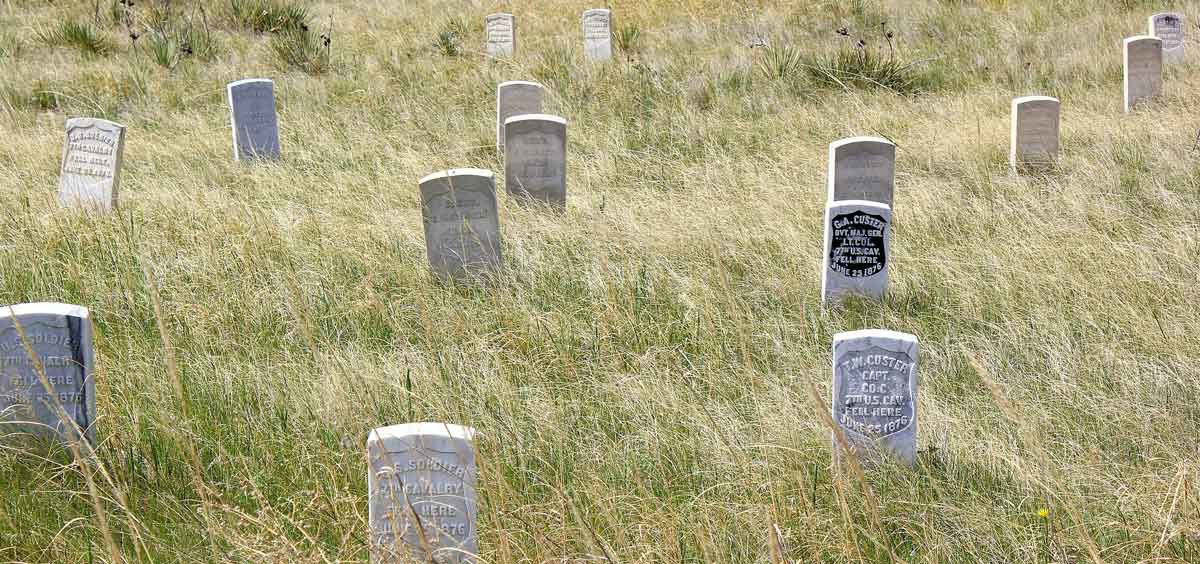
From March 1876, the Lakota continued to refuse US attempts to subjugate them and occupied their homelands in defiance of a US decree that ordered them to reservations that January. By this time, Sitting Bull’s fierce refusal to consider the treaties as the law of the land had resulted in a deep divide within the nation. There were those who agreed with Sitting Bull’s policies of resistance and those who were willing to follow Red Cloud and other treaty leaders to the reservations.
The Lakota gathered with their allies, the Cheyenne and Arapaho, and prepared to defend themselves. Sitting Bull participated in a Sun Dance ritual. This practice offers prayer to Wakan Tanka, the Great Spirit, and includes self-mutilation, prayers, and fasting. As he participated, Sitting Bull received a vision. In it, he saw US soldiers falling upside down into the Lakota camp from the sky. This vision was seen as a positive prophecy, and the Lakota warriors prepared to fight. They forced a retreat from General George Crook’s troops at the Battle of the Rosebud (also known as the Fight Where the Girl Saved Her Brother) on June 17, then decimated George Armstrong Custer’s 7th Cavalry at Little Bighorn (also known as the Battle of the Greasy Grass), fulfilling Sitting Bull’s vision.
While he was present at the battle in 1876, Sitting Bull was beyond fighting age and did not directly participate. However, his role as leader was still invaluable to the fighting forces, and he sent two nephews into the battle wearing his personal medicine as protection.
Once the US army recovered from the shock of the losses, they went after the Lakota with more determination and men than ever. Sitting Bull’s people were continually pursued over the next year until he decided to head north over the Canadian border to avoid them. He and his followers joined a group of approximately 5,000 Indigenous refugees at Wood Mountain in the Northwest Territory. However, resources were scarce, and the Canadian government was tentative about supporting the refugees. Eventually, starvation loomed, and Sitting Bull returned to the United States and surrendered in exchange for rations for his people. Sitting Bull did not surrender directly but sent his son to hand his rifle over to the commanding officer at Fort Buford in Montana on July 19, 1881. He stated, “I wish it to be remembered that I was the last man of my tribe to surrender my rifle.”
Reservation Life
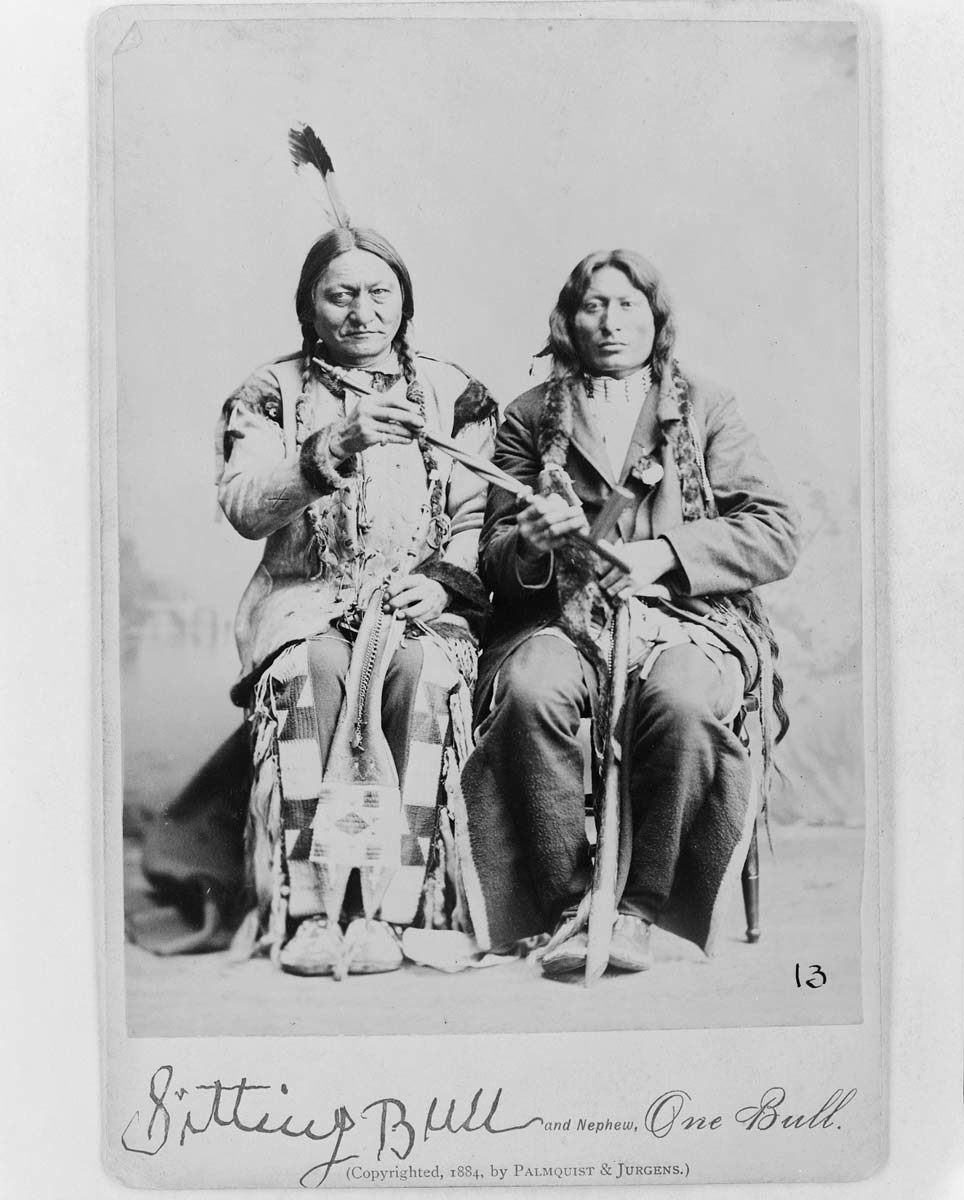
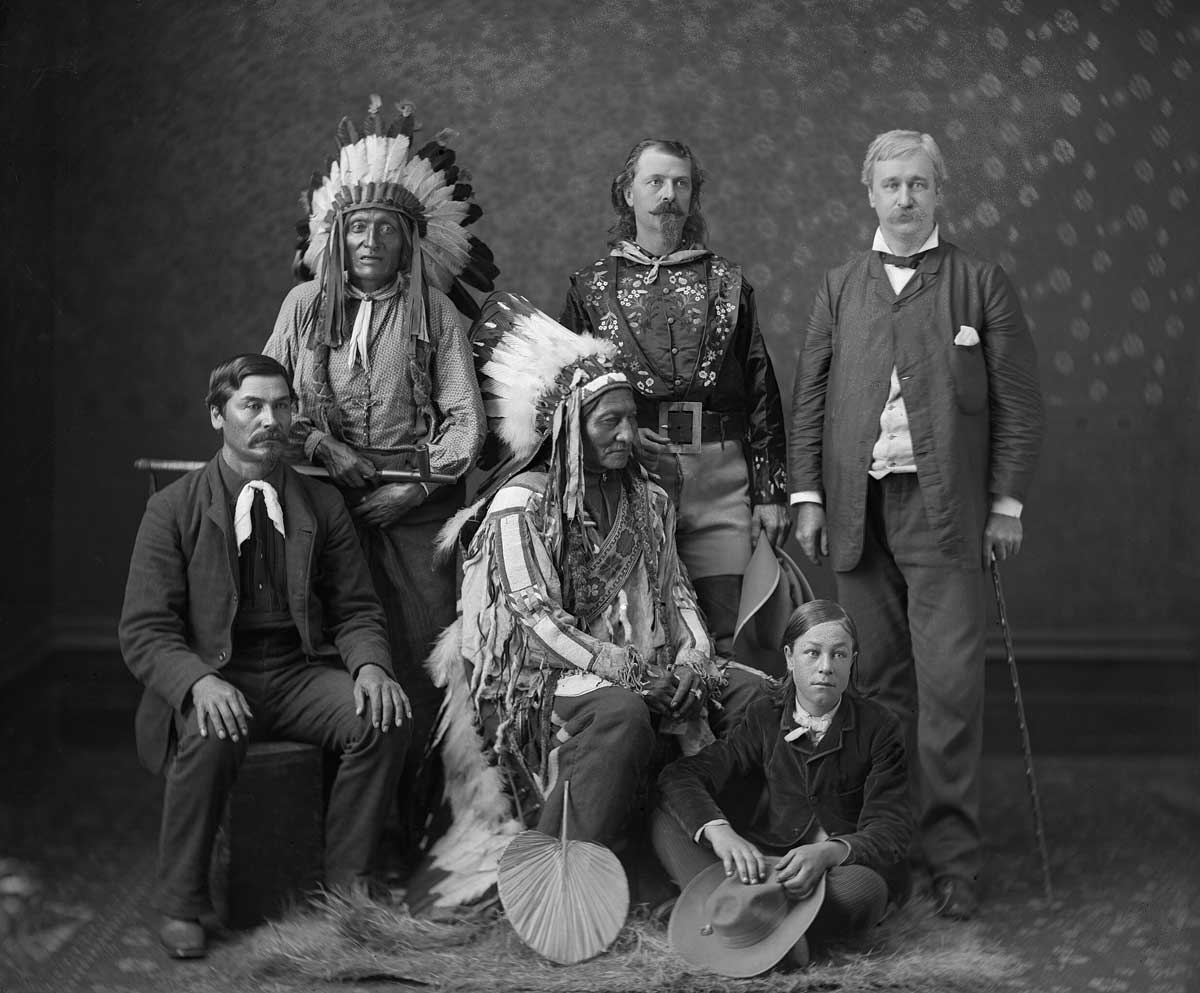
Initially, Sitting Bull was sent to the Standing Rock Reservation. However, he was warmly received by his people there, and it made the government nervous about revolt. So he was sent down the Missouri River to Fort Randall, where he was held as a prisoner of war for about two years. He was able to return to Standing Rock in 1883, where he clashed with the Indian Agent in charge, James McLaughlin. Eventually, despite McLaughlin’s vehemence, the government granted Sitting Bull permission to travel. He joined Buffalo Bill Cody’s Wild West Show in 1885, where, in addition to Cody, he befriended markswoman Annie Oakley, and the two became close. In fact, he saw Oakley as a surrogate daughter. On his travels, Sitting Bull saw much of the United States and met with President Grover Cleveland. The next year, he was denied permission to rejoin the show and remained at Standing Rock.
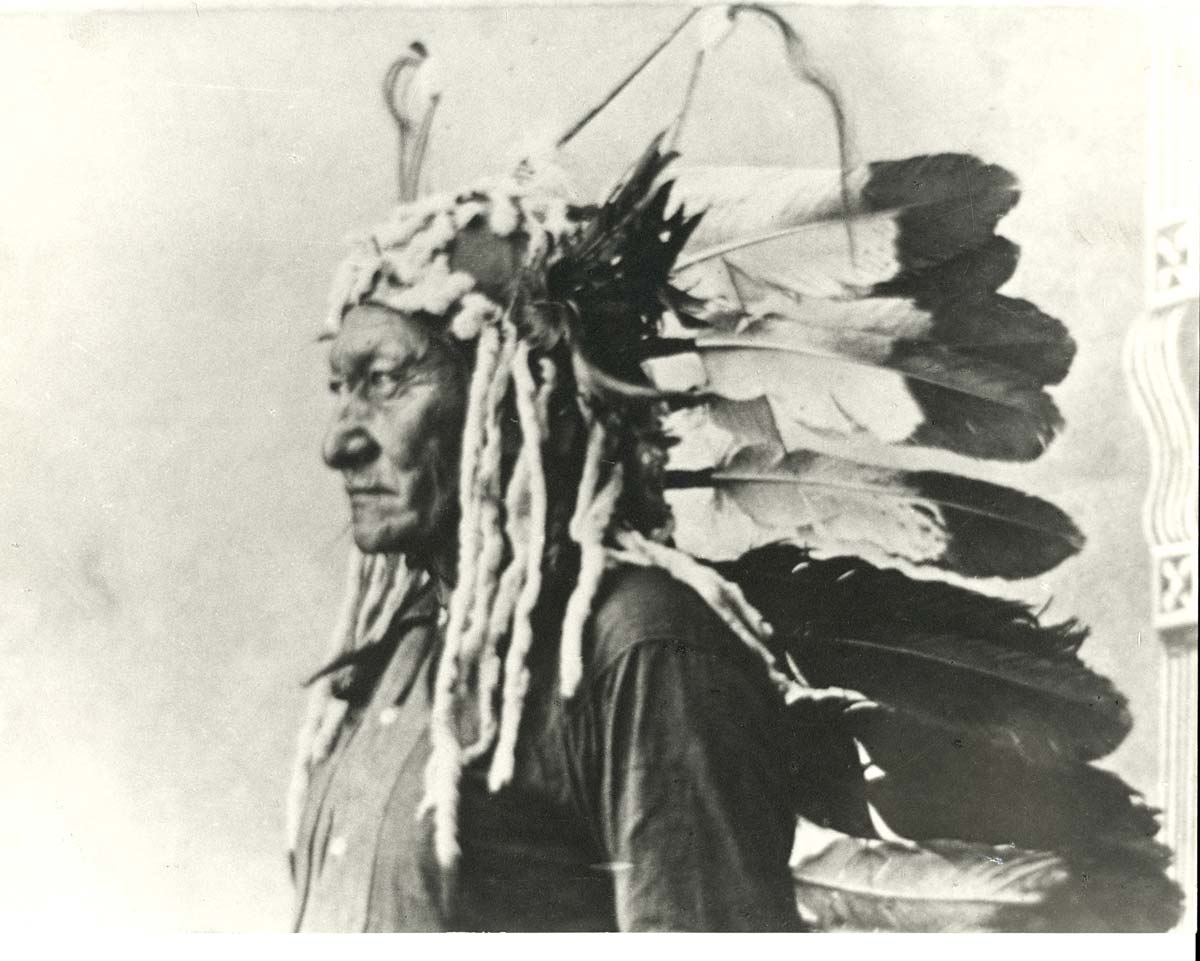
In 1889, a new movement began spreading across the reservation system. The Ghost Dance was eagerly accepted by many after a Paiute mystic had visions that the white men would disappear if the dance were continued. Sitting Bull supported the movement, which, despite involving no weapons or outward threats, was viewed as dangerous by the US government.
Despite his age and confinement, Sitting Bull was still viewed as a powerful leader, and the United States worried about his involvement.
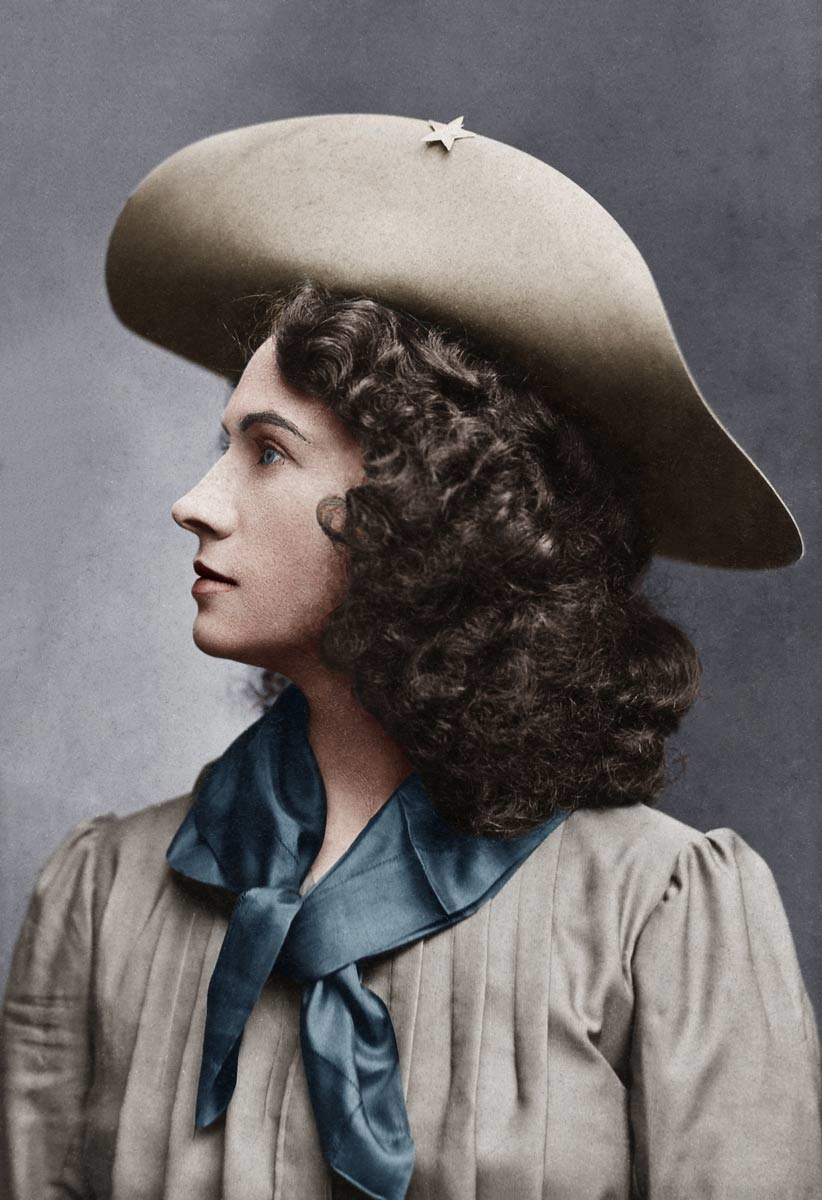
On December 15, 1890, over 40 members of the reservation police, who were Indigenous themselves, were sent by McLaughlin to Sitting Bull’s cabin to arrest him. A crowd soon gathered, and the scene resulted in gunfire. Sitting Bull would be among the casualties, shot in the chest. Thirteen others, including members of the crowd and police, were killed. When Annie Oakley heard of the disaster, she said that if her friend were a white man, “someone would have hung for his murder.”
Wounded Knee
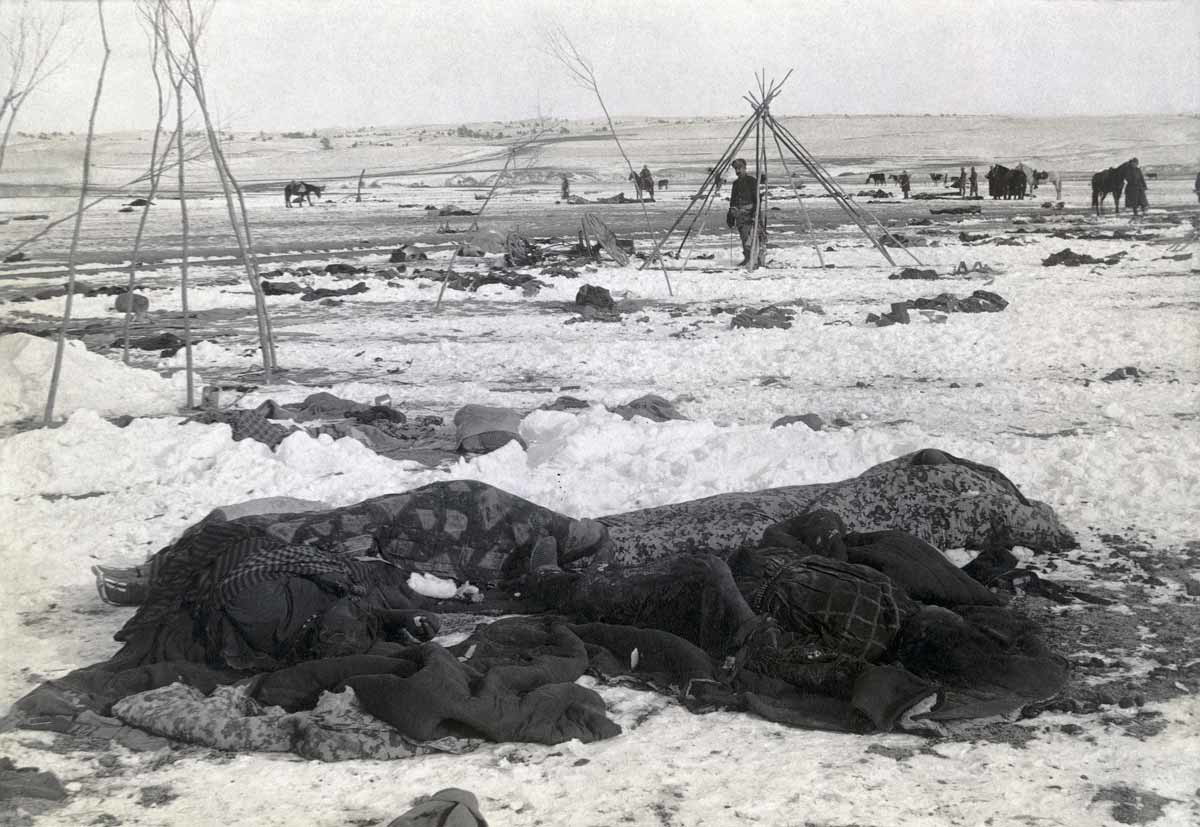
The death of the revered chief caused anxiety among the reservation Lakota. Some groups, led by Red Cloud at Pine Ridge, began attempts to negotiate with the United States to preserve peace without eliminating the Lakota culture. Miniconjou Lakota leader Sitanka, known as Big Foot to the US, attempted to lead 350 of his people to Pine Ridge to join in the negotiations. The US army feared his true intentions and apprehended his people at Wounded Knee Creek on December 29, about twenty miles from Pine Ridge. In the confusion, a gun was discharged, and soldiers opened fire. Hundreds of Lakota men, women, and children were killed. Wounded Knee was the last major clash between the Plains tribes and the United States and persists through time as a symbol of the US Army’s inhumanity in dealing with the tribes.
Sitting Bull remains an icon of Indigenous resistance through the ages. His dedication to his people, despite certain controversies and divisions, is one that was unmatched. His spirit continues to inspire and encourage the memory of a culture that the government attempted to erase in one of the United States’ most shameful eras.