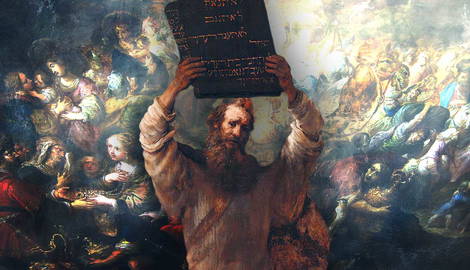
Moses is one of the greatest figures in Judaism and Christianity. God’s providence can be seen throughout his life as he rose from slave child to prince to leader who led the Israelites from Egypt to the promised land. Much of what we know about Moses comes from the Book of Exodus. It tells the story of a slave boy saved from death who became a prince in Egypt, just to reject his privilege and take on the task of leading the thankless and rebellious people of God out of slavery.
Authorship and Date
Traditional Jewish and early Christian views on the authorship of Exodus align: Moses wrote the book. This view reflects Exodus 17:14 and 24:4 which indicates that Moses recorded God’s oracles to the Israelites. If this view is correct, Exodus dates to the 13th century BCE and the reign of Ramses II.
Most scholars, however, believe that the Pentateuch, of which Exodus is the second book, is a compilation of four sources: the Yahwist, the Elohist, the Priestly, and the Deuteronomist sources. The theory received its name from the first letter of each source, thus the JEPD theory, which scholars also refer to as the Documentary Hypothesis. The scholarly view holds that the events recorded in Exodus date to the 13th century BCE, but some stories were likely oral traditions that allowed mythology to influence the retelling. They postulate that symbolism influenced the text, due to the long oral tradition and the different contexts of the four sources, which range from the 10th century BCE (Yahwist) to the 6th century BCE (Priestly).
A minority of scholars date the Exodus to the 15th century BCE based on the 480-year chronology of 1 Kings 6:1. This view dates the Exodus to 1440 BCE. Another segment of scholars believes the Exodus narrative is a myth due to a lack of archaeological evidence and the miraculous nature of many of the events recorded. If it is a myth, dating becomes less important.
Historical Context
Genesis ends with the death of Joseph who, as the second in command in Egypt, provided his family with a safe space to reside in Egypt. Exodus starts with the Israelites residing in Egypt for 430 years according to Exodus 12:40-41. However, God told Abraham that his descendants would become slaves for 400 years, as Stephen also mentioned more than a millennium after the slavery ended (Genesis 15:13-16, Acts 7:6).
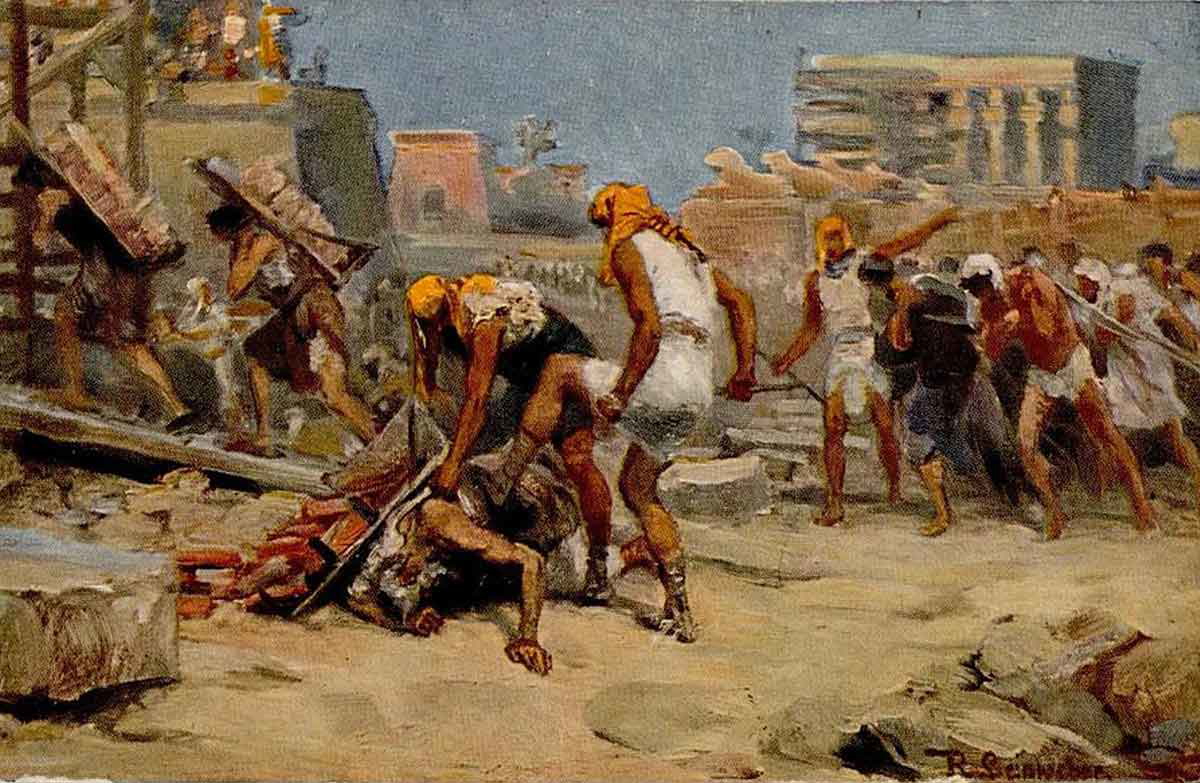
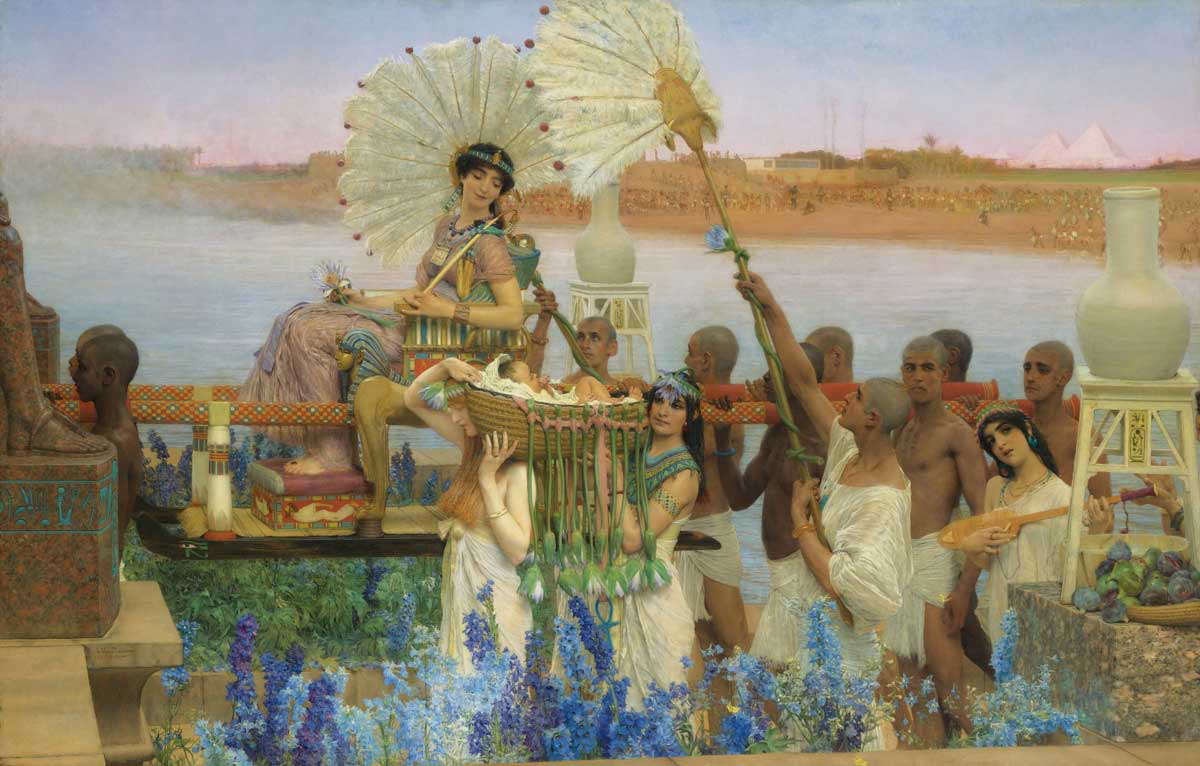
It is likely that the Israelites were free for only three decades before they were enslaved in Egypt. The Bible records that a new Pharaoh who did not know Joseph regarded the multiplying Israelites as a possible threat in wartime and decided to start oppressing them. His instruction to limit the increase in power of the Israelites by having the male babies among the Israelites killed set the stage for Moses to be hidden away and end up as a prince in Pharoah’s court.
The Pharaoh was likely aware of the threat Semitic nations posed to Egypt since only a couple of centuries before the Hyksos, a Semitic people, occupied parts of Egypt. Though the 16th and 17th Dynasties coexisted with them, Ahmose I, founder of the 18th Dynasty or New Kingdom, drove them out.
Structure
Prologue (Exodus 1-2)
The prologue to Exodus provides the back story of the enslavement of the Israelites in Egypt and how Moses ended up in the court of Pharaoh as a prince. It also details why Moses fled to Median and how God took note of the suffering of the Israelites.
Israel’s deliverance from Egypt (Exodus 3-18)
Chapters 3-18 narrate the calling of Moses and how he and his brother, Aaron, interacted with Pharoah on behalf of the Israelites, calling for them to be released from slavery. This section contains the iconic scenes of the Ten Plagues, the crossing through the Red Sea, and God’s provision of manna and water.
The Covenant (Exodus 19-24)
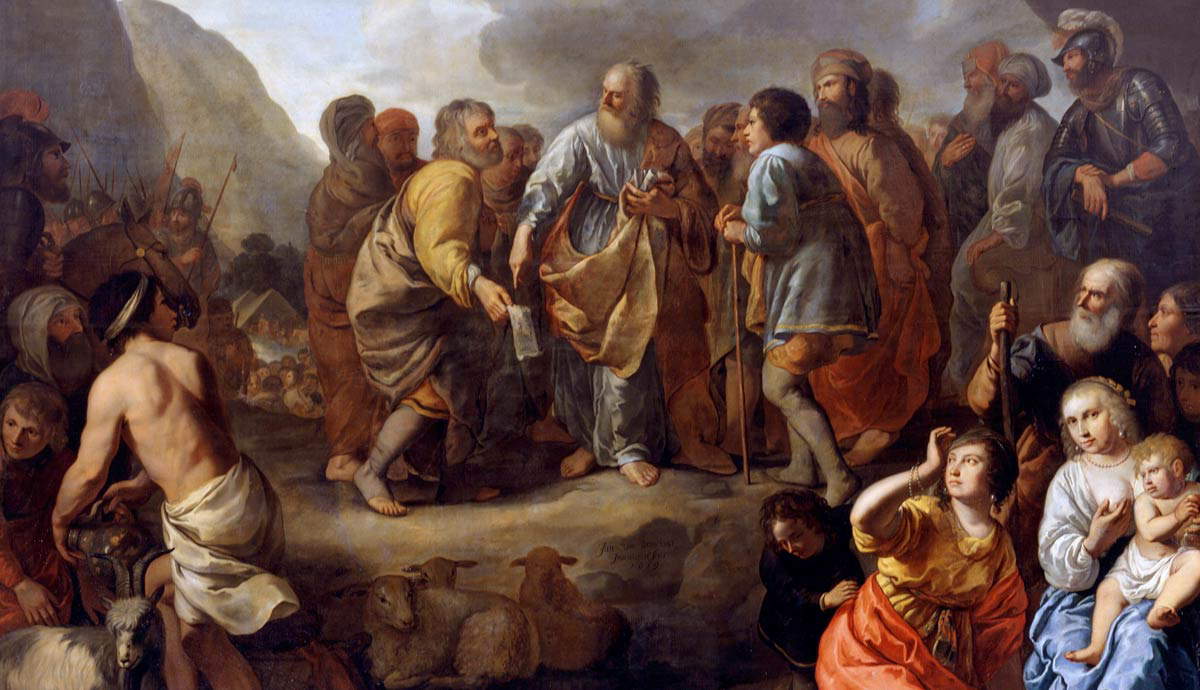
The events at Mount Sinai and the interaction between God and Moses are foundational to Jewish and Christian theology. Here, God gave the Ten Commandments as well as some rules to govern Israelite society. It ends with the ratification of the Covenant in Chapter 24.
Instructions on the Tabernacle and Ceremonial System (Exodus 25-31)
The Ceremonial System, which reflected the ministry of the messiah to come, was given in great detail. Every item was specified in materials, size, and decorative attributes.
Rebellion in the camp (Exodus 32-34)
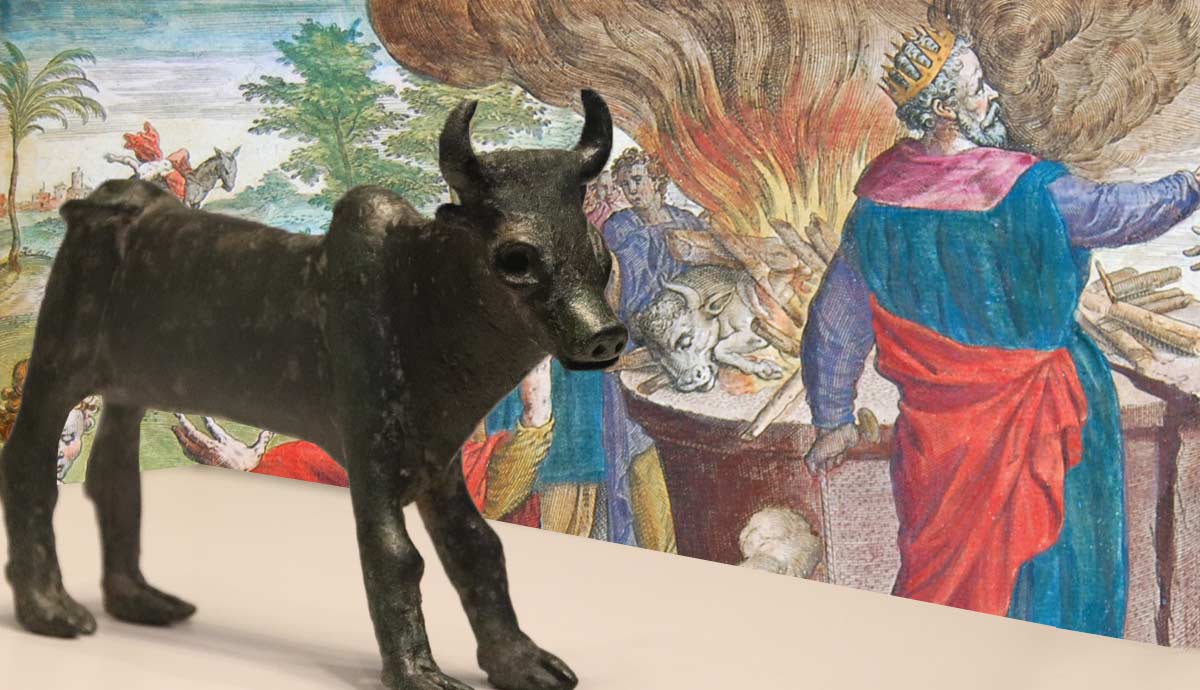
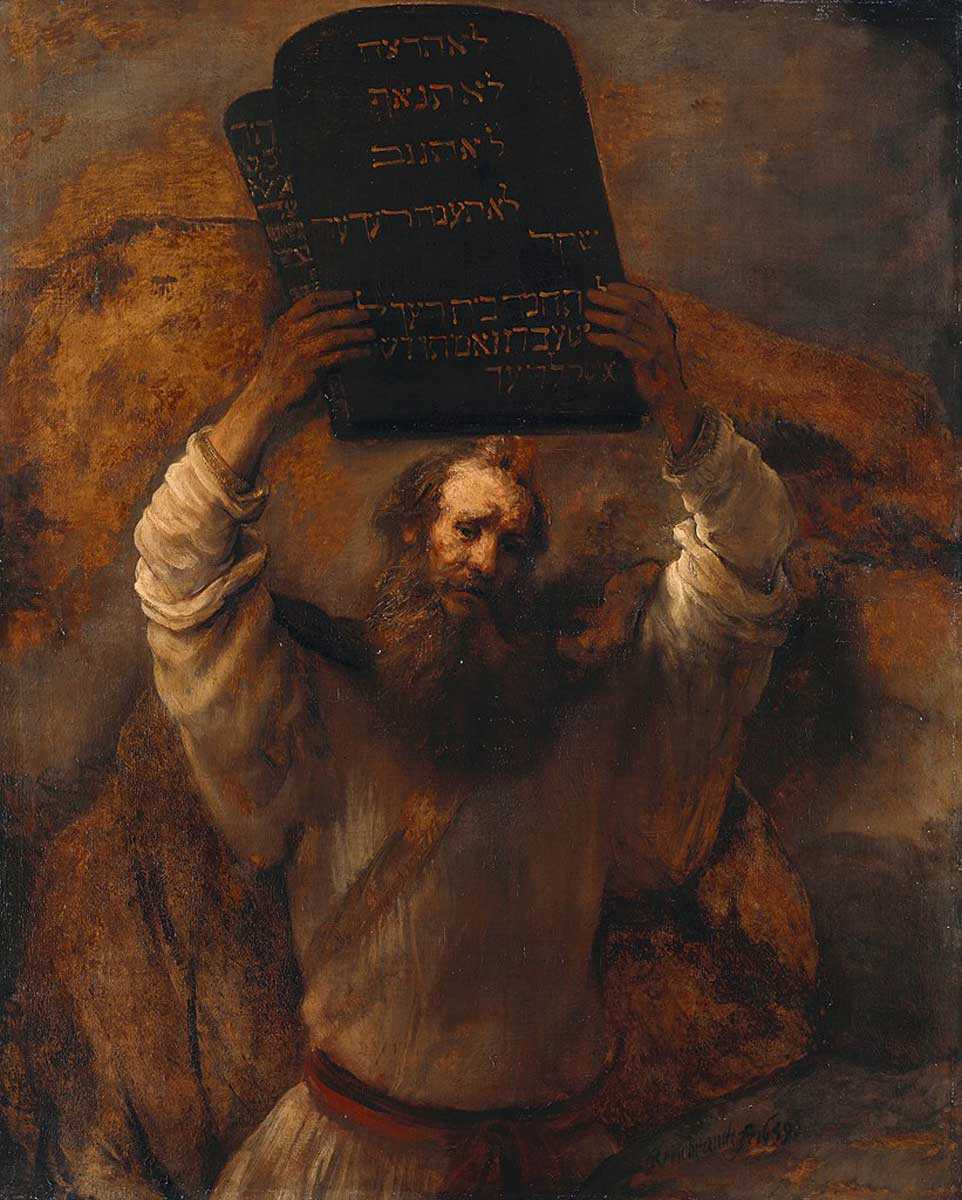
To Moses’s shock and horror, he found the Israelites had made a golden calf to worship while he was on the mountain with God. He shattered the Decalogue that God had given him and eventually had to provide the tablets for God to author the second set.
Tabernacle set up (Exodus 35-40)
The last section of Exodus details how the artisans worked on creating the structure, cover, furniture, and clothes that made up the Tabernacle and were required to administer the services there.
Main Themes
Deliverance
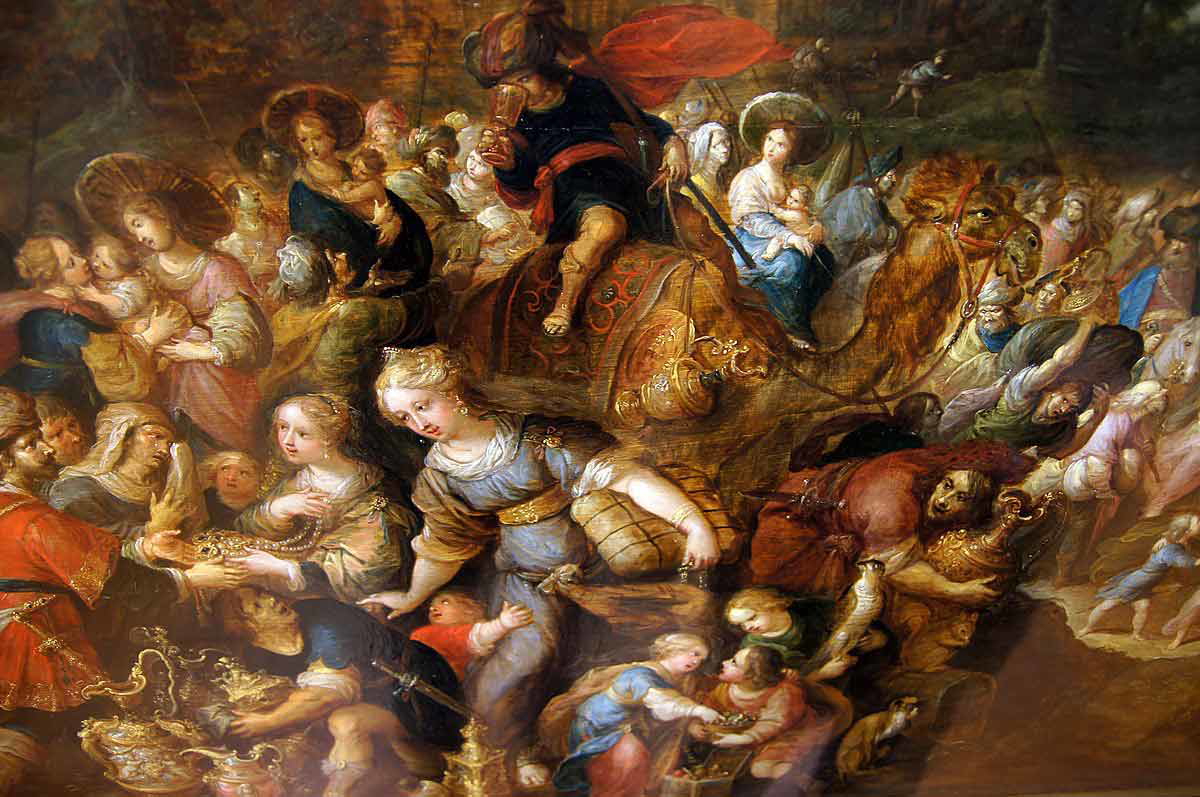
The word exodus means “exit” or “way out.” The Book of Exodus relates how God led the Israelites out of captivity. He delivered them from bondage. In the New Testament context, Egypt serves as a symbol for sin and the exodus symbolizes deliverance from the bondage of sin. In Hebrews 11:24-26 the symbolism of Egypt is in view.
Covenant
The Exodus narrative provides the details of the Mosaic Covenant. It included obedience to the Ten Commandments and observance of the civil and ceremonial laws. In later years, Israel would continually neglect their obligations and break the covenant with God, often by practicing idolatry. It eventually led to their exile.
Faithfulness
Exodus shows how deprived the nation of Israel was. Shortly after God delivered them from slavery, they made a golden calf to worship even as Moses was on Mount Sinai receiving the Ten Commandments and other regulations and instructions for the people from God. Faithfulness is a central theme in Exodus and the remaining books of the Pentateuch, especially Deuteronomy, and Numbers.
Commandments
The Ten Commandments which God gave Moses on Mount Sinai had a great influence on Judeo-Christian culture worldwide. Even today, the display of the Ten Commandments remains a subject of contention, especially in the USA.
Key Passages
Exodus 1:7-10
“But the people of Israel were fruitful and increased greatly; they multiplied and grew exceedingly strong so that the land was filled with them. Now there arose a new king over Egypt, who did not know Joseph. And he said to his people, ‘Behold, the people of Israel are too many and too mighty for us. Come, let us deal shrewdly with them, lest they multiply, and, if war breaks out, they join our enemies and fight against us and escape from the land.’”
God allowed his people to prosper in the land he provided for them to live in by opening a way for Joseph to become the leader of Egypt second only to Pharoah. They grew in number and became such a powerful force that the government of the day oppressed them in an attempt to control them.
Exodus 5:1
“Afterward Moses and Aaron went and said to Pharaoh, ‘Thus says the LORD, the God of Israel, “Let my people go, that they may hold a feast to me in the wilderness.”’”
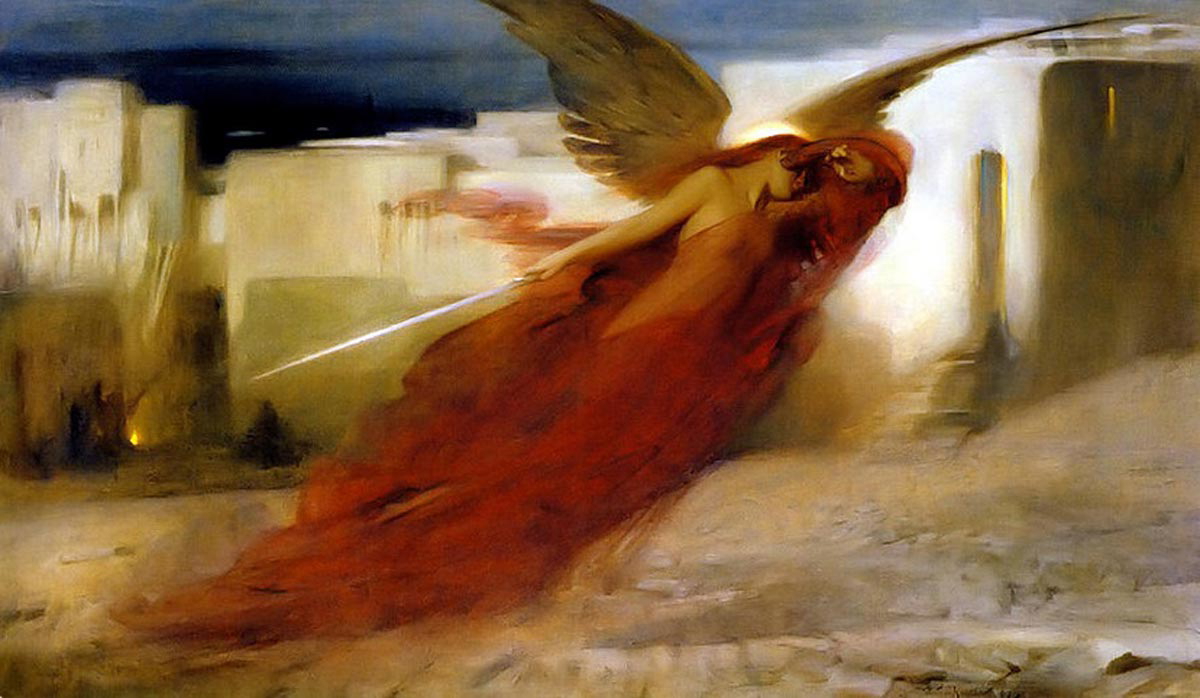
The first time God said “Let my people go” through Moses, it was for them to hold a feast in the wilderness. Thereafter, it was when one plague after the other fell on Pharoah and Egypt for his refusal to set the Israelite slaves free. It eventually resulted in the death of the firstborn son of every person in Egypt who did not put blood on the doorposts of their residences.
Exodus 14:21-22
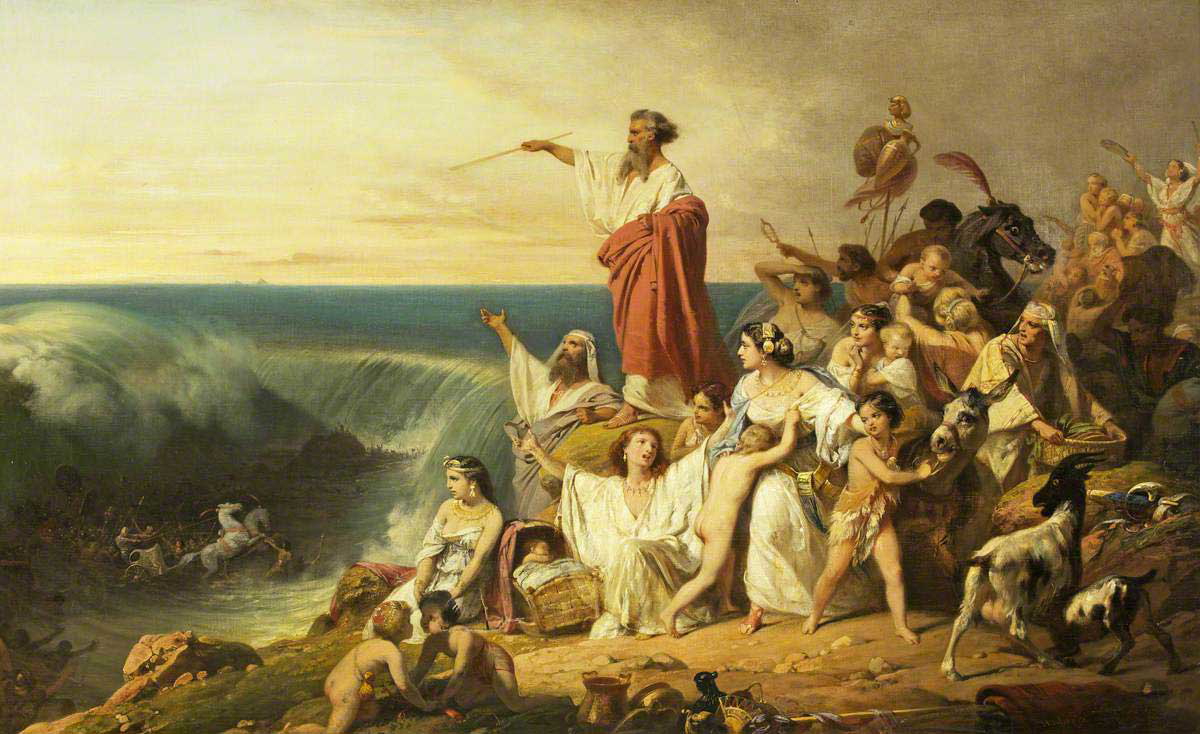
“Then Moses stretched out his hand over the sea, and the LORD drove the sea back by a strong east wind all night and made the sea dry land, and the waters were divided. And the people of Israel went into the midst of the sea on dry ground, the waters being a wall to them on their right hand and on their left.”
One of the most iconic scenes in the Bible is the nation of Israel crossing the Red Sea on dry land. The Egyptian chariot army later succumbed when the walls of water collapsed and they all drowned.
Exodus 20:2
“I am the LORD your God, who brought you out of the land of Egypt, out of the house of slavery.”
The prologue to the Ten Commandments shows that its observance was never a pathway to salvation but rather a response in the light of having been saved. Unfortunately, much of the antinomian sentiments of Christians are founded on a fundamental misunderstanding of what the Ten Commandments are all about.
Contemporary Relevance
Exodus teaches the reader that God is not apathetic to the oppression of his people. He will act, and opposing his promptings to set his people free will have consequences. Though slavery may look different today from what it was in the time of Moses, it remains a reality even in the West.
Obedience is another important lesson Exodus teaches. It shows the propensity to rebel and sin against God, even among his people. God expects obedience and faithfulness today as he did in the past.
The contemporary believer will also benefit from the insight that the Ten Commandments were intended as an expected response to having been delivered, not a prerequisite that has to be met before being saved.