Before the conception of the United States of America, European countries envisioned the North American continent as an opportunity to expand the reach of their organized religious groups. However, history had other plans. America transformed into a beacon for those seeking freedom to practice the religion of their choosing. The history of religion in the US is both a journey of individual spirituality and a collective sense of belonging to something bigger than oneself.
Religion During the Early European Exploration
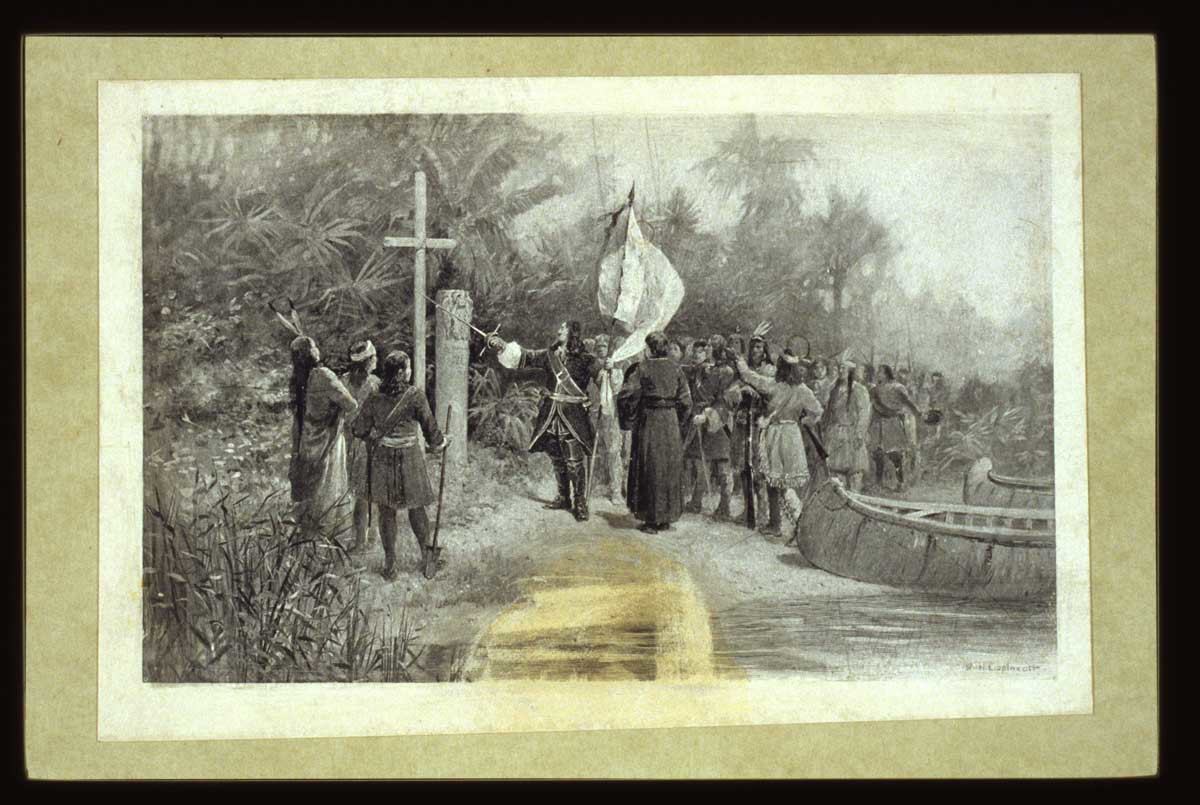
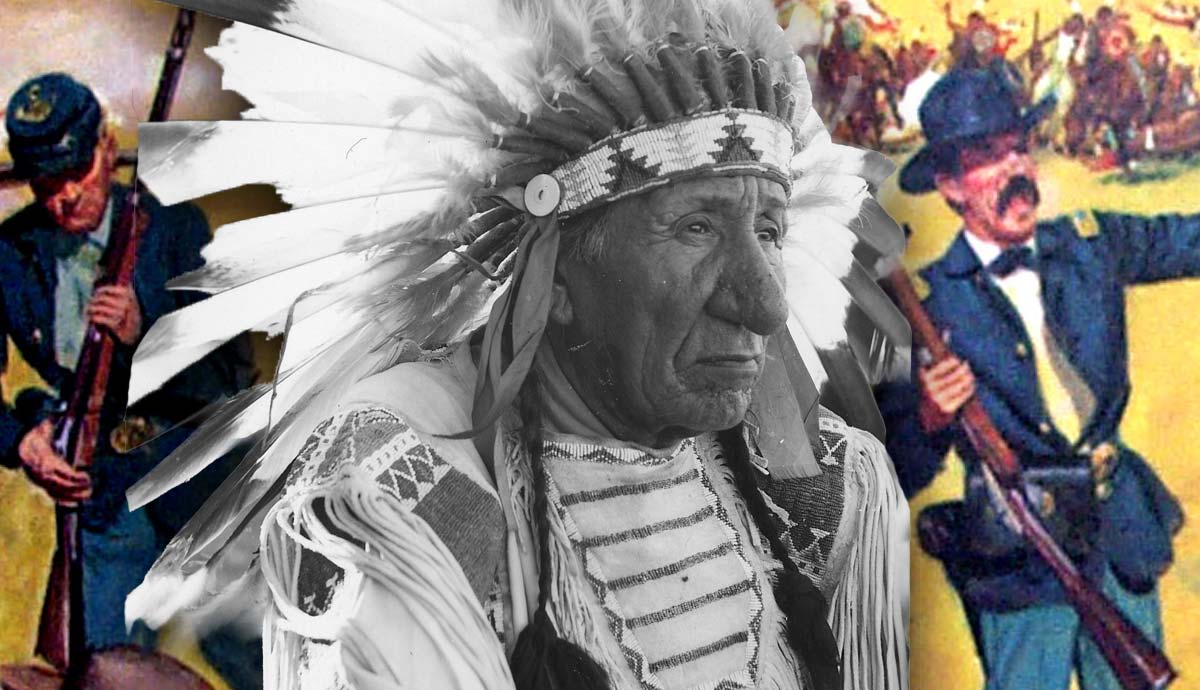
To set the stage for the history of religion in the United States, it is important to understand that the North American continent was not a blank canvas for European Settlers. Native American tribes inhabited the land and held many deep and varied spiritual beliefs prior to the establishment of organized European religions. In fact, it was after encountering Indigenous populations and witnessing their beliefs that spreading Christianity became one of the primary motivations for the European colonization of North America.
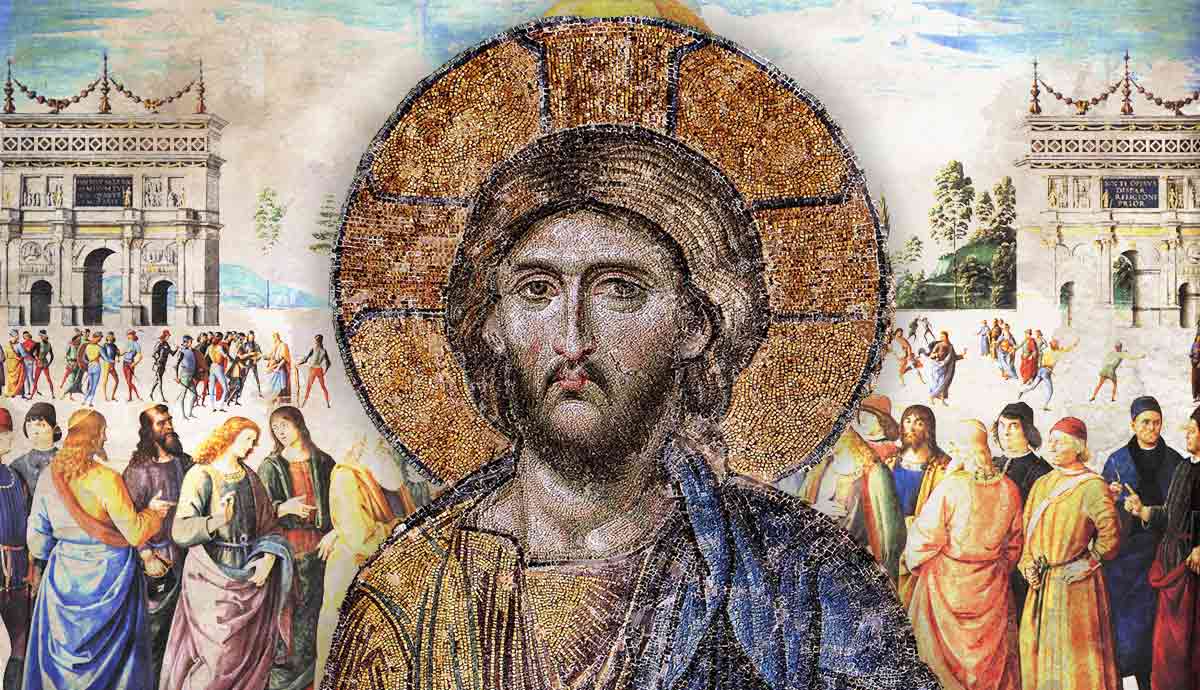
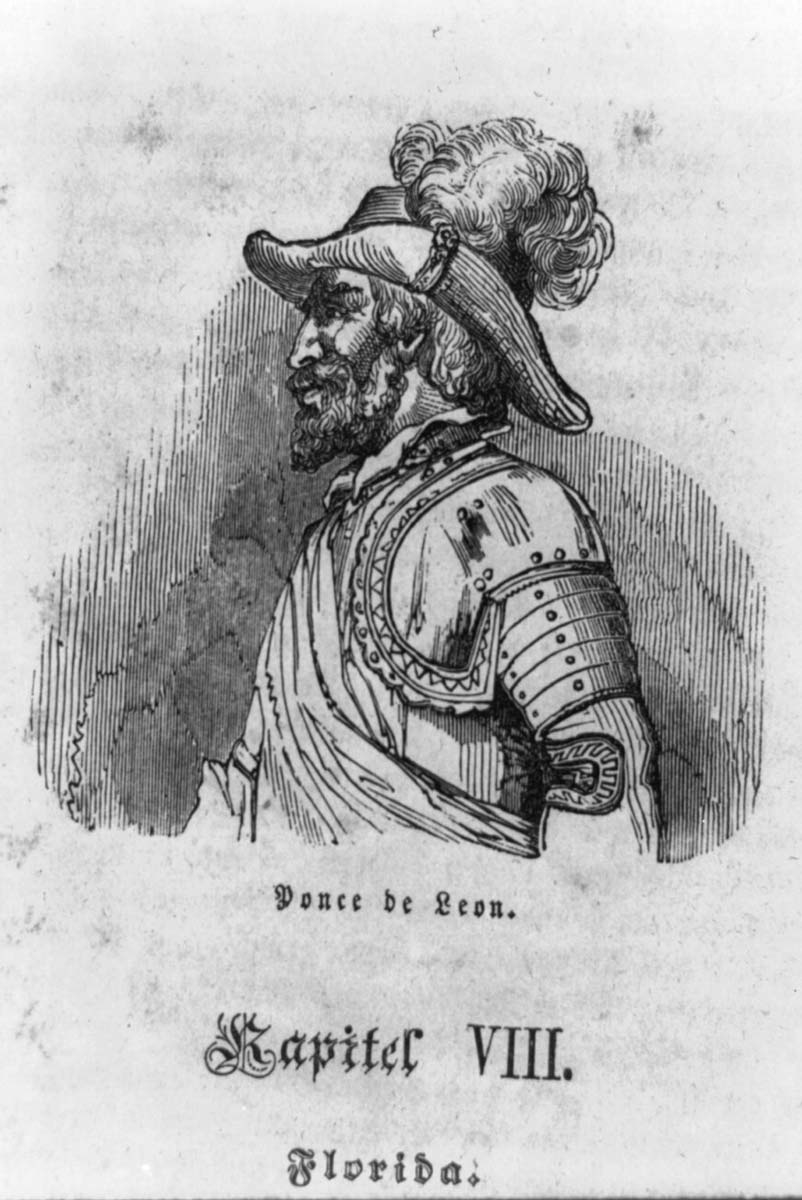
Following Christopher Columbus’s 1492 voyage to what is now part of the Bahamas, the Age of Exploration exploded. European countries including Spain, Portugal, France, and England hurried to colonize this “New World.” However, when Spanish explorer, Juan Ponce de Leon, landed on what is now the continental United States, they discovered that the land was only new to them. Ponce de Leon and his crew of Spanish explorers encountered Native American Tribes in Florida, igniting their desire to spread their religion throughout the New World. Over the course of their colonization of North America, Spain sent many Catholic clergymen to facilitate the conversion of natives to Catholicism. This conversion movement marked the Roman Catholic faith as the first European religion established in what later became the United States.
On the heels of the spread of Catholicism in North America came the British and their desire to spread their Anglican form of Protestant Christianity. From their mysteriously failed 1585 attempt at colonization in Roanoke, North Carolina until the successful establishment of the Jamestown Colony in Virginia in 1607, the primary religious motivation for the British settlers was to convert Indigenous peoples into members of the Church of England. During the early years of American Colonization it was the goal of European countries to establish their religious organizations in the New World, predominantly Catholicism and Anglicanism, using any means necessary.
The First Colonies to the First Great Awakening
With the end of the Age of Exploration, there was a shift in the religious motivations of European settlers in the American Colonies. In contrast to the early explorers’ desire to establish their organized religions in the New World, Europeans in the early 17th century wanted to flee the organized religions of their homeland.
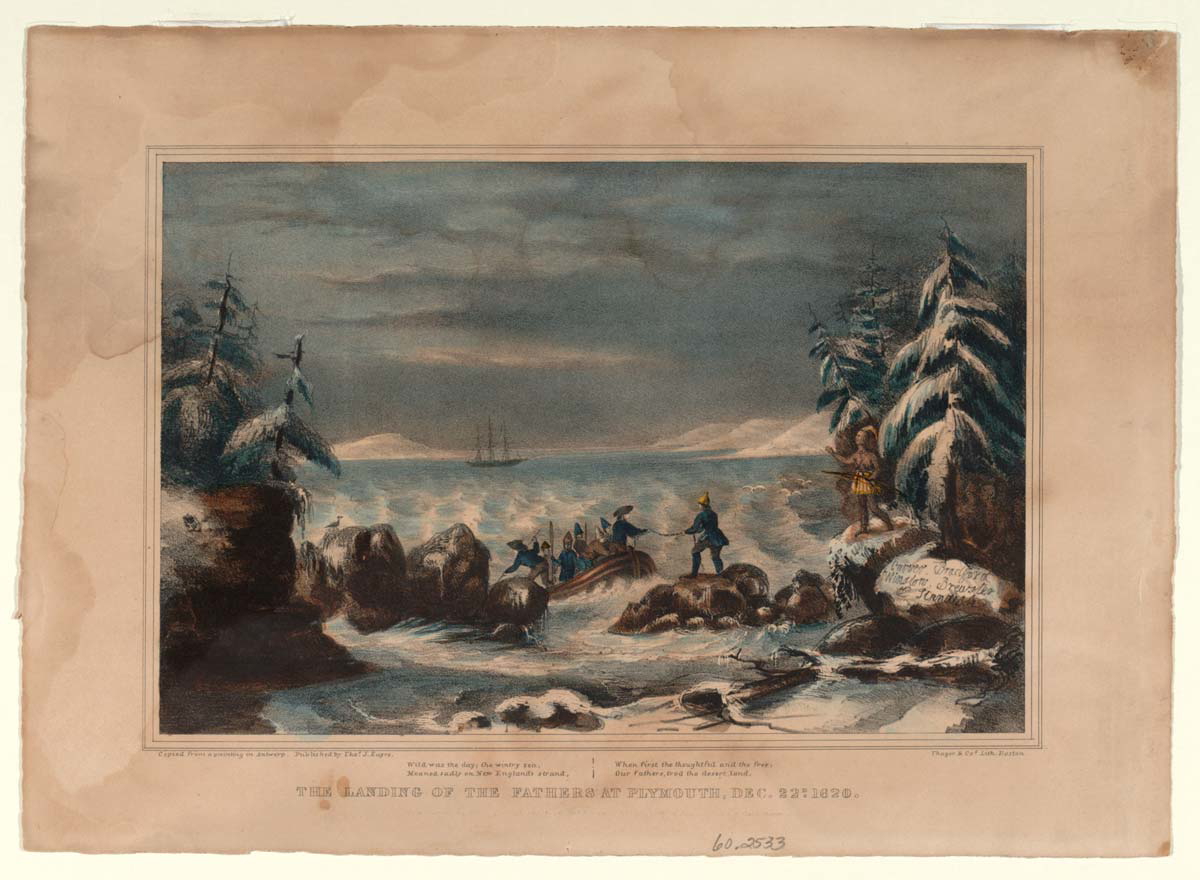
In 1620, the first group of English citizens seeking religious freedom from the Church of England boarded the Mayflower and embarked on the infamous journey that ultimately brought them to settle in Plymouth, Massachusetts. After the first grueling winter in New England, the surviving Mayflower passengers established the Massachusetts Bay Colony. Here, they split into two Protestant religious camps: the Puritans and the Separatists. The Separatist branch released individuals from many of the rigid traditions of the Anglican church, allowing them to freely practice their beliefs and choose their own religious leaders. The Puritans wanted to rid their communities of the less biblical practices of the Church of England, but still believed in the importance of having an established church in government.
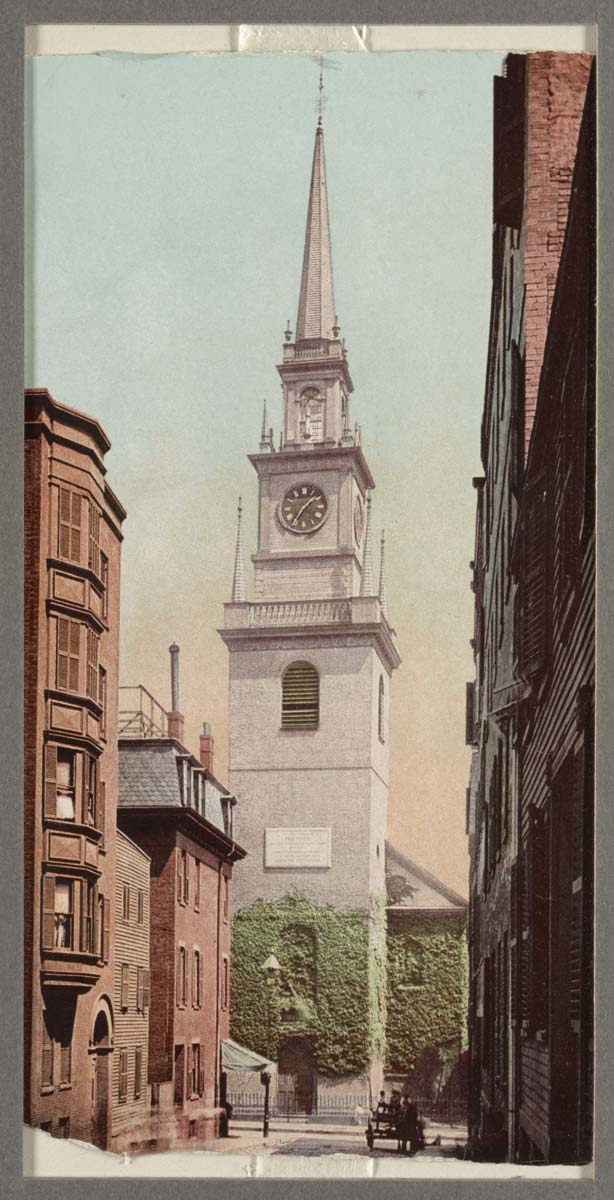
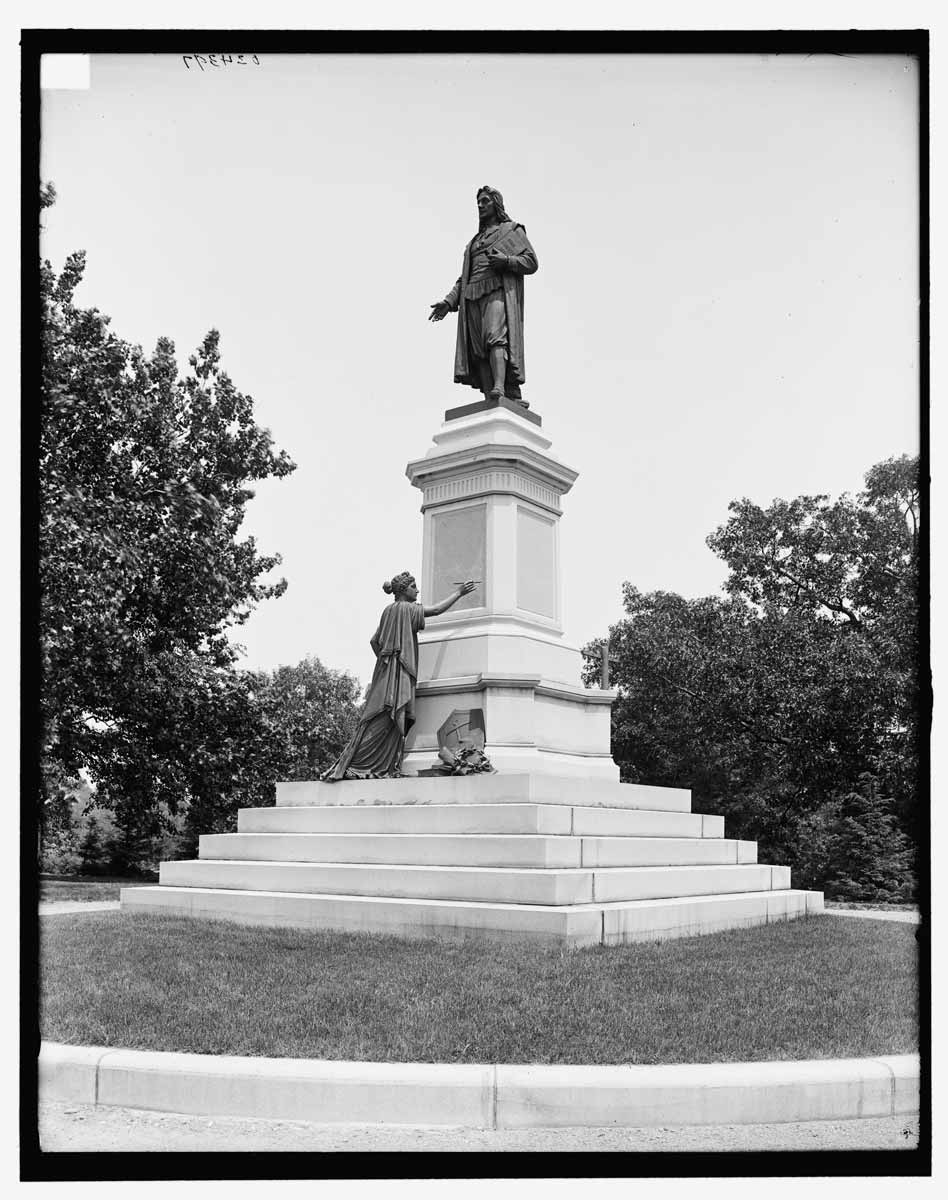
Some individuals desired to take religious freedom a step further from Separatism and practice completely different denominations or none at all. Considered a radical during his lifetime, Roger Williams was banished from the Massachusetts Bay Colony in 1636 for his support of the complete separation of church and state. Williams fled Massachusetts and eventually established Rhode Island and Providence Plantations as a haven for the religiously persecuted. Because of Rhode Island’s complete religious freedom, Baptist, Quaker, Jewish, and French Protestant or Huguenot groups were among the many non-Puritan religious communities established throughout the colony.
Over 100 years, the British colonies in America developed a culture of their own, but their society shifted with the world around them. In response to the Enlightenment movement occurring throughout the world, many religious leaders in New England adopted an Evangelical style of preaching. Evangelicalism combated the scientific and agnostic nature of the Enlightenment and sparked a series of religious revivals across England and her American colonies. This period of revivals became known as the First Great Awakening and birthed many new Protestant denominations in Colonial America including Methodism and Presbyterianism.
Religion in America’s Founding Documents
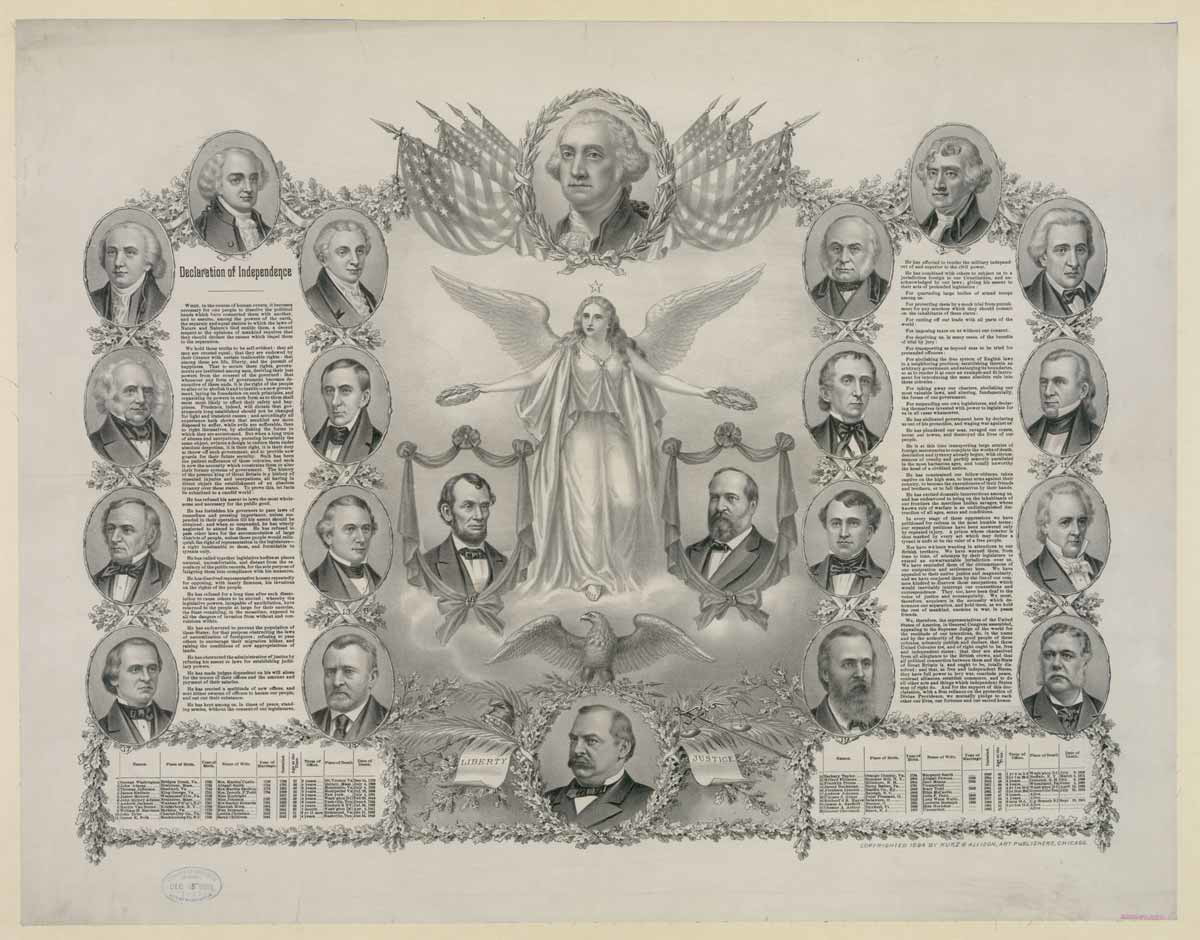
Spurred by the ideals of individual freedom during the First Great Awakening, the American Revolutionary War began to take shape in the colonies. Although the Revolution was fought on the premise of civil liberty, religion played a major role in the rhetoric of the fight for, and the founding of, the new nation. Many prominent religious leaders preached that religious liberty was a righteous cause. These preachers believed that the colonies had a God-given duty to overthrow the tyrannical British government and end the reign of the Church of England.
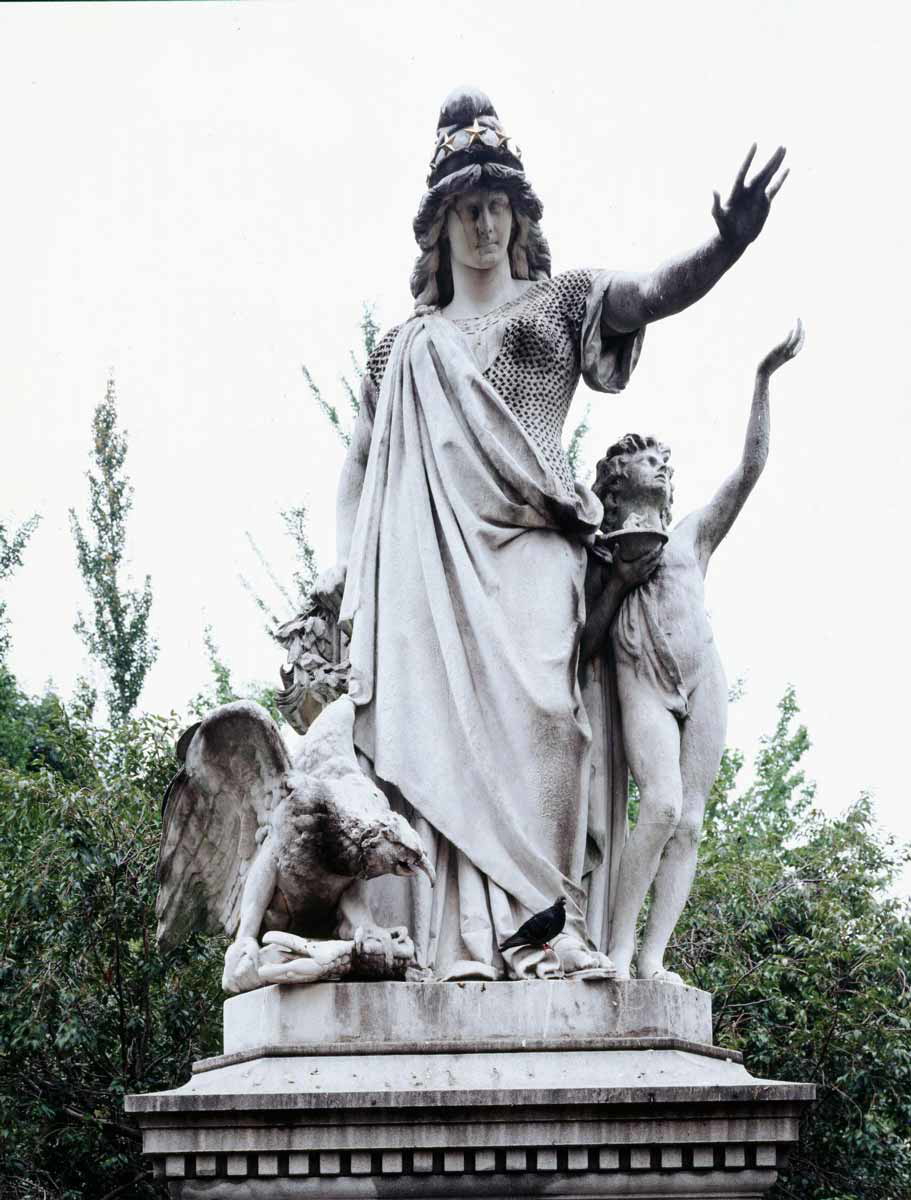
These beliefs are reflected in the language of the Declaration of Independence. Thomas Jefferson and the Committee of Five that drafted the Declaration referenced God many times throughout the document. One of the most well-known lines of the Declaration mentions that men are “endowed by their Creator with certain unalienable rights,” those being “life, liberty, and the pursuit of happiness.” The Declaration of Independence served to announce to the world America’s intent to form a new nation. The document also made it clear that the country would be built upon Christian values and beliefs.
Once the Americans won their independence from Britain, the Founding Fathers of the new nation reflected upon the Revolution’s roots in the earliest Separatist cry for religious freedom. After the Constitution of the United States was established and the new country had defined its foundational laws, the very first addition to the Constitution regarding religious freedom. The First Amendment assured American people that the government “shall make no law respecting an establishment of religion, or prohibiting the free exercise thereof.” Religion helped motivate Colonists to fight for independence, but they never lost sight of the importance of the separation of church and state.
The Second Great Awakening to the Civil War
In the decades following the founding of the United States, religion remained a central part of American life. According to statistics held in the Library of Congress, it is estimated that between 75 and 80 percent of Americans attended church in the late 18th and early 19th centuries. During this period, religion was an important part of American family structure but became more of a familiar ritual than a passion-driven lifestyle. Though religion was widespread, it was stagnant in practice and church participation began to decline in the mid-19th century with the rise of the Industrial Revolution. People began putting their faith in man-made inventions instead of Divine Providence.
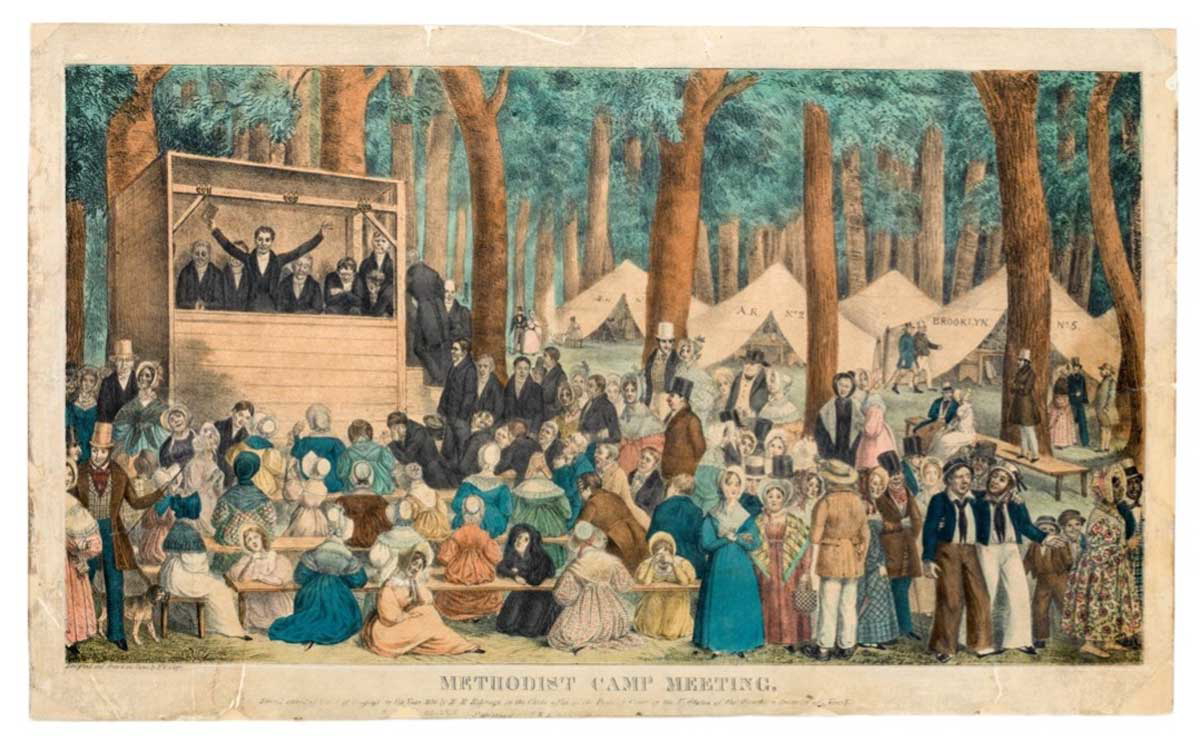
In response to the dwindling faith in American Society, the Second Great Awakening broke out as another string of nationwide religious revivals. The preachers of the Second Great Awakening sought to bring God to people in emotionally charged camp-style gatherings. From this Awakening sprang many denominations such as the Mormons, Disciples of Christ, African Methodist Episcopalians, and Seventh Day Adventists.
The Second Great Awakening was successful in sparking a rise in Christianity throughout the young American nation. As the dream of westward expansion spread through the hearts of early American citizens, many believed that God was orchestrating the rapid development of the United States. This idea became known as Manifest Destiny and reflected the strongly Evangelical Protestant ideals of mid-1800s America.
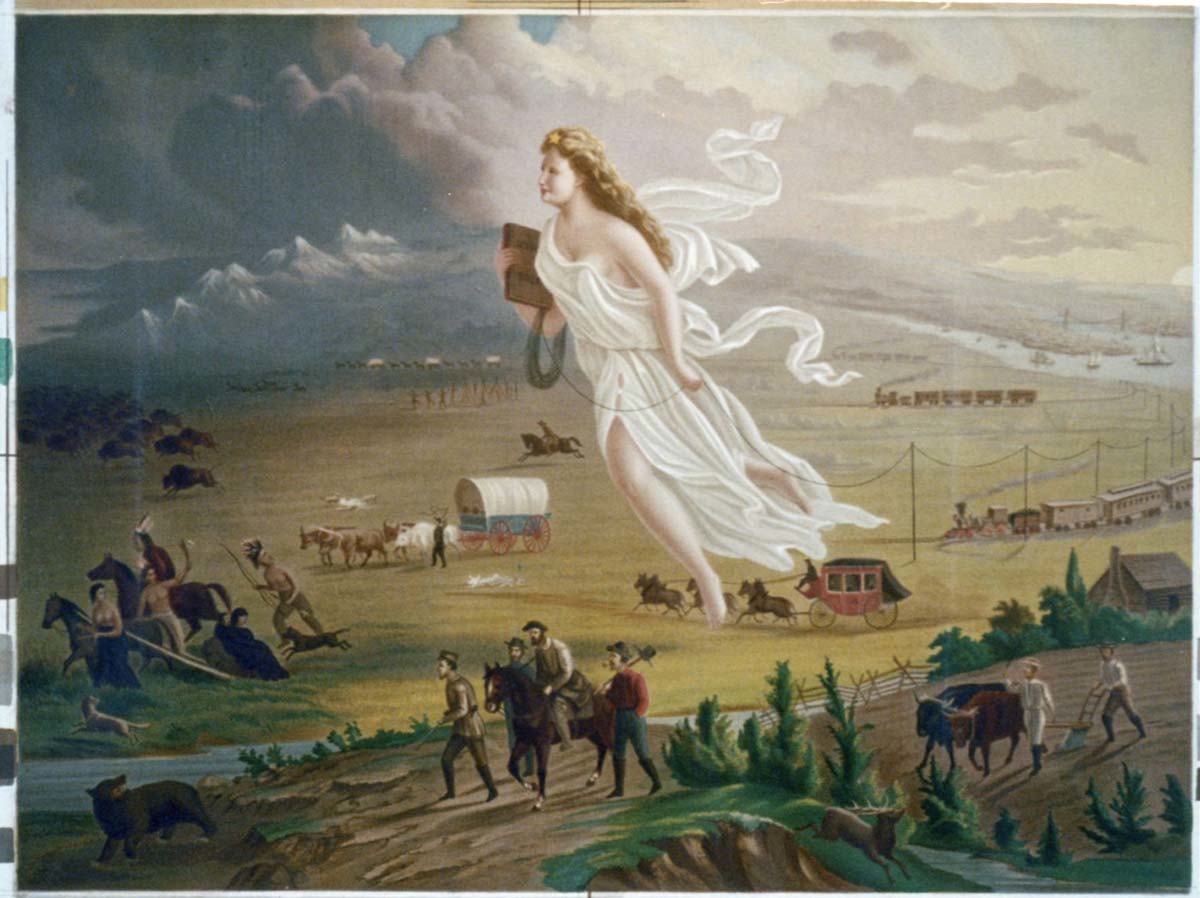
The growing participation in fervent religious beliefs also raised many questions on humanitarian issues that led to the American Civil War. Just as the population believed that God’s hand guided westward expansion, both sides of the Civil War preached that God was supporting their cause. This religious divide resulted in the formation of the Southern Baptist denomination as the rift between regions grew.
From the First Parliament of the World’s Religions to Today
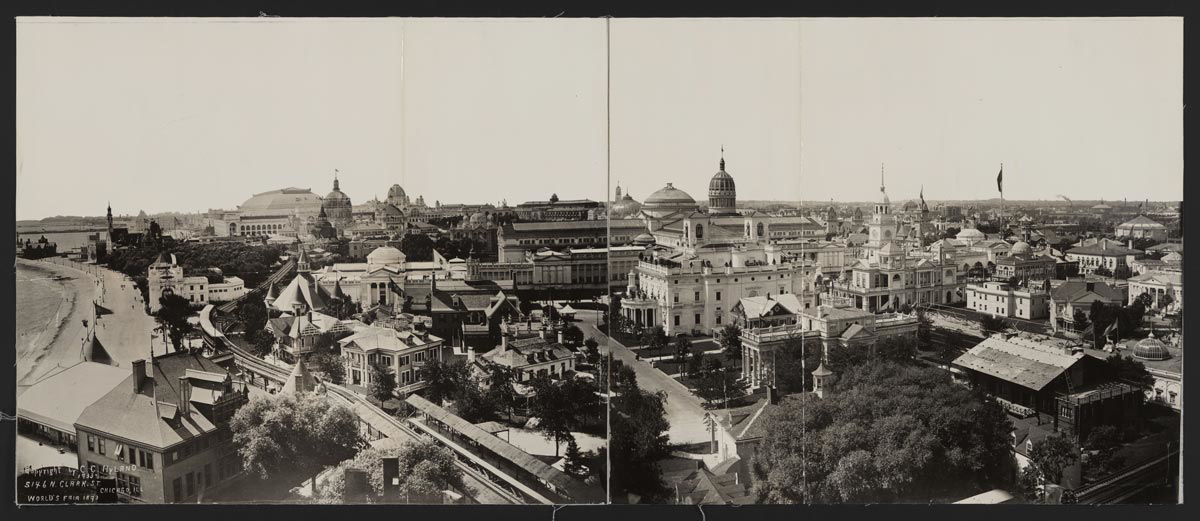
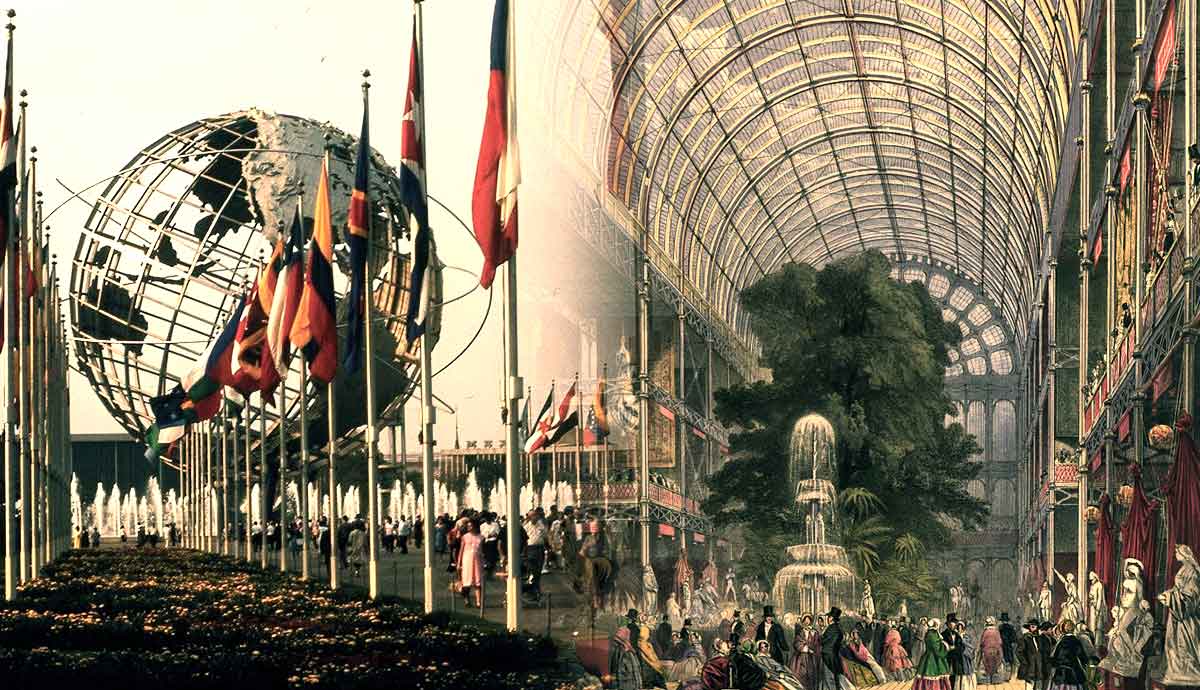
As an increasing number of denominations emerged throughout the world, America sought to stay true to the Constitution by encouraging the exploration of religious freedom during the World Columbian Exposition in Chicago in 1893. During the Exposition, the World’s Parliament of Religions held a 17-day conference showcasing 41 different religious denominations. Many consider the First World’s Parliament of Religions to be the starting point of a worldwide interfaith movement that celebrated the choice of individuals to partake in any religious tradition they choose. The Parliament introduced Eastern religions to the Western culture of the United States such as Buddhism and Hinduism.
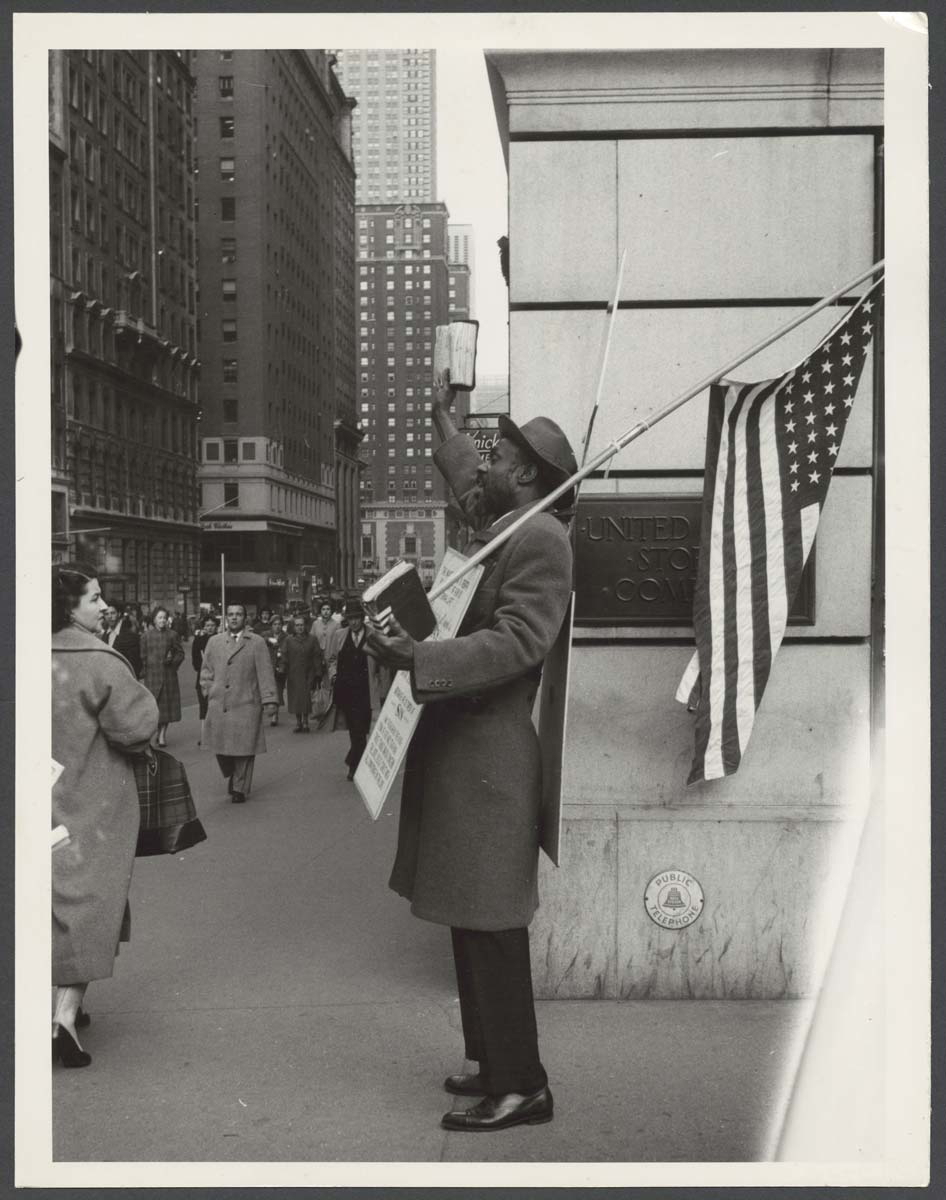
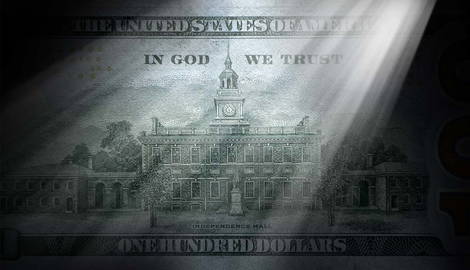
If America was determined to celebrate religious diversity, why mention God in the national motto? The phrase “In God We Trust” was adopted as the official motto of the United States by President Dwight Eisenhower during the Cold War in 1956. To understand the origins of the phrase, historians look to its first recorded usage during the Civil War.
During this period of American turmoil, many concerned citizens urged the Secretary of the Treasury, Salmon P. Chase, to print a message on US coinage that declared allegiance to God as the protector of the nation. A House of Representatives committee report from the 112th Congress studied a letter from Department of Treasury records that detailed Secretary Chase’s communication with James Pollock, Director of the Mint at Philadelphia. In the letter, dated November 20, 1861, Secretary Chase wrote: “Dear Sir: No nation can be strong except in the strength of God, or safe except in His defense. The trust of our people in God should be declared on our national coins.”
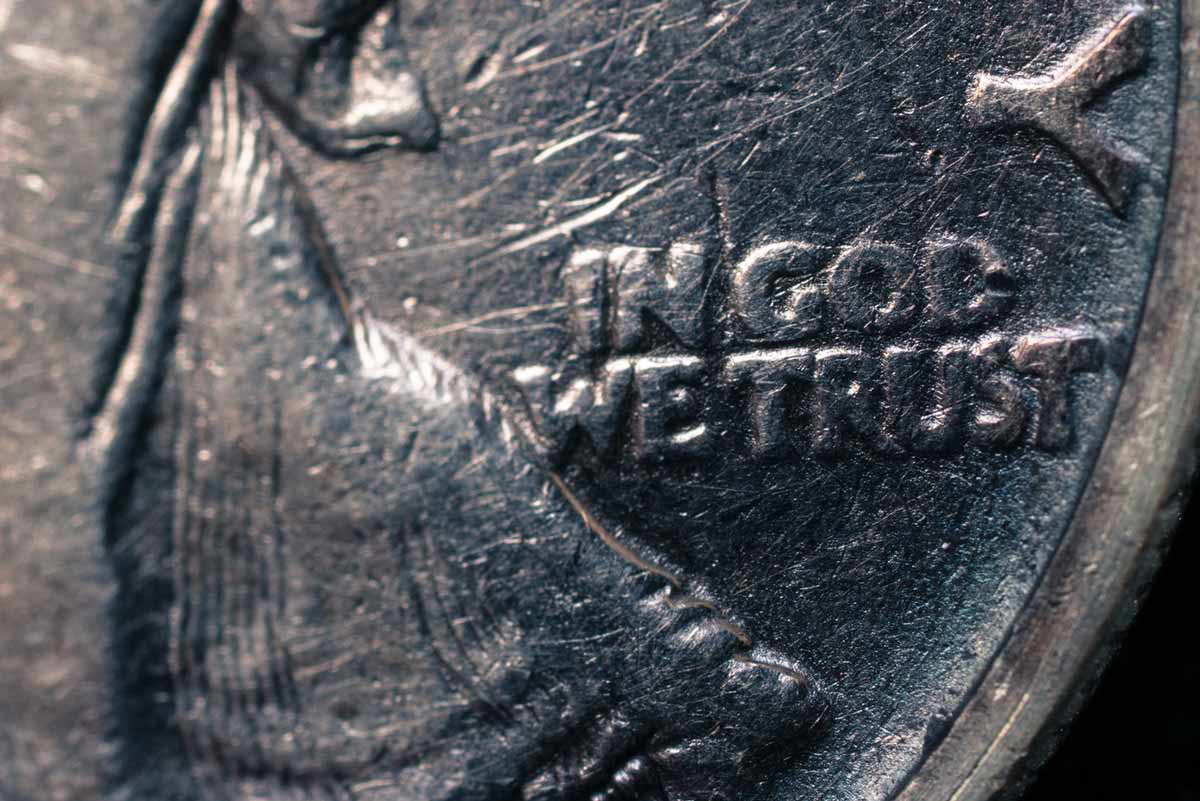
As a result, the phrase “In God We Trust” was first printed on some American coins in 1864. Eisenhower made the decision to adopt this as the official motto to reinforce the idea that the nation was under God’s divine protection, solidifying America’s Christian foundations.
Today, Christianity is still the most practiced religion in the United States of America. According to the PRRI 2023 Census of Religion in America, 63 percent of Americans identify as Christian, 27 percent are religiously unaffiliated, and 6 percent of individuals practice non-Christian religions. The history of religion in the United States paints an interesting picture, encouraging individuality while maintaining an underlying sense of the importance of faith.