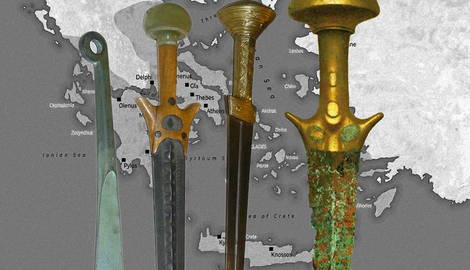
The Ancient Greeks believed their great heroes, like Achilles and Heracles, lived in an heroic age. From our perspective, this was the time of the proto-Greek Mycenaean and Minoan civilizations of the Bronze Age. In mythology, the heroes of Ancient Greece fought with ashen spears or war clubs. Odysseus even owned a bow so heavy that none but he could draw it back. But how were the real heroes of the Bronze Age Aegean armed, and how did they fight? Archaeology offers us some truly tantalizing evidence.
The Griffin Warrior
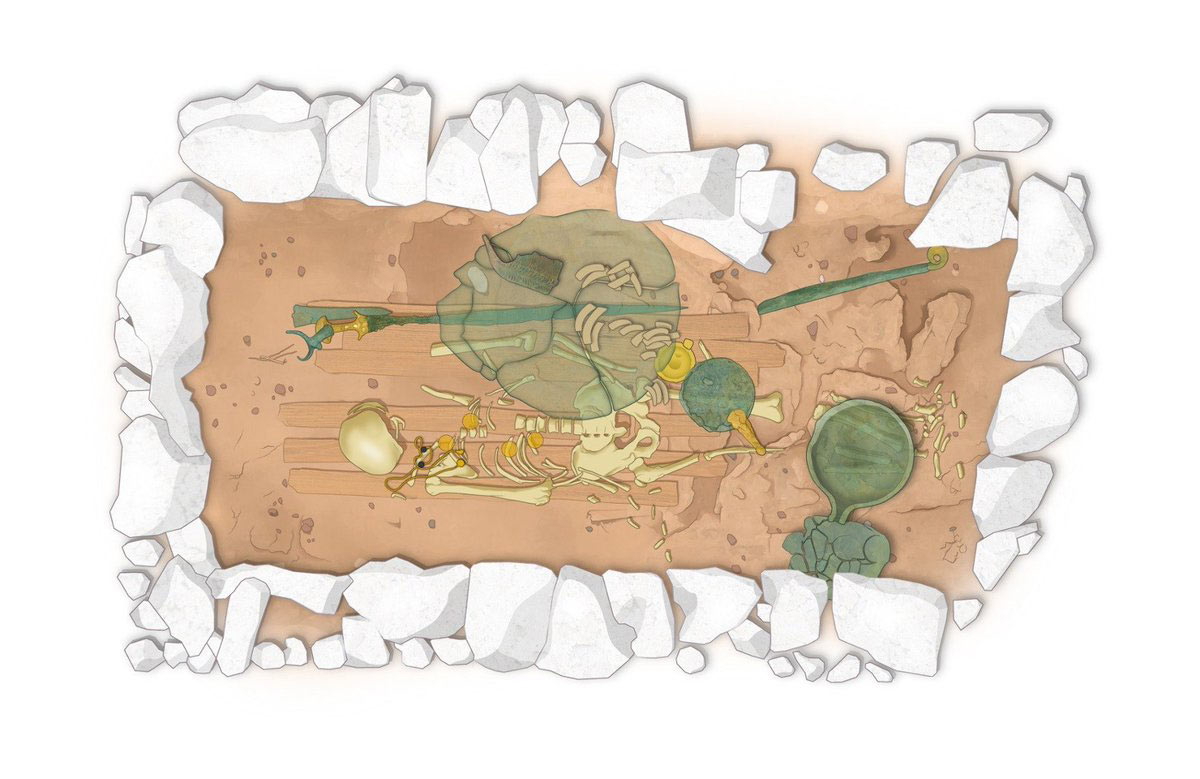
Pierced through the clavicle, a hero lay dying. As life slipped from his grasp and his last breaths came short, the man closed his eyes and passed into the void. In life, this nameless champion had been a proud warrior, a prince among men. Lithe as a leopard and strong as an ox, his body was toned and muscled from years of rigorous training. His status as a victorious warrior had earned him great wealth, rich lands, and a beautiful wife. Now, at 32 years old, he bled out in the hills he knew so well near Pylos, Greece. Fingers stiffly clutching the gold-coated hilt of his bronze longsword, oiled black curls splayed limp in the dust, the Griffin Warrior was dead.
Not all had been in vain. Though he had been killed, this captain of Pylos had led his men to victory. Stout warriors armed with heavy spears and figure-eight shields of layered pine and oxhide had won the day. They drove off raiders from Arcadian hills with slashing swords and stabbing spears.
The Griffin Warrior himself was not done with this world. His body was collected from the battlefield, washed, and prepared for burial. He was laid to rest in a large honeycomb-shaped shaft grave. He was gently placed in a polished wooden coffin, along with his sword and dagger, helmet, jewelry, etched agate seals, cups of silver and gold, and various other trinkets he had collected so dearly in life. Then, the tomb was covered for 3,500 years.
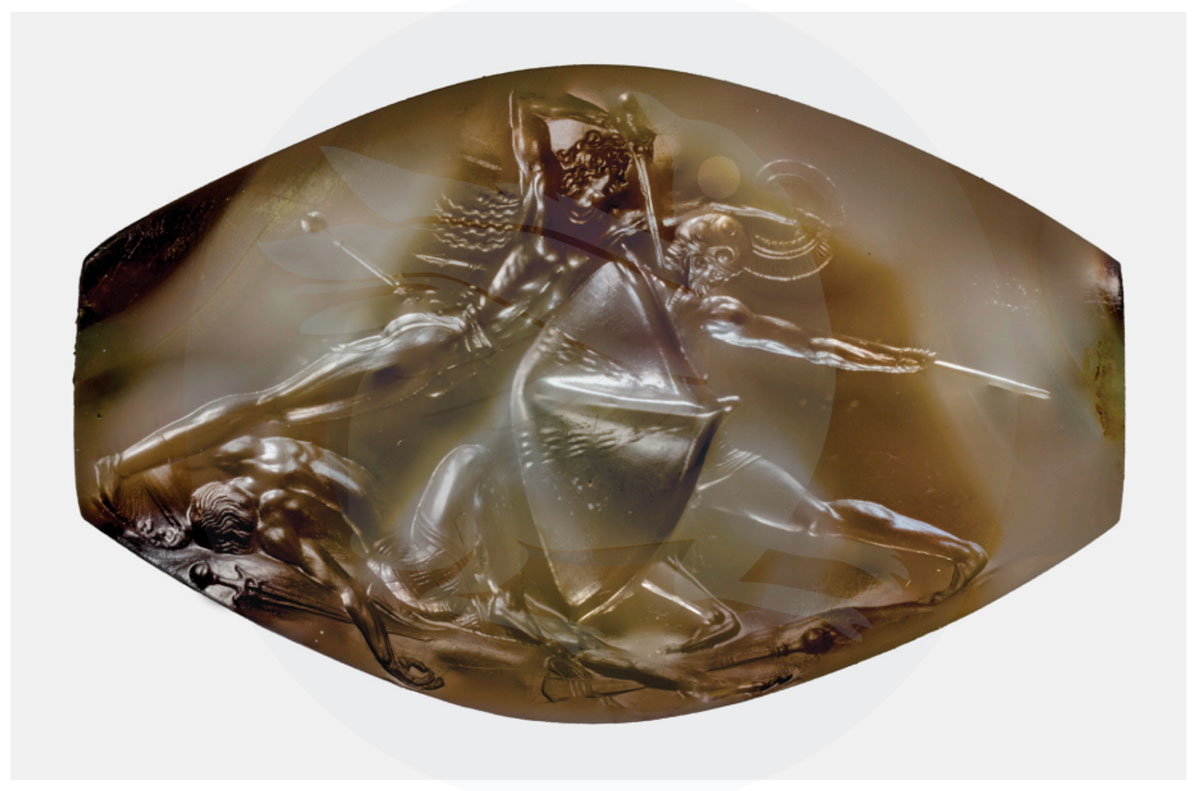
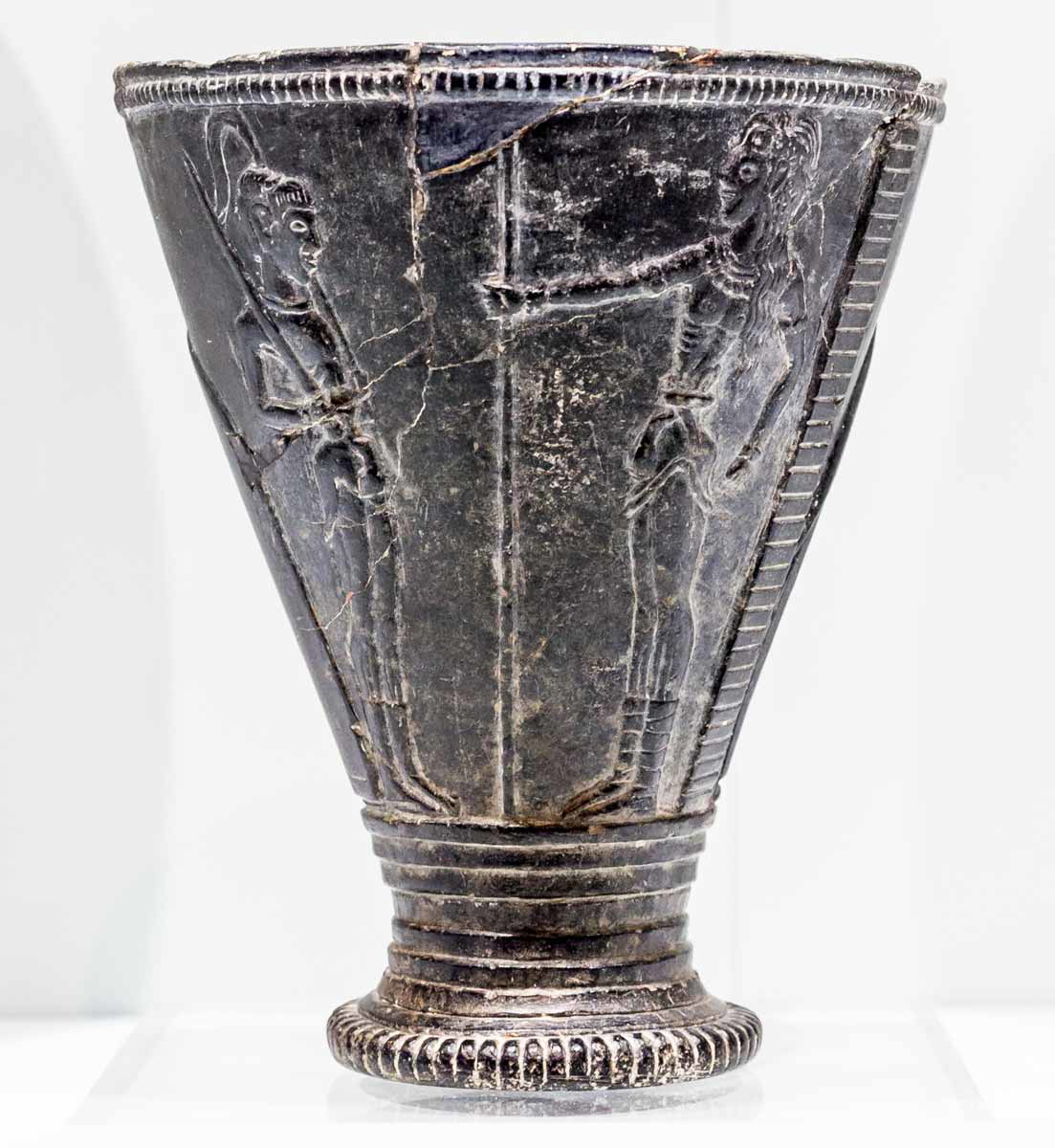
The true cause of death of the Mycenaean Greek man dubbed “The Griffin Warrior” remains unknown. However, the story just recounted is not necessarily untrue. Found in the Tomb of the Griffin Warrior at Pylos is a beautiful agate seal stone depicting Mycenaean warriors locked in mortal combat. A muscled warrior lay dead in the dust, with a nearly nude man standing over the fallen, plunging his sword over the shield of an enemy and into his unprotected clavicle. This death struggle frozen in time is the inspiration for the dramatized death of the Griffin Warrior, but inspired a burning question: how did the Mycenaeans fight? In the rest of this article, we will examine swords, ancient, medieval, and modern warrior frescoes, and combat styles from around the world.
The First Swords
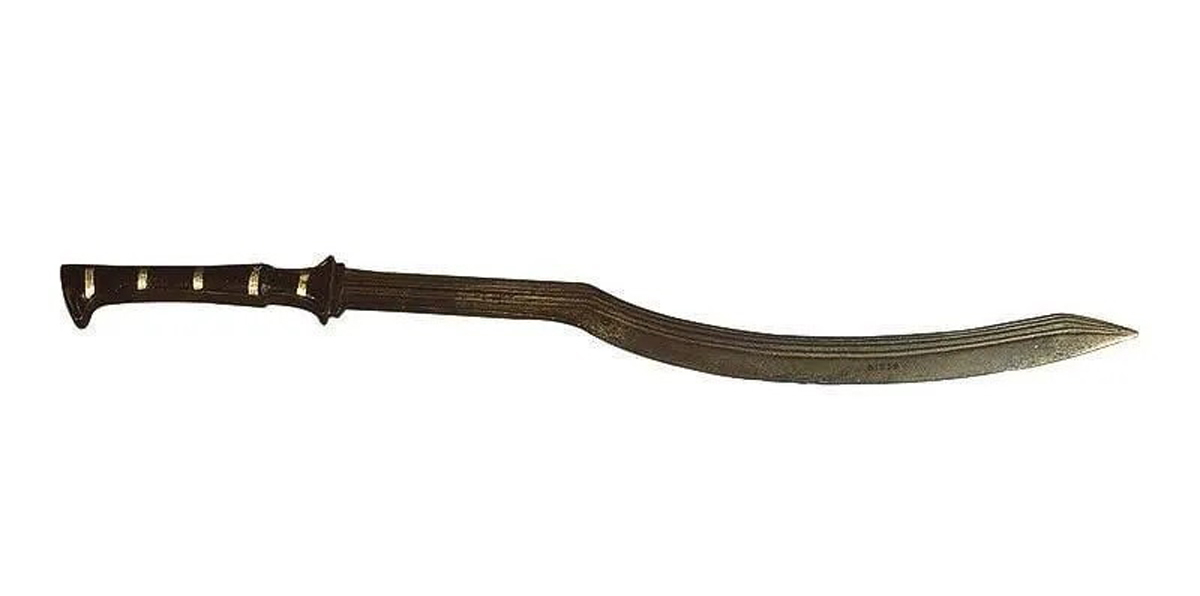
When imagining swords from the Bronze Age, two types are immediately recognizable. The sickle-shaped khopesh of Ancient Egypt and the Levant is an iconic weapon, while the leaf-bladed swords of Northern Europe inspired generations of swords to come, from the Greek xiphos to the Roman gladius. Caught in the middle, however, are the long swords of the Aegean. Bronze Age blades were relatively short compared to later weapons. That is due, in large part, to the material at hand: bronze. Bronze itself is an alloy of copper and tin, both of which are soft, easily manipulated metals. The ensuing bronze is also a relatively soft metal in comparison to later iron and steel. For its time, however, bronze was used effectively in engineering, manufacturing, and weaponry.
Though it is a perfectly acceptable metal, blades remained short for much of the Bronze Age. In part, this is due to the scarcity of materials. Tin was not locally abundant to the major civilizations in the Eastern Mediterranean, meaning that weapons manufacturers had to be economical with their materials. Swords also developed alongside weapons systems and fighting styles. When they first came about, swords were barely more than enlarged daggers that occupied the role of “side-arm.” This very much suited the kit and tactics of the age. A common footman was armed with large shields, helmets, and a medium-length spear. Art from Sumer, Akkad, and Egypt depict spears whose shafts came up to a man’s brow and whose blades jutted up just over the head.
Such Bronze Age kingdoms had high degrees of centralization and supplied the average levy soldier with his kit, so a sturdy shield and good helmet were sufficient defenses for most conscripts. In the tight phalanx formations of the time, a short sword or long dagger was a perfectly adequate weapon.
The Development of Bronze Age Warfare
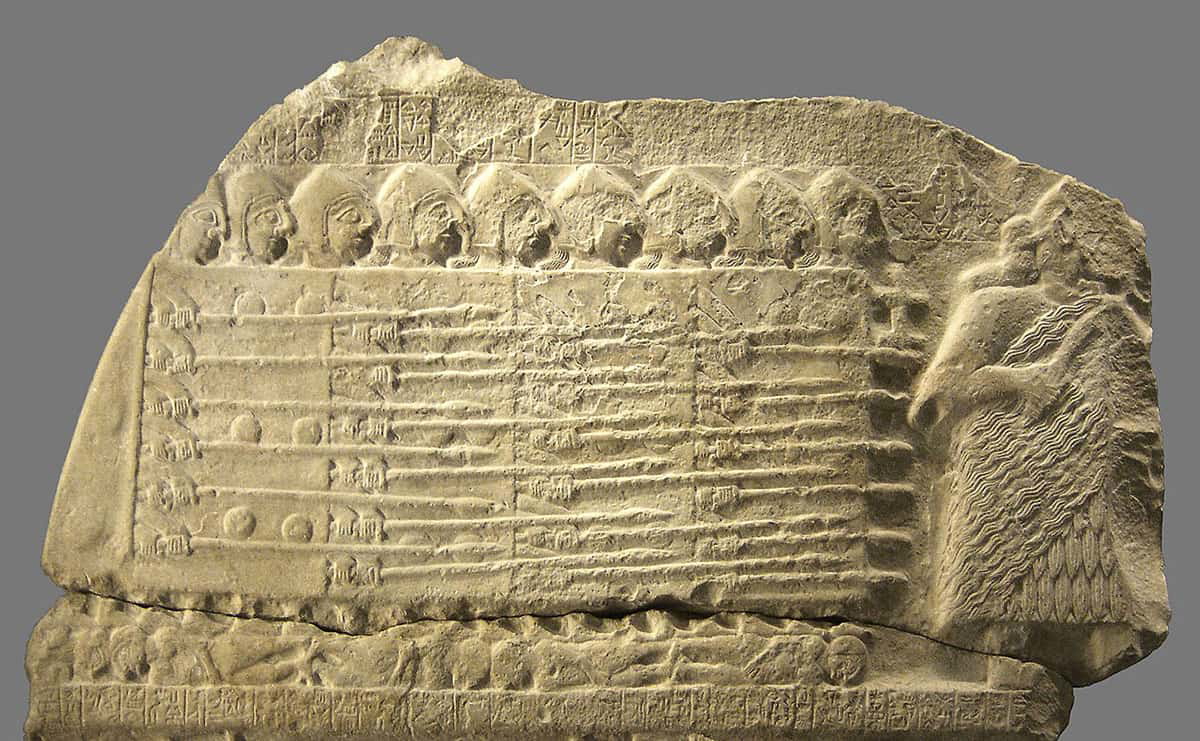
As the centuries passed, swords developed in shape and size to suit the changing styles of warfare. Around 2000 BCE, the war chariot was introduced to Eastern Mediterranean warfare. By the 1600’s BCE, it was a staple to any decent army, with noble charioteers being analogous to medieval knights, both in social status and fighting techniques. Heavy chariots were used to crash into enemy lines, while light chariots were perfect launching pads for the hit-and-run tactics of mobile missile troops. Infantry tactics changed little, as the big empires of the time, such as Egypt, Hattusa, and Mitanni, could now conscript massive hosts of infantry. Combined with a noble class inflated by the period’s wealth, hundreds, if not thousands, of charioteers faced each other while the infantry slogged it out.
Over the Aegean in Europe, however, war happened on a much smaller scale. Populations were smaller in the mountains and valleys of Greece, but so too were armies restricted in size. Here war remained the province of a noble warrior class, though conscription of locals in times of large-scale conflict almost certainly happened. This is evidenced by the weapons caches found in Minoan and Mycenaean palaces. Nonetheless, an aristocratic warrior culture emerged in mainland Greece, one which was potentially influenced by the Minoan civilization of Crete.
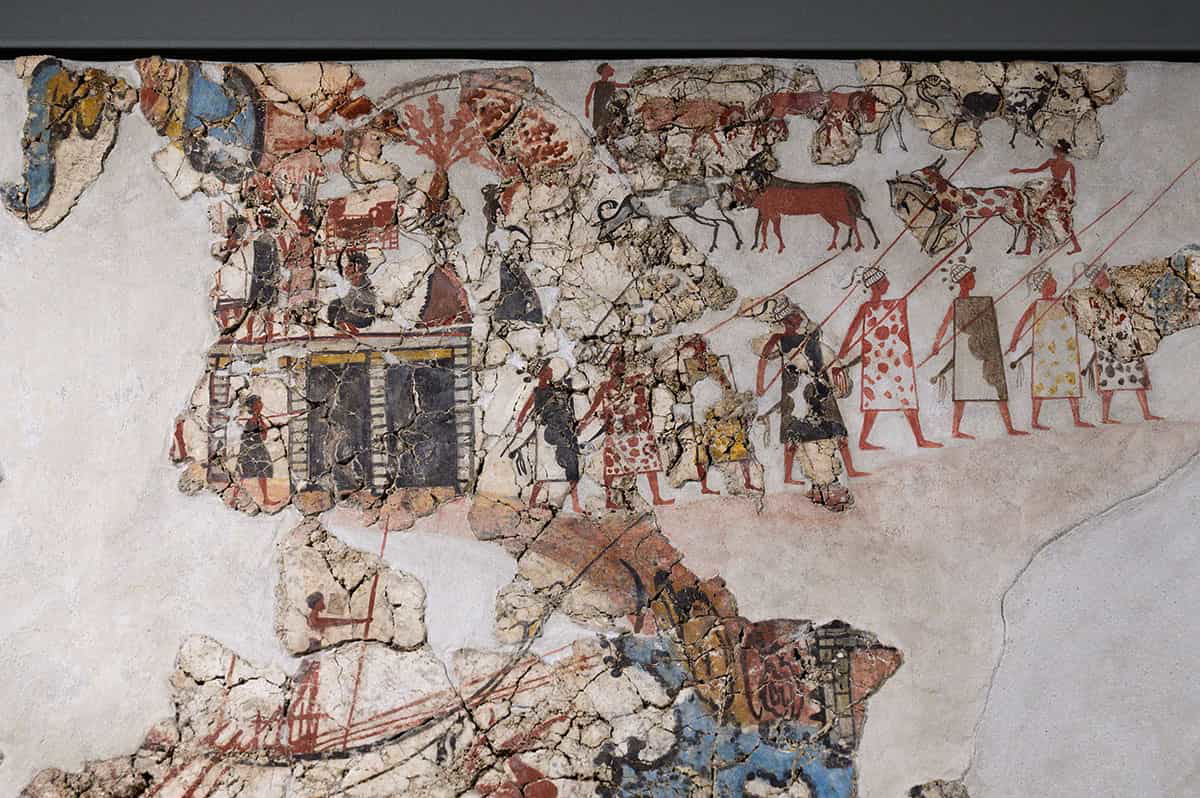
Here fighting styles were mixed. Based on a good variety of art depictions from across the Aegean world, we can see warriors engaged in skirmishes and in larger formations. Other works of art, such as the previously mentioned seal stone from the Tomb of the Griffin Warrior, show combat on a smaller, almost individual level. Whatever the case, warriors were equipped with a kit standard to the rest of the Eastern Mediterranean: spear, shield, helmet, and sidearm. The chariot, too, had made its entrance here, though it was a far rarer sight on the Greek battlefield than in the Levant.
The Emergence of Swords in the Aegean
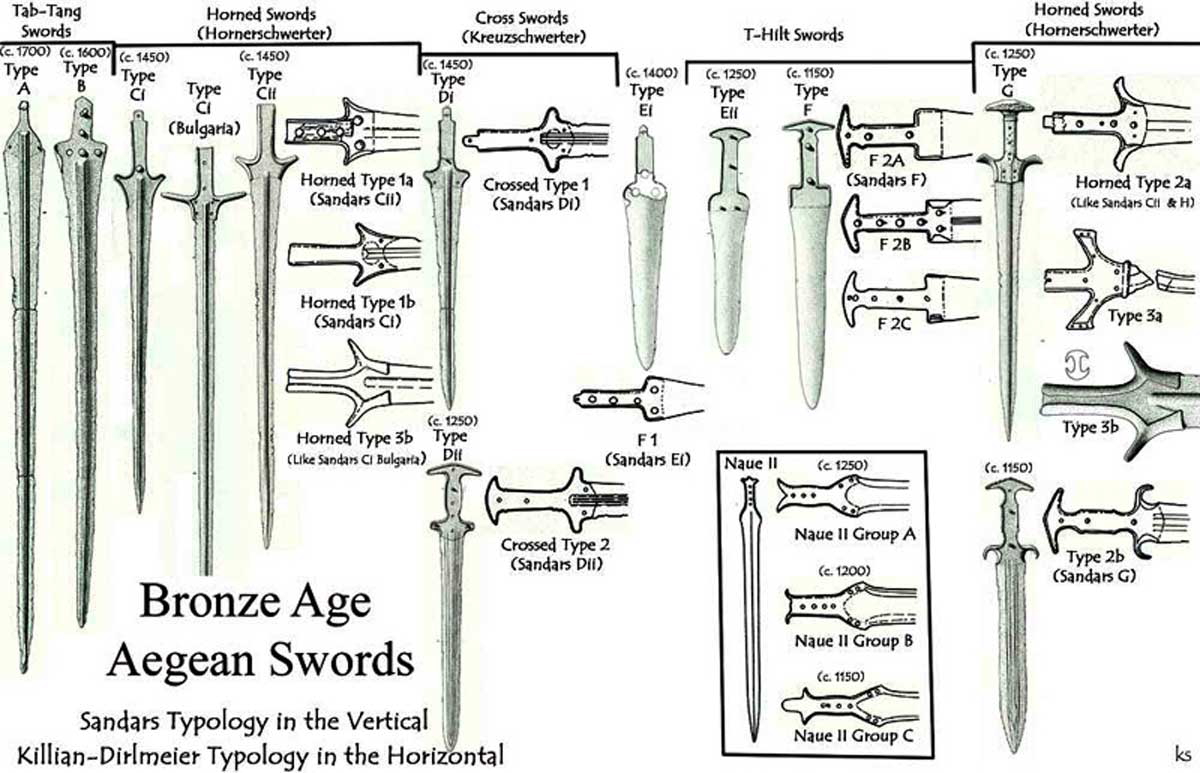
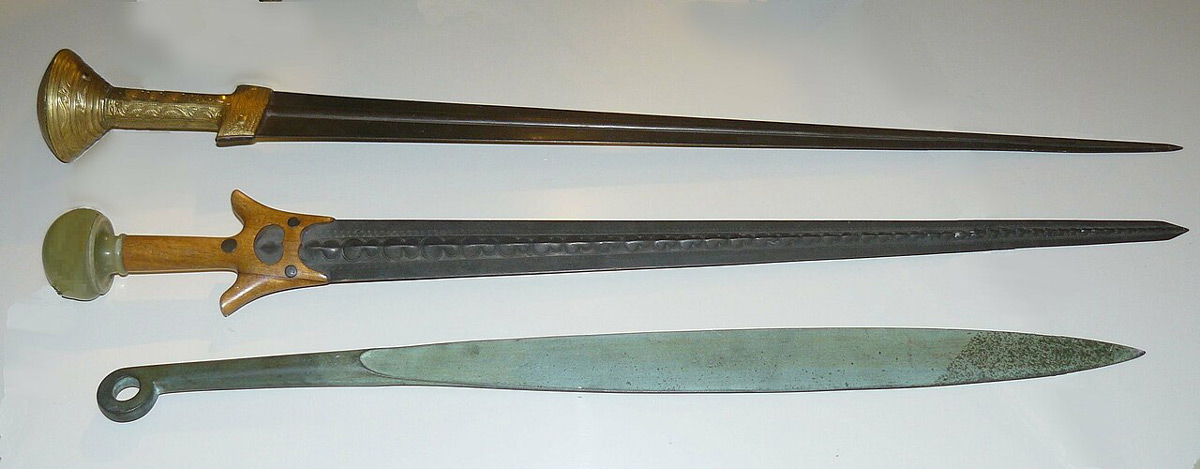
Starting around 1900 BCE, broad, triangular Mesopotamian-type daggers emerged in the Aegean, possibly as a masculine fashion trend picked up by traders who had ventured East. They show up in Crete first and then make their way to the Greek mainland, though they can be found as far afield as Albania and Bulgaria. These daggers rapidly grew to become long swords, commonly over a meter in length by the 1800’s BCE. For reference, most Bronze Age swords from the Eastern Mediterranean were shorter than 70 cm, many falling in the 60 to 40 cm range. Broad and pointy, these blades were meant for the scrum and were perfectly suited for hacking and stabbing. They did not require a wide range of motion to be used effectively, nor a particularly high level of training. The longswords of Crete, meanwhile, were proper cut-and-thrust weapons that needed space to be used. This was especially true in the cut, for early Aegean swords could be over one meter long.
Length, however, does not tell the whole story of how these swords were used in real combat. The blade geometry of Type A, B, and C swords, the official classification of the Aegean “longswords,” is a marvelous thing. They are reminiscent of much later medieval swords and even military sabers of the 19th century CE. Specifically, their diamond-shaped cross sections are very similar to late medieval single and two-handed swords. This similarity could offer us a glimpse into how they were used in the fight. It can also tell us about the kinds of opponents they came up against.
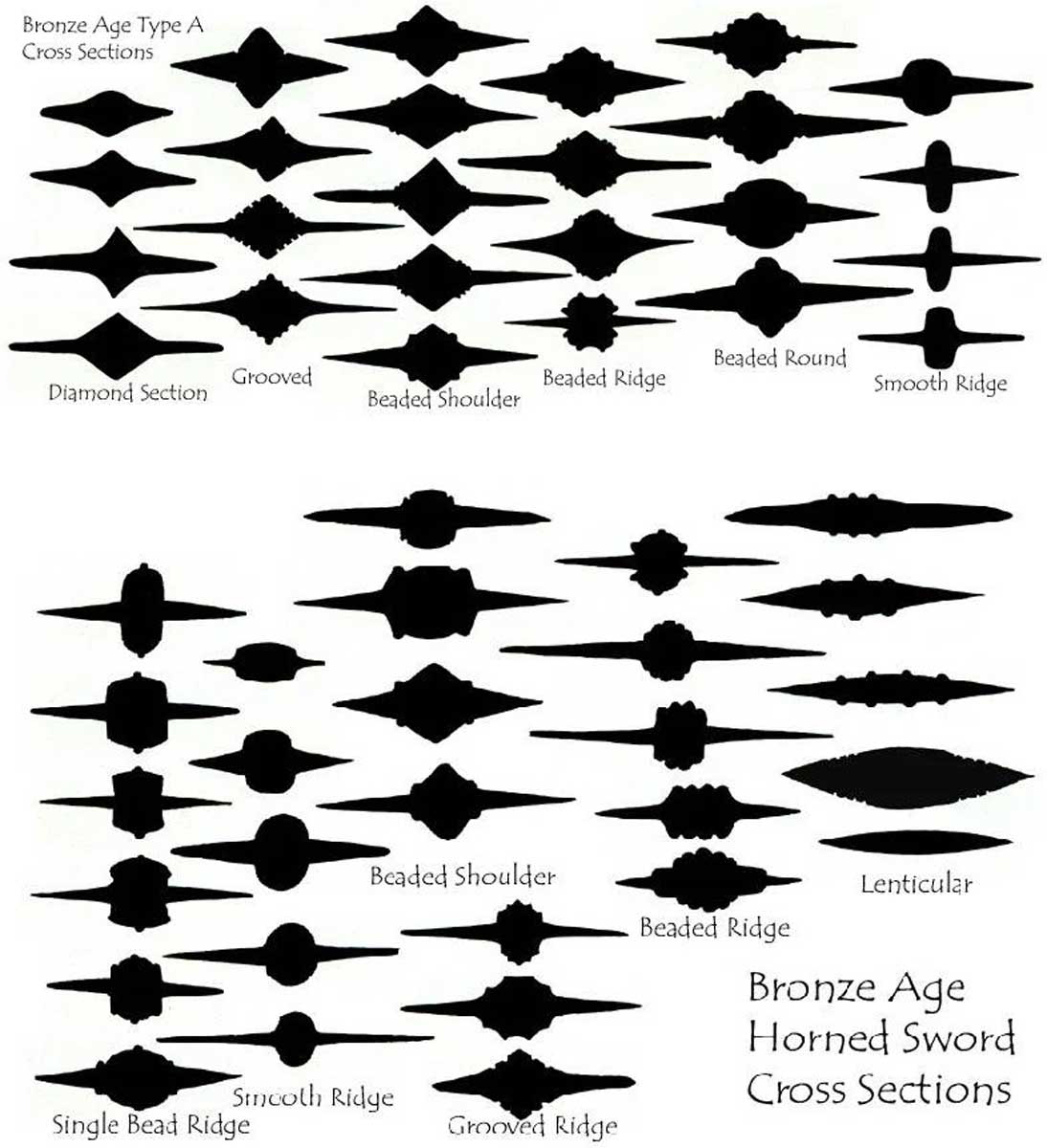
The diamond cross-section construction has a stiffening effect on the blade. This would be an important development for ancient Aegean swordsmiths, as bronze is a softer material. Any method to make a weapon more dependable is crucial to weapon design. Some swordsmiths used a different technique, which would have delivered the same result. These smiths made the spine of the sword a rod or else a raised section along the middle of the blade. Others still added multiple central ridges, which had the same result of stiffening the blade.
An Ancient Arms Race
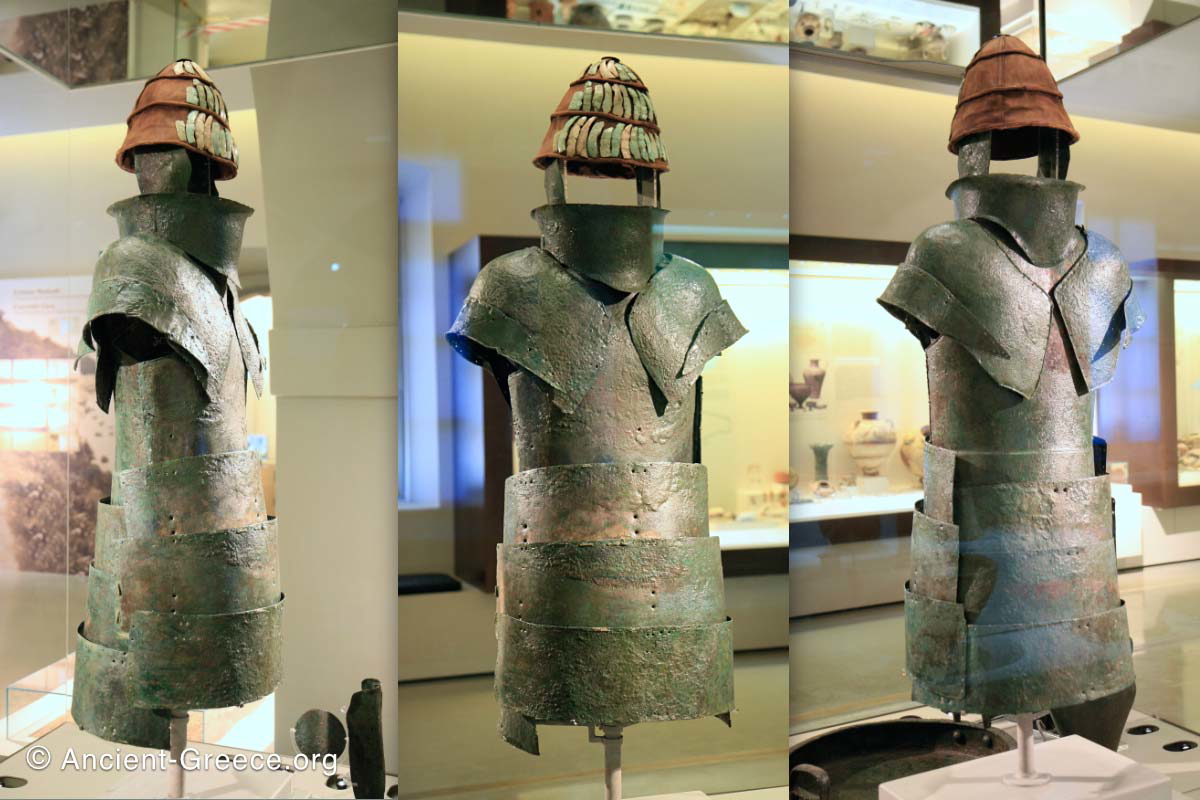
Long and triangular, Aegean longswords had cutting capacity but appeared to be dedicated thrusters on the surface. When compared to medieval swords, having a strong anti-armor thrust seems to be the purpose of reinforced middle sections. And just as medieval swords had to contend with steel plate armor, Aegean swords had to contend with advanced bronze armor. The Dendra panoply is an excellent example of Bronze Age full plate armor, which dates to sometime in the 14th century BCE. This, however, puts Aegean armor in a later time period than the longswords. While plate armor was certainly developed earlier than 1400 BCE, and longswords seem to have proliferated into that century, the earlier development of the longswords does not correlate to the development of plate armor.
The hilt construction of these swords is also “pro-cut.” The single-handed hilt often had downward projecting “horns” coming off the hilts and disk or large semicircular pommels. Both aspects of this design seem to be intended to lock the hand in place and encourage a “hammer grip” rather than a “handshake grip.” This “hammer grip” encourages chopping and close-up slashing movements, as can be seen in Indian swords and swordsmanship. This is because the blade is positioned perpendicular to the forearm. A longer graspable area on single-handed swords encourages thrusting, as it allows for smaller movements from the wrist that are more commonly used in the thrust.

In looking at these cut-and-thrust blade dynamics, we can get a better sense of how these swords were used. And in looking at contemporary art, we can see that body armour is largely absent from depictions of military men. The archaeological record corroborates this. Bronze body armor comes from a later period that correlates with the phasing out of longer swords and the development of shorter blades. Perhaps plate armor was the answer to the longsword question rather than the other way around. Perhaps, as more members of the warrior class gained access to more bronze—which happened across the Eastern Mediterranean due to broad-spanning trade routes—they began wearing greater amounts of body armor to protect them from the red slashes of their foes’ blades.
Reconstructing Bronze Age Martial Arts

Rounding back on the Tomb of the Griffin Warrior and that lovely agate seal stone, we again return to its image. Warriors, almost nude but for helmets and loincloths, battle to the death. The main character, locks flowing in the wind, has but a sword and is depicted twisting the other man’s head away from him. Thus revealing the neck, he strikes his sword into the unprotected flesh. In doing so he has countered the opposing warrior’s weapon set: a spear and figure-eight shield. The swordsman is shown pressed up against the shield, where the long spear is useless, using his longsword’s reach advantage to get around the shield.
The big heavy shield was essential to any Aegean footman’s kit. More so than even the helmet, it is the eldest and most basic piece of defensive equipment. In the rocky hills and tight valleys of Greece, the heavy spearman became king. Early on, shields became big. Tower and figure-eight shields were made of many layers of ox-hide, wood, and even bronze. Excellent for defense, especially when used in large formations, these massive shields were used all across the Aegean Bronze Age world. However, they were unwieldy and quite cumbersome when used independently of the phalanx formation. Artistic depictions show the shields being used independently, making the carrier perfect prey for the fleet-footed longswordsman.
These swords were also great weapons for dealing with more lightly armed foes. The added reach put the warrior out of range of dagger or axe attacks, and the blade construction was well-suited for cutting and thrusting. In this way, these swords resemble pipe-backed blades from the 19th century CE. These military sabers were intended to be used against unarmored or lightly armored colonial foes. And though there are more dedicated cutting blades, the presence of a “pipe” or rod running along the blade’s spine would not have significantly hindered the cut. More importantly, it would have reinforced the blade’s overall structure during hard impacts or thrusts. Thus making these swords more robust, it can be understood why this blade geometry was developed, as bronze is a more malleable metal and is prone to bending the longer and thinner it is stretched.
An Elegant Weapon for a More Civilized Age
These long, stiff swords were well suited to counter the weapons systems of the day. Able to deliver forceful thrusts and retain a thin edge for the cut, all while from a further distance, it can be seen why these longswords were the weapon of choice for many a Mycenaean or Minoan nobleman. Herein lies the final factor in the discussion: class. These beautiful and impressive blades were not made for just anyone. In art and archaeology, they are associated with the noble classes of Minoan and Mycenaean civilization. These swords are also often richly decorated works of art with gold, ivory, and pearl hilt fittings. The time and skill needed to fabricate the blades themselves would have equally been a commodity. Unlike many Bronze Age weapons, which were mass-produced on industrial levels, these swords were primarily one-of-a-kind, increasing their value as bespoke status items.
Such heroic tools likely had martial arts systems attached to them, as they have throughout histories and cultures. Though we are not fortunate enough to have treatises or manuals as we get from European or Chinese sources, a martial arts tradition passed down through the generations by masters is likely to have emerged in the Aegean around the use of the longsword, as it did in both literate and illiterate societies. One can imagine a sun-soaked training ground in the ancient Greek hills, dust clouds billowing from the clatter of boots on hard-packed earth. An old wizard of a man leads young noble boys in their forms, while a captain gives the young men drills to practice and veteran warriors spar in another part of the yard.
In the mind’s eye, these ancient martial arts practitioners trained their minds and bodies in discipline, physical conditioning, and technique with the sword. Said techniques could have been geared toward maneuvering the blade’s point around an opponent’s shield, aiming for vulnerable exposed areas. Overhand thrusts to the chest and upward could have been taught, as well as lateral thrusts and upper-cut thrusts, all focused on getting past the opponent’s broad shield. Overhand cuts directed at the face, shoulders, and limbs could have also been taught in combat against shields, while slashes to the body could have been taught to combat unarmored adversaries. Such techniques were perhaps reminiscent of any number of long, single-handed sword systems from 14th-century Italy to 19th-century colonial warfare. For, at the end of the day, there are only so many ways to swing a sword.