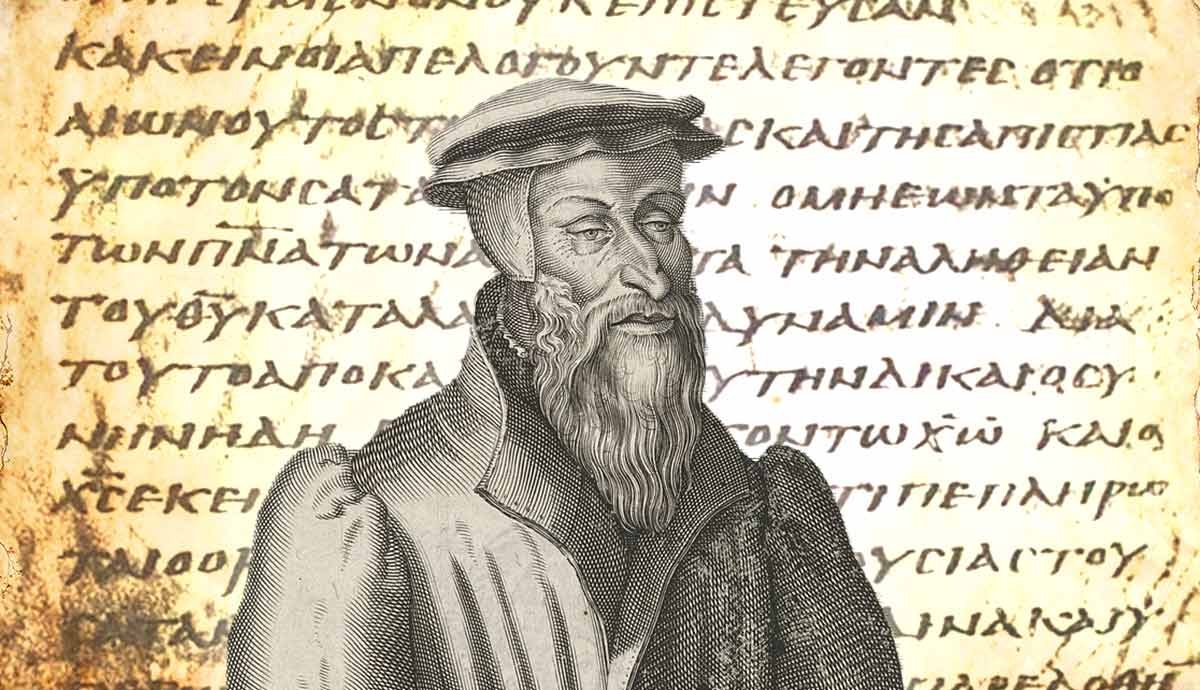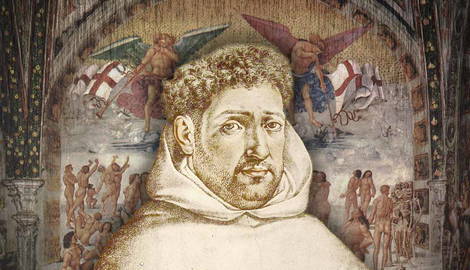
The word “rapture” does not appear in the Bible, but that does not mean that there is no such event. The term refers to the meeting of believers with Jesus in the air at the Second Coming, as described in 1 Thessalonians 4:16-17. The development of dispensational theology and the introduction of futurism as an interpretive model for prophecy resulted in the doctrine of a secret rapture. Scholars trace the origin of this teaching to the Jesuits and the Counter-Reformation. Here is a brief overview with some key challenges.
The Rapture in the Bible
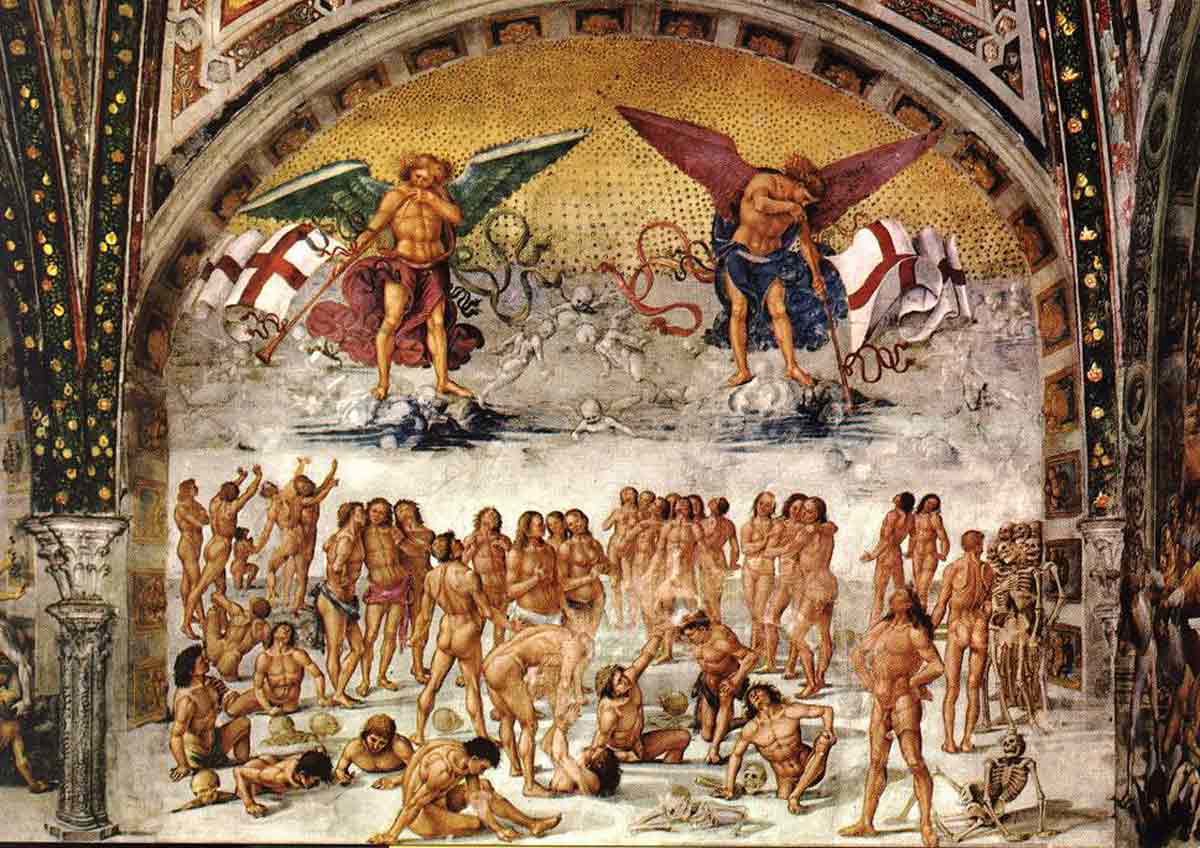
1 Thessalonians 4:16-17 describes the event Christians refer to as the rapture:
“For the Lord himself will descend from heaven with a cry of command, with the voice of an archangel, and with the sound of the trumpet of God. And the dead in Christ will rise first. Then we who are alive, who are left, will be caught up together with them in the clouds to meet the Lord in the air, and so we will always be with the Lord.”
Traditionally, Bible scholars before the Counter-Reformation considered this a public event with many verses describing the physical, universally observable manifestations that would accompany it.
In the first half of the 19th century, a view of the rapture developed that had some unique features. It taught that the rapture will be a secretive event, happening “like a thief in the night” (1 Thessalonians 5:2). The secret rapture would see believers taken from the Earth to be with Jesus for seven years. The Antichrist appears after the rapture of believers and causes the non-believers who are left behind to go through a three-and-a-half-year tribulation, followed by the three-and-a-half-year great tribulation.
Challenges to this view resulted in an adaptation by some to a mid-tribulation rapture view that many claim happens in secret, too. The post-tribulation view of the rapture describes an event that aligns with a public Second Coming.
Authors Tim LaHaye and Jerry B. Jenkins wrote the Left Behind novel, which sparked a series of books that became New York bestsellers and promoted the concept of a secret rapture. The series includes 16 books, of which three are prequels, the main series has twelve books, and there is one sequel. The series sold more than 80 million copies and became a cultural phenomenon in Christian circles. Two movies have been made of the original Left Behind book. The first version starred Kirk Cameron, and the Hollywood remake featured Nicholas Cage.
The pre-tribulation secret rapture is the most common eschatological view held among Evangelical protestants, especially in the United States. It is, however, not the most common view worldwide. The Roman Catholic Church, the largest in Christianity, rejects the Secret Rapture teaching.
Challenges of the Secret Rapture
The secret rapture is a vast theme, and it is impossible to provide a comprehensive presentation of all its permutations and aspects in a short article. A brief analysis of the pre-tribulation secret rapture will have to suffice. We consider some verses that challenge the core precepts.
Like a Thief in the Night
The belief that the rapture will be a secret event hinges on 1 Thessalonians 5:2: “For you yourselves are fully aware that the day of the Lord will come like a thief in the night.” When Paul authored this letter to the Thessalonians, he did not divide it into chapters like we have today. Chapter four, which states that when Jesus returns, it will be “with the voice of an archangel, and with the sound of the trumpet of God,” flows into Chapter five, which speaks to the day coming like a thief in the night. The time is the focus, not the method.
Several other related verses reflect the loudness of the event. 1 Corinthians 15:52 says: “…the trumpet will sound, and the dead will be raised imperishable, and we shall be changed.” The resurrection of the dead aligns with the event of the secret rapture in pretribulation theology, yet the verse refers to the blowing of a trumpet. The Bible does not describe it as a secretive or silent event.
Tribulation

1 Thessalonians 5:2 finds a parallel in 2 Peter 3:10. Both verses refer to the day of the Lord coming like a thief in the night. It, therefore, refers to the same event. Yet, 2 Peter 3:10 and 12 describe what happens on that day. “The heavens will pass away with a roar, and the heavenly bodies will be burned up and dissolved, and the earth and the works that are done on it will be exposed,” and “the heavens will be set on fire and dissolved, and the heavenly bodies will melt as they burn!” There is no possibility for a seven-year period where the wicked who were not taken, according to the secret rapture view, live on Earth after the destruction these verses describe.
The Antichrist Appears After the Secret Rapture
In 2 Thessalonians 2, Paul warns that before Jesus returns and “our being gathered together to him” (verse one), certain events must occur. “Let no one deceive you in any way. For that day will not come, unless the rebellion comes first, and the man of lawlessness is revealed, the son of destruction, who opposes and exalts himself against every so-called god or object of worship, so that he takes his seat in the temple of God, proclaiming himself to be God” (1 Thessalonians 2:3-4).
These titles refer to the Antichrist. The sequence Paul specifies is that the appearance of the Antichrist appears first. Afterward, Christ gathers the faithful.
Who Is Taken and Who Is Left?
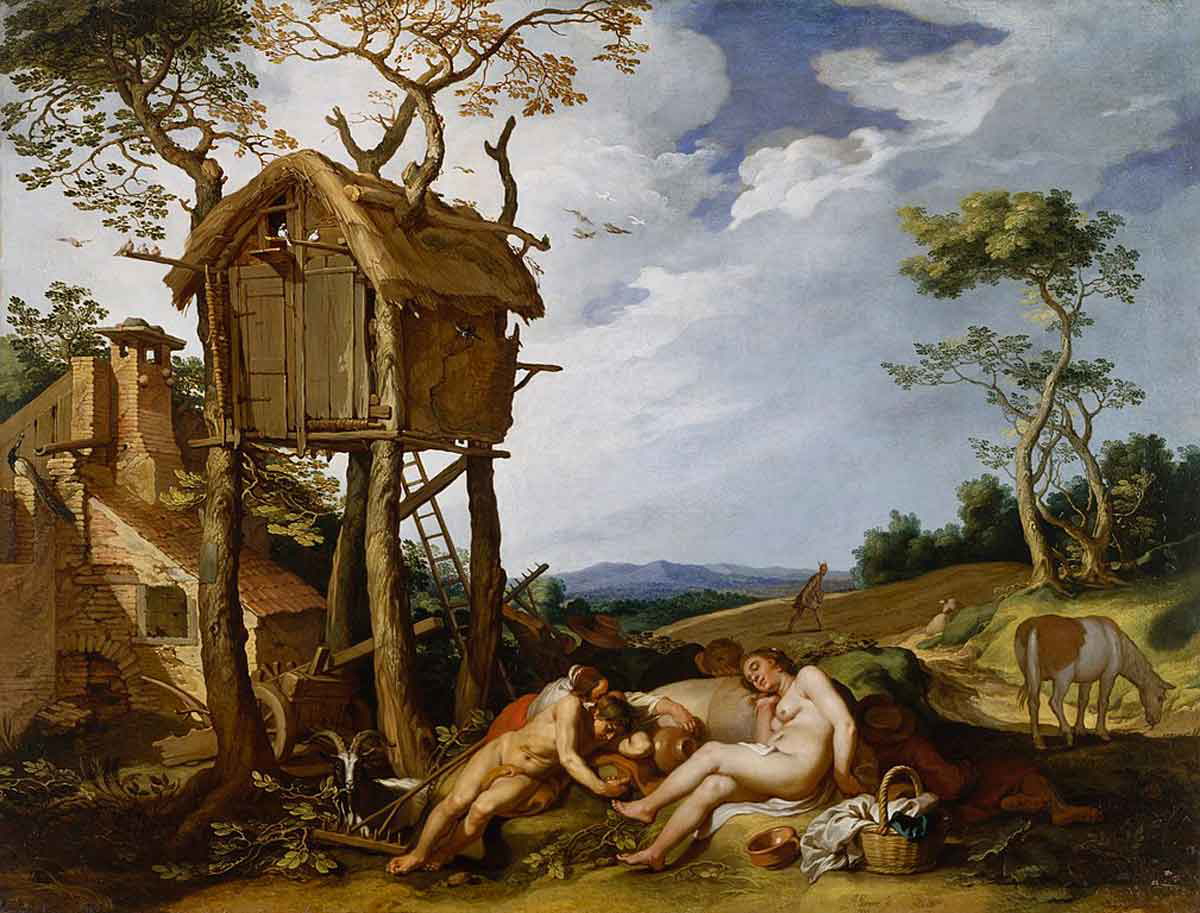
According to the secret rapture theory, Jesus will take the believers with him while leaving behind the unbelievers. Matthew 24:36-39 and Luke 17:26-27 indicate that the days of Noah serve as the example of who will be swept away or destroyed. When we read the narrative of the flood, which these verses point to, Genesis 7:23 reveals that the flood took the wicked. Noah and his family were left behind. Who is taken, according to the Bible, is the exact opposite of what the Secret Rapture teaches.
Likewise, in the parable of the wheat and the tares in Matthew 13:24-30, which Jesus explains in Matthew 13:36-43, the tares, a symbol of the wicked, are taken from among the wheat, a symbol of the “sons of the kingdom” or the faithful. Only after the tares have been removed is the wheat gathered in the barn, a symbol of the Kingdom of God.
This idea that the wicked are taken to destruction while the righteous remain behind to be united with God after the separation aligns with Matthew 24 and Luke 17 as well. Matthew and Luke record that one will be taken and the other left, but Luke 17 adds a detail Matthew does not. The question by the disciples and their answer indicate that the one who is taken dies.
These four critical aspects of the Secret Rapture theory do not withstand biblical scrutiny. The Secret Rapture theory is much broader than what we have discussed here, yet without these elements, the theory falls apart.
Origins of the Secret Rapture
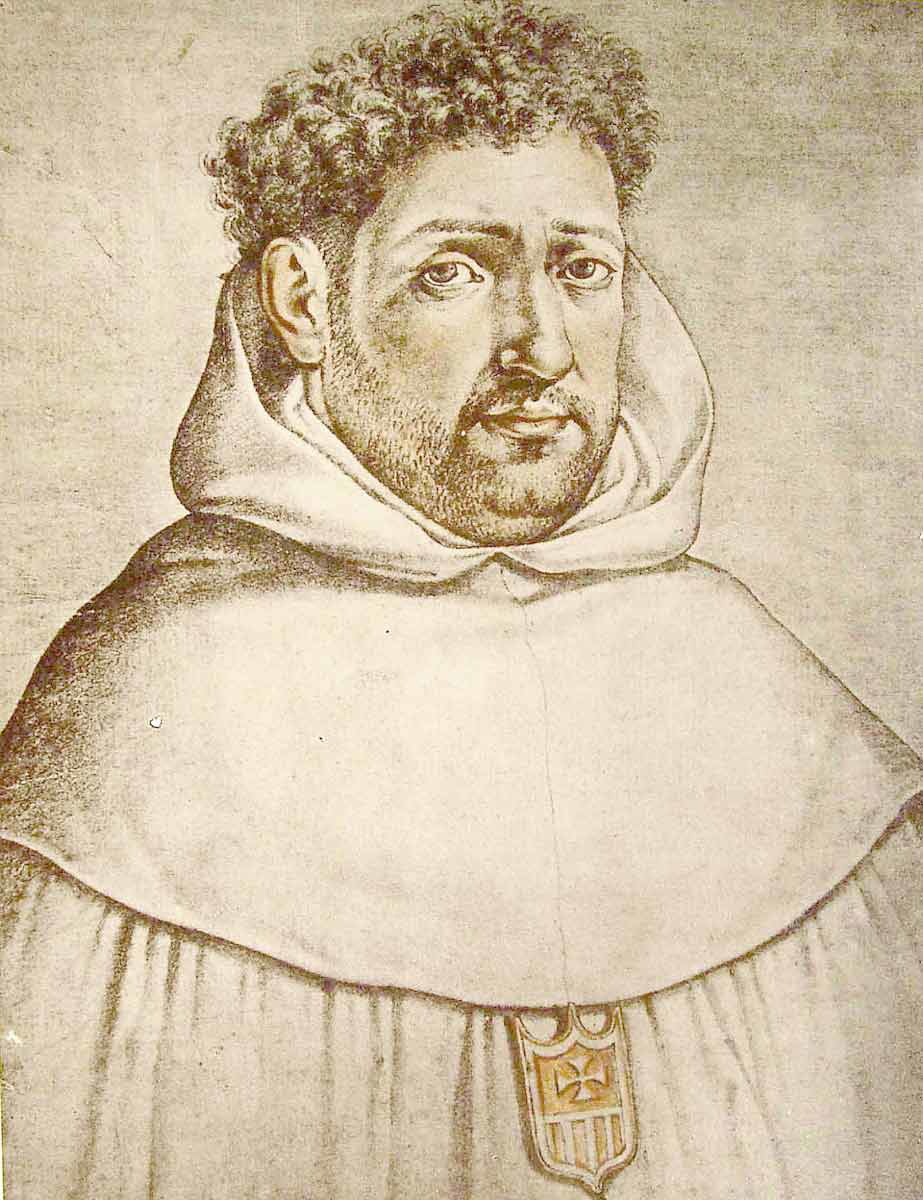
The origins of the secret rapture theory date back to the Counter-Reformation. The Reformers identified the Papacy as the Antichrist. The Jesuit order initiated the Counter-Reformation to refute the claims of the reformers. These claims resulted from the historicist interpretation of Biblical prophecy.
A Jesuit priest, Francisco Ribera, introduced Futurism as a method of interpreting prophecy. He opposed the Historicist principles of interpretation and claimed the Antichrist would only appear on the scene shortly before the Second Coming. Cardinal Robert Bellarmine further developed Ribera’s approach, claiming the Antichrist would be an individual, not an institution like the Papacy.
Manuel De Lacunza authored The Coming of Messiah in Glory and Majesty under the pseudonym Rabbi Ben Ezra. The book by De Lacunza utilized the ideas of Ribera and Bellarmine, his fellow Jesuits. Edward Irving, a notable preacher in Scotland in the early 19th century, translated De Lacunza’s book from Spanish to English and adapted some of the views to suit his dispensational approach to scripture. His new view became what we now know as the Secret Rapture. The view gained traction when John Nelson Darby, a contemporary of Irving, incorporated it into his dispensational views. The popular Schofield Reference Bible of the early 20th century reflected these teachings, resulting in the rapid spread and adoption of the Secret Rapture theory.
Though never a Roman Catholic teaching, the influence of the Jesuit Counter-Reformation on the Secret Rapture beliefs is undeniable. The Counter-Reformation was successful in creating an alternative interpretation to that of the Reformers. Their efforts reflect those who subscribe to pre-tribulation dispensational theology, which includes the Secret Rapture view.