Visit any museum housing ancient statues, and you will notice that many of them no longer have noses. It is possible that some of them have simply fallen forward, and the noses were broken off. However, it is also possible that Christians destroyed their noses in an attack against the pagan idols that they believed were demonic. This iconoclasm, that is, the destruction of religious images, came into play in the 4th century AD when the Emperor Constantine the Great made Christianity an official religion, thereby ending almost two centuries of intermittent persecution of it.
How Greeks and Romans Viewed Their Statues
Most ancient statues were made of either bronze or one of many varieties of marbles. Some people believed that they embodied the gods that they portrayed. In other words, they saw them as the gods themselves. People placed these divine images in prominent places at weddings and public festivals. Ancient accounts state that people carried the statues through the streets, where onlookers pressed through crowds just to touch them, crying over them, embracing them, and giving them offerings.
Caretakers tended to the idols, washing, dressing, and perfuming them as if they were real. One manuscript describes a scene in Magnesia, where statues of the twelve Olympian gods, clothed in the finest of garments, were positioned around a large dining table, as if enjoying a divine banquet.
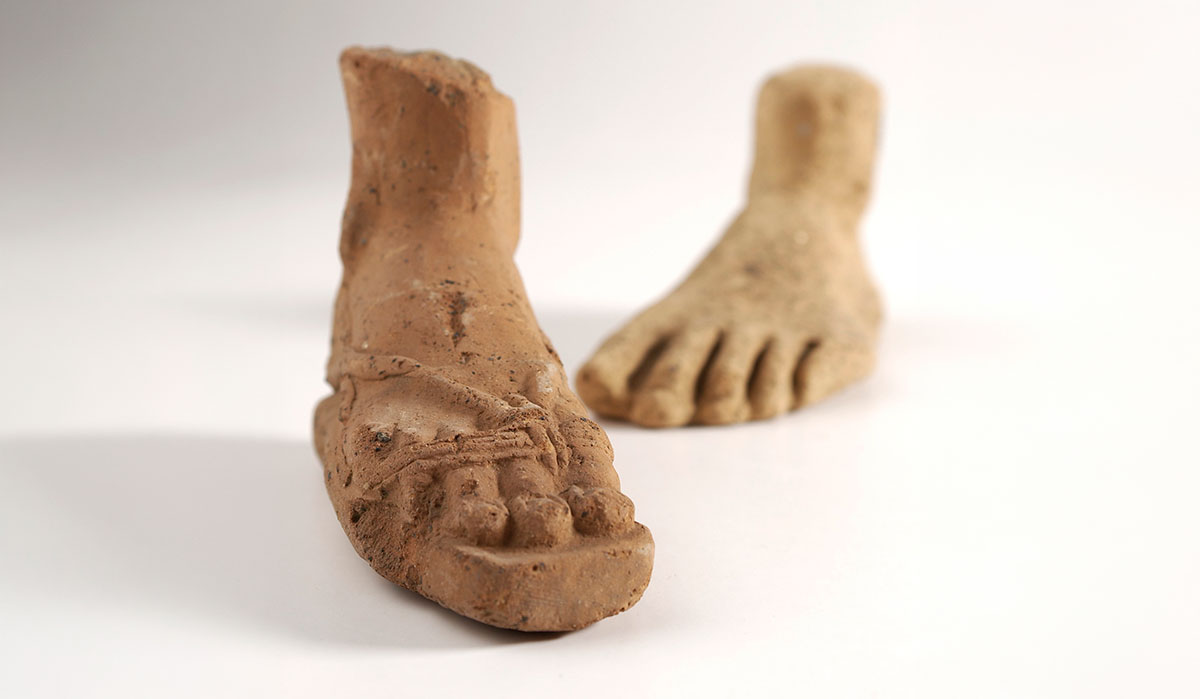
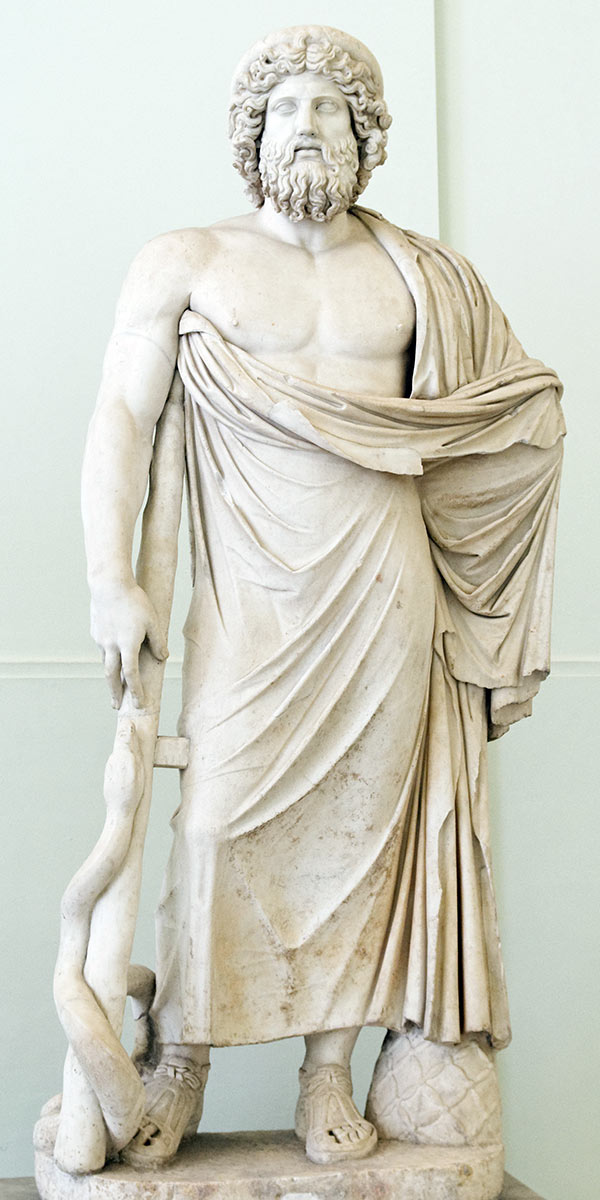
Another account describes how people would bring offerings to the statue of Asclepios, god of medicine, to request his intervention for the ill or wounded. And when someone recovered, people would bring, as offerings, casts of the body parts that had been healed, including hands, feet, and even internal organs, in thanks.
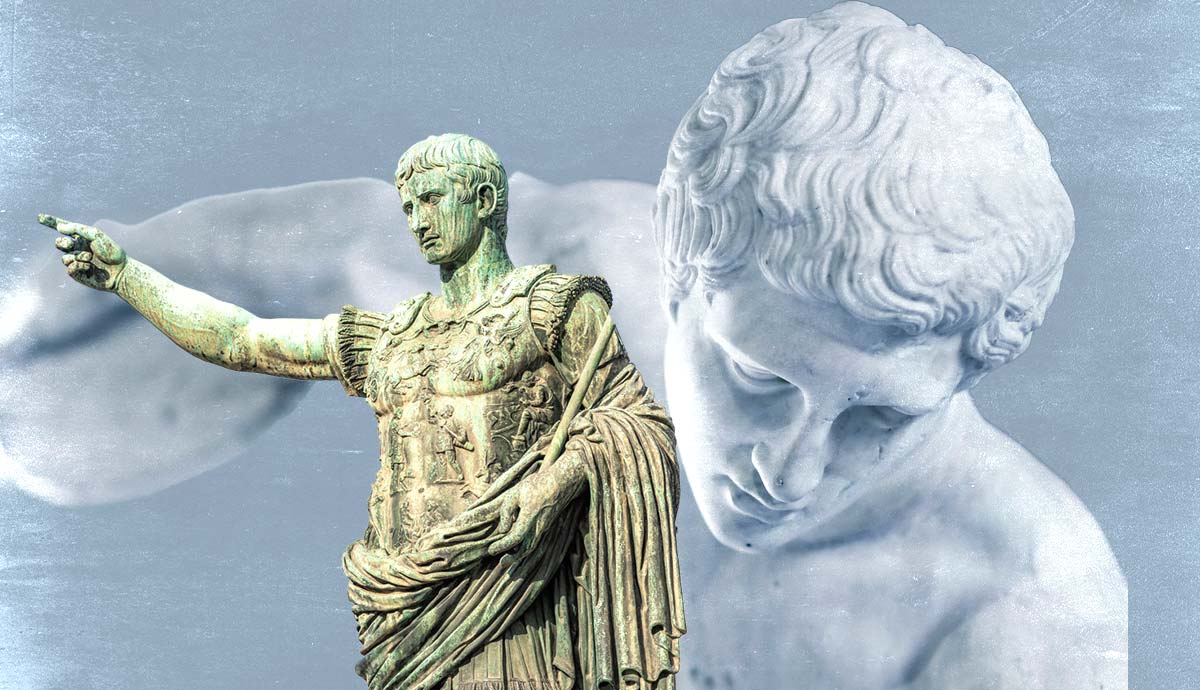
Additionally, pagans would often revere sculptures of military figures and political leaders as if they were gods. We see this with the Romans and their Imperial Cult, wherein emperors were deified, sometimes in life as well as in death.
However, many people saw the statues, whether of a god or human hero, as man-made works of art, aesthetically pleasing, but nothing more. The Phoenician philosopher, Porphyry (c. AD 234 – c. 305), disdained the belief that the deities actually inhabited the sculptures, saying that only the “light-minded” would believe such a ridiculous idea.
How Christians Viewed the Statues
Some Early Christian Fathers, including Clement of Alexandria (c. 150 to 115-220 AD), Tertullian (55/160 to c. 220/240 AD), and Athanagoras of Athens (133 to 190 AD), considered statues to be demonic representations of false gods that enticed people away from Christ. In John 14:6, Jesus stated clearly that he was the one and only way to eternal life, and to Christians, this meant that the pagans, in worshiping their idols, would be separated from God for eternity if they continued to be deceived by the devil. Hence, the attack on pagan beliefs, rituals, and statues.
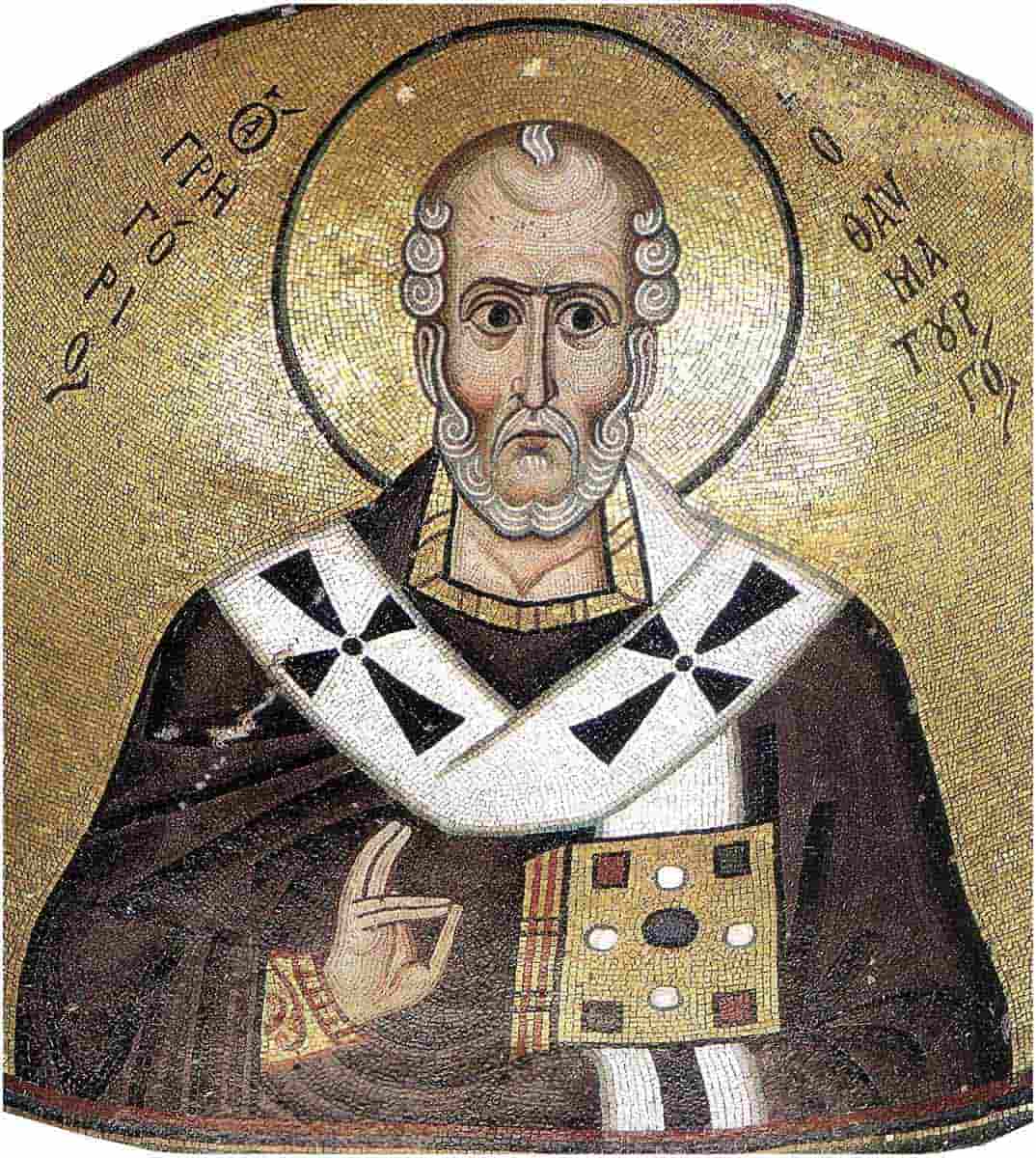
Bishop Gregory of Nyssa (c. 335 to 394) put it this way: “The pagan who is devoted to the vanity of idols is transformed into the stone he looks upon and becomes other than human.” His statement harks back to Psalm 115:8, which states that those who make idols become like them as do their worshipers. In other words, the pagans would become, spiritually, as dead and powerless as the stone statues they revered.
Christians mocked the very idea that a god could exist in the form of a man-made piece of art. The unknown author of the Epistle to Diognetus, a 2nd-century Christian apologetic work, wrote, “What makes a stone statue any different from the stones we walk on?” And Athanasius (c. 296 to 373), in his Against the Heathen, ridiculed the pagans who did not realize that the idols they worshiped were mere “carver’s art.”
The Politics of Destroying Statues
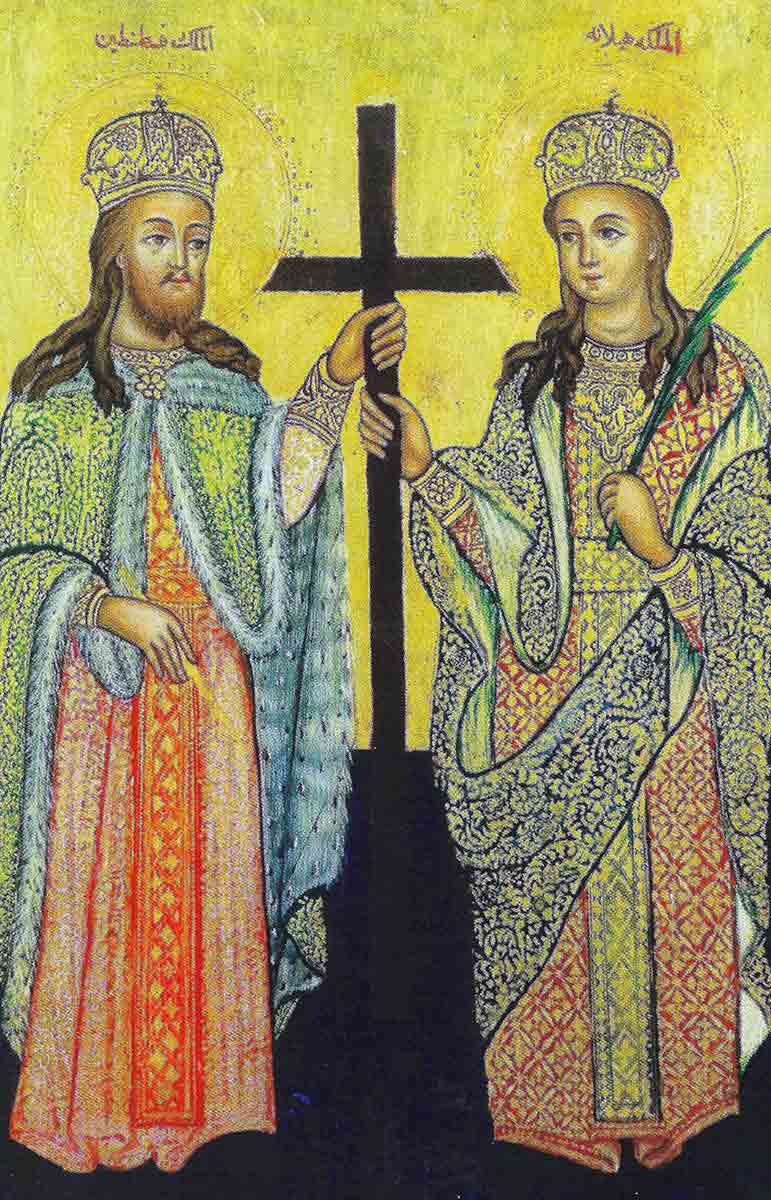
Destroying and defacing statues was never a policy of the Christian Church. Politically, however, it was a different story. Constantine the Great (272 to 337) was the first Roman leader to interfere noticeably with pagans and their rituals when he made Christianity a legal religion with the Edict of Milan in 313.
While he did forbid public sacrifices by pagans and ordered the destruction of several key temples, including the Temple of Aphrodite and the Temple of Jupiter in Jerusalem, he did not issue a proclamation demanding that all pagan temples be closed or destroyed. Nor did he order the eradication of Greek and Roman idols.
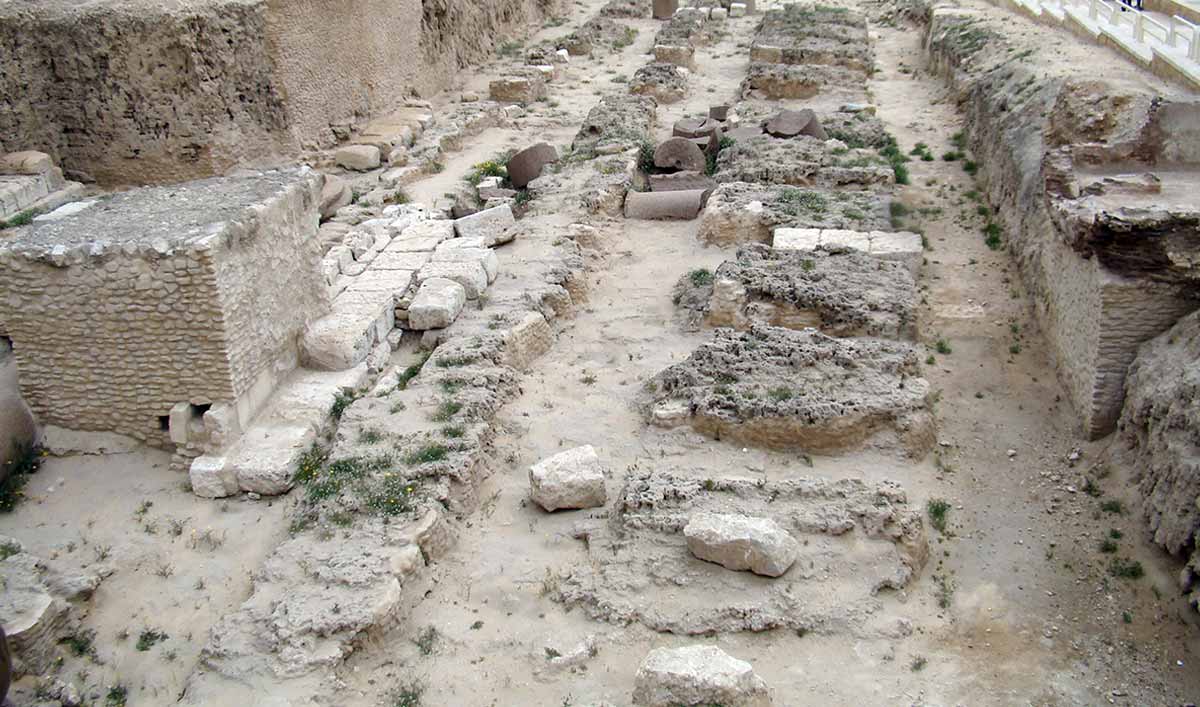
Theodosius the Great, who came to power as emperor of the Eastern Roman Empire in AD 379, was the political leader who officially banned pagan religions and their rituals and sacrifices with the introduction of his Theodosian Code. Given that statues were part and parcel of religious events, they were included in the banishment. Theodosius commanded the destruction of some temples, such as that of Serapis in Alexandria in AD 391-392. However, he had some of the buildings repurposed. The Temple of Dionysus in Alexandria, for example, was converted into a church.
This practice of taking pagan temples and making churches of them continued for some time. The famous Parthenon in Athens, once the temple of Athena, the Greek goddess of wisdom, war, and handicraft, became a Christian church dedicated to the Virgin Mary in the late 6th century and remained so until it was converted into a mosque by the Ottomans in 1458.
What About Reliefs, Paintings, and Icons?
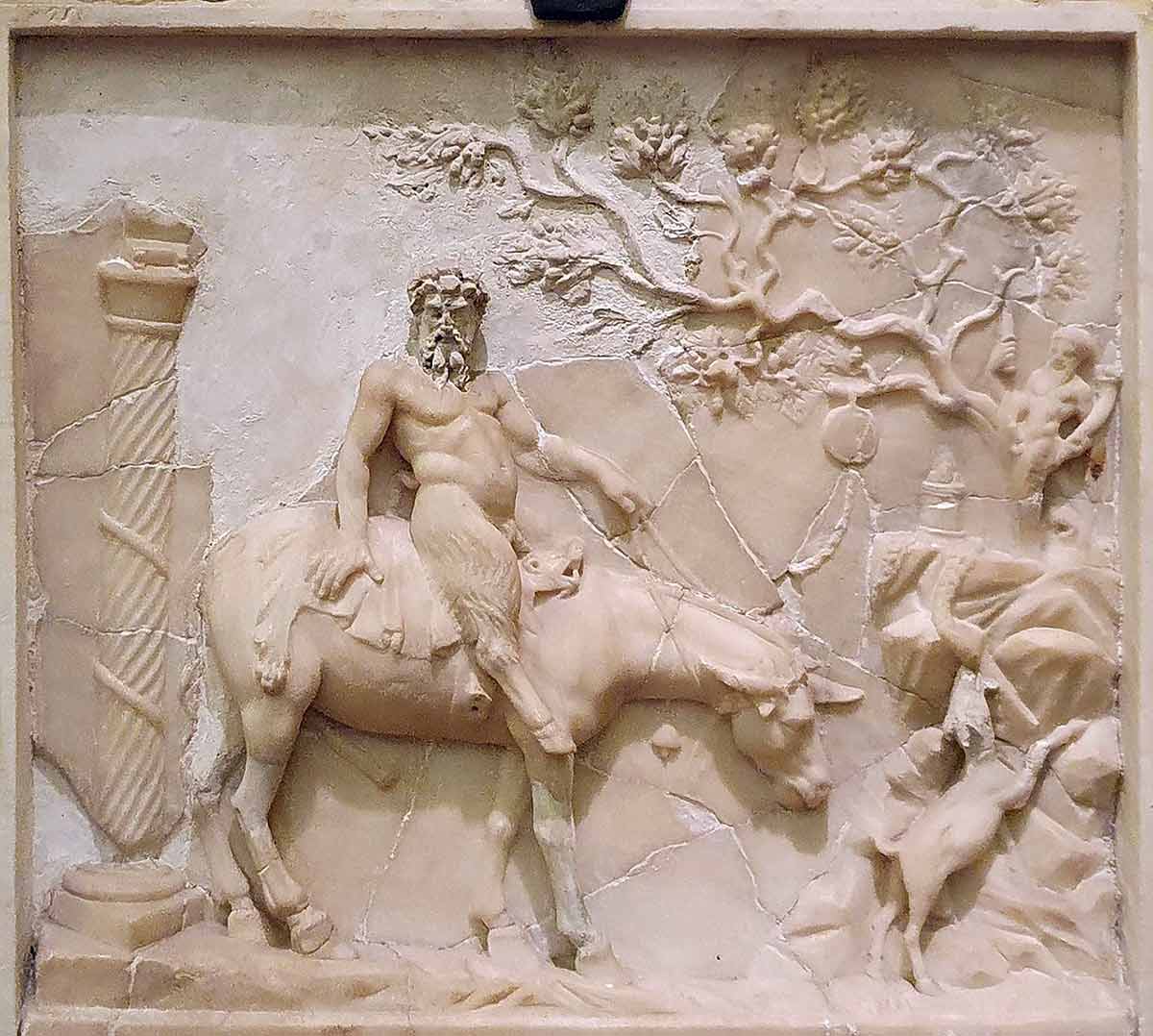
Pagans believed that the gods could also inhabit reliefs. A relief is a work of art wherein the figures project from a supporting background. Christians took exception to them along with statues. Notably, however, they did not attack paintings, frescoes, mosaics, and the like, even if they did present mythological deities. Scholars suggest that the three-dimensionality of statues and reliefs allowed for the embodiment of a god or a demon, whereas a flat picture did not in the minds of their audiences.
It should also be noted that Christians themselves made their own religious paintings called icons. The earliest examples we have are found in the Roman catacombs from the late 2nd and 3rd centuries. Later, they appeared in churches. However, Christians are quick to point out that there is no worship involved with Christian images. They are venerated, meaning that they hold an honored position of respect as they reflect back on Christ and notable figures of the faith, but nothing more. Today, Eastern Orthodox Christians and Roman Catholics employ them. Protestants rarely do so.
So What About Those Noses?
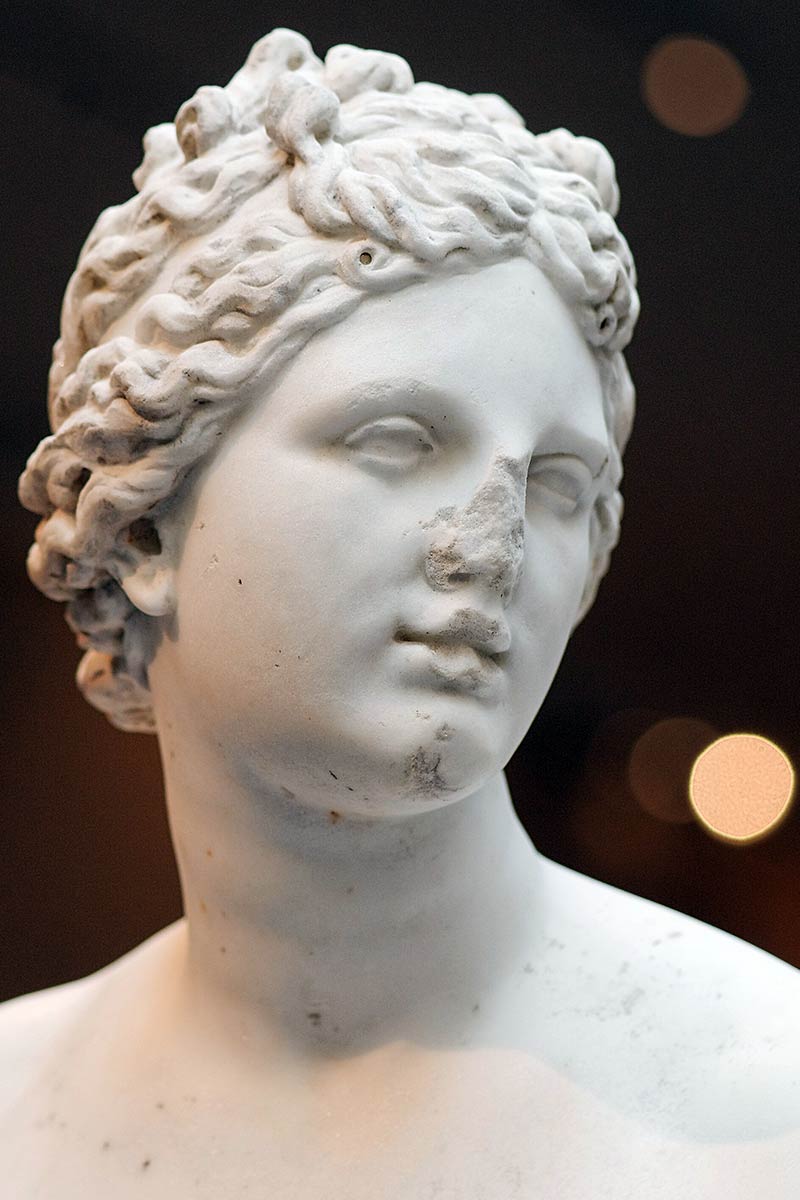
Christians were not the only ones to practice iconoclasm. It was particularly common in Egypt. In fact, you could find examples of it throughout the entire Roman Empire, especially in times of invasion when outsiders wanted to destroy foreign gods to assert their power over a conquered people.
If you believed that a statue embodied a god, and you wanted to destroy that statue’s power, you would smash or mutilate it. Hacking off ears meant the statue would no longer be able to hear supplications and prayers. If you removed its arms, it could not accept the sacrifices brought to it. Without feet, the god could not move. Damaging the lips prevented it from speaking. And, most importantly, to break off the nose was to take away the breath of life from it; in essence, killing it.
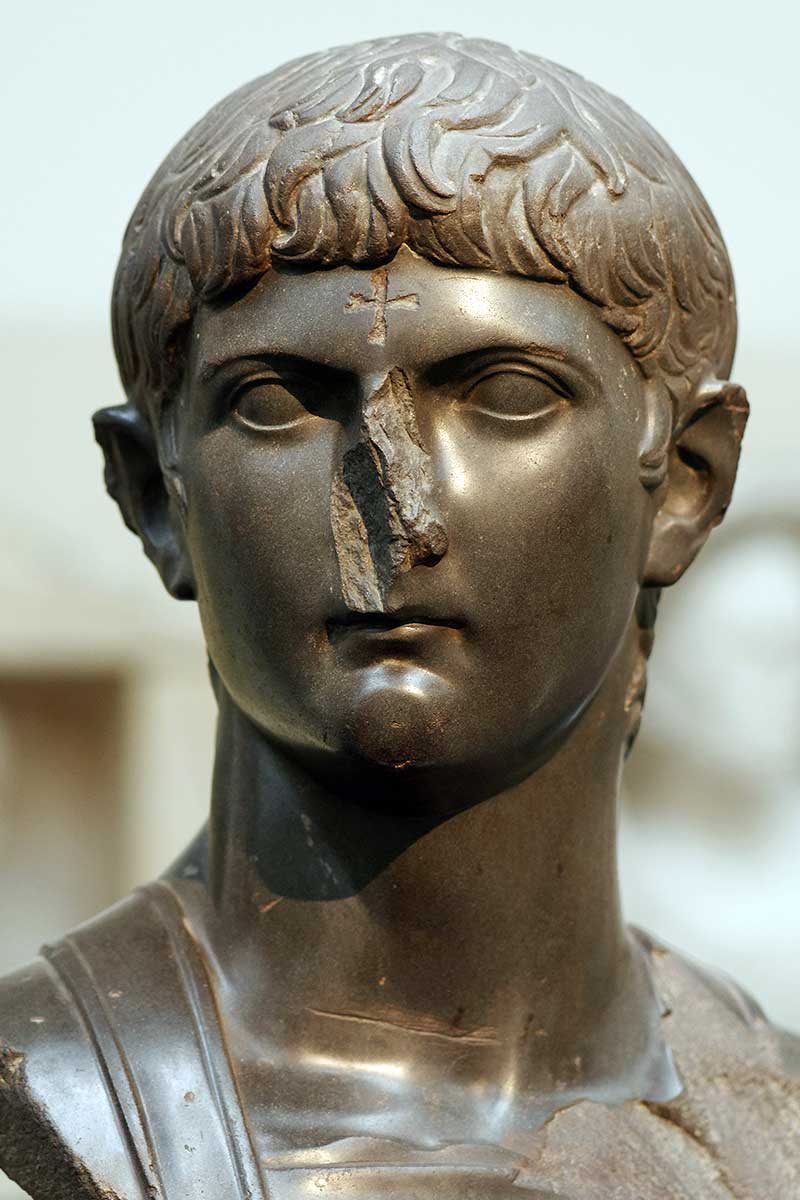
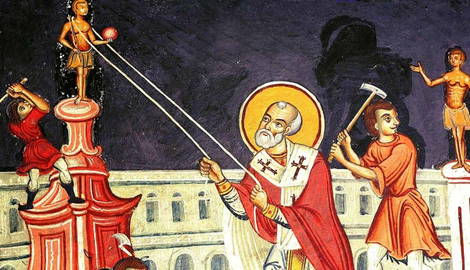
The Christians who attacked statues went one step further. They did not just smash a nose or remove ears from a work of art; they would often carve or chisel a cross into the forehead of a statue or over its eyes. And they did not commit these deeds surreptitiously. They wanted the pagans to see the vandalism as a demonstration that their God was more powerful than their mythological deities.
The Christian historian, Rufinus, describes how Christians knocked off the head of the statue of Serapis when they destroyed his temple in Alexandria. They chopped off its arms and legs as well. Then they took the torso to the city’s amphitheater and set it on fire for everyone to witness.
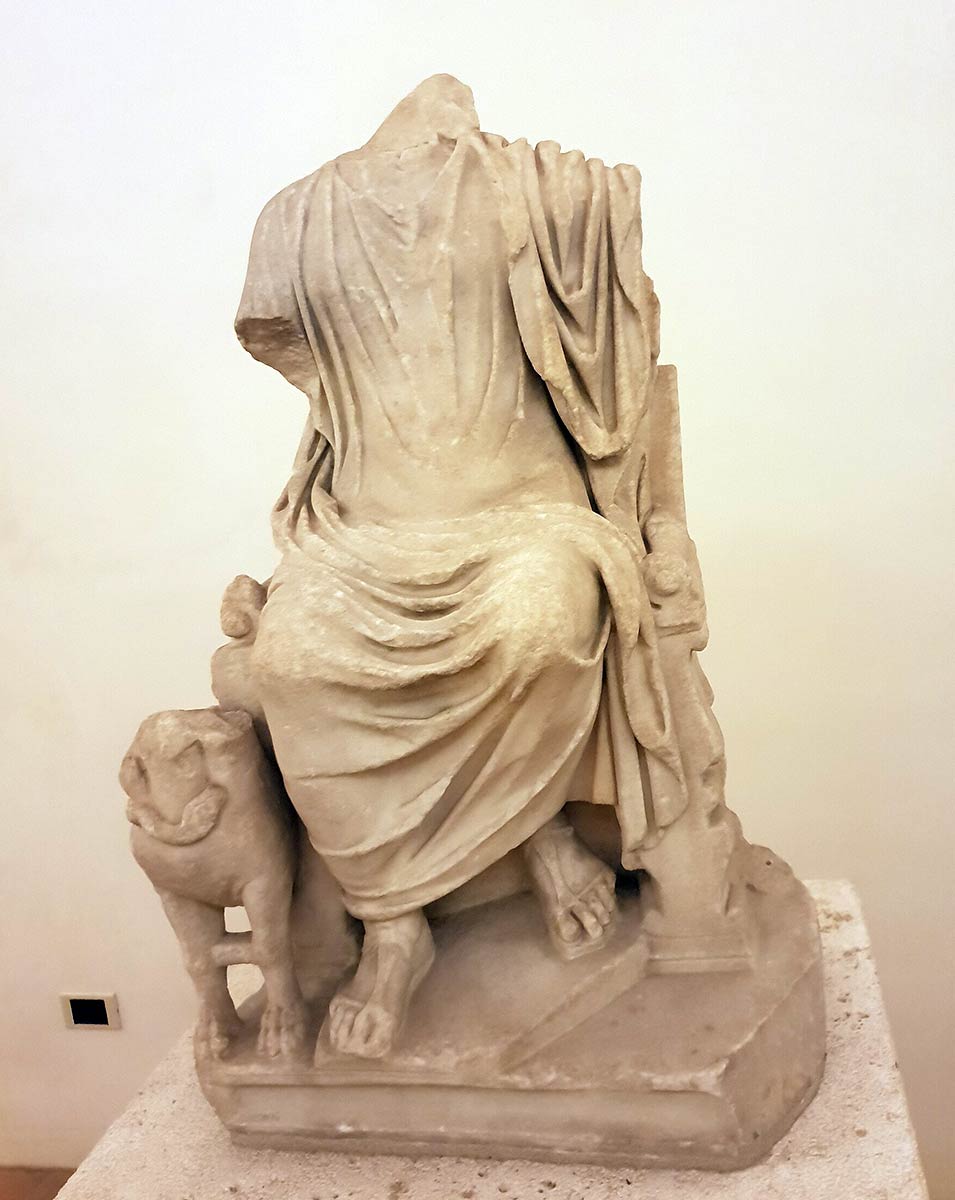
Of course, not every statue missing a nose, limbs, or head was vandalized. There are many natural reasons that some works of art are missing body parts. One lies in the fact that the Mediterranean area was prone to earthquakes and other natural disasters, which would have toppled over many a statue, resulting in breakages. One example is that of the Colossus, a 32-meter (104 feet) high bronze statue of Helios, the sun god, located in Rhodes, that snapped off at the knees during an earthquake. And it was not unusual to find statues missing heads simply because necks were fragile, as were arms, especially if outstretched.
Conclusion
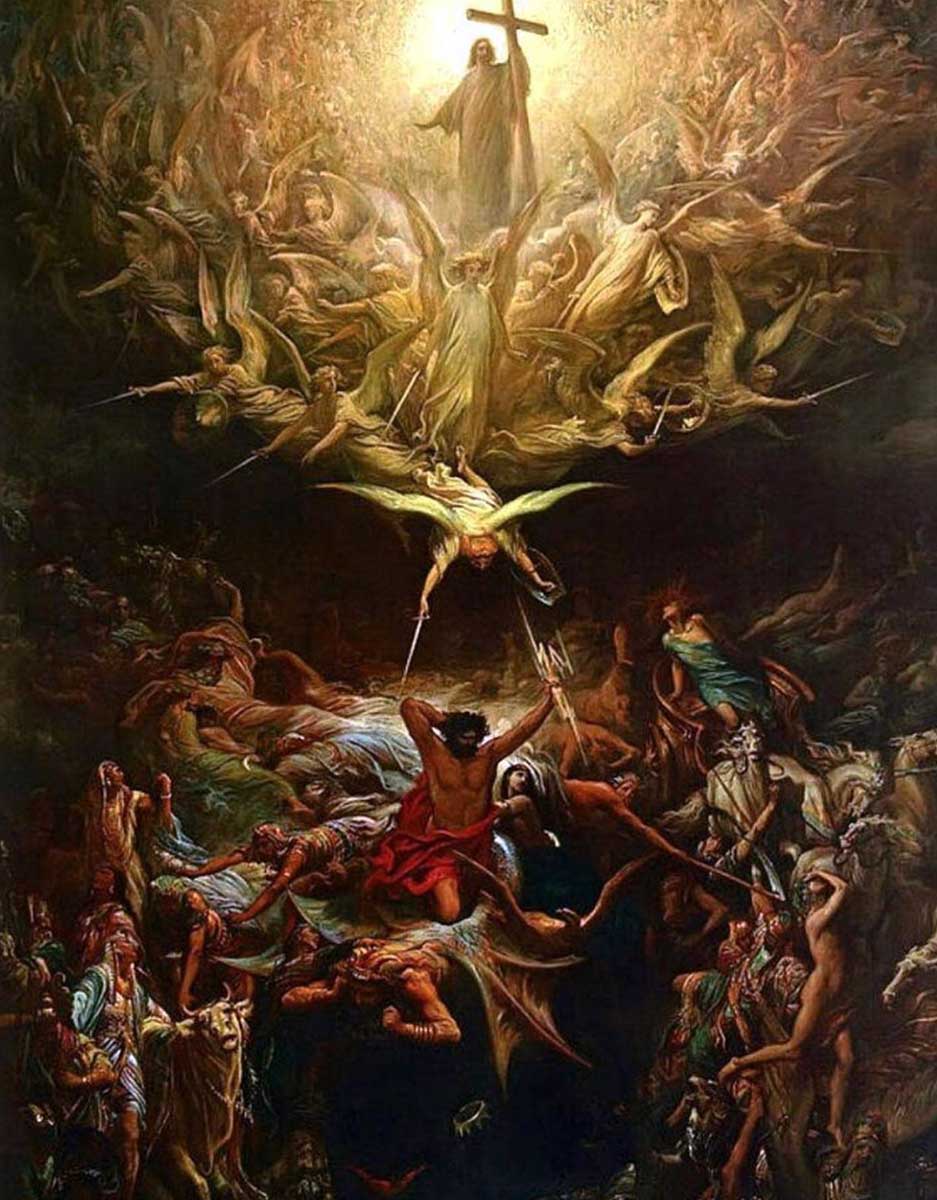
To some Christians, destroying and defacing statues and repurposing or dismantling the pagan temples that housed them provided visual proof that Christianity had triumphed over paganism. It is true that many of these religions fell out of practice, and many of their adherents entered the Christian fold in the centuries following Constantine’s edict, making Christianity a legal religion that spread quickly and widely.