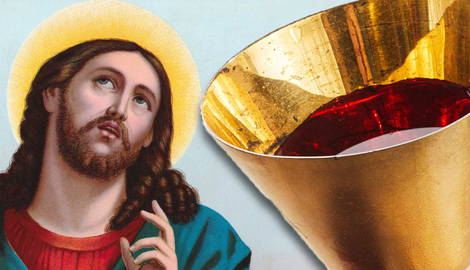
The Bible contains many verses that refer to the use of wine or “strong drink” in a negative light, even forbidding its use by some people in specific circumstances. Yet, other verses seem to reflect positively on its consumption. This leaves the matter open to interpretation and has resulted in significantly different approaches to the practice of Communion and the use of wine and other alcoholic beverages in general.
Moderate Use
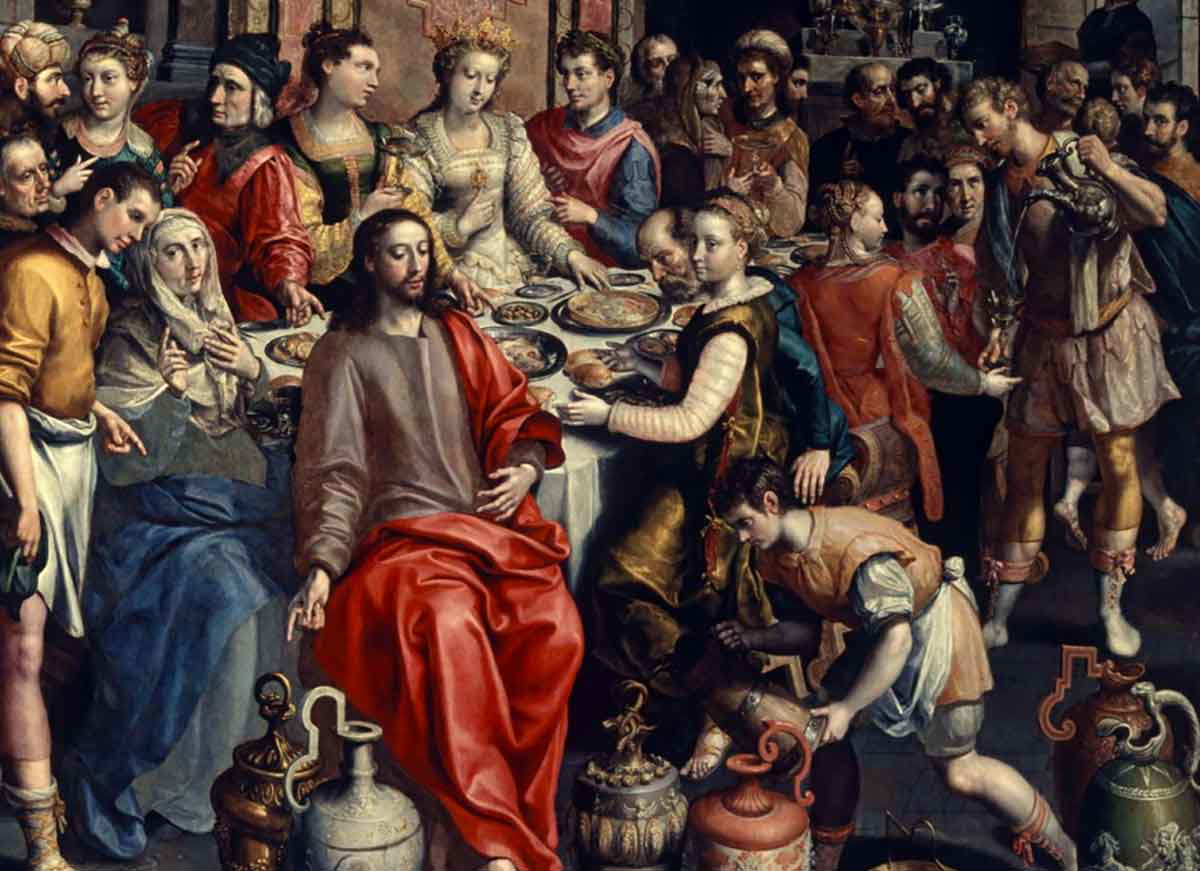
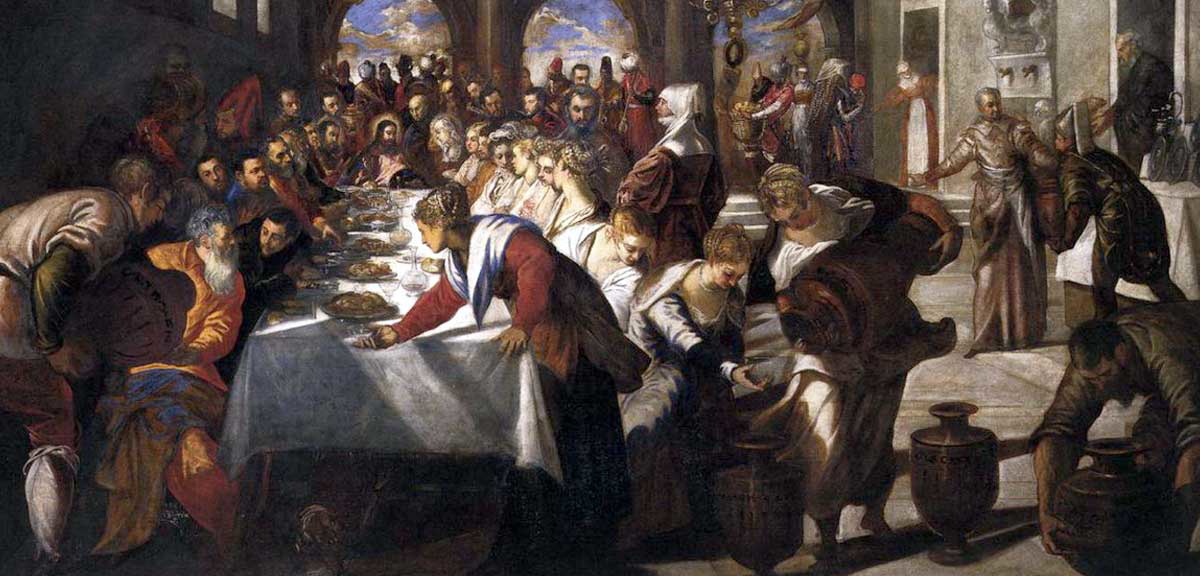
There are many references in scripture that suggest that moderate use of alcohol by Christians is acceptable. One of the most referenced is Jesus turning water into wine at a wedding in Cana (John 2:1-11). Many consider this instance an endorsement of the use of alcohol in moderation.
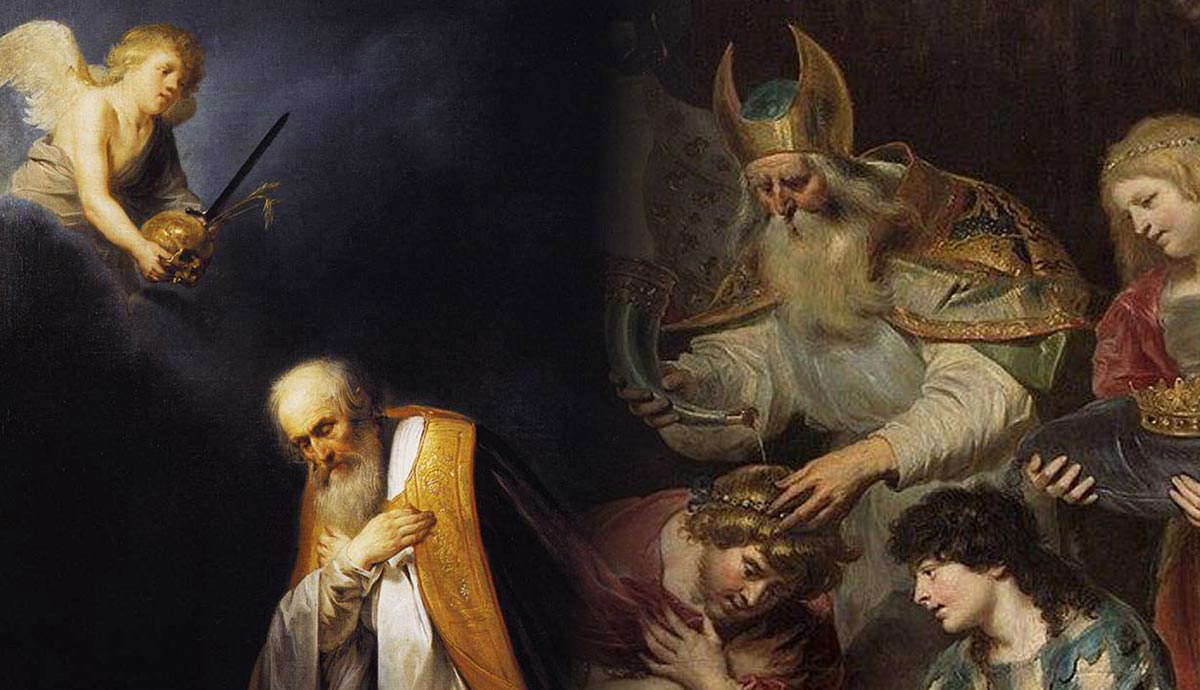
Some believers argue that the use of wine during Communion, as established by Jesus at the Last Supper, moots the debate about the use of alcohol by Christians. “If wine is part of the most foundational sacrament in Christianity, how could the use of alcohol be prohibited?” they argue. In addition, Genesis 14:18-20 records how Melchizedek brought out wine and bread to Abraham.
In addition, Psalm 104:14-15 states that: “You cause the grass to grow for the livestock and plants for man to cultivate, that he may bring forth food from the earth and wine to gladden the heart of man, oil to make his face shine and bread to strengthen man’s heart.” To Christian supporters of moderate wine consumption, this verse serves as proof that wine is a blessing God has bestowed. For them, Amos 9:14 and Isaiah 55:1 reinforce this view, though they appear in prophetic contexts.
In the New Testament, Paul even prescribes wine for its medicinal value in 1 Timothy 5:23, he says: “No longer drink only water, but use a little wine for the sake of your stomach and your frequent ailments.” Considering Timothy’s young age, this advice seems to solidify the argument.
The Mocker
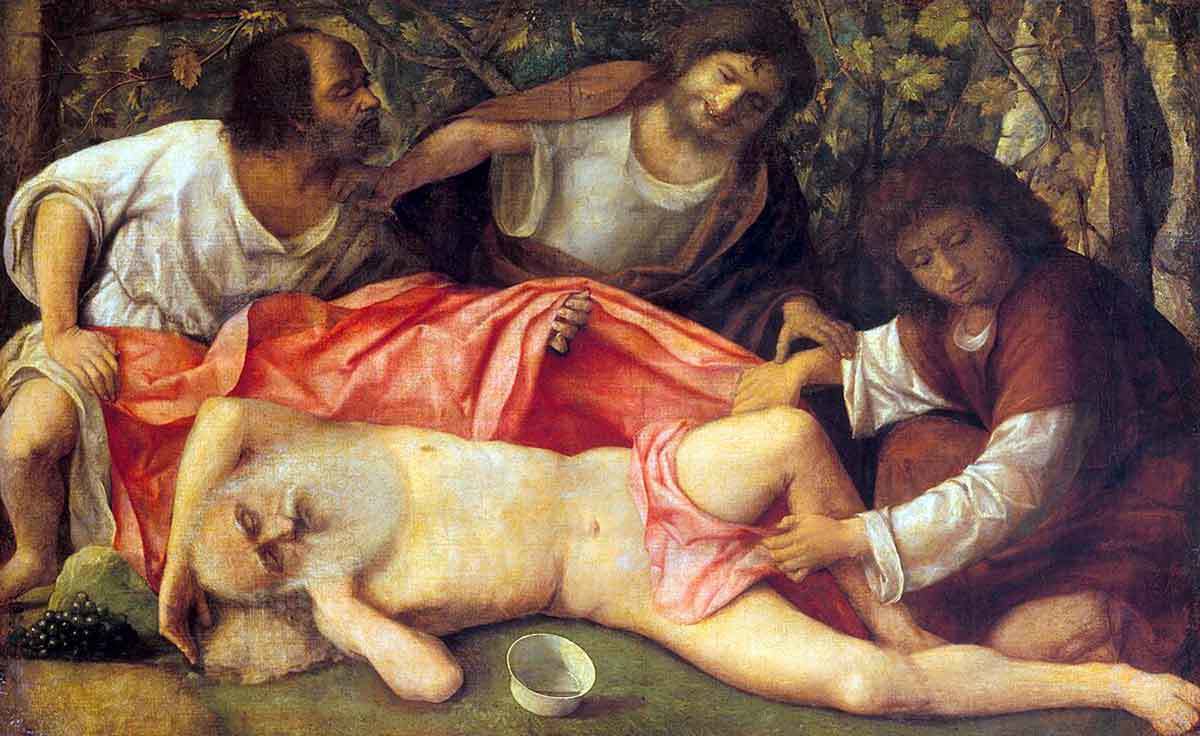
Numerous verses in scripture warn against the use, or abuse, of wine and strong drinks, with the example of Noah serving as a warning in and of itself. Proverbs 20 starts off with the warning: “Wine is a mocker, strong drink a brawler, and whoever is led astray by it is not wise.” It highlights the consequences of intoxication. Shortly thereafter, Proverbs 23:29-35 compares wine to a serpent that bites. This vivid depiction calls to mind the original deception in the Garden of Eden, highlighting the potential of wine to lead the consumer astray.
The Bible does speak against the use of alcoholic beverages in terms of daily excess, as in Isaiah 5:11, which warns of its effects on our understanding.
Hosea 4:10-11 says: “They shall eat, but not be satisfied; they shall play the whore, but not multiply, because they have forsaken the LORD to cherish whoredom, wine, and new wine, which take away the understanding.” Though hardly noticeable, the effects of alcohol consumption start with the first sip already, meaning the ability to determine limits and moderation diminishes as well.
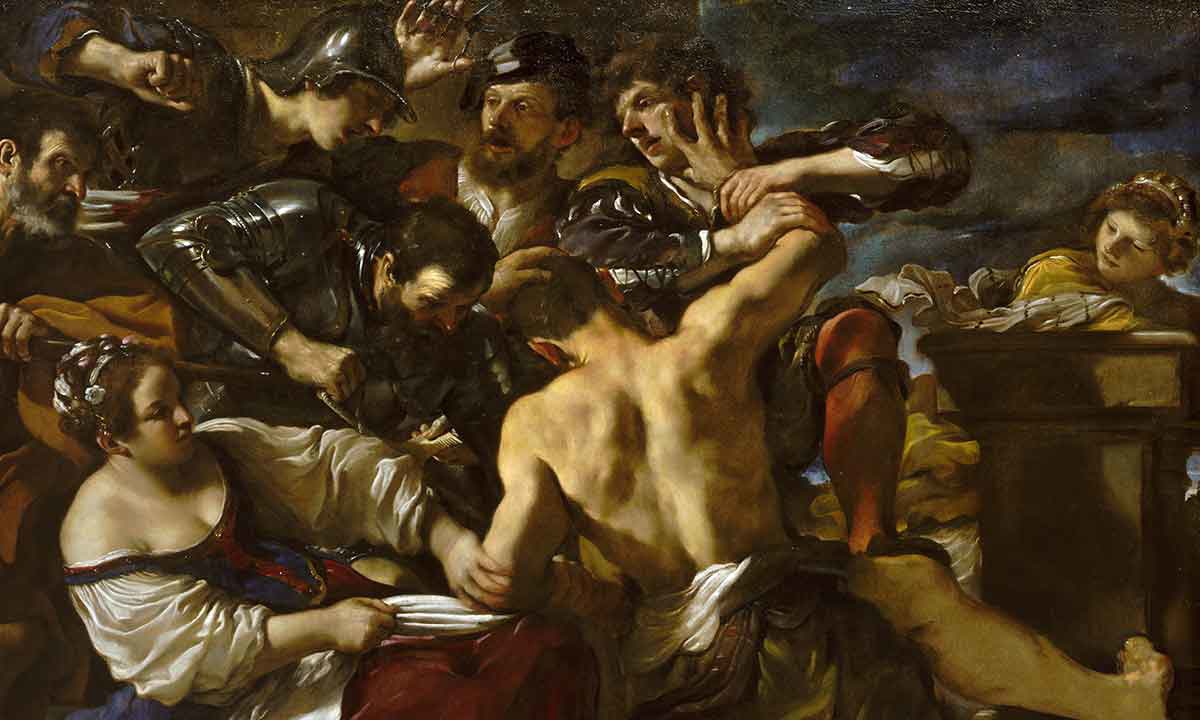
Certain groups within ancient Israel were forbidden the use of alcohol, some for life, and others for specific periods. Nazarites like Samson vowed not to consume wine (Judges 13:4-7). Priests were not allowed to be under the influence while serving in the Tabernacle (Leviticus 10:9). The Rechabites lived lives dedicated to God. They followed the commands of their ancestors to avoid consuming wine (Jeremiah 35).
These ideas from the Old Testament echo in the New Testament reflection on alcoholic beverages. In the New Testament, every Christian is a priest of sorts and, therefore, should avoid wine the way the Old Testament priests had to. “But you are a chosen race, a royal priesthood, a holy nation, a people for his own possession, that you may proclaim the excellencies of him who called you out of darkness into his marvelous light.” (1 Peter 2:9).
Romans 14:21 even warns against indulging for the sake of those who are weak and unable to use in moderation: “It is good not to eat meat or drink wine or do anything that causes your brother to stumble.”
Tradition
Christian history is filled with references to Church Fathers, reformers, and Christians in general making use of wine, beer, and other alcoholic beverages. For much of that time, it was safer to consume fermented liquids than water. Safe drinking water was a scarcity in Europe and the Near East for much of the Dark Ages and the Renaissance.
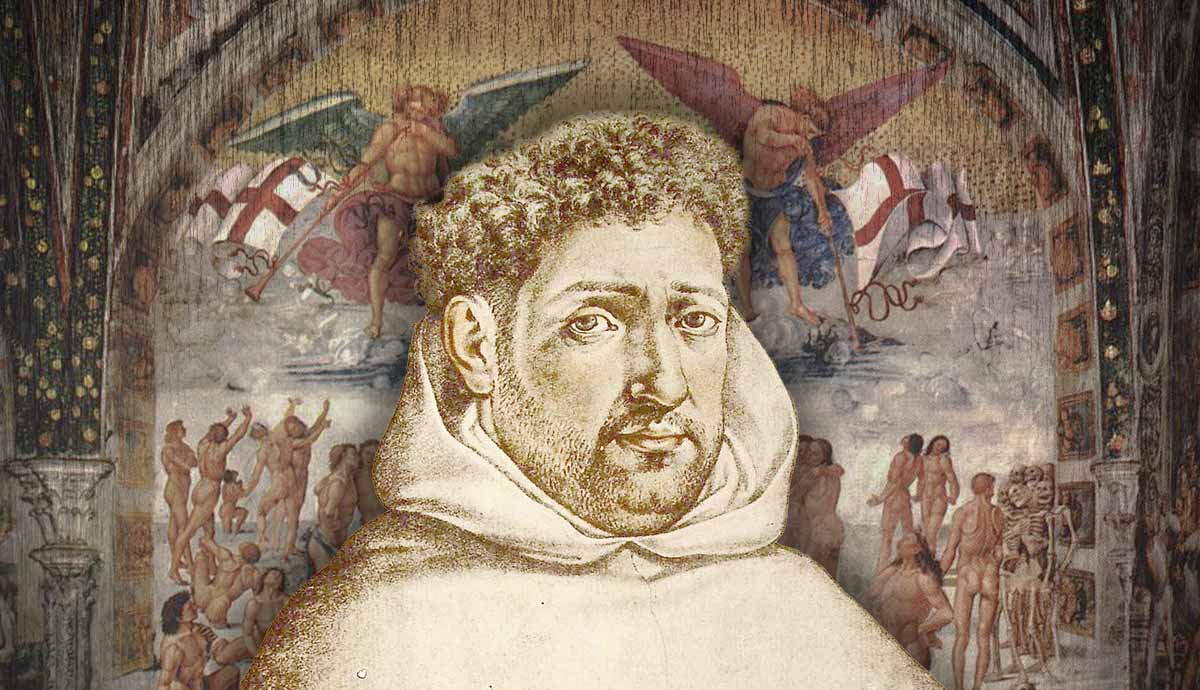
During the Middle Ages, monasteries became centers of brewing. Fermented beverages played an important role in nourishing people, resulting in, for instance, St. Benedict’s Rule (c. 530 CE), which allowed a hemina (about 0.27 liters) of wine daily for monks. European abbeys produced ale to fund charity, and saints like Thomas Aquinas argued wine fosters wisdom and merriment, echoing Psalm 104.
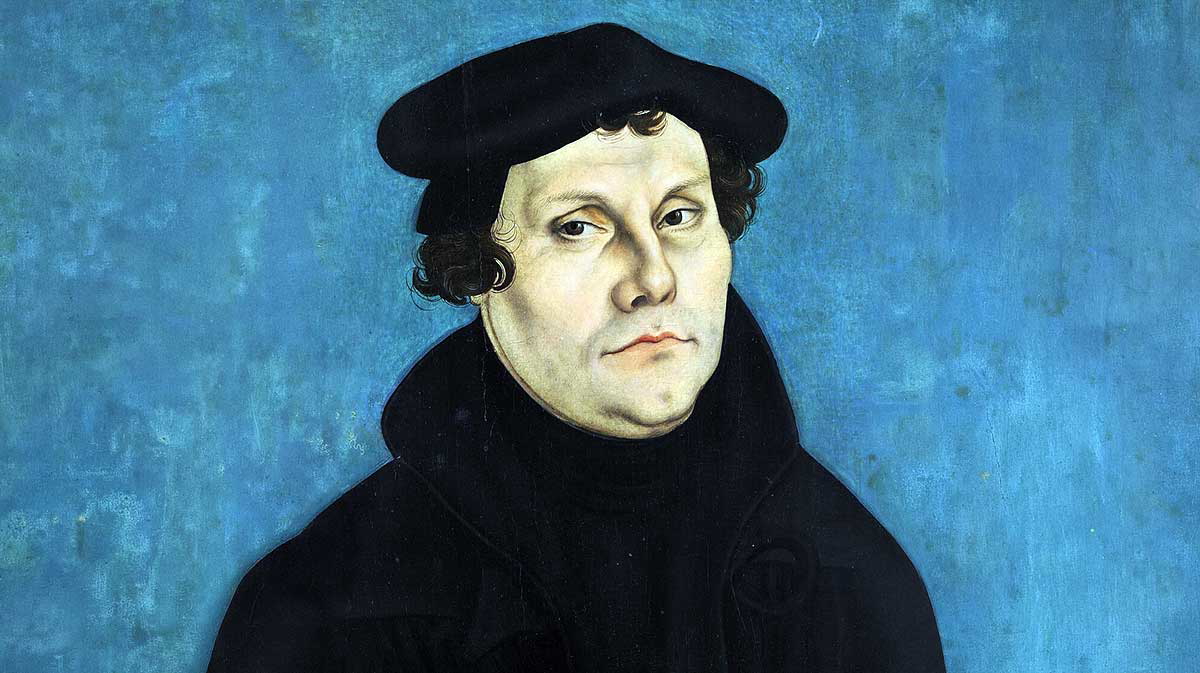
Martin Luther, the father of the Reformation, famously consumed beer during his “table talks” with students and fellow academics. Luther brewed beer with his wife, Katharina, calling it a gift from God, though he always promoted moderation and opposed drunkenness. John Calvin’s Geneva permitted taverns with regulated drinking. In colonial America, Puritans drank freely, viewing alcohol as part of God’s provision.
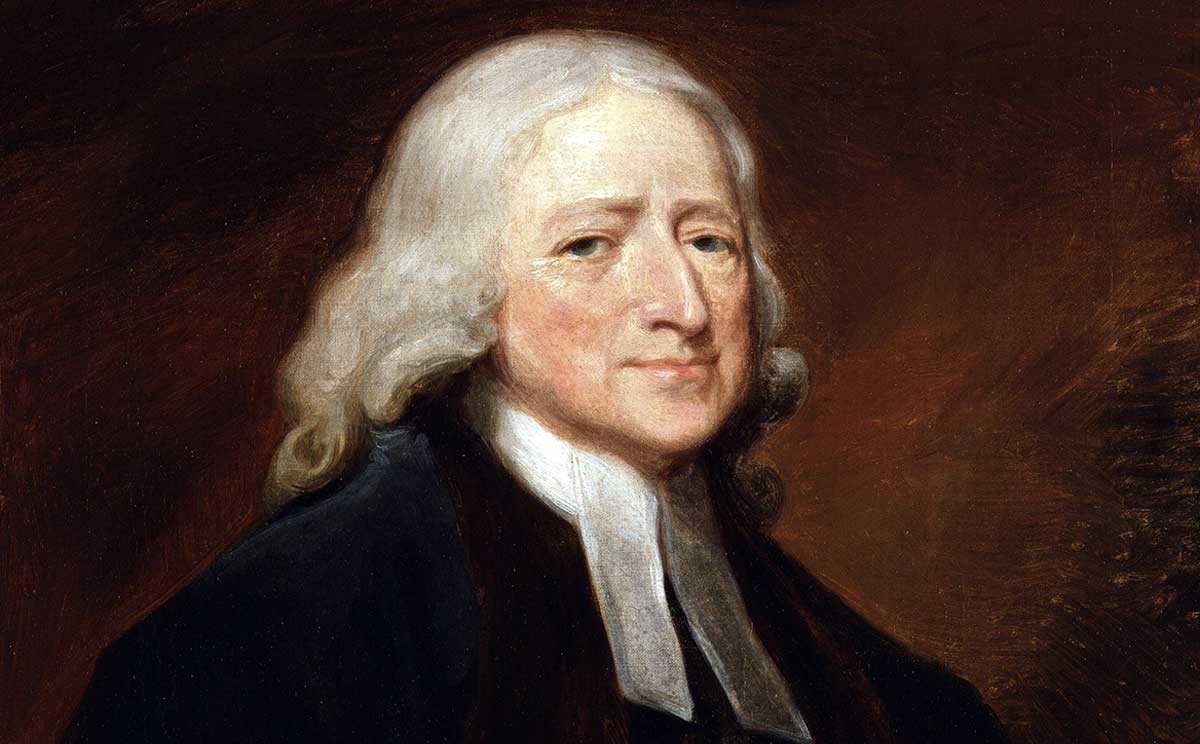
During the 19th century, Protestant revivalism saw leaders, like John Wesley, promoting temperance and abstinence. Because of social ills, like poverty and domestic violence, which often resulted from intoxication, groups like the Women’s Christian Temperance Union pushed for prohibition. During that time, pasteurized grape juice enabled non-alcoholic communion and became an alternative to the use of alcoholic wine, which was traditionally consumed during this rite.
Post-Prohibition, abstinence persisted in evangelical circles, arguing that modern distilled liquors pose greater risks than ancient wines. Yet, some see this change as a departure from 1,600 years of moderate tradition.
Tradition, however, is not a determining factor for faith and practice in all denominations. In Catholicism, tradition parallels scripture as a rule for Christian living. Protestantism rejects tradition, standing on the principle of Sola Scriptura (the Bible alone).
Contemporary Faith and Practice

The New Testament word translated as “wine” is oinos. This word does not exclusively refer to alcoholic wine. It also refers to grape juice. It would, therefore, be an assumption that Jesus necessarily made an intoxicating beverage by miracle at the wedding in Cana. Likewise, the likelihood that Communion as instituted by Jesus approves the use of fermented grapes is very low. Yeast, an essential element in the fermentation process, served as a symbol of sin in the Old Testament sanctuary system. The implications of using fermented grapes during Communion are untenable. It would imply that Jesus was sinful.
Luke 1:15 says, “for he will be great before the Lord. And he must not drink wine or strong drink, and he will be filled with the Holy Spirit, even from his mother’s womb.” Christians are followers of Christ and are to emulate Christ. They often wear bracelets with the letters WWJD on them, which stands for “What would Jesus do?”
Though there is no clear instruction in scripture that states a Christian may not consume alcohol, there are many warnings about its use, or rather, abuse. The biblical example of people who served in specific offices or lived certain lifestyles dedicated to God does set an example worthy of imitation to express contemporary commitment, though the requirements may not always be the same.
The Bible does instruct believers to “Be sober-minded; be watchful. Your adversary the devil prowls around like a roaring lion, seeking someone to devour.” (1 Peter 5:8). Alcohol is not conducive to an increased awareness. On the contrary, it lowers the guard, dulls the mind, and loosens the tongue.
In the end, there is no “thus sayeth the Lord” on Christians consuming alcohol. All there is are verses warning against intoxication and others that reflect positively on wine, which may or may not refer to fermented grape juice. It is up to each believer to decide for themselves whether they are comfortable with the dangers inherent in consuming alcohol.
Today, Christianity has many denominations that use alcoholic wine during Communion, while others vehemently oppose its consumption, advocating abstinence instead. It is one of the theological issues that will likely be debated till the Second Coming, with each camp arguing its views from their understanding and interpretation of scripture.
Endless arguments serve no purpose, particularly when the evidence is ambiguous. Christianity has a long tradition in which both sides have been argued and practiced for generations. One approach may be to follow the guidance of the final section of Romans 14:5: “Each one should be fully convinced in his own mind.”