
Before Disney introduced princesses to the pop culture zeitgeist, and before there were fairy godmothers and mice with atelier skills, there were ancient tales of girls in rags, wicked matriarchs, and special shoes scattered across history like breadcrumbs. You might think Cinderella is a European classic, but the seeds of her story were planted in a world more historical, stranger, and widespread than you’d expect.
From a Chinese cave-dwelling orphan with a magic fish to an Iraqi girl whose loveliness is so alarming that her stepmother poisons her to make her hair fall out, these early Cinderella-esque fables reveal just how much we’ve smoothed over the darkest parts of the story with time. With a focused eye on her history, let’s step into the glass slipper (or the golden clog, or the feathered cloak) and find Cinderella in her earliest iteration.
From the East
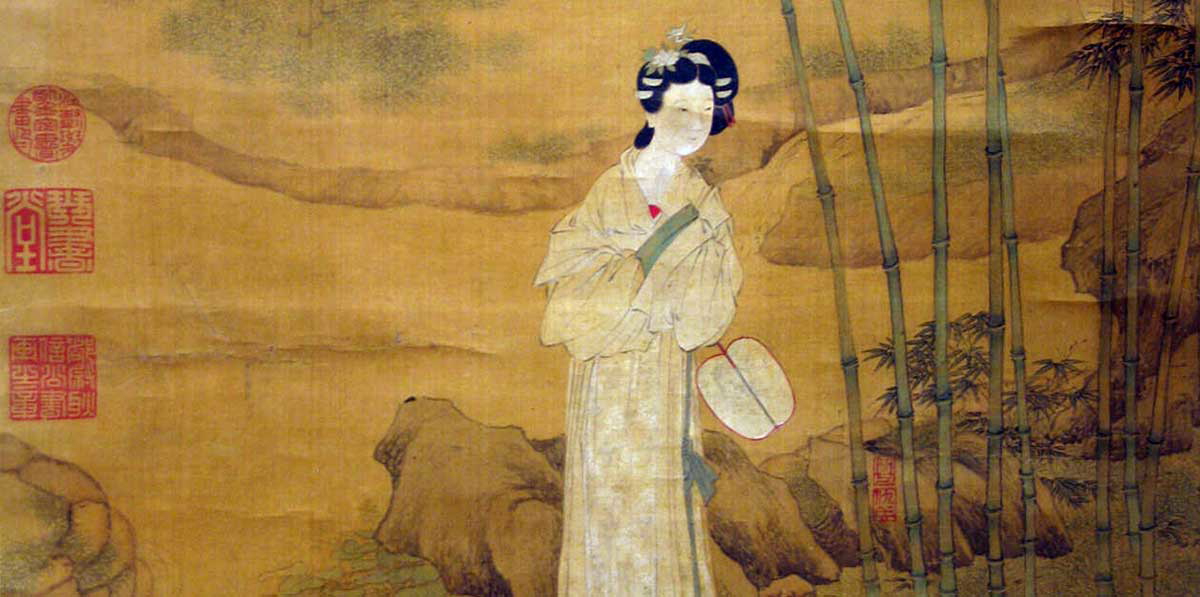
Before Cinderella lost her glass slippers at a royal ball, Ye Xian was sprinting down a mountainside in golden-threaded silk, trying to avoid her stepmother’s abuse. Her story, written in China around 850 CE, reads like the fairy tale’s blueprint: a kind but mistreated girl, a cruel stepmother, and a pair of magical shoes that lead to a royal marriage. And Ye Xian had something even Cinderella didn’t—a giant, talking fish with shimmering golden eyes.
That fish, a guardian sent by her late mother’s spirit, was her only friend… until her stepmother gutted it for dinner (yes, really). Fortunately, its magic lingered in its bones, granting Ye Xian the power to wish herself into a dazzling blue gown and out of the life of servitude she’d done nothing to deserve. If this sounds like a tale as old as time, it really should—this myth predates the Western world’s Cinderella by almost a thousand years.
Ye Xian got her happily ever after and rose above her station, but what would she have been signing up for when she married her royal spouse? Marriage in ancient China wasn’t just about romance—it was a social contract, a dynastic strategy, and, at its highest levels, a political power move.
By the time the Tang Dynasty rolled around (618–907 CE), marriage among royals followed the Three Letters and Six Etiquettes, a codified and complicated ritual process dating back centuries. This meant formal letters of proposal, acceptance, and dowry arrangements, followed by six ritual steps, including fortune-matching, betrothal gifts (often silk, jade, or livestock), and a grand wedding procession where the bride was carried in a red palanquin to her new husband’s home. Love matches, much like their European counterparts, were quite rare. Marriages were about securing alliances, producing heirs, and, in the case of the imperial court, ensuring the unabridged continuation of the dynasty.
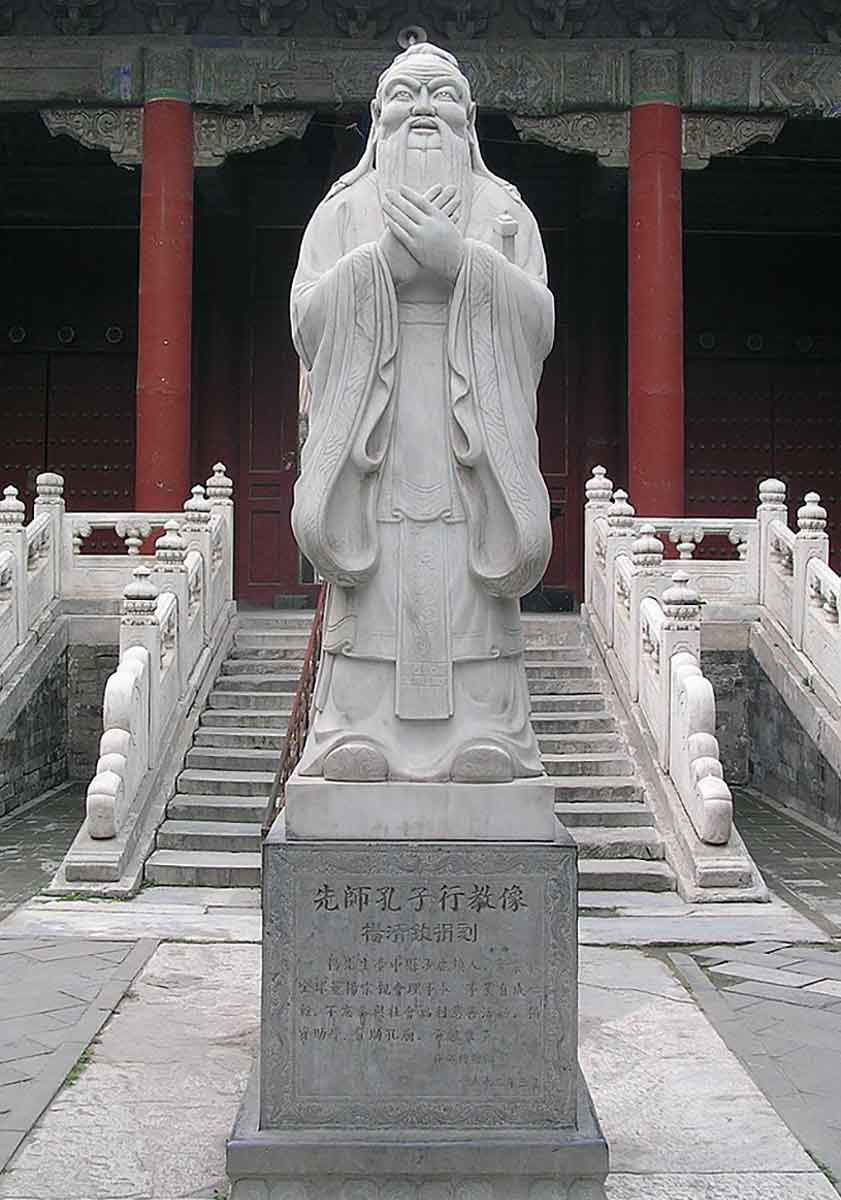
Women—especially noblewomen—were expected to marry well, bear sons, and uphold Confucian values of obedience and propriety. Their power came not from personal ambition but from their ability to navigate palace intrigue, wield influence as mothers of heirs, or, in rare and extraordinary cases, take power themselves. After all, it was this culture that would produce Empress Wu Zetian, the only woman to rule China in her own right. While fairy tales like Ye Xian’s might suggest that a royal marriage was a ticket to a smooth and wondrous future, the reality was often much more complex. After all, if a woman didn’t bear those prescribed sons, her husband could take a concubine to do the job.
From the Sands of the Middle East
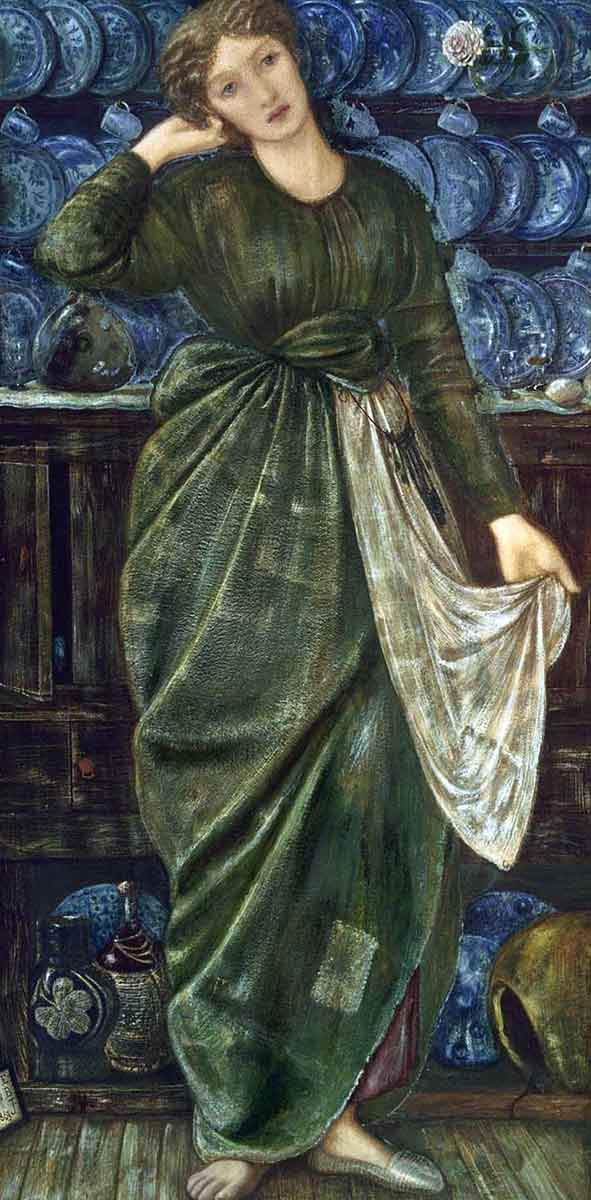
Move over, glass slippers—golden sandals were here first. Long before Charles Perrault gave Cinderella her pumpkin coach pulled by snowy white horses, The Golden Sandal was making the rounds in Iraq. This Middle Eastern Cinderella is believed to date back at least to the 9th or 10th century CE, though its oral origins are likely much older. In it, the daughter of a poor fisherman finds herself saddled with a wicked stepmother and a lazy stepsister. Instead of mice and fairy godmothers, the fisherman’s daughter’s magical helper comes in the form of a talking carmine-scaled fish, bringing to mind the golden sea creature of Ye Xian. When the girl’s stepmother forbids her from attending the henna party of a wealthy merchant’s daughter (the equivalent of a sort of pre-wedding bash), her scaled friend steps in, decking her out in dazzling attire.
The girl attends the party but, as she hurries home, she loses one of her golden sandals in the river. A wealthy merchant’s son ends up scooping it out of the water and decides he simply must marry the owner of this exquisite shoe. Here’s the twist—unlike the European versions where a prince takes charge, it is the young man’s mother who searches for the owner of the delicate shoe, reinforcing the cultural significance of women as the arrangers of marriage.
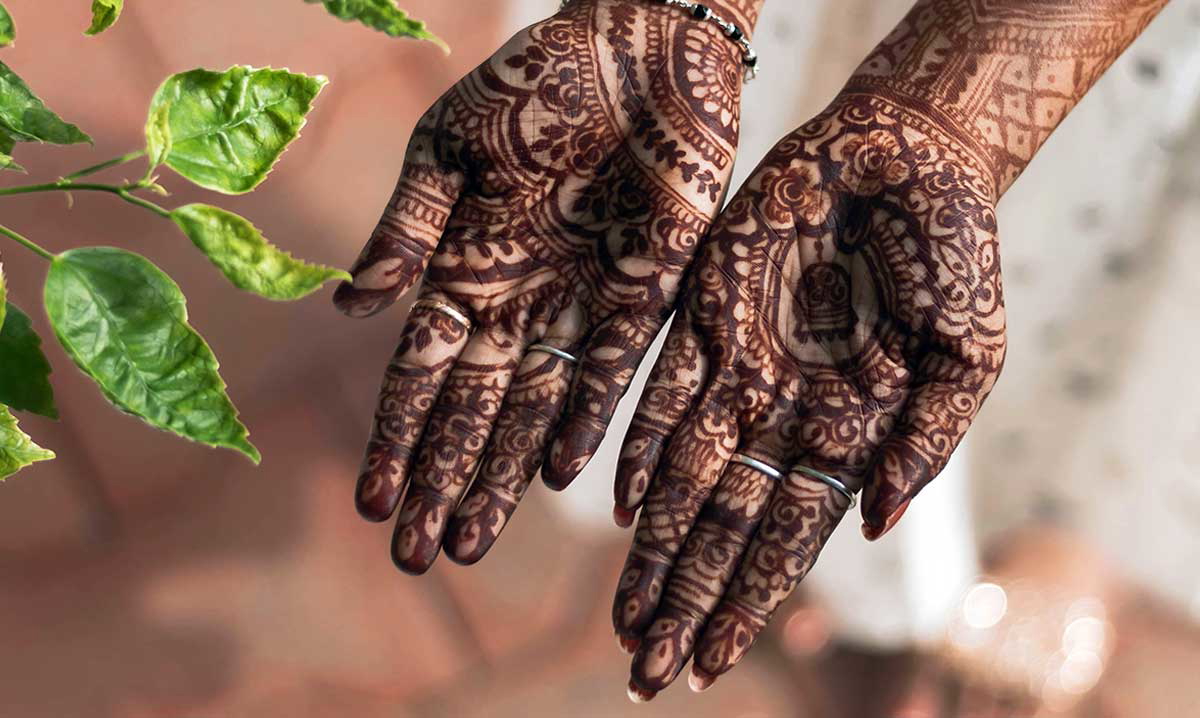
Like Ye Xian before her, this was no simple love or peaceful partnership, because the time it was told or written in wasn’t an era of love matches. Marriage was not a matter of attraction—it was a contract, an alliance, and a transaction all rolled into one. The family was the foundational building block of society, with the senior male ruling over his relatives as king.
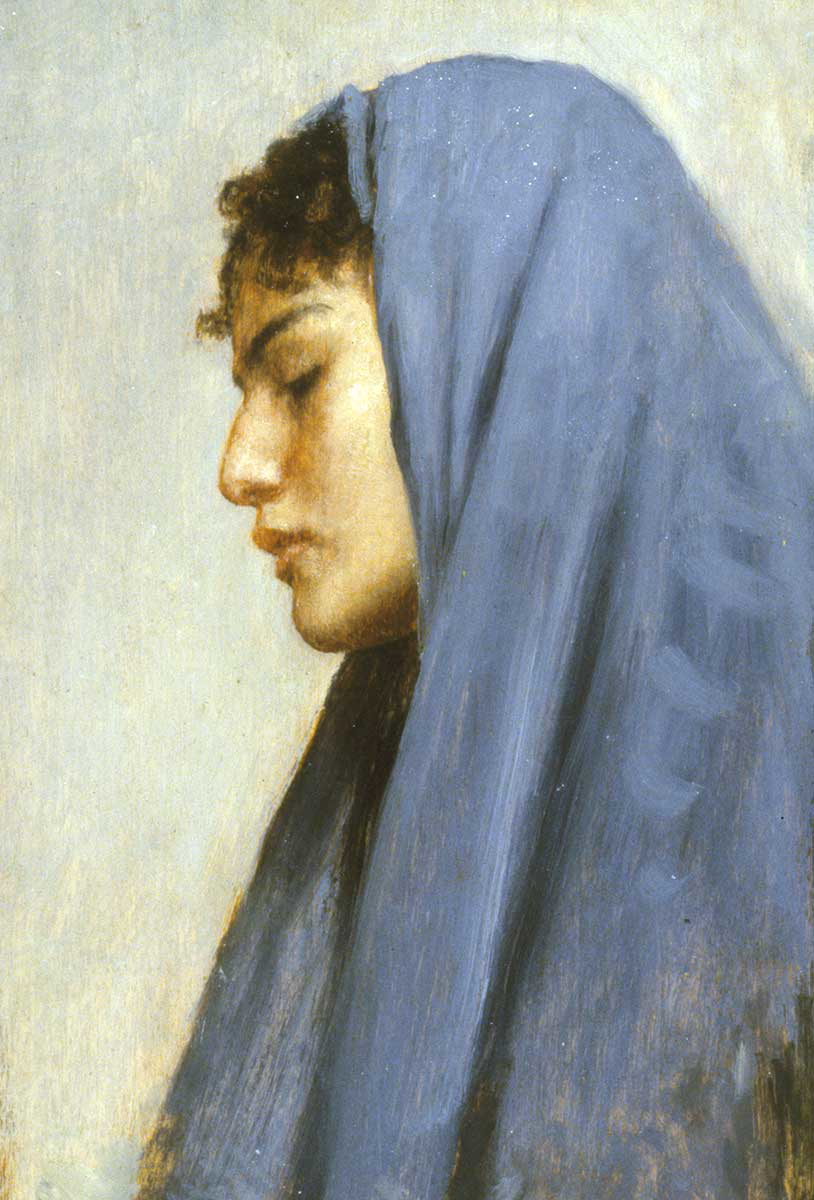
Then there’s Mah Pishani—Persia’s own rags to riches story, and one of the oldest versions of the tale. This Cinderella telling likely dates back to at least the 7th century CE, though historians often suggest an even older oral tradition, possibly pre-Islamic. Like the fisherman’s daughter, Mah Pishani is mistreated by her stepmother, but she finds solace in the unconditional love of those who help her, even souls beyond the grave. This Persian take on the myth highlights deep cross-cultural roots within the fairy tale trope, no matter where it may be from: a virtuous heroine, a magical helper, and a well-earned escape from suffering.
In ancient Persia, marriage was a serious business. Family honor and social stability were everything, and a woman’s role was largely defined by her relationships—to her father, her husband, and, of course, those all important eventual sons. While it sounds relatively proscribed, Persian women weren’t without influence. While their primary duty was to uphold the domicile, noblewomen could wield significant power within that sphere. It was often the women of Persia—mothers, grandmothers, and aunts—who orchestrated marriages, ensuring that alliances were bilaterally beneficial.
At its core, the Cinderella myth in the Middle East isn’t just about a girl getting a glow-up and a rich husband. The focus here was more about survival, resilience, and the significance of female networks. Whether through a mother arranging a match, a magical red fish offering a helping fin, or the unwavering loyalty of a spirit beyond the grave, these tales remind us that in a world where women’s fates were often decided for them, they needed some magic to shape their own paths.
Tattercoats From England and Other Western Cinderellas
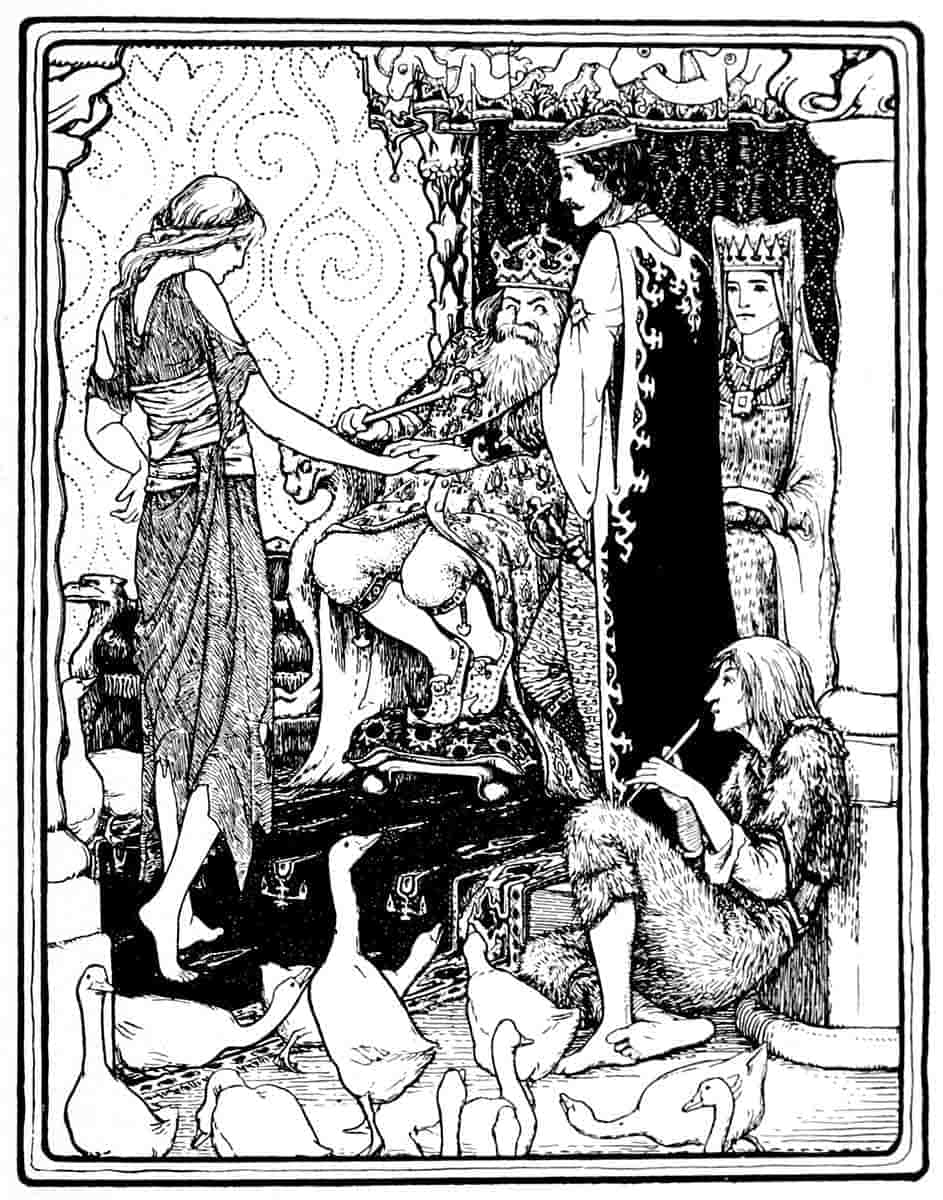
Despite the common image of Cinderella as a leggy blonde with a fantastically tiny waist, the West produced some of the most modern Cinderellas—and few that daintily traipsed through early history. The Cinderella that most of us would recognize today wasn’t written down until the end of the 17th century, in France. Before that, her Western counterparts were scrappier, less magical, and sometimes lacking in fairy godmothers entirely.
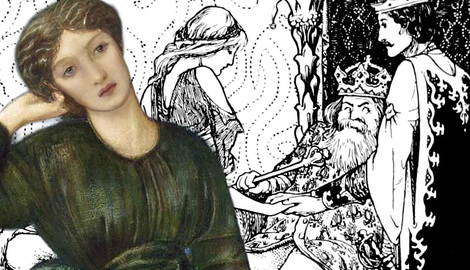
One of the most intriguing of these is Tattercoats, an English Cinderella variant first recorded in 1891. A girl in Lincolnshire named Sally Brown recounted the story to a folklorist, who then passed it along to Joseph Jacobs, the man responsible for many of the British Isles’ best-known fairy tales.
Unlike other Cinderellas, Tattercoats includes no enchanted pumpkin carriages or fairy intervention. Instead, it leans heavily into the King Cophetua and the Beggar Maid motif: a poor girl, scorned by her wealthy grandfather, catches the eye of a nobleman, not with an enchanted transformation, but with sheer presence (which may be more impressive). The only touch of the fantastic is a mysterious pipe-playing boy who seems to guide her fate—though whether he’s elven, a trickster, or just an enterprising urchin is left for the reader to decide.
The Western Cinderella most people know comes from Charles Perrault’s Cendrillon in 1697. His version is where we get those iconic glass slippers, the pumpkin turned carriage, and the grandmotherly fairy godmother. Before this, Cinderella stories had circulated Europe for centuries in various forms, but it was Perrault who gave her the literary debut that cemented her image and humble persona forever.

In 1812, more than a hundred years later, the Brothers Grimm entered the scene with their Germanic spin on the tale titled Aschenputtel. Less dreamy and more brutal, Aschenputtel omits the fairy godmother for a wishing tree grown from the main character’s mother’s grave. Instead of merely suffering passive-aggressive bullying, this version of the story doesn’t avoid bloodshed. It is here that the Cinderella character’s step sisters lop off their toes to force a fit into the slipper, only to be rejected by the prince and later blinded by birds. Bullying, the tale warns, can be a costly pastime.
Meanwhile, Italy brought La Cenerentola to the opera stage in 1817. The opera was composed by Rossini, but based on an earlier French opera. Unlike Perrault’s tale, this Cinderella is a victim of the behaviors of her blood relations (sisters, not stepsisters) with a plot that leans more on disguises and mistaken identity. Call it somewhat a comedy of errors with a fairytale flavor.
Western Cinderellas, then, have always been varied, shifting from folk tales to high literature, from magical fantasy to lessons in stark morality. She is written about, sung about, and has had her story turned into dance. This fictional lady, wearing rags but with a golden reputation, has staying power.
But the Eldest is…
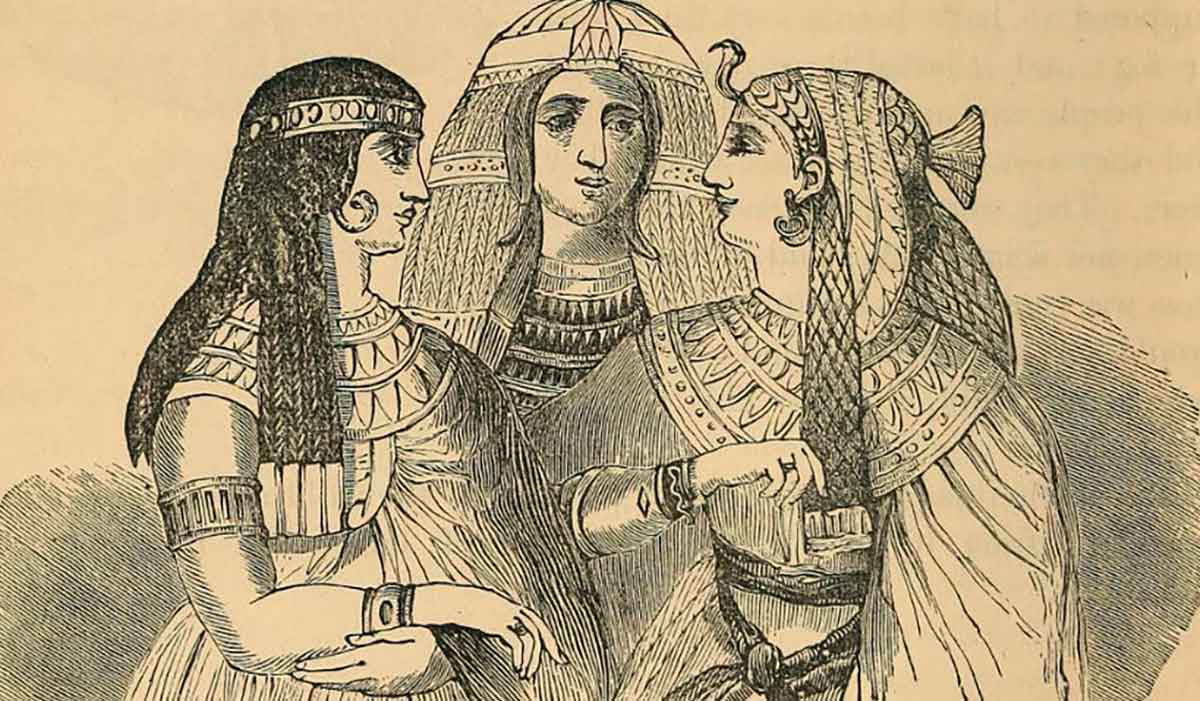
For all the glass slippers and wand waving of Western lore, the oldest Cinderella-like stories are gates to the banks of the Nile. Long before Perrault or the Brothers Grimm put pen to paper, a Greek slave in Egypt and a Sumerian goddess had already lived out versions of the rags-to-riches and lost-and-found motifs that would become Cinderella’s trademark.
The story of Rhodopis, often controversially dubbed “history’s first Cinderella,” was recorded by the Greek geographer Strabo in the 1st century BCE. The story he recalls is about a courtesan named Rhodopis, bathing in the Nile, who has one of her sandals stolen by an eagle. This eagle (which probably wasn’t native to Egypt at this time in history, as detractors of the story may point out), clearly working as fate’s personal messenger, drops the shoe into the lap of the Pharaoh at home in his palace in Memphis. Intrigued by the beautiful shape of the sandal and the bizarre nature of its delivery, the king sends out men across the land to find its owner. Rhodopis is discovered in Naucratis and spirited away to the palace, where she becomes Egypt’s queen.
It is a far cry from wicked stepmothers and carriages of gourd, but the bones of the Cinderella story are there: the lost shoe, the improbable rise of a marginalized woman, and the intervention of fate (or, in this case, an invasive bird). Some oral traditions claim the third pyramid at Giza was built for her, though history offers no evidence of a real Cinderella. Rhodopis, it seems, is more legend than fact—yet her story endured, shifting and changing as the tale passed from storyteller to storyteller.
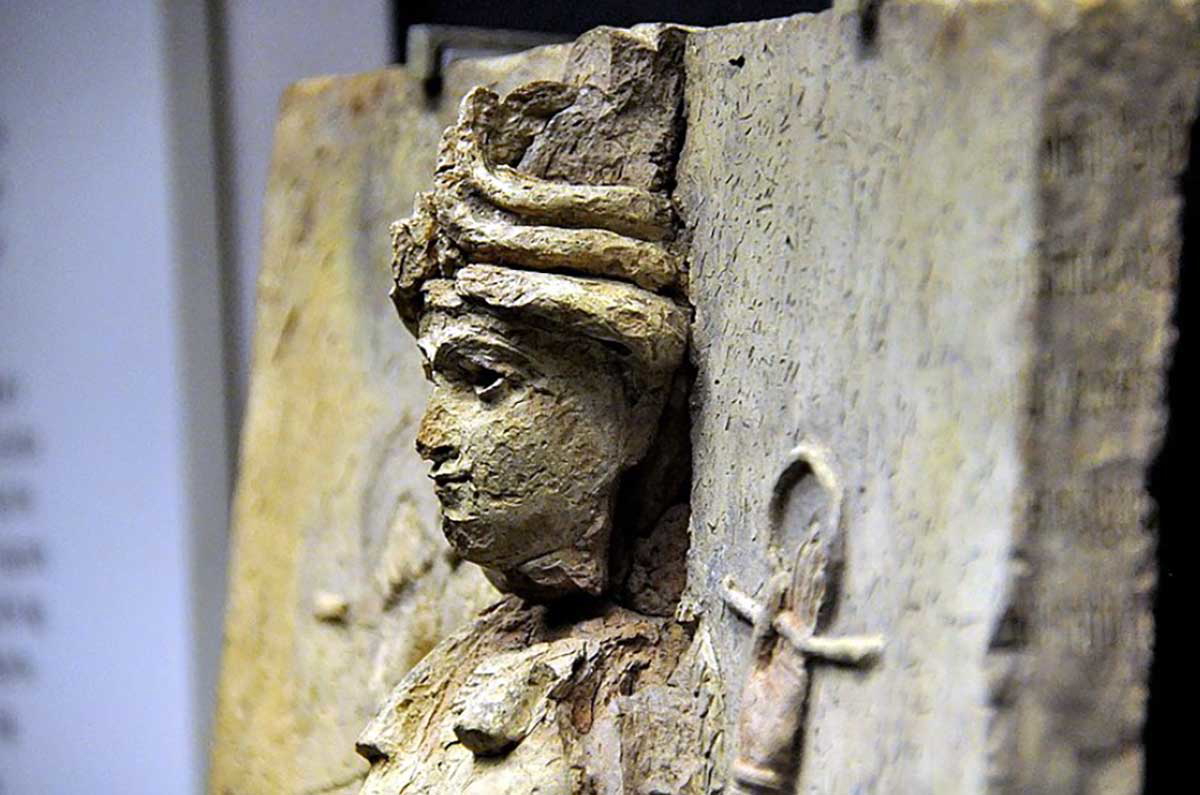
Even older, and arguably even closer in spirit to Cinderella’s trials, is the Descent of Ishtar, a myth from ancient Mesopotamia that tells of a powerful woman betrayed by a jealous and selfish sister. Ishtar, the goddess of love and beauty, descends into the underworld, where that sister, Ereshkigal, rules. Instead of welcoming her, Ereshkigal forces Ishtar to pass through seven gates, stripping her of her intricate garments and their implied power piece by piece until Ishtar is left vulnerable, humiliated, and ultimately cursed. She is abandoned and lost here, left to suffer while the world above slowly forgets her.
The echoes of Cinderella are unmistakable: a noblewoman is stripped of her finery, reduced to a base state by a cruel and envious female figure. Ishtar, like Cinderella, endures unjust suffering until her eventual restoration. And just as Cinderella’s lost slipper serves as proof of her identity and virtue, Ishtar’s garments are symbols of her divine power—her ability to wear them again marks her return to her rightful place in society.
From the sands of Egypt to the temples of Mesopotamia, the Cinderella archetype is far older than most people realize. Whether she’s a slave girl, a goddess, or a peasant with a pumpkin for transportation, her story has always been about more than just a prince—it is about survival, finding allies in unexpected places, and the triumph of the overlooked. Oh, and the occasional lost heel, sandal, slipper, or other form of footwear.