Summary
- The Clotilda was the last known slave ship, illegally smuggling 105 Africans to Alabama 52 years after the ban.
- Freed survivors of the Clotilda pooled their resources to buy land and build Africatown, preserving their African culture.
- The Clotilda wreckage was discovered in 2019, proving the oral histories of survivors that were long dismissed as rumor.
- Africatown stands today as a living monument to resistance, with descendants still living in the community their ancestors built.
In 1860, a full 52 years after the United States banned the transatlantic slave trade, one final ship crossed the Atlantic. Funded by a wealthy Alabama planter and built to defy the law, the Clotilda smuggled 105 Africans into Mobile, Alabama. Though the voyage was illegal, those responsible went unpunished. The survivors, once freed, formed their own community: Africatown.
The Last Illegal Voyage
The United States banned the importation of slaves from Africa in 1807, yet the buying and selling of human property continued, as part of the intercontinental slave trade, for nearly 60 more years. Individuals sold at auction during this period were several generations removed from living in Africa.
In 1860, a wealthy Alabama planter named Timothy Meaher decided to challenge the federal law banning the importation of slaves. Confident he could smuggle enslaved Africans into the country without consequence, Meaher wagered a bet that he could break the law and never be caught. To do it, he commissioned the construction of a sleek, fast ship named the Clotilda. The ship was built solely for the purpose of the illegal act, and its design mirrored its intended use.
While slave ships varied in size, they tended to be longer so as to fit more cargo, maximizing profit. Classified as a schooner, the Clotilda measured only 86 feet in length and could hold roughly 100 human souls below its deck. To captain the vessel, Meaher hired Captain William Foster, an experienced mariner who understood the risks involved with such an act. While partaking in sea voyages came with inherent risks, Meaher and Foster were also breaking a Federal law. Smuggling slaves into the United States became punishable by death in 1820.
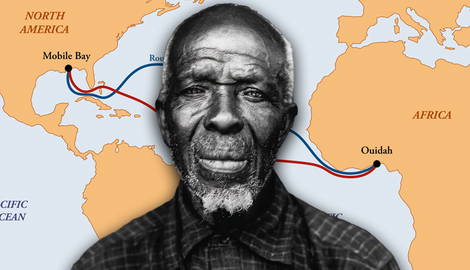
The Clotilda left Mobile, sailing under false papers stating the ship’s cargo was lumber, and made its way across the Atlantic, heading to the West African coast. In what is now Benin, Foster negotiated with local rulers of the Kingdom of Dahomey, who had captured and imprisoned men, women, and children from rival tribes during a series of regional wars. Foster purchased 110 people, both male and female, of various ages, and loaded them into the cramped hold of the Clotilda.
The journey back across the Atlantic took nearly two months. Conditions on board were brutal. Captives were shackled in place with barely enough room to lie flat. They were fed just enough to keep them alive, exposed to disease, and forced to relieve themselves where they lay. Due to the abhorrent conditions, five died before reaching the US.
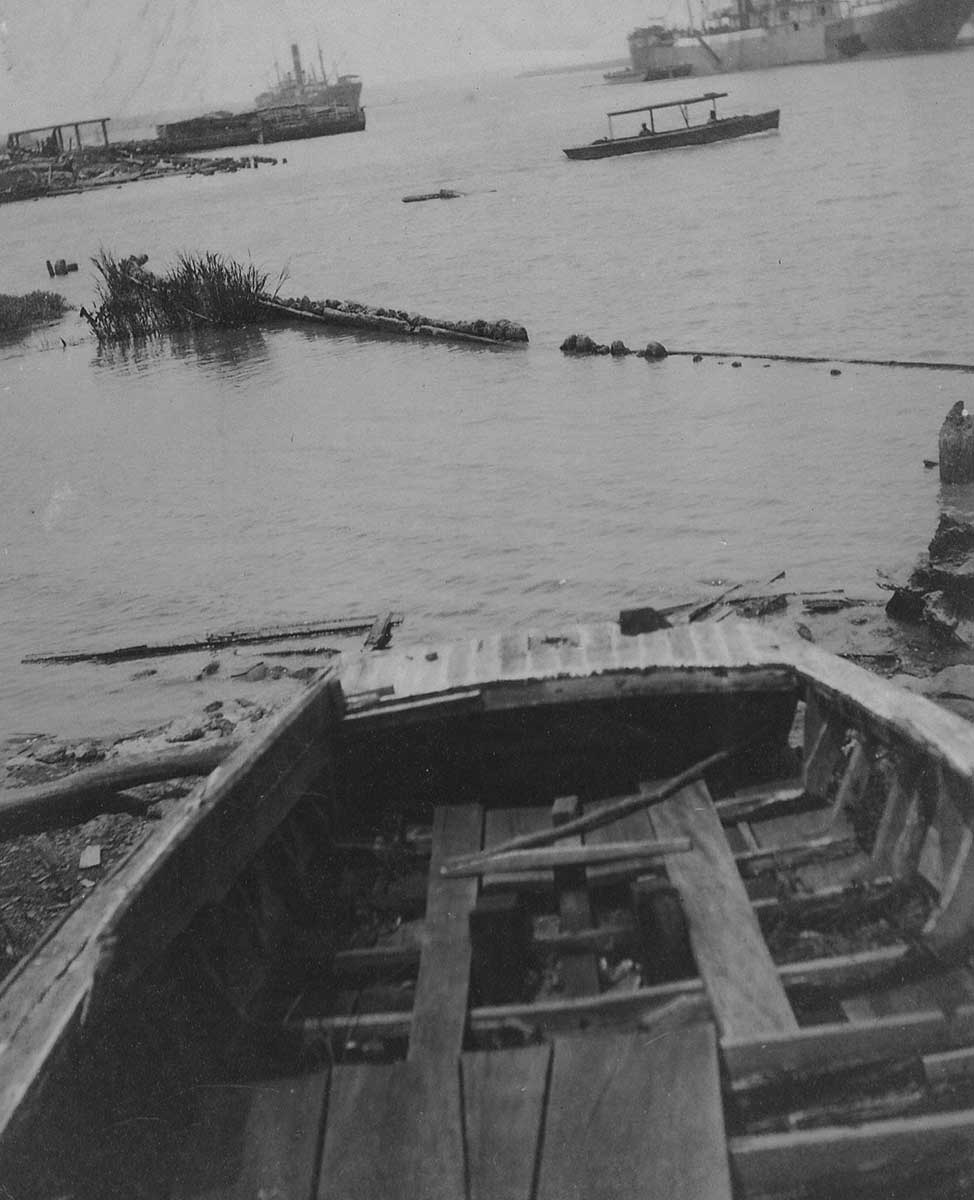
When the Clotilda finally neared Mobile Bay, Foster took every precaution to avoid detection. Under cover of darkness, the captives were hurriedly offloaded and hidden in the swamp of the Mobile-Tensaw Delta. Fearing that the ship might be discovered and used as evidence, Foster ordered it burned and sunk deep in the swamp. For over 150 years, the location of the Clotilda remained a mystery to anyone other than Foster and Maeher.
Arrival in Alabama
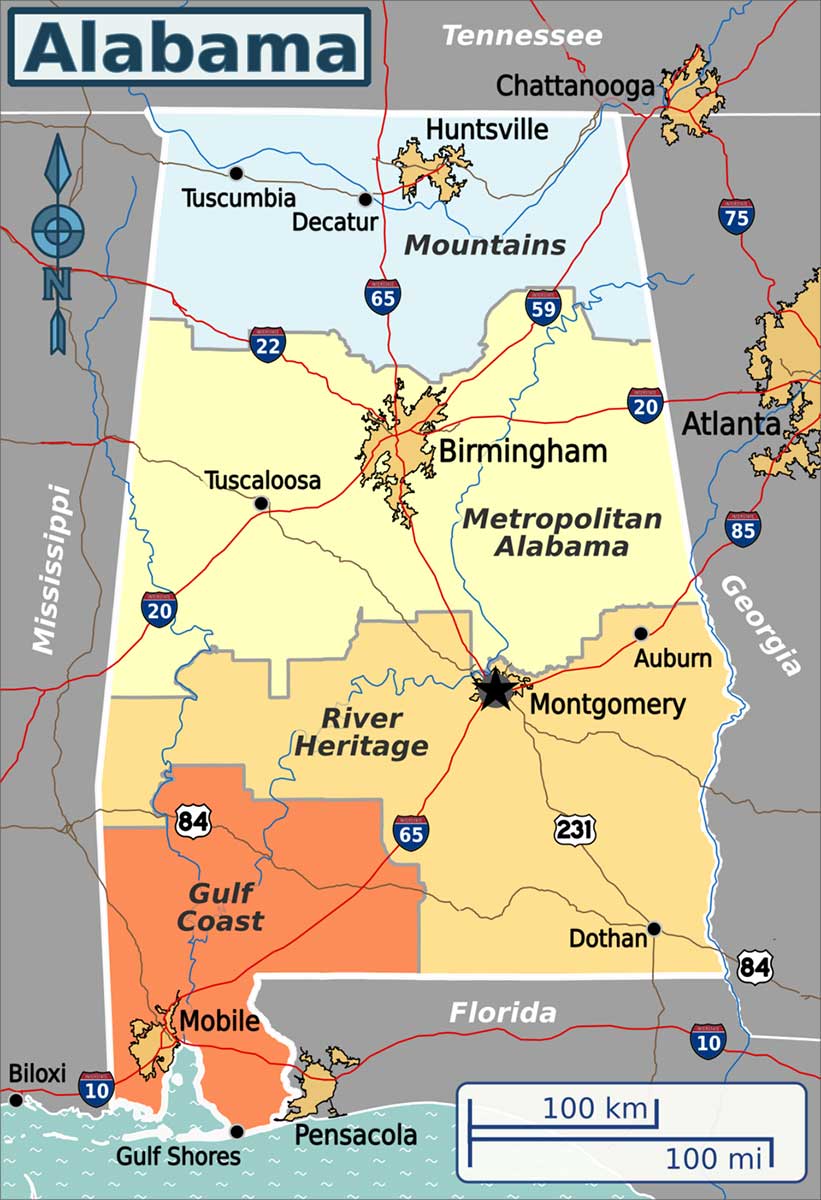
After arriving in Mobile Bay under the cover of night, the Clotilda‘s human cargo was quickly removed. The 105 African captives were taken off the ship and hidden deep within the swamps of the Mobile-Tensaw Delta until Maher could decide what to do with his illegally acquired property. With the ship gone, there was no physical proof of the crime. For years, people would claim the story was just a rumor. But for the captives, there was nothing vague about what happened next.
The new arrivals were split up among the conspirators. Meaher kept many for himself and handed others over to friends and family. Stripped of their names, denied their language, and sold like cattle, they found themselves enslaved in a strange land. Unlike the other slaves in their new home, few of these new arrivals spoke English. They had no idea where they were, could not understand what had happened to them, and had lost loved ones. Now they were forced to work in plantations, sawmills, and fields, silently enduring abuse in a country where they did not legally belong.
Life After Emancipation
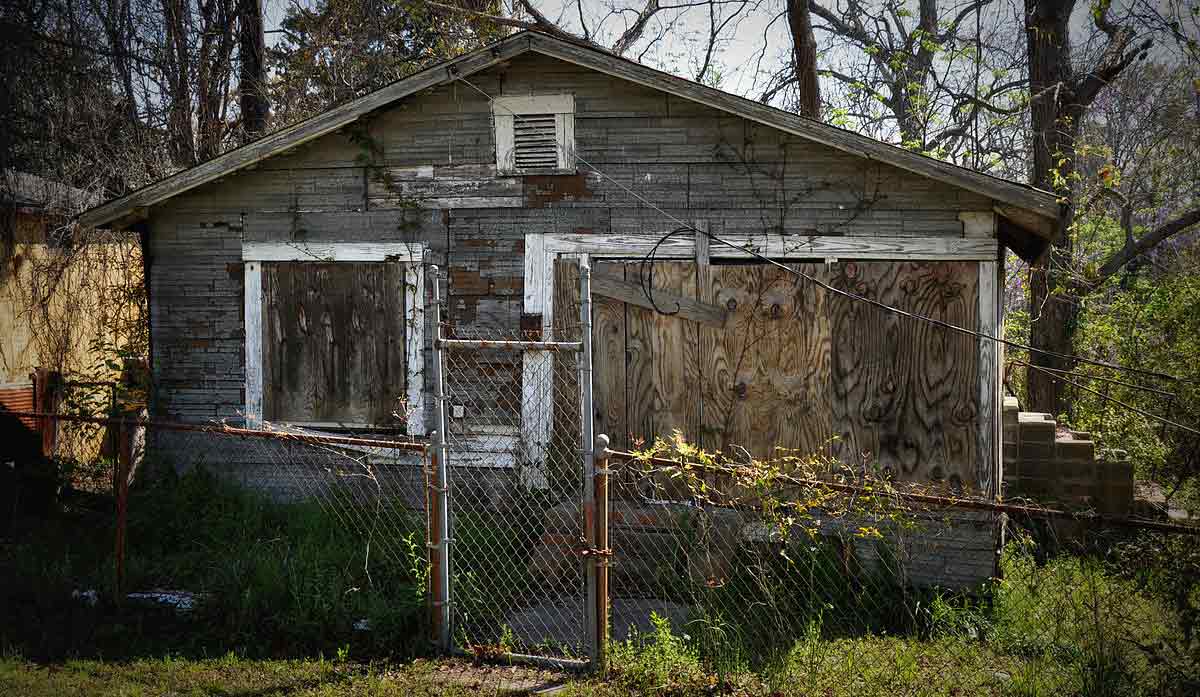
When the Civil War ended in 1865, the Africans brought over on the Clotilda were finally freed with the passage of the 13th Amendment, but freedom didn’t come with compensation, land, or real protection. Most of them had spent five years in bondage working for Meaher and others around Mobile. Now free, they faced the challenge of building new lives in a country that they barely understood.
Unlike American-born Black people who had grown up enslaved, the Clotilda survivors were Africans. They had known freedom, and they wanted to reclaim it. This goal presented a problem, however, as southern states pushed back on the Federal government’s efforts to force equality for Black people in the South. To accomplish their goal, the Clotilda’s survivors lived frugally, took on low-paying jobs, and saved every cent they could. Eventually, their goal was realized: a community all their own.
Building Africatown
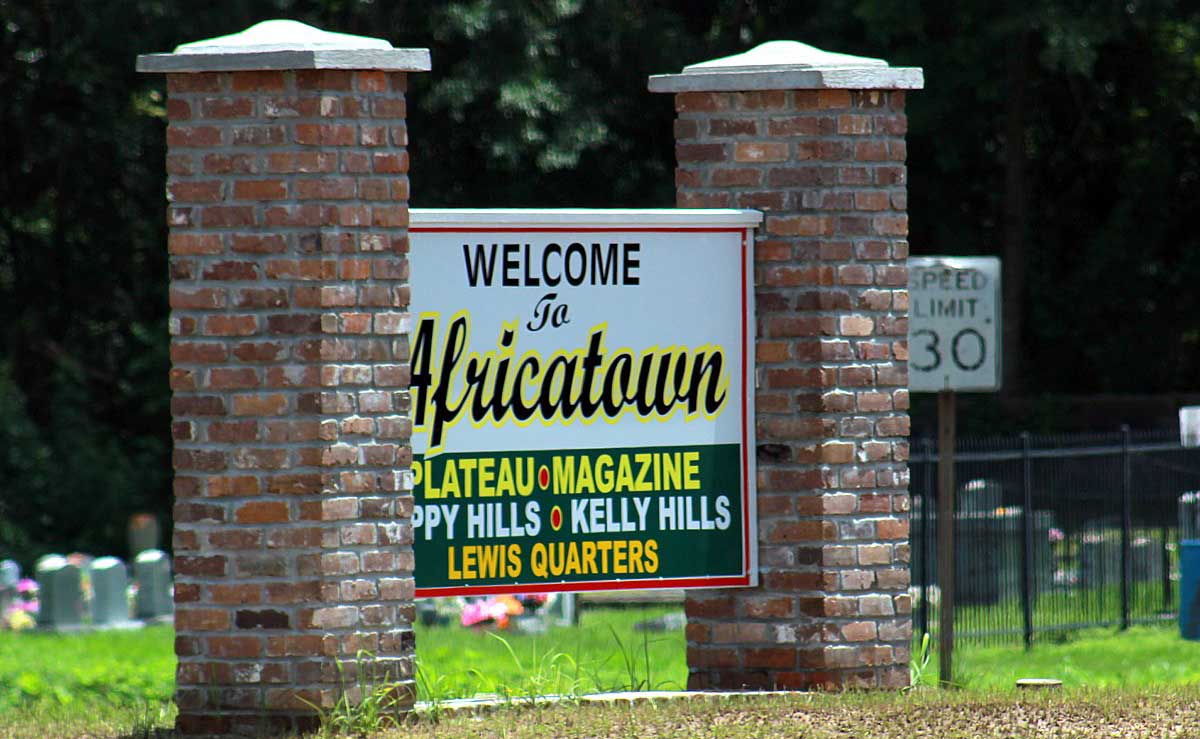
Refusing to be pushed to the margins, the Clotilda survivors pooled their resources and bought a plot of land from the Meaher family. It was a small area just north of Mobile, but it was theirs. They named it Africatown. There, they set out to recreate the life they had known in Africa. The community spoke their native languages, practiced African customs, and governed themselves. They built homes, churches, and a school. Their oral traditions, passed down from generation to generation, preserved the history that America tried to erase. Through these oral traditions the story of Meaher’s deceit and their abduction lived on.
Erasure and Rediscovery
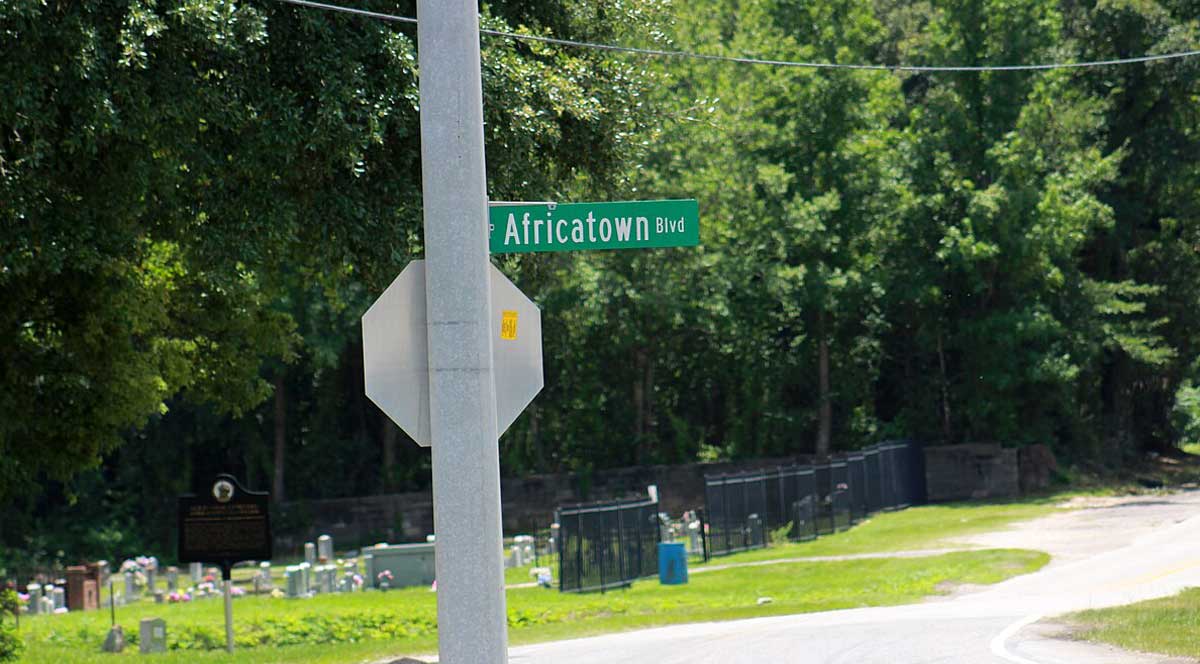
For decades, local officials and powerful families in Mobile, including the Foster and Meaher families, did everything they could to deny what had happened. The Meaher family remained influential, and the story of the Clotilda was treated as a rumor. There were no official records. The ship had been burned and sunk, with the location of the wreckage a mystery. And many didn’t want to believe, or admit, that the transatlantic slave trade had been restarted illegally on American soil just a year before the Civil War.
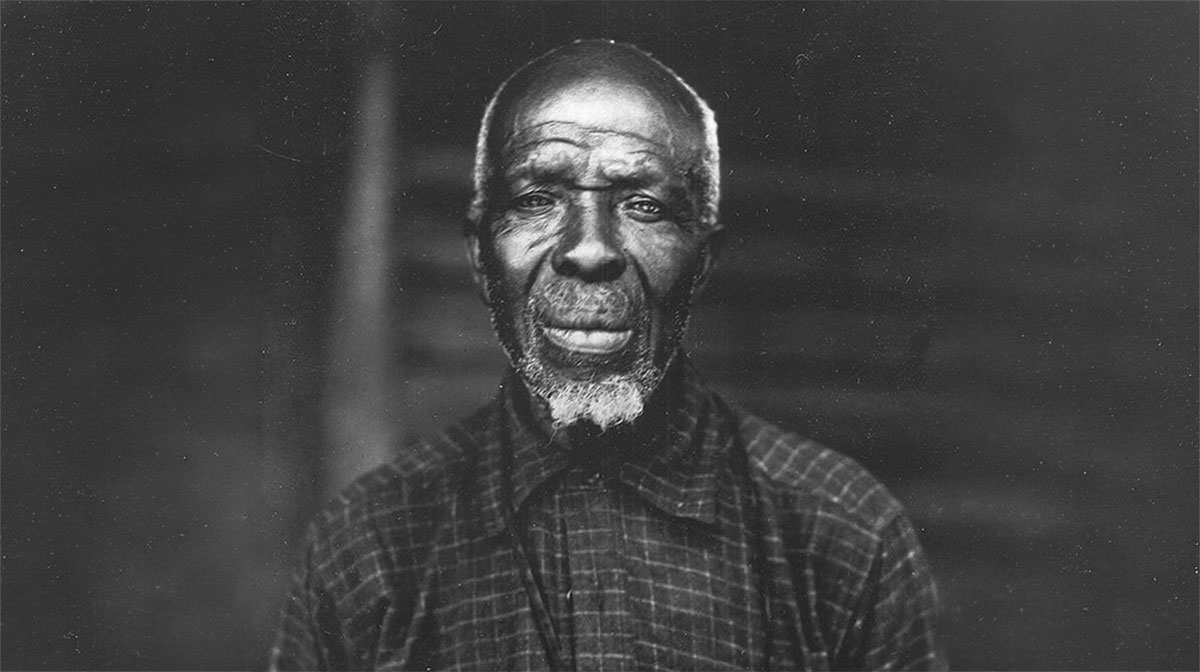
But the survivors of the Clotilda never stopped telling their story. Men like Cudjo Lewis gave interviews; he shared his tale with writers, including Zora Neale Hurston, who turned his story into Barracoon: The Story of the Last Black Cargo. Hurston’s work was not published during her lifetime, as publishers felt Hurston’s preservation of Lewis’s vernacular would lead to limited sales. Barracoon was finally published in 2018.
In 2019, after years of searching, the wreckage of the Clotilda was finally located in the Mobile River. For the descendants of Africatown, it was a moment of truth. The story their ancestors had told was finally proven beyond doubt. The ship was real. The voyage happened. And the survivors had not been exaggerating. The discovery sparked renewed interest in Africatown and its history. Journalists, historians, and filmmakers arrived in droves. The search for the Clotilda and the history of Africatown were the subjects of Descendants, a 2022 Netflix documentary.
Legacy of Africatown
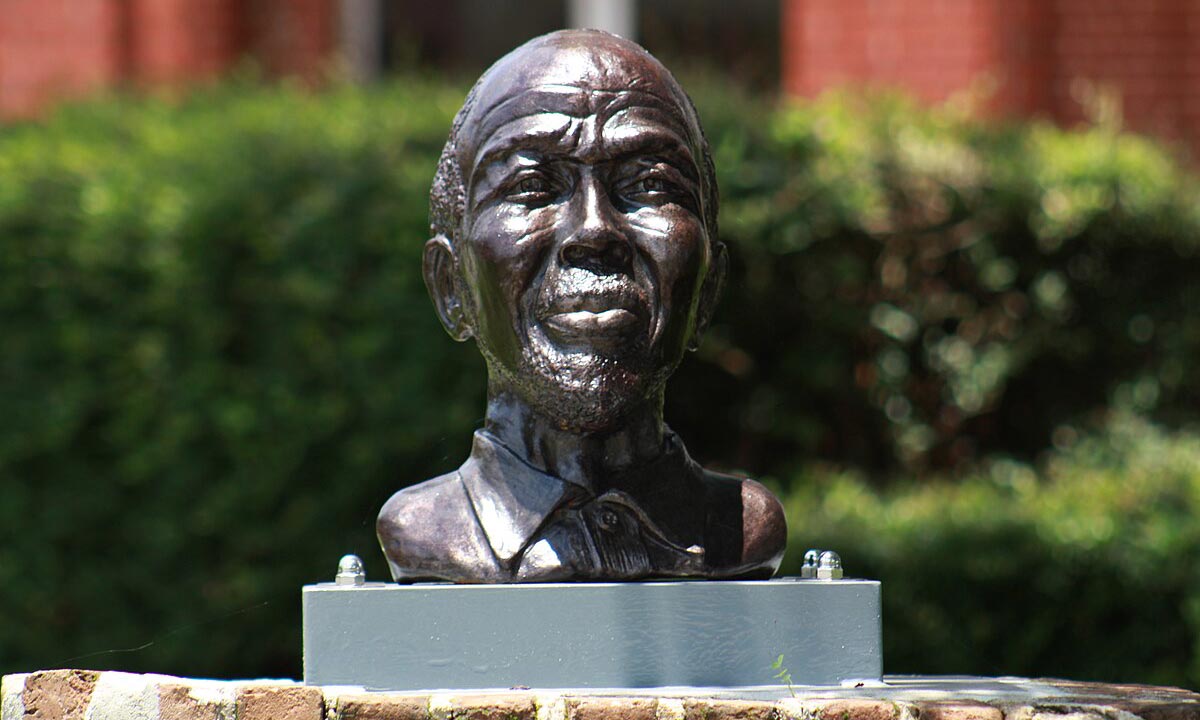
Today, Africatown stands as a living monument to survival and resistance. Though the community has faced decades of economic hardship, environmental racism, and political neglect, its legacy endures. A heritage museum now tells the story of the Clotilda and its survivors. The wreck of the ship remains protected under federal law, and efforts are underway to preserve it as a historical site.
Descendants of the original Africans who sailed on the Clotilda continue to live in the area, carrying on the traditions and memories of their ancestors. Their fight, however, continues as local industry surrounds Africatown. Smog causes residents’ health issues, and runoff from factories pollutes local waterways. The Meaher family, who still reside in Mobile, have repeatedly refused requests to be interviewed.