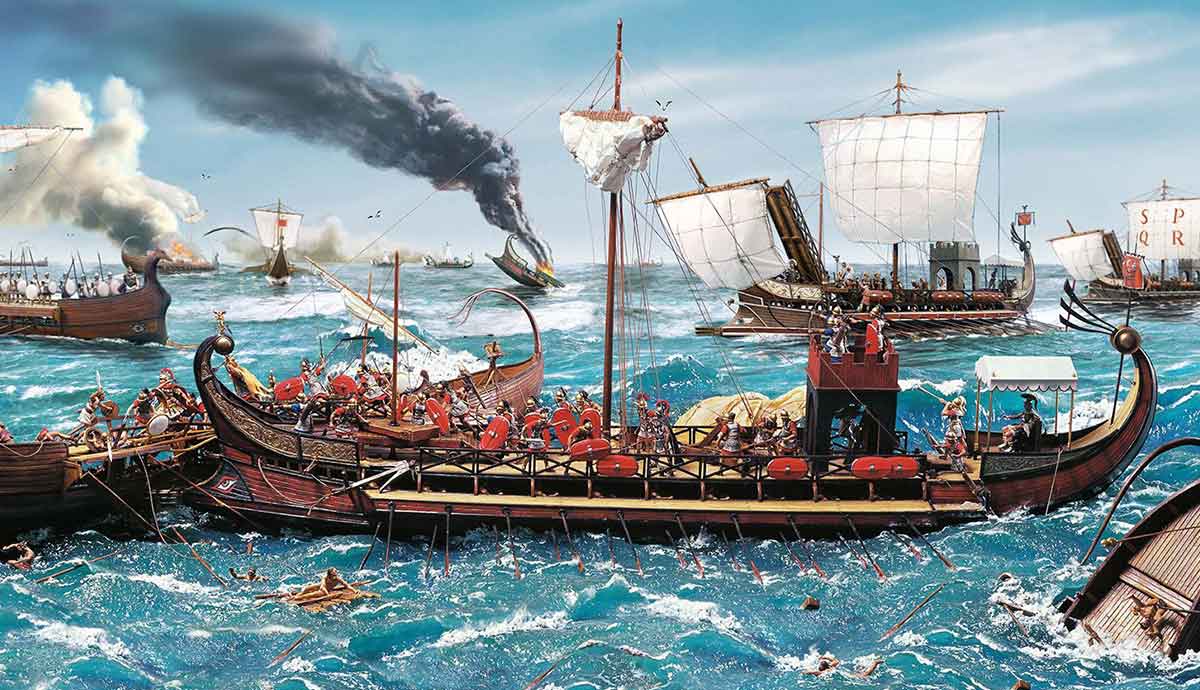
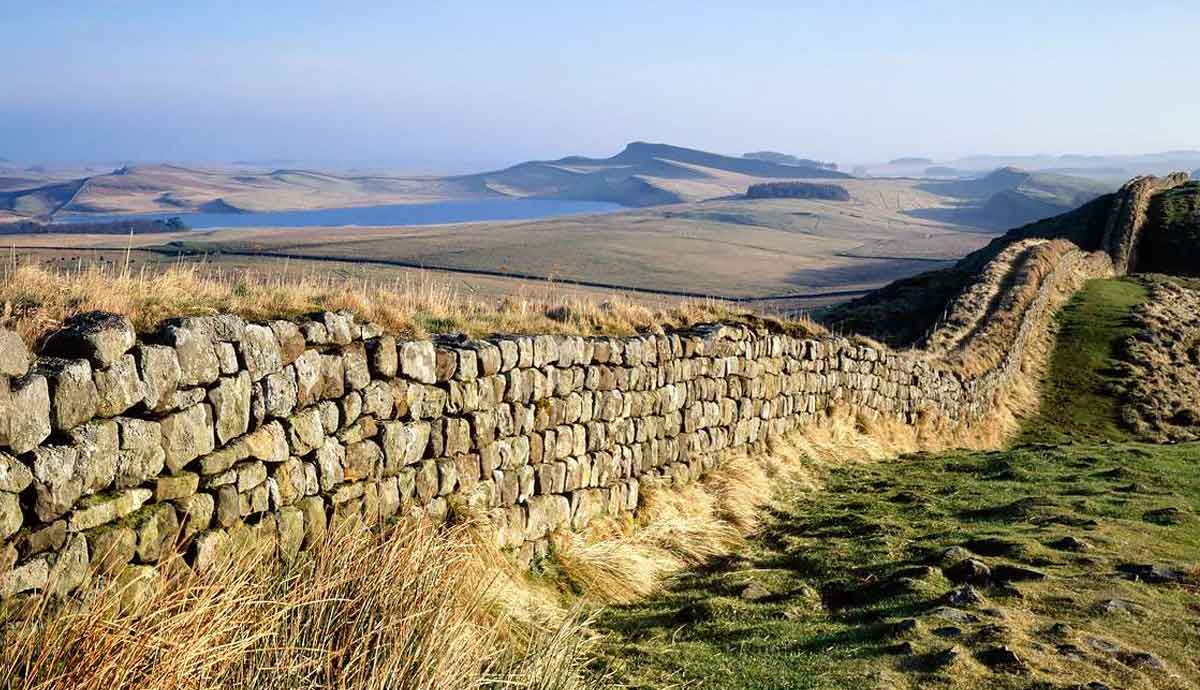
Imperial Rome’s expansion brought the Empire to the Danube River by 15 BC. Later campaigns brought all the Danube under Roman control by AD 14. Conquered areas became provinces, which fluctuated between six and eight. These included Raetia, Noricum, Pannonia, Moesia, Dacia, and Scythia Minor. For the provinces and the Empire, the Danube served as a critical barrier and a gateway.
Two environmental factors aided Rome: winter and the river’s unpredictability. The Danube’s width and swift current made crossings challenging. Winter meant a frozen river, treacherous and ice liable to break at any time. Roman fortifications along the steep southern banks only further complicated attempts at invasion.
The Danube River also became a gateway for Rome. Controlling the river also meant regulating access to Eastern or Central Europe. As a hub, the Danube let Rome control central Europe and the Balkans. Rome exploited the conquered areas, including the Balkans, the Carpathians, and the Danube Basin.
The Danube River shield absorbed much external pressure. Armies needed to cross the river, break the defenses, and move fast. The vast territory allowed the Roman Army to trade space for time, moving reinforcements in. Rome never viewed the Danube as a settled frontier, only a high-risk one.
Economic Importance

Rome’s conquests along the Danube rewarded the Empire handsomely. The Danube’s length facilitated cheap transportation. Bulk goods moved included grain, timber, metals, and other goods moved between provinces. Cheap river shipping kept garrisons, towns, and civilians well supplied (or reinforced). The Danubian provinces supplied staples that helped feed the Empire’s northern regions, thereby reducing costs.
Alongside agriculture, Roman exploitation of resources (timber, iron, gold) helped the Imperial treasury.
Dacian goldmines became a prized resource. Eventually, taxation follows commerce. A network of customs houses (portoria) collected duties along the river. These stations regulated trade and collected revenue, typically at a rate of 2.5% to 5%.
Danubian Diplomacy, Assimilation, and Defense
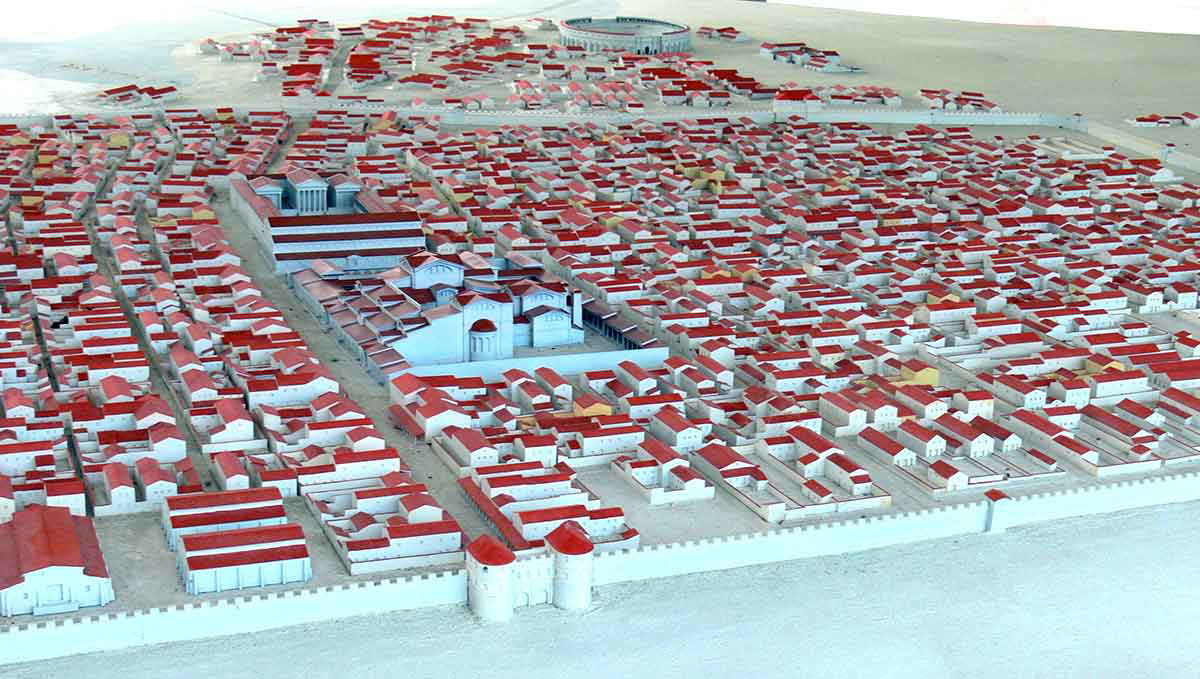
Despite imperial invasions, Rome tempered its success. The Danube’s width, length, and marshy terrain made it an excellent barrier. From here, Roman officials dealt safely with volatile barbarians like the Sarmatians, Dacians, and Goths. The powerful Huns arrived circa 370 CE. Unlike the Rhine, Rome faced multiple powers capable of forming coalitions. The wily Romans used various methods, such as treaty-making, payments, and playing rivals against each other.
Despite the Danube’s frontier status, a hybrid Roman culture developed. Four provincial capitals (Carnuntum, Viminacium, Sirmium, and Aquincum) became important cities. Local people, Roman soldiers, merchants, and slaves rubbed shoulders. Roman-style houses used local stone or pottery, showing the cultural mix.
Temples incorporated local deities, and inscriptions mixed Latin and local names. Markets in towns like these grew into important markets. Crafted goods, metals, grain, and such were exchanged. These markets also served as information hubs where unofficial diplomacy took place. While called ‘towns,’ these centers were really contact zones. Unlike other provinces, Rome’s imposed culture did not take hold as deeply. Each culture adopted what benefited or seemed compatible. For example, Roman street grids existed, but with non-Imperial building styles.
The Second Dacian War (105 CE – 106 CE) had crushed Dacia, the last Danubian power. Things did settle down. But Rome stationed more legions here than in other frontier regions. They maintained peace and served as recruitment tools. These provinces provided a high proportion of the Empire’s auxiliaries. Native cavalry and light infantry plugged gaps; Rome had neither. Sarmatians, Goths, Dacians, and other groups took up Roman military service.

Enlisting meant prestige, steady pay, and eventually Roman citizenship. By the 3rd century, this system supplied future emperors such as Aurelian and Diocletian.
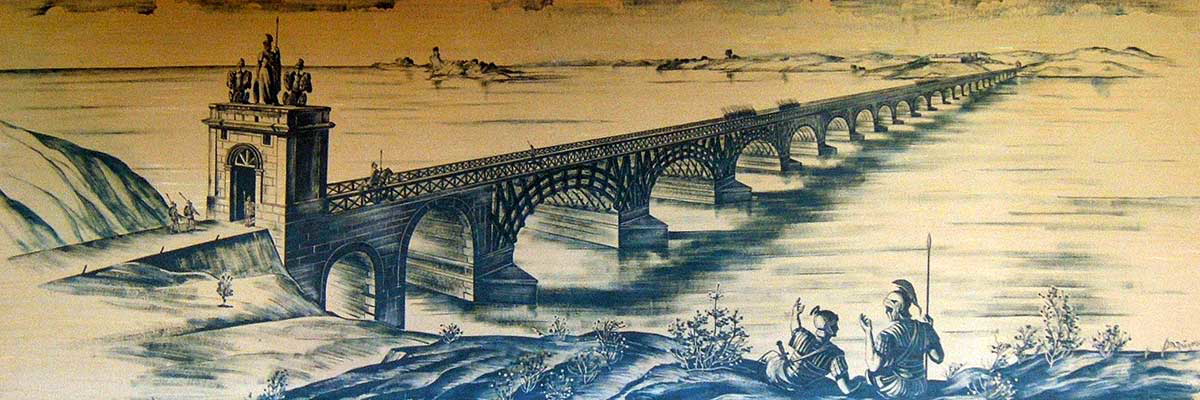
Rome worked hard to defend the Danube River and its provinces. Besides the heavy infantry legions, Rome’s engineers built bridges (such as Trajan’s Bridge), roads, and fortified lines. This systematic, practical approach also worked in Britain, North Africa, and on the Rhine.
Not All is Well
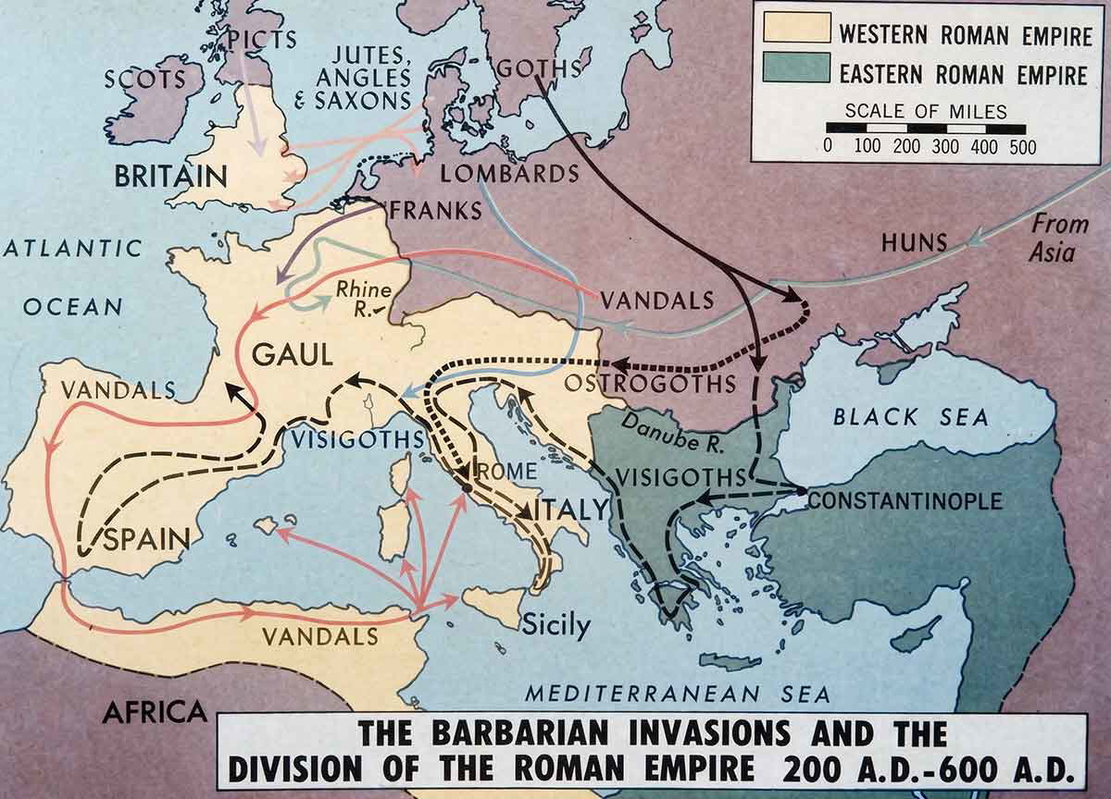
Despite the Danube’s strengths, cracks started with the Marcomannic Wars (CE 166-180). Pressure here until roughly CE 450 only grew. Continual assaults or large migrations overwhelmed the Danube garrisons, breaking deep into imperial territory. The Gothic migrations (376CE) became a bungled affair. Thousands settled down but did not assimilate. The true collapse of the Danube frontier occurred at the 378 CE Battle of Adrianople. The crushed eastern army could do little to stop successive invasions.
With the Danube River voided, the region’s importance ceased. It could no longer absorb pressure or help the Empire. Where an organized system existed, now stood only a fragmented expanse.