Dispensationalism is a fairly new development on the theological stage. Nevertheless, it has had a significant impact on Evangelical theology for the last two centuries. It divides history into timeframes during which God reportedly deals with humanity in different ways. Dispensationalism is not without its challenges, with several iterations proposed because the original delineation of dispensation does not fit the evidence sufficiently. Later iterations blended previous dispensations to address overlaps in former versions. Dispensationalism fits well with other Evangelical beliefs, such as the premillennial Secret Rapture teaching.
What Is Dispensationalism?

A dispensation is a distinct period. In Christianity, dispensationalism refers to the belief that God dealt with humankind in unique ways during specific periods throughout history. Because of the differences in interaction and principles foundational to each period, the Bible student must account for the dispensational era it originates from when interpreting the text and determining its relevance to contemporary application.
According to dispensationalism, each dispensation is characterized by a specific divine administration, a test of human obedience, a failure to meet that test, and a resulting judgment. This framework generally divides history into the following dispensations: Innocence (before the Fall), Conscience (post-Fall to the Flood), Human Government (Flood to Abraham), Patriarchal Rule (Age of the Patriarchs), Mosaic Law (From Moses to the crucifixion of Christ), Grace (the church age), and the Millennial Kingdom (the 1,000 years of Revelation 20).
The core tenets of dispensationalism include a literal interpretation of the Bible, a distinction between Israel and the Church, progressive revelation, and a focus on eschatology. The literal interpretation advocates for a plain reading and historical-grammatical approach to the text, which distinguishes between prophecies that address Israel, the Church, or end-time events. The distinction between Israel and the Church results from the unique roles they have and the promises made to each.
Progressive revelation refers to new responsibilities and revelations God gives in each dispensation throughout history. In general, the eschatological focus of dispensationalism features a pretribulation rapture and a premillennial return of Christ.
Dispensationalism has greater discontinuity than covenantal theology, which has God deal with Israel and the Church in much the same way, with promises made to one remaining in effect for the other. The dispensationalist discontinuity features most prominently in the distinction between Israel and the Church.
Origins of Dispensationalism

Some scholars have noted that several Church Fathers, among them Irenaeus and Augustine, divided history into dispensations, much like contemporary dispensationalism does. The modern theological approach, however, has clear roots in the 19th-century Plymouth Brethren movement.
John Nelson Darby, an Anglican priest, became disillusioned with what he considered theological errors in the doctrines held by the Church of England. He also became frustrated with formalism in the church. He joined the Plymouth Brethren and formalized ideas about dispensationalism, which were prevalent in the views of a couple of theologians from previous centuries, like Pierre Poiret (1646-1719) and Isaac Watts (1674-1748). Darby’s views emphasized a return to biblical authority and a literal interpretation of scripture to address these challenges.
Darby taught that God’s plan for humanity involved distinct dispensations, which included a clear separation between Israel and the Church age. His views challenged the prevailing postmillennial optimism, which expected the Church to usher in a golden age before Christ’s return and indicated a radical new approach to interpreting the Bible. His ideas on the imminent return of Christ, the rapture, and the restoration of Israel resonated with many evangelicals, particularly in North America, where social upheaval caused many to seek clarity on Bible prophecy.
Dispensationalism gained traction when Cyrus Ingeson Scofield included its tenets in the Scofield Reference Bible of 1909. This Bible included extensive notes on dispensationalism and soon became a cornerstone resource for dispensational thought among scholars and laypeople. By the mid-20th century, dispensationalism had become the most dominant framework within fundamentalist and independent churches in American evangelicalism.
Types of Dispensationalism

Today, dispensationalism has several forms. The three most common are classical dispensationalism, revised dispensationalism, and progressive dispensationalism.
Classical dispensationalism refers to the first version of the system developed by Darby and promoted by Scofield. It draws a rigid distinction between Israel and the Church, recognizing seven dispensations in human history. Its prominent feature is the end of the Mosaic period known as the Dispensation of the Law, which was overtaken by the Dispensation of Grace, or the Church era, spanning from the time of Christ to the secret rapture of believers.
The pretribulation rapture will usher in an era of seven years during which Israel and the other nations will experience the tribulation. After seven years, Christ will establish a kingdom on Earth for one thousand years, known as the Millennium. During that time, Christ will fulfill the promises to literal Israel when he reigns from Jerusalem. This form of dispensationalism recognizes two covenants: one between God and Israel and another with the Church. The former includes promises about land and the kingdom, and the latter includes spiritual blessings.
During the mid-20th century, scholars Charles Ryrie and John Walvoord developed Revised Dispensationalism (also called Modified Dispensationalism), which draws softer distinctions between Israel and the Church than the classical version. The revised model rejects the classical idea that different dispensations imply different means of salvation (the Law for Israel and grace for the church), highlighting that grace is available in all dispensations. These soteriological differences mark a significant departure from traditional dispensationalism.
The modified version retains core principles of dispensationalism, such as a pretribulation rapture. It attempts to achieve greater theological consistency across dispensations. Revised Dispensationalism became the dominant approach late in the 20th century, partly due to Ryrie’s influential book Dispensationalism Today, published in 1965.
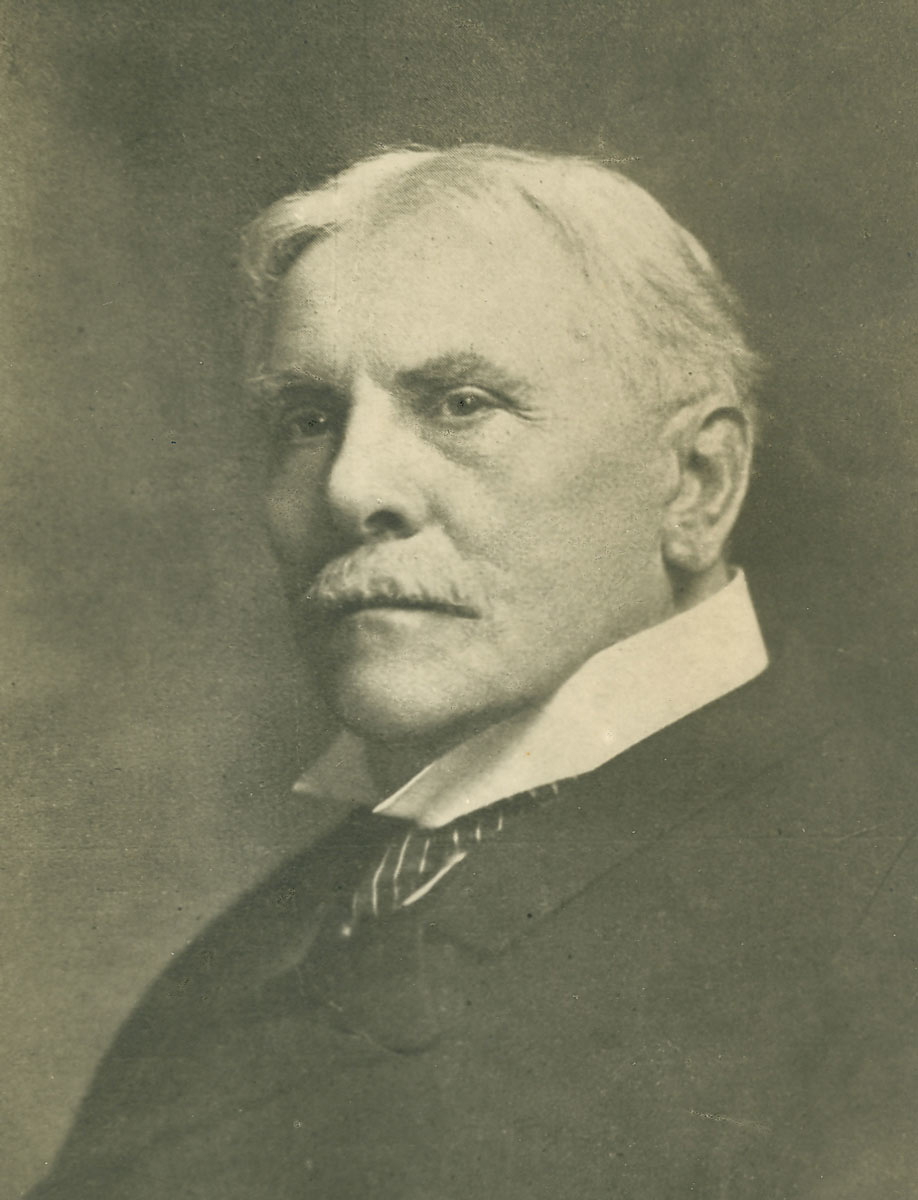
During the 1980s and 1990s, a new form of dispensationalism emerged, driven by scholars such as Darrell Bock, Craig Blaising, and Robert Saucy. They sought to bridge the gap between covenant and dispensational theology. Progressive dispensationalism aimed to achieve an even greater continuity of God’s plan between dispensations. It holds to the view of an Inaugurated Kingdom, meaning God’s kingdom has already begun in a spiritual sense with Jesus’s first coming, but will come to fruition during the Millennium.
They see in the Church a partial fulfillment of the promises to Israel, although the nation retains a distinct role in future events. This methodology reduces the stark distinctions between Israel and the Church, partly due to hermeneutic flexibility, which allows for symbolic and typological interpretations of the text rather than demanding rigid literal interpretations.
Though Progressive Dispensationalism gained traction among academics, traditional dispensationalists remain skeptical of this diluted version of the system.
Impact of Dispensationalism

Dispensational theology had its greatest influence on American Evangelical eschatology and ecclesiology. The focus on a pretribulation rapture resulted in the concept being popularized by the Left Behind book series by Tim LaHaye and Jerry Jenkins. The resulting movie adaptations introduced core concepts of dispensational theology to non-evangelical audiences.
Dispensational theology posits the Church as a parenthesis in God’s plan for Israel. Covenant theologians claim this diminishes the continuity of God’s plan for covenant people and minimizes the Church’s role in fulfilling Old Testament promises.
Dispensational theology had an impact on hermeneutics. It commits to a historical-grammatical and literal interpretation of the Bible rather than accepting allegorical or spiritualized interpretations. Although this approach expresses the Evangelical belief in the reliability of the Bible, it poses serious challenges when it comes to prophetic texts, which demand a symbolic rather than a literal interpretation. The Progressive Dispensationalists attempted to address these concerns, but it came at the expense of alienating traditional dispensationalists.
Dispensational theology, with its belief in the restoration of literal Israel, has impacted the socio-political perspective of particularly Evangelical Christians towards American policy involving the state of Israel and Zionism. They view the establishment of the country of Israel as the fulfillment of Biblical prophecy. It has resulted in groups like Christians United for Israel promoting policies aligned with dispensational views on end-time events. It has, however, also been criticized for fostering uncritical support for Israel and its actions in neighboring and occupied territories.

Another consequence of dispensational theology is a culture of end-time speculation, sensationalism, and date-setting that is removed from the commitment to the Biblical narrative. One such example is the blood moon prophecy, which popular speakers and authors promote but has no solid foundation in scripture. Some claim that such a focus detracts from the Church’s responsibility to and involvement in issues of social justice and upliftment.
Finally, dispensational commitment to the distinction between Israel and the Church has led to criticism for neglecting passages in scripture that speak to unity in Christ, such as Galatians 3:28-29, which states:
“There is neither Jew nor Greek, there is neither slave nor free, there is no male and female, for you are all one in Christ Jesus. And if you are Christ’s, then you are Abraham’s offspring, heirs according to promise.”
As a relatively new framework for Bible interpretation, dispensationalism draws criticism for the absence of its core ideas in the writings of the Church Fathers, which leads many to conclude that it is a novel concept without a real biblical foundation.