When leadership in Israel went awry, God raised prophets to address the social, moral, religious, and political wrongs and guided the leadership and the people back to God. In some cases, the ministry of the prophets included miracles performed in the service of God to reveal his supremacy and power. The ministries of Elijah and Elisha in 2 Kings are excellent examples of supernatural prophetic ministry, with the former being the mentor to the young apprentice who succeeded him. The narrative of how Elijah’s ministry ended, and Elisha’s began is one of the most iconic scenes in the Old Testament.
Historical Context
God appointed the Levites as the tribe that would produce the line of religious leaders in Israel. Priests had to be direct descendants of Aaron to be part of the Aaronic priesthood that served in the temple. They were, therefore, born into the office, similar to how the kings in Israel and later in the divided kingdom were born into royalty (there were a few exceptions like David and Jeroboam). Since both kings and priests were hereditary offices, the families often knew each other, and later kings and priests may have been friends long before serving in their respective offices.
Kings had much political and military power, which priests did not have. The first king of Israel already used military power against the priesthood when he considered the action of the high priest as insubordinate and treasonous and slaughtered them (1 Samuel 22:6-23). The priests may have been more considerate of the political repercussions of their actions than prophets were, and kings expected the allegiance of the priests. Priesthood, as a hereditary office, did not imply moral and ethical suitability for the job in and of itself. Consider the sons of Eli as an example (1 Samuel 2:13-36).
Being a prophet was not a hereditary position. The prophets had an allegiance to God, who called them for their integrity and willingness to do as he commanded without regard for the political or religious fallout of their actions. This brought them into regular conflict with kings and priests of Israel and pagan religions. The ministries of Elijah and Elisha attest to this fact. When Elijah and Elisha ministered, Israel was in apostasy and needed direction from uncompromising prophets.
Ministry of Elijah
The Bible does not divulge much of the background of Elijah. 1 Kings 17:1 introduces him as a Tishbite and sojourner of Gilead. From the first mention, the narrative presents Elijah as one who stands before God, which indicates that he speaks on God’s authority and regards himself as answerable to him. He fearlessly declared God’s judgment by drought because of the idolatry and wickedness of the people who followed the example of King Ahab and his wife Jezebel, a Phoenician princess from Tyre.
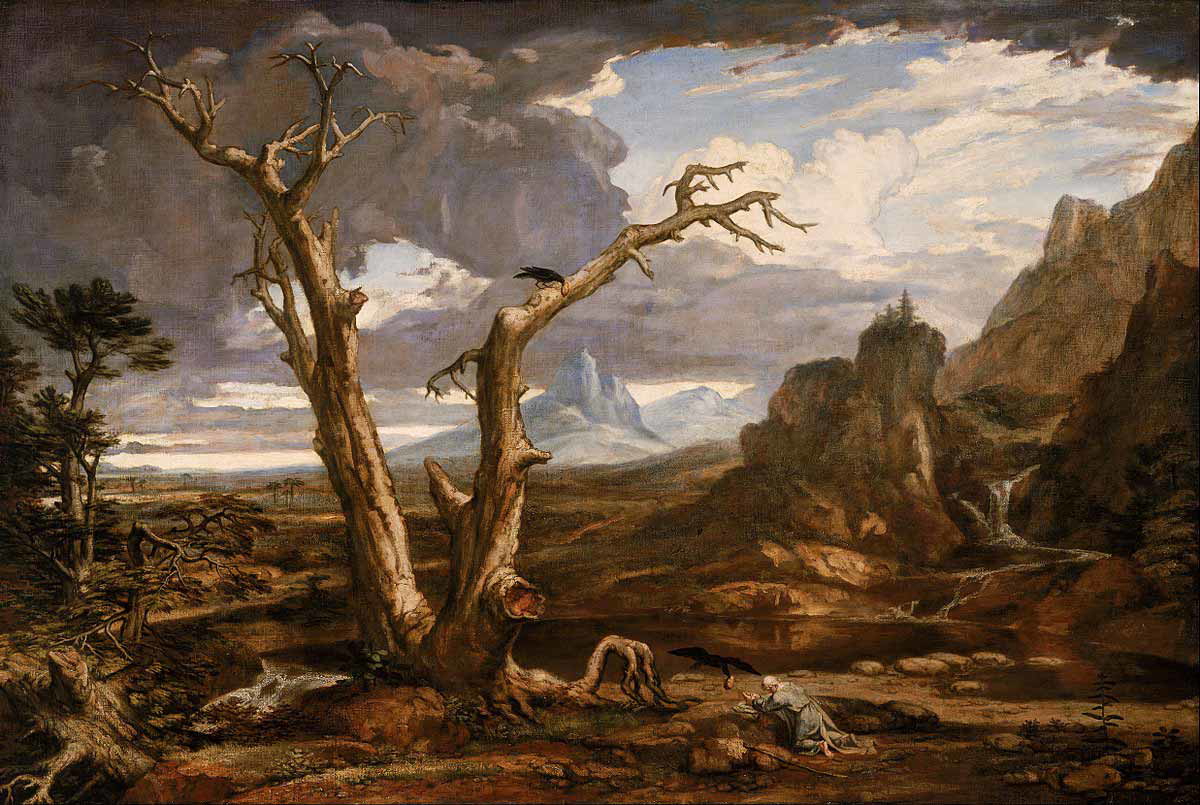
God miraculously provided for Elijah during the ensuing famine, first through ravens and then by a miracle done for a widow and her son so she could sustain herself, her son, and the prophet. Later, Elijah raised her son from death.
Elijah fearlessly opposed King Ahab and Jezebel, knowing the latter had a reputation for slaying many prophets of God in the past. She, with her husband’s approval, worked to establish the worship of Baal among the people. The highlight of Elijah’s ministry was the showdown between him and the prophets of Baal on Mount Carmel. In this epic battle, the priests of Baal cut themselves and pleaded with Baal to show his presence and power, but nothing happened. Elijah mocked them, claiming their god may be asleep and if they yelled louder, they might wake him to get a response.
Elijah, in contrast, poured water over the altar and filled the trench he made around it with water. God lit the doused altar with fire that descended from heaven, revealing his power and might. Elijah had the prophets of Baal taken to the brook Kidron and killed. Jezebel was vexed by Elijah’s bold action against her priests, and he had to flee for his life as the queen swore vengeance.
Ministry of Elisha
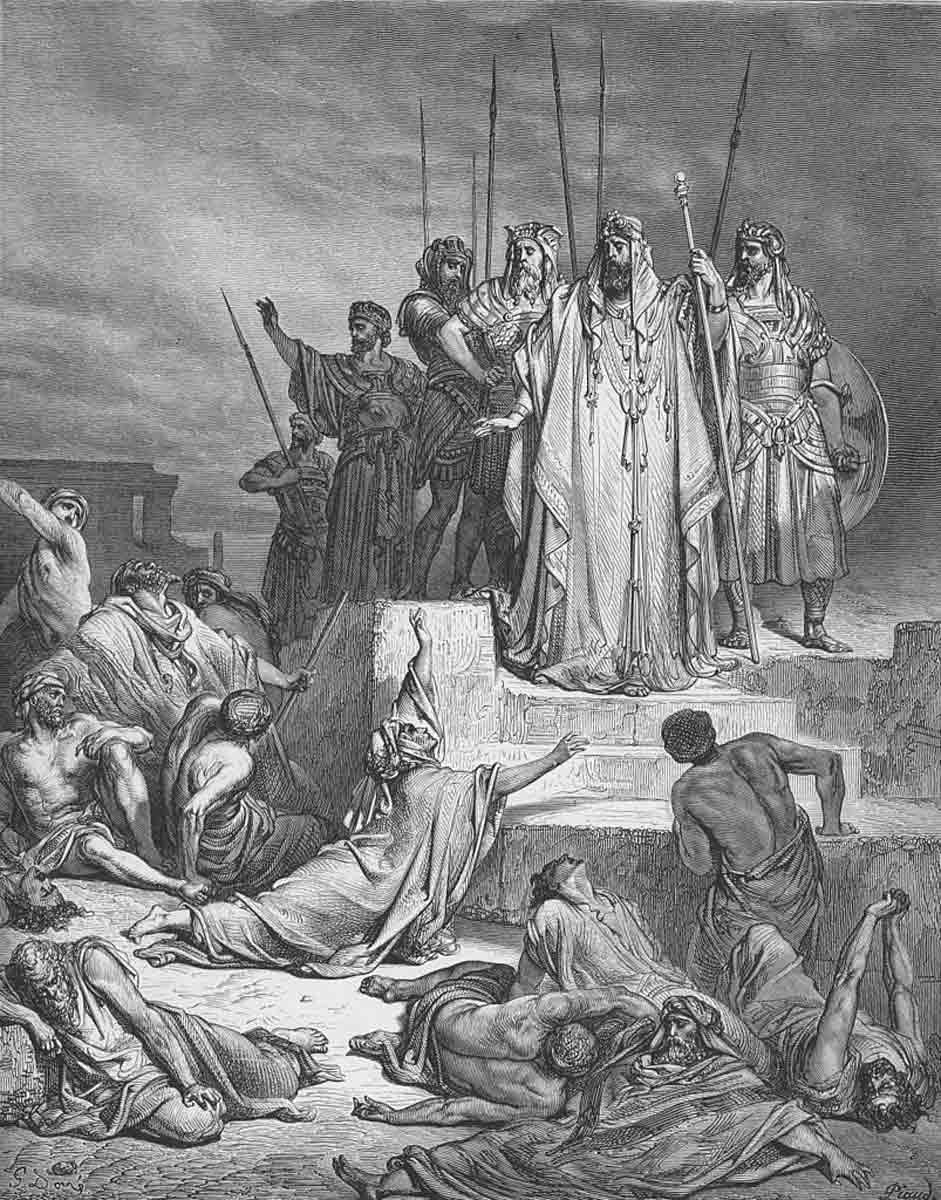
Elisha was a prophet of the people, and many of the miracles he performed touched the lives of common people. One of his first miracles was healing the water of Jericho which was bad and caused miscarriage (2 Kings 2:19-22).
Some of the events Elisha was involved with are surprisingly odd. One example was when young lads mocked Elisha for his baldness. Their words “Go up” alluded to Elijah’s ascent to heaven (which we will discuss shortly) and made a mockery of the power and authority of God. The prophet cursed them and 42 of them were mauled to death by two she-bears (2 Kings 2:23-24).
Another unexpected circumstance for a miracle was when an axe head came loose and fell into the river. The wielder of the axe was distraught because he borrowed the axe to chop down the tree. Elisha promptly cut down a stick from a tree and cast it in the river close to where the axe head fell. The axe head then floated to the surface (2 Kings 6:1-7).
The feeding of 100 men with 20 loaves of bread prefigured Jesus feeding the multitudes. Elisha also performed a miracle by multiplying oil in the widow’s jars (2 Kings 4:1-7).
Though most of Elisha’s miracles impacted individuals, he also had a national impact when he blinded the Syrian army (2 Kings 6:8-23). The Syrian soldiers that were led into Samaria had their lives spared on Elisha’s instruction. Against all odds, Elisha’s words that the city that faced a siege and was in danger of running out of food would have food in abundance within a day, came true when the Syrians fled to everyone’s surprise. The Syrian menace ended after they were treated to a feast instead of being slaughtered.
The Succession Narrative and Symbolism
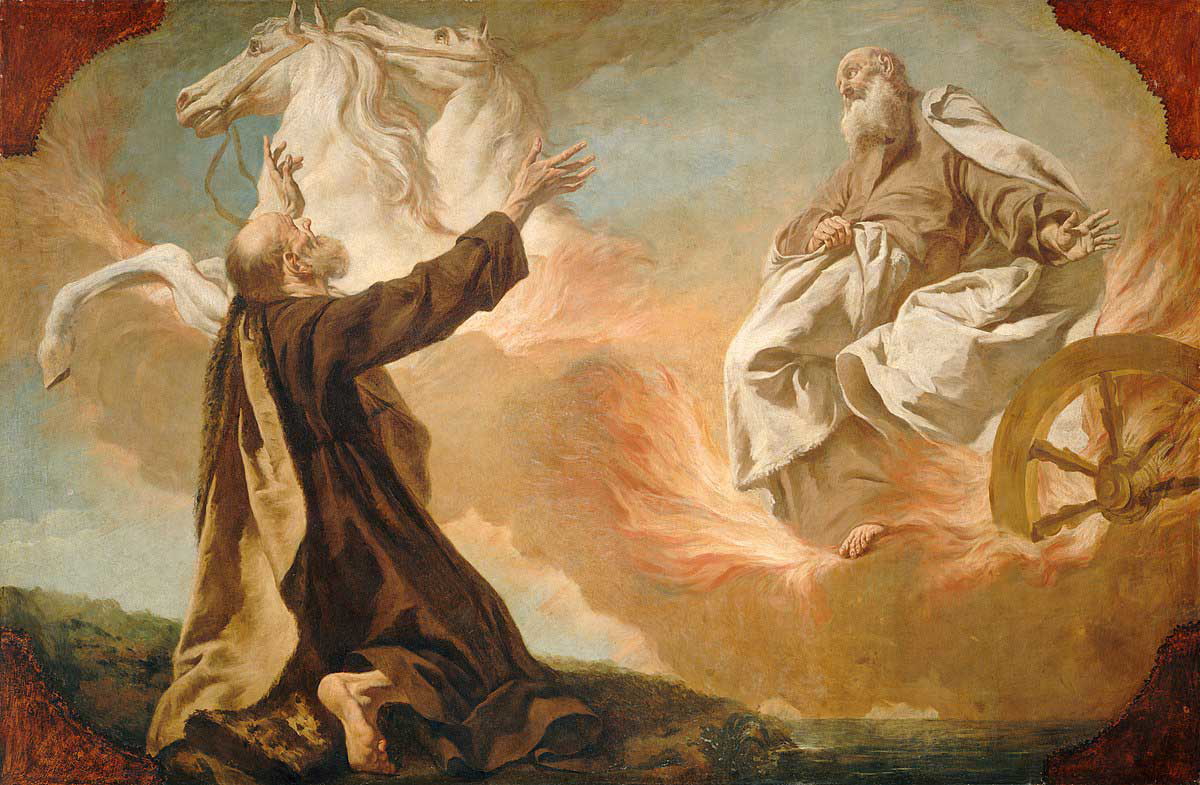
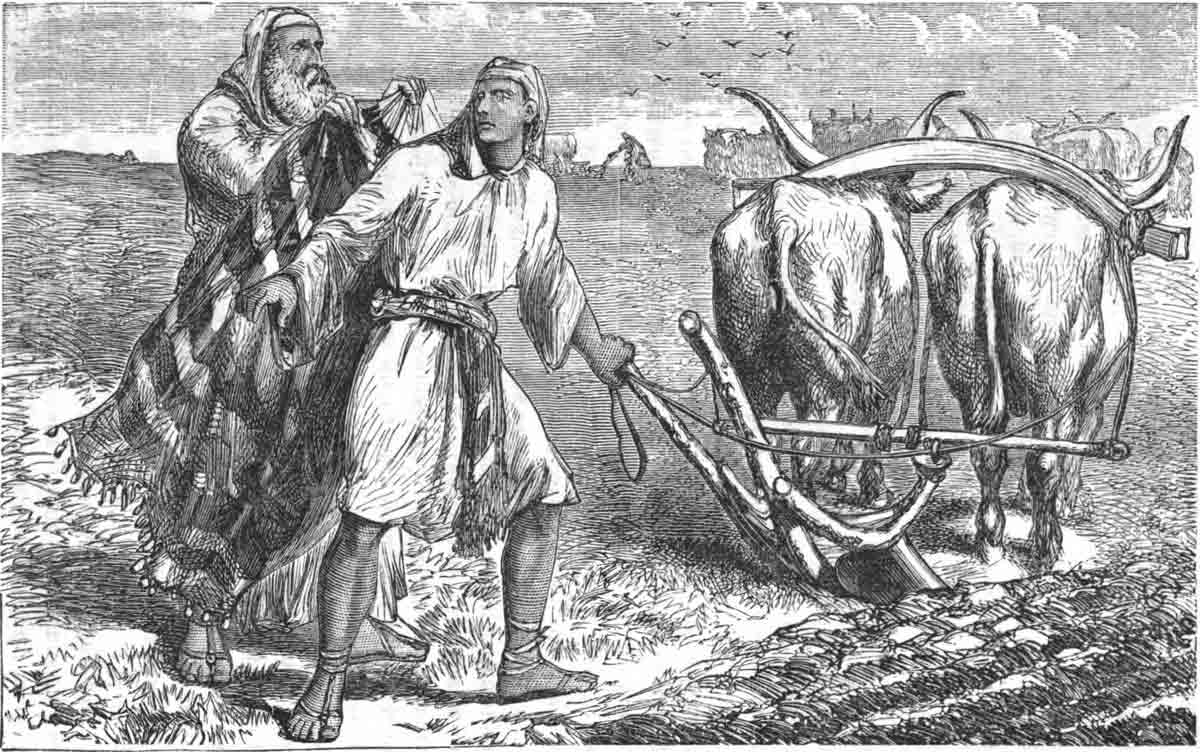
Elijah called Elisha to serve the prophet and learn from him by placing his mantle on the young man as he worked the field with eleven oxen. A prophet’s cloak was much more than a garment. It was a symbol of his calling and authority. By placing his cloak on Elisha, Elijah put the young man under his tutelage and recognized his calling as a prophet.
Elisha seems to have been familiar with prophetic ministry. He accepted Elijah’s call immediately and followed him without question. He was also familiar with the “sons of the prophets” and “school of the prophets” which likely grew from earlier communities of prophets in the time of Samuel (1 Samuel 10:5, 1 Samuel 19:18-24, 2 Kings 2:3-5 and 15, 2 Kings 4:38). Though the Bible does not expressly state that he attended a school of the prophets, he was an apprentice of Elijah and people knew he would take Elija’s place as a prophet (2 Kings 2:3,5 and 15).
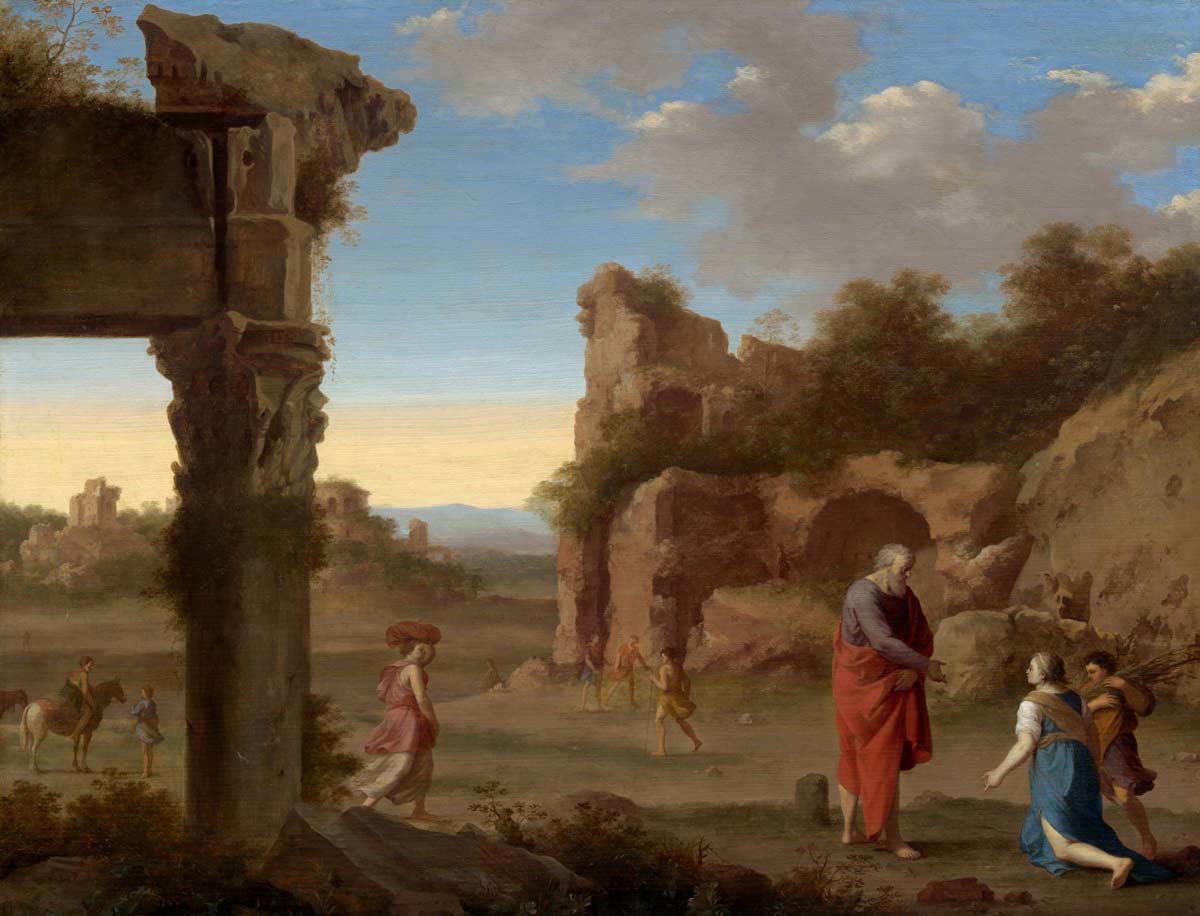
On the day Elijah’s ministry ended, he was with Elisha at the Jordan River and struck the water with his cloak. The water promptly separated, and the two prophets crossed on dry land, reminiscent of Israel’s crossing of the Red Sea (Exodus 14:21-22) and Israel’s entry into Canaan (Joshua 3:16-17). Elijah asked Elisha what he could do for his apprentice before God took him away, to which Elisha answered: “Please let there be a double portion of your spirit on me.” (2 Kings 2:9).
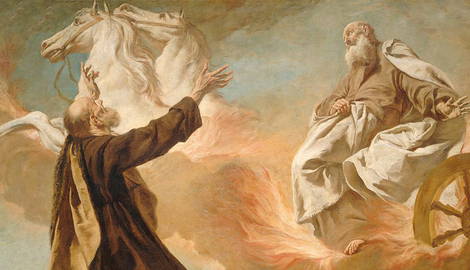
When God took Elijah to heaven in chariots of fire without the prophet dying, Elisha said “My father, my father! The chariots of Israel and its horsemen!” and Elijah’s cloak fell on Elisha. This time the cloak symbolized the transfer of authority and calling, meaning Elisha took the place of his master and had authority as a prophet in his own right.
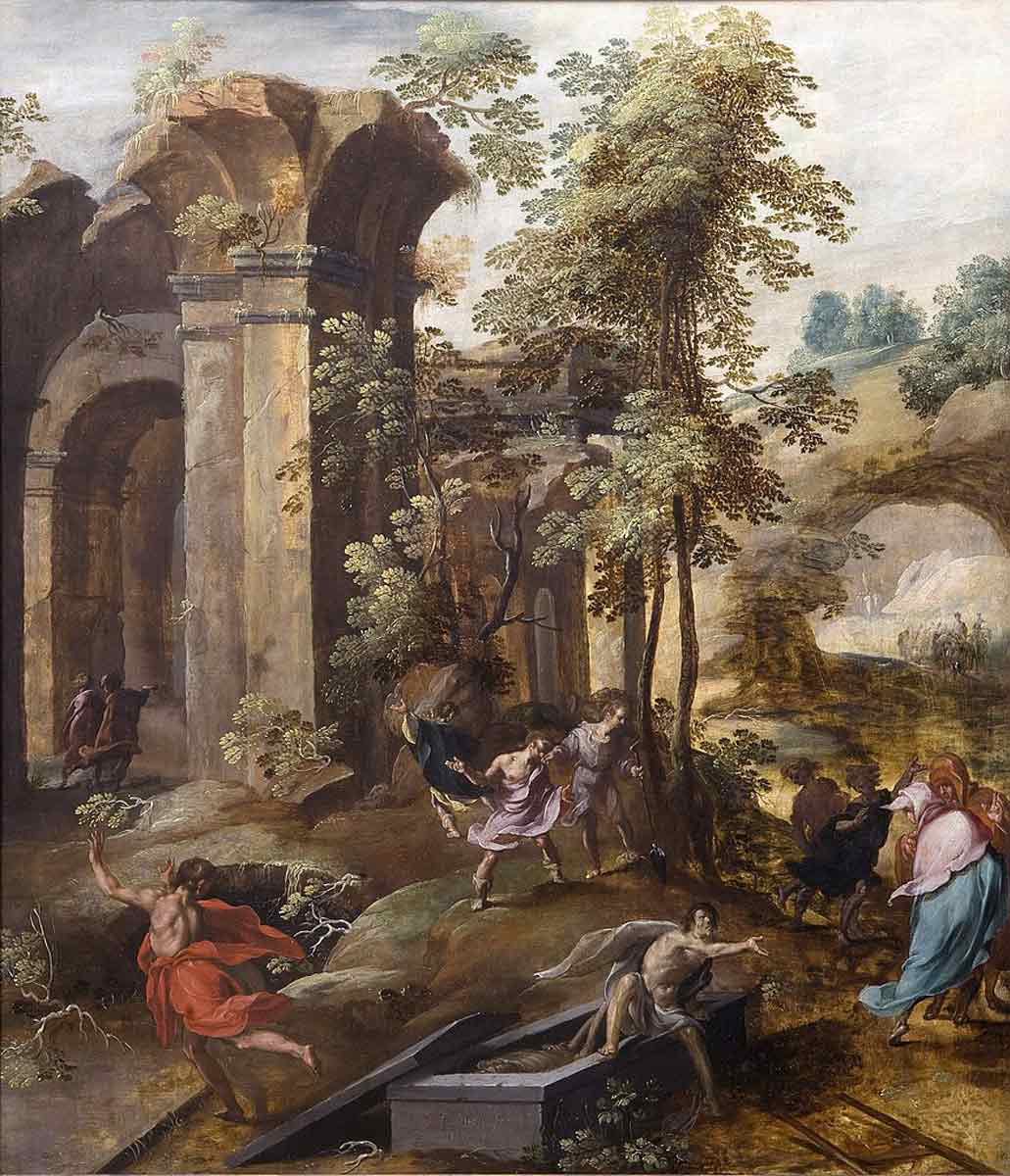
This was confirmed when Elisha took the cloak and struck the water of the Jordan as Elijah had done, and it parted. His ministry resembled that of Elijah. Both separated the water of the Jordan, assisted widows in their need, raised people from the dead, called people back to God, and performed their service to God with unwavering faith and commitment.
On Elisha’s deathbed, the king visited him, repeating the prophet’s utterance when Elijah ascended: “My father, my father! The chariots of Israel and its horsemen!” It showed the respect the king had for Elisha. It reflected the honor and regard Elisha had for Elijah. Elisha was a worthy and deserving successor to Elijah, and his humility during his ministry served as an example to all the prophets that followed afterward.
The succession of Elija and Elisha’s ministries shows that the former was a phenomenal prophet and a remarkable mentor. Elisha, in turn, was a diligent and dedicated student who honored his mentor in word and action after he ascended to heaven.
Both Elijah and Elisha feature in the Bible again after their ministries ended. Elijah appeared with Moses on the mount of transfiguration while a corpse cast into Elisha’s grave was revived when it touched the deceased prophet’s bones.