Eschatology is the study of the “last things,” with Biblical books like Daniel and Revelation featuring prominently in the study of last days events. Many first-generation Christians believed the end of the world would come in their day, but as time progressed, some Biblical authors provided more clarity on what had to happen before the Second Coming. A sense of imminence remained regarding the return of Christ, but significant changes in eschatological views occurred throughout the Christian era. Here is a brief overview of the essential changes that have occurred over time.
Signs and Warnings of the End Times

The synoptic gospels record the Olivet Discourse in Matthew 24-25, Mark 13, and Luke 21. These chapters detail signs and warnings about the end times. Warnings of deception feature prominently (Matthew 24:4, 5, 11, 24), in addition to physical signs, like earthquakes, famines, pestilence, and the “abomination of desolation.” Other signs would be the persecution of the faithful and “wars and rumors of wars” (Matthew 24:6, Mark 13:7, Luke 21:9).
Earthquakes, famines, and pestilence have been part of human history since ancient times. This has led many scholars to posit that a significant increase in these events is likely what the Bible is referring to. Likewise, there has been persecution of Christians from the time of Christ onwards, even by other Christians, throughout Church history. Christian-on-Christian persecution once revolved around differences in doctrinal beliefs. Discord and claims that others are teaching falsehoods appeared so soon after the death and resurrection of Christ that some Biblical authors mention it in their writings. They warned against false prophets who would teach erroneous doctrines. Wars have also raged in almost every generation of the Christian era in one form or another. Some, like the Crusades and wars between Catholics and Protestants, were waged in the name of the Church.
For the most part, almost every generation has believed that they either lived during or shortly before the end times. They took the biblical warnings to be watchful and ready seriously. Let’s consider how this belief manifested during Christian history.
Eschatological Expectations in New Testament Times
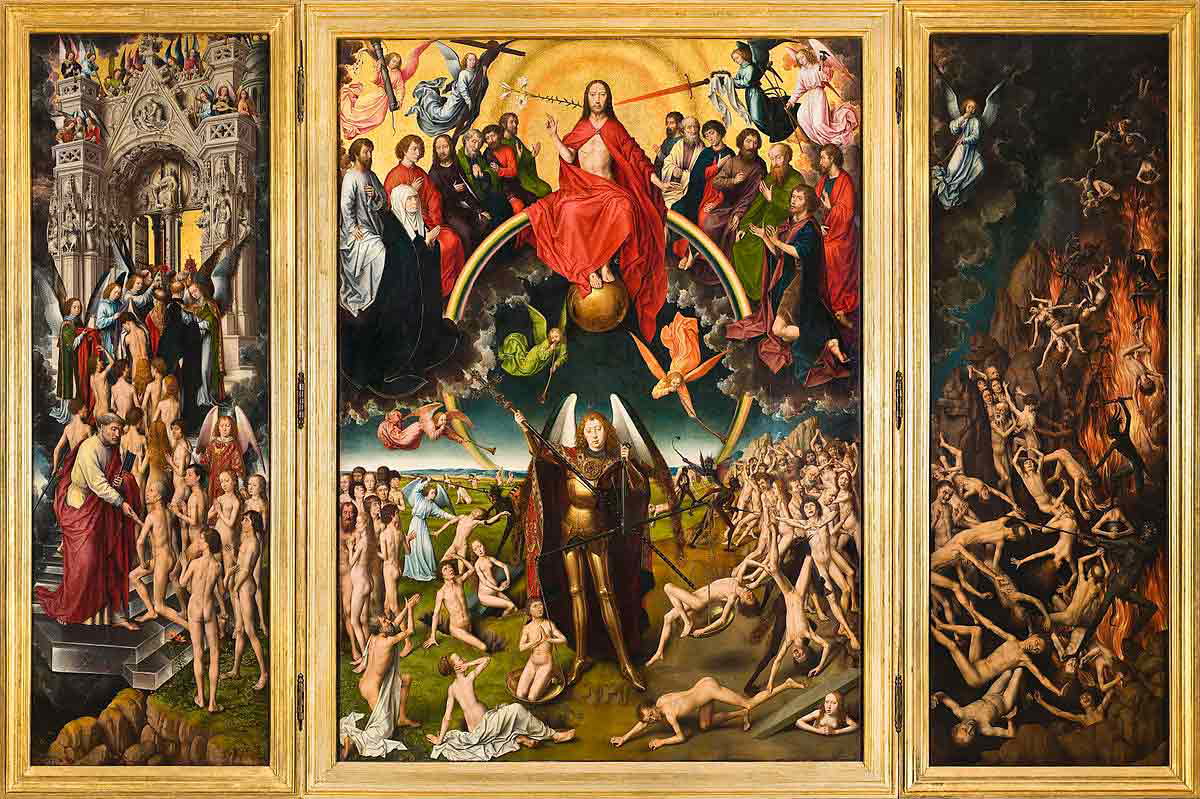
The three synoptic gospels all record the narrative of the fig tree, in which Jesus says: “Truly, I say to you, this generation will not pass away until all these things take place.” Several authors of the New Testament epistles indicate that they believed they were living in the last days. “Your gold and silver have corroded, and their corrosion will be evidence against you and will eat your flesh like fire. You have laid up treasure in the last days” (James 5:3). “The end of all things is at hand; therefore be self-controlled and sober-minded for the sake of your prayers” (1 Peter 4:7). “Children, it is the last hour, and as you have heard that antichrist is coming, so now many antichrists have come. Therefore we know that it is the last hour” (1 John 2:18).
These verses all indicate that the Apostles believed that Jesus would return in their lifetime. Paul also believed it was likely that Christ would return in his day, though he knew the Antichrist, known by several titles, had to appear first.
“Now concerning the coming of our Lord Jesus Christ and our being gathered together to him, we ask you, brothers, not to be quickly shaken in mind or alarmed, either by a spirit or a spoken word, or a letter seeming to be from us, to the effect that the day of the Lord has come. Let no one deceive you in any way. For that day will not come, unless the rebellion comes first, and the man of lawlessness is revealed, the son of destruction, who opposes and exalts himself against every so-called god or object of worship, so that he takes his seat in the temple of God, proclaiming himself to be God.” (2 Th 2:1-4)
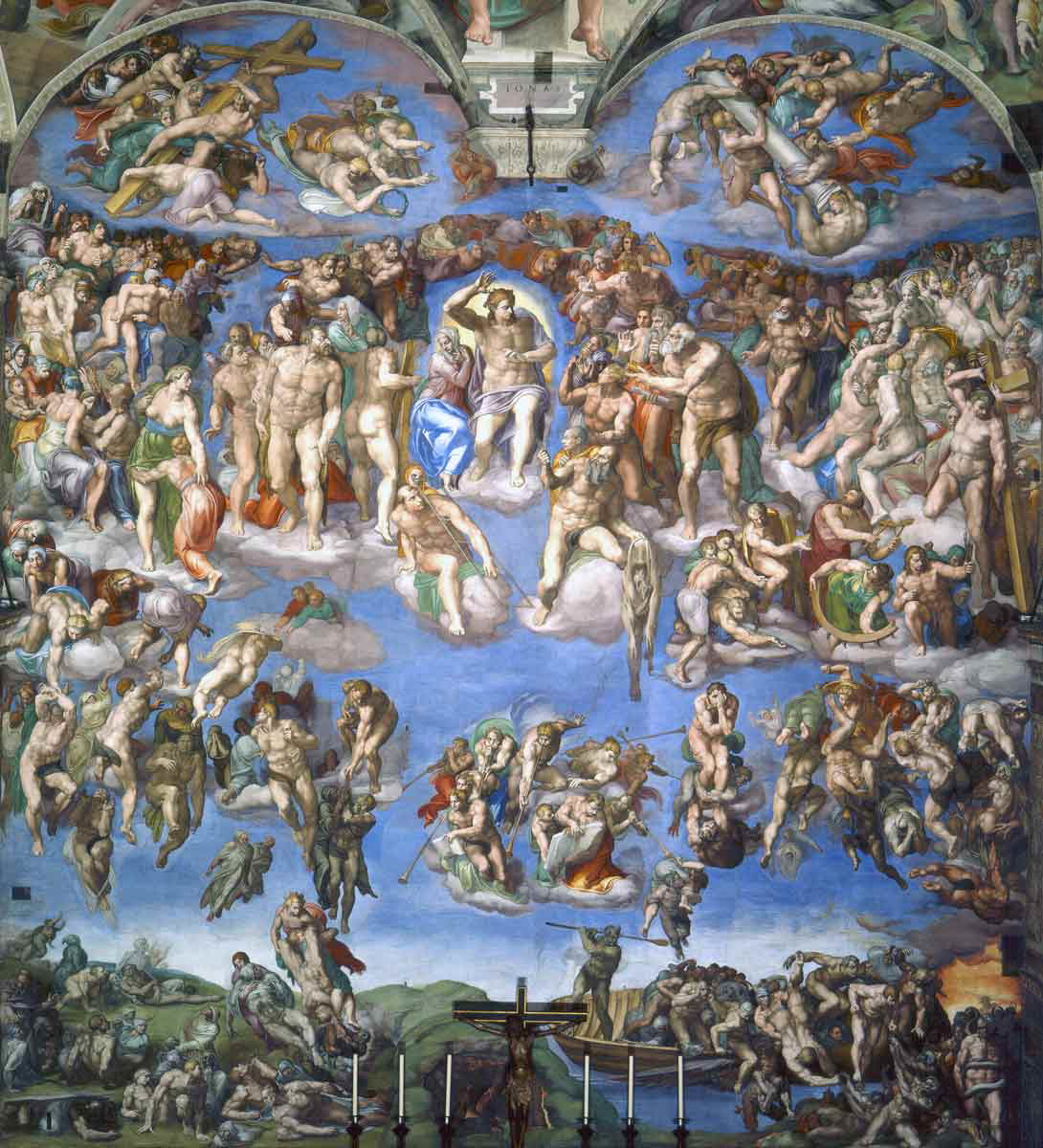
Paul pointed out that the belief in Christ’s imminent return was erroneous. To Paul, the belief that Christ’s return would precede the revealing of the man of sin, or Antichrist, was part of the deception Christians had to be aware of in the end times. He may have believed it would happen in his day, but he assured his readers that certain events had to happen first. Even in the 1st century, some believers grew impatient because the return of Jesus had not occurred yet. The sentiment resulted in alternative interpretations of apocalyptic texts in the centuries that followed.
The End Time Throughout Church History
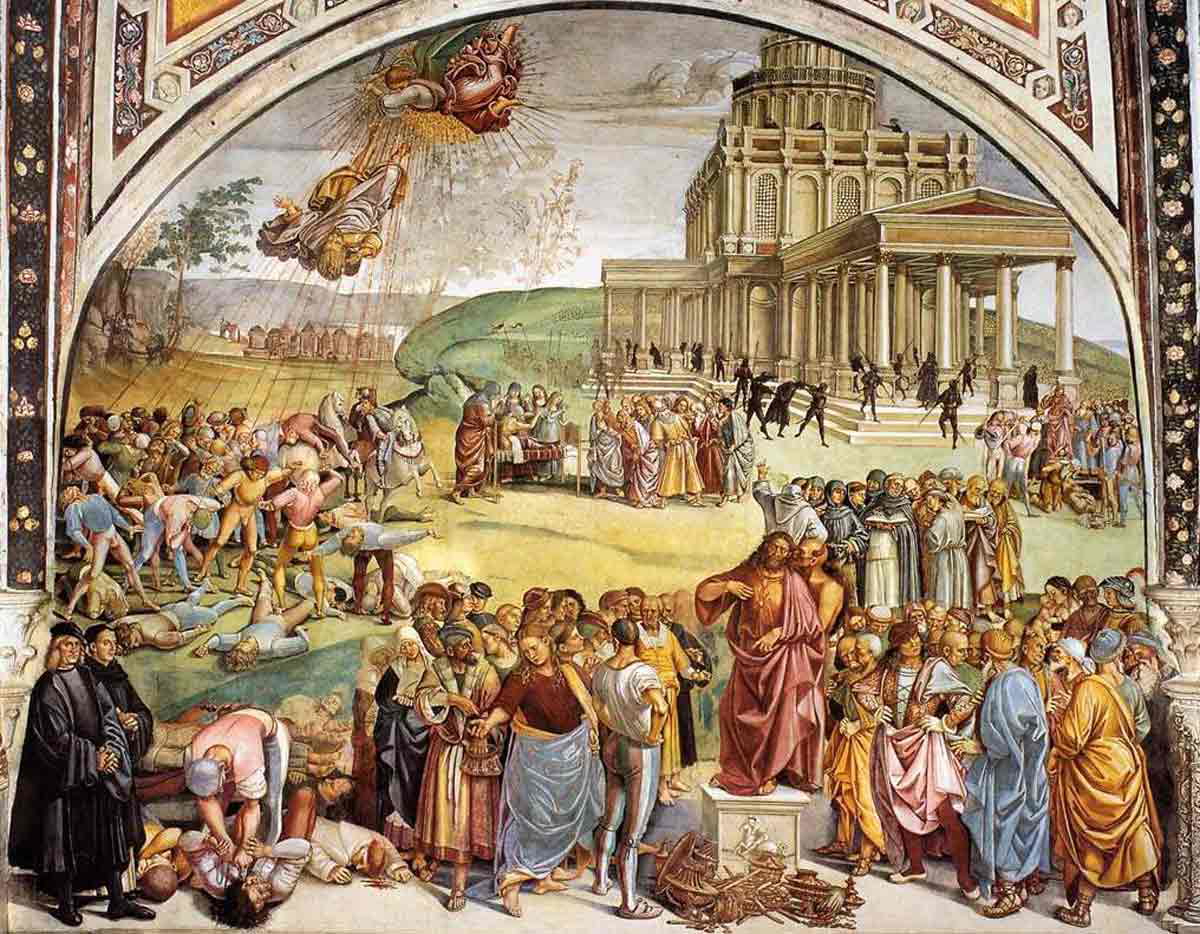
Since the expectation of an imminent return of Christ was not realized, divergent interpretations of the biblical narratives on end-time events developed. Irenaeus held to a literal interpretation of the millennium mentioned in Revelation 20. Origen favored an allegorical interpretation, believing the end times were a spiritual transformation. Augustine argued that the millennium was symbolic, representing the Church age, a view scholars call amillennialism.
During the Dark Ages, various plagues and natural phenomena mentioned in the Bible in connection with the last days sparked renewed expectations that the end of time was at hand. The low level of literacy and limited access to Bibles left the majority of believers dependent on interpretations by the Church.
The Reformation saw many scholars identify the Papacy as the Antichrist. The view fueled apocalyptic expectations because the man of sin, who had to reveal himself before the Second Coming, had now appeared on the scene. John Calvin called for cool heads to prevail as he considered past unfulfilled expectations. He warned against speculative date-setting.
Apocalyptic fervor, however, breached all reason in some ranks. Among the Anabaptists, the Münster Rebellion (1534-1535) sought to establish a theocratic state under the leadership of Jan Matthys and later Jan van Leiden. They attempted to establish a “New Jerusalem” and restore apostolic Christianity in expectation of Christ’s return. The rebellion was suppressed by Catholic and Lutheran forces.

With the development of Dispensationalism in the 1800s, particularly the secret rapture doctrine, which became popular among Evangelicals, beliefs on last-day events changed. They believed the saints would not experience the “Great Tribulation” because they would be with God for seven years as some last-day events occurred on Earth.
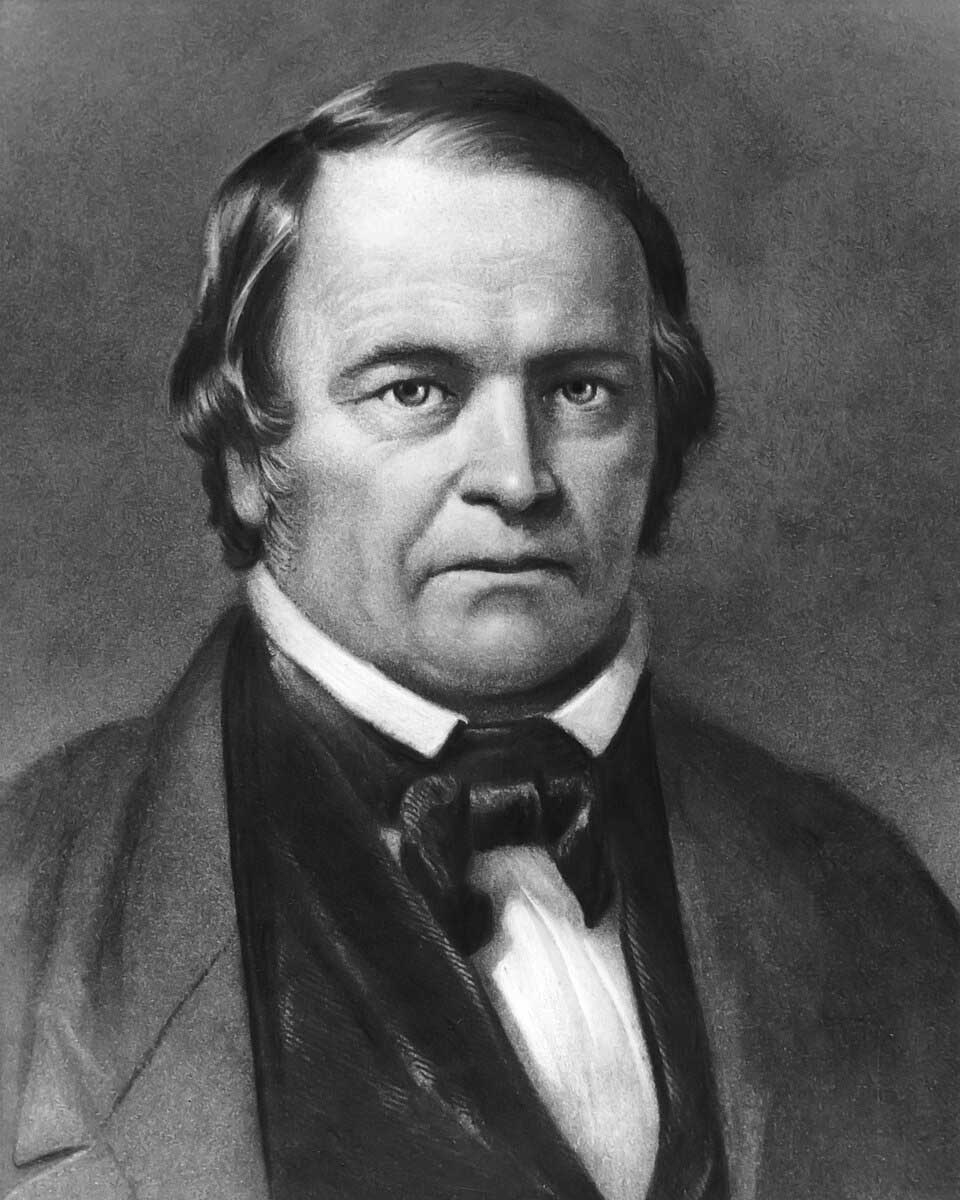
Still, the expectation of the return of Christ remained. William Miller’s study of the 2,300 evenings and mornings of Daniel 8:14 led him and his followers to believe Jesus would return to earth on October 22, 1844, after he proposed other dates in 1843 and 1844. It resulted in the Great Disappointment when those who were part of the Millerite Movement did not see their expectations realized.
Many evangelists and pastors preached that the expected signs of increased earthquakes and natural disasters have been coming to fruition over the last century. Modern technology used to measure, track, and record natural disasters, and instantaneous global communication could also explain these increases in awareness about them. The monitoring of global conflicts by organizations like the United Nations and US involvement, be it direct or indirect, has also raised awareness or “wars and rumors of wars” (Matthew 24:6, Mark 13:7, Luke 21:9), causing many to believe that, more than any period in the Christian era, we live in the end times.
End Times: In Conclusion
Throughout Christian history, most generations have believed they were living shortly before the return of Christ, and therefore, in the last days. The first generation of Christians thought they lived in the last days and expected the imminent return of Christ. Paul wrote that the Antichrist had to be revealed before the Second Coming, but still believed it would be in his day.
Among the Church Fathers, several interpretations of last-day events developed in answer to the unfulfilled expectations they and prior generations had. During the Reformation, with its identification of the Antichrist and persecution of believers, renewed belief that they were living in the last days flared up. Later, the Millerites also believed they were the last generation, which resulted in the Great Disappointment. Today, the idea of an imminent secret rapture dominates the Evangelical view of last-day events, particularly in the US.
Many non-believers scoff at the hope that Christians hold that Jesus will return soon. On this matter, Peter wrote: “They will say, ‘Where is the promise of his coming? For ever since the fathers fell asleep, all things are continuing as they were from the beginning of creation,’” and “The Lord is not slow to fulfill his promise as some count slowness, but is patient toward you, not wishing that any should perish, but that all should reach repentance.” (2 Peter 3:9). The Christian belief in the last days is a source of hope and encouragement in the face of trials and tribulations, as it has been throughout the Church era.