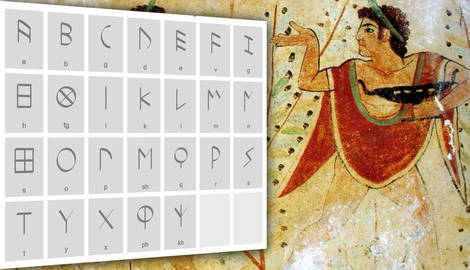
According to many ancient sources, the Etruscans of Italy originally came from western Anatolia, but evidence now suggests that they could have been native to Italy. One of the most telling pieces of evidence in this mystery is the Etruscan alphabet. What did the Etruscan alphabet look like, and what does it indicate about the origins of the Etruscan people?
Ancient Alphabets: Phoenician, Greek & Etruscan
What Does the Etruscan Alphabet Look Like?
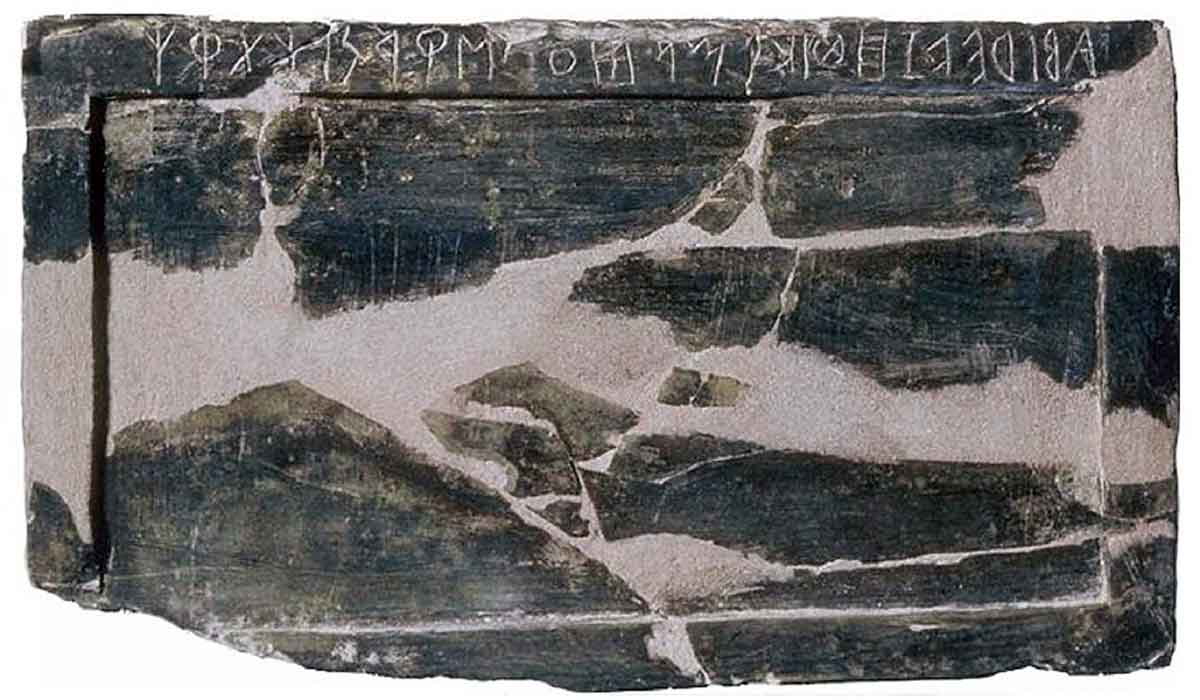
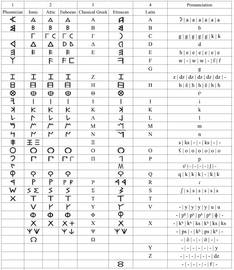
The Etruscan alphabet was an adaptation of the ancient Greek alphabet. Ancient Etruscan and Greek inscriptions look almost identical when compared. But there are some important differences. For example, many of the letters in the Etruscan alphabet are inverted versions of their Greek counterparts. Also, as time went on, the two alphabets grew increasingly dissimilar.
Nevertheless, the crucial fact is that the Etruscan alphabet is an adapted version of the Greek alphabet. The earliest Greek inscriptions date to the 9th century BCE, while the earliest Etruscan inscriptions date to c. 700 BCE. Therefore, it is clear that the Etruscans got it from the Greeks rather than the other way around. Based on this evidence, most scholars believe that the Etruscans in Italy adopted this alphabet through their contact with the Greeks, which was primarily through trade.
Etruscan Inscriptions From Lemnos
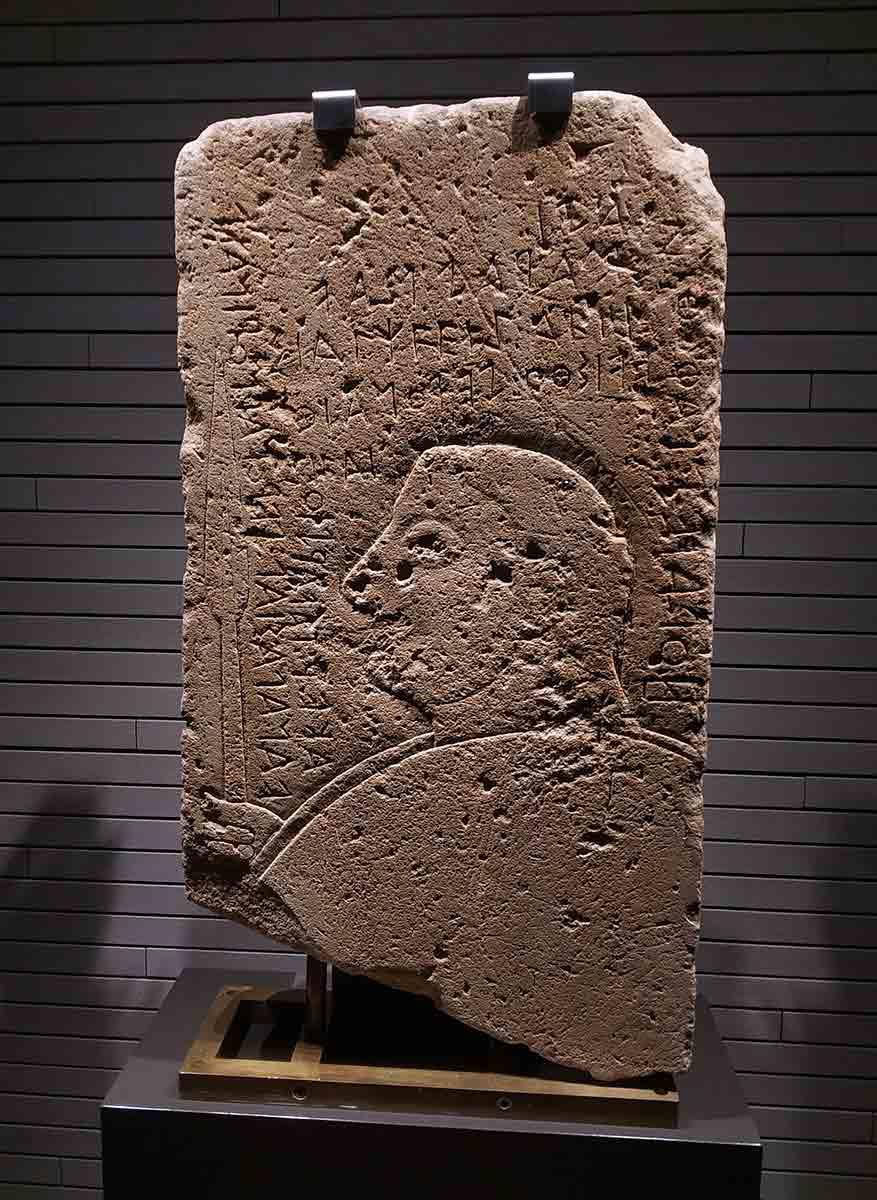
How does this alphabetic evidence relate to the theory that the Etruscans were originally from Anatolia? One of the pieces of evidence used to support the Anatolian origin legend is an inscription found on Lemnos. Dated to the 6th century BCE, it is written in a script virtually identical to the Etruscan alphabet. The language, likewise, is little more than a unique dialect of Etruscan. Sybille Haynes, an expert on the Etruscans, remarked that the community on Lemnos likely separated from the Etruscans several generations before the inscription was made, hence accommodating the unique dialect.
This would place the separation of Lemos from the other Etruscans in c. 700 BCE, the start of the Orientalizing Period of Etruscan history. This is when we see profound oriental influence flooding into Etruria. Since Lemnos is right next to western Anatolia, many scholars have seen this as evidence that the Etruscans—or an Anatolian group who went on to form the elite class in Etruria—came from that area in c. 700 BCE.
An Anatolian Alphabet?

The problem is that this argument would only work if we conclude that the Etruscans were already using their alphabet prior to their arrival in Italy. Otherwise, the community on Lemnos would have had to have been founded by Etruscans travelling from Italy, making it meaningless as evidence for their Anatolian origin.
Is there any way that the Etruscans could have been using a form of the Greek alphabet while they were still in Anatolia? Possibly. They could have adopted it from the Greeks indirectly, through the Phrygians. The Phrygians were a powerful nation in western Anatolia in the 8th century BCE. In that same century, they adopted the Greek alphabet. Much of the oriental influence in Etruria from c. 700 BCE onwards can be traced back to Phrygia, such as certain monumental tomb designs. Hence, perhaps the Etruscan alphabet could be nothing more than an adapted version of the Phrygian alphabet.
Alternatively, the Etruscans could have gotten it directly from the Greeks while in Anatolia, since there were already many Greek settlements in western Anatolia during the 8th century BCE.
Origins of the Etruscans & Their Alphabet
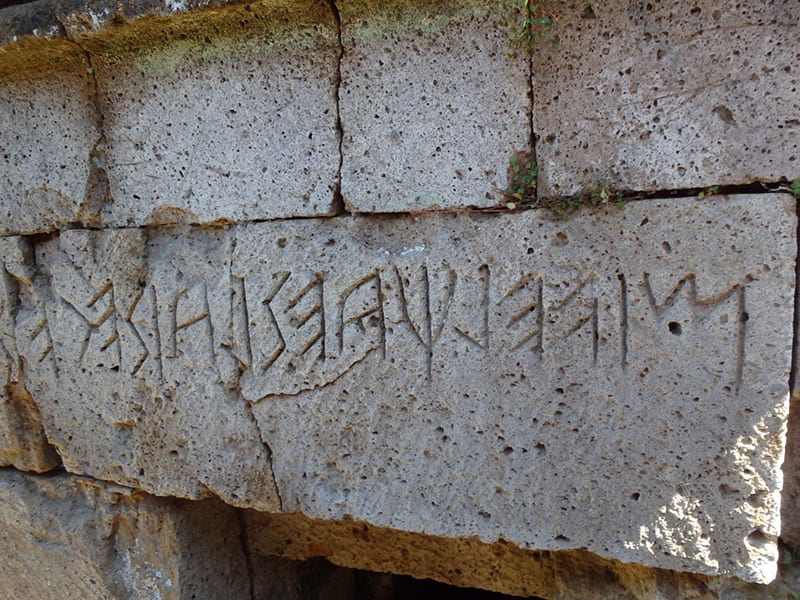
So what does the Etruscan alphabet indicate about the origins of the Etruscans? Were they from Anatolia or native Italians? The Etruscan alphabet could have been borrowed from Greece by the Italian native Etruscans, but an Anatolian origin is probably a better fit. According to this theory, the Etruscans, or those who went on to become their elite class, were living in an area of Anatolia in which the alphabet was already used. The Greeks of western Anatolia used it, and the Phrygians in that same region also used a version of it. If the Etruscans came from that area, it would have only been natural for them to adopt it too. This is slightly more convincing than the native Italians adopting the alphabet at a distance through trade. However, it is still possible, after all, the Greeks themselves adopted the Phoenician alphabet this way.