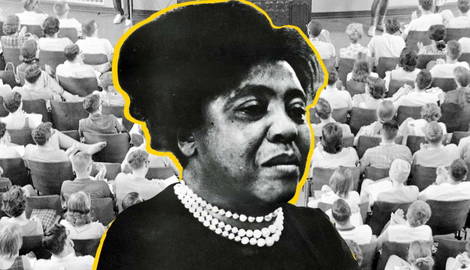
Fannie Lou Hamer was one of the Civil Rights Movement’s most influential figures. Born in rural Mississippi, she faced severe poverty and discrimination. Hamer was determined to secure voting rights for Black Americans, co-founding the Mississippi Freedom Democratic Party. She risked her life organizing voter registration drives and speaking out against oppression. Although she passed away in 1977, her tireless efforts in the fight for equality continue to inspire generations.
1. She Was the Youngest of 20 Children
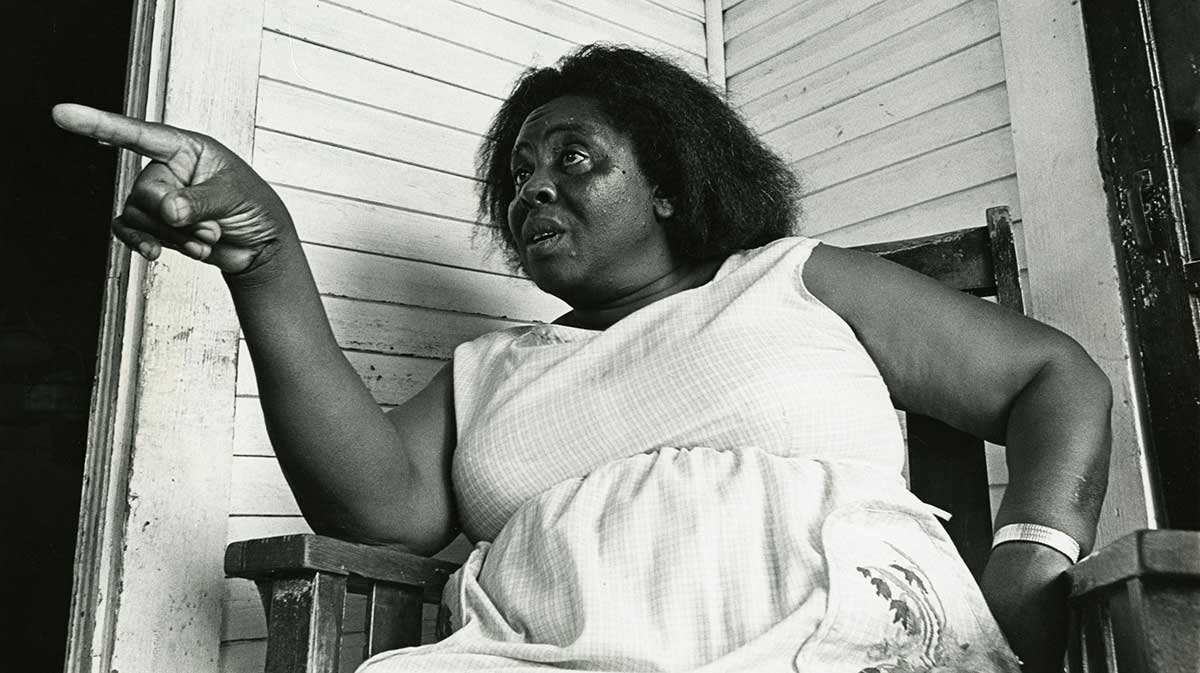
Fannie Lou Hamer was born on October 16, 1917, in Montgomery County, Mississippi. Hamer was the last of 20 children born to James and Lou Ella Townsend. From a very early age, Hamer worked with her family on W.D. Marlow’s plantation in Rueville, Mississippi, in a process known as sharecropping. This system kept Hamer and her family in poverty as her father “rented” a portion of Marlow’s plantation to farm. Plantation owners provided everything needed for the sharecropper in return for a portion of their crop. Unfortunately, the interest was high enough that sharecroppers often found themselves in debt year after year, as was the case with Hamer’s family.
Hamer was a strong student and was said to have a strong grasp of reading and writing. However, after the third grade, Hamer needed to spend more time at home planting and picking the cotton crop. This meant that she no longer could attend school. Hamer continued to educate herself outside of the classroom. During the day, Hamer picked roughly 200 pounds of cotton despite suffering from polio, and at night, she read the bible and other books to continue her education.
2. She Survived a Forced Sterilization
As the years progressed, Hamer remained on the Marlow plantation as a sharecropper. In 1944, Marlow discovered Hamer had a basic grasp of reading and writing. Following this discovery, Hamer was removed from picking cotton in the field and made the records keeper for the entire plantation. The next year, she met and later married Perry “Pap” Hamer, who also worked on the Marlow plantation as a tractor driver. The two married and would continue to live on the Marlow plantation for the next 18 years.
Like many other couples, the Hamers wanted to start a family. Unfortunately, in 1961, Hamer had her reproductive organs removed against her will. Hamer had gone to the doctor to have a tumor removed in her uterus. Like many others before and after, Hamer fell victim to forced sterilization, a common practice by white doctors in Mississippi at the time to prevent African Americans from reproducing.
Despite this, the Hamers would go on to adopt four children. One of those children, Dorothy Jean Hamer, died at the age of 22 from internal bleeding. Dorothy Jean was taken to the hospital but was refused to be seen due to the work her mother was doing for Civil Rights.
3. She Faced Violence for Simply Trying to Vote
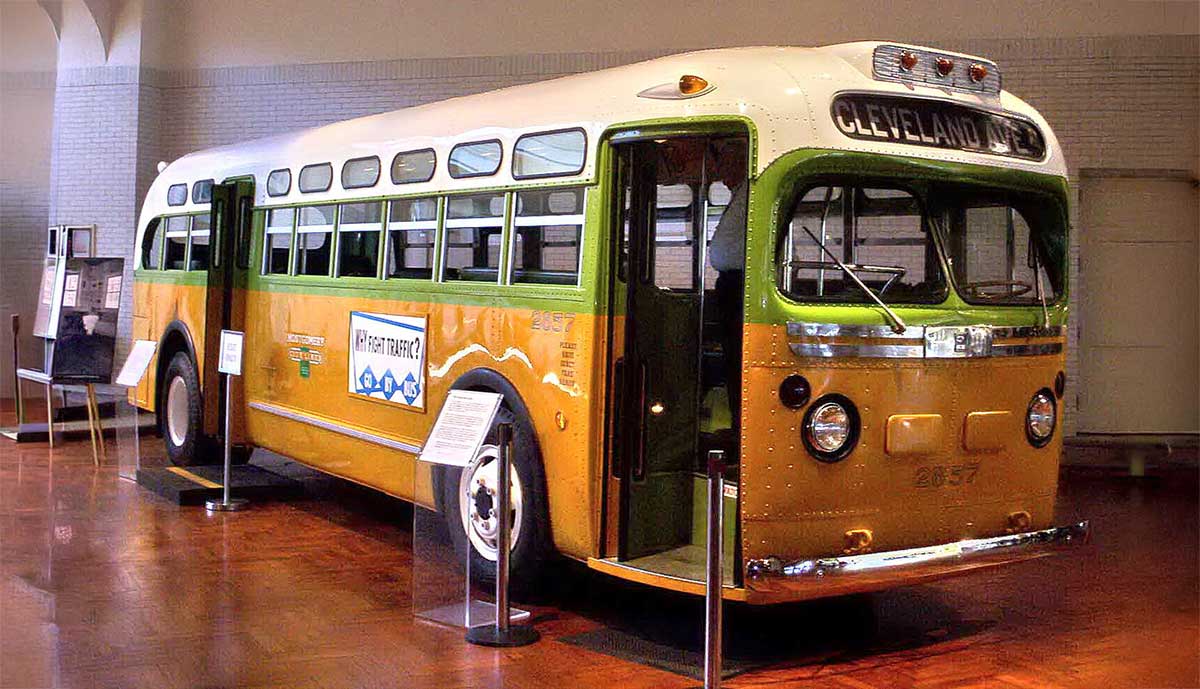
By 1962, Fannie Lou Hamer felt that registering to vote was the next step in her journey for equality. Determined to see it through, she boarded a bus alongside other Black Mississippians headed to the county courthouse. When they arrived, Hamer and a few others were able to pass all the barriers government officials had put in place to prevent African Americans from registering to vote. As they began the journey back home, local police stopped the bus as an intimidation tactic for what those on board had done.
When Hamer returned home, news had already reached Marlow that Hamer had attempted to register. Marlow immediately fired Hamer and evicted her from the only home she had ever known.
The worst violence she would face came a year later. On another trip promoting voter registration, Hamer was arrested in Winona, Mississippi. In jail, she faced a brutal beating at the hands of the officers, leaving her with permanent injuries.
For the remainder of her life, Hamer was partially blind in one eye and had damage to a lung and a kidney. As Hamer sat in the jail cell that evening, suffering from her injuries, the jailer’s wife stepped in, offering her a cup of water and saying she couldn’t stand to see another human treated so cruelly. Even after her immense suffering at the hands of the woman’s husband, Hamer showed compassion to her.
4. She Co-Founded the Mississippi Freedom Democratic Party
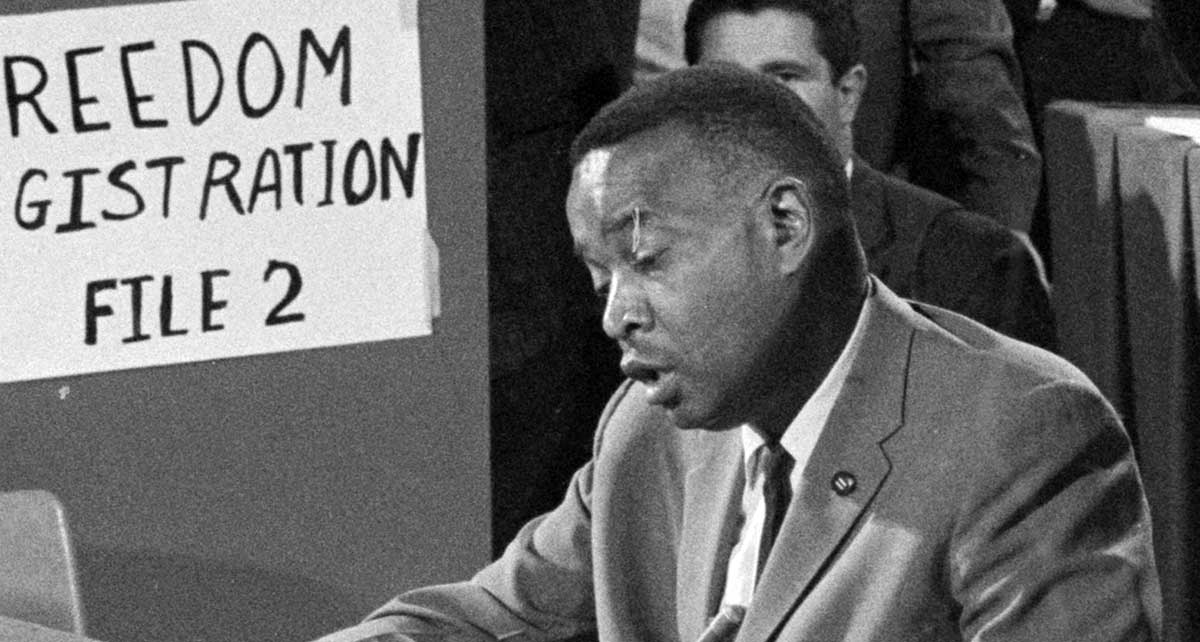
By 1964, Hamer had made a significant name for herself in the Civil Rights Movement. Alongside others, Hamer co-founded the Mississippi Freedom Democratic Party (MFDP). Hamer and other Civil Rights workers felt the Democratic Party did not have their best interests in mind when it came to local and national elections. Together, they organized grassroots campaigns, held their own conventions, and collected testimonies from Black citizens who had been shut out of the voting process.
The MFDP’s efforts climaxed at the 1964 Democratic National Convention in Atlantic City. Here, Hamer delivered a powerful televised testimony detailing the cruelty she faced in Mississippi over the course of her life from forced sterilization to being beaten for nothing more than attempting to register to vote.
“Is this America” is Hamer’s most famous speech and includes the phrase “I am sick and tired of being sick and tired.” This quote sums up the African American experience in the South during this era.
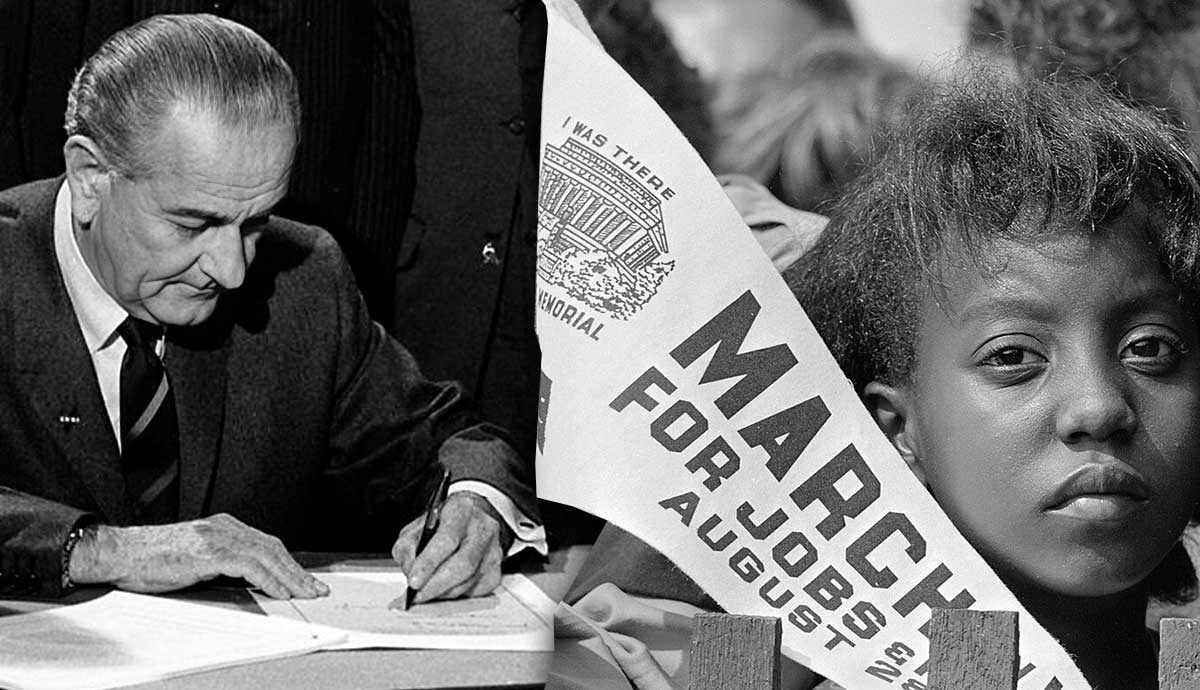
As Hamer spoke, President Lyndon B. Johnson quickly called a press conference during her speech in an attempt to limit the number of news stations that televised her speech. While this worked at the moment, news outlets broadcasted Hamer’s speech later in the evening and in the coming days. The work of the MFDP during its short existence paved the way for the monumental Civil Rights legislation of the coming years.
5. She Ran For Congress
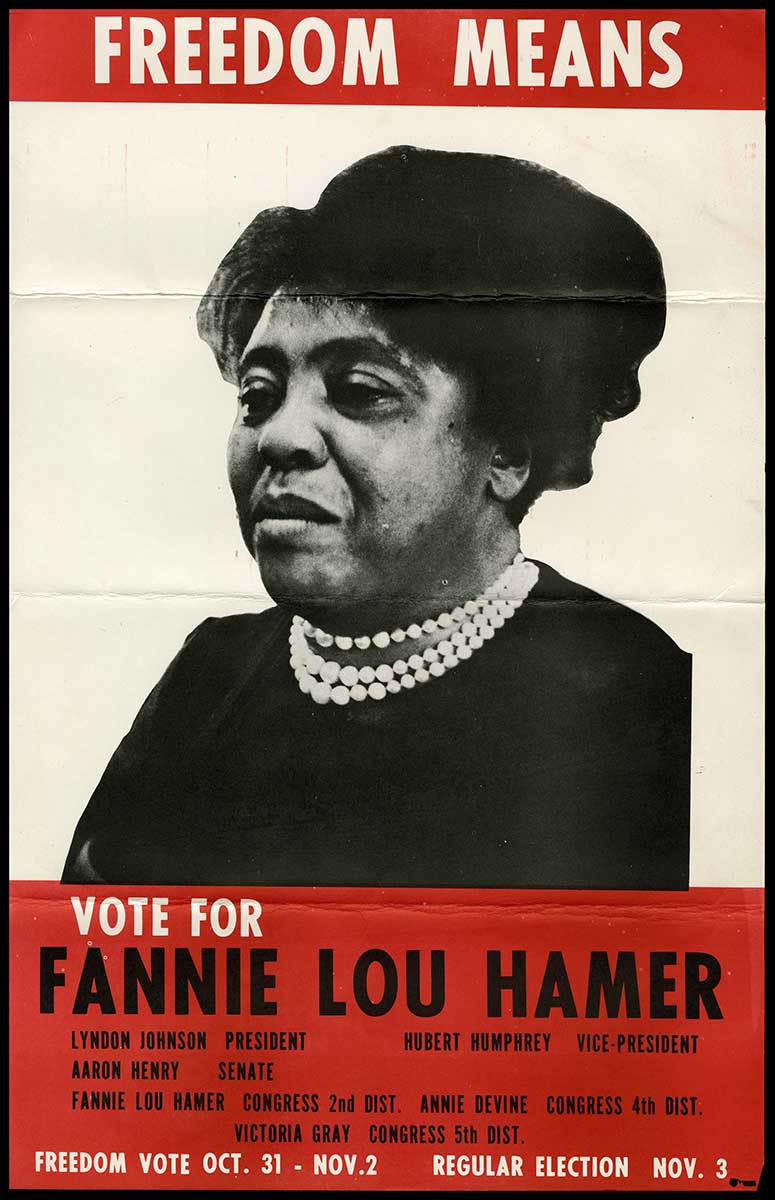
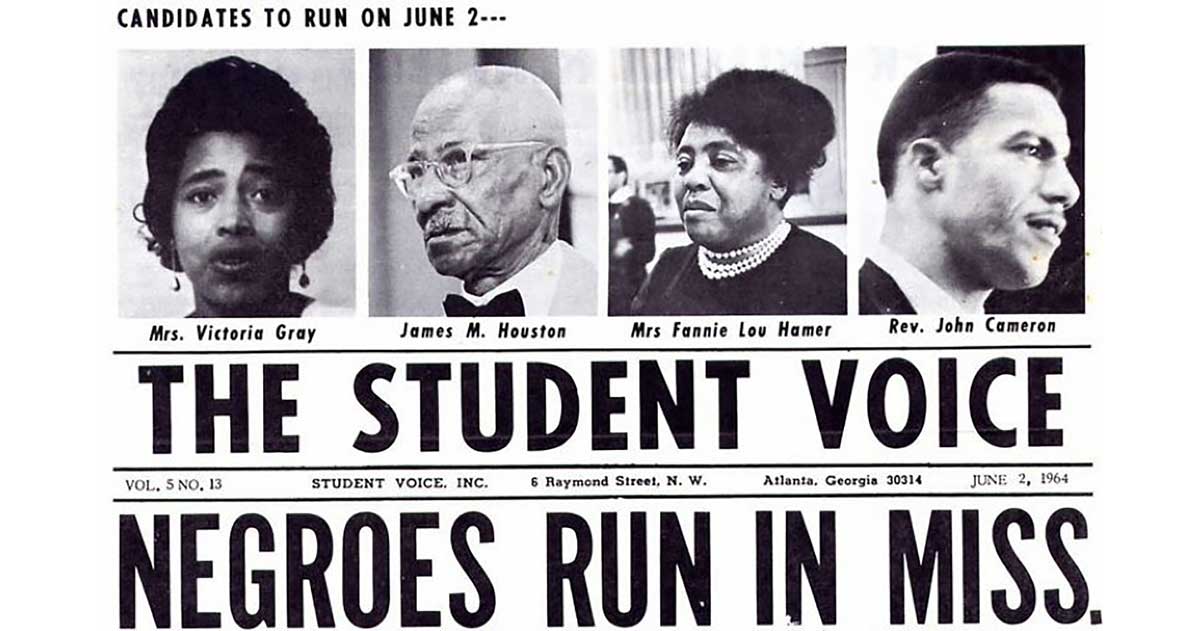
Having co-created the Mississippi Freedom Democratic Party, Hamer decided to run for Congress. Campaigning in Mississippi during that era was not easy, for a Black woman. It took a woman like Hamer with a fierce determination to do the unthinkable.
Despite only having a third-grade education, Hamer’s efforts energized her neighbors and showed them that political power could be accessible to everyone. Though she didn’t win, her run for office sent a clear message that women, especially Black women, belonged in political office.
Even in defeat, Hamer’s bold step reshaped the conversation on political representation, paving the way for future women to do the unthinkable in the political arena, such as Shirley Chisolm who became the first Black woman elected to Congress in 1968.
6. She Used Music to Inspire Action
Music has been a foundational part of the African American experience. Slaves often sang in the fields to pass the time and used the words as code to pass along information to those who planned on escaping. The African American church is built upon gospel songs, and blues music was created by African Americans to deal with the harsh conditions of the Jim Crow Era.
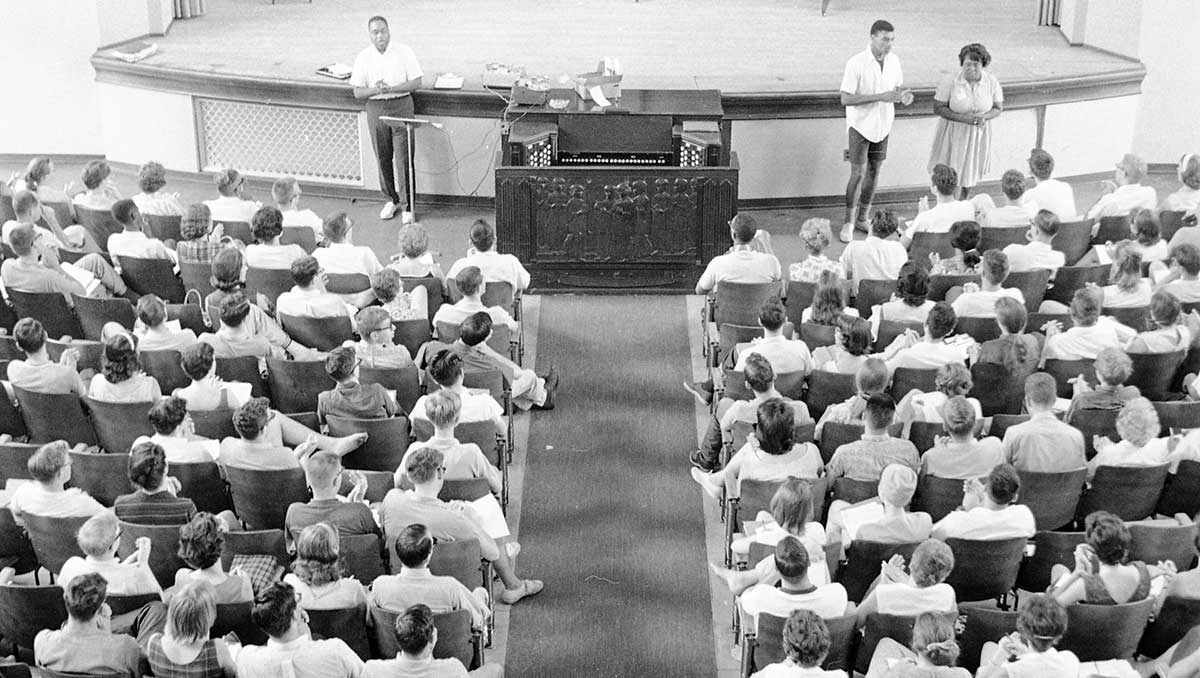
Hamer was known to have a loud and boisterous singing voice and she realized that music could be used to inspire action. No matter the location, before the speakers began, Hamer would strike up a familiar freedom song. Before long, the room would fill with voices echoing her call for justice. This collective energy built a sense of unity that went far beyond the music. Hamer’s songs turned everyday gatherings into powerful statements, reminding everyone that courage and hope could outlast the oppression they faced in their daily lives.
7. She Continues to Inspire Others
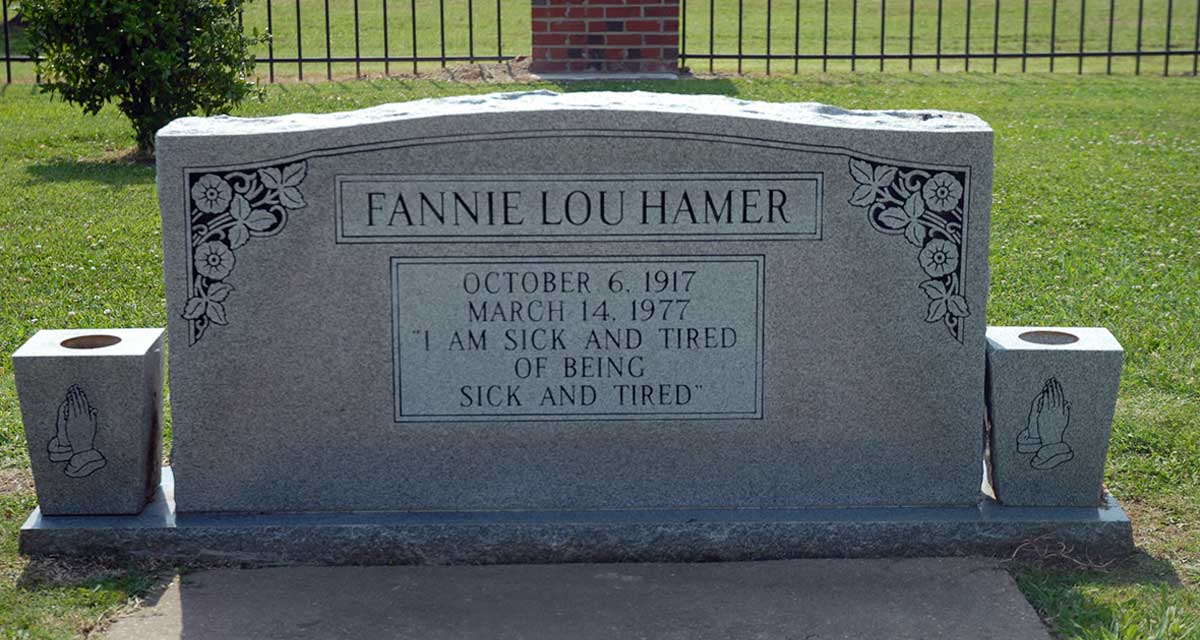
Fannie Lou Hamer passed away in 1977, from a combination of breast cancer and the lingering effects of the jailhouse attack she received from police officers in 1963. Her impact remains a guiding force for those committed to civil rights and social justice. Over the years, she’s been honored numerous times for her groundbreaking activism. In 1993, she was posthumously inducted into the National Women’s Hall of Fame, acknowledging the massive contribution she made to American democracy.
In the waning days of his presidency, Joe Biden awarded Fannie Lou Hamer the Presidential Medal of Freedom for her efforts during the Civil Rights Era. Hamer became the 11th Mississippian to receive the highest award a civilian can receive.