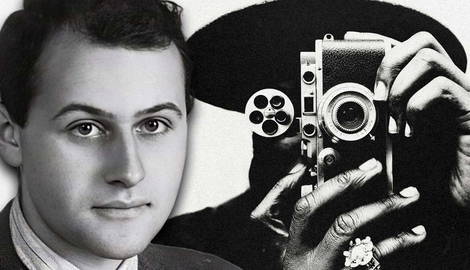
While an abundance of theories about photography emerged throughout the 20th century, they can sometimes be limited in terms of their application to contemporary digital images. Photography fundamentally intensified the presence of images in our lives, but the digital image has become ever-present in daily experience. While photography initially increased the prominence of images, it is the digital image that has truly saturated our daily experience. Czech-born Brazilian philosopher Vilém Flusser (1920-1991) offered an account of the image as a means of understanding the world around us. Unsurprisingly, we find a fundamental concern in his works with how changes in image technology affect our experience of the world.
The Image in Human Experience

Flusser approaches images from a phenomenological perspective and is concerned with the nature of human experience, particularly inheriting Heidegger’s concerns about the role of technology in shaping our existence. He develops this understanding of how we experience technology through an anthropological account of communication and media, in which the image is never experienced in isolation but always in relation to language, culture, and technology.
Caught up in these relations, an image is best understood as a signifying surface that allows us to make sense of the world around us. Images act as coded surfaces that mediate between human mental experience and the external world, to which we may not necessarily have direct access. Images are how we derive meaning from the world, both in terms of how we receive these representations and in terms of how we then imbue them with further significance.
This means that images are closely related to two fundamental aspects of human experience: imagination and conceptual thought. For Flusser, the imagination is the fundamental capacity for the production of images and for us to find meaning in them beyond the surface that is presented to us. Images are the fundamental means by which we represent the world; writing, in turn, allows us to think abstractly beyond visual phenomena. These abstractions are entirely removed from the direct experience of phenomena and demonstrate the emergence of conceptual thought.
Flusser’s understanding of images depends on this relationship between imaginative and conceptual thought, which, in turn, shapes the nature of the image: it becomes more complex as it is caught up in the interplay between imaginative engagement and increasingly complex conceptual thought.
The Photograph as Technical Image
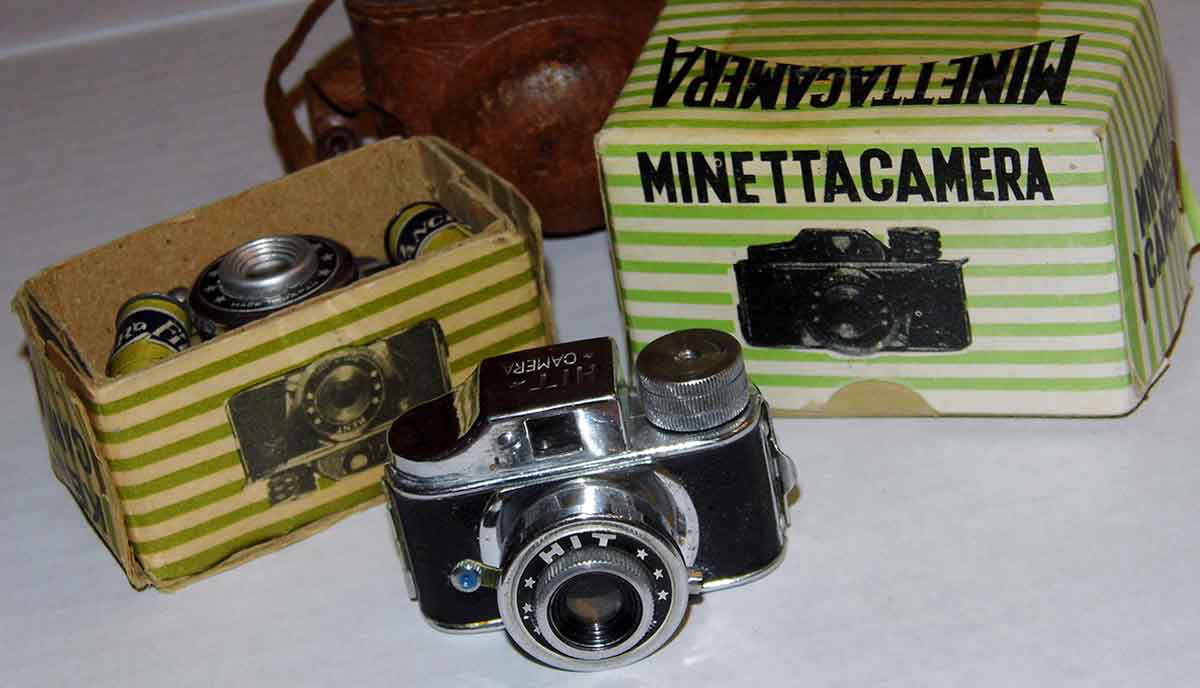
With the rapid spread of mass media, Flusser argued that we cannot think about these mass-produced images as we have traditionally thought about pictures. For him, photographs and TV screens are entwined with technology in a way that makes them fundamentally distinct objects from traditional paintings and drawings. As such, they constitute a new species of image, which he refers to as the technical image.
Technical images are produced by complex programmed technology, which Flusser refers to as the “apparatus.” He showed that some elements of this programming are inherent to their production. Where traditional images precede language and conceptual thought, the technical image emerges within a scientific context permeated by abstract thinking. Traditional images signified phenomena within the world, but the technical image comes to signify abstract scientific concepts about the world. Such characterisation of images is also relevant to contemporary digital media.
This means that technical images do not simply represent the world but also function as “windows” on it through which we experience an increasingly complex existence. When presented with these concepts implicit in the image, we, in turn, project them onto the world as if they were naturally occurring phenomena rather than the products of human thought.
In relation to human thought, the technical image offers more abstract ways of experiencing and theorizing the world, reflecting a shift in consciousness. While we come to understand the world in increasingly complex yet difficult-to-represent ways, the technical image is intended to provide a visual representation of such an abstract and fragmented world.
The Technical Apparatus
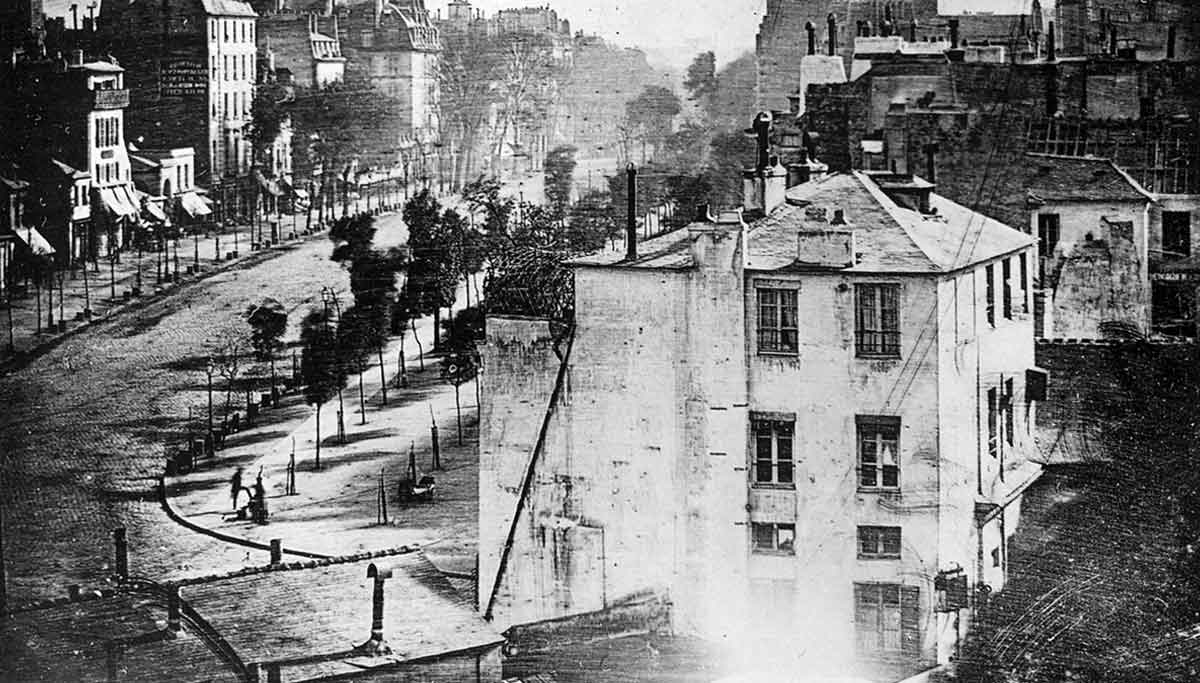
To engage with these images as representations of the world, we must understand the apparatuses that produce them and underpin their dissemination globally. The apparatus is a form of technology fundamentally concerned with the symbolic domain of society and abstract thinking, of which the camera is a perfect example. Such apparatuses are programmed to incorporate scientific concepts into the images they produce. This technology operates by imitating human thought, such as numerical calculations, and imbues this into its products. Our projection of ideas onto the world arises because our technology already thinks for us, leading us to presuppose scientific concepts as naturalized phenomena.
Since most of us who interact with modern technology are not necessarily familiar with its internal programming, Flusser characterises the apparatus as a “black box.” Due to this unfamiliarity, we may not realize that the apparatus is performing certain acts of thinking for us. This enigmatic nature compels photographers to take more photographs to explore the capabilities of this technology. It is precisely the obscurity of this component that draws us into realizing the potential of the programming inherent in the apparatus.
With these apparatuses, we get entangled in new relations with technology. For Flusser, the photographer finds themselves caught up in a feedback loop between the camera, which determines what images can be captured, and the images taken, which realise possibilities within the camera’s programming. This relationship between the photographer and the camera program takes the form of a functional unity. This changes how we experience the world, as the photographer encounters phenomena through the technical terms by which the camera may capture them: depth of field, aperture, composition, lighting, and so on.
Technical Images and Mass Media
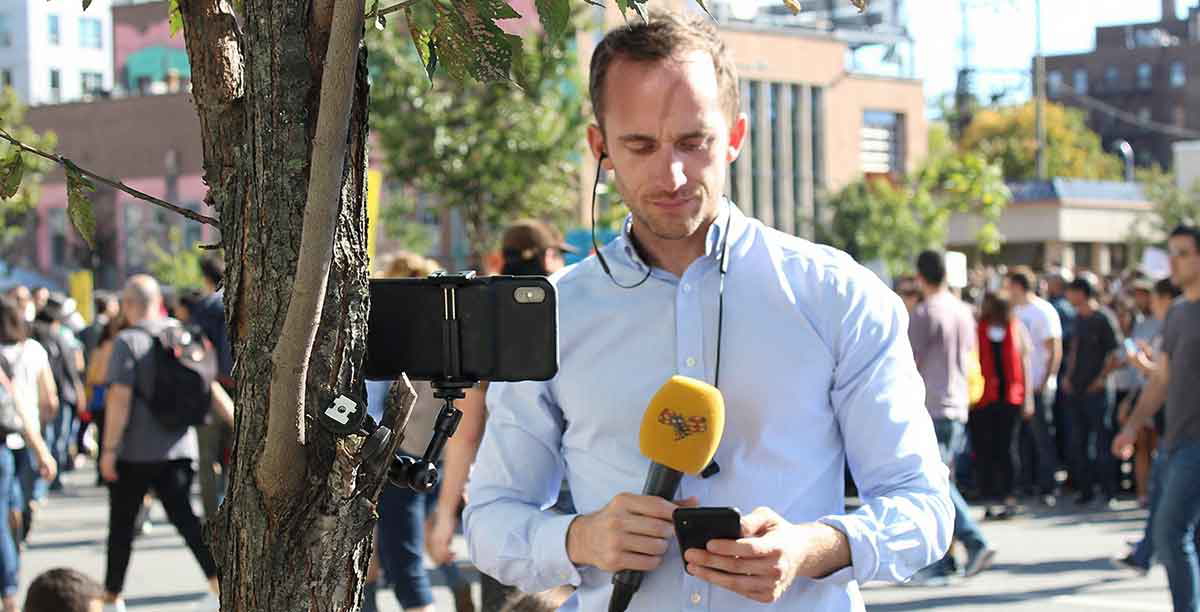
Technical images are distributed continuously through our contemporary context, in which any surface is potentially a screen for images. Unlike in painting, the notion of the “original” is no longer of great importance, as these images are more concerned with the transmission of information. Flusser takes issue with this devaluation of the objects themselves in favor of the information they carry. Having seen how the photographer enters into a functional unity with the camera, he is concerned that the information within mass culture leads to more intensive control over how media images are interpreted.
Flusser characterizes the distribution of images according to the channels in which they are divided and directed according to the interpretations they are intended to receive. Each photograph is encoded with a different significance depending upon the channel through which it is distributed. We can see this in the way particular photographers work for specific newspapers: they provide photos which are intended to be interpreted in accordance with particular biases implicit within the text of the article.
With this underpinning of mass media, the spectator finds themselves fulfilling the functions of the programming inherent within the image by interpreting it in a particular manner. We interact with images according to a “programmed” imagination that projects abstract concepts onto the world.
With similar fears as Baudrillard’s concern for “hyperreality,” Flusser claims that contemporary events are no longer part of a chain of historical events leading to a future for us, but rather occur with the sole purpose of being captured as images. We can think of social media where meals are prepared for photography rather than for consumption, or of traveling primarily to take selfies at popular tourist locations without exploring the surrounding world.
A Universe of Technical Images
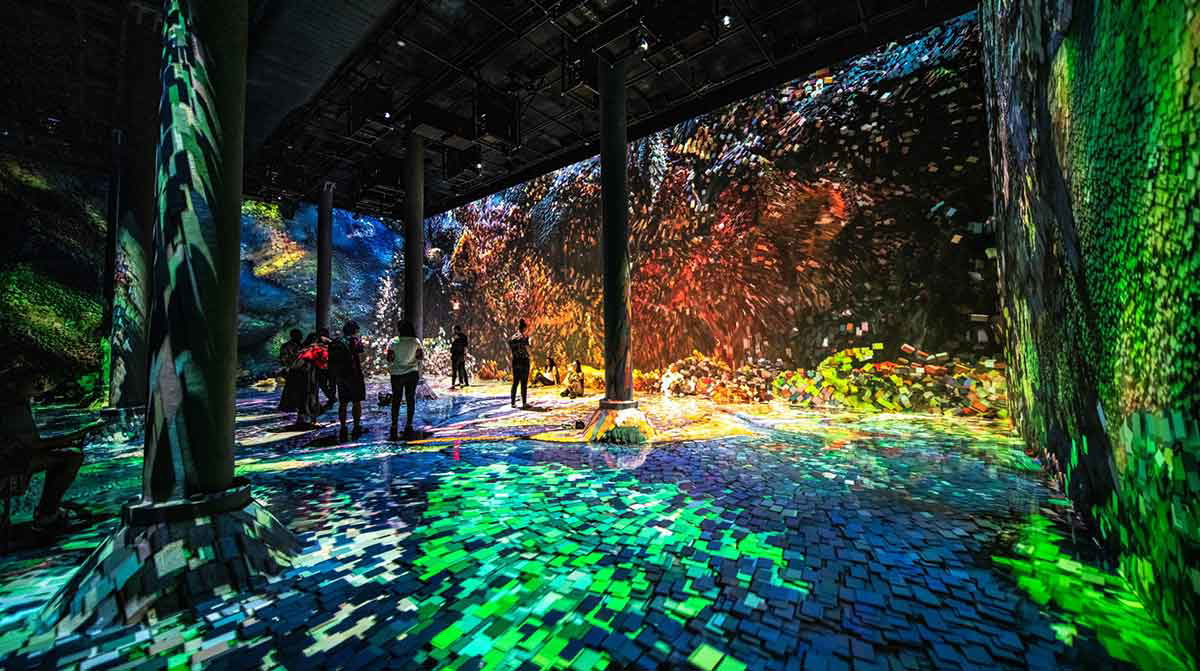
This spread of images affects how we, as humans, experience the world and compels us to reconsider how images exist within it. How does it relate to the world around it? Is it a copy of the world around it? An illusion? An entity within the world? More optimistic than traditional philosophical encounters with images, Flusser sees this universe as offering new creative capacities for us if we engage with such technology critically and intellectually.
In terms of its position in the world, Flusser understands the technical image as creating a certain world of its own, akin to Debord’s critique of the lived world becoming a distanced spectacle. Images are creative entities that affect the world around them. The world comes to enact what is represented in images, becoming an effect of potentials within the programming of visual technology. In this sense, the world reflects the technical images that circulate and come to play a central role in existence.
This impacts human experience: technical images shape new modes of human perception. This new perception is the capacity to envision, in which the various abstractions emerging from the modern world come to be represented within concrete experience. This is to move from the imperceptible abstractions of modern life, such as the molecular structure of the world, back to the concrete experiences they constitute. This is to engage with the world at a superficial level: technical images require the viewer to keep their distance and not break down every element of the digital image to ensure its continued operation. Envisioning, then, is a programmed procedure that is induced within the spectator, but this is grounded in what can be considered an envisioning gesture carried out by the body.
Critiquing the Technical Image

Flusser voices concerns about the passivity that can develop when we depend upon technology to think for us. Any critical engagement with technical images must take into account the technological conditions and programming from which they emerge. Flusser sees the potential for the channels that distribute images to reinforce hierarchical power structures, insofar as these images all emerge from individual sources.
These sources determine what images can and cannot circulate. Such channels also become directed towards individuals on isolated devices, such as smartphones and TVs, which risks breaking down collective discussions and communal engagement with media.
To develop a critique of the technical image, Flusser emphasizes how we understand the technology underpinning mass media. While it is important to critique the material conditions that produce images and demonstrate the interests of those in power, this thinking must go further. We must also come to terms with the image’s automatic nature, that is, the fact that visual technology can develop as an end in itself, becoming complex to a point that we struggle to keep up with it.
Flusser proposes a humanistic critique of such technology, resisting the temptation to view machines replacing humans and instead emphasizing that such technology remains subject to human control. Against certain strands of transhuman thought, he seeks to remind us of the capacity of human agency in the face of technological mystification.
This critique is intended to emphasize the valuable elements of media that enable more democratic collective engagement with the world. In a media-saturated world, Flusser argues that any political change must involve the symbolic domain of images. As such, he aims to emphasize the ways in which media connect people, in contrast to the potentially isolating effects of such technology.