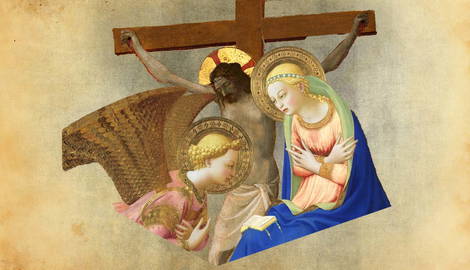
Ever wonder how artistic styles evolve over time? Fra Angelico skillfully and thoughtfully merged the Gothic International Style with the newly emerging Renaissance style, and yet maintained the delicate beauty of both. Keep reading to see how this incredible artist helped usher in the Renaissance during the 15th century.
Fra Angelico, International Gothic Style, and Renaissance Art
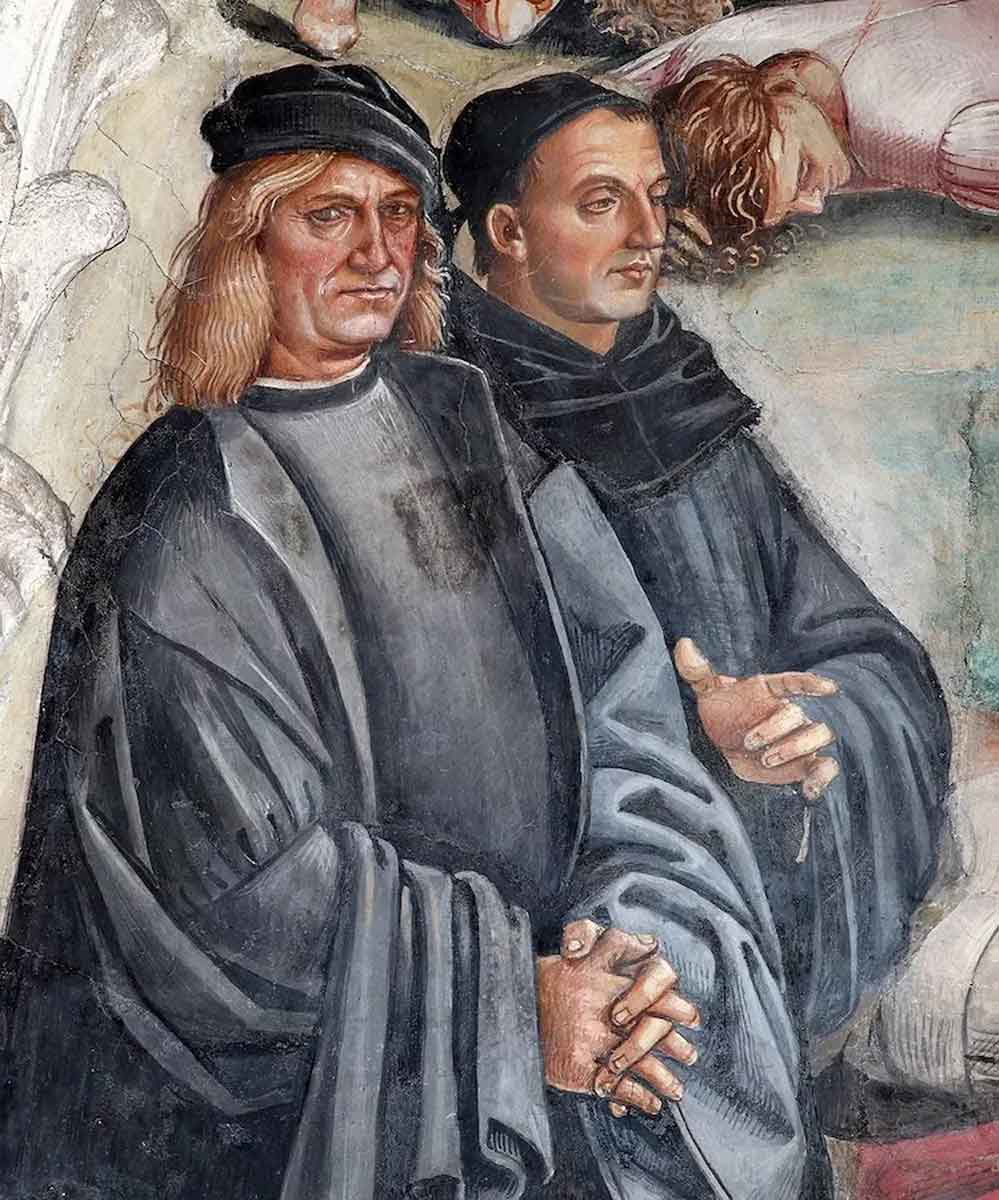
The monk artist known as Fra Angelico was born Guido di Pietro in a small town called Vicchio around 1395. This rural town near Florence exposed Angelico to an artistic and religious culture that was at the heart of Renaissance innovation. Fra Angelico trained in a workshop in Florence, where his early work shows the influence of Lorenzo Monaco, a master of the International Gothic Style, known for his elegant, elongated figures and golden backgrounds.
Between 1418 and 1421, Guido joined the Dominican Order of Preachers at the convent of San Domenico in Fiesole, where he took the name Fra Giovanni. The name Fra Angelico was given to him posthumously due to the piety of his character and the heavenly quality of his art. Giorgio Vasari, the famous author of artists’ lives, noted that Fra Angelico would “never take up his brush without first saying a prayer.” For him, painting was an extension of prayer and teaching, functioning as an act of devotion and theological expression rather than a chance of fame.
Fra Angelico was creating during a time when the International Gothic style of painting was slowly transitioning into the Renaissance style of the early 15th century and beyond. The International Gothic Style is described as emphasizing elegance, decoration, and refined beauty, with golden backgrounds, intricate patterns, and spaces that were primarily flat; the emotional expression of figures was subtle or restrained. The Renaissance style, on the other hand, featured human-centered emotion that drove narratives and provided clarity. The Renaissance style also emphasized spatial depth, perspective, and proportionality, using linear perspective and architectural settings that placed paintings in the real world.
The San Domenico Annunciation
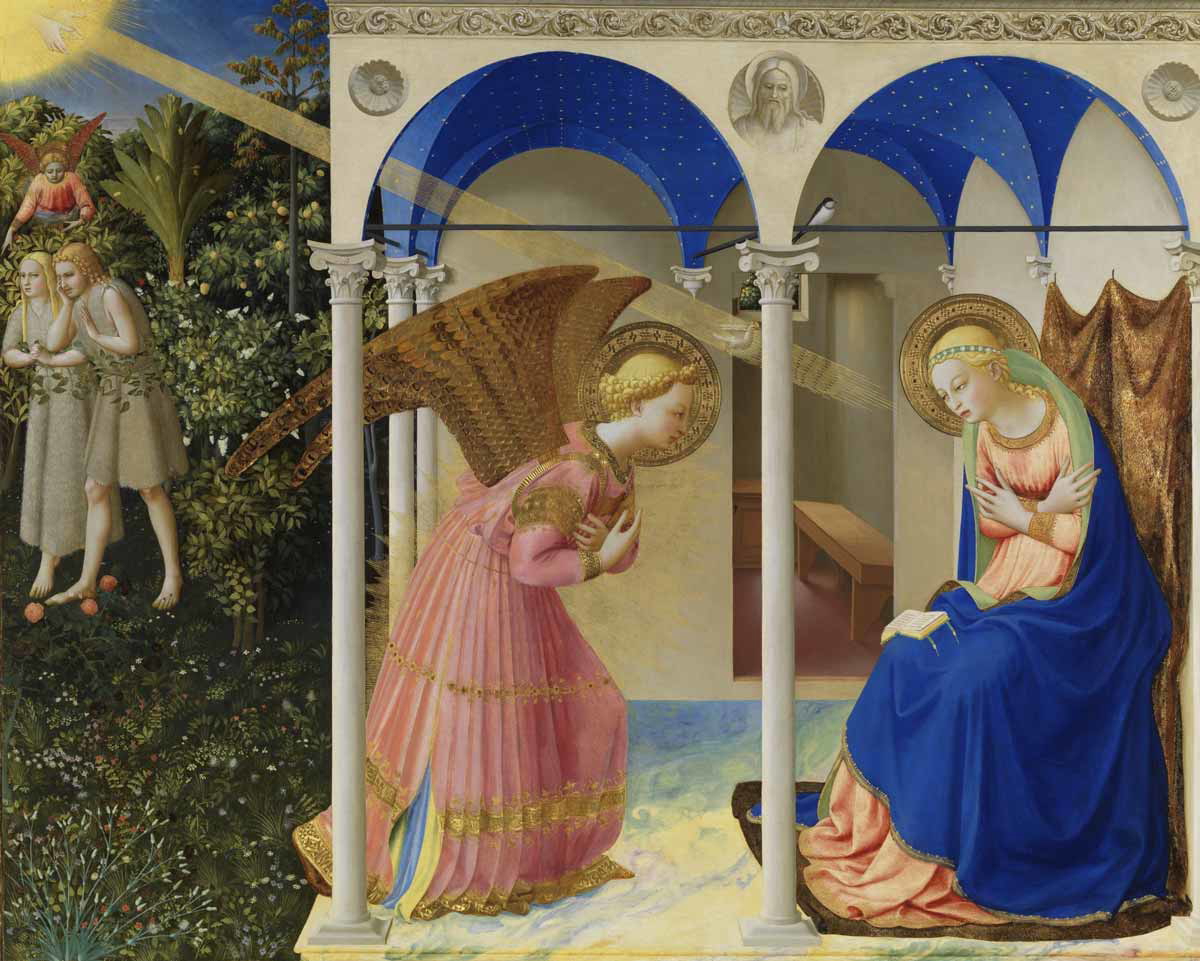
Fra Angelico’s paintings predominantly focus on religious themes, which were deeply influenced by his monastic life and spiritual beliefs. One of his most renowned works, the Annunciation, is housed in San Domenico and vividly depicts the moment when the angel Gabriel announces to the Virgin Mary that she will conceive the divine child. This piece exemplifies Angelico’s skill in blending theological symbolism with masterful storytelling through art.
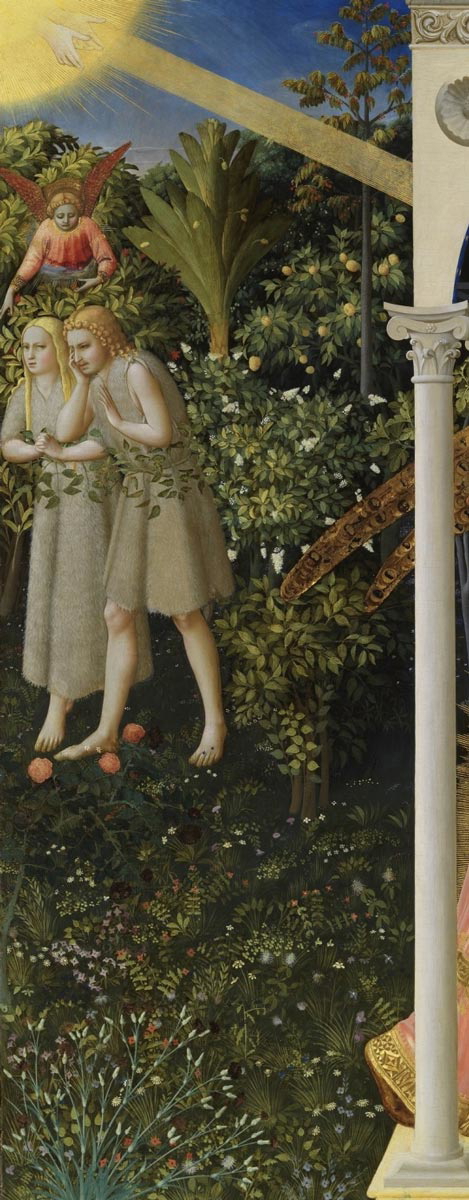
The Annunciation of San Domenico does not just depict the story of the Annunciation, but the Expulsion from the Garden of Eden as well. To the far left of the canvas, Fra Angelico masterfully illustrates the eviction of Adam and Eve; the angel gently yet firmly guides the two out from Paradise while Eve casts a sullen look towards the viewer and Adam hides his face in shame. Both are clothed, highlighting their embarrassment at their naked bodies, which became a sin once they had broken God’s command.
Including visual images of the expulsion from Paradise alongside the Annunciation provides the viewer with a reminder of why the Annunciation is so vital to the Christian faith. Mary’s acceptance to become the mother of Christ helps reverse the damage caused by Eve’s original sin, which was the moment humanity first fell from grace. Mary, therefore, becomes a “new” Eve; her acceptance undoes Eve’s sin.
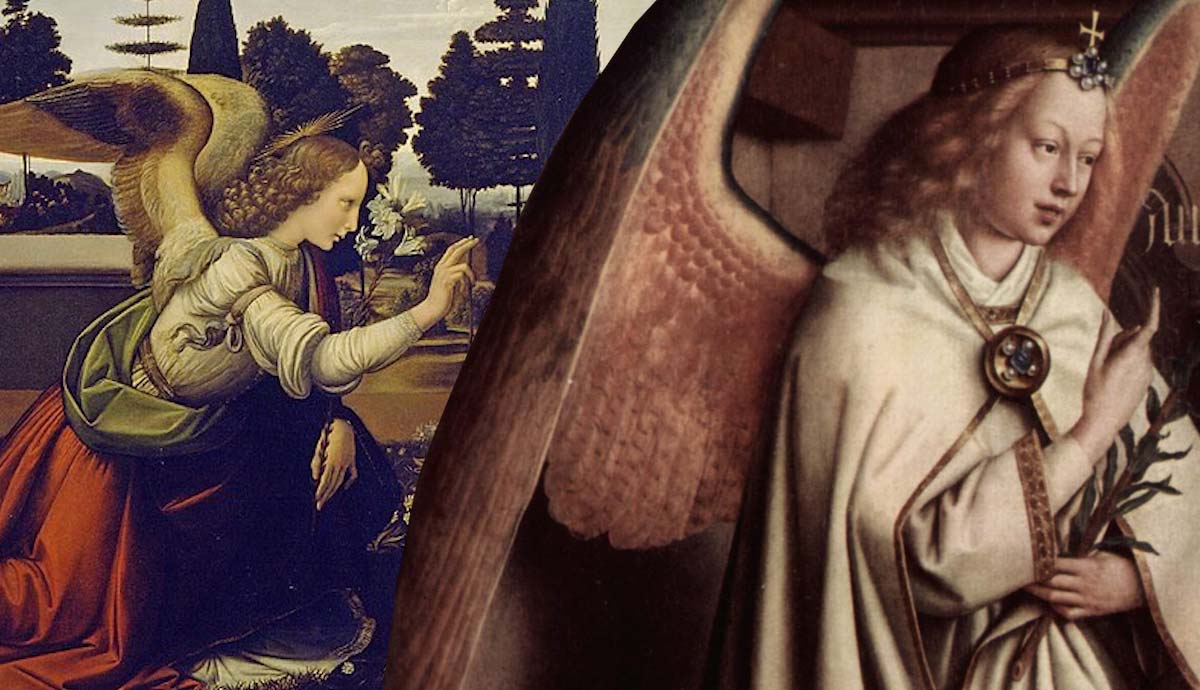
Meanwhile, on the right side of the canvas, the angel Gabriel gracefully descends from the heavens, approaching Mary with gentle haste. He is depicted with delicate features, a flowing robe, and outstretched wings, holding a lily in one hand as a symbol of purity. Gabriel bows deeply in reverence, his posture conveying humility and awe.
Mary, seated calmly with a book resting on her lap, also bows low in humility, her arms crossed gently over her chest in a gesture of acceptance. Her face, filled with serenity and wonder, remains attentive as she gazes into Gabriel’s eyes, demonstrating a profound mutual respect and acknowledgment of the divine message. A radiant beam of light emanates from above, descending directly onto Mary, carrying the Holy Ghost in the form of a dove. The source of this luminous beam appears to be a pair of outstretched hands, visible in the upper corner of the painting, likely representing the hands of God. These celestial hands appear to send the Holy Ghost to Mary, enabling her to conceive the Christ Child through divine intervention.
This painting’s most captivating feature is the emotional depth conveyed through Fra Angelico’s expert depiction of his subjects’ expressions. Unlike a flat, two-dimensional artwork, this piece offers a vivid, dynamic experience that invites viewers into a deeply personal and engaging portrayal of one of the most significant stories in Christian history. The artistry and emotional resonance combine to create a work that is not only visually striking but also spiritually moving, making it a quintessential example of religious art designed to inspire reflection and devotion.
The Crucifixion on Display at the Met
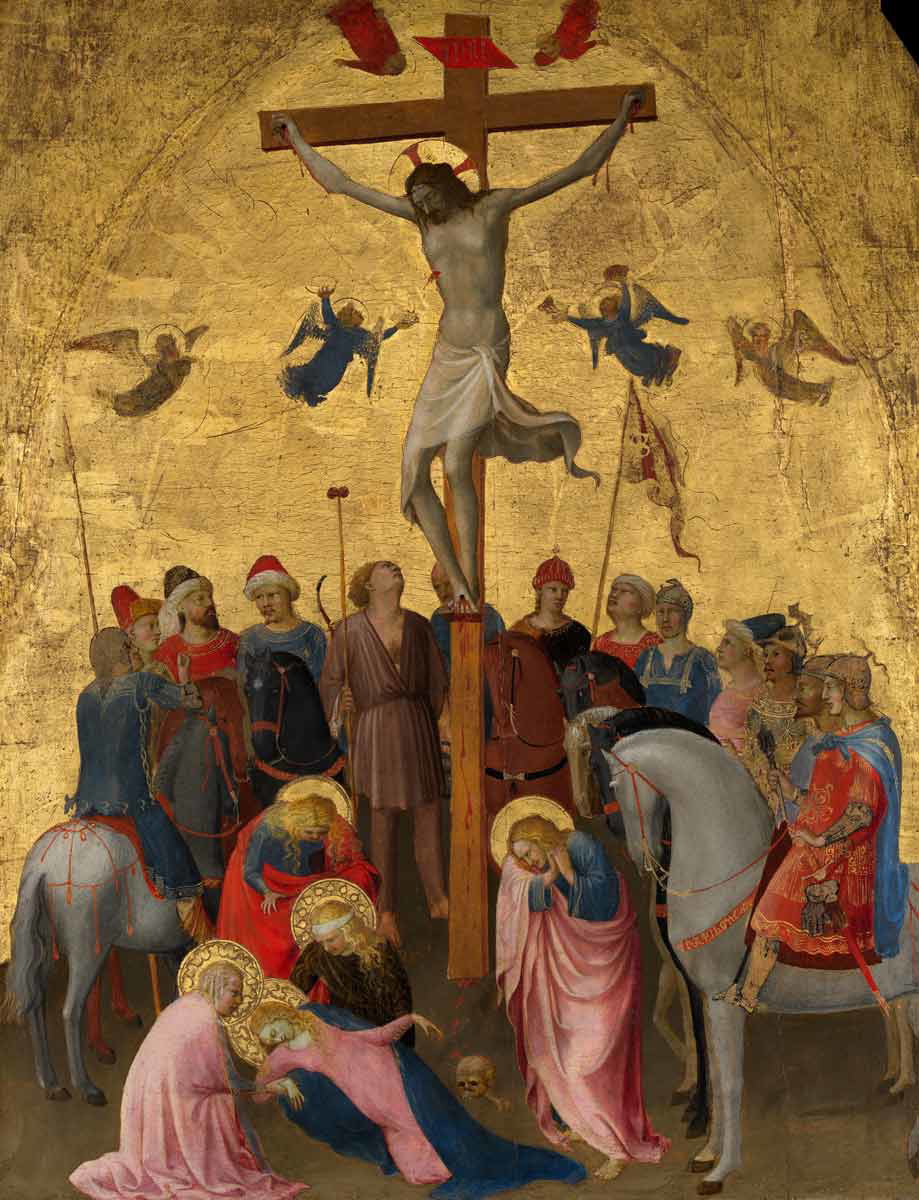
The Crucifixion, on display at the Met in New York, is an early piece of Fra Angelico’s oeuvre. Angelico was still working within the Gothic style, characterized by a gold background, but also incorporating innovative techniques that would help develop his later style and the Renaissance style.
The composition of this painting is circular, with the primary focus on Christ’s Crucifixion; Christ is raised above on a high cross while mourners, soldiers, and others stand below. What is remarkable about this piece is the depth of emotional expression across Fra Angelico’s subjects. For instance, the soldiers standing around exchange looks of concern and confusion, highlighting that many people felt differently about Christ’s death.
Christ is depicted in a gentle, contemplative pose, with his head softly resting to one side, conveying a sense of calm and acceptance. His wounds are vividly described, with blood trickling from his hands, chest, and feet, emphasizing his suffering.
Surrounding Christ are angels and heralds, intricately detailed, who appear to be preparing him for his sacred ascent to Heaven. The scene combines tenderness with reverence, highlighting both his suffering and the divine significance of the moment.
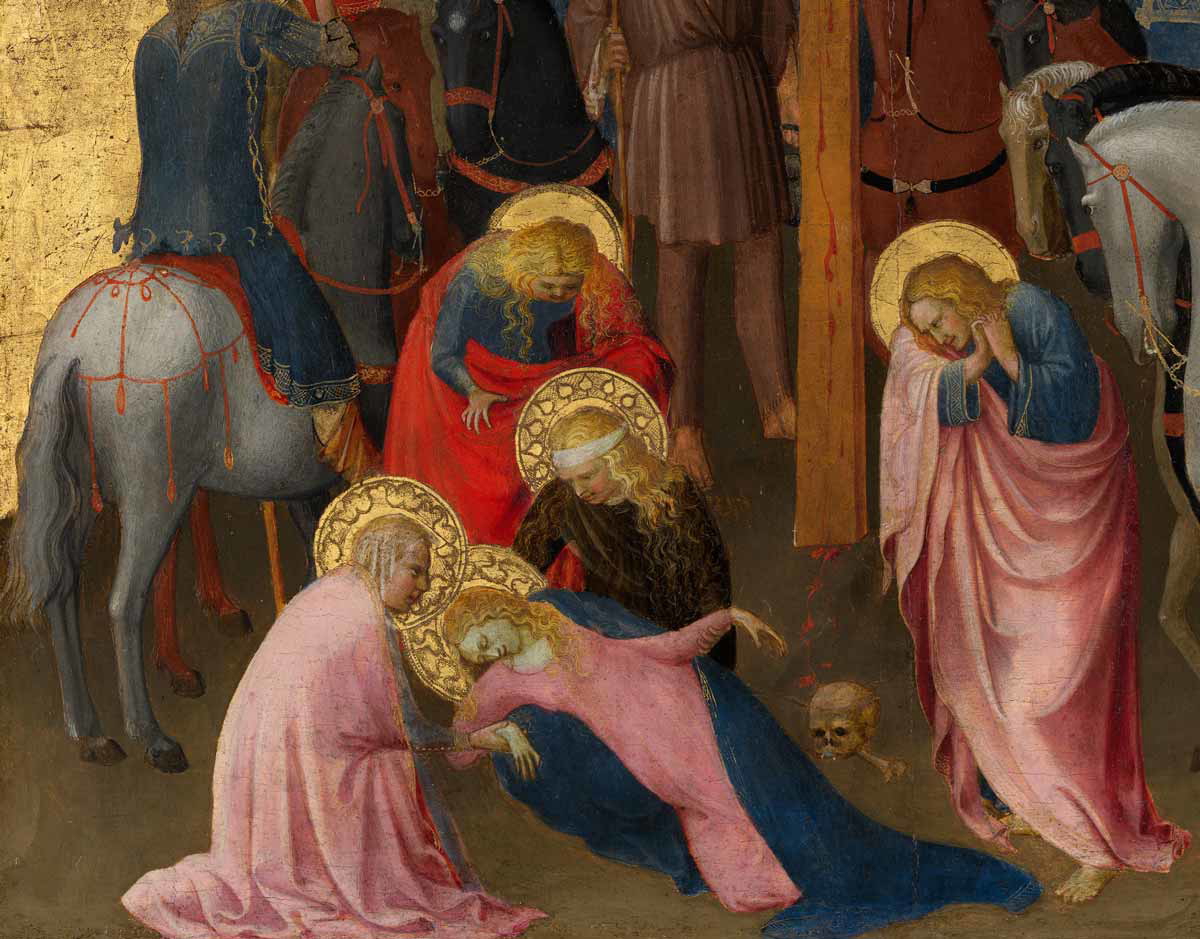
In stark contrast to Christ’s profound serenity and unshakeable composure, Mary has visibly collapsed under the weight of overwhelming grief upon witnessing her son’s lifeless body hanging from the cross. Her shoulders are slumped and trembling, her face a poignant canvas of deep sorrow, anguish, and despair as she mourns the devastating, irreparable loss of her child.
The raw emotion is palpable, with her body language revealing her profound heartbreak. Her tear-streaked face and trembling hands emphasize the depth of her suffering, while her eyes, filled with grief, reflect a tumult of memories and unspoken anguish. The scene captures the heartbreaking reality of a mother’s grief, overwhelmed by the magnitude of her loss and the cruel finality of death.
The Deposition From the Cross
If there is a unifying theme across the paintings discussed in this article, it is that each one exemplifies Fra Angelico’s remarkable capacity to connect the stylistic and emotional distinctions between the rigid, detailed Gothic art and the more dynamic, human-focused Renaissance art. This demonstrates his skill in blending different artistic traditions to create works that are both technically precise and emotionally expressive.
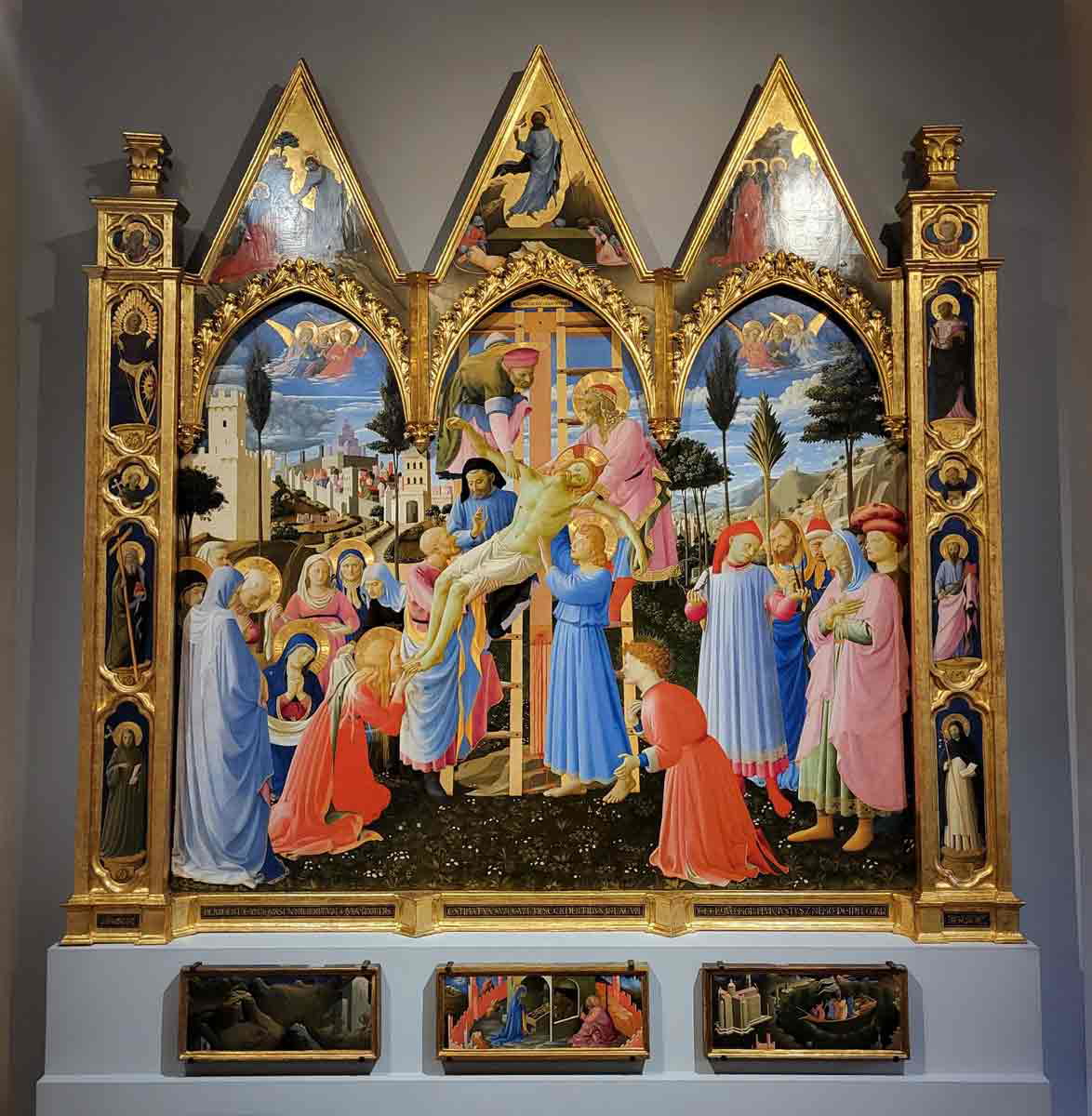
The Deposition from the Cross was originally commissioned by the influential and affluent Strozzi family. Painted around 1432-1434, this altarpiece stands as a significant example of early Renaissance religious art, showcasing a harmonious blend of Gothic elegance, theatrical emotionality, and Renaissance compositional principles.
As indicated by its name, The Deposition portrays the poignant moment immediately following Christ’s death on the cross, as he is carefully lowered and prepared for burial. In the scene, two men gently carry Christ downward, while his mother, Mary, is depicted in a state of overwhelming grief, collapsing on the ground with a profound sense of sorrow. Additionally, Mary Magdalene is shown clutching Christ’s feet. Her long, flowing hair and her posture convey intense emotional immediacy and tenderness. Each figure is rendered with individualized yet idealized expressions, capturing a wide range of human emotions, including suffering, compassion, and loss.
This painting also highlights innovative techniques that would influence countless Renaissance artists. Notably, it employs a sophisticated sense of spatial depth, achieved through atmospheric perspective and careful composition. The use of expressive gestures enhances emotional communication, while narrative clarity directs the viewer’s understanding of the moment. Furthermore, the work demonstrates a fusion of naturalistic realism with divine symbolism, marking a pivotal step toward the Renaissance’s emphasis on human experience and individual expression.