For those who choose to make the drive from San Diego, California, to Glacier National Park, Montana, there are many popular places to stop during the two to three-day journey. The most popular include the Las Vegas strip, Salt Lake City, and Yellowstone. But there are also many smaller places of great historical significance that it is worth adding to your itinerary. From forts to mansions to massacre sites, here are nine essential stops for discovering the lives of the region’s Native Americans and early settlers.
1. Old Las Vegas Mormon Fort State Historic Park, Nevada
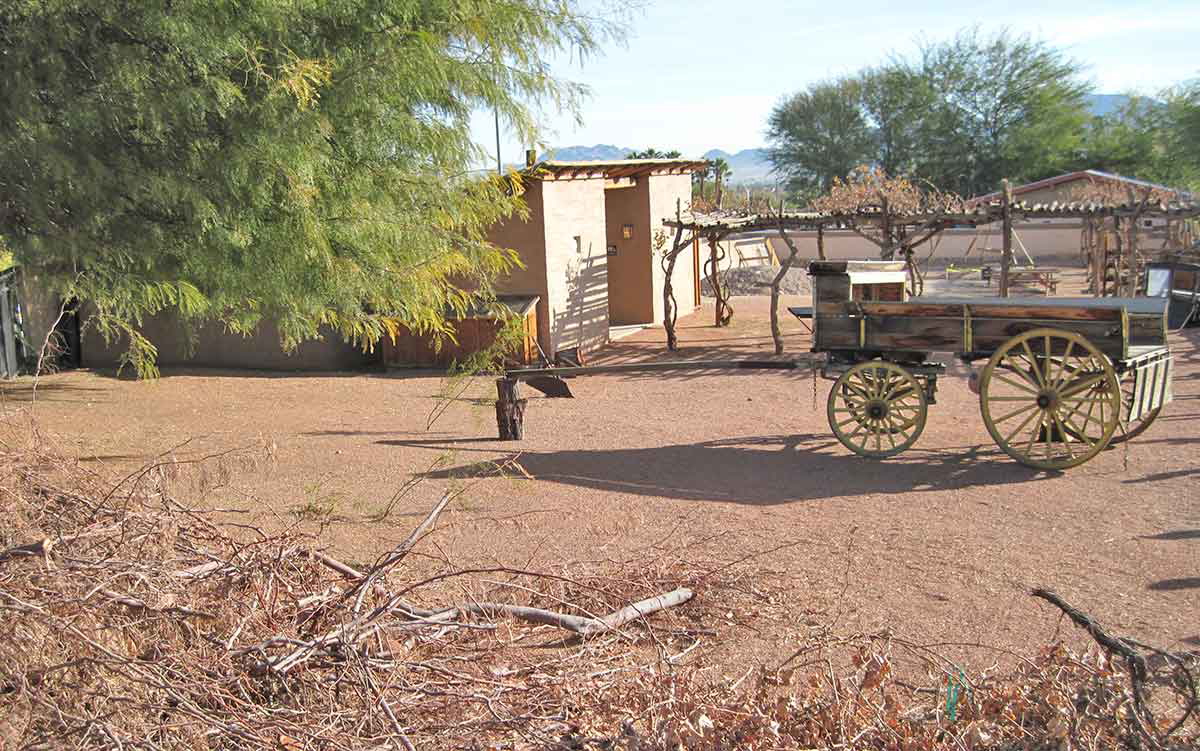
The first stop out of San Diego will take five to six hours to reach. After passing the Mojave National Preserve and crossing the state line into Nevada, you’ll arrive at the Old Las Vegas Mormon Fort, built by Mormon missionaries in 1855. It was the first permanent non-native settlement in the Las Vegas Valley. Established alongside a spring-fed creek, it quickly attracted traders, gold seekers, emigrants, and the native Paiute. Many traveling to California along the Old Spanish Trail would stop at the fort.
Built with adobe bricks and consisting of two bastions and four walls 150 feet long, the fort has undergone excavations to reveal a range of items that are thought to be of Anasazi and Paiute origin. Today the site is managed by the Mormon Church, and you can see the remains of the fort and historic artifacts in a small museum.
2. Ancestor Square, St. George, Utah
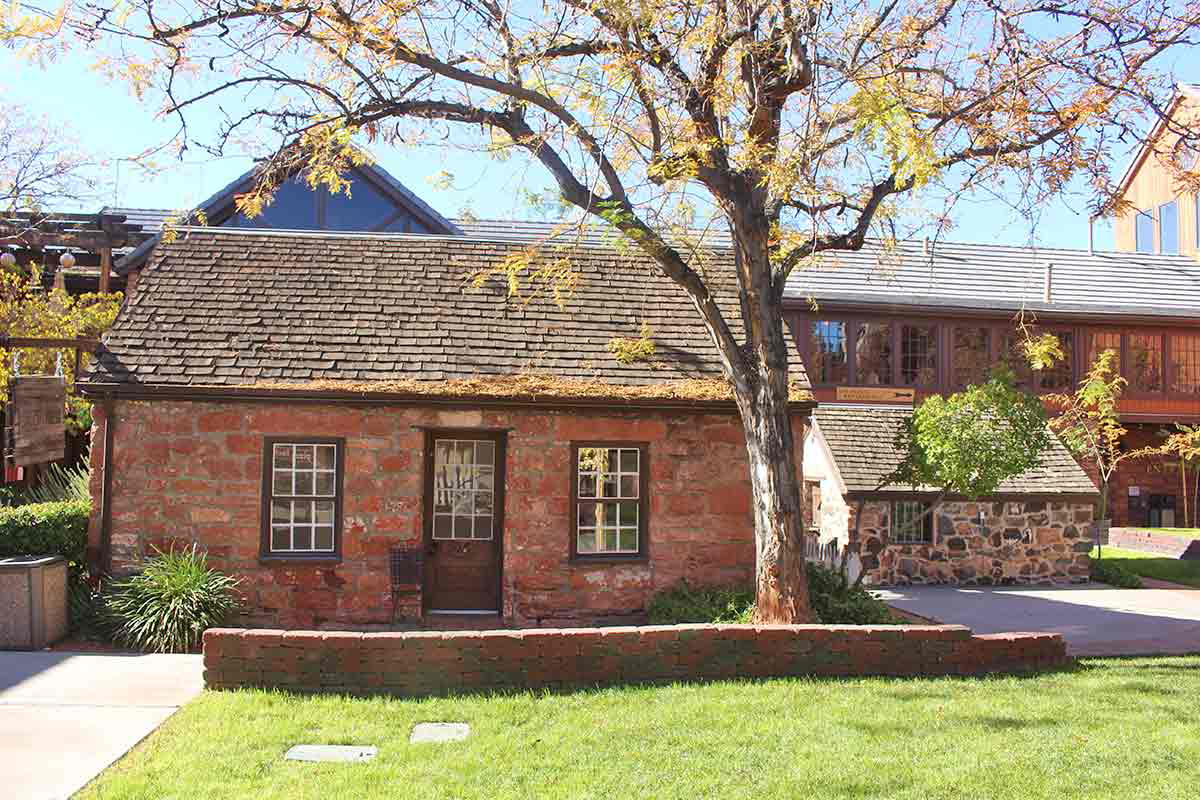
Two hours northeast of the Mormon Fort, you will arrive in Ancestor Square in the southeastern tip of Utah. Ancestor Square is a cluster of buildings in the heart of St. George. Founded by Mormon pioneers in 1847 and led by a man called Brigham Young, St George is described as the “art and soul” of Utah.
One of the smallest buildings but perhaps most interesting is the Jailhouse, thought to have been built by Sheriff Hardy around 1880. You can also visit the home of Brigham and Amelia Young, where President Brigham Young resided between 1870 and 1877. There is also the Tabernacle, built in 1867, which now serves as an event venue, the Old Courthouse, built in 1876, which now houses the St. George Chamber of Commerce, and the Opera House, built in 1913, which is now a museum. There are also plenty of quaint shops, cafes, and restaurants to patronize.
3. Cove Fort, Utah
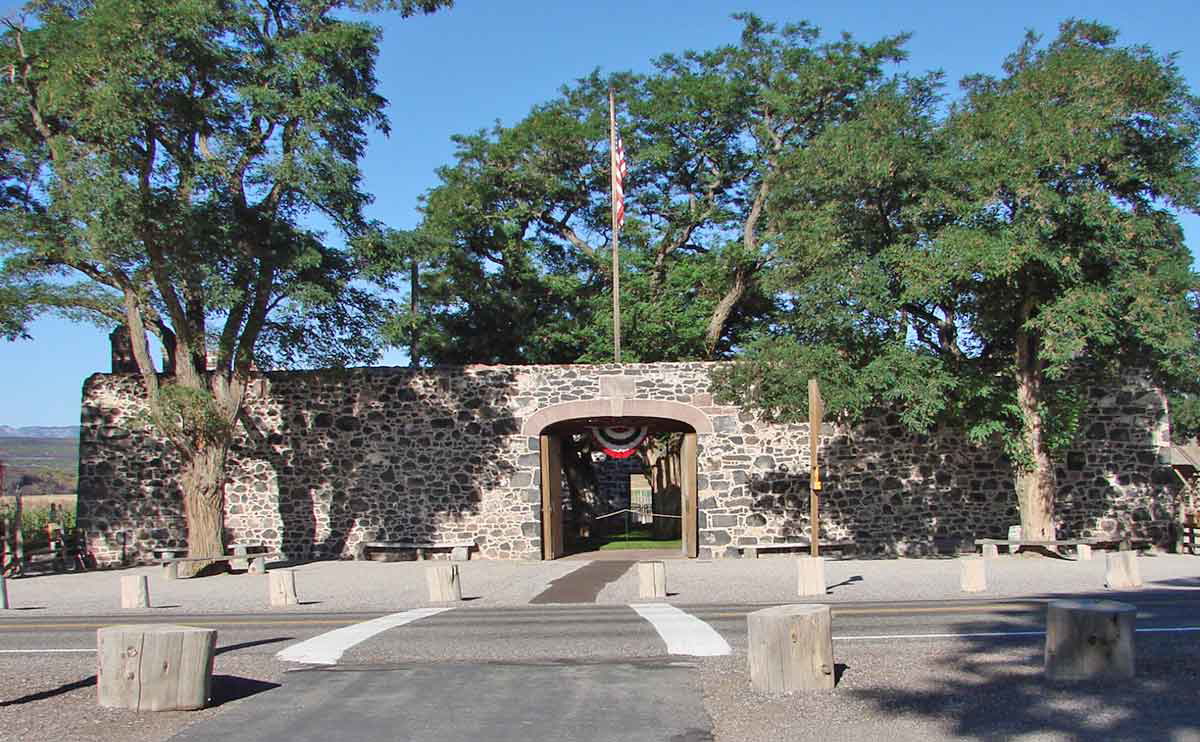
From Ancestor Square, take the 1-15 north past Cedar City and Beaver until you reach a ghost town called Sulphurdale, located in Millard County, Utah, where you will find Cove Fort. It is located between Beaver and Fillmore, which was the capital of the Utah Territory at the time. The fort, constructed with stone quarried from mountains nearby, is laid out in a square, with each wall about 30 meters long. The distinct walls are made up of dark limestone and black volcanic rock. The stone construction is key to its survival over the years. Many other forts were made of wood and have not survived.
Just like today, many 19th-century travelers used the fort as a place to rest and eat during long journeys. The kitchens could serve food to up to 75 people at a time. There was also a resident farrier or blacksmith who shod oxen and horses and likely repaired wagon wheels. The fort has been open to the public since it underwent some restoration in 1988.
4. Albert Fisher Mansion, Salt Lake City, Utah
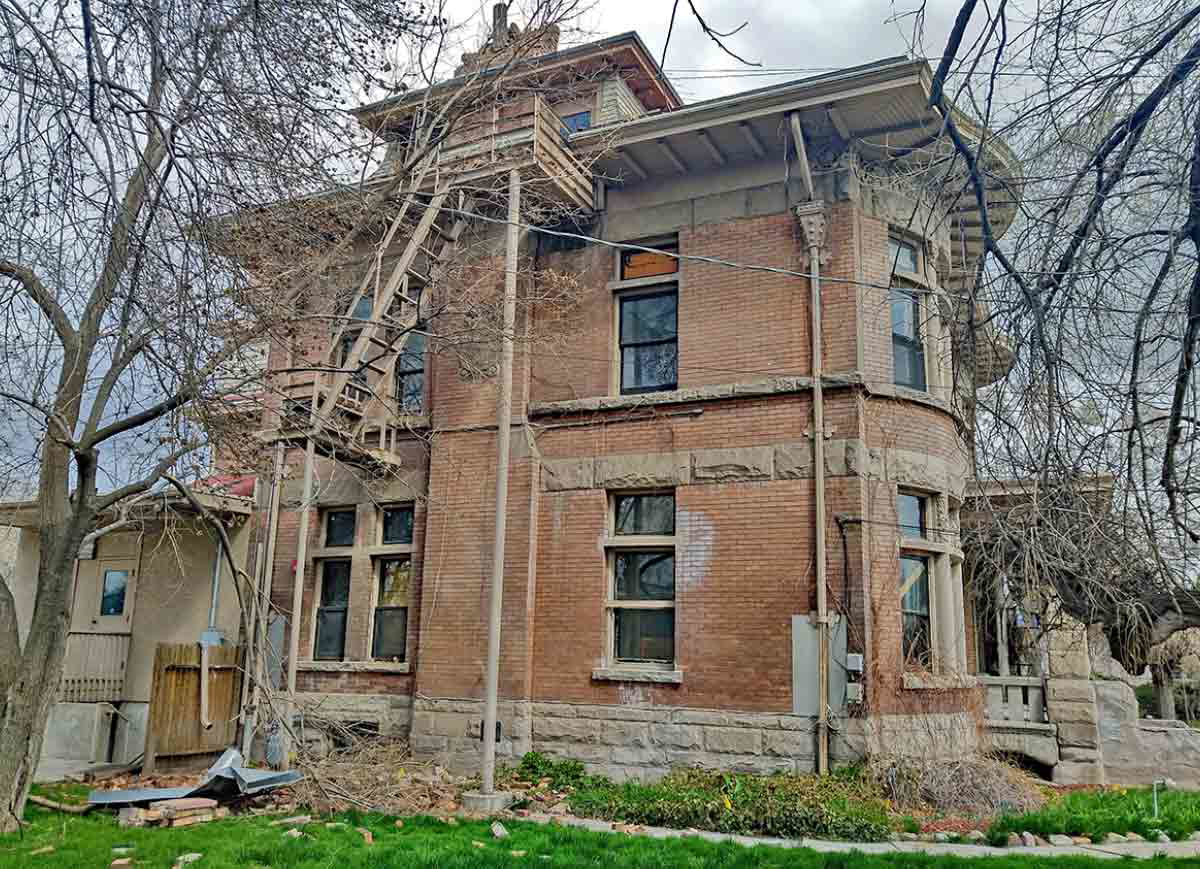
Drive two and a half hours northbound on the 1-15, past Utah Lake, situated to the east of Provo, and arrive in the heart of Salt Lake City, the capital of Utah. You’ll arrive at Fisher Mansion to discover the story of Albert Fisher. Born in Germany in 1852, he joined the Salt Lake City Mormon community in his 20s. In 1869, the transcontinental railroad connected the Atlantic with the Pacific. The Mormons wanted to prevent their gold coins from going east, so they became a self-sufficient community, building furniture, firearms, and any other product they needed. Fisher became the brewmaster of the Mormon brewery.
After a falling out with the other Mormons, Fisher sought an investor, purchased 15 acres of land on the east bank of the Jordan River, and built his own brewery, Fisher Brewing Company. His home, Fisher Mansion, is open to the public and offers a look into how Albert lived at the time. The company was closed during prohibition, reopened in 1934, and sold in the 1950s. It was revived in 2017 by Tom Fisher Riemondy, a great-great-grandson of Albert Fisher.
5. Bear River Massacre Site, Idaho
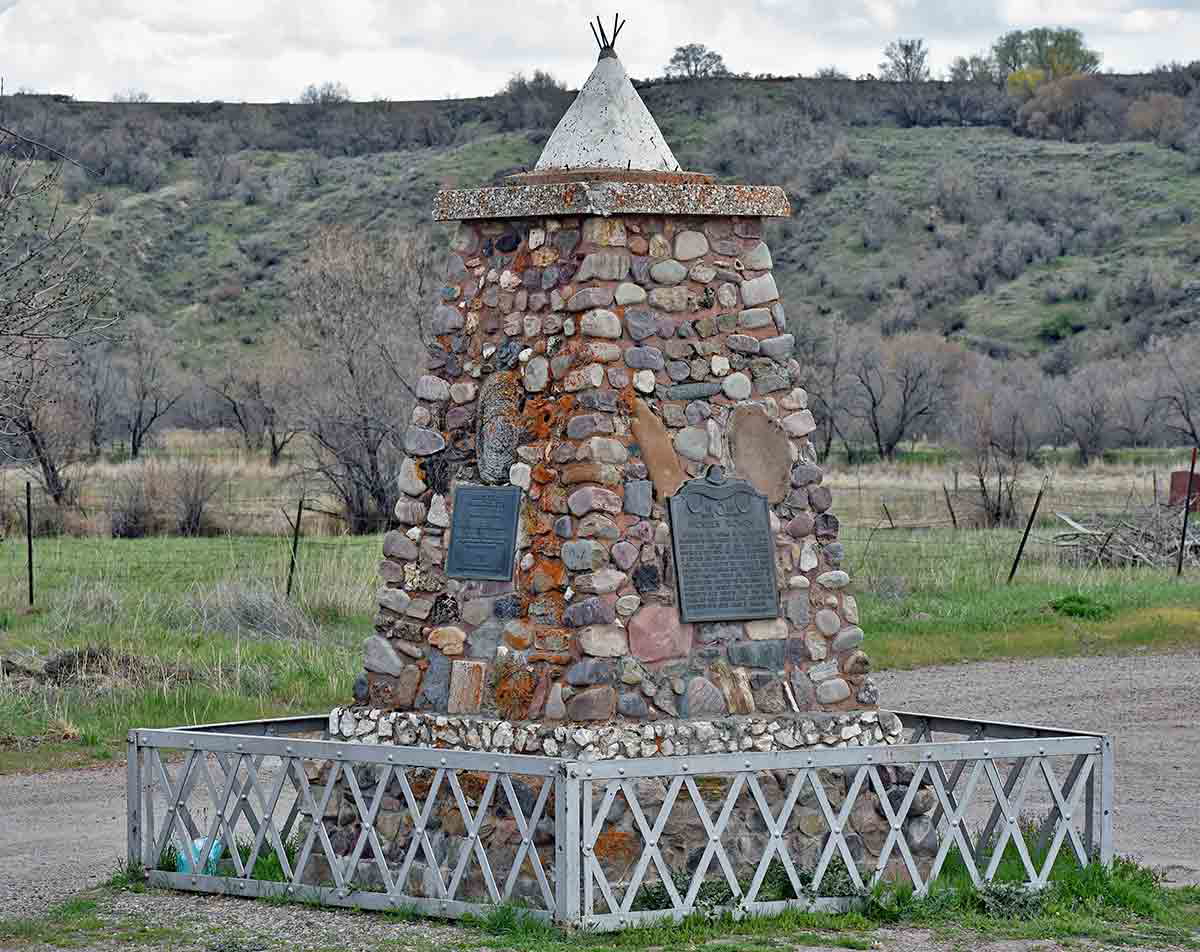
Drive north past the Great Salt Lake for two hours to Bear River. Nestled between Preston and Winder are the Bear Massacre Site and Memorial Park. On January 29, 1863, the United States Army, led by Patrick Edward Connor, attacked an encampment belonging to the native Shoshone tribe. Bear Hunter, a Shoshone Chief, led the defense and was killed in action. It is considered a massacre, with the soldiers destroying lodges and wheat supplies, capturing resources such as horses, and killing hundreds of Shoshone men, women, and children.
The attack on the encampment followed rising tensions between the native Shoshone and the Mormon settlers. The Mormons were consuming significant food resources and forcing the Shoshone to move to areas where food was scarce, leading to famine and destitution. From their first regular interactions with these new settlers in 1847 through to the outbreak of the Civil War in 1861, relations grew increasingly fraught. A young Shoshone man, Pugweenee, was hanged on the belief he had stolen a horse, and the Shoshone retaliated days later by killing young settlers. Today, the area is a sacred burial ground for the Shoshone people.
6. Fort Hall Replica and Commemorative Trading Post, Idaho
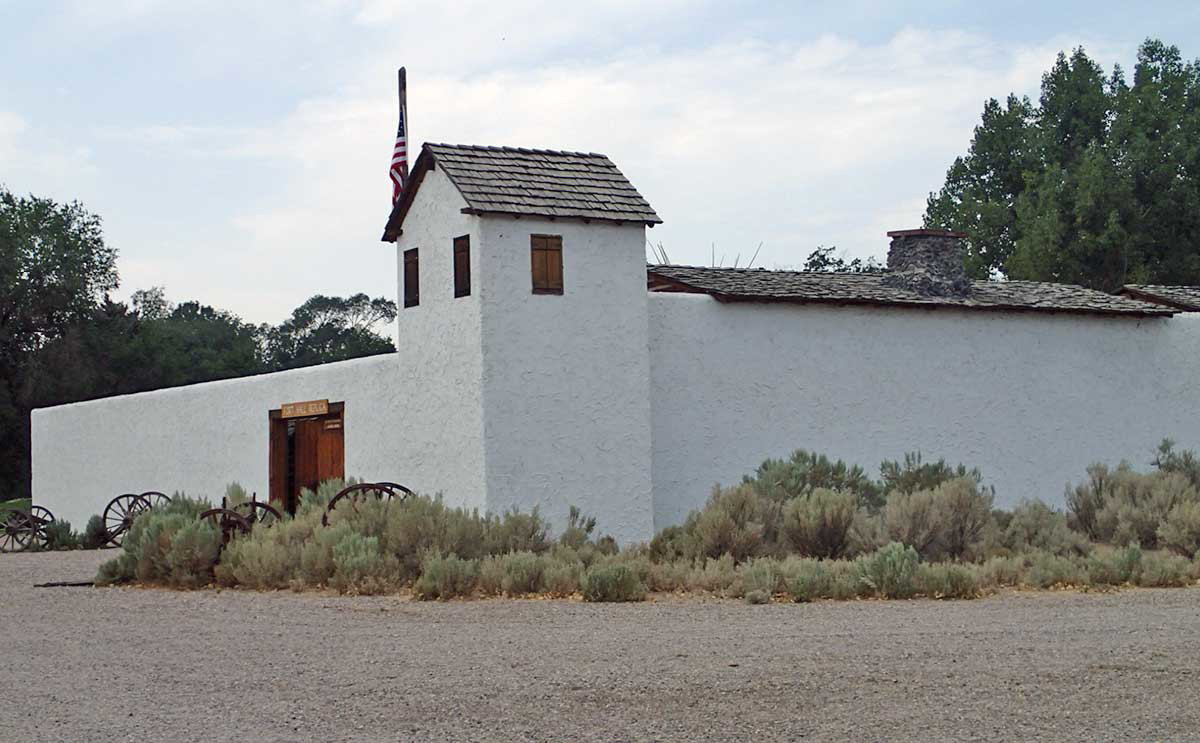
An hour north of the Bear River is the Fort Hall Replica and Commemorative Trading Post, built in 1834. It served as a trading post until it was demolished in 1863. The replica that now stands in its place gives insight into the 19th-century lifestyle of the Indigenous Americans, pioneers, and travelers passing through the area. In its day, the fort saw gold seekers, fur traders and trappers, and other prominent figures pass through its gates.
The replica was built using descriptions from people who had visited the original building, along with the original plans from the Hudson Bay Company. Keeping true to the original, the replica was constructed using traditional methods and effectively built by hand.
7. Menor’s Ferry Historic District, Wyoming
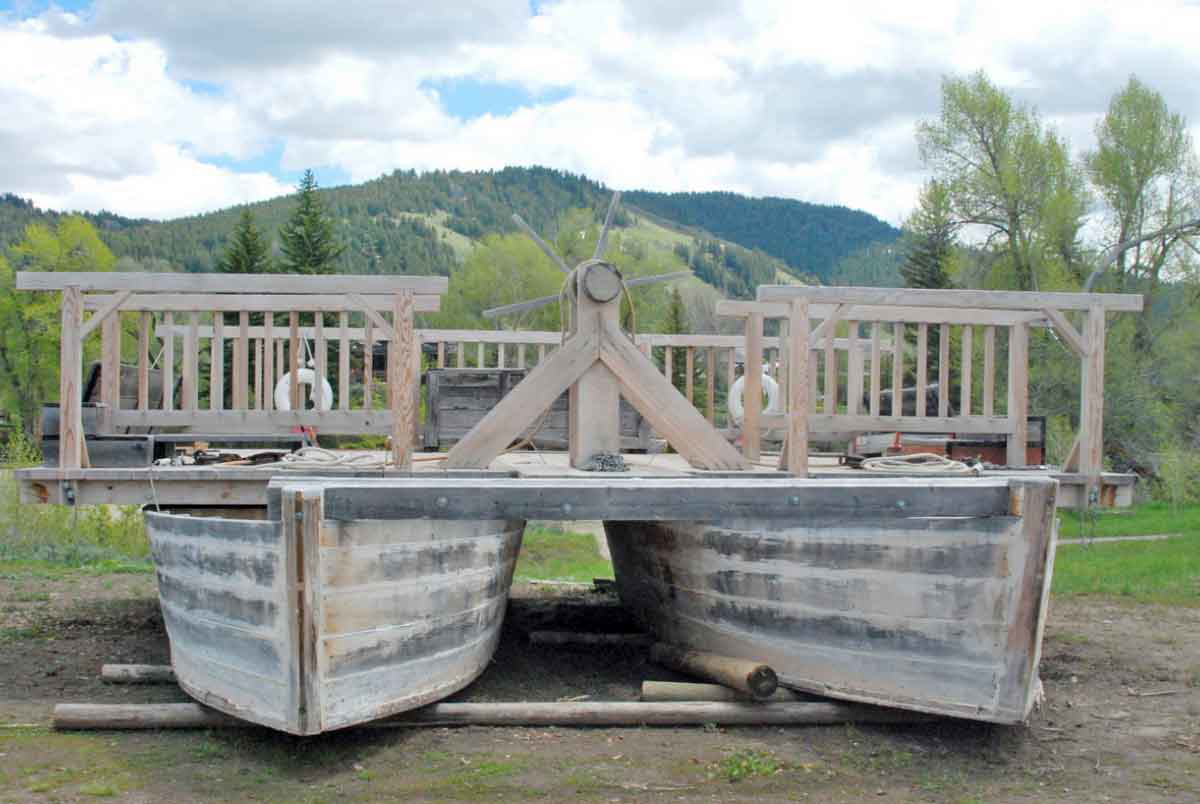
Three hours northeast of Fort Hall, across the state border into Wyoming, you will find Menor’s Ferry Historic District. Situated on the west side of the Snake River is a replica of a country store. The original was erected by William D Menor, who arrived in Jackson Hole in 1894. He built his homestead there and constructed a ferryboat, a replica of which can also be seen on site. This ferryboat became a vital means for crossing the Snake River, which became impassable in many places during periods of high water. Many residents used the ferryboat to cross the river and collect timber, gather food, and hunt wildlife.
The ferryboat consists of two pontoons carrying a simple platform, with cables looped through the boat to prevent it from being washed downriver. For 50 cents, a wagon and team could cross, and it was only 25 cents for a horse and rider. When the river became too low, a cable car was available for up to four passengers. Although the homestead was originally built to tap into the area’s natural resources, Bill Menor and his small community of neighbors fell in love with the beauty of Jackson Hole.
8. Fort Ellis Historical Marker, Montana
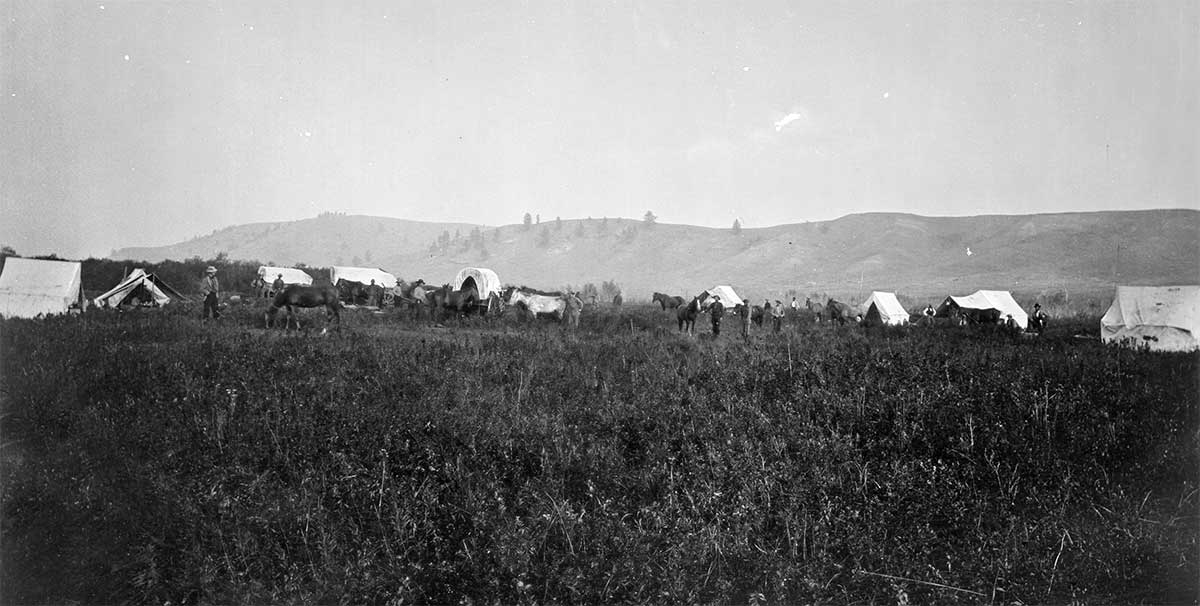
Just over four hours north of Menor’s Ferry, through Yellowstone National Park, and across the state lines into Montana, is Fort Ellis. Similar to Bear Falls, here, three tribes, the Lakota, Northern Cheyenne, and Arapaho, struggled with the growing presence of the settlers from the mid-1800s. In a bid to control their newfound trails, such as the Bozeman Trail, which connected southern Montana (gold rush territory) to eastern Wyoming (the Oregon Trail), the US Army launched military campaigns targeting the Indigenous tribes, building forts to support their military presence. Following the death of John Bozeman in 1867 at the hands of Native Americans, Fort Ellis was constructed.
The fort became a key location for the next 20 years, playing a role in the Battle of the Little Bighorn in 1876 and the Battle of the Big Hole in 1877. Today, many visitors pass through this corridor to access Yellowstone National Park, ski the mountains, and fish and hunt. Fort Ellis no longer stands, but a historical marker marks its place.
9. Fort Connah, Montana
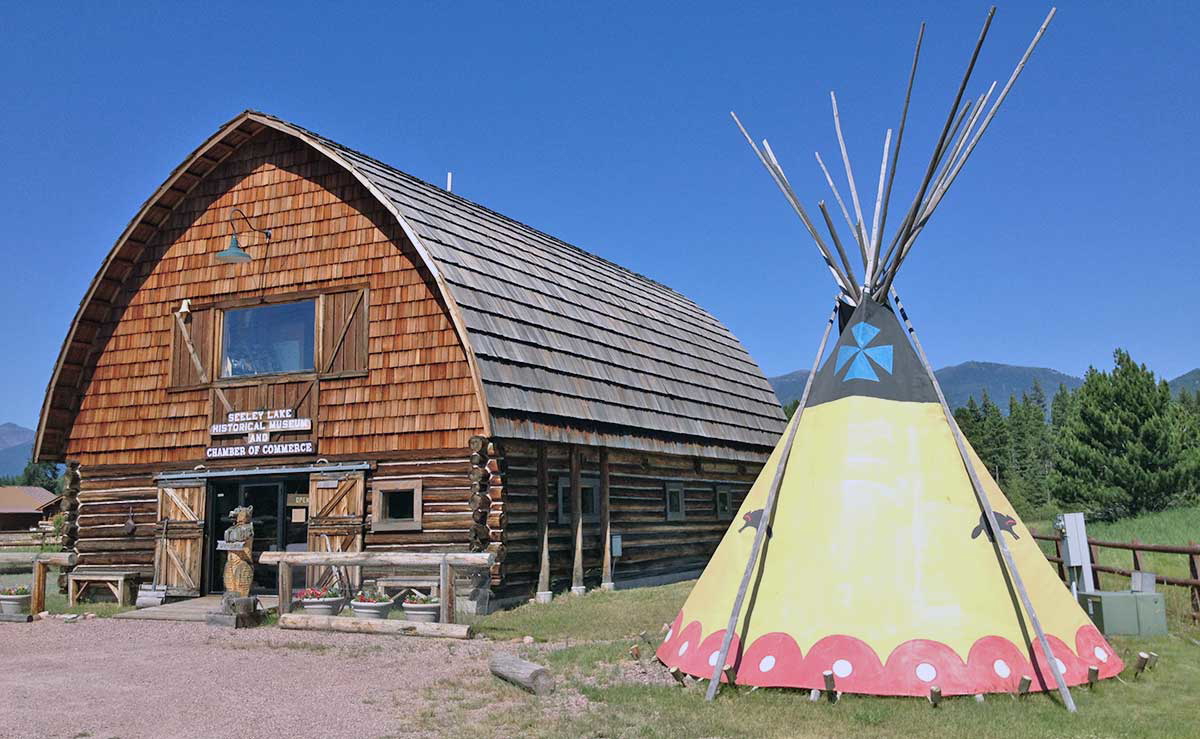
Four hours northwest of Fort Ellis is Fort Connah, a cluster of three buildings, one of which, the storehouse, is an original construction and may be the oldest building in Montana. The fort was largely active between 1846, when it was first erected, and 1871, as a Hudson Bay Trading Post. Replica buildings reflect how the trading post would have looked some 170 years ago.
The trading post, built by the Scotsman Agnus McDonald, was the last of its kind. McDonald named the fort for Connen in his home country. He later changed it to Connah to make it easier for the Native Americans, including the Kootenai, Pend d’Orielle, and Salish tribes, to pronounce. Before 1910, when settlers were encouraged to migrate to the area, the prairie had not seen a plow. It was largely home to local Native American tribes, who used the trading post. In 1871, the US government forced Hudson Bay Trading to abandon it.