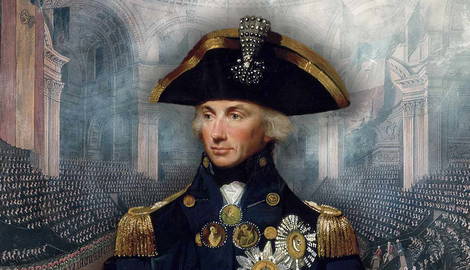
On January 9, 1806, the body of Horatio Nelson was interred at St Paul’s Cathedral in London. However, the sarcophagus chosen as his final resting place had originally belonged to another of Britain’s most famous figures. How did it happen that the remains of an 18th-century naval hero now occupy the tomb intended for a notorious, 16th-century Cardinal and statesman?
What Do We Need to Know About Horatio Nelson?
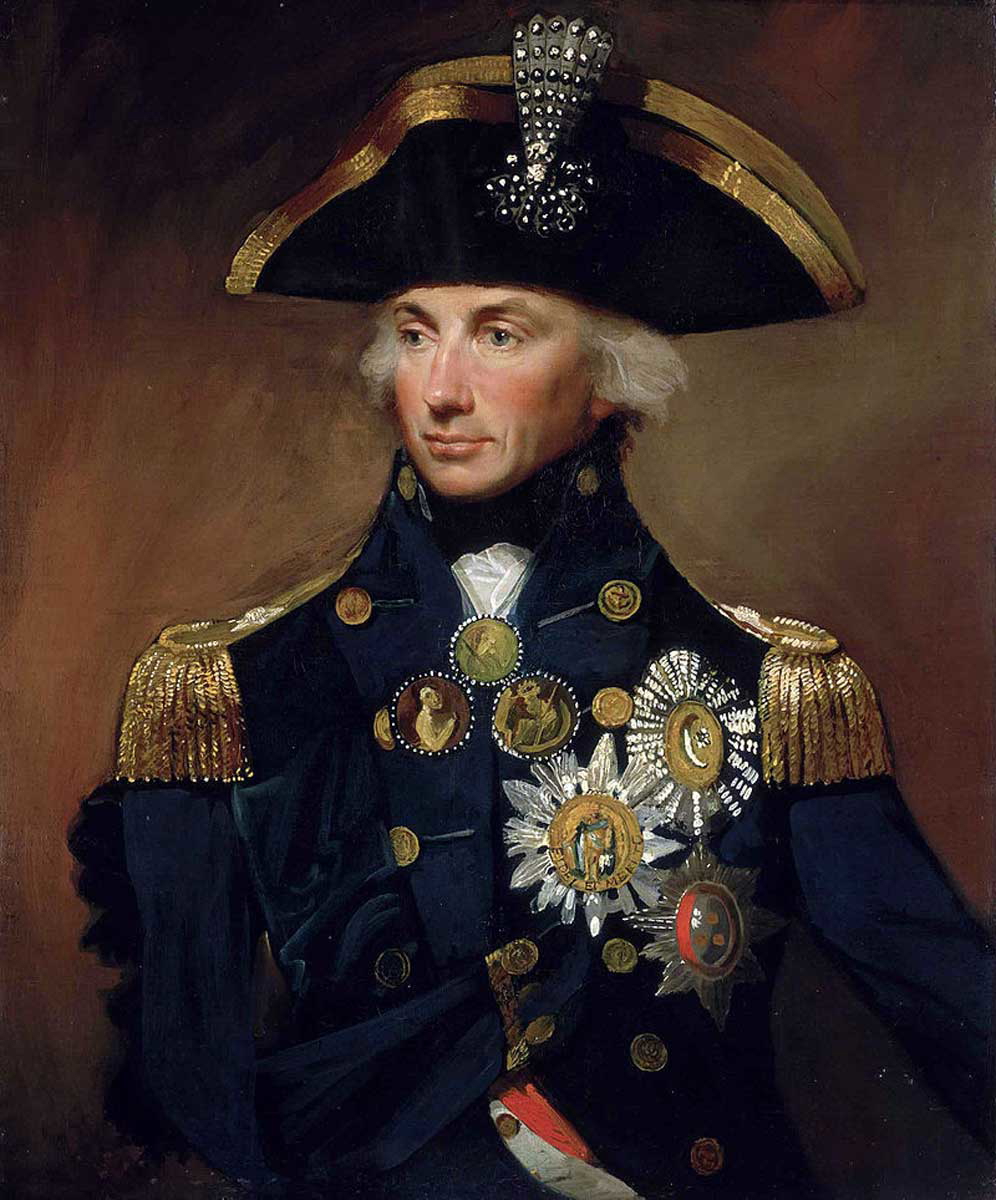
Where might one begin when describing Horatio Nelson? Taking all areas of his career, personality, and legacy into consideration, it would be difficult to do him justice in a book, let alone a few paragraphs.
The first thing to know about Horatio Nelson is when and where he lived and worked. He was born in Norfolk on September 29, 1758, and he died at the Battle of Trafalgar on October 21, 1805. His life spanned the reign of two Monarchs: King George II (1727-1760), and King George III (1760-1820).
Perhaps most importantly, Nelson was an Officer of the British Royal Navy. He was also vice-admiral and a viscount. The name Nelson is often spoken of in the same breath as the Duke of Wellington or Napoleon Bonaparte. Like them, he was one of the inspirational men of his era and a key figure in the Napoleonic Wars.
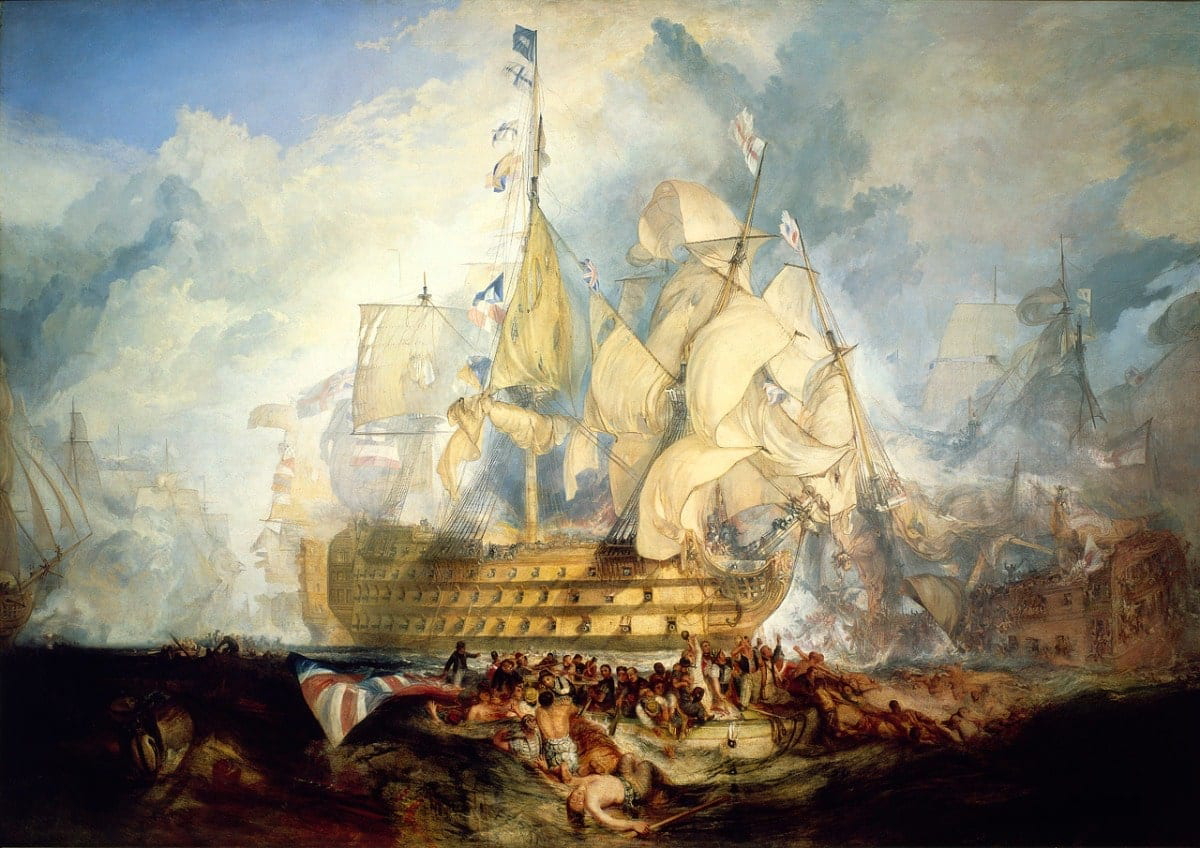
Such was Nelson’s success in the British Navy that he is widely regarded as one of the greatest commanders to have ever lived. The Encyclopaedia Britannica describes his legacy, stating that Nelson “is still generally accepted as the most appealing of Britain’s national heroes.”
Despite his impressive achievements, Horatio Nelson is best known for other aspects of his life, both public and personal. He is particularly famous for his one remaining arm. He had lost his right arm after being shot at the Battle of Santa Cruz in Tenerife, in 1787. That is to say, nothing of the fame and scandal he attracted as a result of his six-year liaison with the married Lady Hamilton.
Residents of Britain, particularly those living in London, may be reminded of Horatio Nelson on a daily basis. A monument called Nelson’s Column stands in Trafalgar Square, in the City of Westminster in Central London. Nelson, depicted with only his left arm remaining, stands atop a 160-foot column. Both column and statue were completed in 1843, the intention being to honor his decisive victory, and later his death, at the Battle of Trafalgar. It is one of the most significant and recognizable monuments in the United Kingdom.
Horatio Nelson: Death, Funeral, and Interment
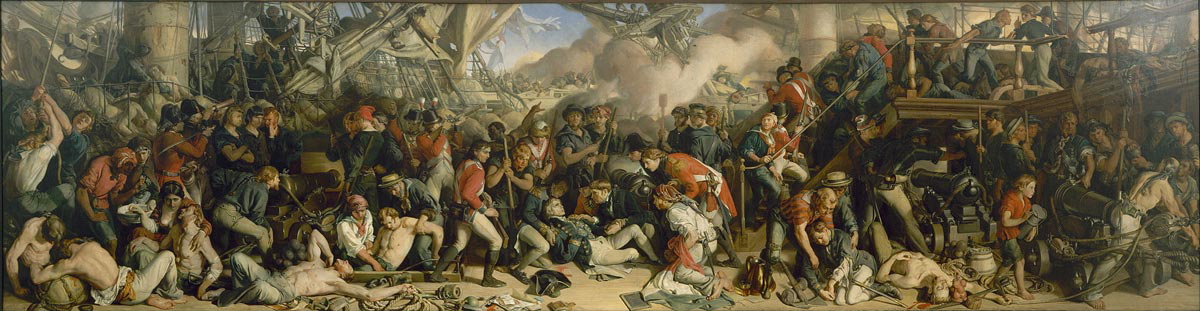
Horatio Nelson died at the Battle of Trafalgar, on October 21, 1805, having been hit by a musket ball. He was just 47 years old, and already a national hero.
A victory and a tragedy occurred on the same day, for although the Battle of Trafalgar was won, the life of Horatio Nelson was lost. Britain was greatly conflicted; was it a time to mourn or a time to celebrate? King George III considered it a time to mourn. On hearing the news of the Victory at Trafalgar, and then of Nelson’s death, he is alleged to have broken down in tears and said, “We have lost more than we have gained.”
The Times newspaper reported “We do not know whether we should mourn or rejoice. The country has gained the most splendid and decisive victory that has ever graced the naval annals of England, but it has been dearly purchased.”
The funeral of Horatio Nelson took place on January 9, the following year. The procession consisted of 32 Admirals, 100 captains, and 10,000 soldiers, all of whom accompanied Nelson from the Admiralty to the Cathedral. The actual funeral service lasted over four hours. His body was then interred in Cardinal Wolsey’s sarcophagus, after a parting ceremony that Wolsey could only have dreamed of.

The Encyclopaedia Britannica continues to describe the funeral and legacy of Nelson by informing us that “a country racked with grief gave him a majestic funeral in St Paul’s Cathedral, and his popularity was recorded in countless monuments, streets, and inns named after him and, eventually, in the preservation at Portsmouth of the Victory.”
If he had known of his ultimate fate, what would Horatio Nelson have thought of his final resting place? Would he have approved of his body being interred in a magnificent sarcophagus of black marble? Would he have objected to this connection with Cardinal Wolsey? These are the questions which will remain unanswered.
A Figure From the Past: Who Was Cardinal Wolsey?
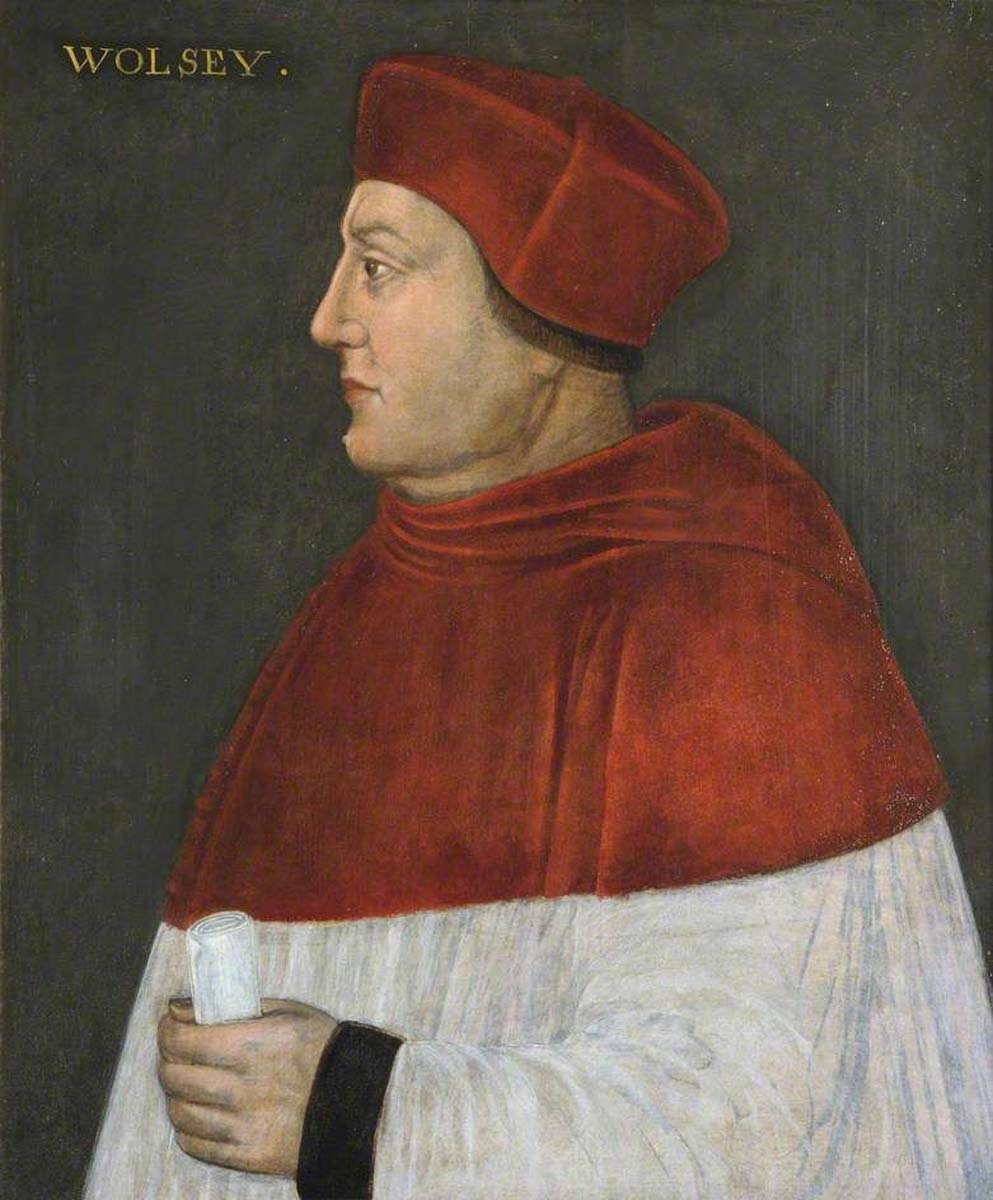
Cardinal Wolsey and Horatio Nelson were two very different people. It would be difficult to think of two figures of British history less alike than each other. It seems strange that they should feature in the same article, let alone share any connection as strong as a place of burial. The sarcophagus in which Nelson lies is the only obvious thing that links the two men. They were born 300 years apart but prospered equally in very different worlds.
So, who was Cardinal Wolsey? He was famous neither for his naval leadership nor his scandalous affairs but was known instead for his life-changing rise to prominence and his exceptional political abilities. He lived not in the 18th or 19th centuries but in the 15th and 16th. Although the exact year is unknown, it is likely that he was born around 1473, and he died in the midst of the reign of King Henry VIII, in 1530.
At the most successful point of his career, Thomas Wolsey was not only a cardinal but also archbishop of York, bishop of Durham, lord chancellor of England, and papal legate. That is to say nothing of the fact that the young and fun-loving King Henry VIII, at least during his early reign, was almost entirely reliant on him.
It is thought that, by the year 1514, Cardinal Wolsey had control of virtually all matters in the kingdom. So trusted was Cardinal Wolsey by King Henry VIII that he was selected as Godfather to his children: Henry Fitzroy and the future Queen Mary I.
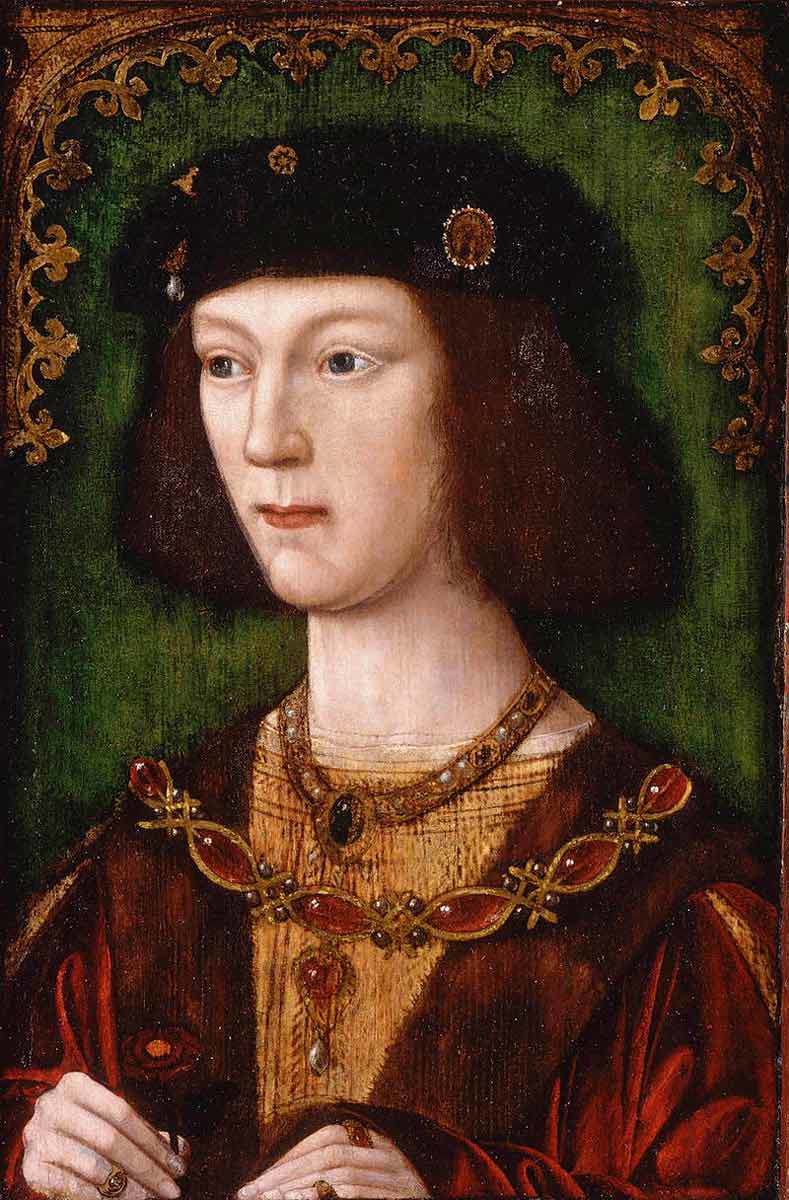
During his two decades of service, Cardinal Wolsey solved all manner of problems for King Henry, whether it be private, personal, public, or political. Neither Cardinal Wolsey’s importance during this era, nor his influence over King Henry should be underestimated. Undoubtedly, Wolsey was the supreme power in England. If anyone desired something from the King, they would first seek the approval of the Cardinal.
The historian John Guy explains to us the extent of Wolsey’s power and influence, between the years of 1515 and 1529, by saying that “Only in the broadest respects was the King taking independent decisions, it was Wolsey who almost invariably calculated the available options and ranked them for Royal consideration; who established the parameters of each successive debate; who controlled the flow of official information; who selected the King’s secretaries.”
Although Thomas Wolsey had been born in Ipswich as the son of a butcher and innkeeper, he rose through his own efforts to become the richest man in England but for the king himself. Cardinal Wolsey became renowned for his skill, intelligence, loyalty, and ambition, all of which he used effectively and unceasingly to serve the king.
Cardinal Wolsey’s most famous legacy—a testament to his unprecedented wealth—was his palace of Hampton Court in Richmond. This glorious, 750-acre residence is now owned by Historic Royal Palaces and is still visited by a quarter of a million tourists each year.
The Creation of Cardinal Wolsey’s Sarcophagus
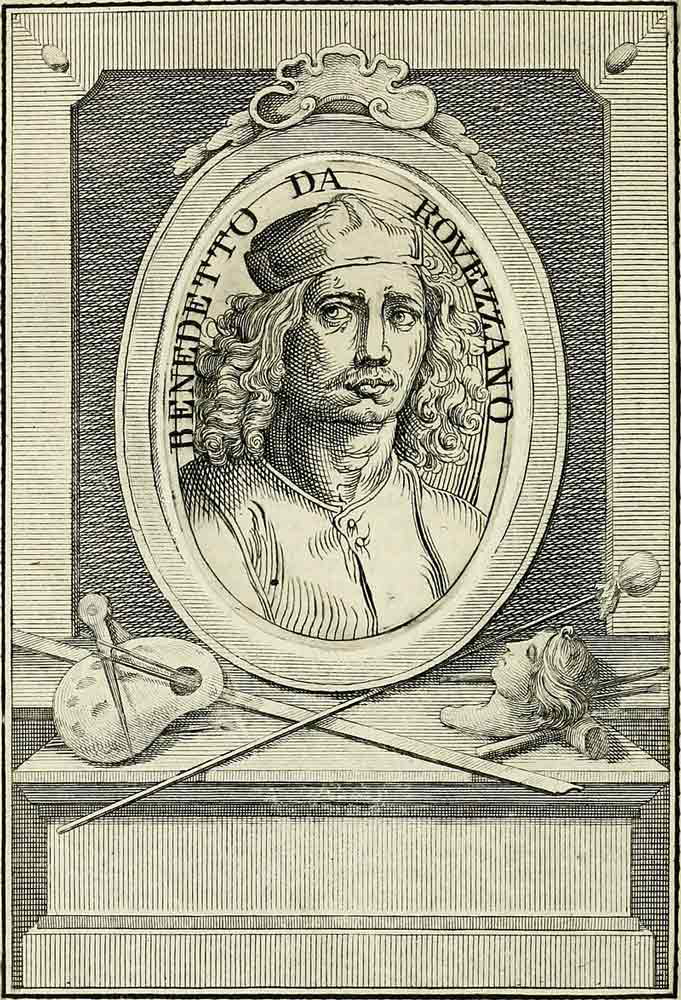
Long before his death in November of 1530, Cardinal Wolsey had planned to be regally interred at Saint George’s Chapel in Windsor Castle. This is where the body of King Henry VIII himself was later laid to rest, in 1547.
Saint George’s Chapel was a popular resting place for kings and queens of England gone by. The bodies of King Henry VI, then later King Edward IV, and his wife Elizabeth Woodville, had been interred at the chapel in fairly recent history. This is how Cardinal Wolsey thought of himself. He was grand enough, and eminent enough, to spend eternity beside royalty.
Cardinal Wolsey was so concerned with his after-death image that he went as far as to make arrangements for his own coffin. With the help of an Italian artist, Benedetto da Rovezzano of Florence, Cardinal Wolsey designed a tomb fit for a king. Benedetto was a highly respected, Florentine sculptor.
Having been commissioned to bring Wolsey’s design into existence, he soon delivered excellent results. He built what has been described as “a magnificent sarcophagus,” made almost entirely from smooth, black marble.
The finished product included inscriptions, legatine emblems, the archbishop’s cross, and the cardinal’s hat, all of which were intended as decoration. Most extravagantly of all, it included four, nine-foot pillars, each topped with human-sized angels bearing candlesticks. So pleased was Cardinal Wolsey with the results that he decided to become Benedetto da Rovezzano’s principal patron.
An Empty Tomb: What Happened After Cardinal Wolsey’s Death?
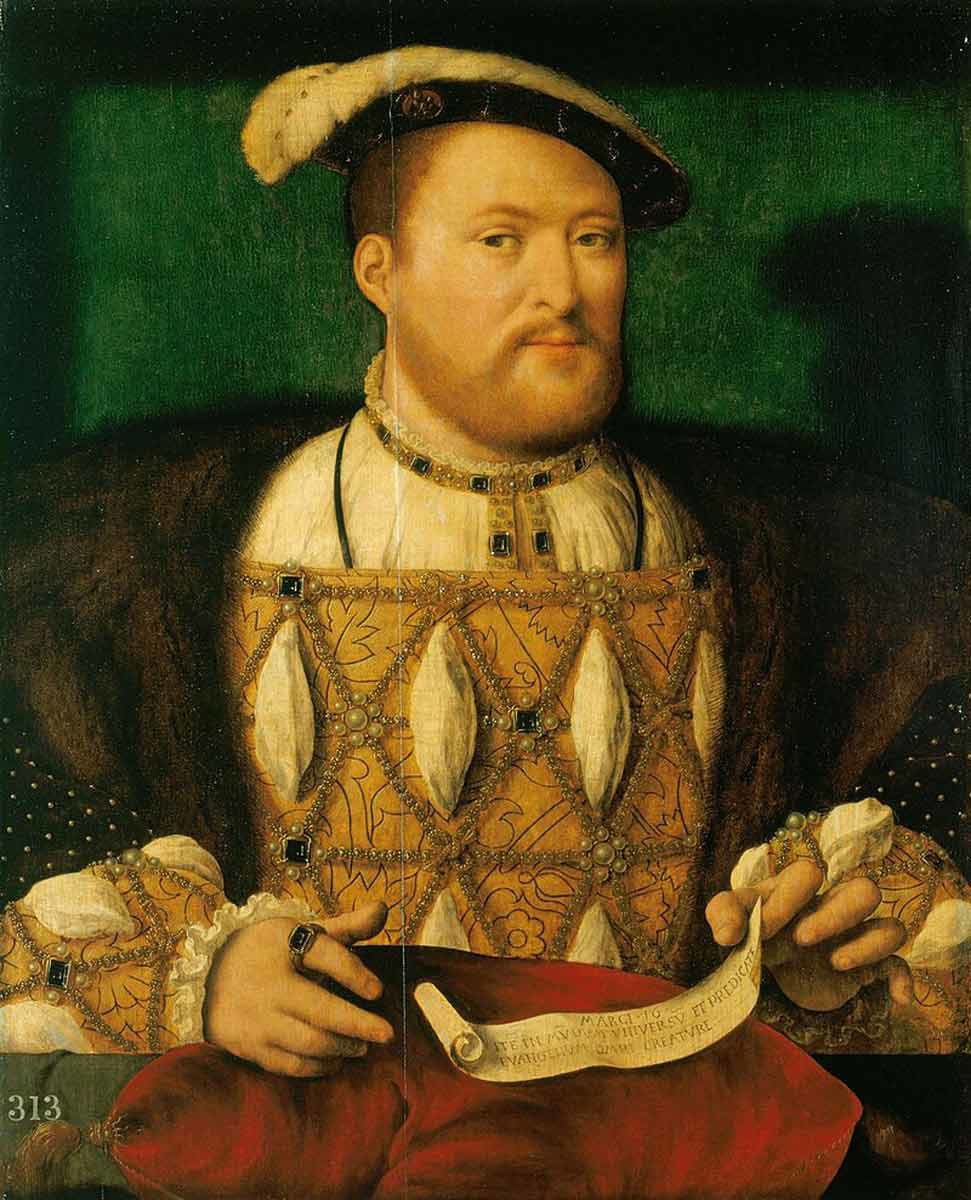
During the last few months of his life, while becoming aware of his approaching death, Cardinal Wolsey would have known that a burial in his special sarcophagus was an increasingly unrealistic prospect. Due to his inability to provide King Henry VIII with a divorce from Catherine of Aragon, Cardinal Wolsey had endured an irreparable downfall and consequently had been exiled to his residence at Cawood Castle in North Yorkshire.
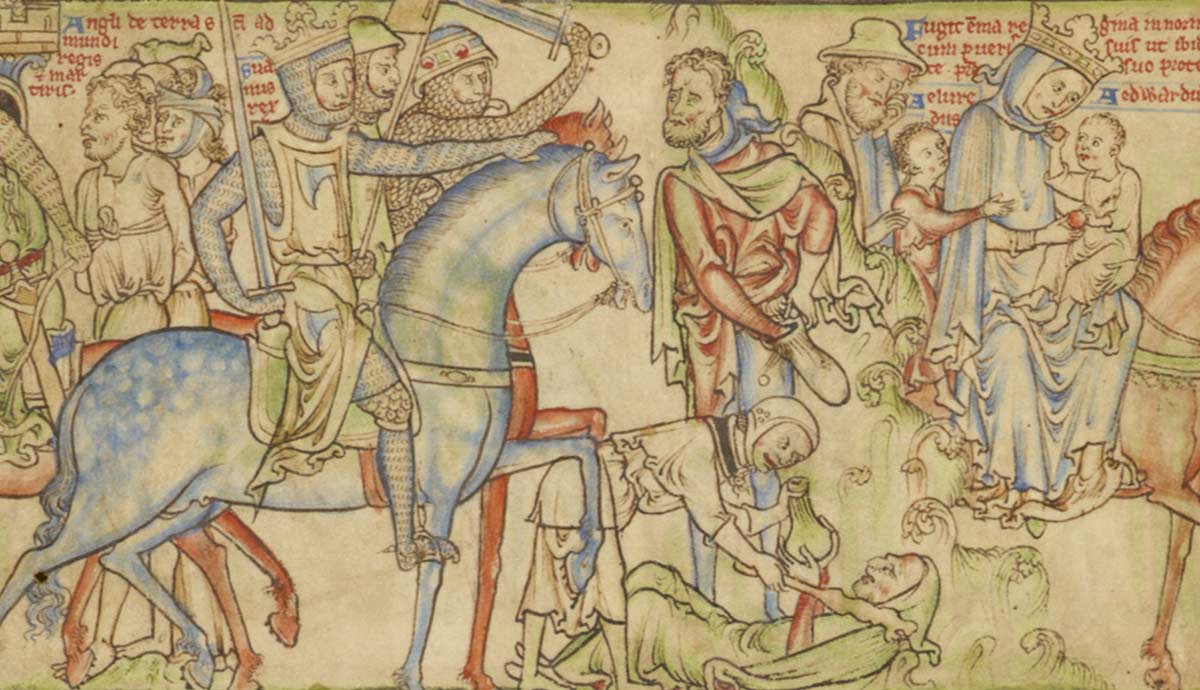
Cardinal Wolsey died under arrest, during a long and arduous journey back to London. It was on the morning of Tuesday, November 29, during the winter of 1530, that he took his last breath. The location of his death was Leicester Abbey, where he had stopped to rest a few days earlier. His passing was likely to have been a relief to him, for he had experienced a long period of great pain, suffering, and sadness.
Due to the circumstances of his death, there was absolutely no chance that Cardinal Wolsey would have been allowed the funeral and interment he had desired. There was even less chance that he would be allowed to lie beside royalty at Saint George’s Chapel in Windsor Castle. Cardinal Wolsey’s sarcophagus lay unused and unwanted.
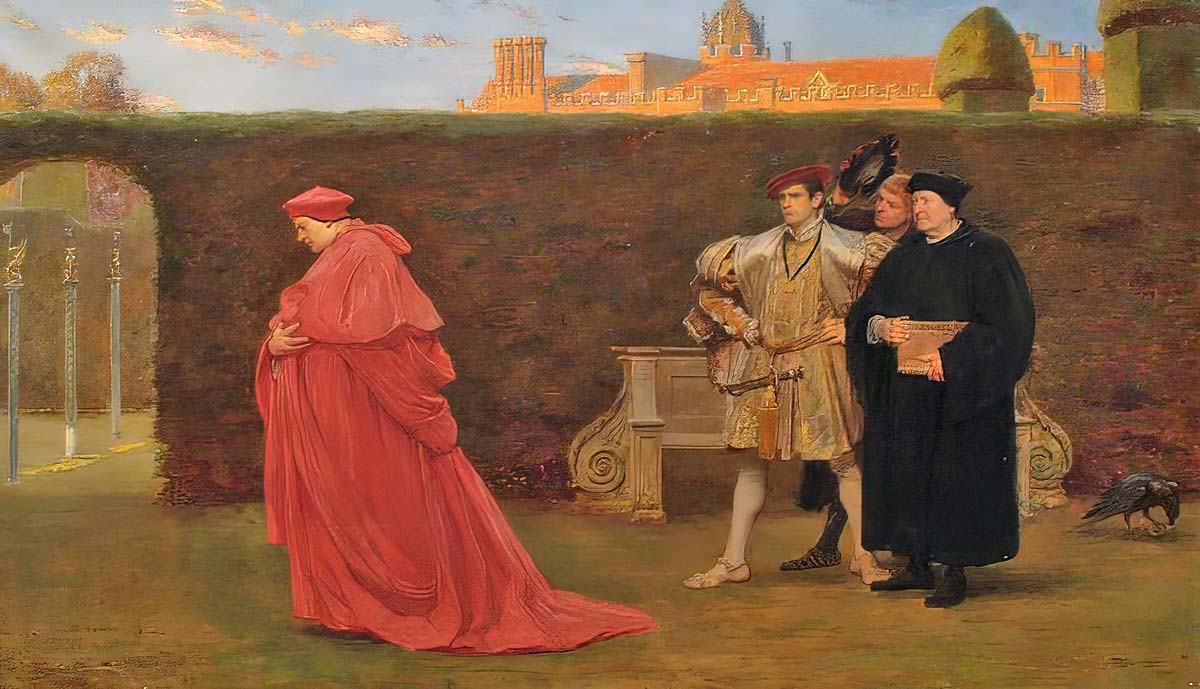
Contrary to his plans, Cardinal Wolsey’s funeral was a simple affair. It took place directly after the first prayers of the day, commonly known as Lauds, in the presence of the father abbot and his community of monks. According to reports, Cardinal Wolsey’s body was not embalmed, (as was expected for a man of his importance), and had been placed “cruelly in a coffin of boards.” This coffin, with Cardinal Wolsey’s body inside, was buried “beneath the main isle of the Lady Chapel.”
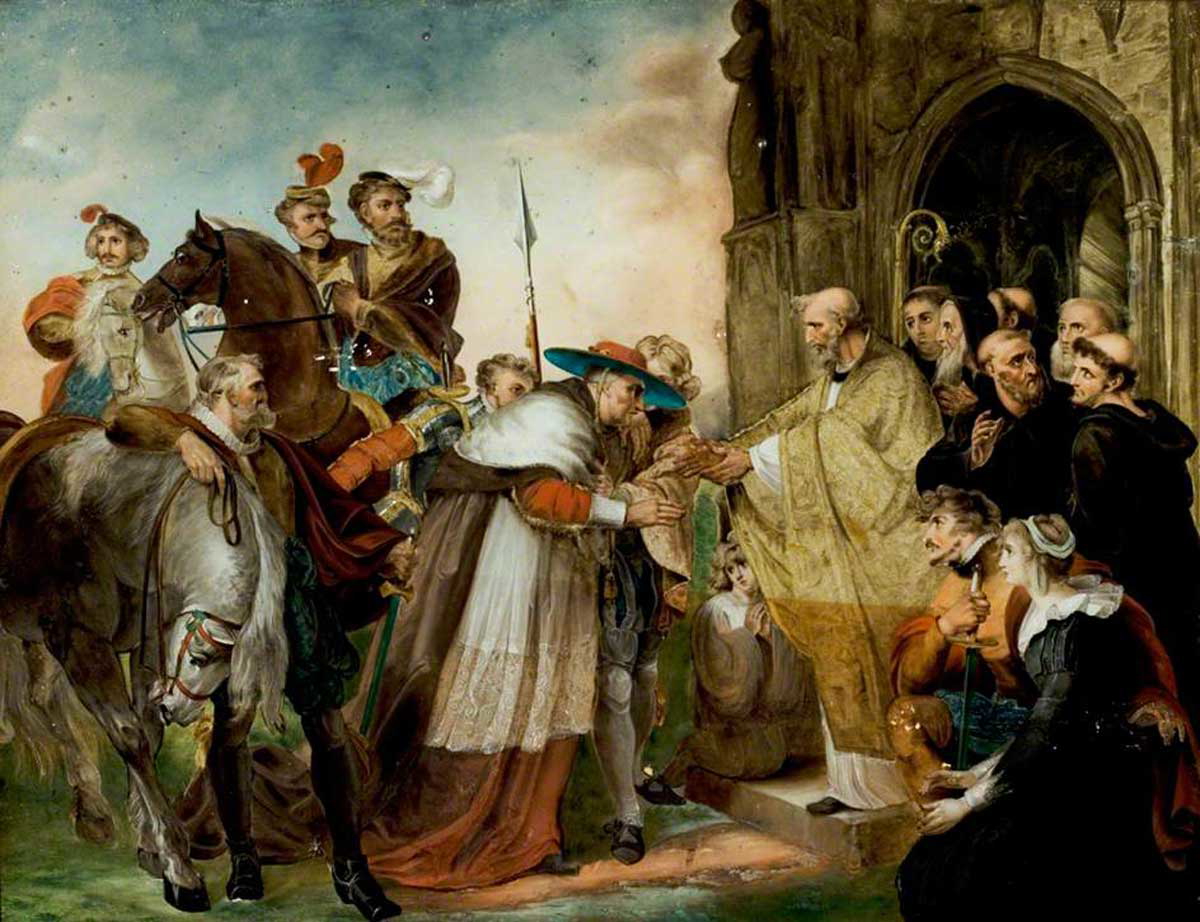
This brief ceremony was truly nothing compared with what he would have been given if Cardinal Wolsey had died in his own bed at Hampton Court, still possessing the love and favor of King Henry VIII. Every detail of his magnificent funeral would have been honored and carefully carried out.
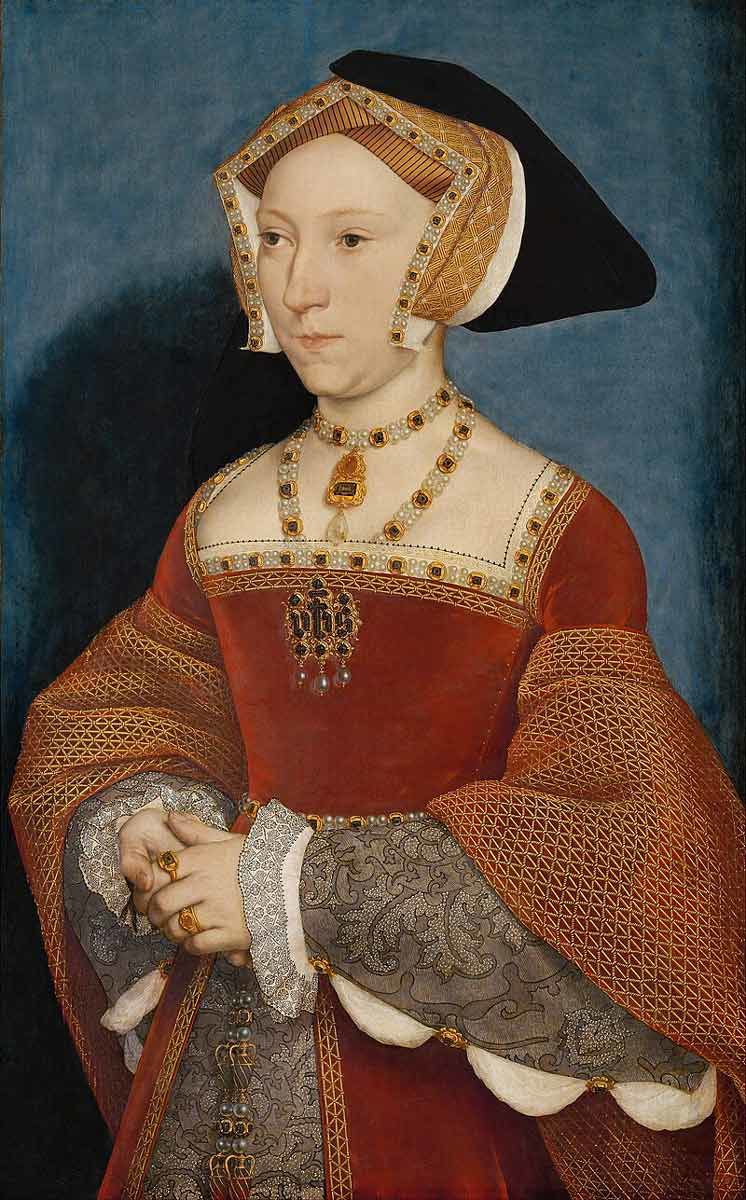
27 years later, shortly before his death, King Henry VIII briefly considered using Cardinal Wolsey’s elaborate sarcophagus for himself. However, he eventually decided against the idea, preferring to share the tomb of his third and possibly favorite wife, Jane Seymour.
After King Henry’s death, all three of his children expressed a desire to fill the vacant coffin when the time came, but similarly, all three ultimately selected other locations. King Edward VI, Queen Mary I, and Queen Elizabeth I all left Cardinal Wolsey’s sarcophagus in the same empty state as it had been for decades.
It wasn’t until the year 1806, over two centuries later, that Cardinal Wolsey’s sarcophagus was finally provided with a suitable occupant. It was none other than Horatio Nelson.
Horatio Nelson: The Man in Wolsey’s Sarcophagus
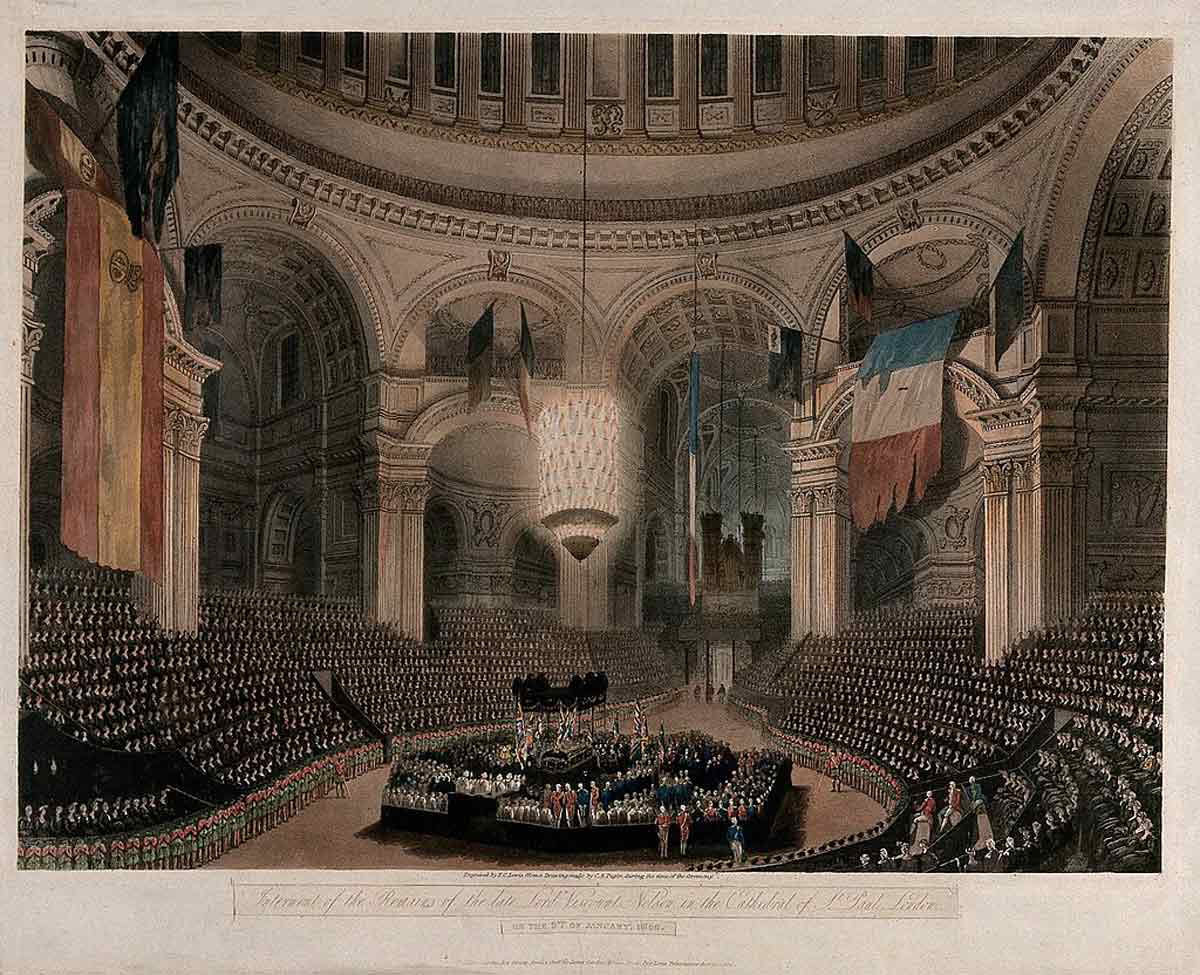
To this day, the remains of Horatio Nelson lie in the same sarcophagus, still located in the crypt of St Paul’s Cathedral in London. In the crypt, Nelson is surrounded by the likes of the Duke of Wellington (1769-1852) and Sir Christopher Wren (1632-1723). The sarcophagus can still be viewed by tourists, history lovers, visitors, or anyone who cares to lay their eyes upon such an extravagant sculpture.
Of Nelson’s death, the plaque at Saint Paul’s Cathedral states that he was “famously killed in the Battle of Trafalgar in 1805, and was buried in Saint Paul’s after a state funeral.”
It then goes on to describe his unexpected connection to Cardinal Wolsey; “The black, marble sarcophagus that adorns his tomb was originally made for Cardinal Wolsey, Lord Chancellor during the reign of King Henry VIII in the early sixteenth century,“ it continues; “after Wolsey’s fall from favour, it remained unused at Windsor until a suitable recipient could be found. Nelson’s Viscount coronet now tops this handsome monument.”
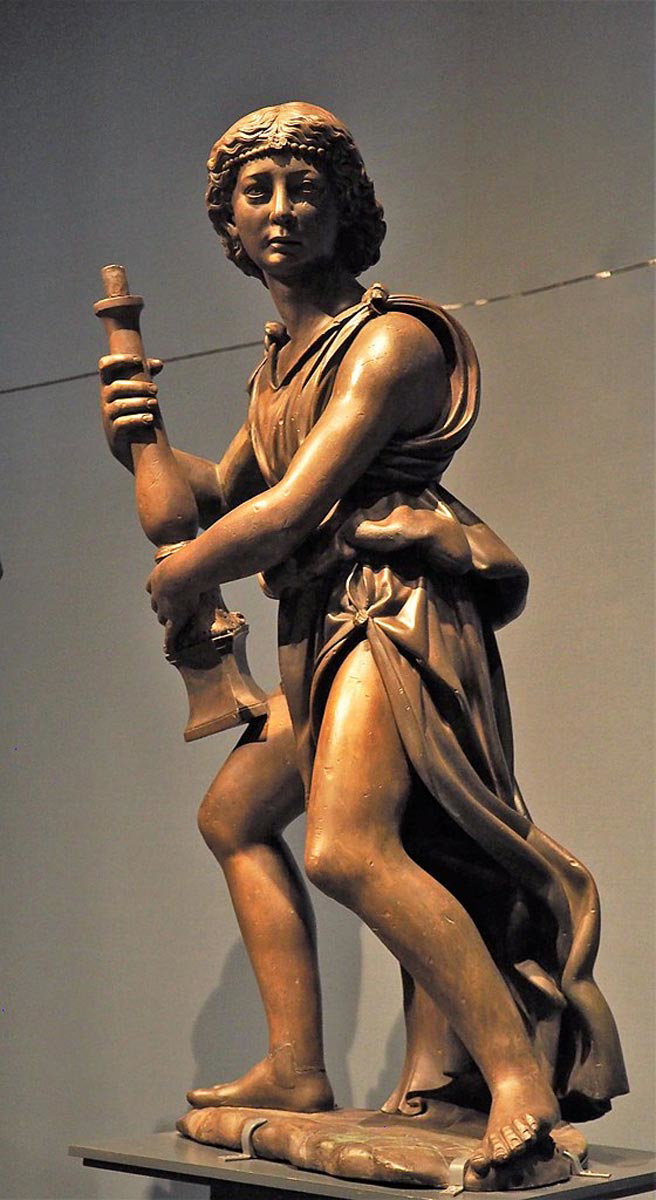
The only differences between the sarcophagus now, and the sarcophagus as it appeared in the 16th century, are the absence of Cardinal Wolsey’s angels and the appearance of a new inscription. He had originally intended each of the four angels to stand separately surrounding the sarcophagus, one in each corner. However, the angels are no longer attached in any way and have been permanently separated from their original home. The angels were bought as a set after a national appeal, and can now be found housed at the Victoria and Albert Museum in London.
Unfortunately, the final resting place of Cardinal Wolsey remains a mystery, even in the 21st century. There have been many attempts to locate his remains, especially during the 18th and 19th centuries but so far none have been successful.
As Leicester Abbey no longer stands, no one has yet been able to mark the location of his body. Despite his downfall and disgrace, Cardinal Wolsey is now remembered as one of the key figures of the Tudor era, as a great supporter of King Henry VIII, and as an integral help during his early reign.
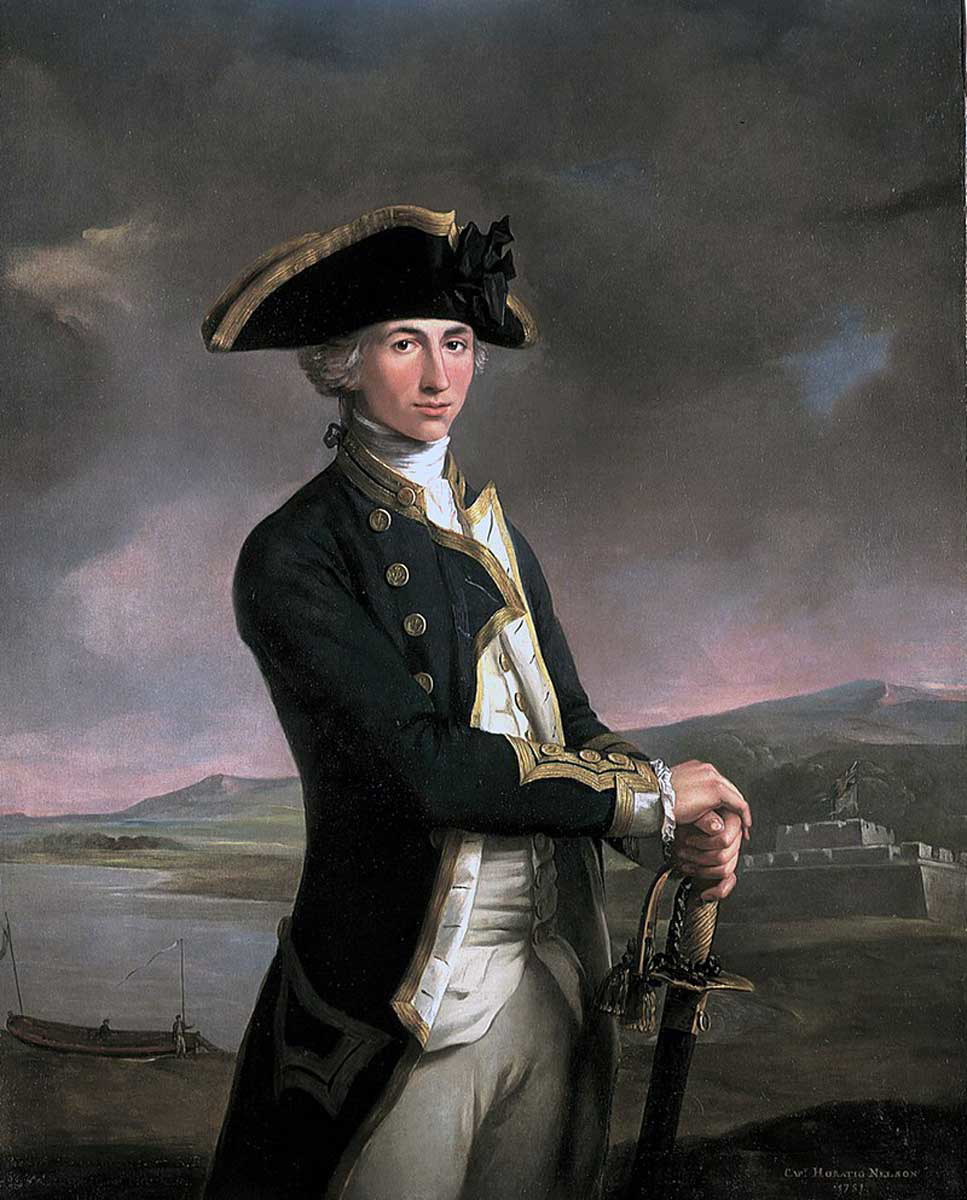
Horatio Nelson, on the other hand, best remembered for his triumphant victories, particularly during the Napoleonic Wars, is still considered one of the great heroes of British history. However, to Tudor history lovers all over the world, Horatio Nelson will forever be remembered as “the man in Wolsey’s sarcophagus.”