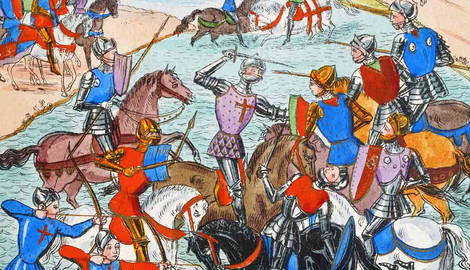
In 1337, King Philip VI of France declared that he did not recognize King Edward III of England’s sovereignty over the Aquitaine region in France. Edward responded by asserting his claim to the French crown. This led to the start of a series of conflicts between the English, French, and their respective allies lasting until 1453. It was one of the biggest wars between any European powers during the medieval period.
A Century of Conflict
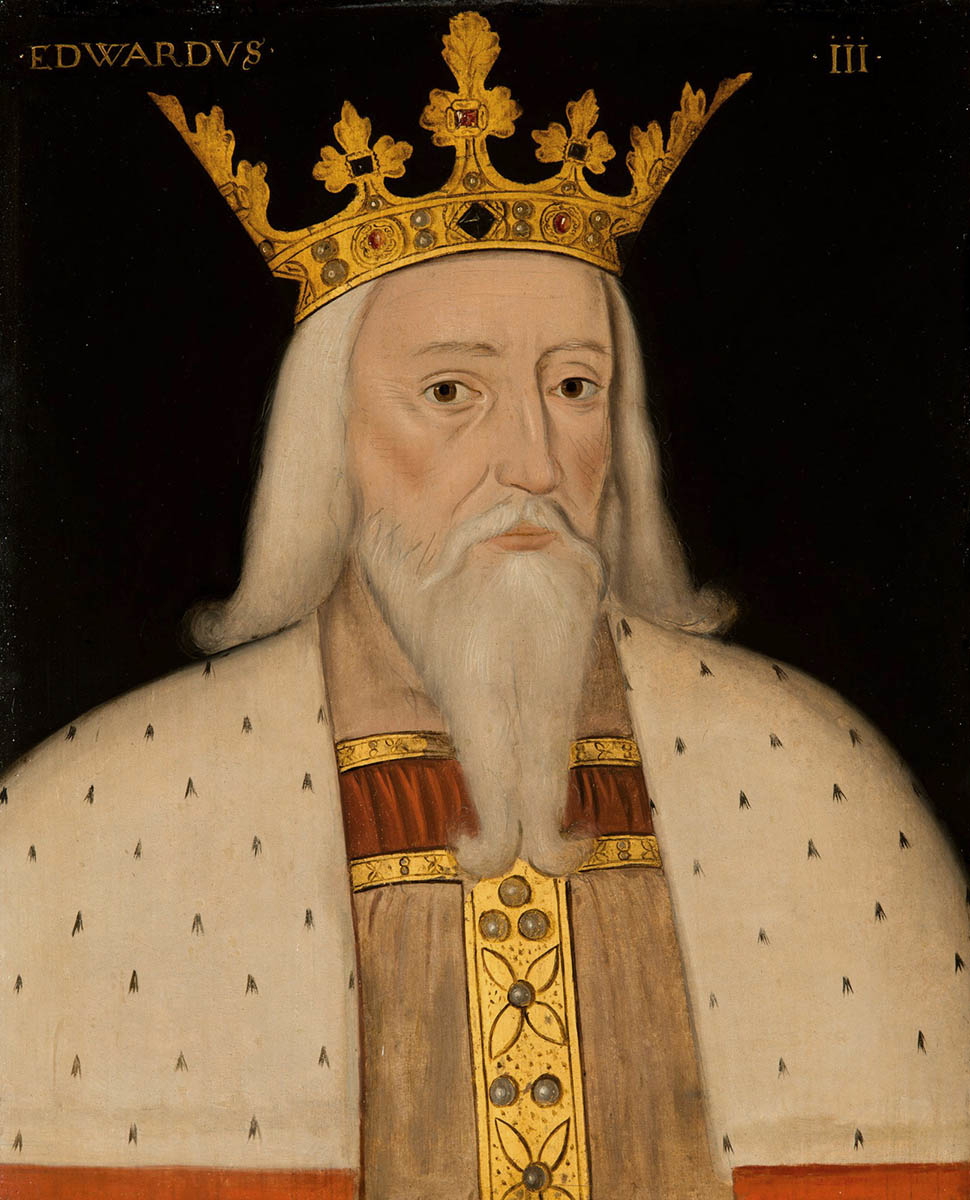
Between 1337 and 1453, the Hundred Years’ War tore apart the French countryside and left a lasting impact on Europe. Despite its name, which suggested a single war lasting over a century, it was actually a series of conflicts punctuated by periods of intense fighting broken up by temporary truces. The conflict contributed to the creation of modern French identity and deprived England of an extensive continental empire.
The two main issues behind the outbreak of the Hundred Years’ War involved succession rights to the French crown and the governance of English possessions in France. Many Frenchmen were embittered that the king of England was also a major feudal landowner in France. Over time, the conflict shifted to being less about the personal rivalry between two royal houses and more about national identity. In France’s case, this was personified by the emergence of Joan of Arc. Even though the war started as a personal contest between monarchs, it was ordinary people who paid the highest price, losing land, life, and limb.
The consequences of the war were immense. England abandoned further attempts to control large parts of French territory and came to identify itself as an island nation. France, emboldened by its victory, became one of the strongest nations in Europe. The strategic and tactical innovations during the war also inspired warfare in the rest of Europe.
The Capetian Succession Crisis
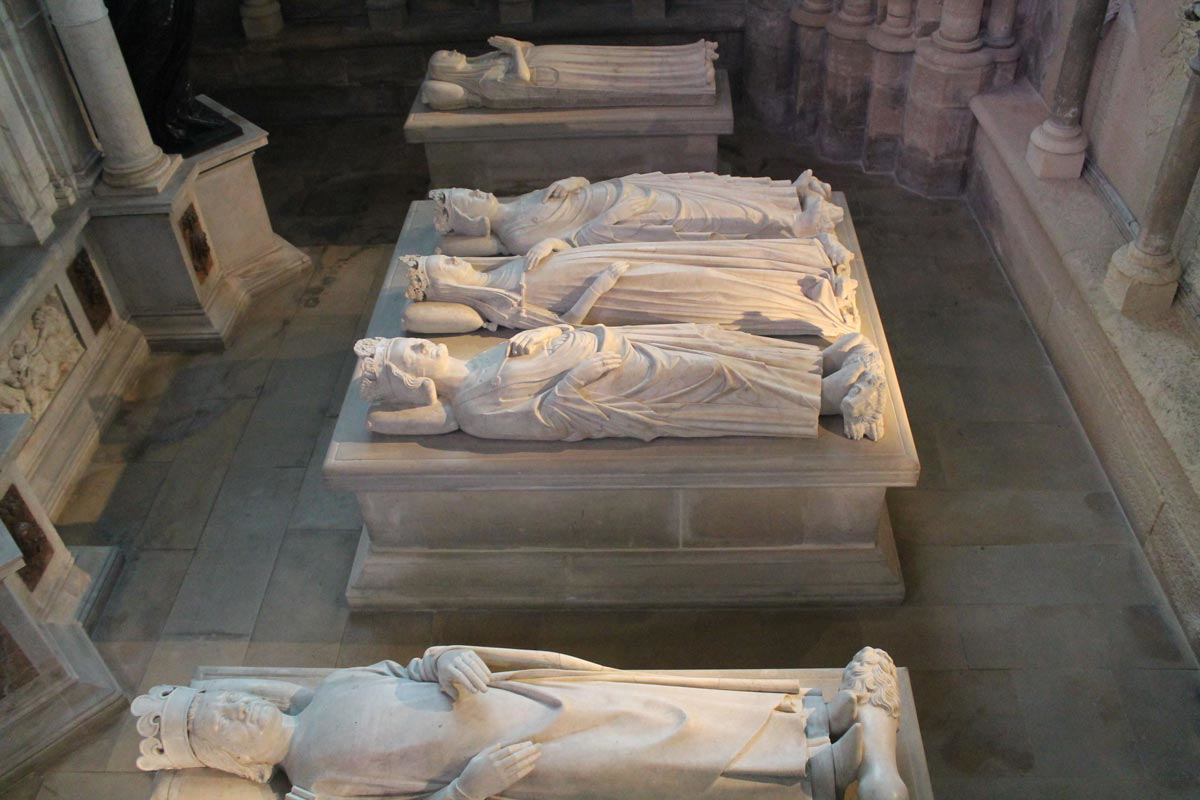
Succession struggles were one of the main precipitators of conflict in the Middle Ages. In 1328, King Charles IV of France died without a direct male heir. His cousin, Philip of Valois, was quickly crowned king Philip VI by the French nobility on the grounds that he was the best choice available. However, King Edward III of England also had a claim. He argued that, because his mother, Queen Isabella, was the daughter of King Philip IV of France, he had a better claim to the French crown.
French law officially forbade succession through the female line. However, some French nobles were disenchanted with Philip VI and threw their support behind Edward. While he initially agreed to respect Philip’s authority, tensions spiraled downward over the Duchy of Aquitaine. Formerly an English possession, most of the territory, except for Gascony, came under French rule. However, Edward’s control over Gascony made him a vassal of France and required him to pay homage to Philip.
In 1337, Philip took control of Gascony, claiming that Edward was not fulfilling his obligations as a vassal. This infuriated Edward, who began claiming that the French crown belonged to him. By 1340, Edward ordered English troops to sail across the Channel and march inland to help him secure the French throne. By feuding over control of Gascony, Edward initiated one of the bloodiest European conflicts to date.
French Nobles Who Backed Edward
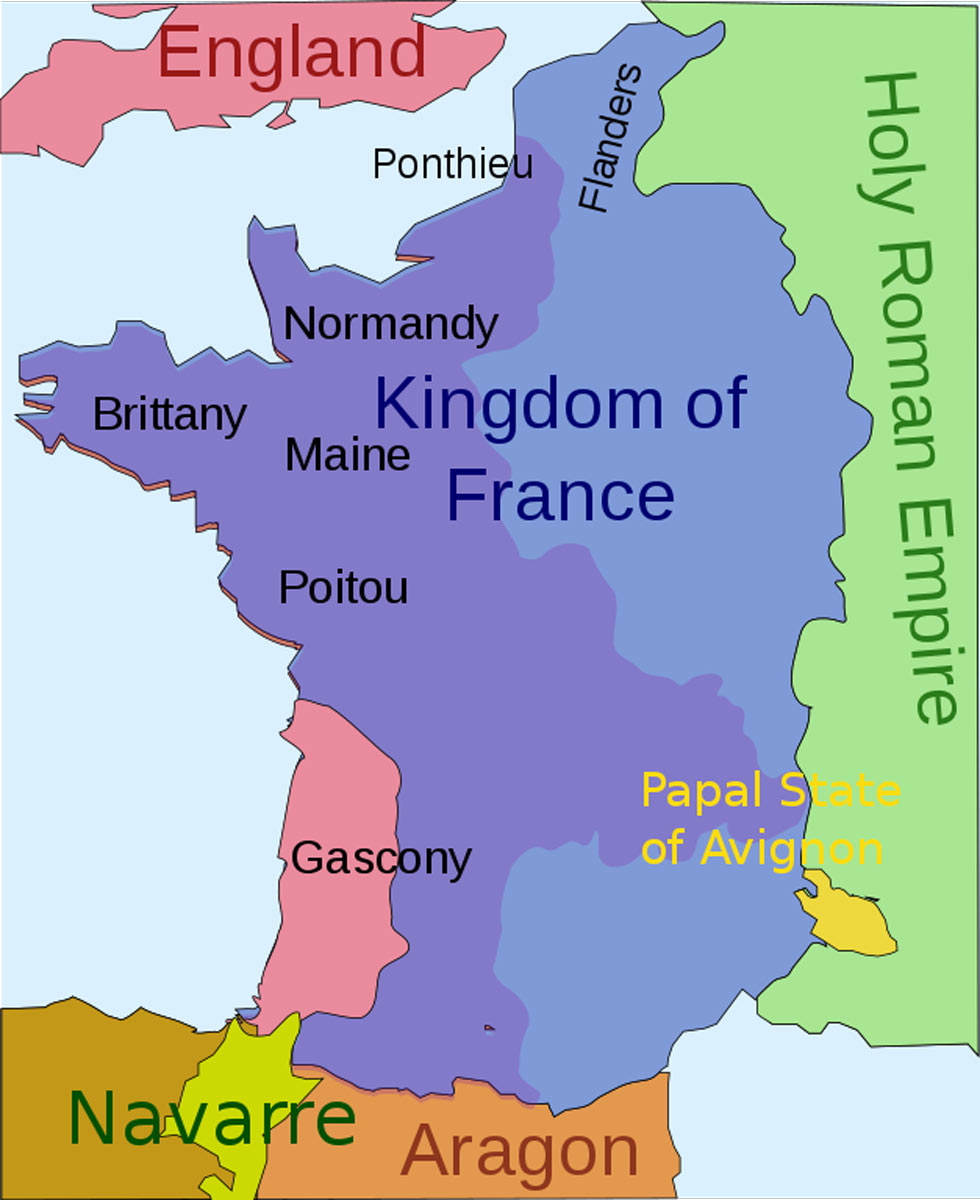
Edward felt emboldened to claim the crown of France for himself due to the support of several French nobles for his cause. Philip had alienated certain members of the French elite when he took power. These men included Guy, the half brother of the Duke of Flanders, the civil authorities in Ghent, Ypres, and Bruges, Robert d’Artois, and several nobles in Aquitaine. By offering homage and support to Edward, they encouraged him to invade France and start the war.
Robert d’Artois, also known as Robert III of Artois, had been a supporter of King Philip, who was his brother-in-law. However, he began to face legal troubles in France when he was found guilty of forging his father’s will. He failed to answer repeated royal summons and eventually ended up in England. He urged Edward to invade France, hoping that he would be elevated to a dukedom. Many chroniclers and historians believe that he had a major influence on Edward’s decision to invade France.
English rule over Gascony had created a class of nobles ready to support Edward. Many of them owed their power to English recognition and were willing to help Edward assert his claim to the French throne. At the same time, a lot of Gascon nobles were reluctant to fight France, preferring to side with the more powerful actor. After the war started, Edward sent his son, Prince Edward (known to history as the Black Prince) to Gascony to raise men for his military campaign.
Economic Rivalries and Trade Tensions
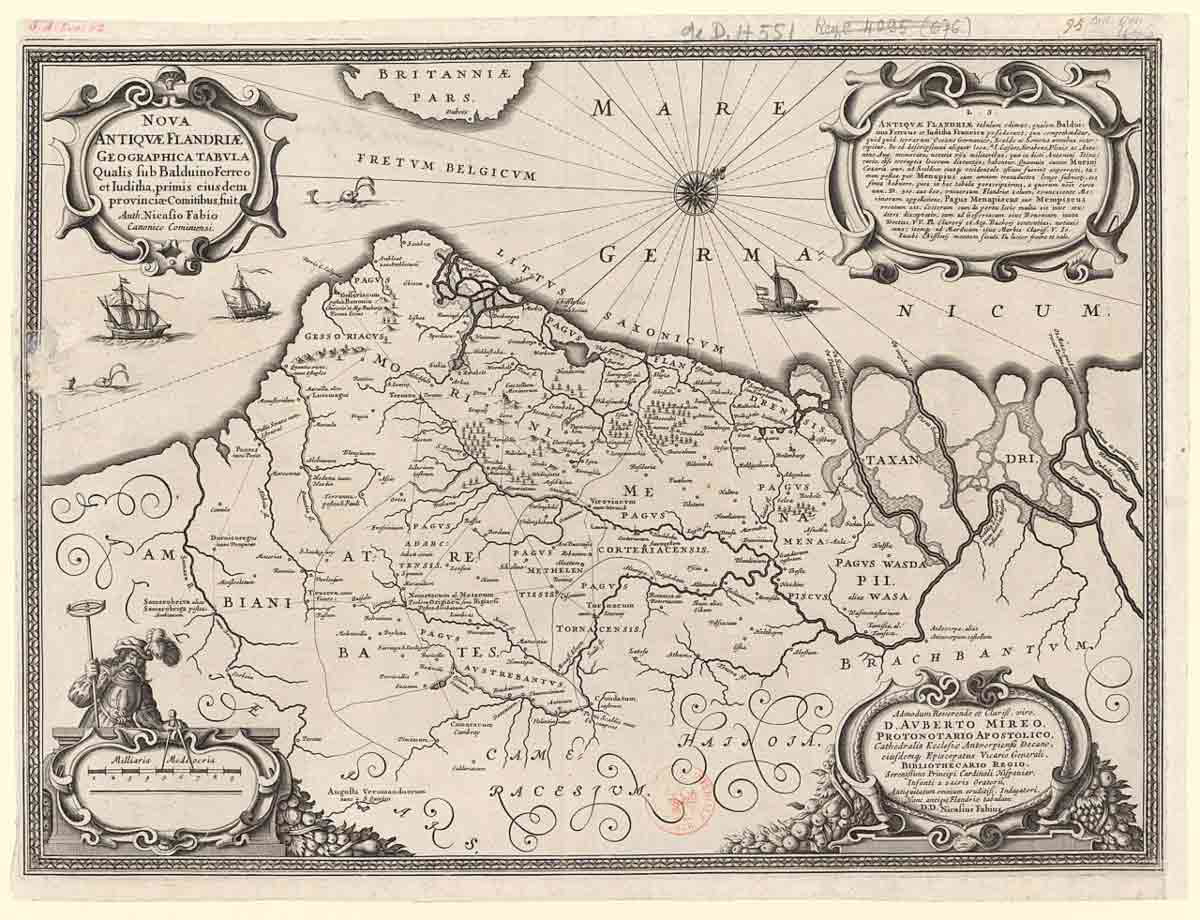
England and France also feuded over control of the mercantile hub of Flanders. The region was a major center of trade and innovation, on par with some of the Italian city-states. Much of the peasantry and middle class supported England because the Count of Flanders, their main enemy, was a supporter of the Capetians. Before the Hundred Years War began, there were several conflicts between the lower classes and the wealthy, French-backed elite.
At the time Edward began clashing with Philip over Aquitaine, Louis I was the Count of Flanders. He had relied heavily on French aid to crush the Peasant Revolt from 1323-1328. As a result, he backed Philip’s claim to the throne, making him a target of Edward. The English imposed a boycott on the wool trade, causing chaos in the Flemish economy. This led to another revolt by Jacob van Artevelde, a Flemish merchant sympathetic to Edward. For the Capetians, English control over Flanders would prove a disaster, allowing England to pressure the French economy.
Jacob van Artevelde proved successful in overthrowing Louis I and ruled Flanders from 1338 to 1345. The English launched their initial invasion through Flanders, hoping to bolster their ranks. For much of the war, Flanders remained in the hands of English-backed nobles, reverting to French control later on. Notwithstanding the rivalry over control of the territory, it did not witness any major military action during the war.
The Formation of National Identity
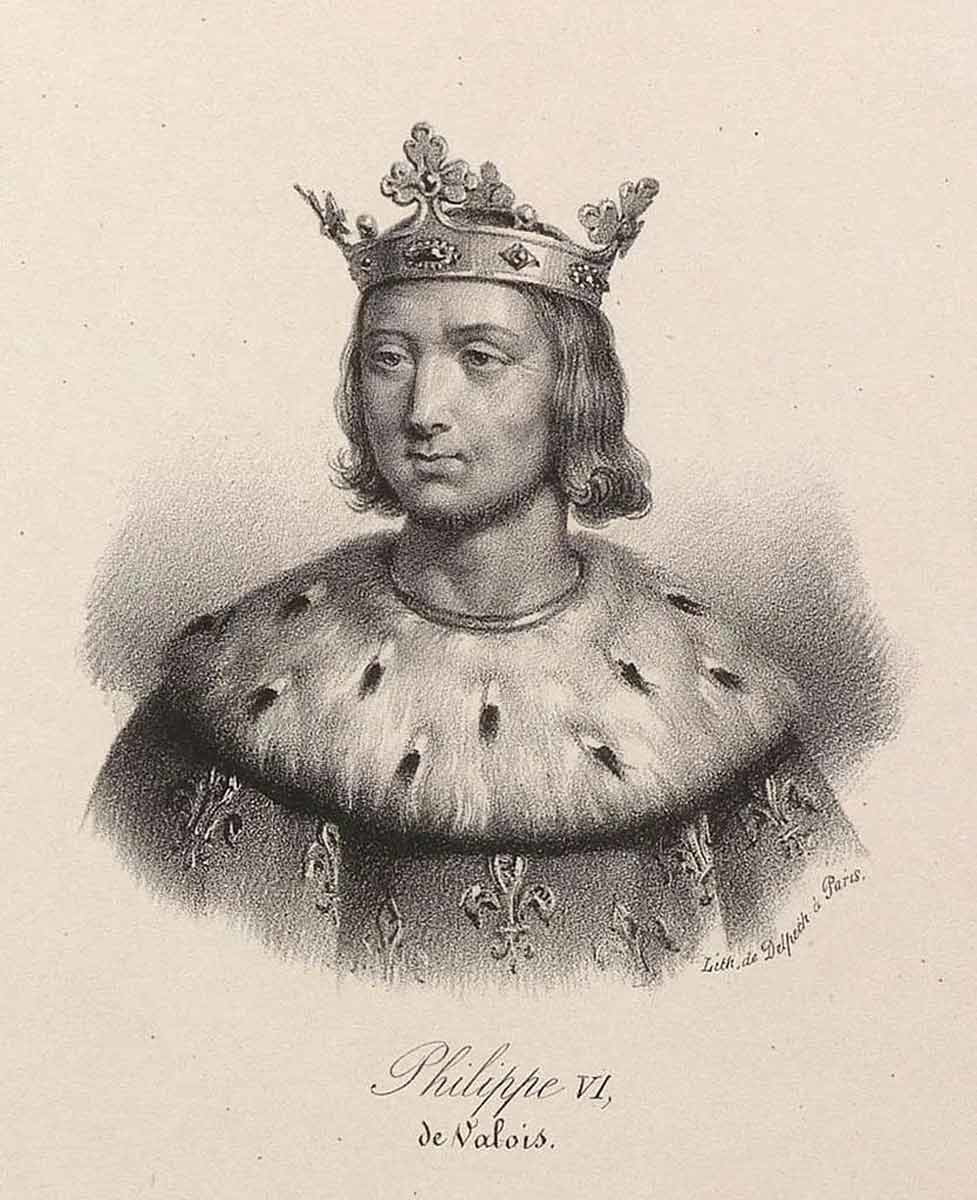
For many French people, England’s claim to its throne was a threat to their dignity. Resistance to English occupation during the war became a rallying point. Figures like Joan of Arc came to symbolize a divine mission to restore French sovereignty, contributing to the idea of France as a single, unified realm under a legitimate monarch.
The war also led to the centralization of power in the hands of the French monarchy at the expense of feudal lords.
For England, the conflict forced the political class to identify itself in opposition to France. Ever since William the Conqueror’s conquest of England in 1066, much of the English nobility spoke French and admired French culture. The use of the English language in government, literature, and daily life increased significantly during this period, especially after Edward III adopted English as the language of the royal court and Parliament. England’s defeat did not diminish this cultural evolution. Over time, the Norman influence in England died out.
Both armies began fielding larger armies during the war and making increasing demands to their people to support the war effort to its fullest. The power of the urban middle class and the monarchy in both England and France increased at the expense of the regional nobility as the medieval feudal system gradually gave way to more autocratic governments throughout Europe.
Outbreak of War
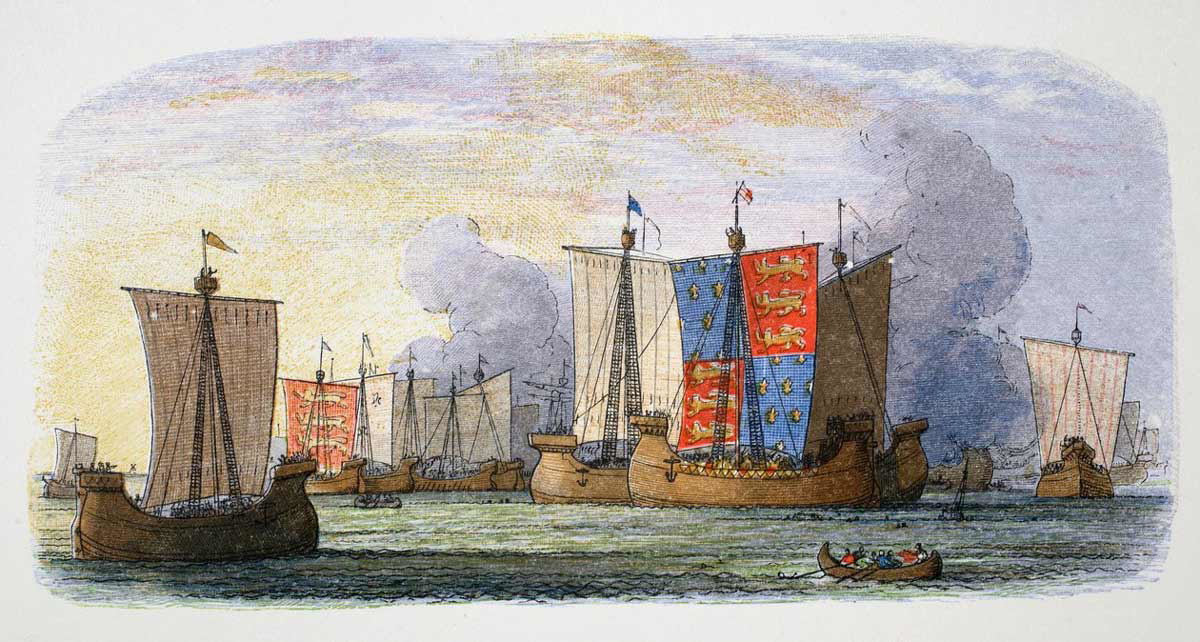
On June 22, 1340, Edward set off from the English coast with a large fleet of some 150 ships and set sail for Flanders. His aim was to land an army there, gather local support and march south. His fleet was composed of a mixture of purpose-built warships and merchantmen pressed into naval service. Upon receiving word that the French warships were located in Sluys harbor, he entered the bay and ordered his fleet to destroy as many French ships as possible.
On June 24, English archers wreaked havoc on the French crews, a foreboding of future battles where the English longbowmen devastated their French foes. As they closed in on the French warships, the English crews boarded and slaughtered the French at will. Flemish vessels reinforced the English to compensate for the larger French numbers. By the end of the battle, somewhere between 16,000-20,000 Frenchmen were killed and much of the fleet was destroyed. It was a very auspicious start to Edward’s military campaign.
However, the English failed to build on their gains. The French were able to rebuild their fleet owing to their larger merchant fleet. Additionally, Edward was running low on funds to continue the campaign. Although Edward would intervene in French affairs again during the War of the Breton Succession in 1341, this proved to be a recurrent problem for England as the French bounced back from defeat by leveraging the country’s abundant resources. Although English armies won regular victories on the battlefield and enjoyed support from a large cohort of continental allies, the English could never effectively subjugate France.