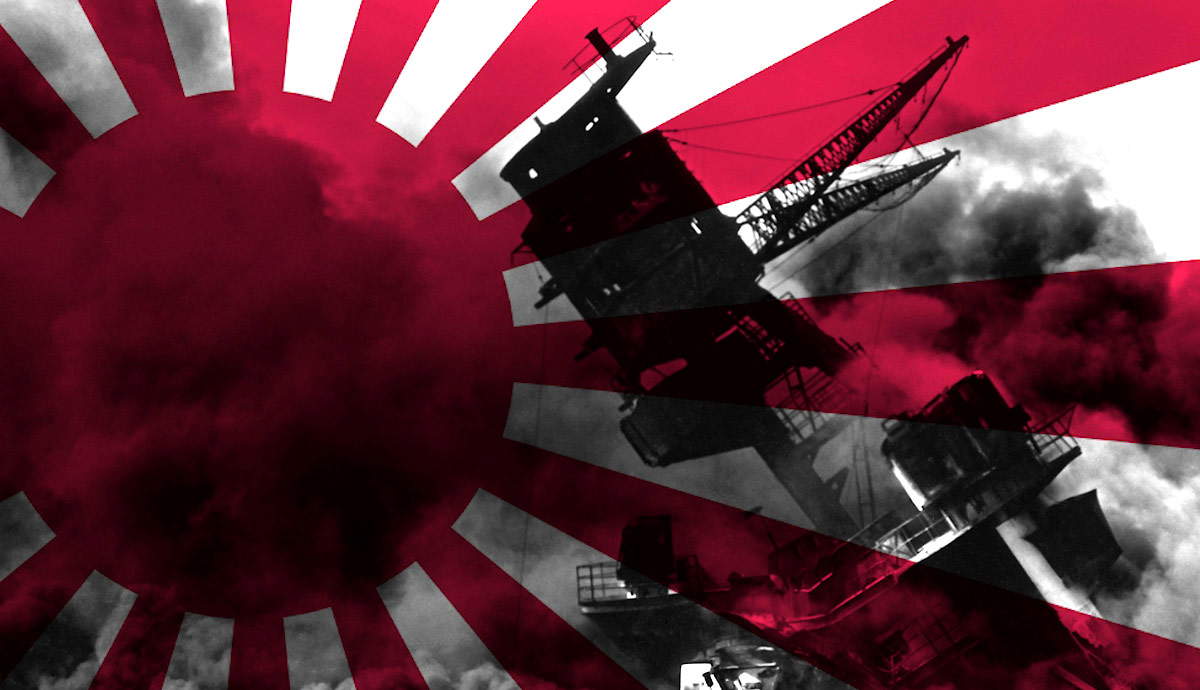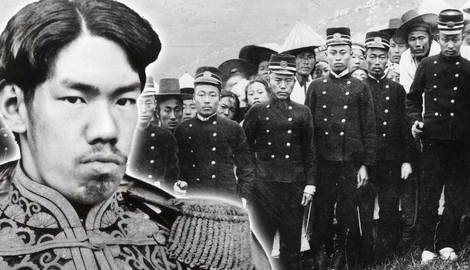
Throughout its history under Japanese rule, Korea served as a reservoir of manpower and resources for Tokyo’s ambitions. Following the outbreak of World War II in Asia, many Koreans hoped that the Allies would liberate them from Japanese rule. Nevertheless, a large number of Koreans also became active participants on Japan’s side during the war. The impact of the Japanese occupation of Korea, particularly during World War II, continues to affect the Korean peninsula to the present day.
The Japanese Occupation of Korea Before WWII
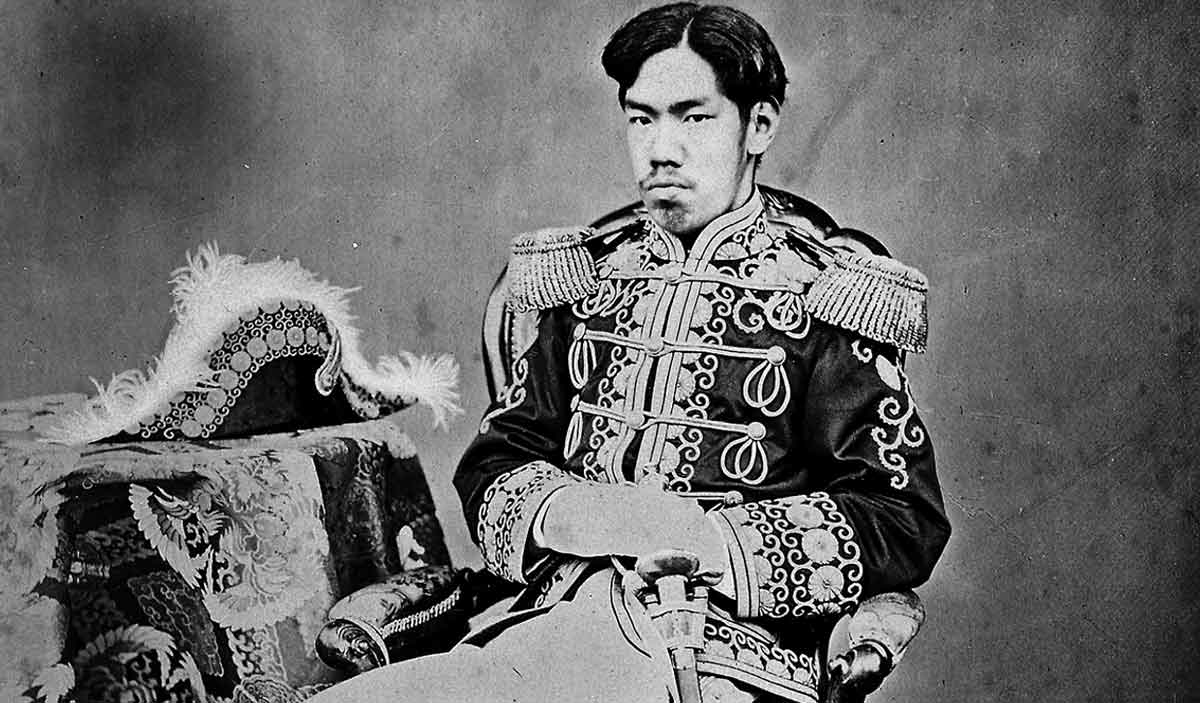
Japan’s imperial designs on mainland Asian territory began long before World War II. Until the 19th century both Japan and Korea were largely isolated from the rest of the world due to the fear of foreigners disrupting the established order. This changed in the mid-19th century after Japan was forcibly opened to international trade by American gunboats. Following the Meiji Restoration in 1868, Japan looked to create its own empire in mainland Asia. Korea was a vital strategic asset both as a stepping stone for imperial enterprises in northern China and as a buffer protecting the Japanese home islands from the Chinese.
The First Sino-Japanese War of 1894-1895 was fought between Japan and the Qing Empire for control of the Korean peninsula. The Chinese forces suffered a humiliating defeat and China was forced to release Korea from its tributary relationship. The prospect of increased Japanese influence was opposed by Queen Min, the leading figure in the government of her husband King Gojong. As the queen looked to the Russian Empire as a counterweight to Japan, she was assassinated by Japanese agents in August 1895.
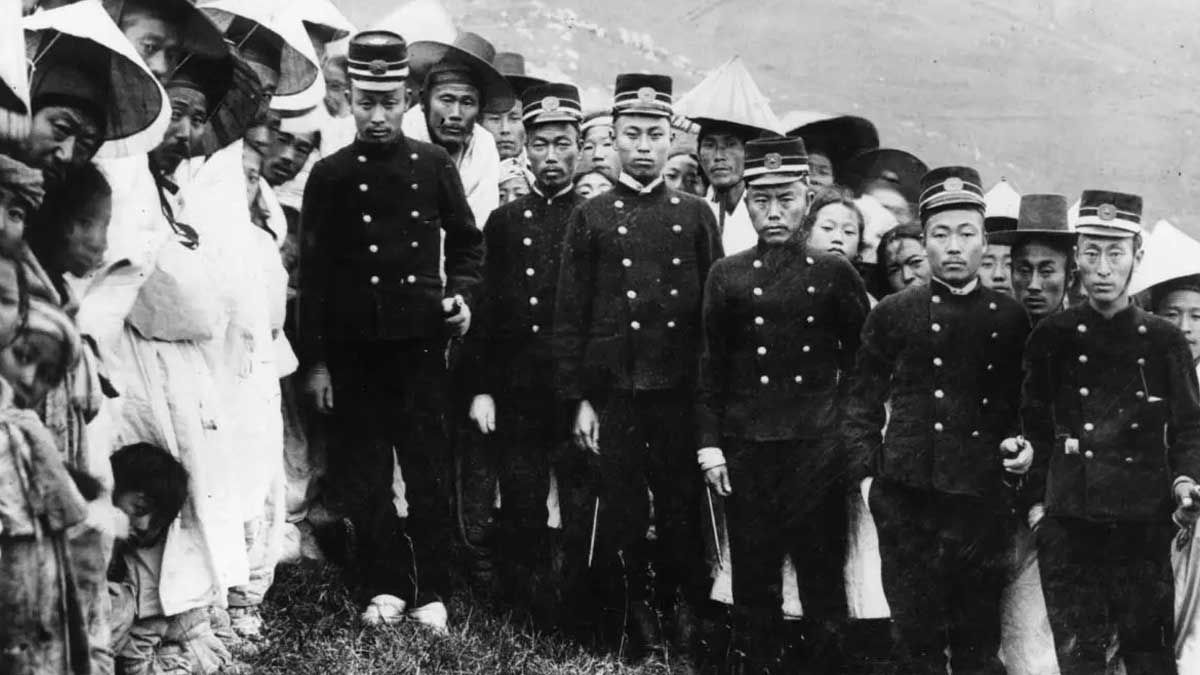
The brutal murder outraged Koreans and strengthened Russian influence on the peninsula. In an effort to assert Korea’s independence, Gojong proclaimed himself emperor in 1897. However, Russia’s unexpected defeat in the Russo-Japanese War gave Japan a free hand in Korea. In 1907, the Japanese forced Gojong to abdicate in favor of Crown Prince Sunjong. Three years later, Japan formally annexed Korea.
Japan encouraged settlement by Japanese civilians in the peninsula and created a military administration. Tokyo claimed that Koreans were backward people and ruthlessly modernized the land, even growing trees not native to the region. Korean was banned and locals had to adopt Japanese names. Tens of thousands of Korean peasants and soldiers resisted Japanese rule by forming “righteous armies.” The Korean resistance fighters routinely staged attacks from Manchuria, serving as a pretext for the Japanese invasion of Manchuria in 1931.
Korea and the Second Sino-Japanese War
When Japan invaded Manchuria in 1931 and the rest of China in 1937, it used Korea as a logistical base for its operations. It also hoped to crush Korean independence fighters that were based on Chinese soil. For Koreans, Japan’s decision to expand its empire was devastating. They could expect more hardship and conscription into the Japanese military. It also meant that the United States and Europe would pay more attention to what Japan was doing in the territories it occupied.
As a result of brutal pacification tactics, the efforts of Korean resistance fighters were futile. In 1932, Emperor Hirohito narrowly survived an assassination attempt by a Korean nationalist, and many Japanese military and civilian officials were also targeted. However, many pro-independence organizations had been shut down or driven off the peninsula. Japan successfully forced large numbers of Korean children into Japanese state schools and moved forward with its forced assimilation policy. Unlike Japan’s attack on China or seizure of French Indochina, Tokyo’s occupation of Korea did not yet warrant much criticism from the outside world.
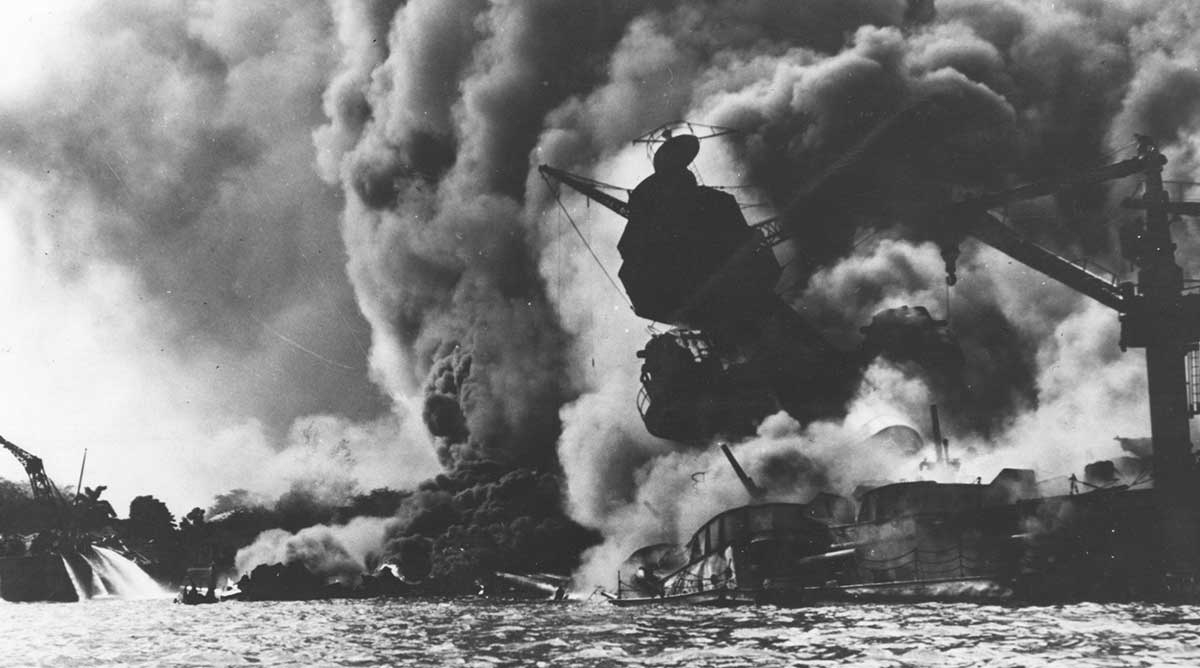
When the Pearl Harbor attack took place, Japanese settlers and military servicemen celebrated while Koreans waited ominously. Japanese secret policemen, or Kempetai, raided the British and American consulates in Seoul. The personnel there were forced into house arrest until their release. Local industries were given quotas to produce any equipment needed for the coming struggle. Korean nationalists were also encouraged by the Japanese attack. With the United States joining the war against Japan, the Koreans held out hope for liberation.
Korean Resistance During WWII
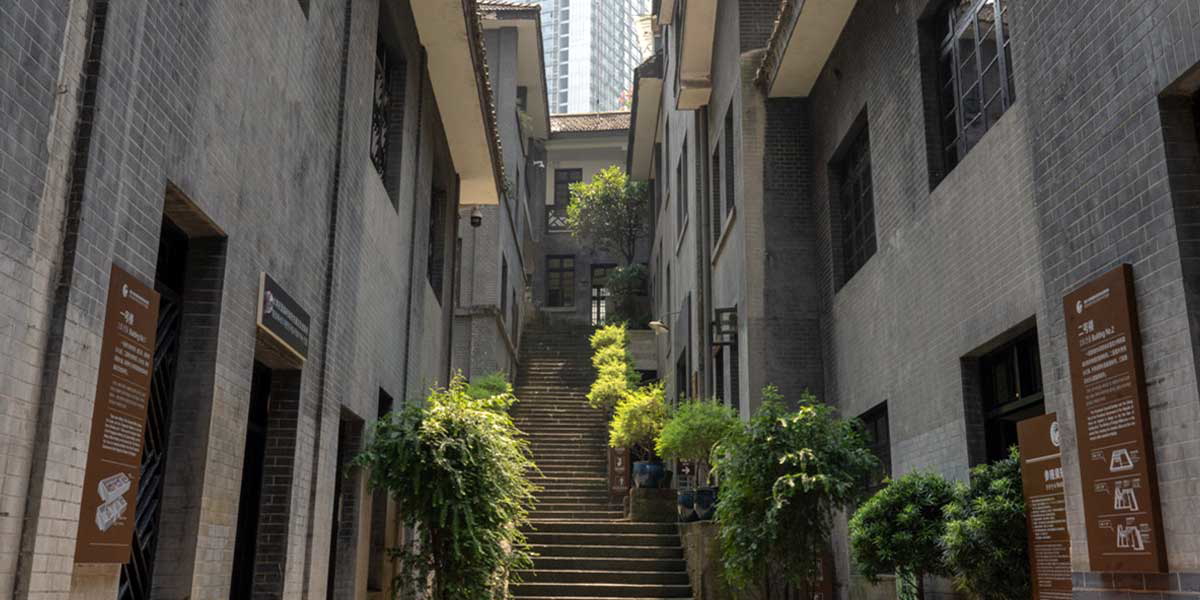
Despite having been exiled from their homeland, Korean nationalists vowed to fight against Japan until they were removed from the country, and several organizations were formed to attack Japanese military facilities. The Korean nationalists had established the Provisional Government of the Republic of Korea in 1919, which had developed into a full-fledged government-in-exile over time, with a Constitution and legislative and executive branches. By 1940, it was based in Chongqing, the new capital of Kuomintang China, with the support of Generalissimo Chiang Kai-shek.
In 1940, President Kim Ku of the Provisional Government formed the Korean Liberation Army, composed of exiled Koreans, and requested Allied support in forming a force capable of fighting the Japanese. After the Pearl Harbor attacks, the Provisional Government formally declared war on Japan in December 1941. The KLA received assistance from the American Office of Strategic Services and fought the Japanese Army in Burma and China. By the end of the war, it had a plan in place, called Operation Eagle, to restart an insurgency in Korea with Allied assistance. This proved unnecessary when Japan surrendered and WWII came to an end.
Other Korean nationalists envisaged a different future for Korea. Kim Il-sung and other Korean communists went north to fight alongside the Soviets and Chinese Red Army. The Korean Volunteer Army assisted the Soviet advance into Manchuria and North Korea in 1945. They challenged the Provisional Government’s authority, leading to the partition of the peninsula between north and south.
Koreans in the Japanese Military
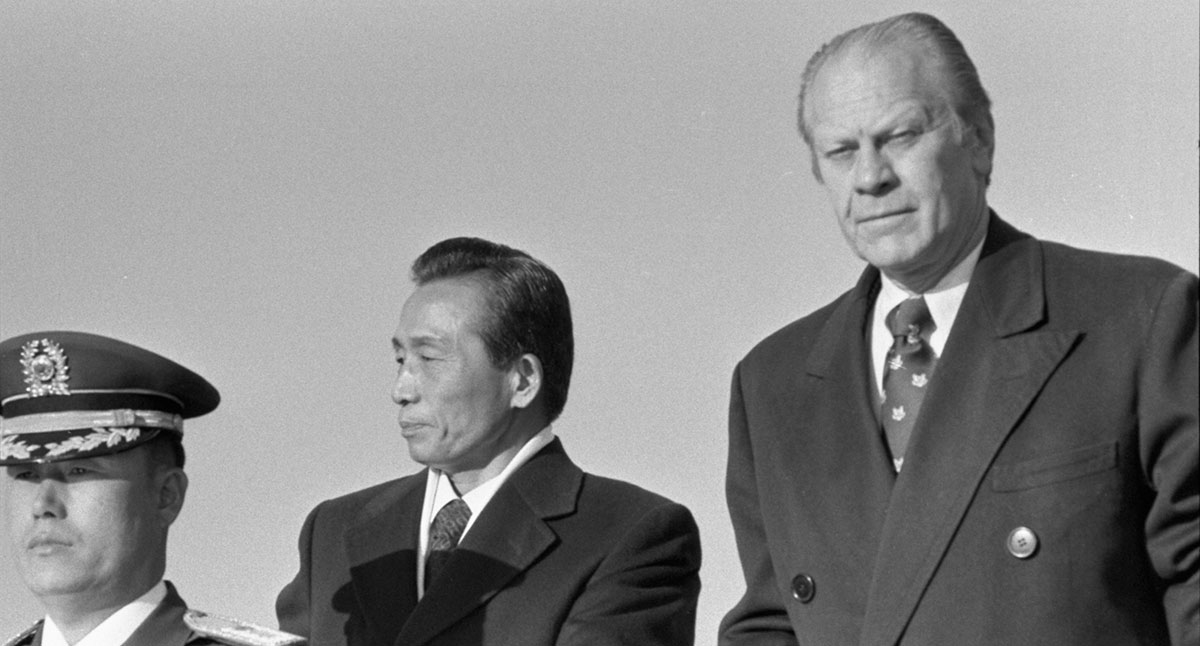
Despite the ruthlessness of Japanese rule and the efforts of Korean nationalists, many Koreans collaborated with the Japanese and served in Tokyo’s military. Park Chung-Hee was a young officer who joined the Kwantung Army, the Japanese occupation force in Manchuria. He ended the war as a lieutenant and subsequently joined the South Korean Army and became president in the 1960s. Other future South Korean generals followed a similar path: Paik Sun-yup and Chung Il-kwon were soldiers in Japan’s army that became military and civilian leaders in South Korea during the Cold War.
Initially, Japan was opposed to allowing large numbers of Koreans into its military. Tokyo had concerns that allowing Koreans to gain access to firearms would encourage an uprising against Japanese rule. However, the demand for manpower during the war resulted in larger numbers of Koreans joining the Japanese military. Military academies accepted a small number of Koreans as students and Korean soldiers in Japanese uniform were assigned to garrison duty.
By 1944, Koreans were allowed to serve as enlisted personnel if they could speak Japanese and be trusted by officers. Those that did gained a reputation as brutal fighters. Many Koreans were ordered to serve as guards for Allied POW camps. In Manchuria, Koreans served in a unit called Gando Special Force, a unit assigned to hunt down Chinese rebels in the region. Some were implicated in war crimes; over 100 Koreans were designated war criminals by the Allies after the war.
Korean Laborers and Comfort Women
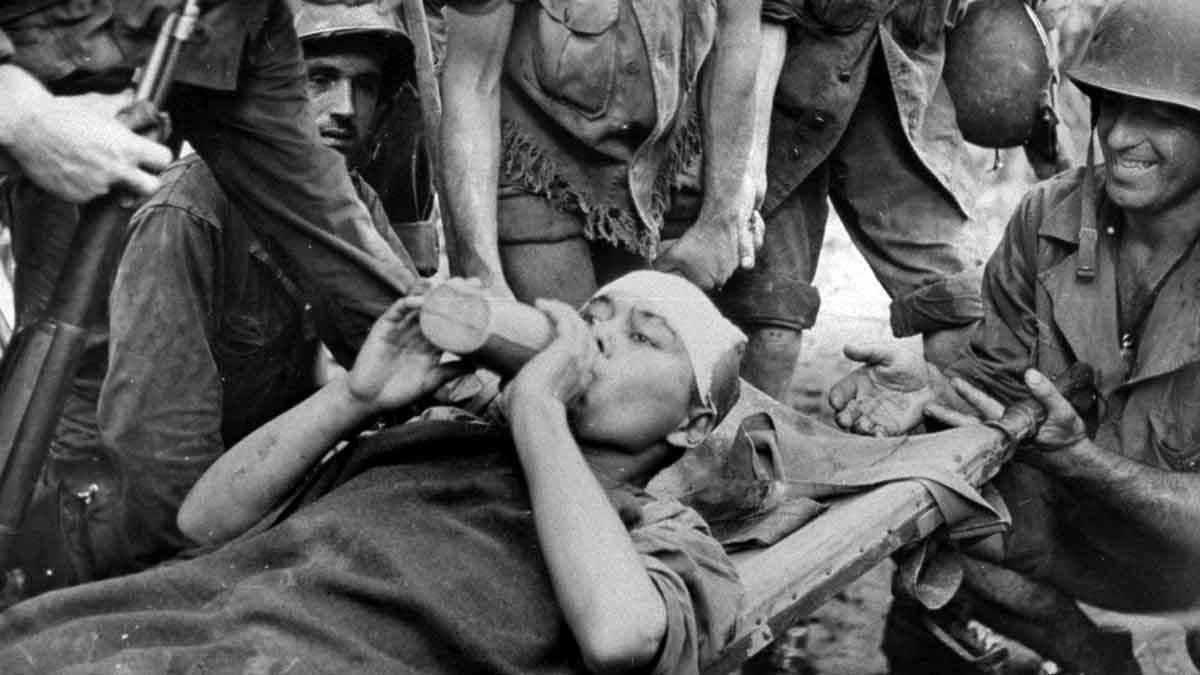
During its imperial years, Japan institutionalized the practice of slave labor to help maintain its empire. While Japanese officials may not have trusted Koreans to fight for them, they had no problem forcing them to work. While the exact number is unclear, it is estimated that 1.2 million Koreans were employed as forced laborers around the empire during the war. Around 725,000 of these worked in Japan for Zaibatsu, large industrial enterprises that assisted Japan’s war effort. The remainder went to work elsewhere.
Throughout their advances in Asia and the Pacific, Allied troops ran into Korean labor units frequently. Many workers were bewildered to find themselves so far from home in a war that they wanted no part in. On the Tarawa Atoll, US Marines captured a little over 100 Koreans forced to build defenses. The death toll was horrendous, and thousands of Koreans were killed by Allied troops after being caught up in battles on islands they were forced to work on. In Japan, Koreans were also victims of American air raids. Tens of thousands of Koreans were killed by the two atomic bomb attacks in 1945.
Japan also institutionalized the use of sex slavery. This practice was employed throughout the empire and Korea was no exception. Thousands of Korean women were forced to act as “comfort women” in Japanese garrisons across the empire. Many were press-ganged and forced to serve Japanese servicemen for years on end. While Japan has apologized for this practice, it remains a sore point in Japan and South Korea’s relationship to this day.
End of the War and Korean Independence
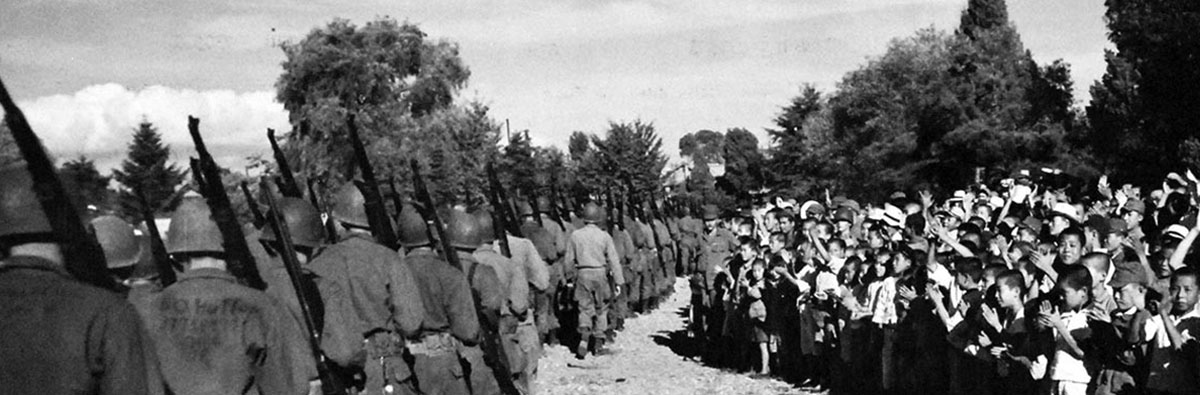
As it became clear that Japan was losing the war, the government in Tokyo hoped that it could negotiate a peace agreement with the Allies that could allow it to retain some of its colonies including Korea. However, the Allies were in no mood to negotiate about this and demanded Japan’s unconditional surrender. At the Yalta and Potsdam Conferences, Allied diplomats proposed a postwar commission to determine Korea’s status upon gaining independence. Despite tensions between the Western Allied delegates and the Soviets, one thing was agreed upon: there was no future for Japanese rule in Korea.
Ultimately, the Soviets and Americans agreed to temporarily partition the country until the disputes between communist and noncommunist Korean factions could be reached. On August 9, Soviet forces of the 25th Army along with Kim Il-sung’s Korean Volunteer Army entered the mountainous frontier of North Korea and pushed south to the 38th parallel, the agreed demarcation point. In September, American GIs of the Eighth Army landed in South Korea and began to demobilize the Japanese garrison so that they could return to the Home Islands. Japanese civil administrators remained in South Korea briefly to help the Americans with the government.
In the wake of Allied troops came Korean nationalists of all stripes. Syngman Rhee, a Korean who spent many years in exile in the US, returned to take control of the new Republic of Korea. He sought to monopolize control and ruthlessly targeted opponents that he considered communist. Kim Il-sung was even harsher: he set up a Stalinist-style regime in the north. Both Koreas came to blows in 1950 with the start of the Korean War. Japan’s rule may have ended, but the suffering of the Korean people did not.