John Bell Hood was one of the Civil War’s most criticized generals. Known for leading from the front and refusing to back down, often sacrificing more men than necessary, Hood gained fame for his bravery and battlefield injuries. But as a commanding general, his aggressive style often came at a high cost. From Gettysburg to Nashville, Hood’s decisions made him both a celebrity and a villain. After the war, his life was marked by hardship and loss. His story, with its mixture of ambition, success, and failure, is still debated today.
Early Life
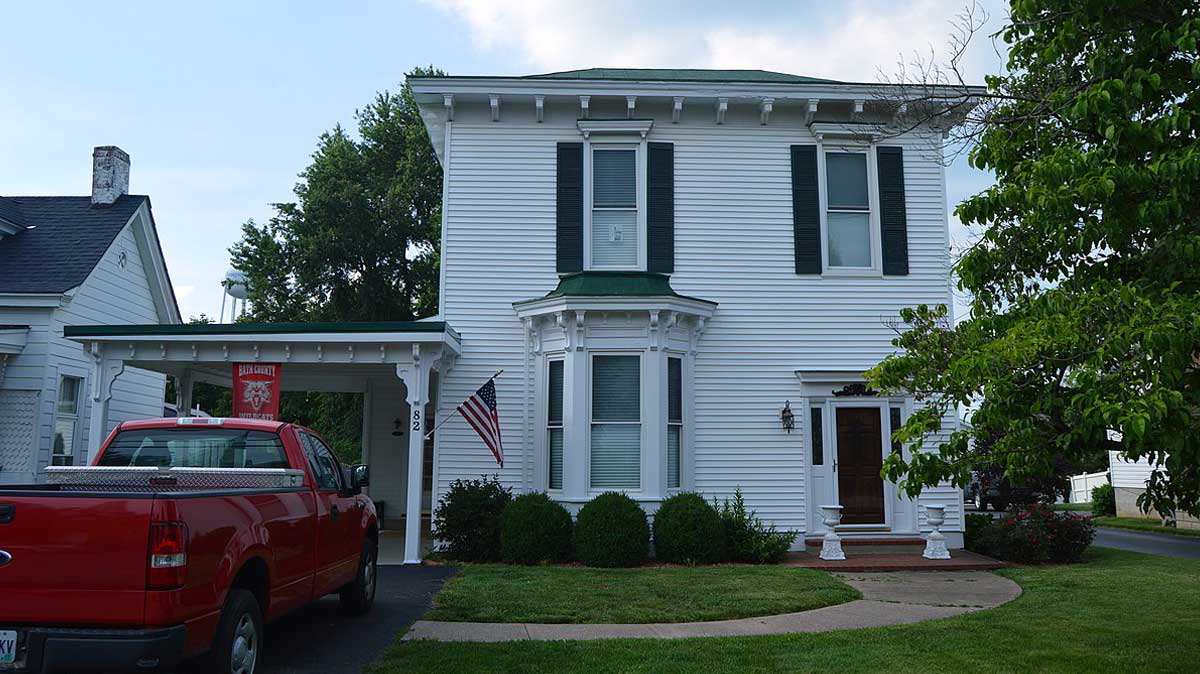
John Bell Hood was born in Kentucky in 1831 to Dr. John Willis Hood and Theodosia Hood. The elder Hood wished his son to take over the family’s medical practice. However, John Bell Hood had his sights set on a military career. The nephew of Congressman Richard French, John Bell Hood, used his familial ties to obtain an appointment to the United States Military Academy at West Point. Hood entered the academy in 1849 as part of the class of 1853, where he excelled in military strategy and garnered acclaim from his instructors for his boldness.
However, Hood struggled with insubordination. Often refusing orders or ignoring them entirely. He graduated in 1853, ranking 44th out of 52 cadets in his class. His record included a high number of demerits for things like insubordination and tardiness. These led to his graduating in the bottom half of his class.
After graduation, Hood served on the western frontier in Texas with the US Cavalry, gaining valuable experience and building a reputation for toughness. Though his record at West Point was far from perfect, it laid the groundwork for what would become one of the most controversial military careers of the Civil War. Hood wasn’t known for careful planning or patience; he was known for charging ahead.
Early Civil War Efforts

When the Civil War broke out, Hood quickly joined the Confederate Army. He began his service as a cavalry officer but rose through the ranks due to his aggressive leadership and bravery under fire. He gained fame in the Army of Northern Virginia, first under Joseph E. Johnston, whom he would later replace as commander of the Army of Tennessee, and then under Robert E. Lee. Hood led troops at the Peninsula Campaign and fought fiercely at Second Manassas and Antietam.
But it was at the Battle of Gettysburg where he earned national attention. During the second day of fighting, on July 2, Hood led a daring charge on the Union’s left flank at Devil’s Den and Little Round Top. Though ultimately unsuccessful, the attack is remembered for Hood’s personal sacrifice as he lost his left arm to a bullet wound and amputation.
Despite the injury, he returned to the battlefield just months later, only to be wounded again at Chickamauga, this time losing his right leg. These injuries should have ended most men’s military careers, but Hood remained determined to serve. Many, such as Robert E. Lee, applauded Hood for his continued efforts, but others thought them foolish. The injuries severely limited Hood’s ability to command. He was tied to his horse before each engagement, unable to dismount in time of need. The injuries did not change his command style, Hood continued to lead from the front for the rest of his time in the war.
Head of the Army

The American Civil War was separated into two different theaters. East of the Appalachian Mountains, the largest Confederate force was the Army of Northern Virginia, commanded by Robert E. Lee. In the West, the Army of Tennessee patrolled the Deep South.
In 1864, John Bell Hood was appointed to command the Army of Tennessee, replacing General Joseph E. Johnston. The change came at a critical moment in the war, just as Union General William Tecumseh Sherman was marching toward Atlanta. Confederate President Jefferson Davis believed Johnston had been too cautious and replaced the general with a more aggressive fighting style in Hood.
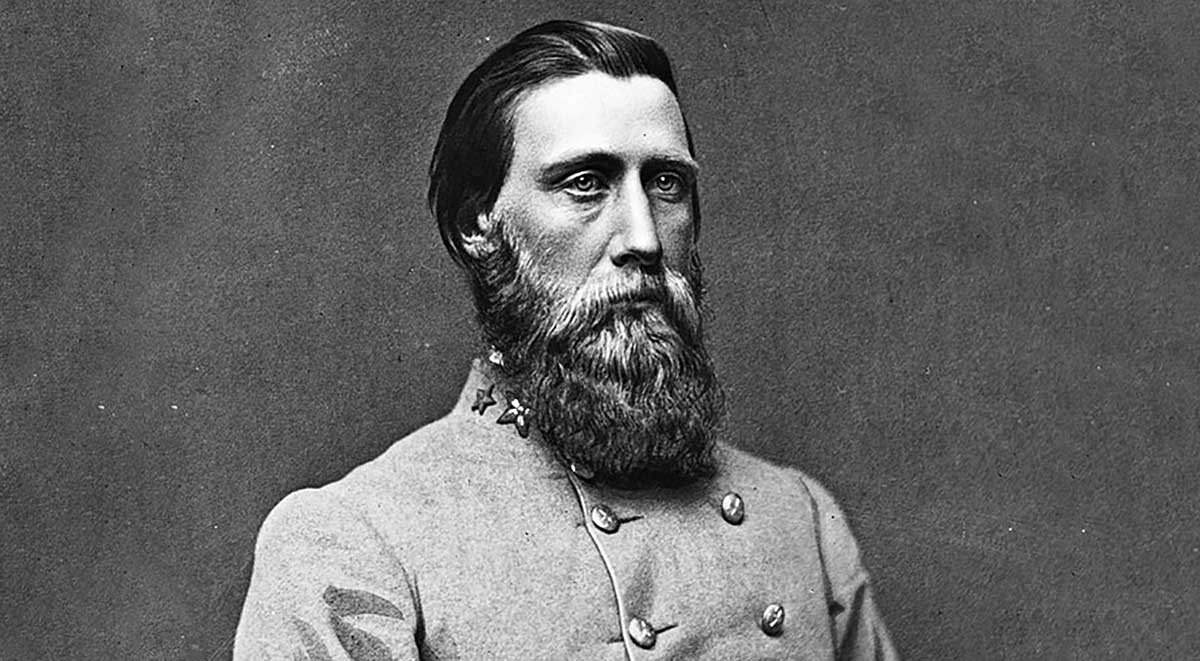
True to form, Hood wasted no time launching attacks. He took bold swings at Sherman’s forces during the Atlanta Campaign, hoping to halt their advance to one of the South’s few remaining metropolitan cities. But these offensives came at a steep cost. His army suffered high casualties in battles like Peachtree Creek and Ezra Church. Hood eventually lost Atlanta in September 1864, a major blow to the Confederate war effort.
The tenacity of Hood led to criticisms, as many blamed him for sacrificing too many men at a time when Confederate numbers were dwindling. Still, Davis kept him in command. His biggest blunder was soon to come and led to a swift end to his military career.
The Disastrous Nashville Campaign of 1864

After losing Atlanta, Hood didn’t give up. Instead, he launched a risky campaign into Tennessee in hopes of cutting off Union supply lines and drawing Sherman’s troops back north as they continued to Savannah, Georgia, after burning Atlanta to the ground. At the Battle of Franklin, Tennessee, in November 1864, Hood ordered a frontal assault against a Union infantry well hidden behind stone walls. The result was a bloodbath.
In just a few hours, his army suffered over 6,000 casualties, including 14 generals killed or wounded. Hood didn’t retreat. Instead, he pushed on to Nashville, hoping that taking the capital of the state would rally his men and turn the tide of the campaign in the Confederacy’s favor. But the Union Army, under General George H. Thomas, dismantled the remainder of his entire army. Historians past and present have called it one of the worst strategic military decisions of the Civil War. The aggressive military style of Hood finally caught up to him, and it would spell ruin for his reputation both present and future.
Resignation in Disgrace

After the defeat at Nashville, John Bell Hood’s military career came to an end. When Hood took command of the Army of Tennessee, they were some 38,000 strong. He retreated with the remnants of his army into Mississippi in late 1864 with just 15,000 men. Hood resigned his command in January 1865 after mounting pressure from Richmond and having lost the faith of his remaining corps commanders. At just 33 years old, his time as a general in any army had come to an end.
Once seen as a rising star with fearless energy, Hood had become a symbol of what could go wrong when aggression overtook strategy. Confederate leaders were divided over how to judge his actions. Some believed he had done the best he could with limited resources and overwhelming odds. Others, such as Confederate President Jefferson Davis, felt he had destroyed what little the South had left in the way of military strength. The Army of Tennessee was given to General Alexander P. Stewart and transferred to the Carolinas.
Post War Hardships

Like many other Confederate Generals, when the Civil War ended, John Bell Hood found himself trying to rebuild his life. Looking to start anew, Hood did not return home to Kentucky. Rather, he moved to Louisiana in 1865 and married Anna Marie Hennen, with whom he had eleven children in eleven years. To support them, he worked in insurance and tried his hand at business. But financial trouble followed him.
He eventually wrote and published his memoirs in an attempt to clear his name and explain his side of the war. Hood’s book, Advance and Retreat, defended his actions during the Nashville Campaign in 1864 and criticized other Confederate leaders, including Joseph E. Johnston, often blaming them for his failures. Failure to take the blame for his actions didn’t do much to repair his reputation.
In 1879, tragedy struck when a yellow fever epidemic swept through New Orleans. Hood, his wife, and their eldest child all died within days of each other. The once promising General died alone at the age of 48.
Legacy
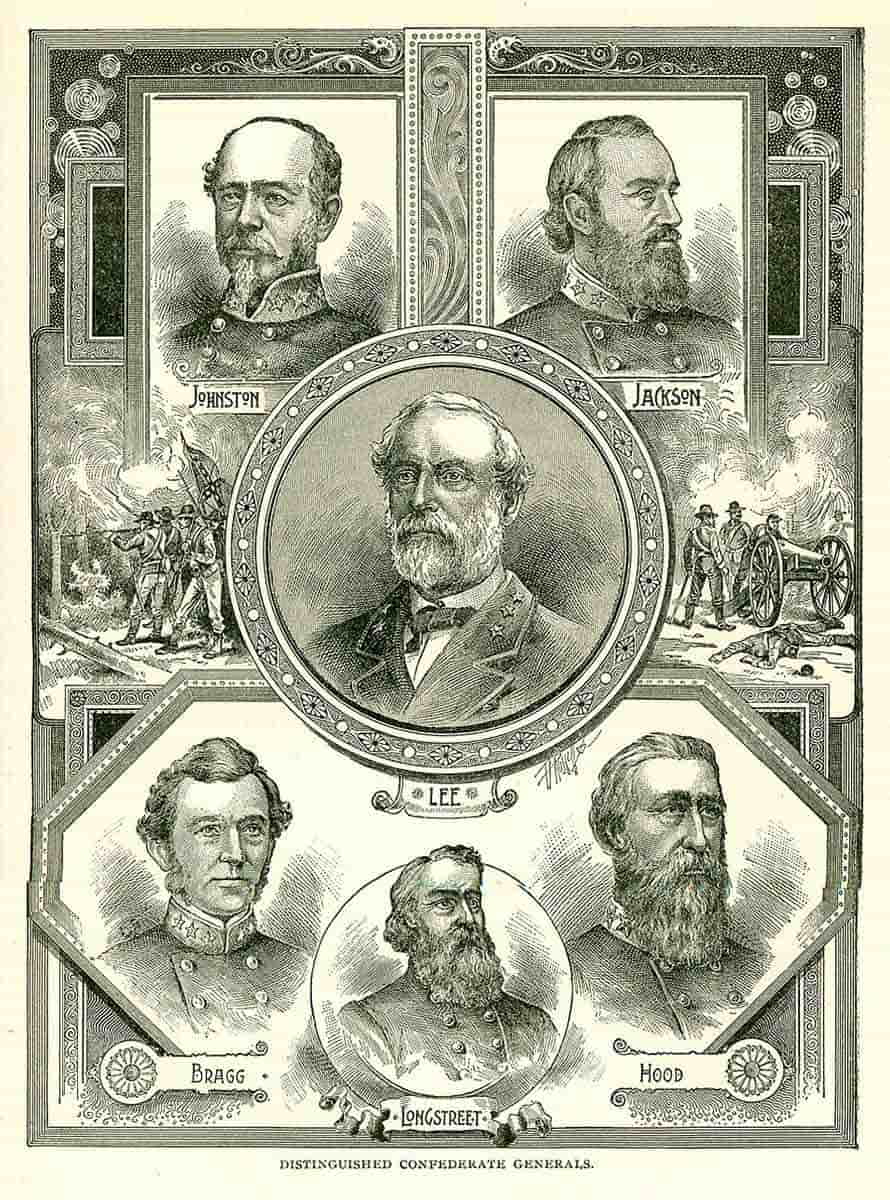
John Bell Hood remains one of the most debated figures of the Civil War. Lost Cause ideology, which attempts to paint the Confederate war effort as noble, has focused on his bravery, physical sacrifices, and commitment to the Confederate cause. But his aggressive decisions, especially during the Franklin-Nashville Campaign, have led many historians to question his judgment as an army commander.
Today, his name is often brought up at military institutions training the next generation of officers. Not for his brilliance or successes, but for his risk-taking and the consequences of strategy without careful planning.