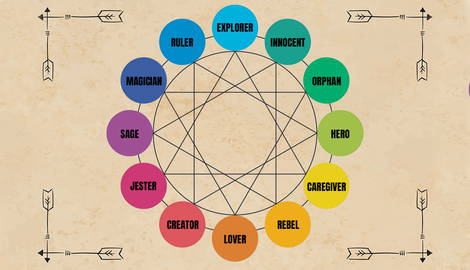
Do you find yourself drawn to certain character types, like heroes, nurturers, or rebels? According to the Swiss psychotherapist Carl Jung, this isn’t just a coincidence. He believed such figures are examples of deep-rooted “archetypes”: ancient symbols we all have inside us at a subconscious level. Jung thought these twelve archetypes influence our thoughts, emotions, and actions. Might one of these be guiding your life right now? If so, could learning more about it help you face fears, grow as a person, or understand your motivations?
1. The Innocent: Yearning for Safety and Purity
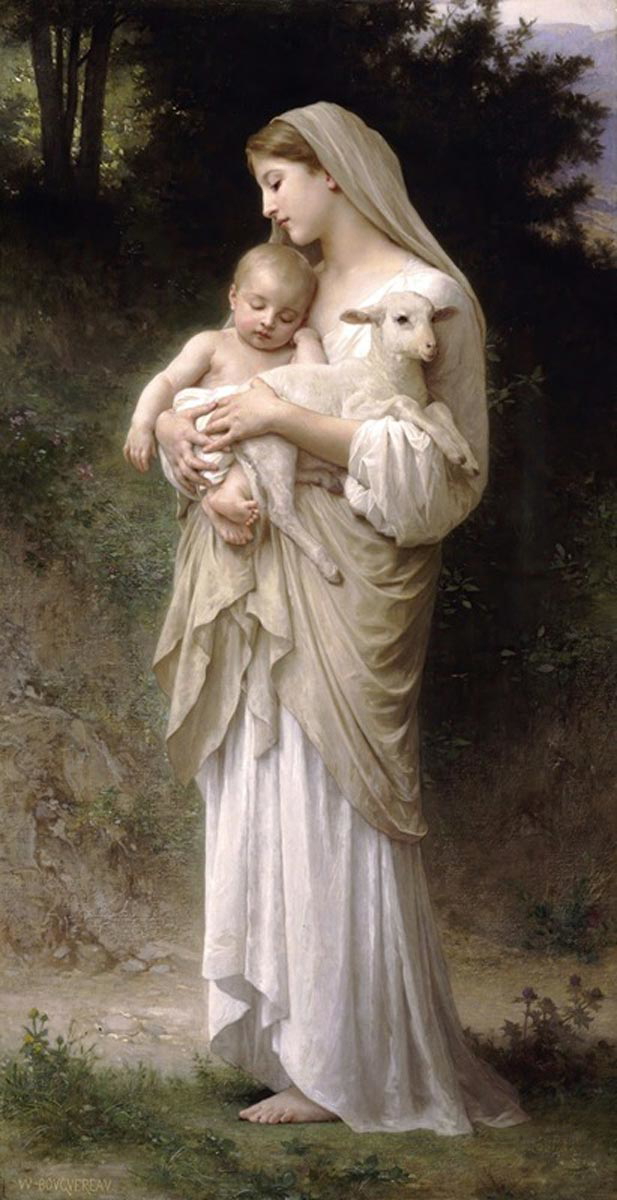
The archetype of The Innocent is one that resides within all of us, desiring a world full of peace, goodness, and simplicity. Consider the child who believes that if they are kind, other people will always be kind in return.
The Innocent wants to do what’s right and for things to go well—it believes in fair play. However, this archetype also recoils at harsh judgment and fears making mistakes.
In philosophical terms, The Innocent harks back to the idea Jean-Jacques Rousseau had of the “noble savage”—the notion that human beings are inherently pure at heart until society corrupts them. Those who wear this archetype tend to trust people too much. They are naïve, optimistic, and often find beauty in things others regard as flawed.
Spiritual seekers, dreamers, and idealists who think love and light can alter individuals, societies, or the world are likely to have a strong streak of Innocence running through them. At their best, they can inspire hope in others and remind them of their own capacity for betterment.
2. The Orphan: Seeking Belonging and Connection
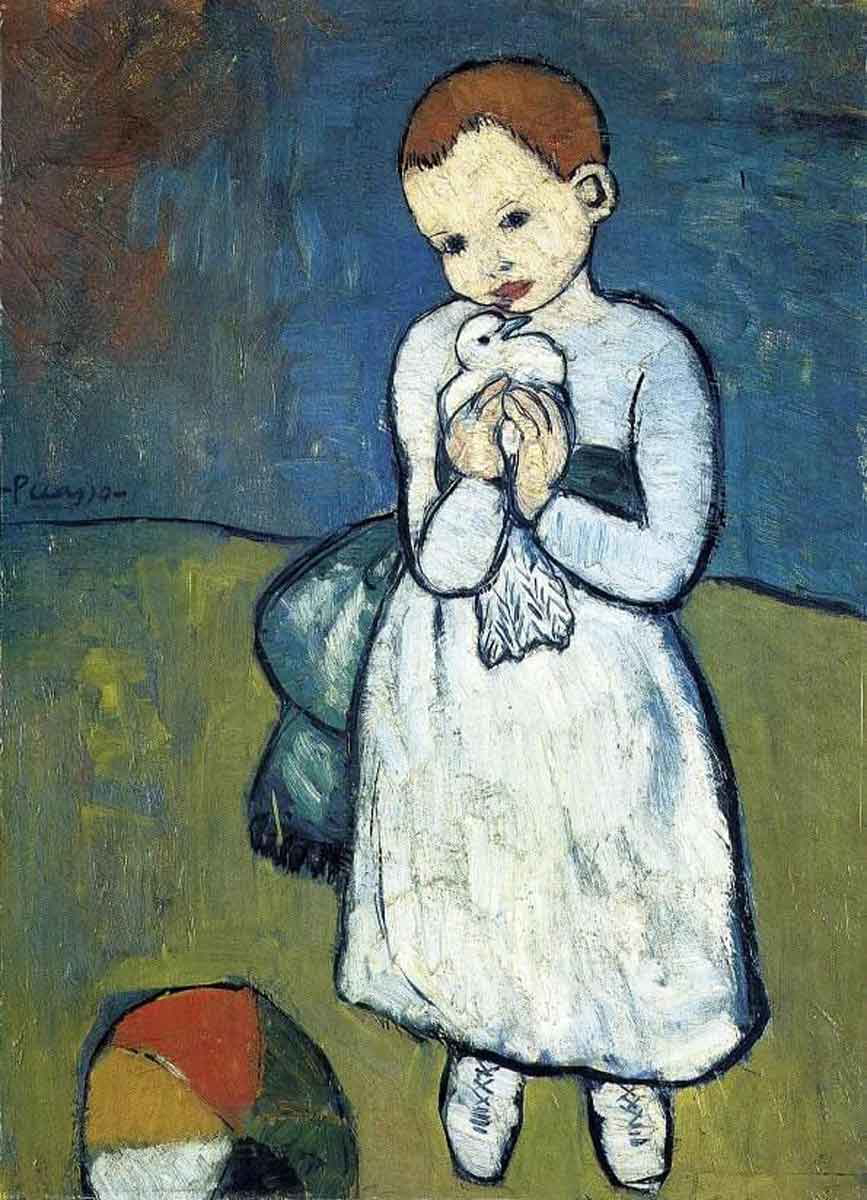
The Orphan archetype represents our understanding of disappointment and craving for safety, connection, and belonging. These characters take life as it comes, knowing it’s not always fair, and they deal with unfairness in a strong but silent way.
Like Viktor Frankl’s idea that meaning can be found even when suffering, Orphans learn to survive and grow from hard times. An Orphan doesn’t want to be abandoned or forgotten, so they value networks of care, community feeling, and solidarity. They want everyone to be treated equally and feel included.
When things are going well for them, orphans often exhibit great compassion, loyalty, and resilience. Despite having suffered before, they can make themselves feel safe again and do the same for others.
3. The Hero: Driven to Prove Worth Through Courage
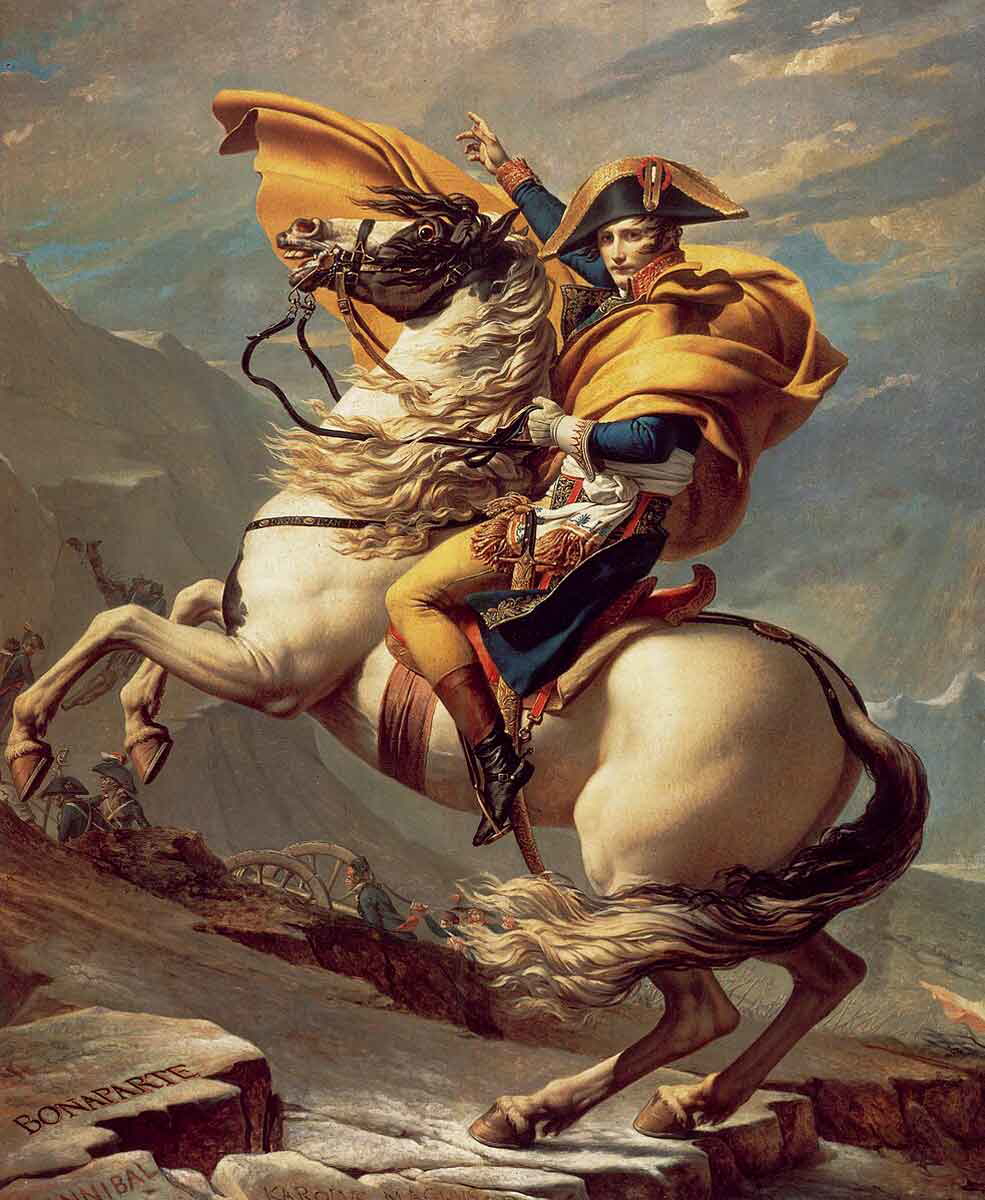
The Hero archetype embodies our inner fighter, an aspect that confronts adversity head-on, regardless of the odds. Individuals with Hero energy admire bravery, self-control, and perseverance in difficult situations.
Nothing is worse to them than failure or perceived weakness, so they work hard to prepare themselves well. Then, they tackle challenges with a will. This type of person is referred to when Aristotle writes about the importance of cultivating character strength through effort, specifically developing fortitude by persevering in the face of challenges.
Somebody whose dominant archetype is a Hero lives for a mission, whether that involves battling personal demons or fighting social injustices.
These people may serve as an inspiration not only because of what they achieve against the odds but also because they enable others to believe within the realm of possibility. Just look at some of history’s championing rights.
4. The Caregiver: Committed to Protecting Others
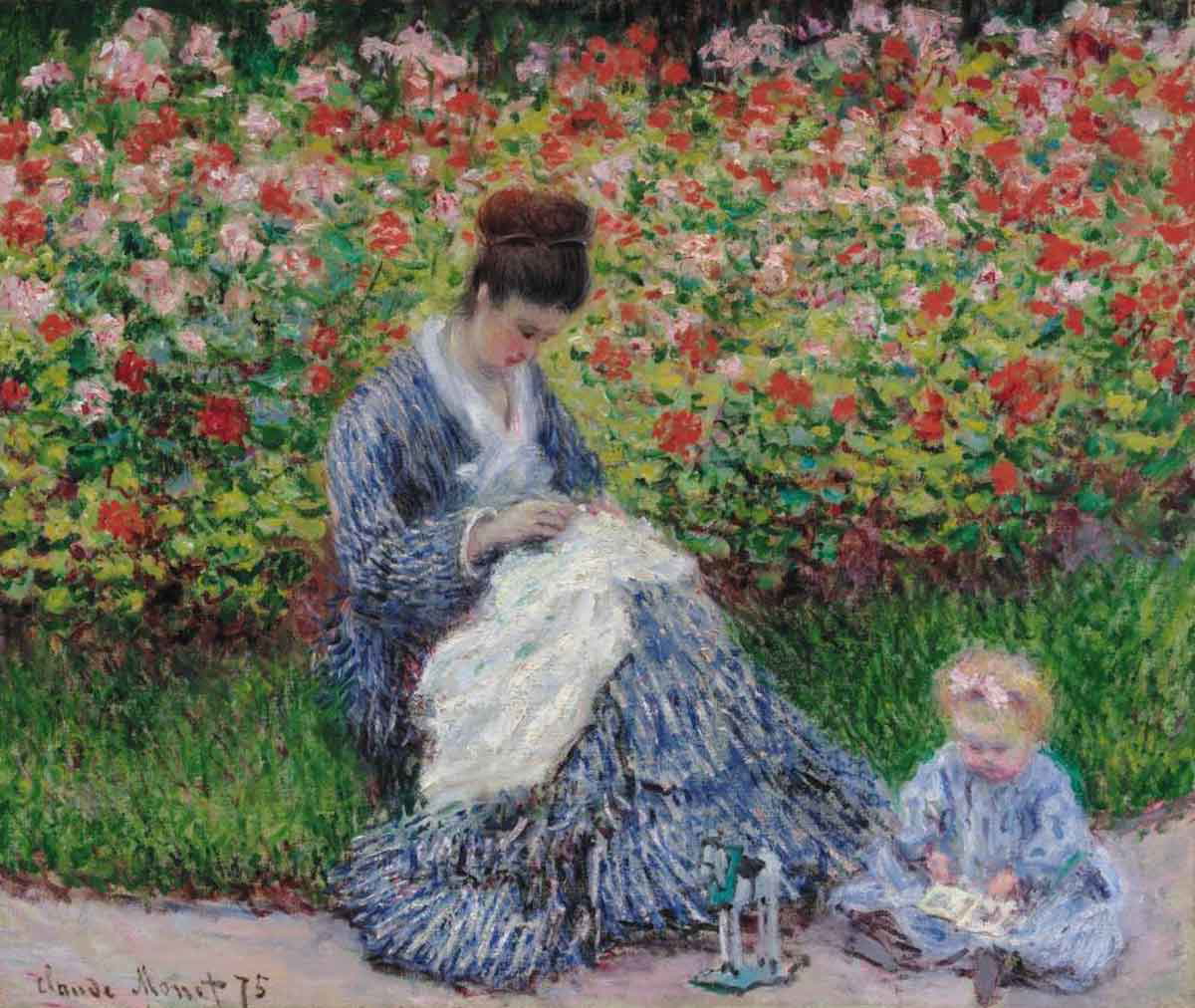
The Caregiver archetype embodies love, compassion, and a profound wish to assist others. They are the world’s nurturers—always prepared to nurture, soothe, and provide for people.
Whether it’s a parent sacrificing sleep or a nurse providing additional care, Caregivers do so freely. Their chief concern is being seen as selfish or failing to meet someone’s needs.
In moral philosophy, this type of person reflects Carol Gilligan’s ethics of care—a viewpoint that endorses moral action based on understanding and relationships. However, individuals embodying this archetype may sometimes provide so much assistance that they neglect their own requirements.
When functioning well, though, Caregivers demonstrate the importance of tenderness, endurance, and altruistic love. These qualities remind us that it can be rewarding to look after others alongside them, teaching us how powerful kindness can be on its own.
5. The Rebel: Challenging the Status Quo
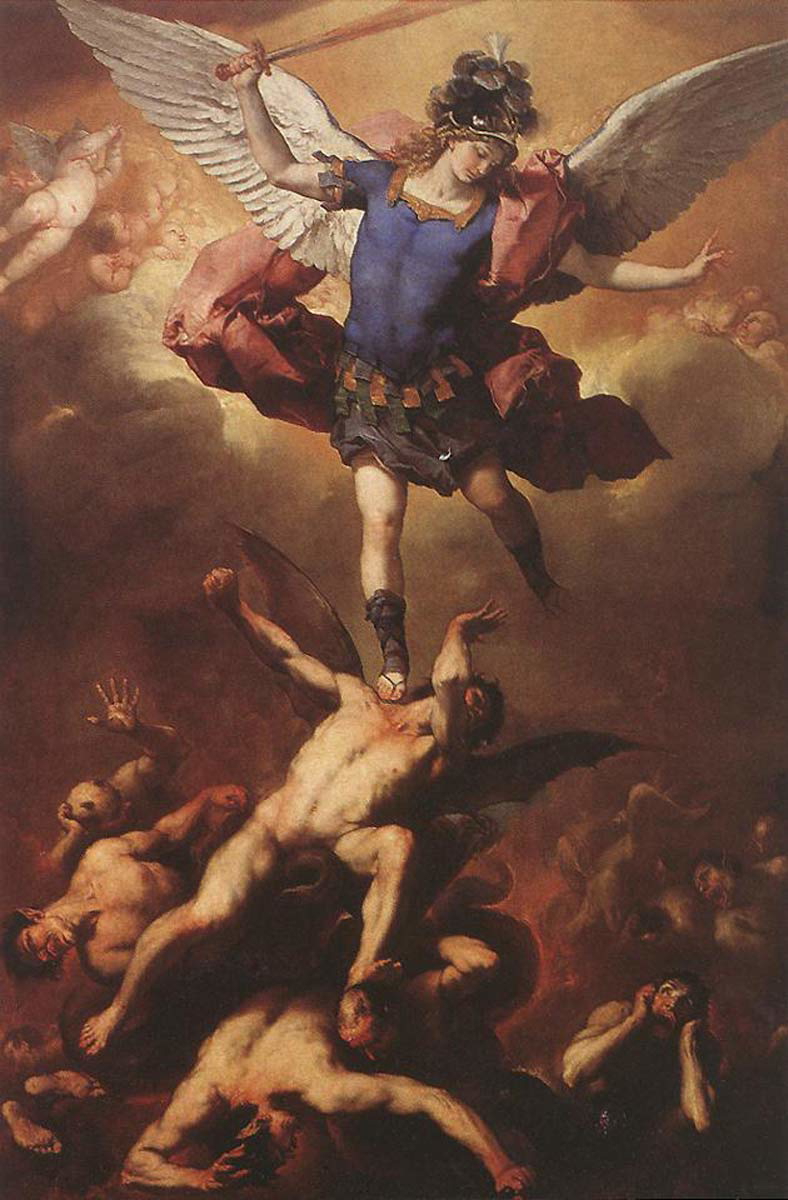
The archetype of the Rebel is all about breaking the rules and causing trouble, because they won’t take “just because” for an answer. They may be outraged by an injustice, or they may just want to stir things up.
However, being true to themselves and their own vision is central to who Rebels are. They dread feeling muzzled or having to toe the line.
Rebels echo Nietzsche’s advice to live by your values in a world that offers none. They distrust authority, contest norms, and start arguments that need to happen.
Movements begin with them, as do revolutions and many great ideas. However, sometimes, these men and women can take iconoclasm to extremes. A lot of things get destroyed, but there’s no clear plan for rebuilding.
When functioning well, this type has an innovative spirit that fearlessly opens roads that nobody else saw and says “No!” in a way that needs to be said. They are taking society one step further down its endless path of progress.
6. The Lover: Craving Intimacy and Passion

The Lover archetype embodies passion, longing, and deep emotional connection. Individuals with this archetype seek closeness in various forms, including romantic relationships, friendships, and an appreciation for beauty in art and nature.
Their decisions are guided by both feelings and personal commitment. They want to live life intensely with warm experiences close at hand.
A profound fear of rejection or being alone may drive Lovers to constantly check in with those around them to make sure everything is okay. Plato thought that following a path toward the divine (which he called love) transformed both people involved.
However, sometimes lovers can end up feeling too possessive if things do not go exactly as they do all the time. When healthy, Lover qualities remind us how wonderful it feels to touch base with somebody or something deeply and be fully alive in moments of beauty’s presence alone.
7. The Creator: Desiring Expression and Innovation
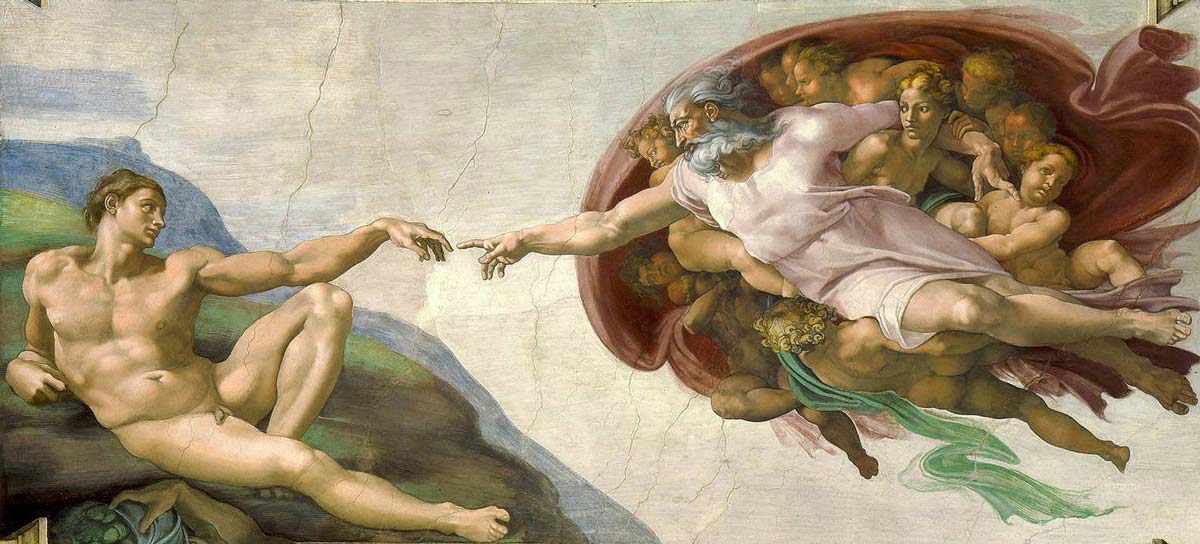
The Creator is the dreamer who makes ideas become realities. They are driven by imagination and live to construct, design, and bring something into being.
Whether painting on canvas, coding an app, or writing a book, Creators get most excited when creating something new. They don’t want to be bland or be uncreative, and they abhor being stuck in monotonous habits.
Similar to Kant’s conviction that the imagination can construct experience, Creators perceive the world not as it exists, but as it might be. They pursue originality and excel where innovation is rewarded, such as art studios, startups, or think tanks.
In their best moments, Creators introduce beauty, inspiration, and new ideas into the world, which is always hungry for more.
8. The Jester: Living in the Moment and Spreading Joy
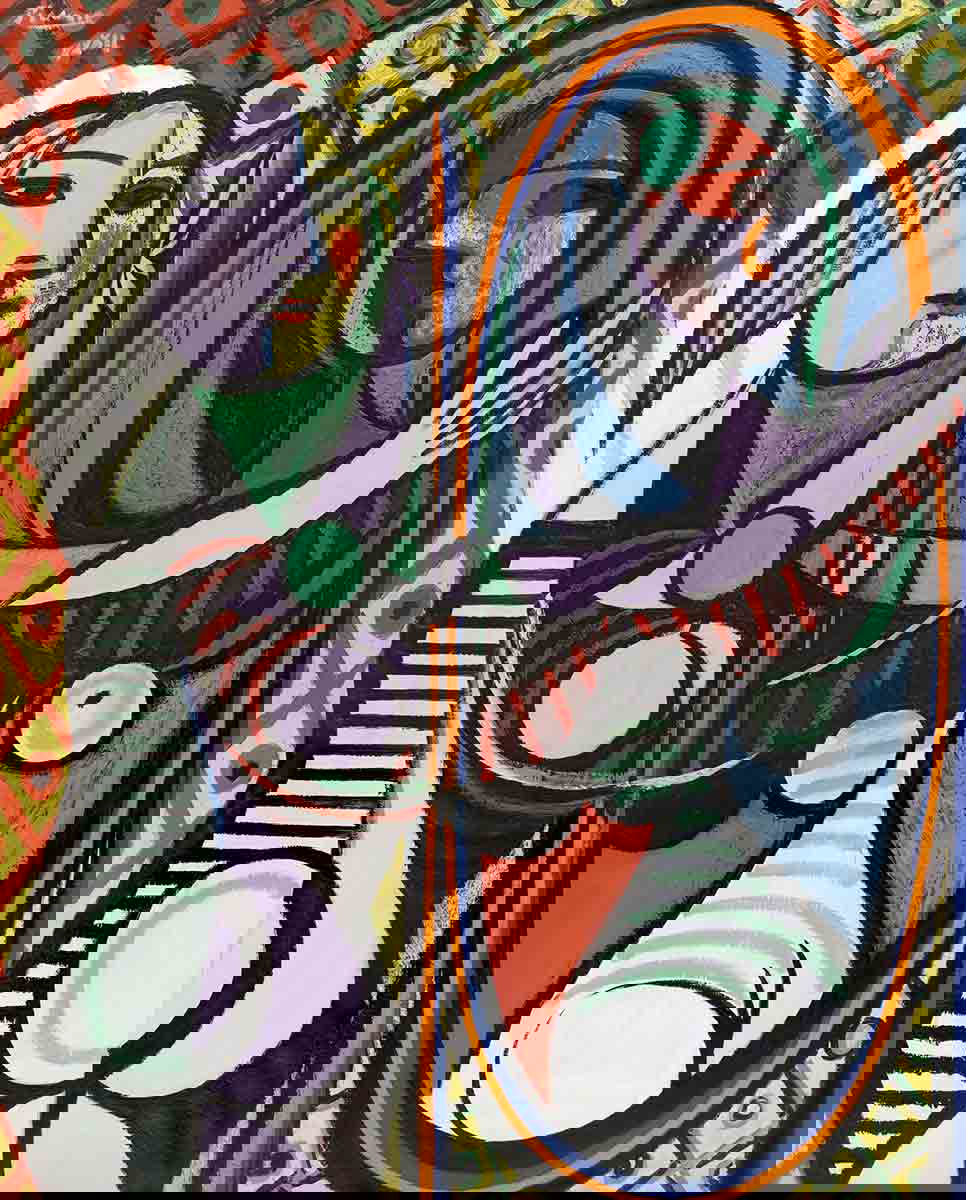
The archetype of the Jester doesn’t just entertain—it also challenges norms with humor and by making fun. Think of court jesters whose job was to tell the truth to power via jokes.
But while Jesters make light of serious things, they are also showing us something true (and important) about the world: that sometimes its rules need breaking. It is perhaps for this reason that underneath their funny exterior, many people classified as this archetype hide deeper feelings.
And although they hate to be ignored or thought dull, sometimes they mask their hurt or irritation with a smile (or wisecrack).
When not trapped in a stereotype that portrays them as jolly but naïve, Jesters can be astute observers of human life, possessing a remarkable ability to interpret everyday events in a new and unexpected way.
9. The Sage: Pursuing Truth and Understanding
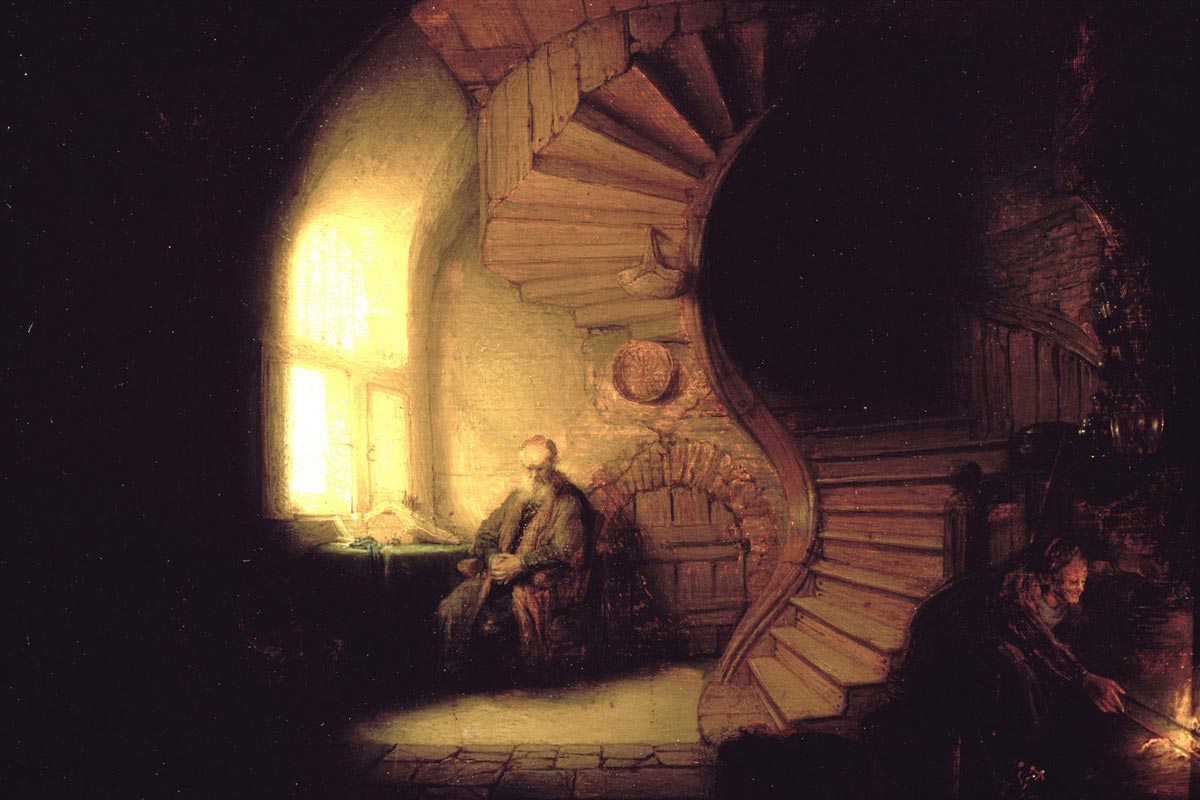
People embodying The Sage are on a perpetual quest for truth. These deep thinkers—often teachers, philosophers, or scholars—place the highest value on logic, insight, and knowledge. They need to understand that both the world and their role in it drive them forward.
Echoing Socrates‘ belief about existence (“An unexamined life is not worth living”), they never stop asking questions. A fear of ignorance or being misled can lead sages to withdraw from emotional ties or overanalyze things.
But when they are lost in thought, you can bet it’s not for long. These individuals shine a light on complex ideas with clarity and rationale, and gifting them at moments of brilliance may help others see things more clearly, too, beyond surface levels to find the deeper meaning life has to offer.
10. The Magician: Transforming Reality Through Vision
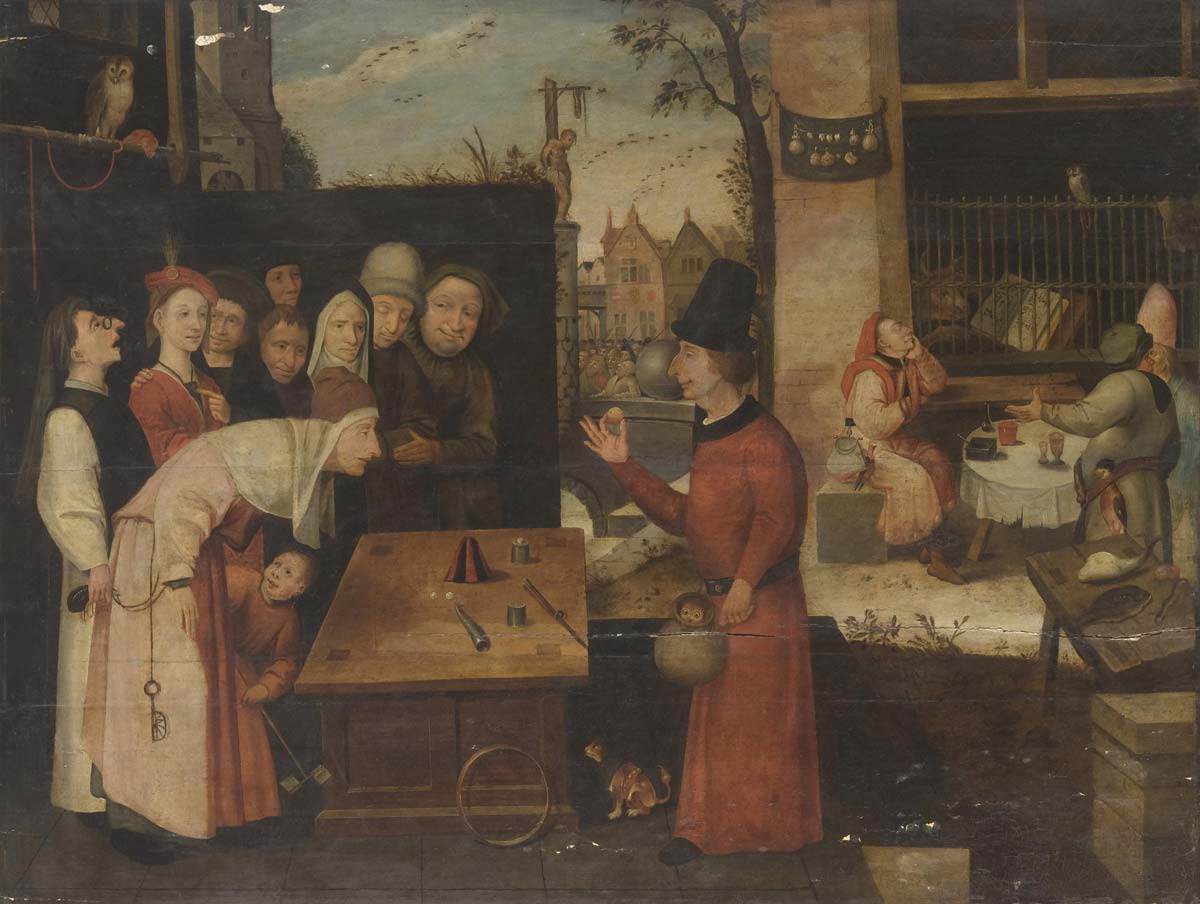
The Magician archetype is about transformation—making dreams become realities through awareness and inner energy. Magicians are wise, intuitive, and slightly enigmatic beings. They are seeking profound change within themselves as much as in the world.
Consider Jung himself or alchemists, who symbolically transmuted lead into gold—an emblem of internal transformation. Magicians are wary of misusing their energy or inadvertently inflicting harm. You’ll often find them as healers, counselors, or spiritual advisors.
At their best, Magicians command reverence and lead others toward transformation, showing people what can be achieved when purpose is combined with vision.
11. The Ruler: Striving for Order and Leadership
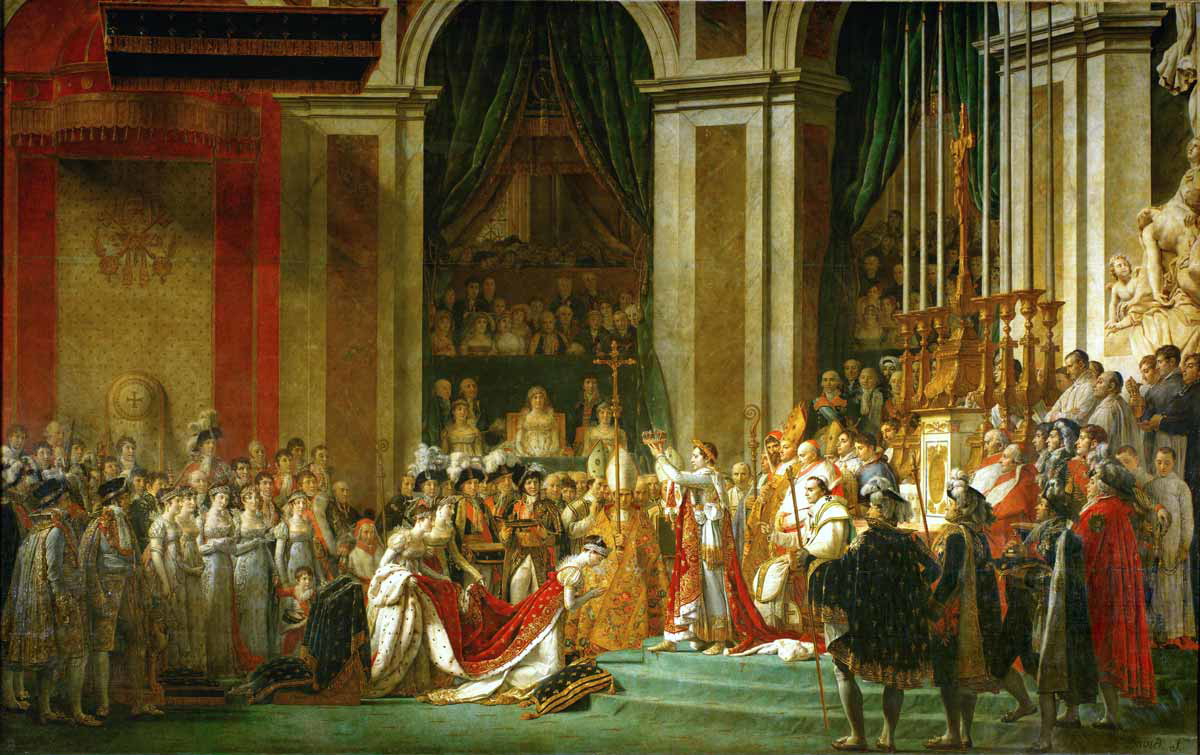
The Ruler archetype appreciates order, structure, and control. They fill gaps when others vacate, rising to lead and build order out of chaos.
Rulers are born leaders—presidents, CEOs, community organizers—who long to build something eternal. Rulers dread losing control or seeing it disintegrate. As Plato’s ideal philosopher-king, the Ruler leads with wisdom and justice.
When overextended, Rulers can become overbearing or grasping, though. Even so, at their best, Rulers introduce order, vision, and defense. Rulers remind us that leadership isn’t about mastery—it’s about responsibility and creating a better world for everyone.
12. The Explorer: Longing for Freedom and Discovery
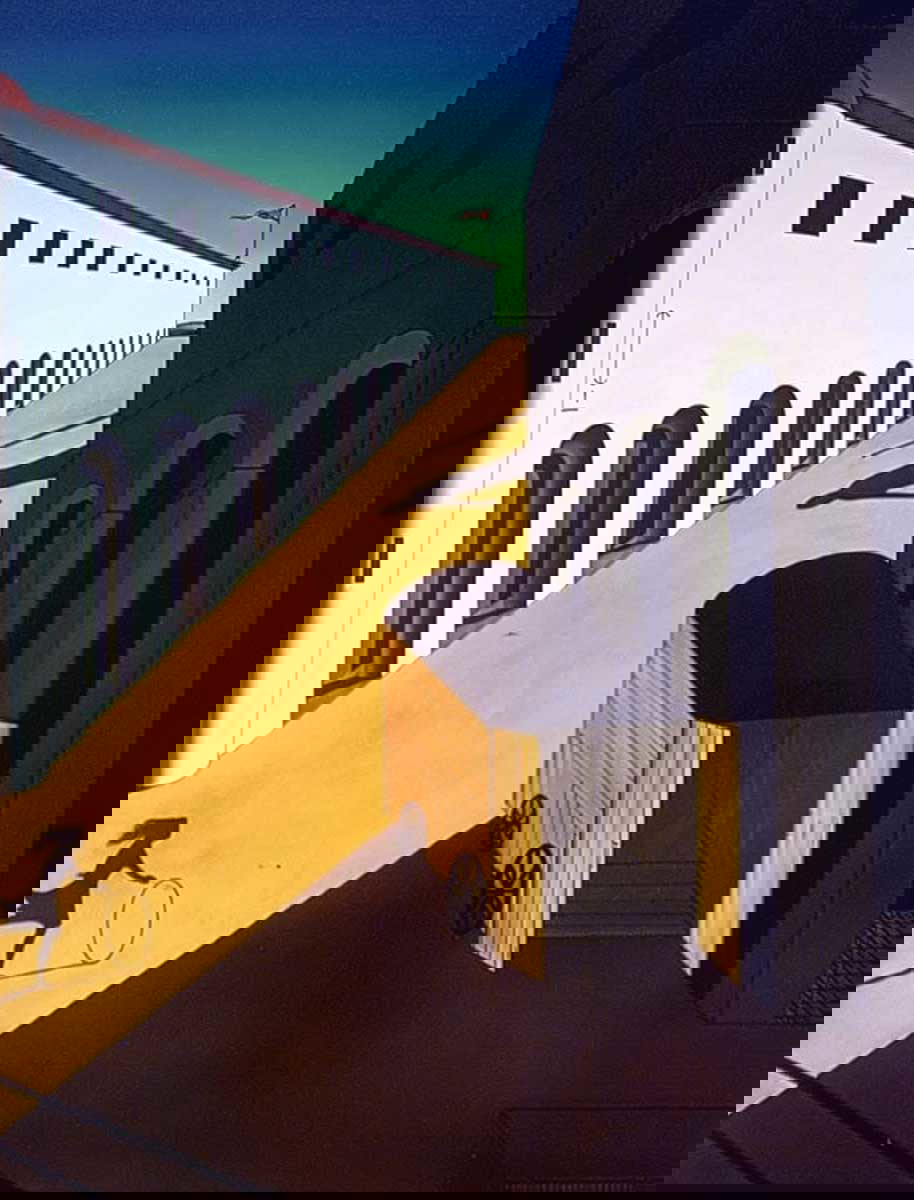
Those who fit the Explorer archetype thrive on new people and places, as well as unknown ideas and situations. What drives them is a desire to experience things firsthand, to go their own way, to have adventures (whether in ideas or the physical world), and see the world.
Feeling confined or bored can be terrifyingly unpleasant for Explorers, who often act like existentialist philosophers (Kierkegaard, for example) when discussing the fear of living an unexamined life.
They, too, believe that self-discovery is what gives life meaning—but worry that it may not be possible if one spends all one’s time in committed relationships or stuck at a nine-to-five job.
Explorers risk becoming entrapped by their need for freedom or the ability to commit. In those moments, each person will do well to remember that they have the potential to lead others to new and wondrous places, whether external or internal.
So, What Do the 12 Jungian Archetypes Reveal About You?
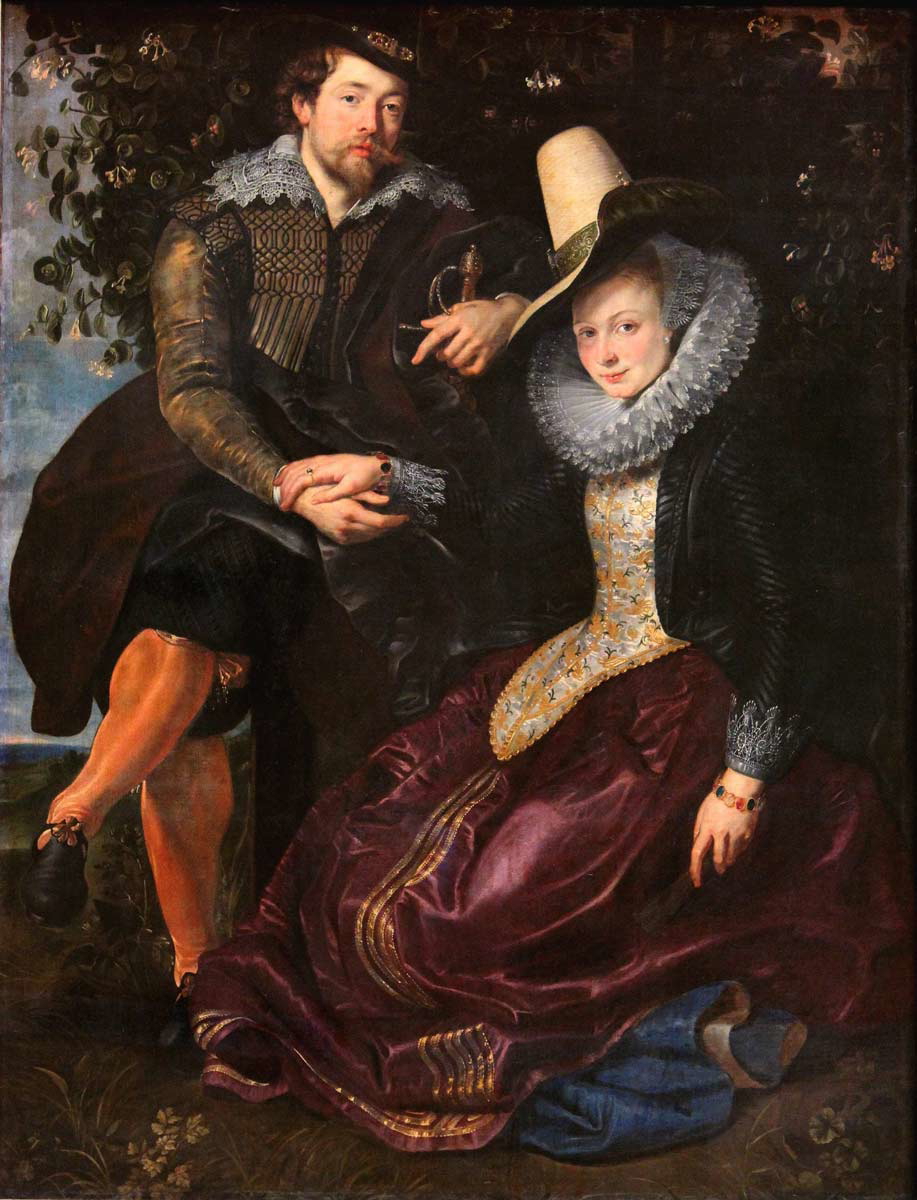
The 12 Jungian archetypes aren’t labels—they’re expressions of your inner drives, fears, and longings. You’re not one archetypal label but a combination that changes with your experiences, roles, and life phases.
Perhaps you’re a Hero in the workplace, a Lover in relationships, and a Sage in times of quiet contemplation. These archetypes reveal who you are and who you’re becoming.
So, who are the most vocal people in your life today? Take time to reflect on this. The better you know your archetypes, the more you’ll understand your path, your purpose, and your potential. Knowing them is the first step toward knowing yourself.