In 1 Kings 2, shortly before his death, David gave Solomon instructions meant to help him avoid some of the mistakes the king had made during his lifetime. Several matters needed resolving because David did not address them during his reign. Some happened before he became king of Israel. It is unclear why David never addressed these issues himself. They are related to treacherous actions by people close to David. In the subsequent verses, Solomon dealt with treachery against his father and removed potential threats to his own kingship.
David’s Instructions
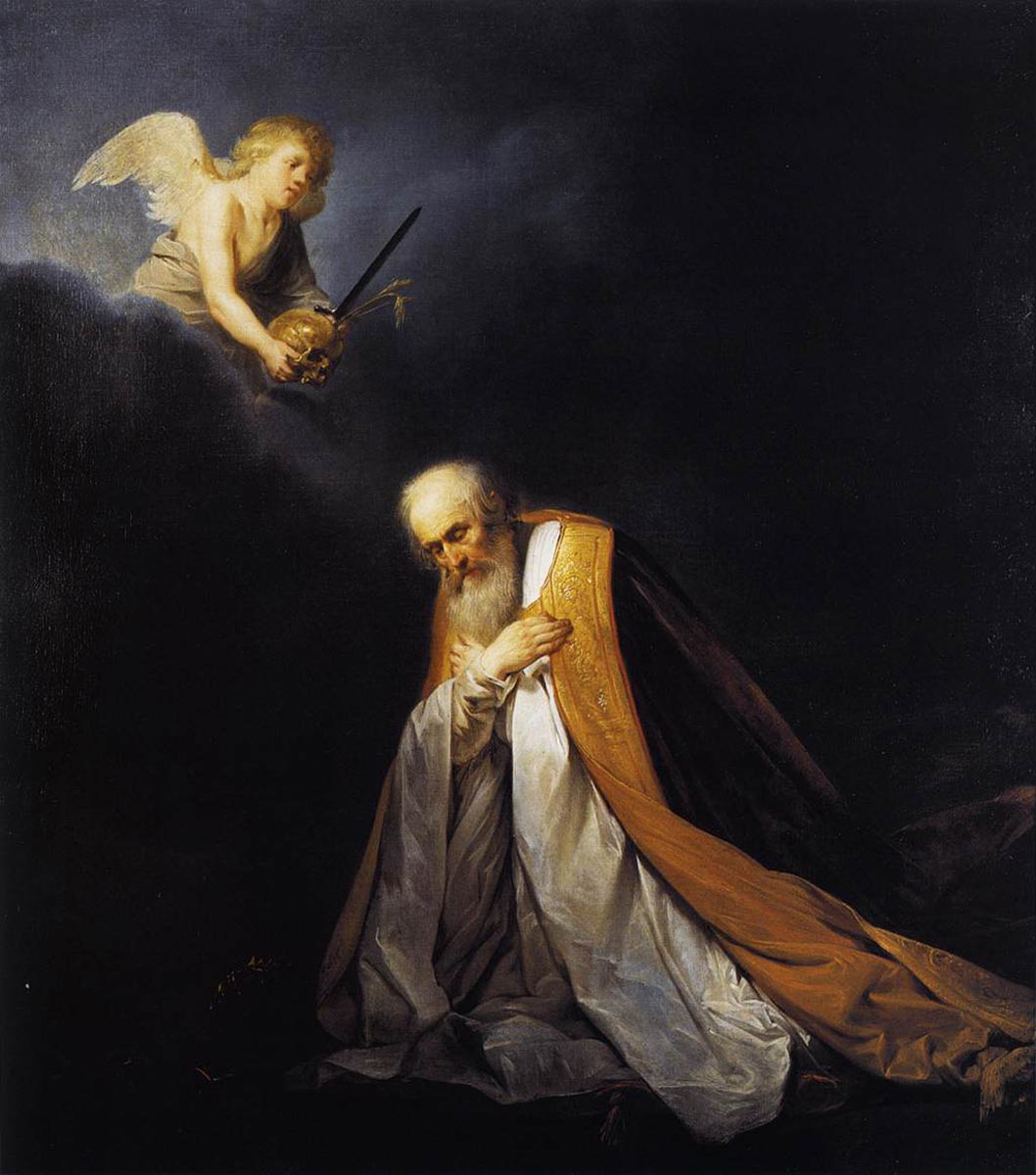
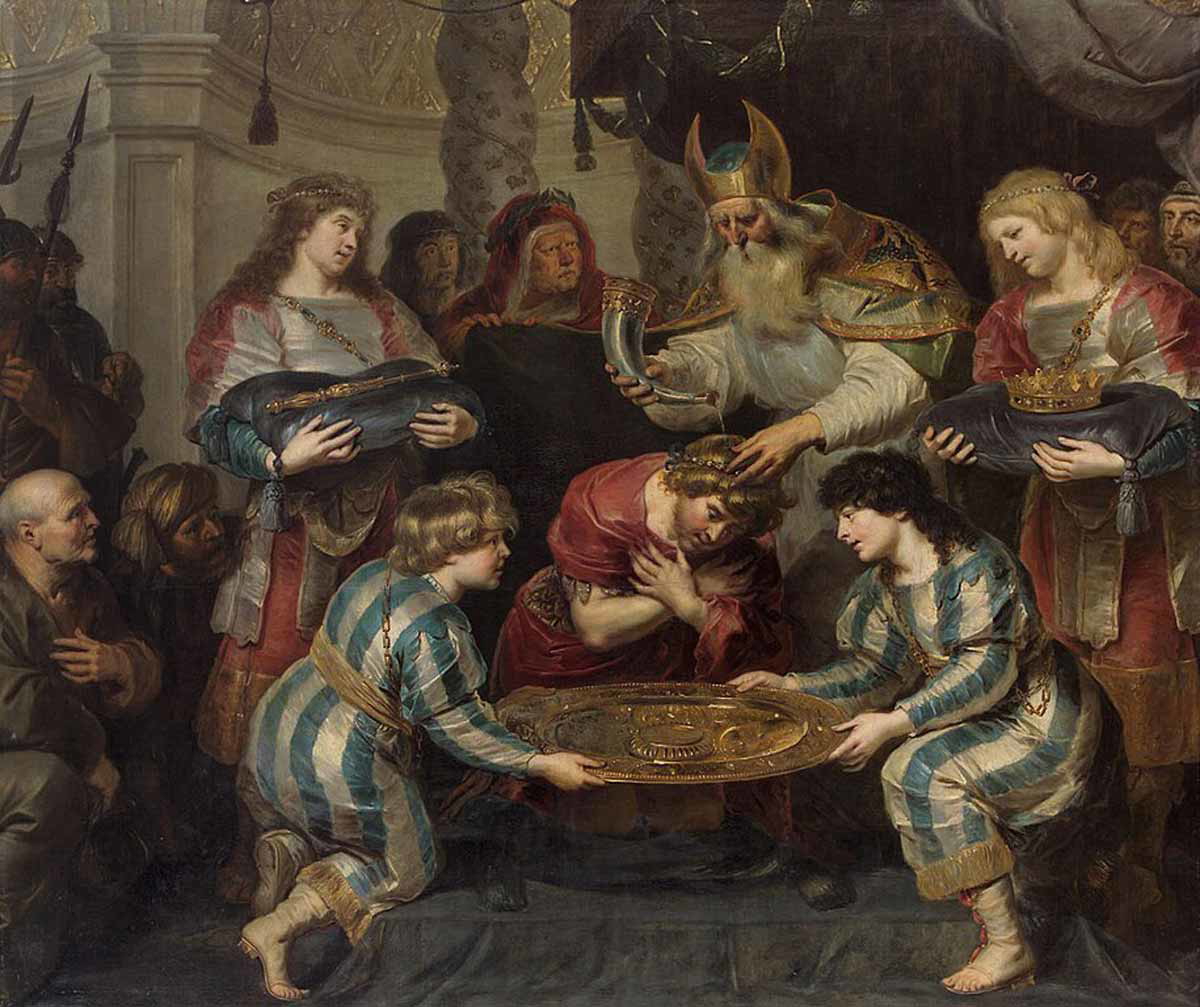
David called on Zadok the priest, and Nathan the prophet, to anoint Solomon as king over Judah and Israel. Since Adonijah was the older brother, the people may have assumed he would become king, and he certainly had the pretensions to take the crown after David.
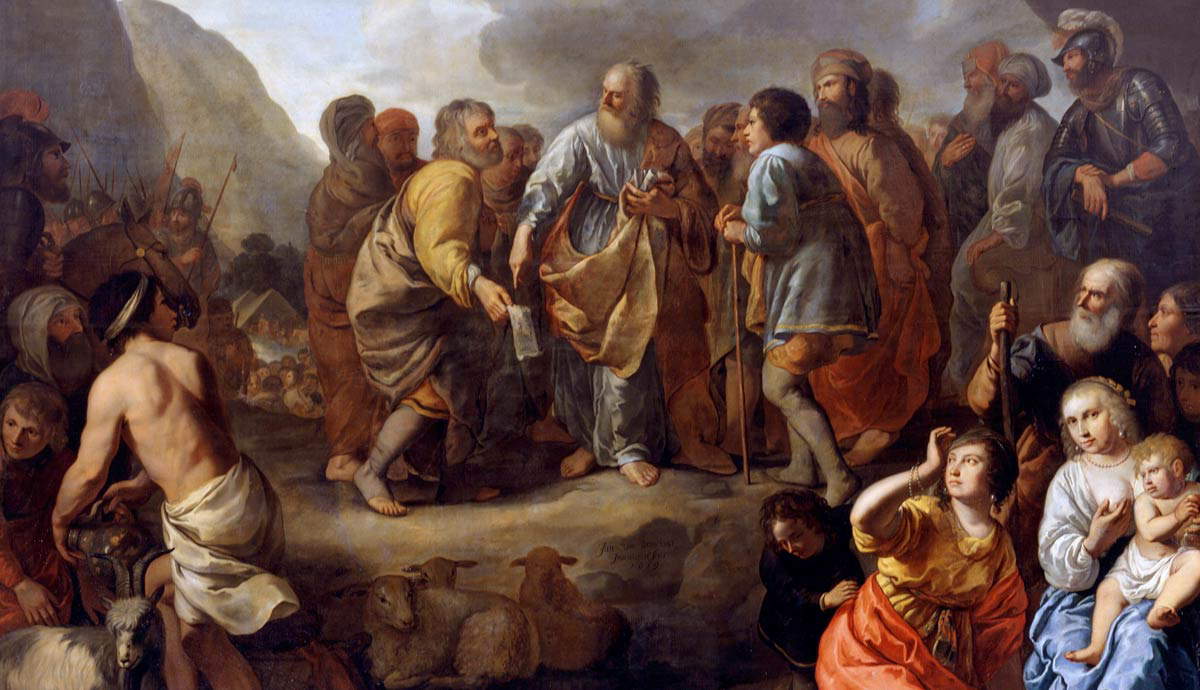
The former king spoke to his son about his allegiance to God and some unresolved matters that needed his attention. He wanted Solomon to handle these matters as priorities and likely believed they would establish his authority as king as well.
The first instruction David gave to Solomon was to be faithful to God. David advised his son to obey the Law of Moses, which generally refers to the first five books of the Hebrew Bible, also called the Torah, or Pentateuch, in the Christian context. The covenant of God with David was conditional on the obedience of his descendants. Should they comply with these requirements, the kingship of Israel would remain in the house of David forever.
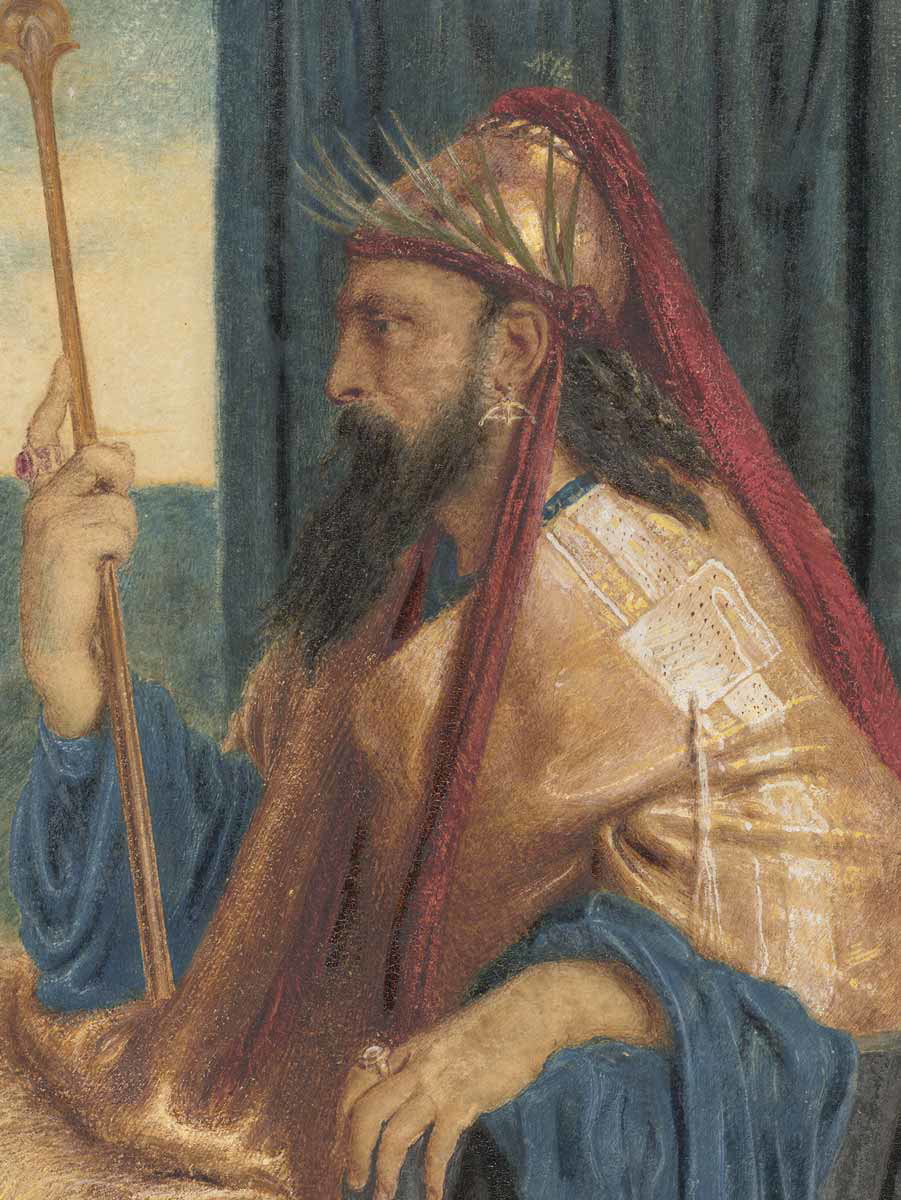
David then turned his attention to a few people who had betrayed him. The first was Joab. David reminded his son of what Joab had done but left the method of punishment up to Solomon. His only caveat was that Joab should not go to his grave in peace, even if he had grown old already.
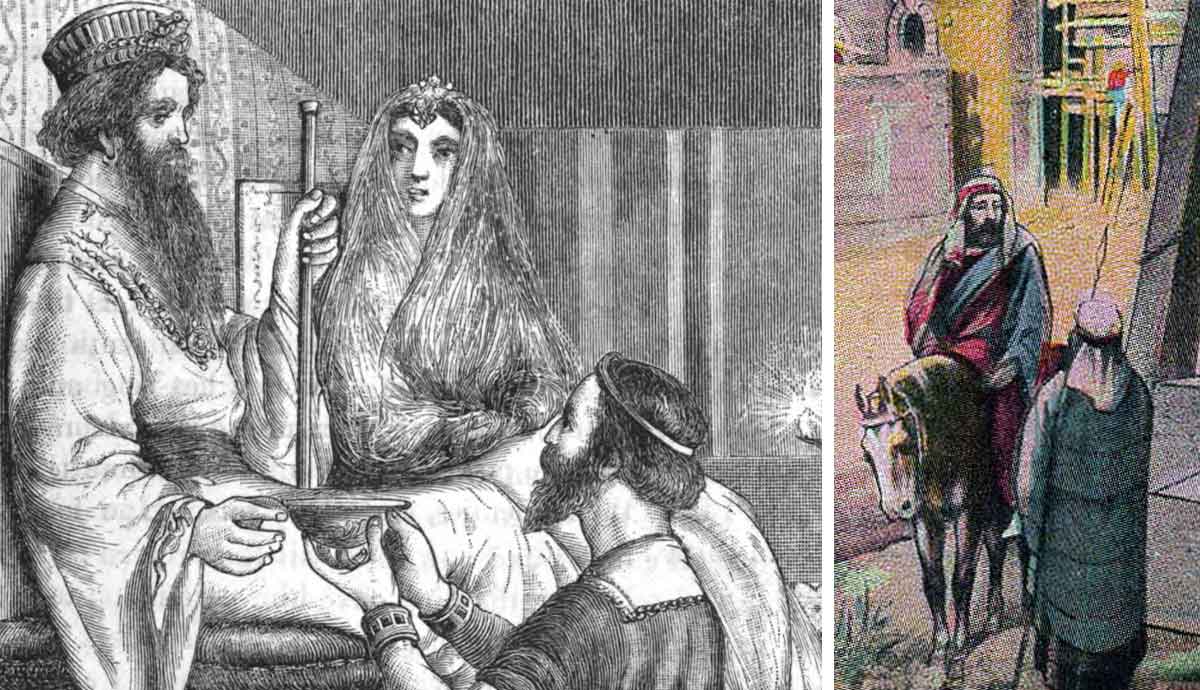
Barzillai the Gileadite and his descendants were to receive the honor of dining from the table of the king. David never forgot the kindness and loyalty Barzillai had shown him when he was in need. Conversely, Shimei, the son of Gera, treated David badly during the same time, and David, though he promised not to kill him, still felt that justice had to be done. He laid the responsibility to deal with the situation wisely at the feet of Solomon but made it clear that Shimei should die for his actions.
The Backstory to the Instructions
David had committed moral failures during his reign, such as having Uriah the Hittite killed to hide his adultery with his trusted and loyal warrior friend’s wife (2 Samuel 11:14-17). He also called for a census of Israel, showing his reliance on human strength rather than trust in God (2 Samuel 24 and 1 Chronicles 21). David was aware of the dire consequences of not following the commandments and statutes of God. He also wanted his descendants to prosper and continue the throne of Israel for many generations. David knew God would punish his descendants who strayed from his commandments (2 Samuel 7:12-16).
In David’s instructions to Solomon, he only mentions the actions of Joab against Abner, the son of Ner, and Amasa, the son of Jether. Joab killed the former in times of peace because he had killed his brother, Asahel, in times of war (2 Samuel 3:26-27). He murdered Amasa, the son of Jether, with shockingly treacherous actions (like he did to Abner), likely because he saw him as a rival since David appointed Amasa as commander of his armies (2 Samuel 20:8-10). Though David did not mention it in his instructions, Joab killing Absalom when David explicitly said they should deal with Absalom gently must have been in the mind of David and Solomon (2 Samuel 18:5, 14-15). Joab also joined the rebellion of Adonijah before David appointed Solomon as king (1 Kings 1:7).
When David had to flee before his son Absalom, who attempted to take the throne of his father by force, he and those with him faced dire circumstances. Barzillai the Gileadite was one of a group of men who provided necessities and provisions to the tired and famished refugees (2 Samuel 17:27-29).
On his return to Jerusalem, Barzillai, who was 80 years old, assisted David in crossing the Jordan River. The king invited him to travel to Jerusalem and intended to provide for him there. Barzillai was a rich man and politely declined the kind offer of the king. When King David crossed the river, Barzillai was about to return to the city where his forefathers were buried. He wanted to die there, so the king greeted him with a kiss and a blessing. David and Barzillai had a close bond and affinity between them. Barzillai’s servant Chimham accompanied David to Jerusalem and remained to serve as it pleased David.
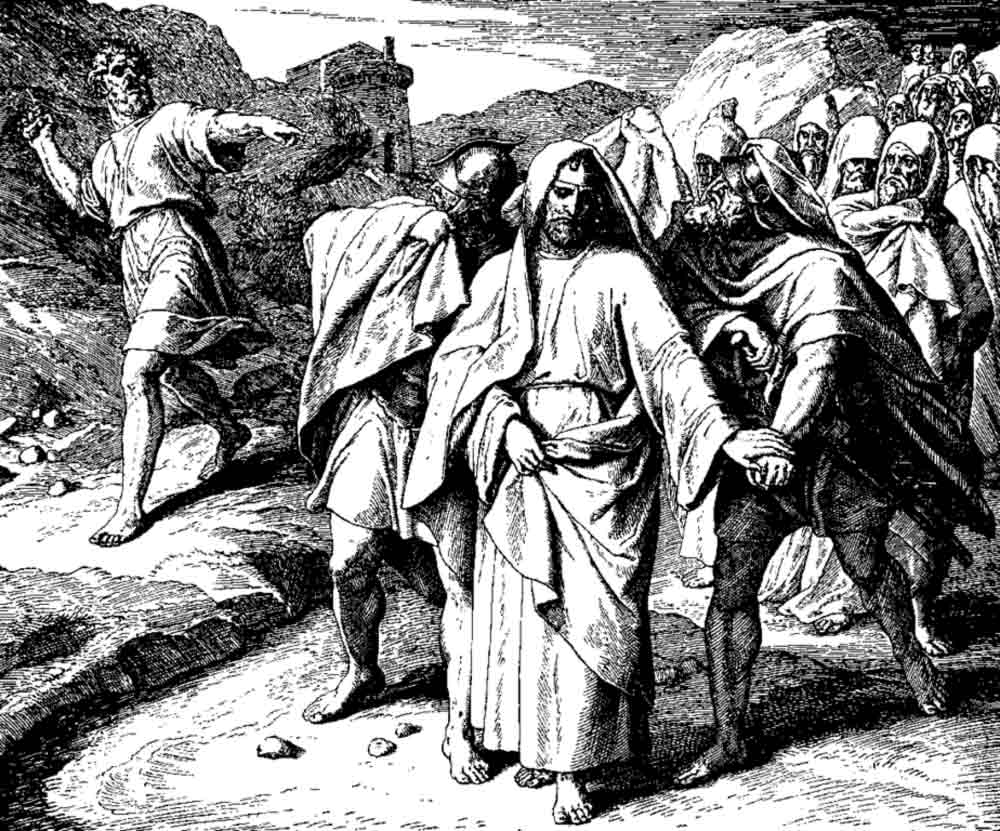
During David’s flight from Absalom, he encountered Shimei, the son of Gera, a relation of Saul, as they passed the town of Bahurim. The animosity between David and Saul was well known, and Shimei’s actions showed that he despised David. He blamed David’s situation on the blood he had spilled and what he had done to the house of Saul, claiming it was God’s vengeance.
Abishai, a warrior who fought alongside David for many years, wanted to take Shimei’s head but David refused, saying: “Leave him alone, and let him curse, for the LORD has told him to. It may be that the LORD will look on the wrong done to me, and that the LORD will repay me with good for his cursing today” (2 Samuel 16:11-12).
Just after Barzillai left Solomon, Shimei came down to meet David as he returned as king and fell before him, asking for forgiveness. Again, Abishai wanted to take the life of Shimei, but David refused. Shimei was not a loyal and trustworthy person, but David did not want to take vengeance as he returned to Jerusalem.
Solomon’s Reaction to the Instructions
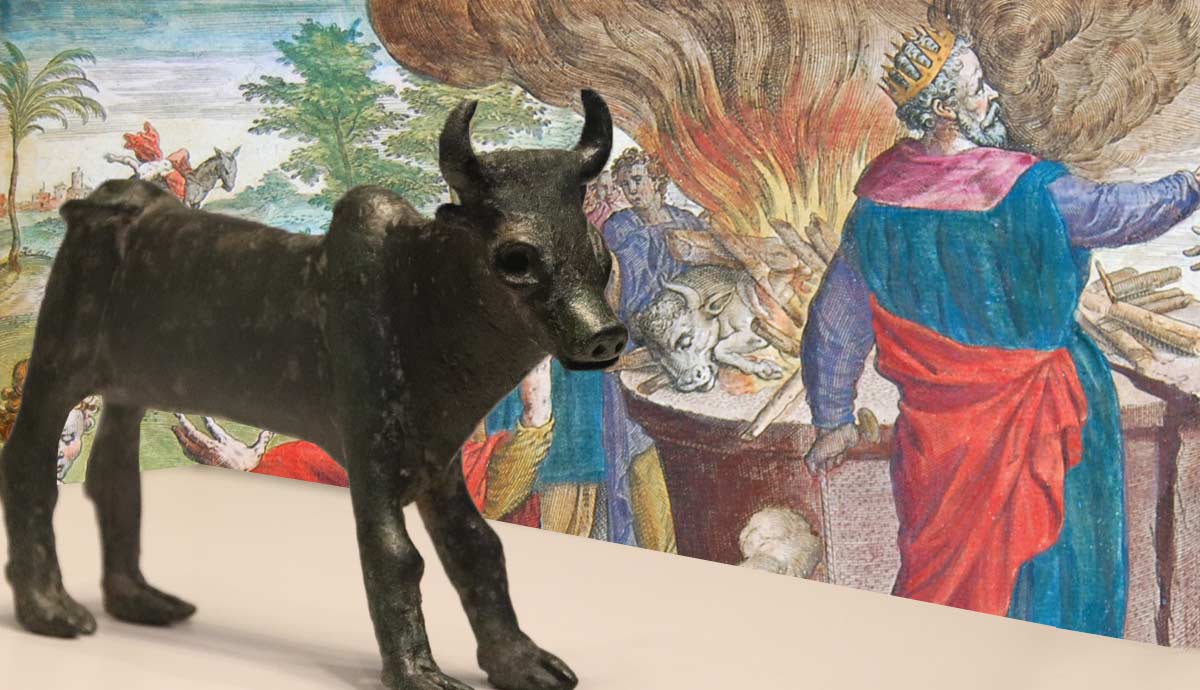
David’s opening instruction to Solomon was about obeying God. Solomon did not heed the first instructions David gave him. Though the Bible says that Solomon loved God, he had weaknesses that caused him to eventually set up altars to foreign gods and worship idols with his wives. God told Solomon that he would take the kingdom from his line.
“Therefore the LORD said to Solomon, ‘Since this has been your practice and you have not kept my covenant and my statutes that I have commanded you, I will surely tear the kingdom from you and will give it to your servant. Yet for the sake of David your father, I will not do it in your days, but I will tear it out of the hand of your son. However, I will not tear away all the kingdom, but I will give one tribe to your son, for the sake of David my servant and for the sake of Jerusalem that I have chosen’” (1 Kings 11:11).
Solomon did not follow the instruction of David on obedience to God.
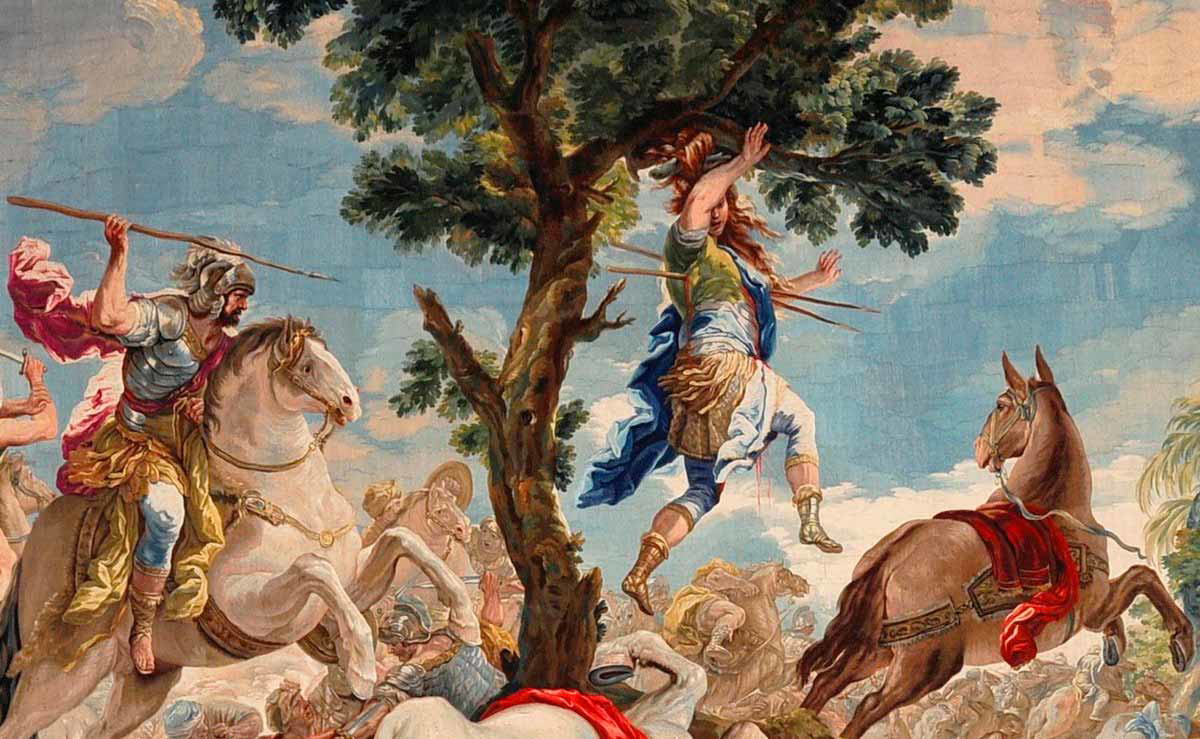
When Solomon became king, and Joab heard that he expelled Abiathar from being a priest, he fled to the Tabernacle and grabbed hold of the horns on the corners of the altar. In his mind, Solomon’s actions were about him and Abiathar supporting Adonijah. Beniah reported to Solomon where Joab was, and the king instructed him to kill Joab at the altar. Solomon considered the execution of Joab as taking “away from me and from my father’s house the guilt for the blood that Joab shed without cause” (1 Kings 2:31).

Solomon had Shimei build himself a house in Jerusalem, and he was not allowed to leave the city on pain of death. Shimei complied for three years, but when one of his servants ran away to Gath, he followed him and brought the servant back. When Solomon heard this, he summoned Shimei and instructed Benaiah to kill him (1 Kings 2:36-46).
The second part of 1 Kings 2 does not specify whether Solomon followed David’s instructions relating to the descendants of Barzillai. Considering that Solomon acted on the other instructions relating to how men treated David, it would be reasonable to assume he did take heed of his father’s wishes for Barzillai.
The latter section of 1 Kings 2 relates how Solomon dealt with treasonous people who could potentially be a threat to his kingdom. It included his dealings with Adonijah, who requested to have his father’s attendant, Abishag, as his wife. Within the cultural context of the time, kings sometimes took the concubines of the previous monarch as their own, as Absalom did with his father. The request indicated to Solomon that Adonijah could not be trusted, and he instructed Benaiah to take Adonijah’s life.
Solomon carefully followed his father’s instructions about those who had wronged him and could not be trusted. He dealt with them wisely and applied the same principles to the potential threat to his own throne. Unfortunately, Solomon did not remain faithful to God, and the Kingdom of Israel split in two shortly after his death.