The story of King Josiah is one of the most unique and interesting of any of the kings of Judah. A man of God prophesied his name and actions centuries before he lived. He fulfilled all that the man of God said about him, but then made the same mistake that the one who prophesied about him made, and both paid for it with their lives. Several aspects of Josiah’s life make him unique, and some events make him notable as a reformer-king of Judah. When he died, his legacy was that of the best king Judah ever had.
Josiah’s Life Foretold
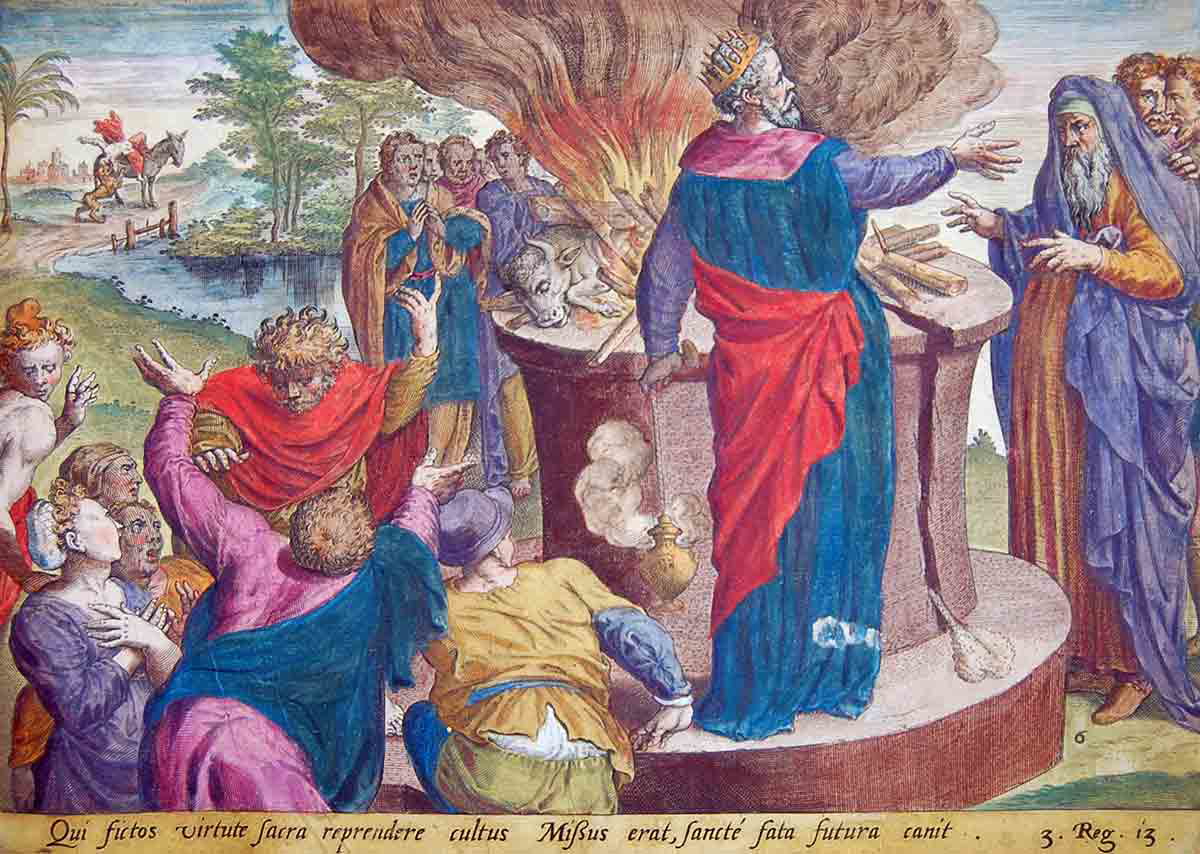
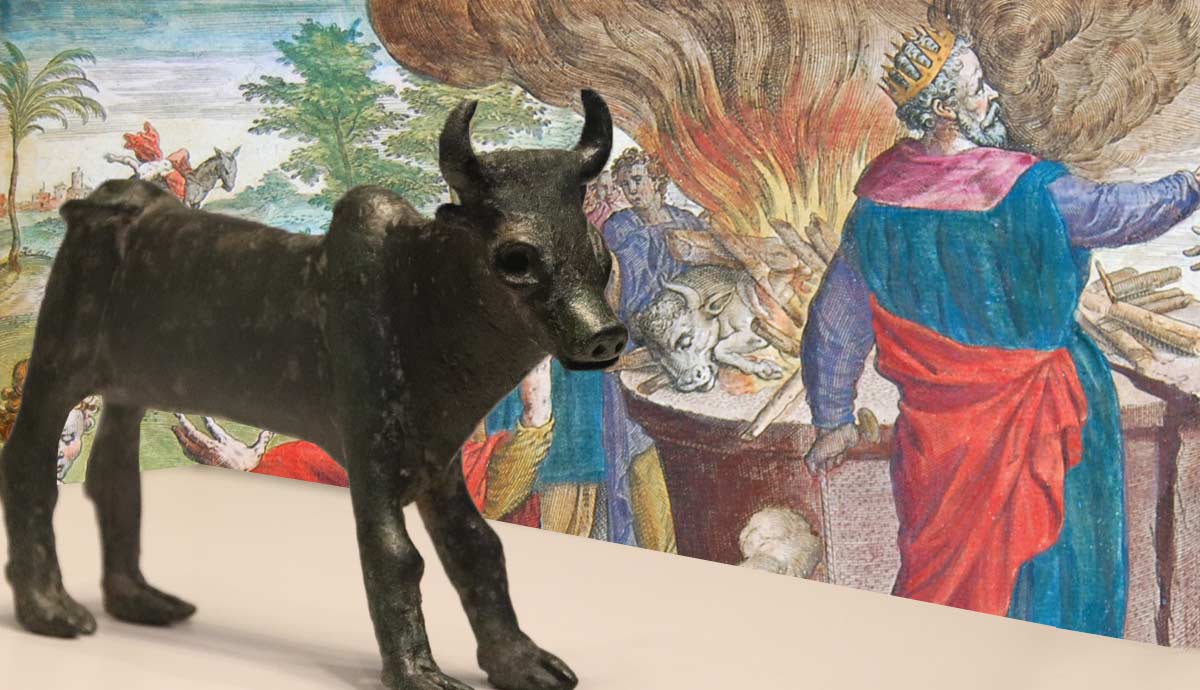
The story of King Josiah starts centuries before his birth and shortly after the division of the Kingdom of Israel. Jeroboam, the recently installed king of the northern Kingdom of Israel, started a new cult in his kingdom to prevent his citizens from going to Jerusalem, which was in the territory of the Kingdom of Judah, to worship at the Temple. He made two golden calves and set up worship centers in Bethel and Dan.
Jeroboam himself made sacrifices before the people to the gods he had made. 1 Kings 13 records one such instance, but on this occasion, a “man of God” confronted the king, saying: “O altar, altar, thus says the LORD: ‘Behold, a son shall be born to the house of David, Josiah by name, and he shall sacrifice on you the priests of the high places who make offerings on you and human bones shall be burned on you.’” (1 Kings 13:2).
The sign God gave showed that the man of God was truly sent by him when the altar Jeroboam sacrificed on was torn down, and the ashes fell on the ground. The man of God would not accept Jeroboam’s invitation to dine with him, stating that God had instructed him not to eat or drink nor return home by the same route he had come from Judah.
On his way back, an “old prophet” met up with the man of God and told him that an angel had told him by the word of the Lord to invite him to his house to eat and drink. The man of God accepted the word and invitation of the prophet. Upon eating at his table, the old prophet told the man of God that he would die and not be buried with his fathers because he was disobedient to God for accepting the invitation.
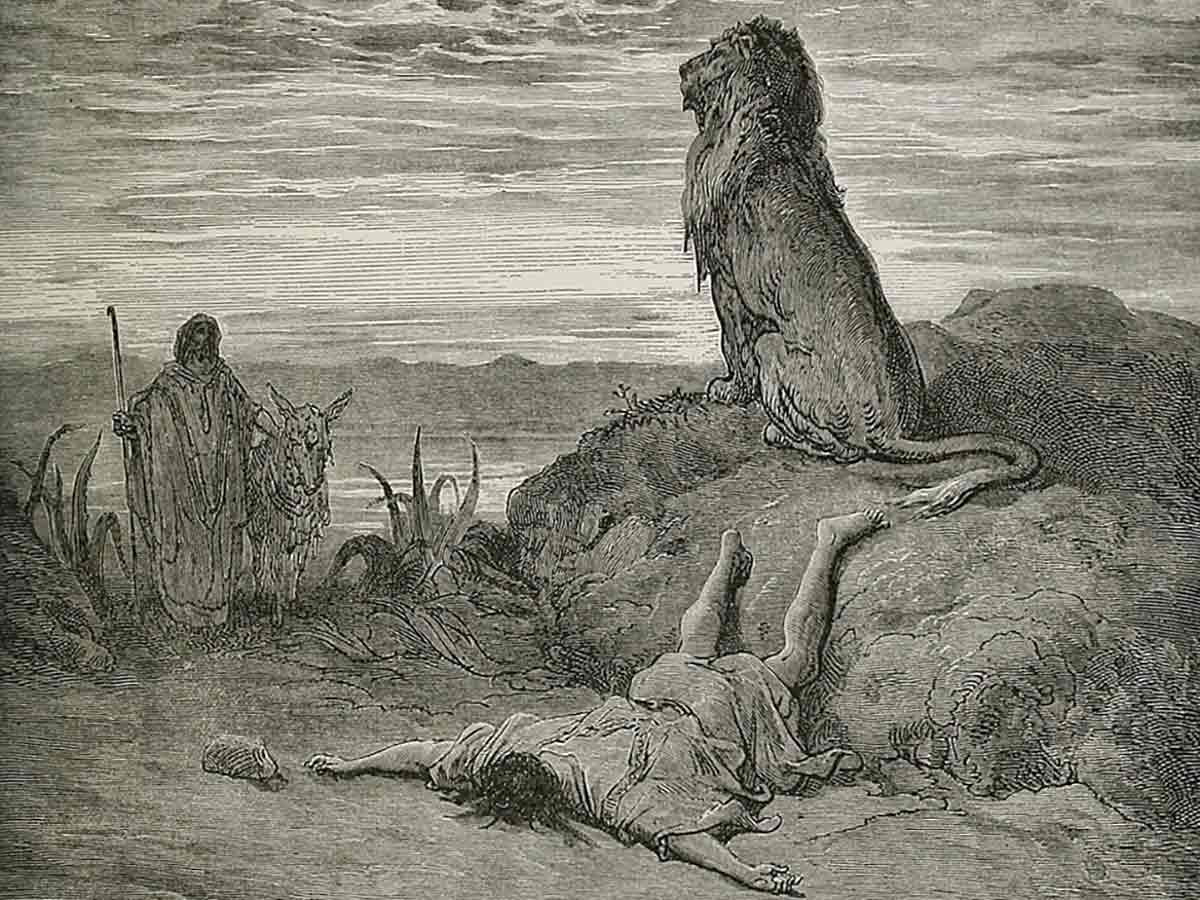
The man of God died on the trip back when a lion attacked him, but did not eat him. When word of his death reached the old prophet, he mourned the death of the man of God and instructed that the man of God rest where the old prophet had a burial spot. He also requested from his sons that when he, the old prophet, died, his sons must bury him where they laid the man of God to rest. When the old prophet died, his sons buried him with the man of God. This bizarre story proves relevant to King Josiah in several ways, as will become evident shortly.
Josiah’s Reign and Reforms
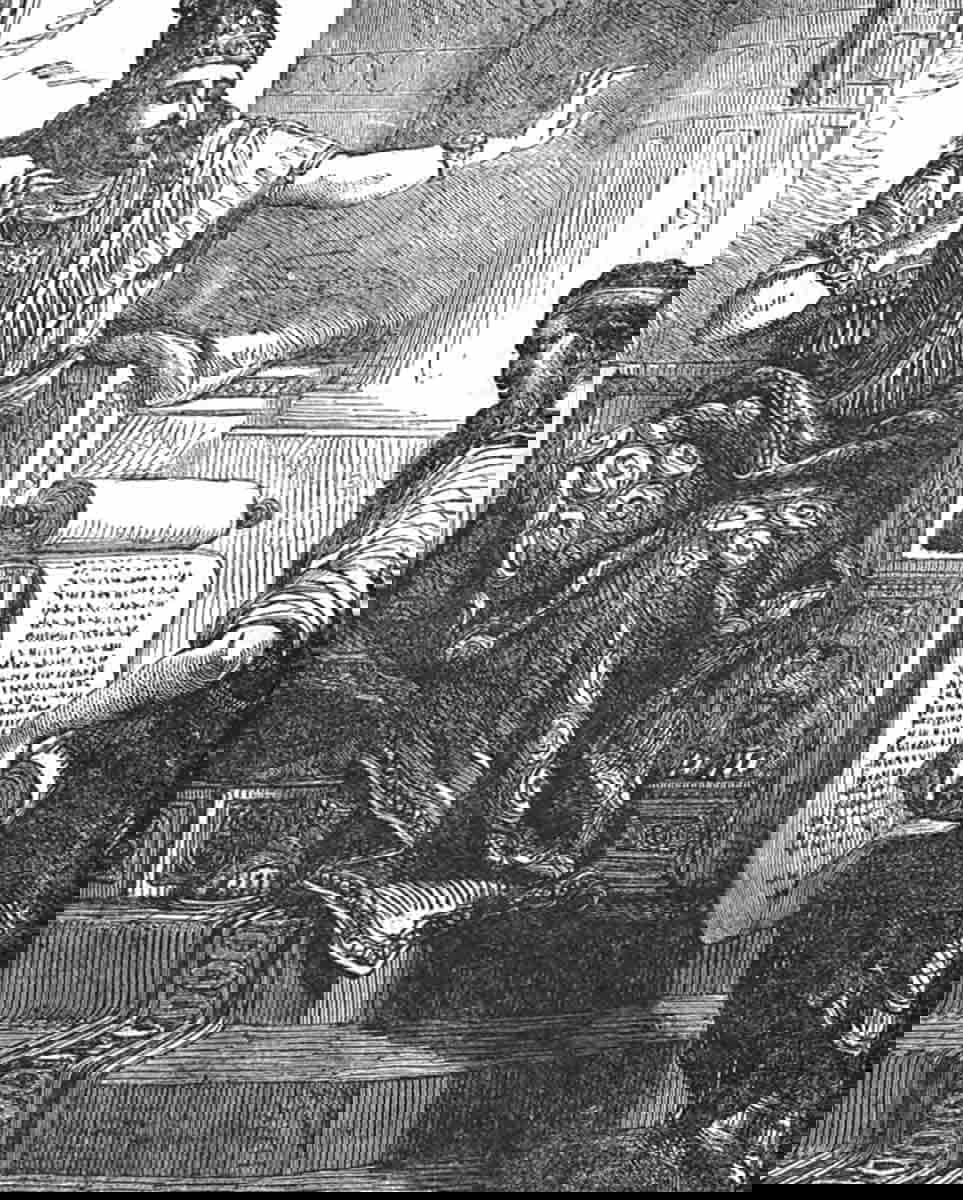
Josiah was eight years old when he started to reign in Judah (2 Kings 22:1, 2 Chronicles 34:1). He was the second youngest king the nation of Judah had, with Jehoash (also called Joash), who started his reign at age seven, being the youngest. Josiah reigned from 641/640 to 610/609 BCE. Jeroboam reigned from 922 to 901 BCE. About three hundred years separated their reigns. If the Bible is correct, that means the man of God prophesied about Josiah about three centuries before Josiah was born.
When Josiah was about 16 years old, he began to seek God, and four years later, he started cleansing his kingdom of idolatry, which had run rampant under his grandfather, King Manasseh, and his father, King Amon. Manasseh practiced many dark arts that God forbade and even sacrificed children by burning, a practice associated with Molech worship.
As part of his religious reforms, Josiah destroyed the altars of Baal and Asherah and desecrated their places of worship. He also burnt the bones of the priests of these idols on their altars. Burning bones on the altars rendered them permanently unclean and, therefore, unusable subsequently.
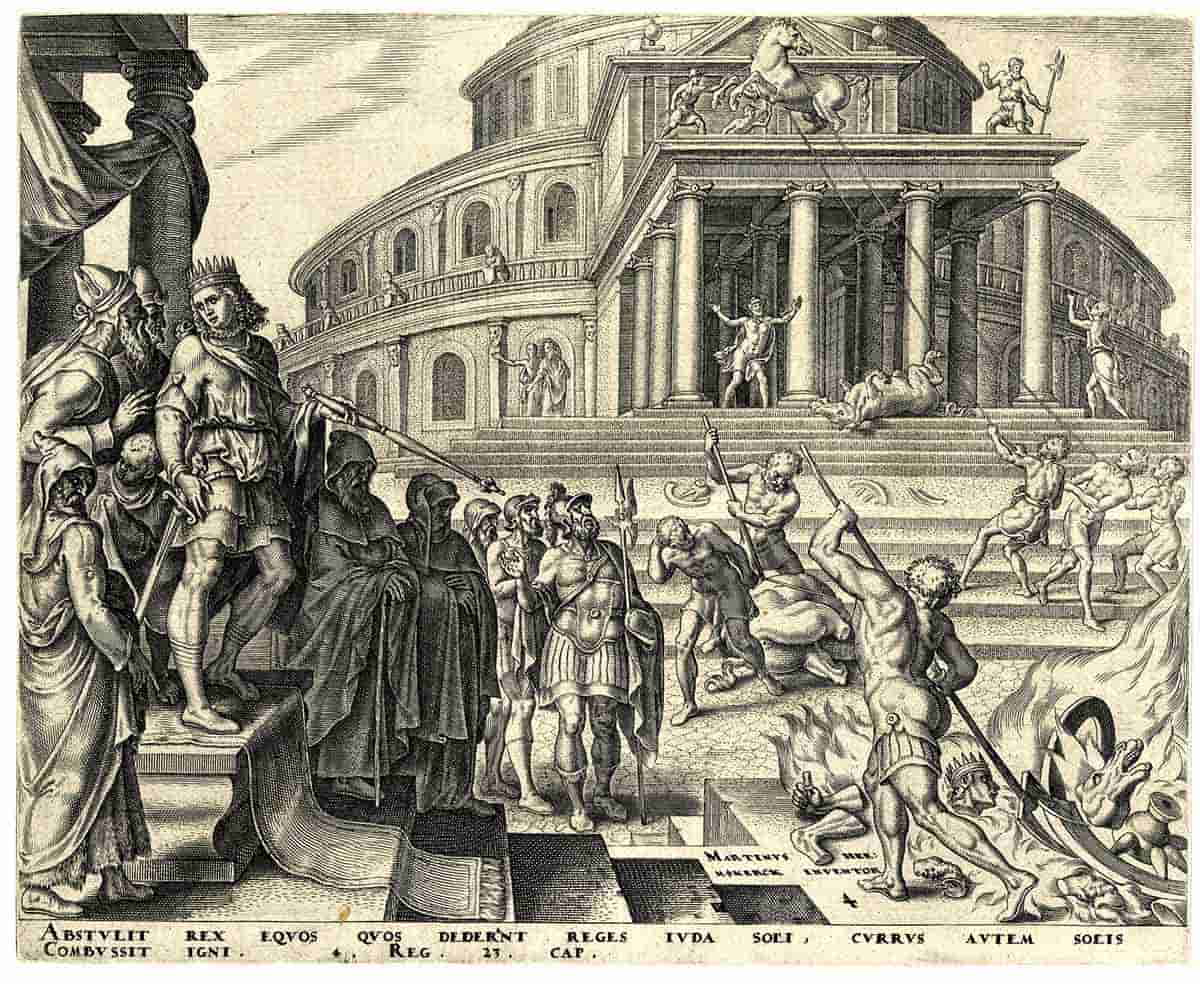
During the eighteenth year of his reign, Josiah ordered the restoration of the Temple after the damage done by previous kings and conflicts. Even the remnants of the northern tribes of Ephraim and Manasseh, who remained after the Assyrian exile of Israel in 722 BCE, gave money toward the restoration process.
During the restoration, Hilkiah, the high priest, rediscovered the Book of the Law. It had been lost years before. This Book of the Law can either refer to the Torah (or Pentateuch) or to the book of Deuteronomy. When Josiah heard the content of the book he tore his clothes, realizing how far the people of Judah strayed from the commandments of God.
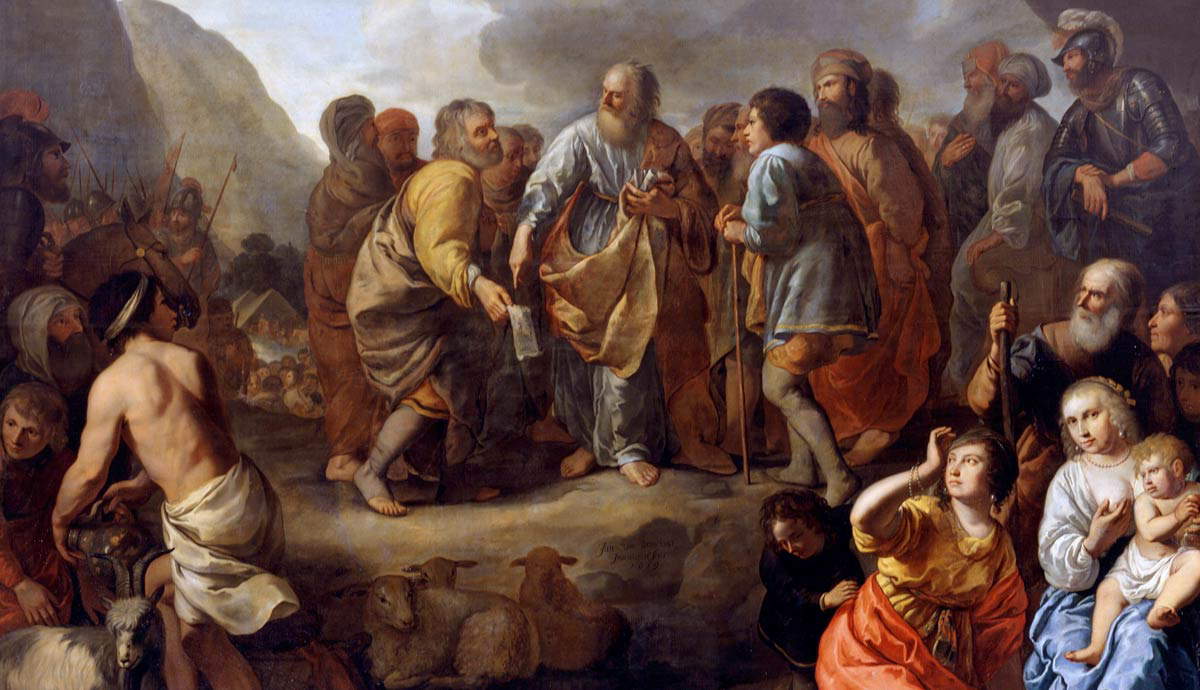
Josiah consulted the prophetess Huldah, who foretold disaster for Judah because of their previous sins. The imminent trouble would, however, not come during Josiah’s reign due to his humility and because he was sorrowful for what the Kingdom of Judah had done against God (2 Chronicles 34:22-33).
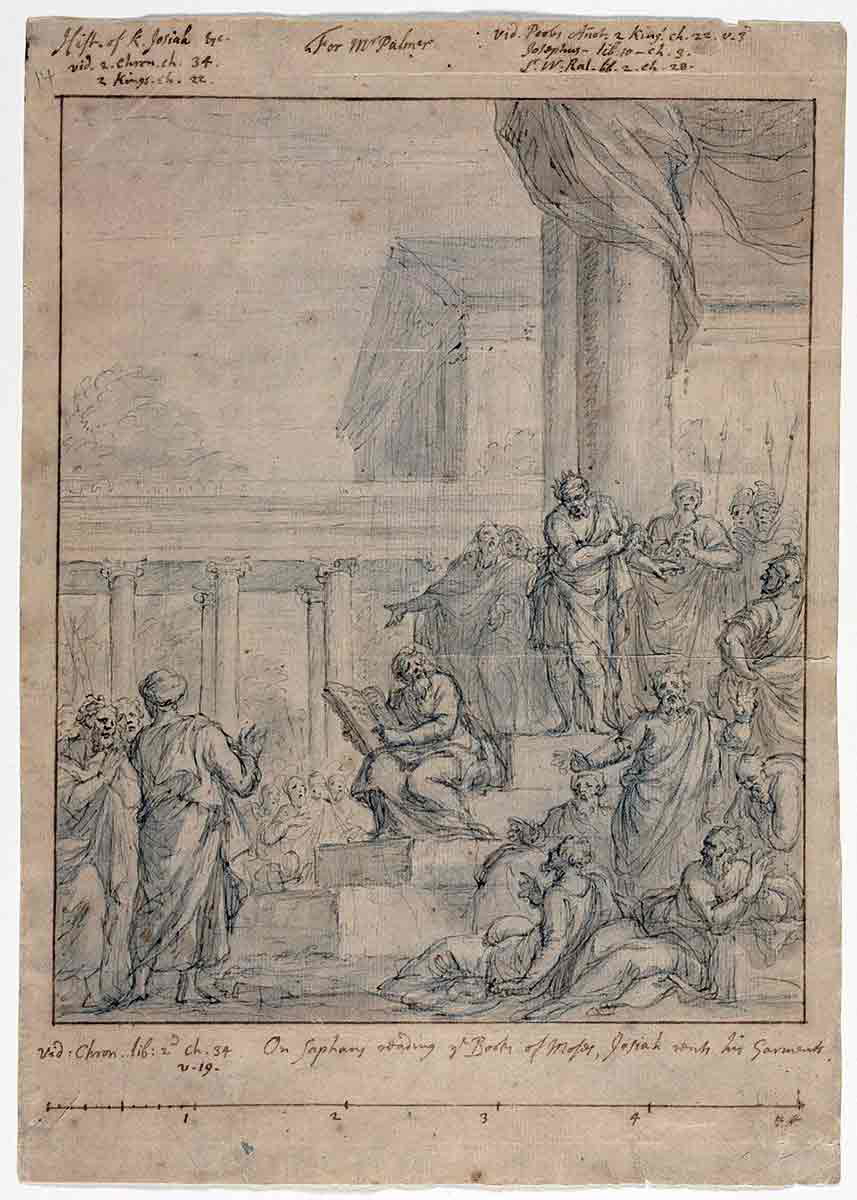
It is unclear whether the book was lost or purposefully suppressed during the almost 60 years Josiah’s grandfather and father reigned. Regardless of the cause, its discovery led to widespread national repentance, a renewal of the covenant, and sweeping religious reforms in Judah during Josiah’s reign.
Josiah reinstituted worship at the Temple as it was years before the rampant idolatry and he continued his reforms in Judah. Among others, he defiled the Topheth in the Valley of Hinnom outside of Jerusalem, set up in honor of Molech. Josiah destroyed many other places of worship, some of which were constructed by King Solomon for his wives.
Josiah called for the nation to keep Passover in Jerusalem. It was unparalleled by any previous version of the event. Josiah gave from his flock 30,000 young goats and lambs, and 3,000 bulls. It was arguably the largest Passover celebration since the days of the judges. All of Judah and many of the remnants of the northern tribes attended the feast. It was a unifying event, both spiritually and nationally. It was an exemplary event where priests and Levites performed their functions according to the law (2 Chronicles 35:10-15).
2 Kings 23:17-18 contains an interesting reference. It notes that King Josiah saw a grave and enquired about it to determine if it contained the bones that his men must burn on altars to idols. Men from the city of Bethel told Josiah that the monument was the grave of the man of God who had foretold what Josiah would do, and that of the old prophet. It seems, in retrospect, that the old prophet wanted to be buried with the man of God so no one could distinguish their bones from one another, and he would not posthumously burn on one of the altars of Jeroboam’s gods.
Josiah’s Death
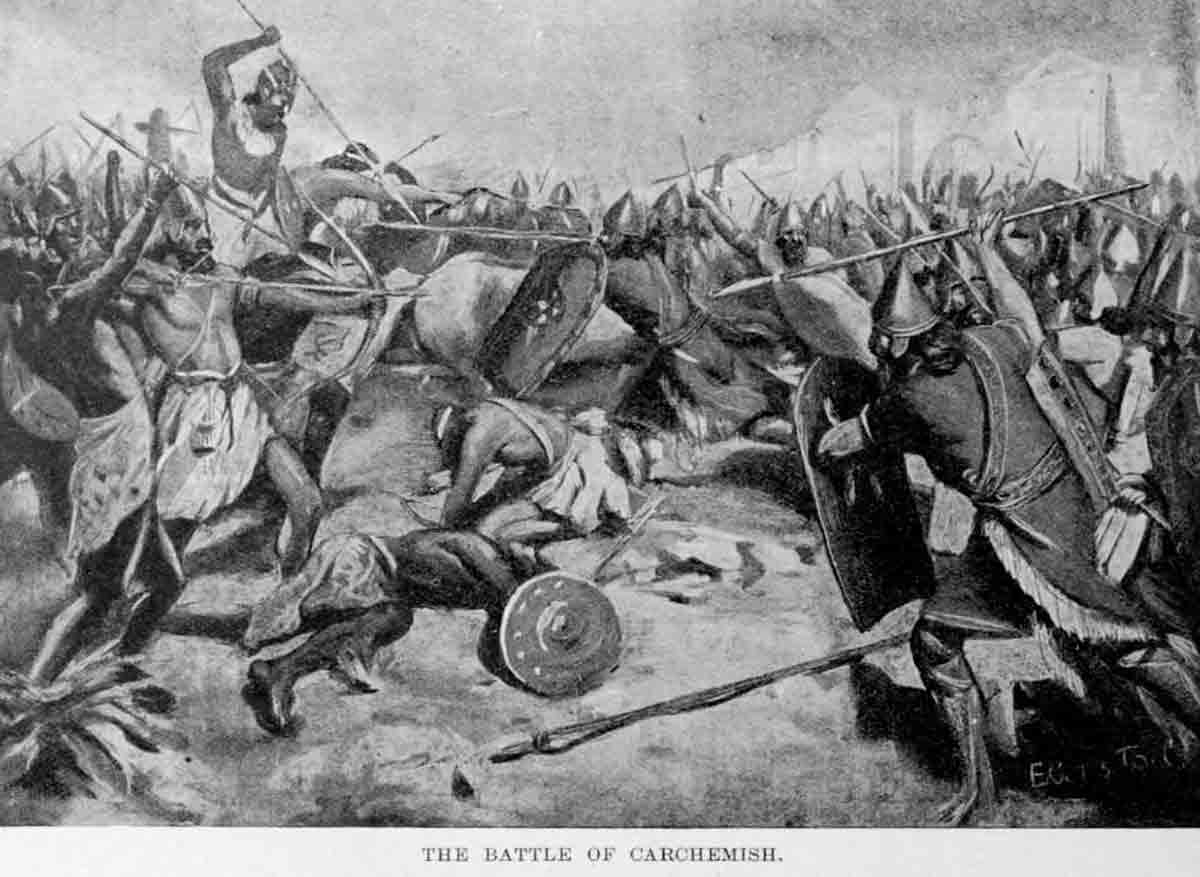
Pharaoh Necho marched his armies northward towards Carchemish to assist the Assyrians against Babylonian expansion. They inevitably had to move through the kingdom of Judah. Josiah mustered his armies in response, even though Necho informed Josiah that he should not, saying: “What have we to do with each other, king of Judah? I am not coming against you this day, but against the house with which I am at war. And God has commanded me to hurry. Cease opposing God, who is with me, lest he destroy you.” (2 Chronicles 35:21).
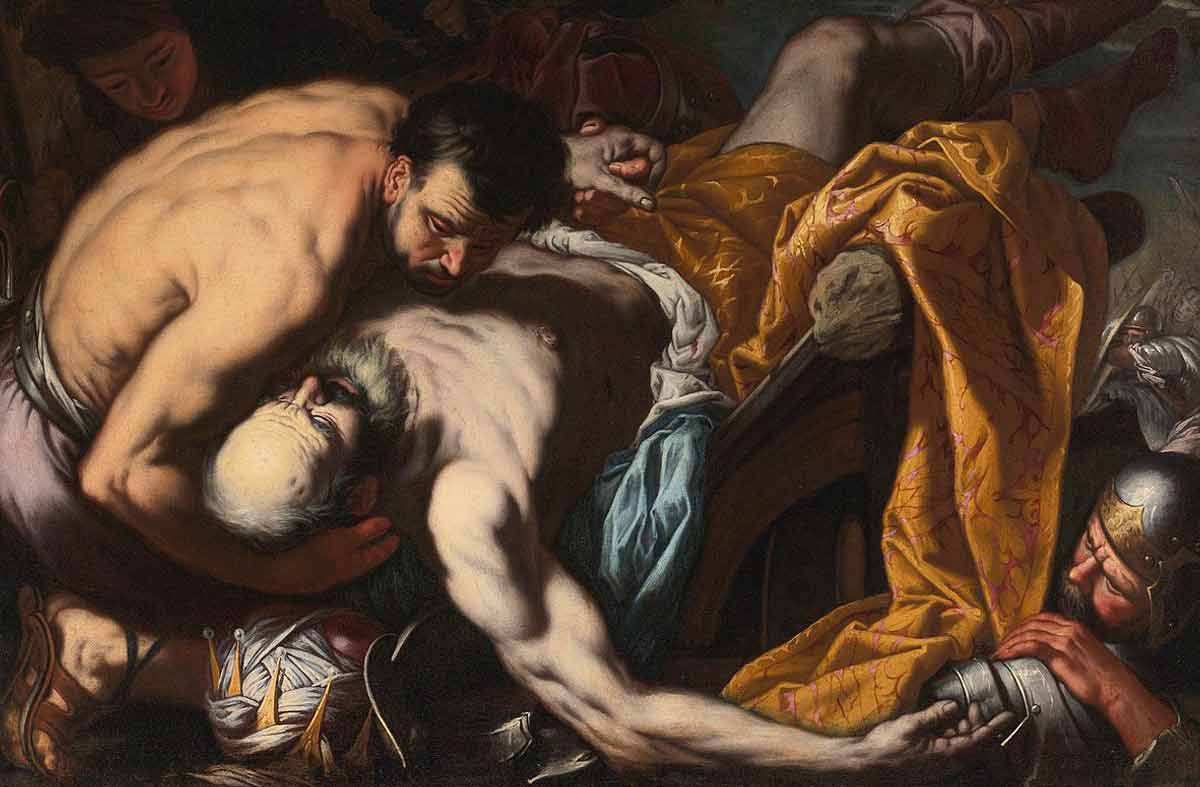
Josiah did not heed the warning and attacked. Even though he disguised himself so as not to be an obvious target among his forces, an Egyptian arrow struck Josiah, and he eventually died from it. It is unclear exactly why Josiah did not heed the words of Necho, but the Bible states that it was God speaking through the Pharaoh: “He [Josiah] did not listen to the words of Neco from the mouth of God, but came to fight in the plain of Megiddo.”
The story of Josiah and the story of the man of God have significant aspects in common. The man of God prophesied about Josiah and his acts of reform. Josiah decided to leave the bones of the man of God and the old prophet in their grave when he heard that these bones had a connection to him.
Josiah and the man of God made the same mistake. It cost them their lives. The man of God accepted the invitation of the old prophet against the command God gave him. Josiah ignored the warning God gave through the mouth of the Pharaoh, likely because he did not believe God would speak through a pagan king. In both cases, the man of God and Josiah would have benefited by checking with God before accepting or rejecting a message from a doubtful source.
After his death, Judah fell into idolatry again and was eventually taken into exile to Babylon. Josiah, due to his reforms and restoration of worship of God according to the Law, was the best king among the kings of Judah.