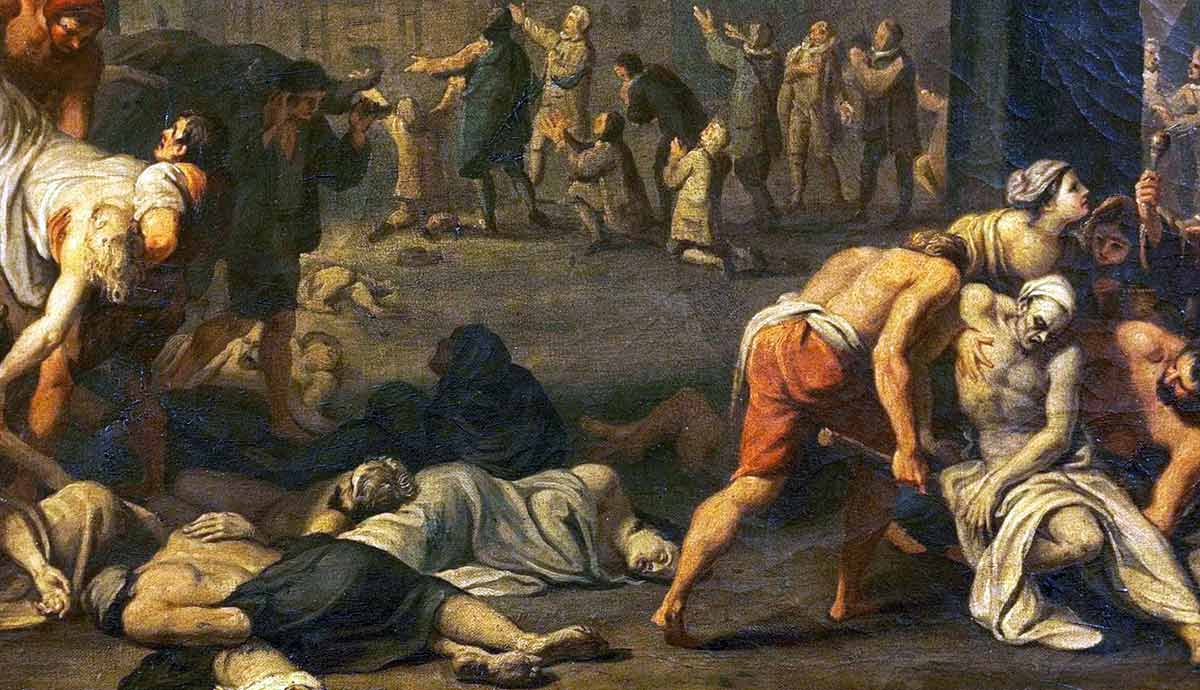
The Black Death (bubonic plague) arrived in Europe in October 1347 through the Sicilian port of Messina. This was after ships arriving from the Siege of Caffa laden with infected people and bodies docked there. It is alleged that in the siege, the Mongol army threw infected corpses over the walls as a form of biological warfare in order to decimate the inhabitants.
According to famous notary Gabriele de’ Mussi, the Mongols used trebuchets (catapults) to fling plague-ridden corpses into the city. Those who fled by merchant ships reportedly carried the disease westward. Between 30 and 50 million people perished across the continent between 1347 and 1351. The massive loss of life deeply impacted medieval life in Europe. So, what were the main effects of the plague?
The Rise of the Working Class
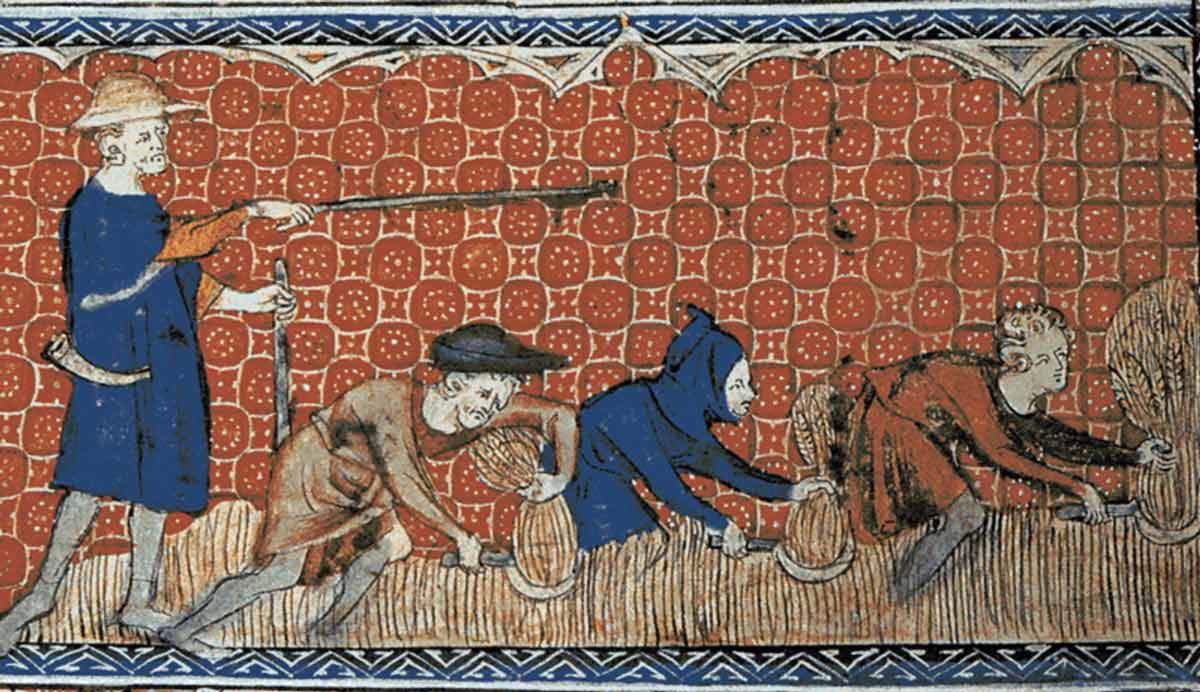
Before the plague, the feudal system in Europe relied on a massive population of cheap workers to farm the land for rich landlords, but when the Black Death reached Europe, millions of peasants died. Consequently, the remaining laborers soon had unprecedented leverage in the labor market due to the ensuing labor shortage. Landlords suddenly had more fields that needed workers and were desperate for help. As the peasants realized their new value, they began demanding higher wages and better living conditions. While landlords were uneasy at first about offering higher pay, they had no choice but to pay the higher rates in order to keep their estates running.

At one point, English authorities tried to stop the change by passing the Statute of Labourers in 1351. The law attempted to force wages back to the pre-plague levels but such efforts largely failed as demand for workers was too high. To bypass the rule, serfs began to travel to different villages in search of high-paying landlords. Soon, the old system of serfdom started to crumble. Because serfs were no longer tied to the land of their masters, the high mobility that emerged after the plague allowed them to gain more personal freedom and economic empowerment.
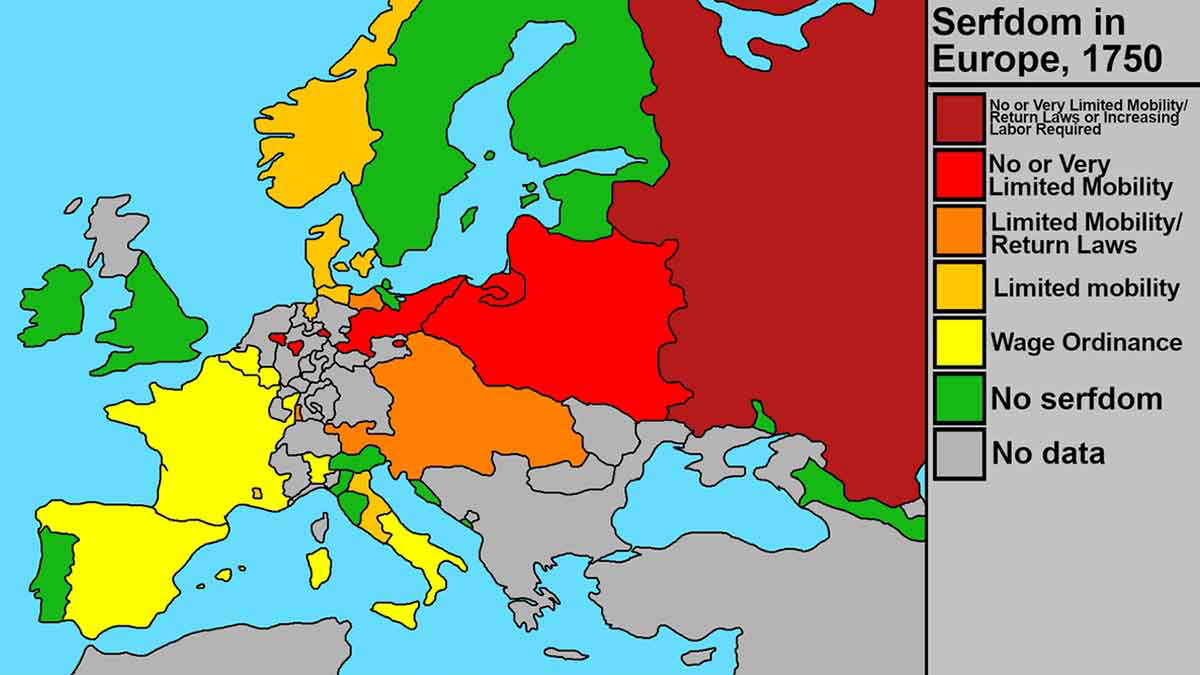
For the first time in centuries, low-class citizens could afford better food and clothes, and the gap between the rich and the poor narrowed slightly. Eventually, major uprisings such as the Peasants’ Revolt began to occur in the late 14th century as workers sought to protect their new rights. The change in dynamics caused the economy to shift from a system based on land ownership to one based on cash and trade.
It Caused a Change in Religious Beliefs
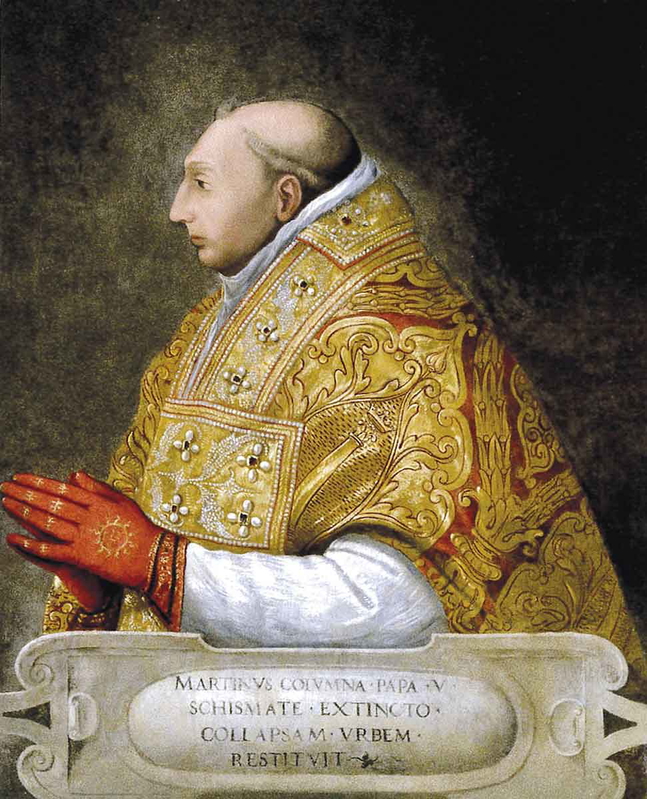
When the Black Death devastated large swathes of territories in Europe, religious people searched for reasons to try to make sense of the catastrophe. At the time, religious organizations stood as the center of medieval life. However, they failed to provide an answer. Priests died at the same rate as the poor and this shattered old beliefs regarding divine intervention. At the time, many religious people felt that God had abandoned them. While some people became intensely pious, others turned to lives of excess due to overwhelming despair.
The cascade of events soon caused the Church to lose its monopoly on spiritual power as followers started to question religious teachings and the authority of the Pope. Ultimately, the traumatic events caused many people to accept the fact that life was short and death was inevitable. The shift in the mindset led to a more personal way of looking at faith and religion.
It Led to an Improvement in Medicine
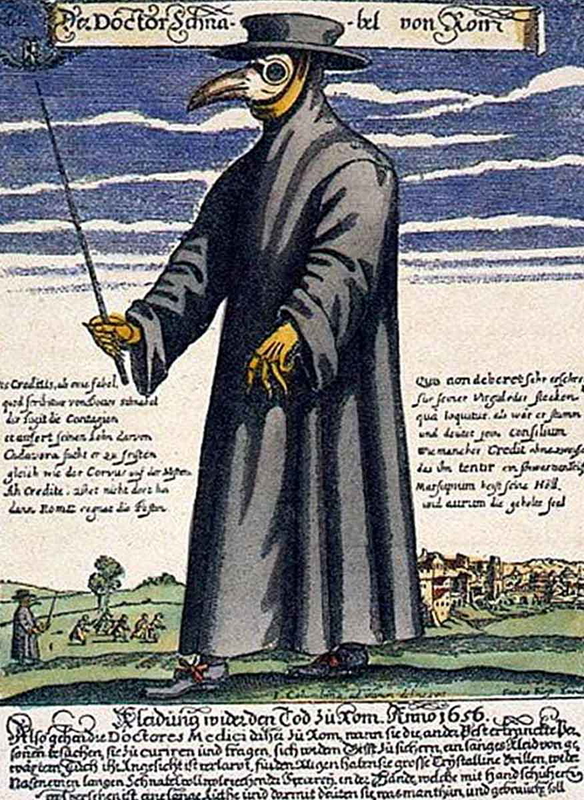
14th century doctors were ill-equipped to handle the bubonic plague. Some were superstitious. Some physicians even thought that the poor air quality or the alignment of the planets caused the spread of the disease. They tried to fight the ailment by using remedies such as herbs but nothing worked. Soon, cities began to take responsibility for the health of their citizens. Authorities in Ragusa, for example, started a forty-day isolation period known as quarantine in 1377.
The name actually came from the Italian word “quarantena” meaning forty days in Italian. Many treatment experiments were also carried out in order to look for scientific proof. Initial progress was slow, but the foundations for modern biological research were laid in the midst of the disaster.