The Taj Mahal. Petra. And Moravian Bethlehem, Pennsylvania? Since 1972, UNESCO has maintained a list of global sites so sacred to humanity that they are called World Heritage Sites.
Considering this, the world raised a collective eyebrow when the newest additions were announced in 2024. Among the many notable historic and natural sites was a collection of 200-year-old stone buildings in eastern Pennsylvania.
How did they qualify for inclusion on the same list as these other landmarks? To understand this, we must first discuss the Reformation.
The First Martin Luther
If you were to make a list of the most important figures of the Protestant Reformation, it is a sure bet that you would probably list Martin Luther right at the top. His well-known writings and his challenge to the authority of the Catholic Church make him among the earliest and most prominent leaders of the Reformation. However, he was far from the first.
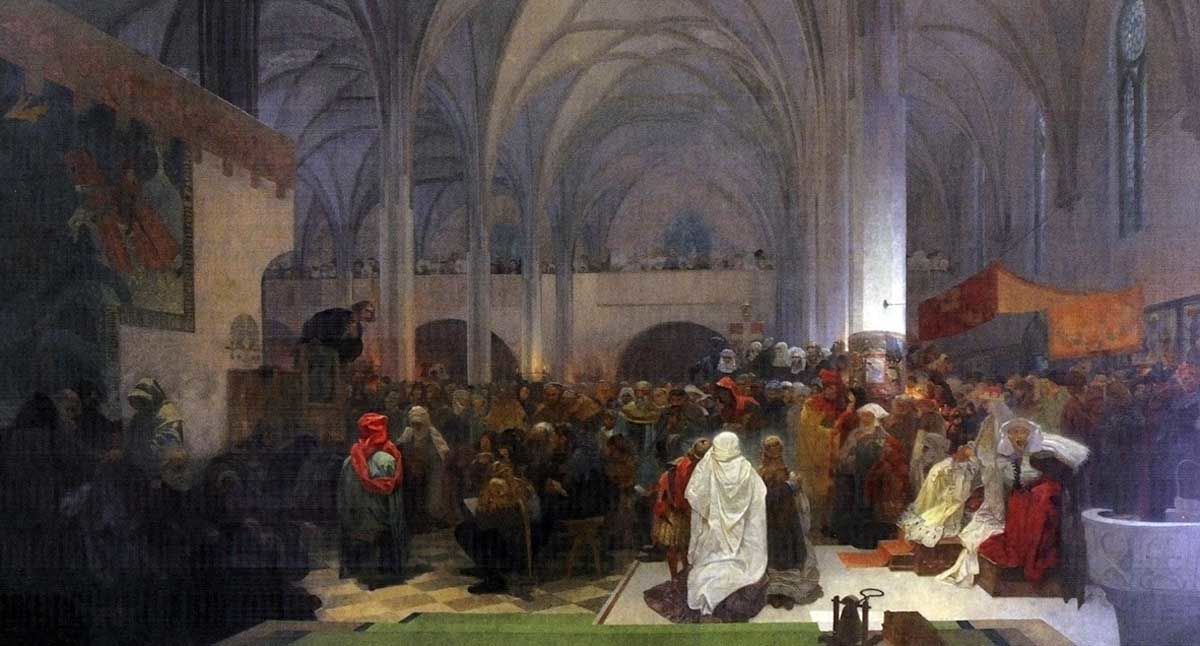
100 years before he nailed his famed 95 theses to the door of his local church, another priest in the Czech Republic had already launched what many historians considered to be the first reformation movement.
That priest was named Jan Hus, and in the 1400s, he began openly criticizing the Catholic Church for such practices as simony, infidelity, and, of course, the practice of indulgences, a full century before Martin Luther would do the same. His efforts helped launch the Bohemian Reformation, a religious movement that would be key to why Protestantism first took hold in Germany.
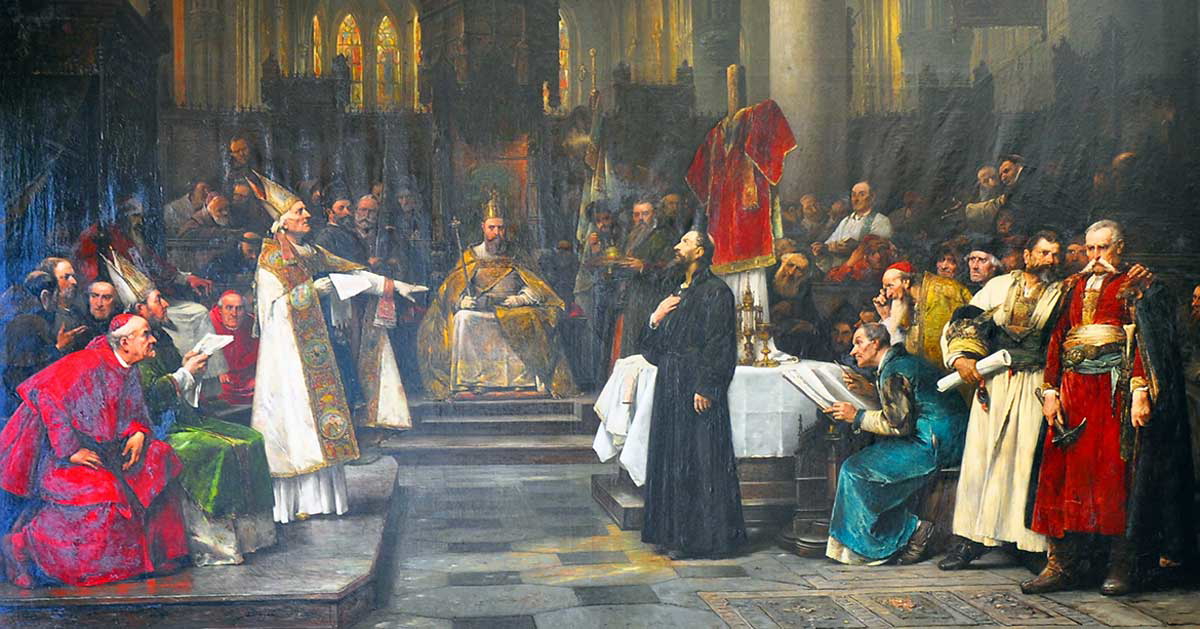
But the activities of Hus didn’t go unnoticed by Rome. Railroaded during an ecumenical council and eventually martyred by being burned at the stake, the Catholic Church thought that it’d put an end to his shenanigans. Little did they know that before he died, Jan had organized his followers into their own separatist church a full century before the rise of Protestantism. Hus’s church would eventually grow into what we still know today as the Moravian church.
The Unitas Fratrum
Soon after the execution of Hus, the Catholic Church realized the job wasn’t quite done, and they moved to snuff out his followers once and for all by launching a full-on Crusade in 1420 that launched what would be known as the Hussite Wars. This should have spelled the end for the followers of Hus, especially given how fractured they were, but miraculously, they were able to defeat not just this first incursion, but three subsequent campaigns as well.
Their resistance was so complete that in the end, the Catholic Church did something it had never before done with a group of heretics: it signed a treaty that allowed the Hussites to practice their own separate form of Christianity in Bohemia without fear of reprisal. It was in this climate that a group known as the Unitas Fratrum organized itself in 1457 in the Czech Republic and would eventually become known as the Moravian Church.
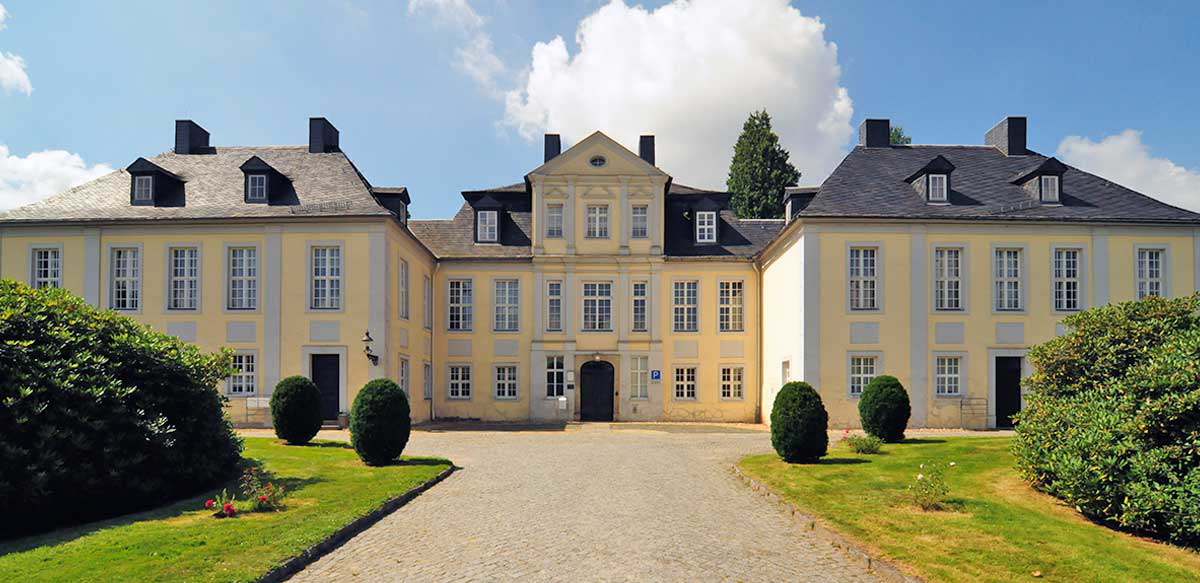
The church would eventually splinter due to the devastation brought on by the Thirty Years War and subsequent persecution, with one group finding refuge on the estate of a German count named Nikolaus Ludwig von Zinzendorf in the 1720s. It was there that they regrouped and established the village of Herrnhut, which would eventually serve as the blueprint for what was to come next—international settlements and evangelizing.
From this foundation, the church sent out missionaries, spreading their faith not through force of arms, but through the building of community, and one of the more than 30 settlements established by the Moravians ended up being located in Eastern Pennsylvania.
Bethlehem
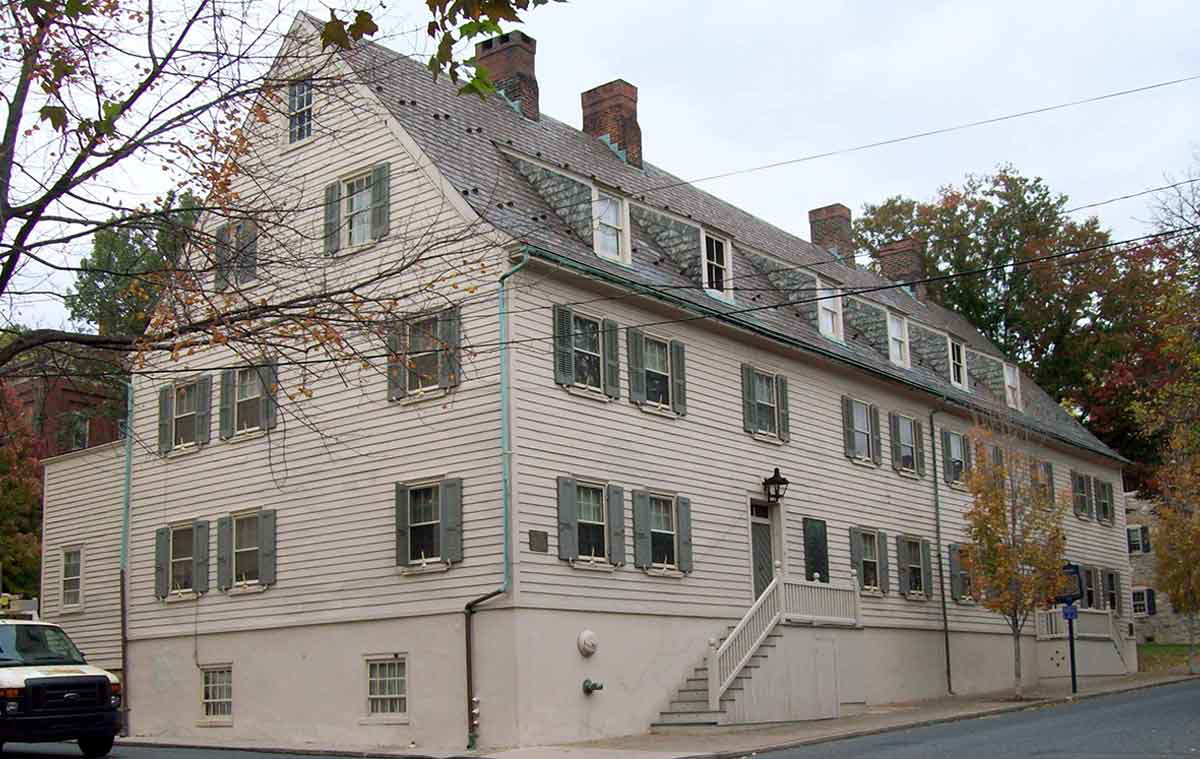
In 1741, a group of Moravian missionaries led by Zizendorf himself arrived at the confluence of the Monocacy Creek and the Lehigh River. They sought out the landowner, a wealthy merchant and former mayor of Philadelphia named William Allen, and purchased 500 choice acres on which they intended to build a self-sustaining community. Since the cornerstone was officially laid on Christmas Eve, the group could think of no more fitting a name than Bethlehem.
The community was both industrious and innovative, ahead of its time, especially when it came to urban planning and the construction of purpose-built structures, including notable buildings that would go on to serve their needs. They built the first water supply in the US that was fed by pumps and water towers, the first industrial park in what would eventually become the steel capital of the United States, and like every other Moravian settlement, they built a Gemeinhaus to serve as the hub of the community as a place of worship, learning, and communal living space.
The community operated as a true egalitarian commune. All the members were treated equally, including women, receiving the same education regardless of wealth or gender. Everyone contributed to the sustained development of the community through their labor, and all were taken care of from birth until death. They were, in fact, so dedicated to the ideal of equality that even in the graveyard, everyone was given nearly identical headstones regardless of their status or wealth.
Unlike many other communes, the Moravians didn’t sequester themselves from the outside world. Instead, they sought to build both economic and spiritual connections to those around them. They founded satellite communities across the Mid-Atlantic, including some missions as far west as Ohio. They preached to the nearby Lenape Indians as well as the German settlers in the surrounding area, allowing any converted indigenous people to be buried in their cemetery, which was unusual for the time.
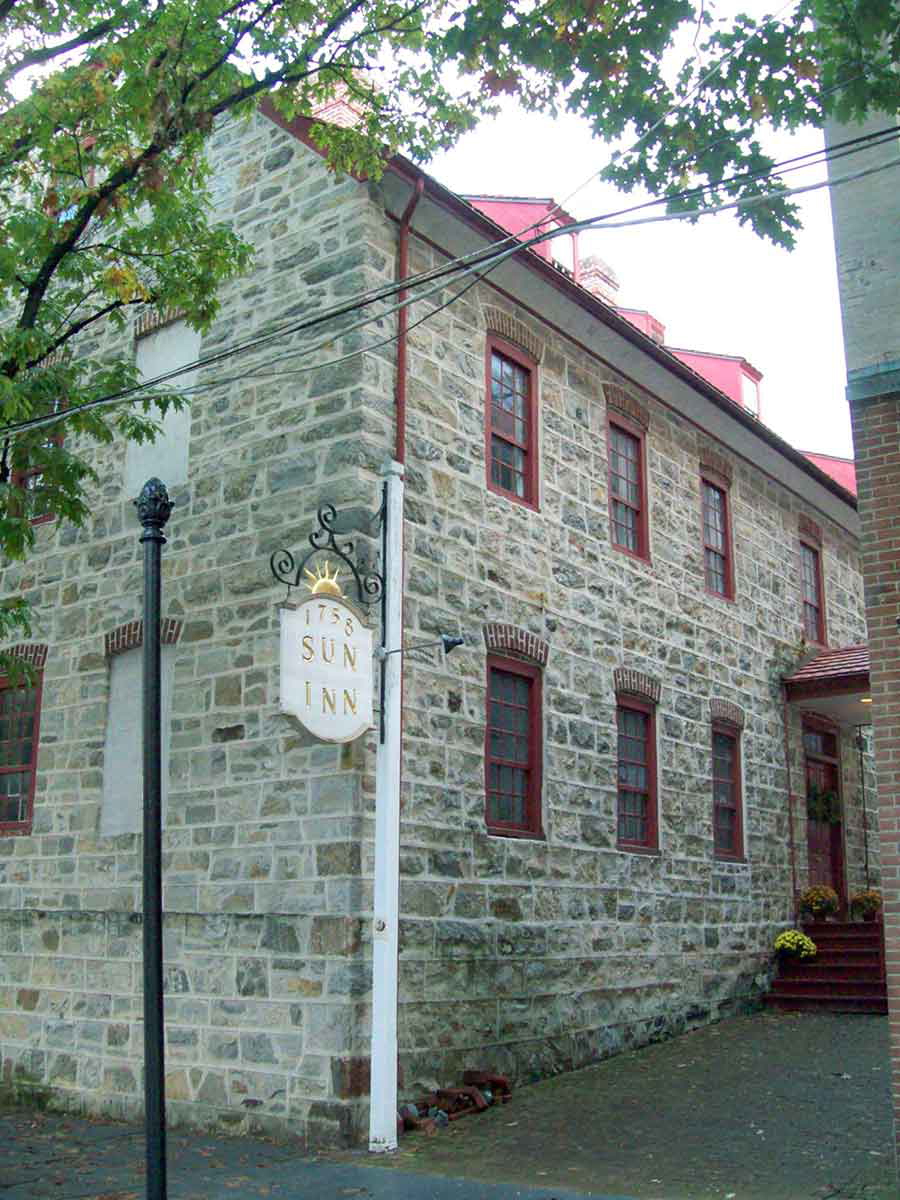
In addition to selling their timber and flour surplus to those nearby, they also petitioned King George III to construct and operate a large “Gasthaus,” eventually naming it the Sun Inn when it opened in 1758. It became an important stopping point for travelers and welcomed many of the era’s most notable people, such as George Washington, Benjamin Franklin, and many others associated with the American War of Independence, especially as the world around them began being consumed by revolution.
The Winds of War Bring Change
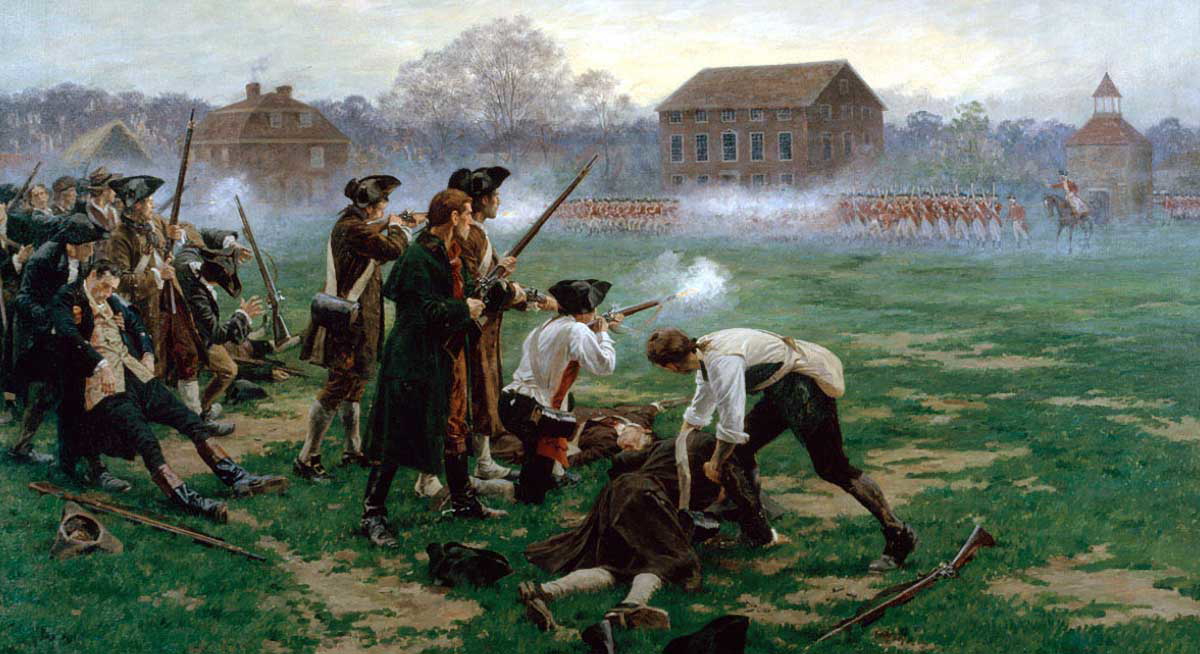
Despite a firm desire on the part of church leadership to remain neutral in the war between Great Britain and her colonies, the revolution would find its way into the Moravian community. Despite feeling that rebellion against civil authority was actually forbidden by the New Testament, they were slow to take sides. The congregation saw the Declaration of Independence as premature and continued praying for the health of the king even after the first shots were fired at Lexington and Concord, something that was regarded as suspicious by many of their neighbors.
As armed conflict broke out and men mustered for war, the Moravians refused, citing their pacifist beliefs. While the government of Pennsylvania didn’t make them serve, they did levy taxes and fines on them in reprisal.
Despite being dedicated pacifists, there was nothing in their philosophy that prevented individual members from choosing to support one side or the other, so the vast majority of the Moravians aligned themselves with the Patriot cause throughout the war. Bethlehem and the surrounding communities became centers of production as well as healing, tending to the wounded and burying the dead. So skilled were they at tending to the wounded that the American Army located its general hospital in Bethlehem during 1777/78.
As the war ended, the Moravians probably hoped that all would go back to the way it was, but while this involvement in the war may have won over their detractors, it did mark the end of their separatist ways.
From Isolation to Integration
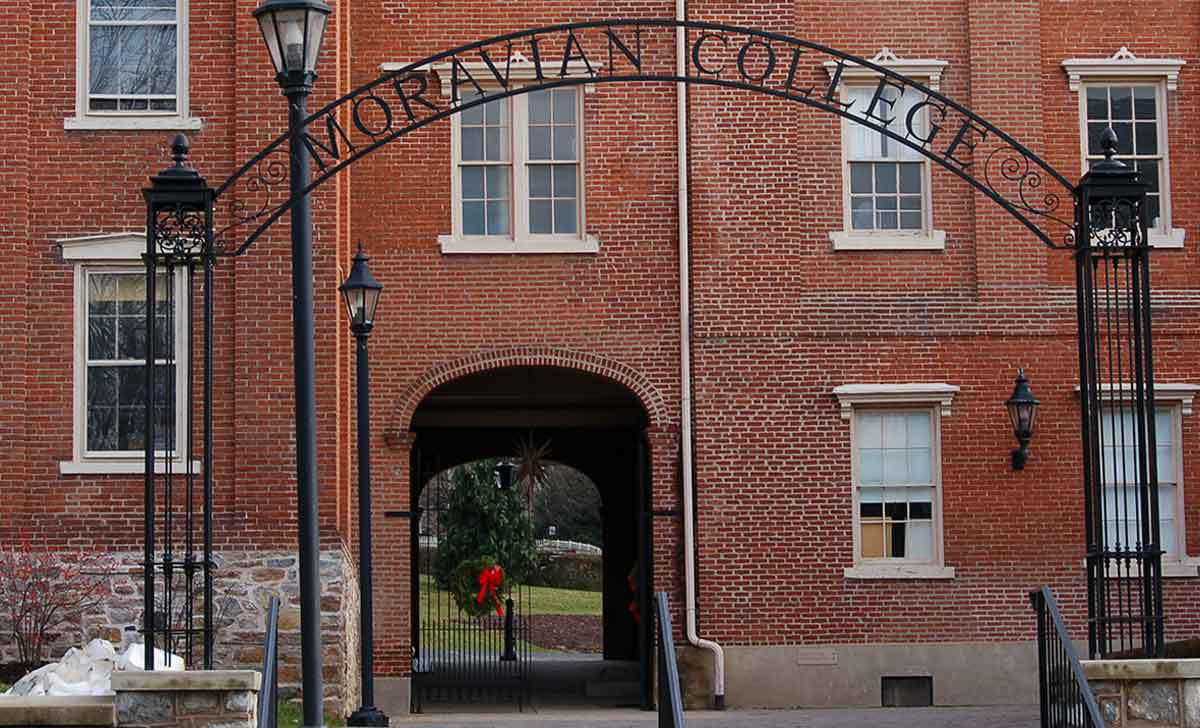
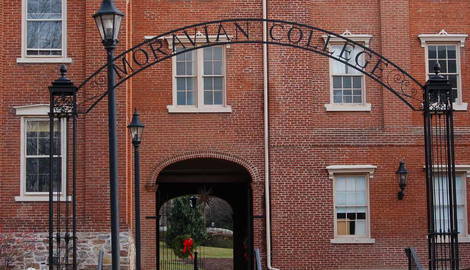
By the end of the 1700s, the new nation of America was beginning to form its national identity, and the Moravians found themselves swept up in the cultural change as well. Communal economies were abandoned in favor of stronger ties to the sometimes booming ports and cities of the new nation, and in most of their communities, their distinctiveness began to fade. But in Bethlehem, they held on to two important vestiges of their unique identity: their non-violent tradition and their commitment to education. The latter resulted in the establishment of the Moravian College in 1858.
This institution, along with the church, helped provide Bethlehem’s Moravian community with the stability it needed to continue to exist, even throughout tumultuous times. It also ensured that many of the historic structures that disappeared in other settlements remained intact, a big reason why the site would eventually be considered for inclusion on the UNESCO World Heritage List.
In 2024, the Pennsylvania Moravian Settlement was finally admitted to this prestigious list, joining three other Moravian communities in Ireland, Germany, and Greenland as the first multinational site to be included from the US. The inclusion of the historic structures of Bethlehem serves as a testament to the enduring global influence that this community still has to this day.