HomePhilosophy

AI can create digital echoes of loved ones, offering comfort but raising deep questions about memory, identity, and the essence of life.
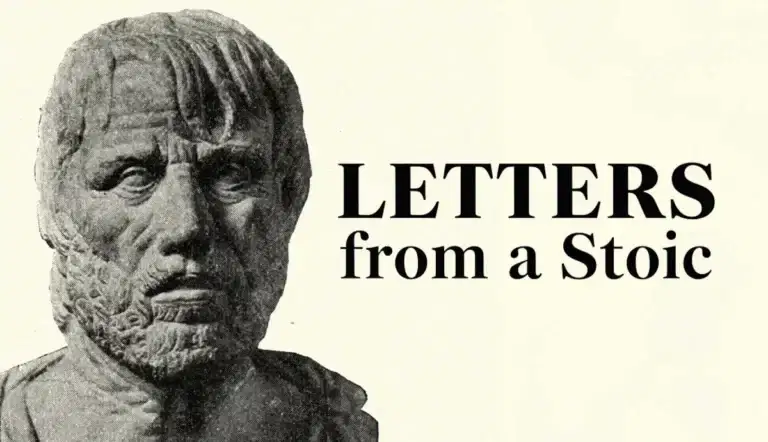
Lucius Annaeus Seneca (died AD 65) authored 124 Stoic letters to Lucilius, transforming ancient philosophy into a practical guide for managing anxiety and grief.
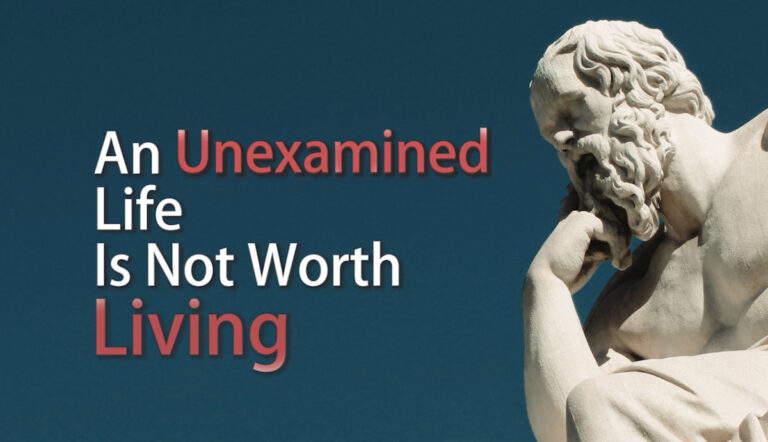
Socrates was a 5th-century BC Athenian philosopher who laid the foundation for Western philosophy, ethics, and logical inquiry. What do some of his most famous quotes mean?
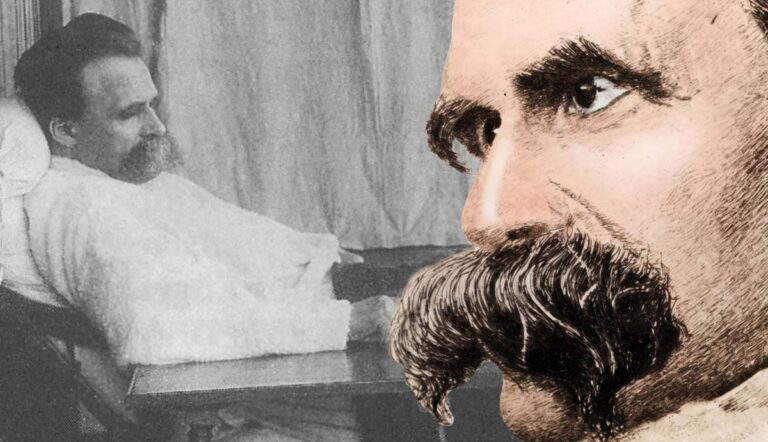
Nietzsche suffered from poor physical health for almost all of his productive life. How much did his mental health affect his work?
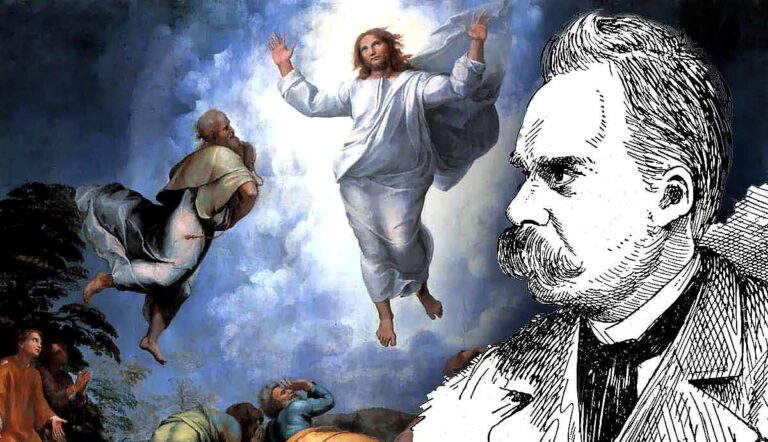
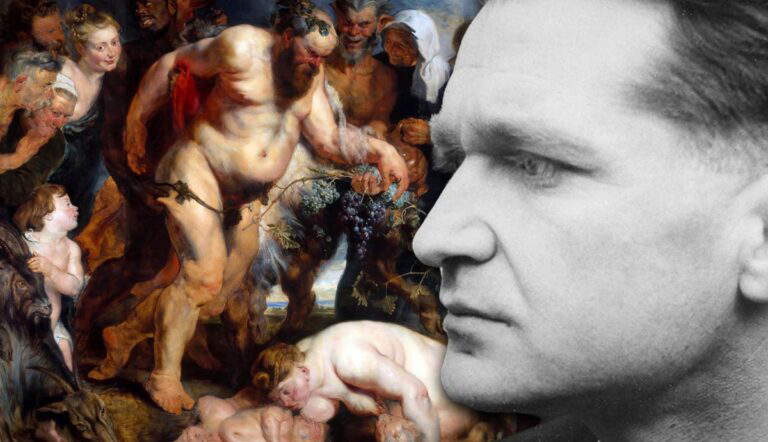
Nietzsche despised Christianity for, in his view, naysaying life. Yet he took great inspiration from a devotional painting of Christ.

The literary theorist offers us a nuanced way to approach photographs that reveals the complex relationships we have with images.
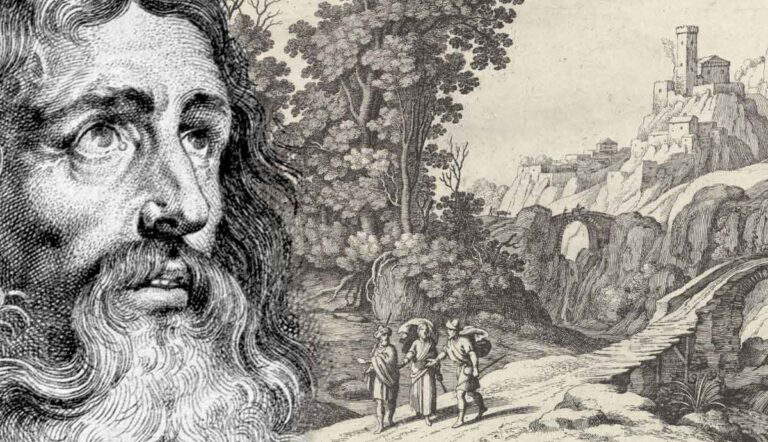
Plato uncovers a constant tension within us between our appetitive, spirited, and rational natures. The philosopher harmonizes them in service to rationality.
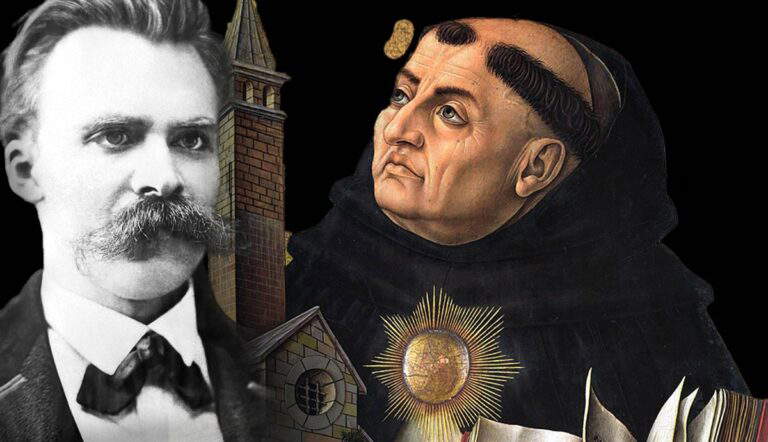
Mr. Nosy Daredevil’s journey into the dark workshop in which "ideals are fabricated" is a strange addition to Nietzsche’s Genealogy. Why did he include it?