HomePhilosophy
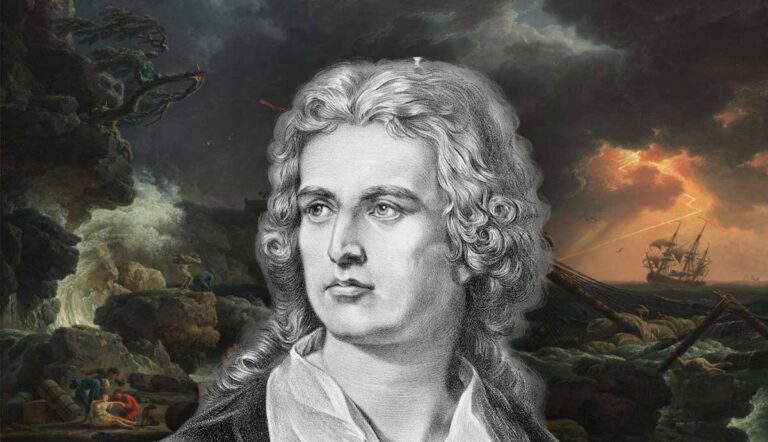
Who was Friedrich Schiller, poet, political firebrand, Germany's answer to William Shakespeare?
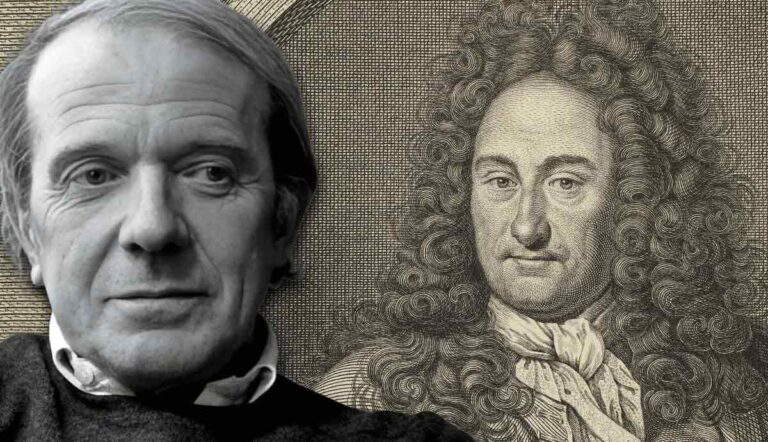
Deleuze enacts a radical transformation in Leibniz's doctrine of incompossible worlds. Deleuze severs God from the system and allows a divergent series to coexist in a single, open, non-totalizable reality.

For Bergson and Deleuze, time is not a row of identical units but duration: a qualitative multiplicity, continuous, heterogeneous, and irreducible to space.
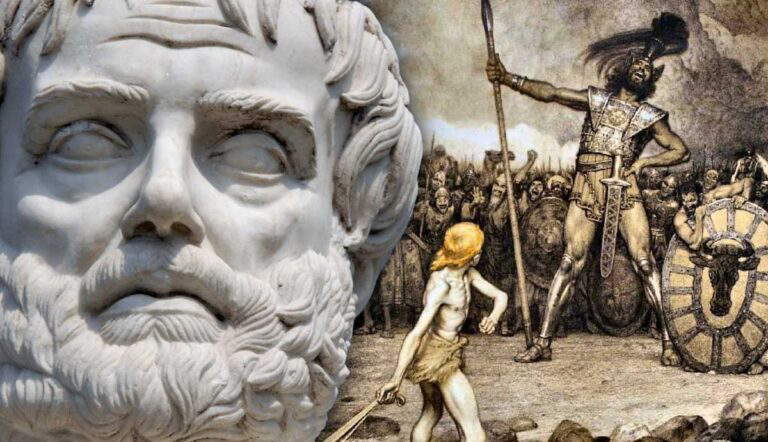
Aristotelian bravery is the mean between confidence and fear: facing danger with appropriate fear, but with enough boldness or confidence to act according to reason.
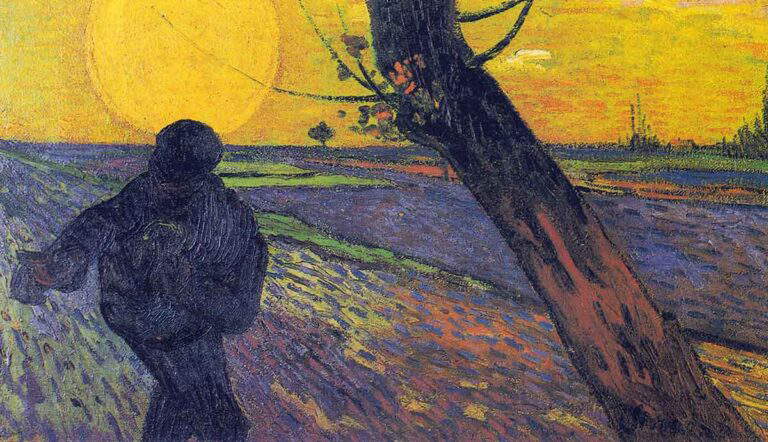
Henri Bergson’s élan vital dismantles mechanical and teleological illusions. Deleuze reads it as virtuality actualizing itself.
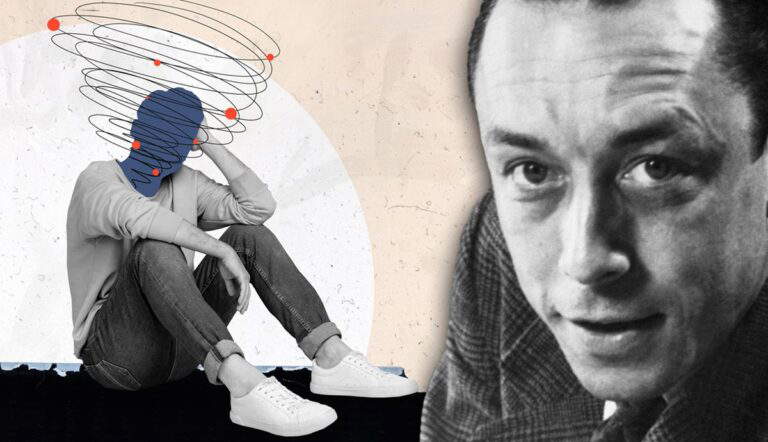
Albert Camus’s poor health, obsession with death, and anxiety led him to write "The Fall," a master study of moral narcissism.
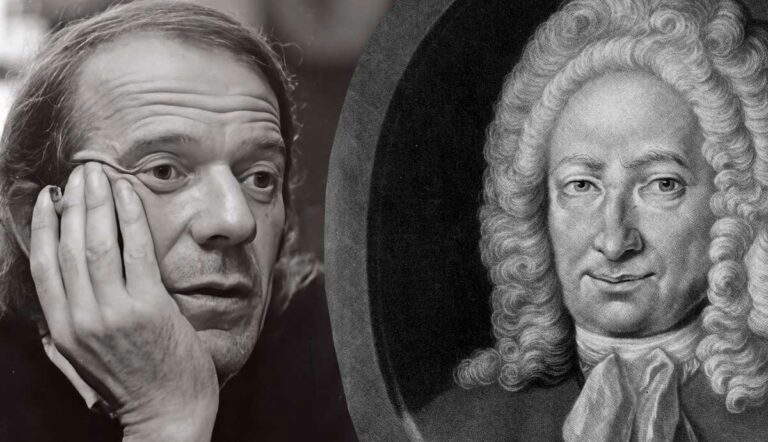
Deleuze transforms Leibniz's orderly, theological metaphysics into a dynamic philosophy of movement through a single concept: the Fold, in which inside and outside fold endlessly into each other.
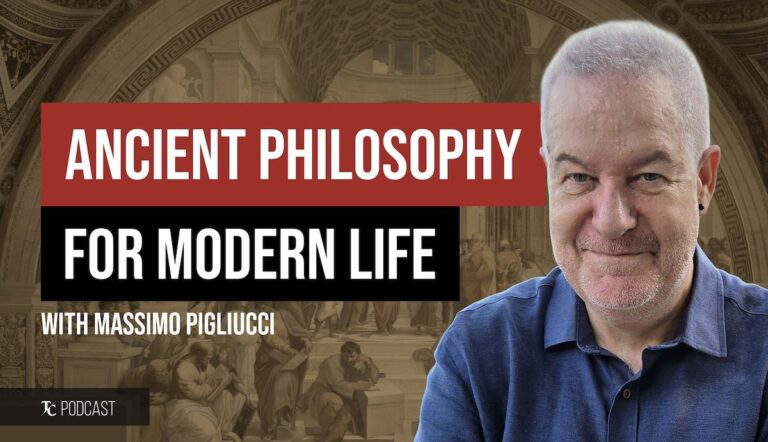
Philosopher Massimo Pigliucci discusses Cicero, Skepticism, and the power of doubt in his new book 'How to Be a (Happy) Skeptic.'