Found in many cultures throughout history, creation myths are traditional stories that explain the origins of the world and humanity’s place in it. Throughout human history, people have developed these foundational narratives in an attempt to justify social orders and derive some sense of meaning from life.
For centuries, experts have studied these stories and noticed that many of them follow the same patterns.
Creation from Chaos
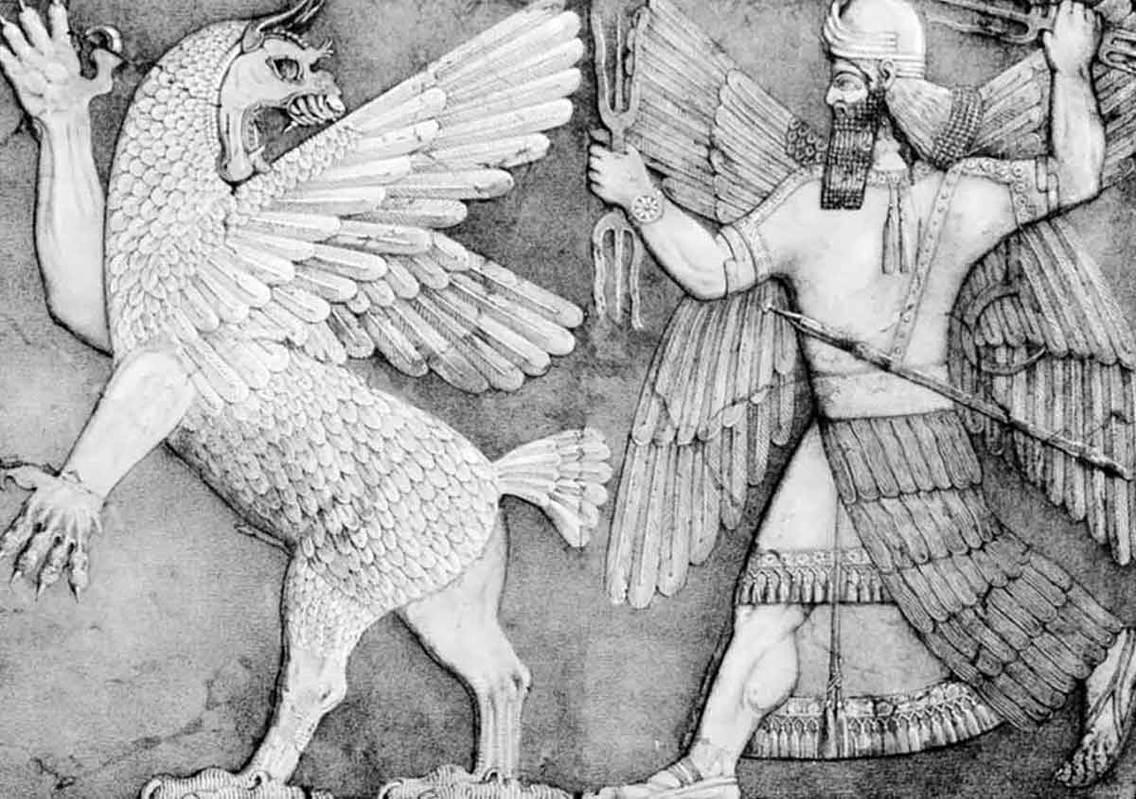
One of the most common types of creation myths found in many cultures, describes the world emerging from a primordial disorder. The story typically begins with a formless state, a watery abyss or void containing the raw materials of existence. In the Babylonian epic Enuma Elish, written around 1200 BCE, the universe was born from a mixture of fresh and salt waters personified as the gods Apsu and Tiamat. In the story, a cosmic battle ensues, and the hero-god Marduk slays Tiamat, splitting her body to form the heavens and the earth. The myth was so important in Babylon that it was recited every spring at the Akitu festival to ritually renew the world.

A similar pattern appears in Greek mythology. The poet Hesiod (7th century BCE) described a void called Chaos that gave birth to Gaia (Earth), Eros (Love) and Tartarus (the underworld). Gaia then produced Uranus (the Sky) and the Titans (a generation of divine beings). Eventually, the younger Olympian gods overthrew the Titans and established a new, more benevolent order on Mount Olympus. This is a recurring theme in which a younger generation of gods replaces the old and brings improvement to humanity.
World Parent Stories
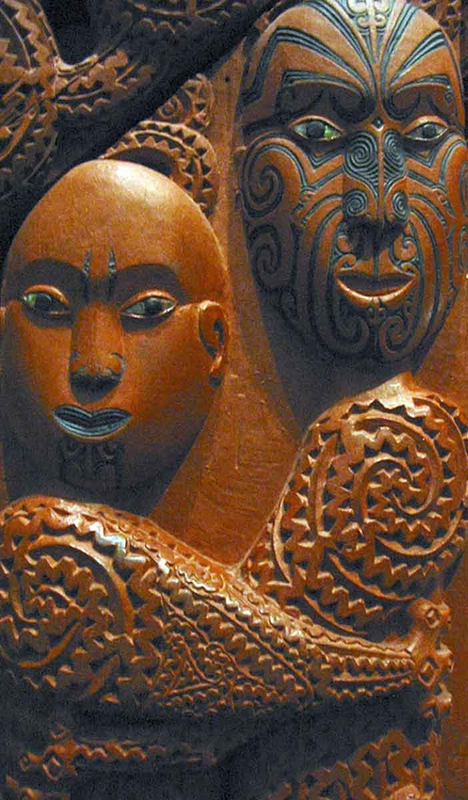
This category of creation myths focuses on a primal Sky Father and Earth Mother whose bodies originally formed the entire cosmos, leaving their children trapped in darkness between them. In the Māori myth from New Zealand, for example, the sky father Rangi and earth mother Papa clang together, enveloping their children in darkness. As the children longed for light and space, they tried to separate them but failed due to their parents’ immense weight.
Finally, the forest god Tāne-mahuta succeeded in separating them using his powerful legs and pushed Rangi upward and held Papa down, creating the space in the world and letting light in. To this day, the rain is said to be Rangi’s tears for Papa, and the mist Papa’s sighs of longing.
Underground World Origins

Common among some Native American peoples, especially in the Southwest, this myth tells of humanity journeying upward from lower worlds into the present one. In the traditional Hopi story passed down for generations, humans originally lived in three previous underground worlds. In each, they grew corrupt and destroyed their worlds through bad behavior. After the third world was ruined, a few good people were guided upward through a hollow reed into the fourth (current) world. Their emergence established a profound spiritual bond with the land, and so the Hopi see themselves as guardians obligated to take care of the earth.
The Earth-Diver

The Earth-Diver narrative is widespread among the Native American tribes of the Northeastern Woodlands and elsewhere. It begins with a primordial ocean covering everything with no dry land in sight. In many Iroquois versions, a Sky Woman falls from the sky world and lands safely on the back of a great turtle. Various animals dive to the bottom of the sea to bring up mud. After stronger animals fail, the humble muskrat succeeds, bringing up a tiny bit of earth.
Sky Woman spreads this mud on the turtle’s back, and it miraculously grows into the North American continent. The story also illustrates the lesson that even the smallest creatures or sacrifice can create an entire world.
Ex Nihilo (Creation from Nothing)

Known as creatio ex nihilo, a Latin phrase meaning Creation from Nothing, this type of creation story is central to the Abrahamic religions Christianity, Judaism, and Islam. It explains that a single, all-powerful divine being created the universe by thought or word alone, without pre-existing materials.
In the Book of Genesis in the Christian Bible, the earth was initially formless and void, shrouded in darkness, and God simply says “Let there be light” and light appears. Over six days, God creates the heavens, earth, plants, animals, and humans from nothing. By the 3rd century CE, theologians had established the doctrine that God created absolutely everything ex nihilo, establishing a sharp distinction between the transcendent creator and the created world.