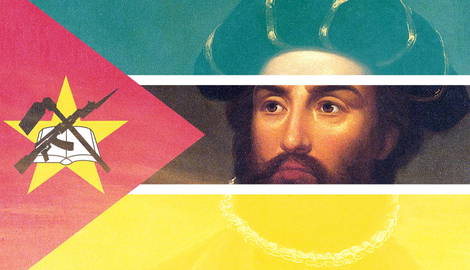
Situated on the southeastern coast of Africa, Mozambique has a tropical to subtropical climate and is graced with beautiful landscapes and beaches that open onto the warm waters of the Indian Ocean. While this description may seem idyllic, the country’s history has been anything but. Foreign interest in the area planted the seeds for an age of strife, whose echoes still reverberate today. This is unsurprising, considering the Portuguese spent almost half a millennium engaged in colonial pursuits in Mozambique.
The Portuguese in Mozambique: A Discovery
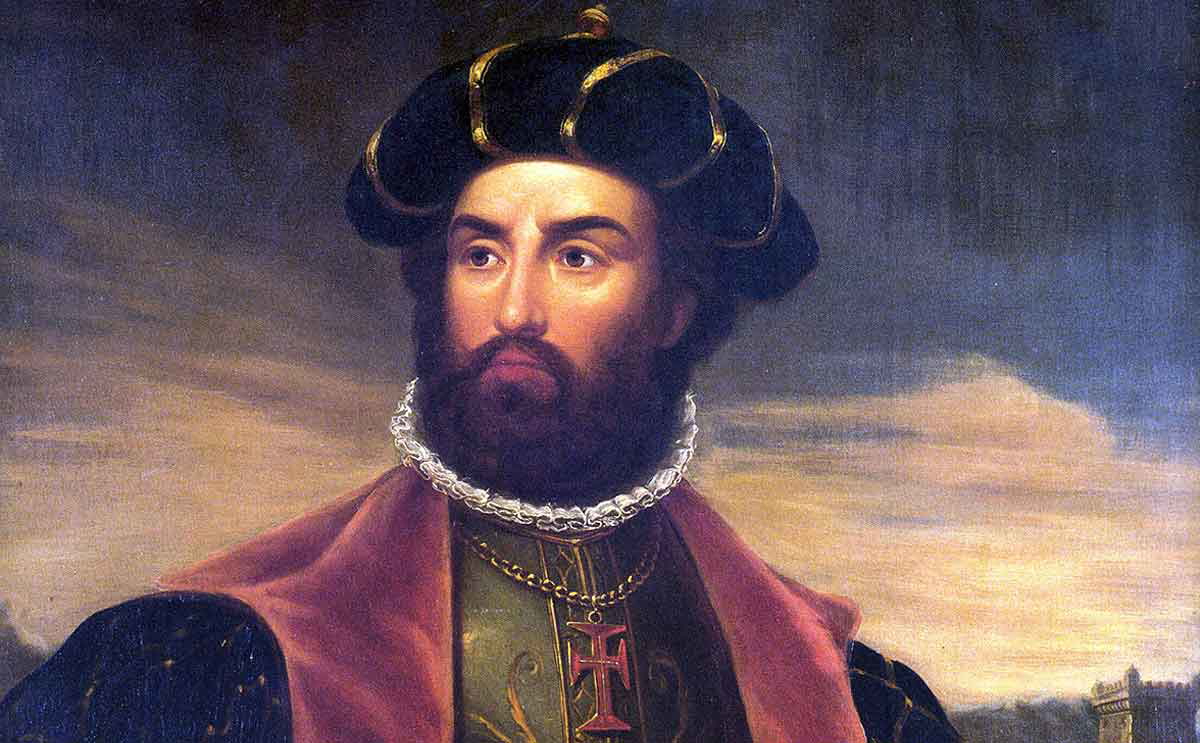
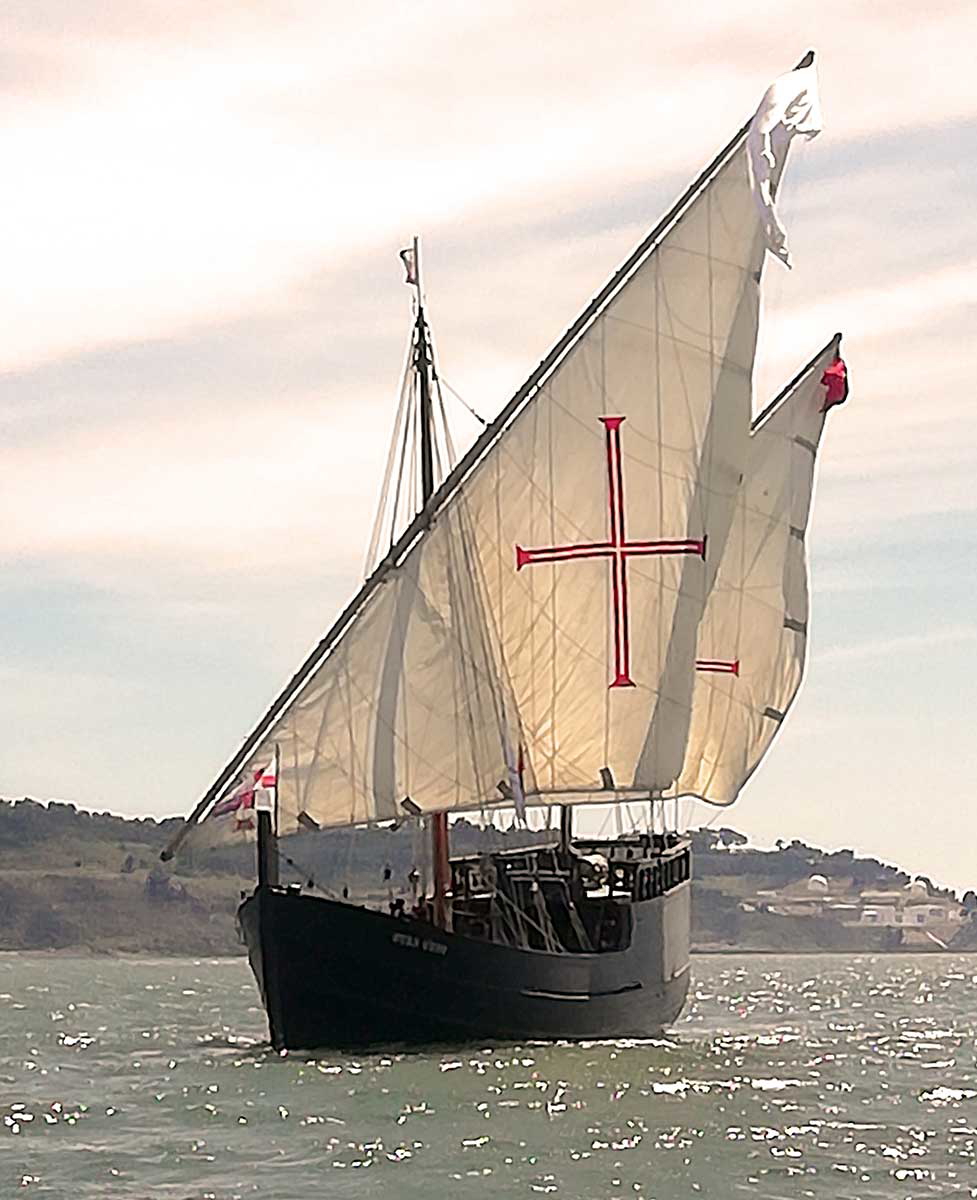
While most did not realize it at the time, 1498 was a fateful year for the land that would become Mozambique. It was the year it was discovered, for good or for ill, by Europeans. The man to get the credit was explorer Vasco da Gama. After rounding the Cape of Good Hope, da Gama and his men sailed east and northwards up the coast of Africa during their attempt to be the first Europeans to sail from Europe to India.
In the early 16th century, the Portuguese took control of the island of Mozambique between the Mozambique Channel and Mossuril Bay. They established a trading fort in their settlement, later known as Stone Town. Construction of the Fort of São Sebastião began in 1558 and finished five decades later. This fort is one of the oldest European structures in sub-Saharan Africa that is still standing. It is also a UNESCO World Heritage Site. Further south, the Portuguese also established themselves at the port city of Sofala at the mouth of the Sofala River.
The driving force behind the early Portuguese colonial ambitions in the area was the search for gold. By 1530, the Portuguese had pushed their way inland and set up trading posts at Sena and Tete on the Mozambique River. These and other settlements, such as Quelimane on the coast, were protected by garrisons and signified Portugal’s ambitions of gaining control of the gold trade. Adding to this trade, however, were other profitable businesses, especially slaves and ivory.
Early Consolidation of Power
The Portuguese expanded control through the “prazo” system—land grants to Portuguese traders and colonial settlers. Prazos were controlled by a landowner called a “prazeiro,” in essence a lord who administered control over his land in a feudal manner and paid a fee to do so to the Portuguese crown. These lands were often acquired through military action and were guarded by private armies. Through intermarriage, many of the subsequent prazeiros were Afro-Portuguese.
The Portuguese, however, weren’t the only foreigners interested in the east coast of Africa. They competed for trade with Arab merchants, and the Portuguese eventually established a monopoly, driving off their rivals. This monopoly, however, would not last forever.
Competition
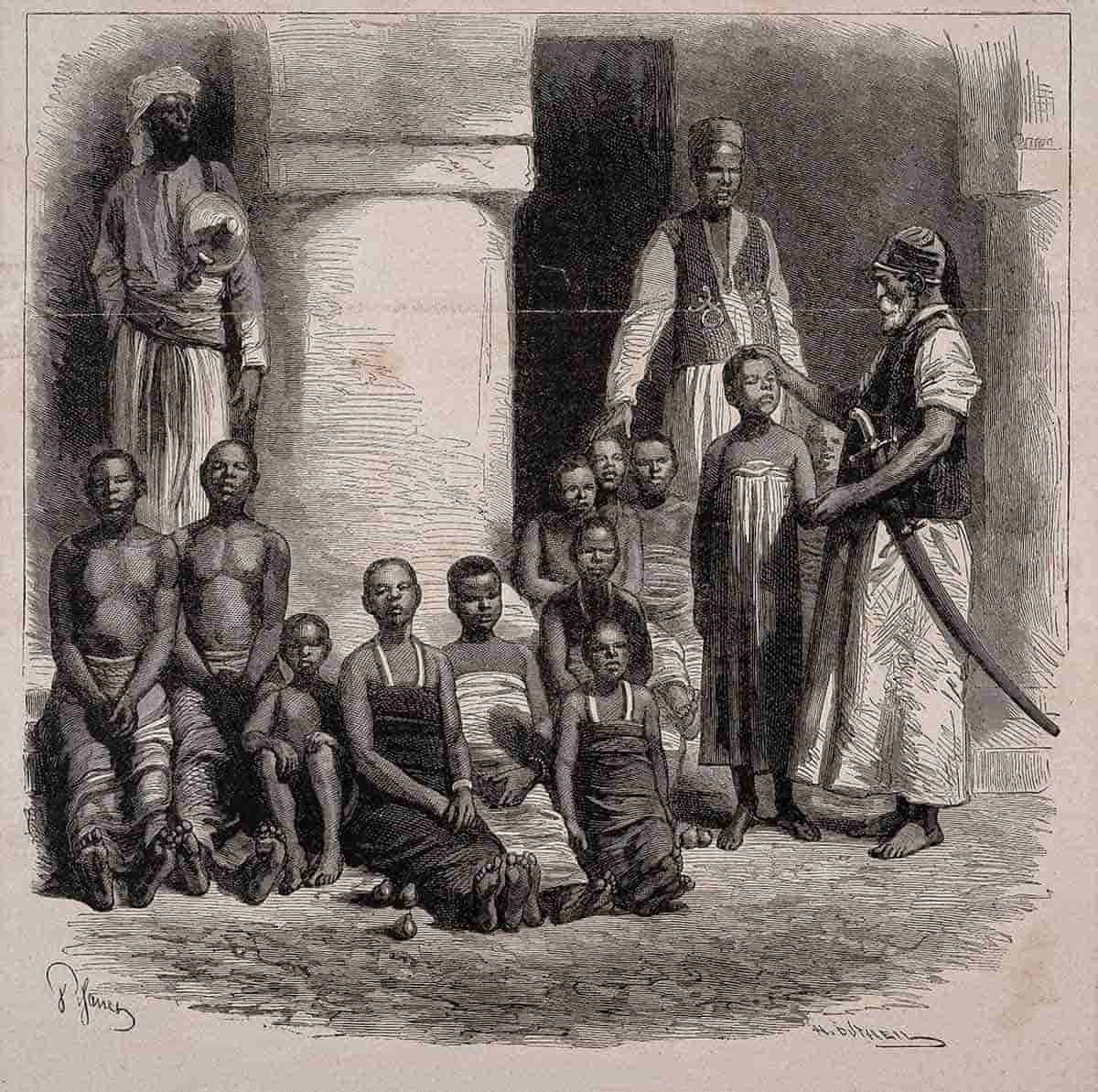
Etching. In Le Monde Illustré, 20th October 1877, p. 244. Source: Société de plantation histoire & mémoires de l’esclavage à La Réunion/Collection of Villèle historical museum. Michel Polényk donation, inv. ME.2017.1.51
In 1698, the Arabs seized Fort Jesus on Mombasa Island, which is situated in present-day Kenya. Over the decades of the 18th and 19th centuries, the Arabs reasserted dominance over much of the Indian Ocean trade, while Portuguese operations moved further south.
In this climate of competition, there was little interest in financially backing colonial efforts in the area in Lisbon. As a result, the Portuguese shifted their attention elsewhere, expanding trade in India and the Far East while concentrating on the colonization of Brazil. By this time, the Portuguese Empire had seen its heyday and was well into its era of decline as other European powers rose to dominance.
Trade in the region around Mozambique was also the focus of the British South Africa Company, which greatly expanded its influence in the late 19th and early 20th centuries. Meanwhile, the French operated out of Madagascar directly east of Portuguese Mozambique.
Slavery
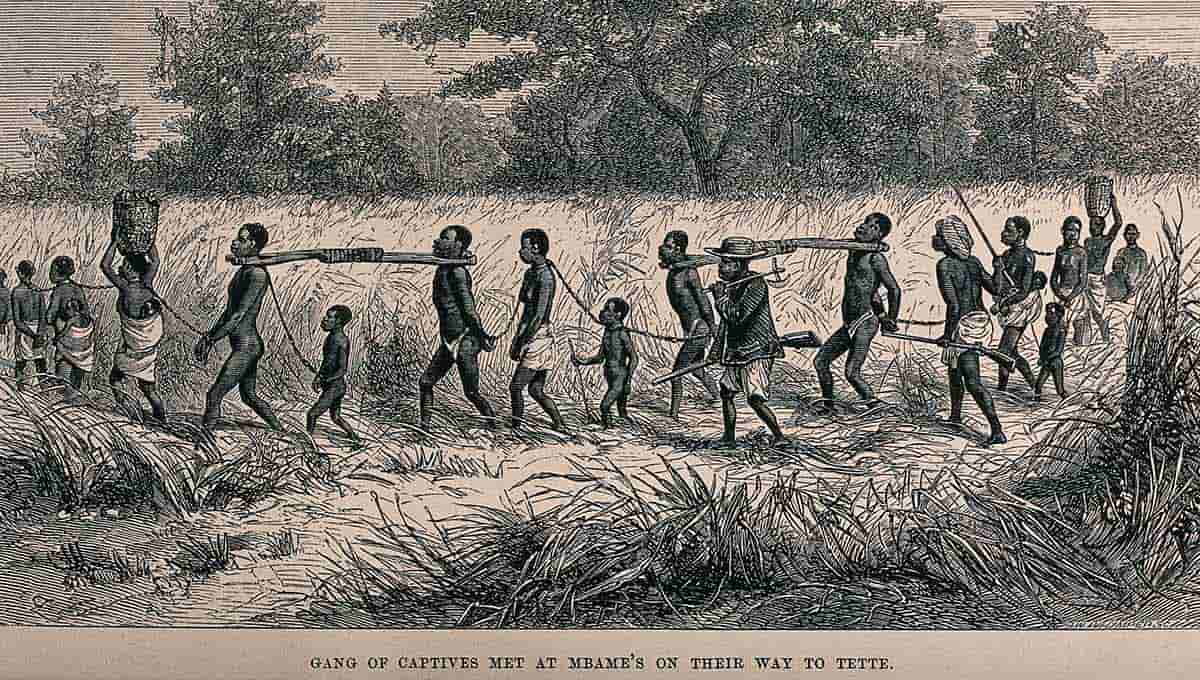
One of the major businesses operating out of Mozambique was the lucrative trade in slaves. While slavery existed before the arrival of the Portuguese, operations were small in scale. Portuguese and other colonial interests drove a huge demand for this cruel enterprise.
The late 18th and early 19th centuries saw a huge demand for slaves, and Mozambique became a major hub. Of note was Delagoa Bay, which the Portuguese permanently settled in 1781 and proved a profitable asset for the slave trade. Inhambane, another major port, also became a major center for the slave trade.
In the latter half of the 18th century, the region was affected by severe droughts, which caused crops to fail and cattle to die. The situation was exacerbated by slavers burning crops. Amongst these pressures, traditional forms of trade failed, and banditry and raiding for slaves increased.
Africans and Europeans took advantage of the market, and hundreds of thousands of slaves were taken to the coast and shipped off to the Americas. The industry completely upturned the social order that had existed before. Some groups, such as the Gaza and the Ngoni, joined the Portuguese in slave raids, while other groups, such as the Ngwane and Ndebele, fled westwards into the hinterland in a bid to escape captivity.
Such was the importance of this industry that it remained Mozambique’s most profitable enterprise until around 1870.
In the early 19th century, Britain came to dominate the seas, and the British were able to enforce their own political agendas. Of major consequence was the ban on the slave trade. In the mid-19th century, the slave trade was significantly reduced due to international pressure from abolitionist groups. However, illegal operations continued in Mozambique into the 20th century.
The Berlin Conference
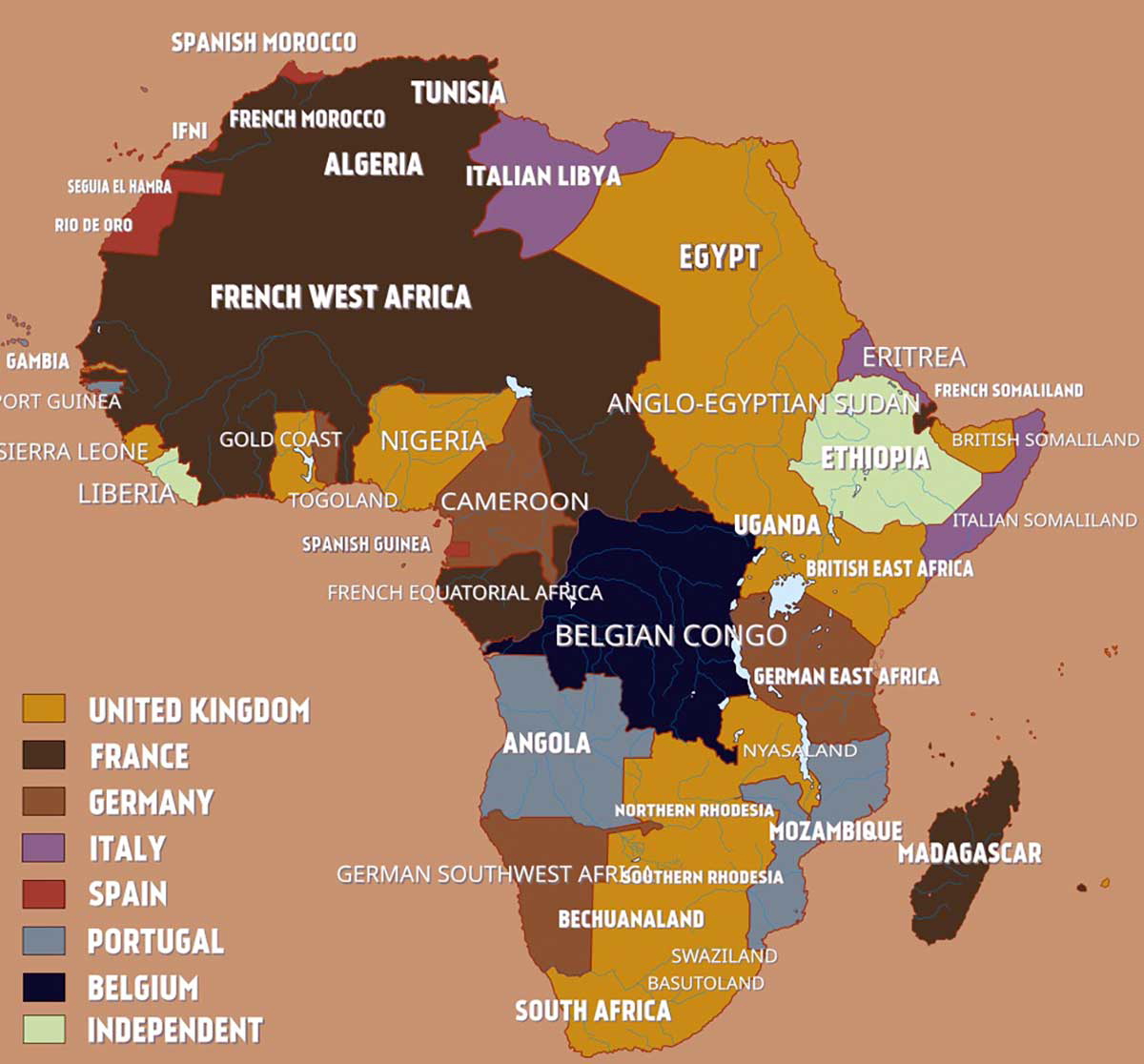
While Portugal was well-represented in the Berlin Conference in 1884/1885, it was not as influential when compared with the might of Britain, France, and Germany. Portugal presented their idea of the “Pink Map” to link up their colonies in Angola and Mozambique by co-optioning the territories between them. The bid, however, was blocked by Britain, but Portugal managed to retain colonial rights to Angola and Mozambique. The land that would have linked these colonies comprised Zambia, Zimbabwe, and Malawi.
The Portuguese Empire was well past its golden age, and maintaining its colonies required significant investment. The solution to this dilemma was to rent out authority and sovereignty to royal and leasing companies.
Major players in this occupation were the Mozambique Company, the Zambezia Company, and the Niassa Company, which were largely financed and controlled by British interests. As the companies sought to bring their goods to market, infrastructure projects followed. Railways, roads, ports, and military outposts sprung up to support the colonial industries.
Of course, the occupation was not without defiance. There were many instances of armed resistance against Portuguese conquest and occupation, especially since the land that Portugal took was already claimed by African political entities. It was not until 1895, with the fall of the Gaza Empire in the south of Mozambique, that Portugal actually secured all the territory within Mozambique.
War of Independence
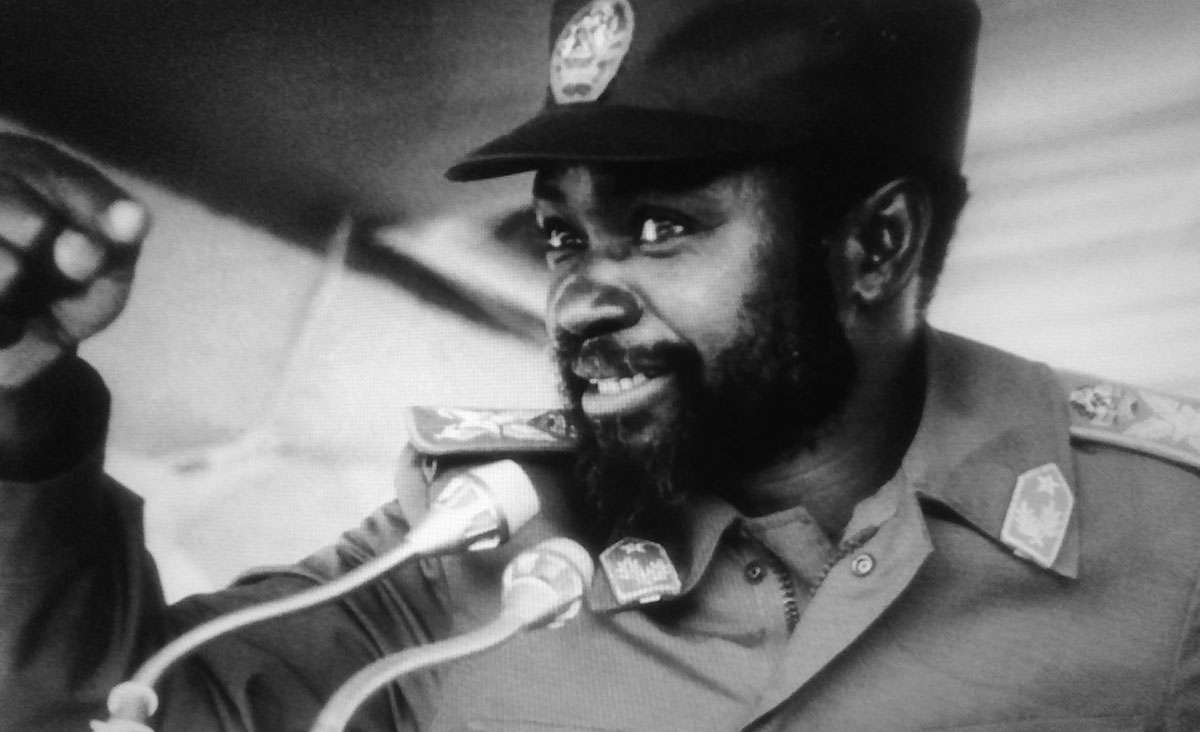
The first few decades of the 20th century were a troubling time for Portugal. In 1910, the monarchy fell, and over the next 16 years, the country went through 44 governments. In 1926, a military coup took place, and António Oliveira Salazar seized control of the government, turning Portugal into a fascist state. From this ideology came tighter control over Portugal’s colonial assets and a wider use of forced labor. Growing discontent from Mozambique’s Native population, as well as the spread of Marxist and anti-colonial ideologies, fueled the push for independence.
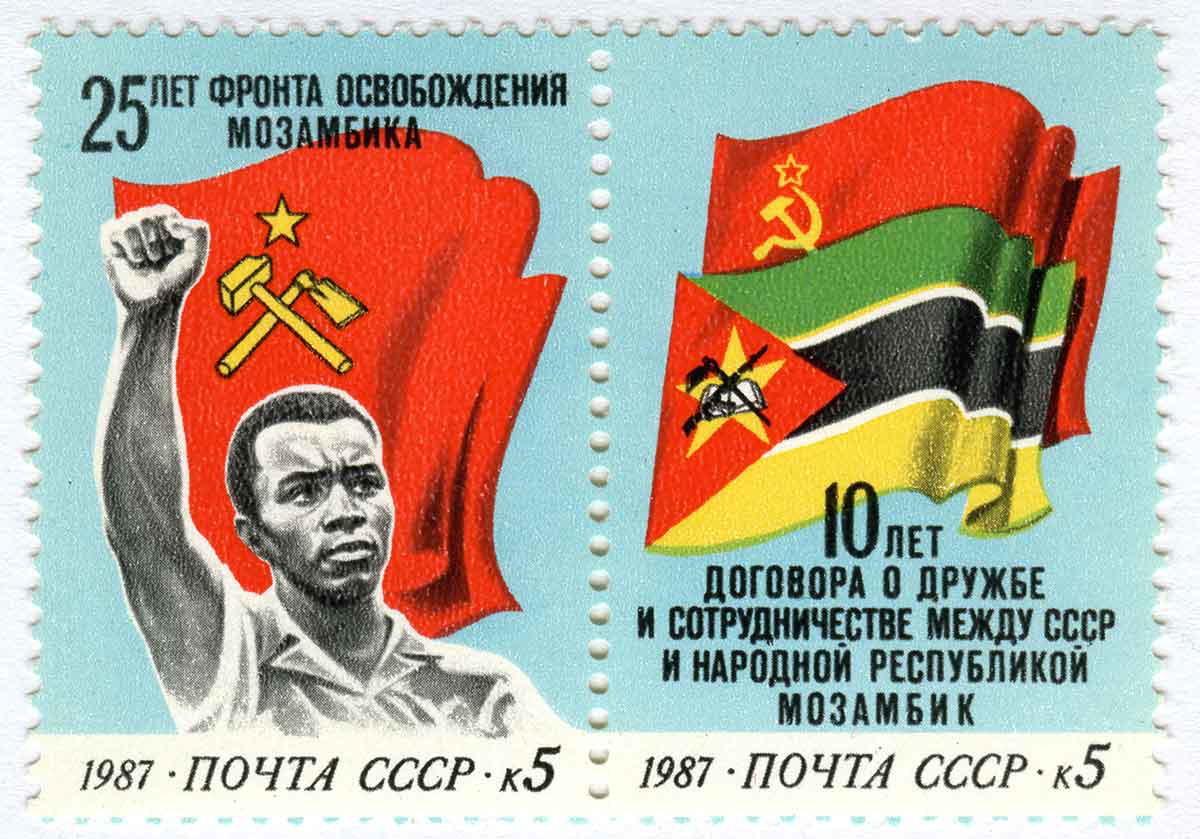
Founded in 1962 by Eduardo Mondlane and Samora Machel, Frente de Libertação de Moçambique (FRELIMO) led the country to independence through guerilla actions that initiated the decade-long Mozambican War of Independence. From 1964, FRELIMO waged its war while growing anti-colonial sentiment stifled Portuguese military efforts. Mondlane was killed in 1969, and Samora Machel took over the reins of FRELIMO, guiding the organization to its final victory over the Portuguese in 1974.
This victory came off the back of a military coup in Portugal the same year. Known as the Carnation Revolution, it gave FRELIMO the opportunity to demand a cease-fire. On June 25, 1975, Mozambique became an independent nation with Samora Machel as its first president.
The Struggle Continues
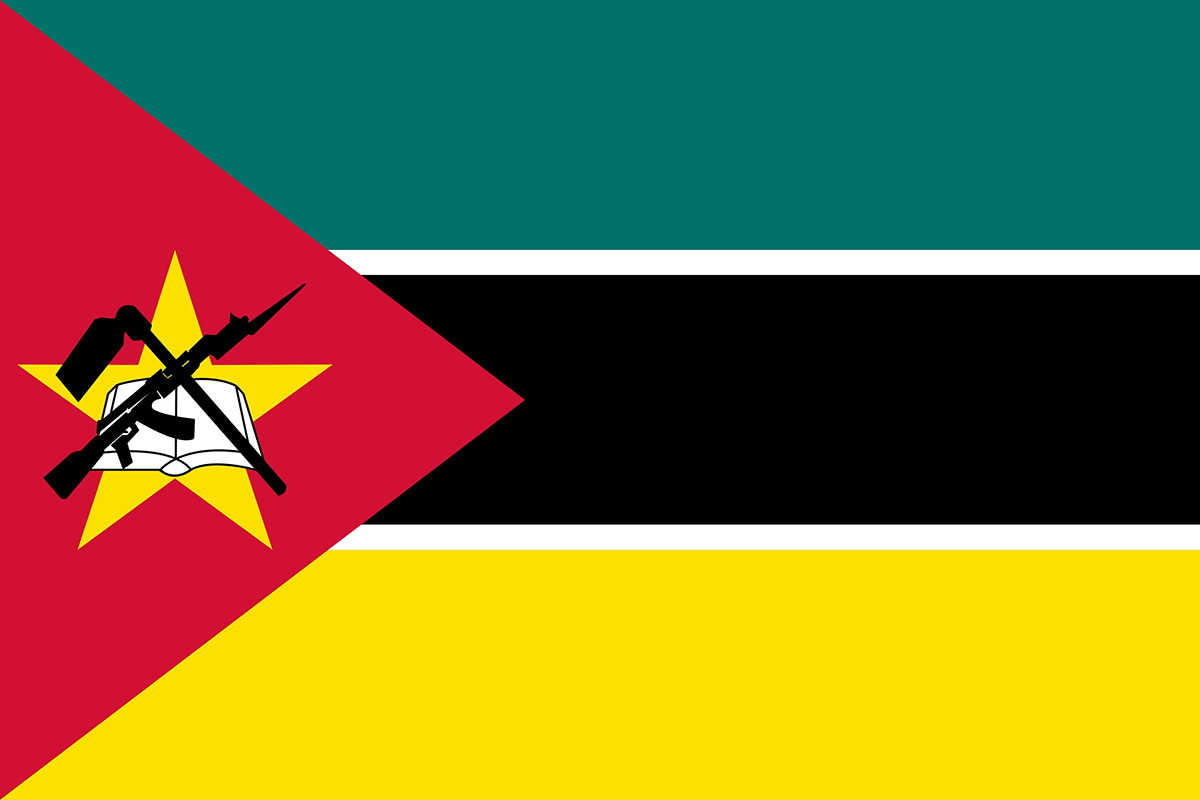
The Portuguese exit did not usher in a new era of peace and prosperity for Mozambique. Centuries of influence had created socio-economic challenges that linger to this day. At the same time, surrounding countries’ political interests spilled over into Mozambique, and the country was plunged into a civil war that lasted until 1992.
Over the past few years, the country has still struggled with political violence and the growing concern of Islamist insurgencies. Mozambique’s road to peace and prosperity is still a long one, and the country remains one of the poorest in Africa.