Summary
- Ramesses II conducted at least 15 military campaigns, including the famous Battle of Kadesh against the Hittites.
- He oversaw an extensive building campaign including his capita Pi-Ramesses, the Ramesseum, and Abu Simbel.
- He claimed to be the divine son of the god Amun-Ra and constructed elaborate tombs for himself and his more than 100 children.
Ramesses II (1279-1213 BCE), better known as Ramesses the Great and Ozymandias by the Greeks, is one of Egypt’s most famous pharaohs. The third pharaoh of the 19th dynasty during the New Kingdom, he was appointed prince regent by his father Seti I at the age of just 14 and was crowned pharaoh less than a decade later. Reigning for 66 years, he conducted no fewer than 15 military campaigns, subduing enemies such as the Hittites, Syrians, Libyans, and Nubians, and oversaw some of Egypt’s most ambitious building projects, including Abu Simbel and the Ramesseum.
Ramesses the Warrior
Timeline of Ramesses’ Wars
| 1279 BCE | Launched campaigns against Libyan tribes on the western border |
| 1278 BCE | Defeated Sherden pirates in the Mediterranean |
| 1275 BCE | Launched campaigns against the Hittites to regain territory in Syria and Canaan |
| 1274 BCE | Battle of Kadesh |
| 1258 BCE | Signed the world’s first known peace treaty with the Hittites |
Ramesses was thrown into war early in his reign, defending Egypt from Libyan tribes on its western border. In the second year of his reign, he defeated Sherden pirates who were attacking cargo vessels bound for Egypt from the Mediterranean. In a brilliant ruse, Ramesses posted troops and ships at strategic points along the coast and allowed the pirates to attack the seemingly vulnerable targets before turning the tables and taking them all in a single action. He then recruited many of the Sherden to join his personal bodyguard.
He then turned his attention to Syria, which had previously been under Egyptian control but was now dominated by the Hittites. Ramesses launched his first campaign in the fourth year of his reign and captured the state of Amurru. This culminated in the following year at the now-famous Battle of Kadesh. Ramesses committed to preparations for the war, building his new capital, Pi-Ramesses, with extensive manufacturing factories to make weapons, chariots, and shields.
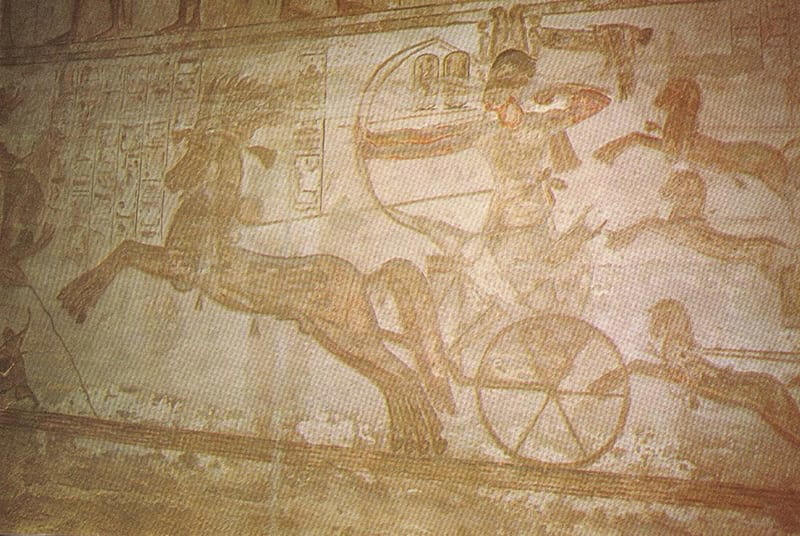
Ramesses sent an expeditionary force of the army, then followed behind with the main bulk of his chariot troops along a different route. The Egyptians captured Hittite soldiers, spies who duped Ramesses into believing Kadesh was unfortified and ready to be taken. Ramesses II attacked, only to spring a Hittite trap. He fought for his life, battling bravely at the head of his outnumbered troops until help arrived from another Egyptian force. Military scholars believe the Battle of Kadesh featured 5,000 chariots and as many as 30,000 troops in the first pitched battle in recorded history.
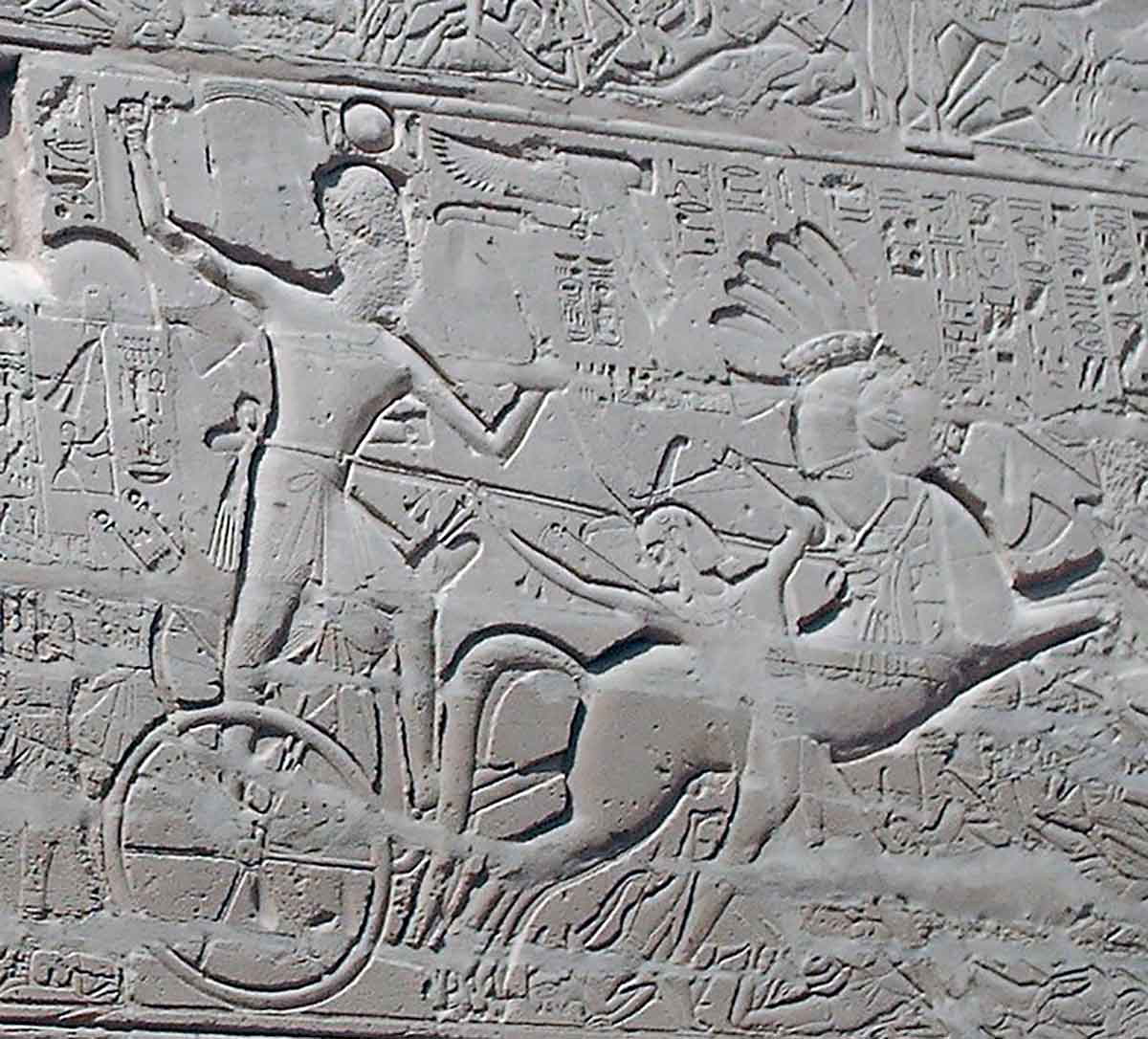
While the Egyptians won the day, they did not have the resources to besiege the city, so the battle is considered a stalemate. Nevertheless, Ramesses II built more than 10 monuments to depict his heroism at Kadesh, the propaganda increasing his reputation and solidifying the power of the Egyptian state.
The Egyptians took possession of Canaan after the battle, but local revolts saw Ramesses return to Syria again in his 7th year. He split his army in two, with one force making it as far as the Dead Sea and capturing the cities of Edom-Seir and Moab, while Rameses himself led the other force to attack Jerusalem and Jericho. The forces then joined and marched on Hebson, Damascus, Kumidi, and Upi, reclaiming Egypt’s former sphere of influence.
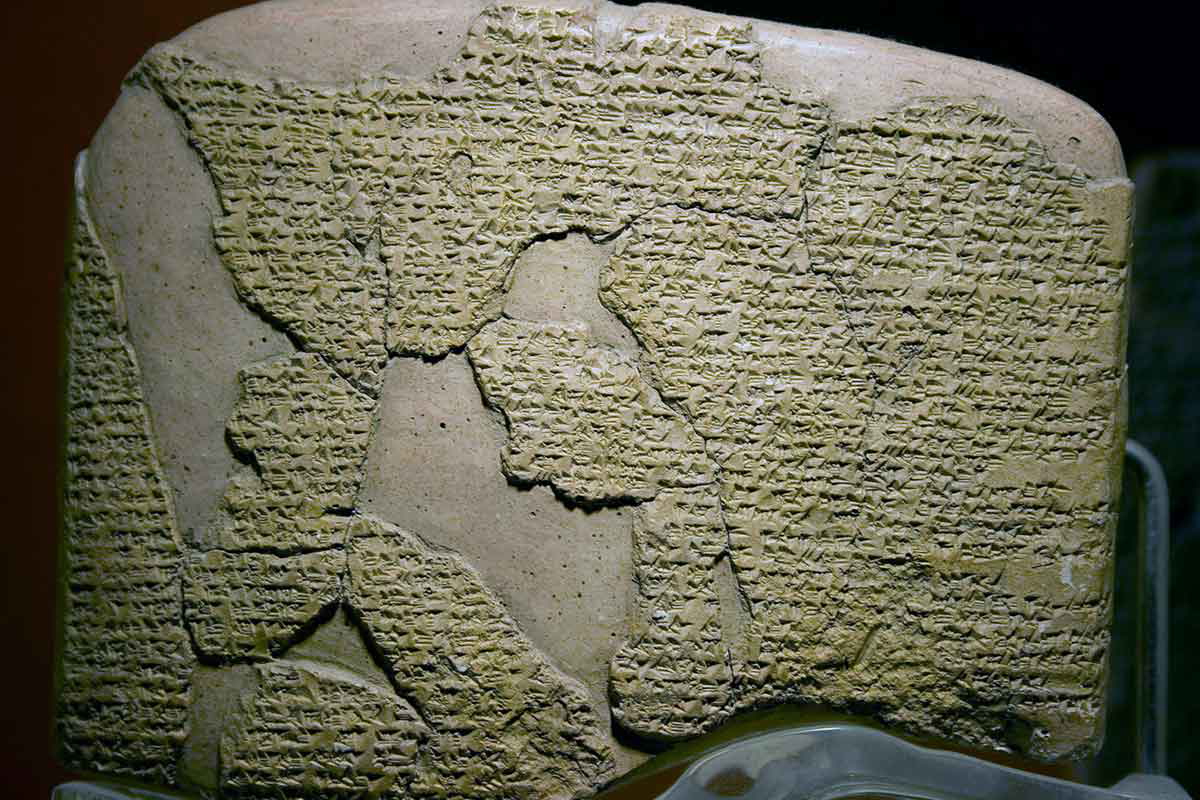
His campaigns continued in the following years, expanding Egyptian dominance further than it had been under Thutmose III more than a century earlier, but he was unable to hold onto the territory. Instead, in the 21st year of his reign, Ramesses concluded the Peace Treaty of Kadesh, the world’s first known peace treaty between the Egyptians and the Hittites. The treaty was recorded in two versions, one in Egyptian hieroglyphs and the other in cuneiform script. These dual-language records became common for many treaties, helping with modern efforts to translate ancient languages.
Ramesses also campaigned in the south against Nubia, which had been an Egyptian colony for 200 years. Nevertheless, his conquests there seem to have been extensive, as they decorated the walls of his temples.
Ramesses the God
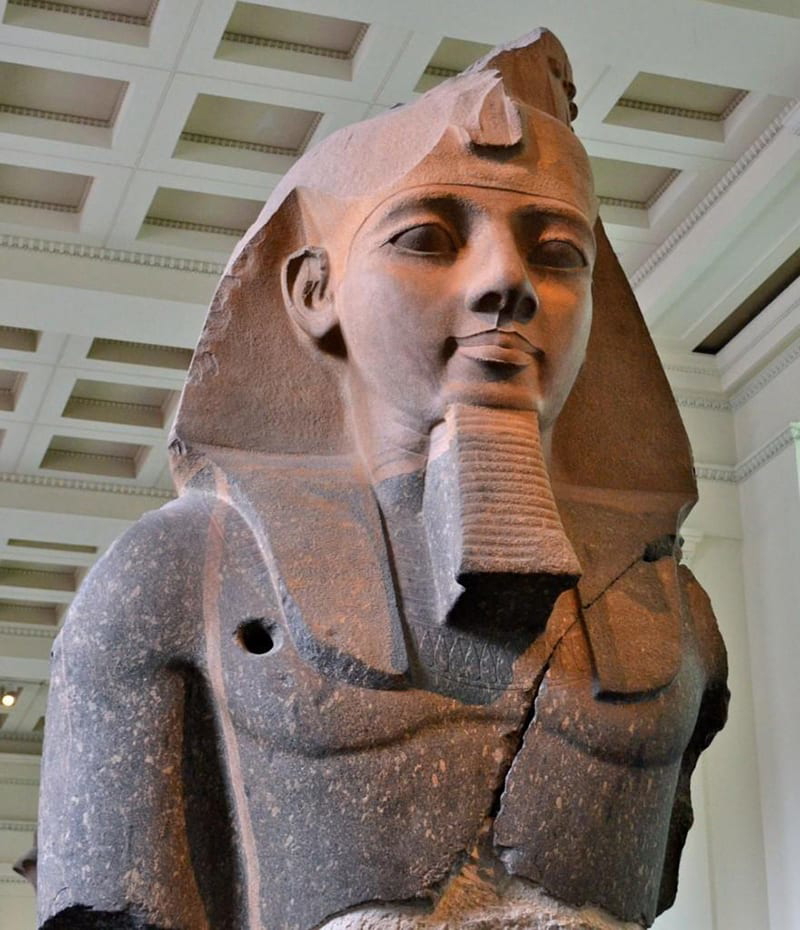
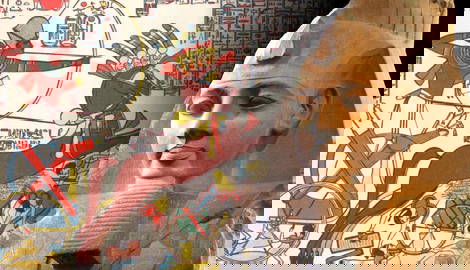
Pharaohs often had preferred deities based on their political affiliations, and for Ramesses, it was Amun. He did much to elevate the worship of the god and featured the god in all his building projects. He also had himself depicted in the guide of the god, such as in the example of “Younger Memnon,” depicted above, from the Ramesseum. Claiming the past, these statues were often placed in front of monuments constructed by previous pharaohs.
The pharaoh was considered the mortal incarnation of the divine, ensuring the prosperity of Egypt in consort with the gods, so it is not unusual that he claimed to be the son of the powerful Amun-Ra. His origin story is told in a chapel dedicated to his mother, Tuya, as she was the vessel for this divine birth. Another text, “The Blessing of Ptah,” tells a slightly different version of the divine birth of Ramesses II but travels similar lines, this time with the pharaoh born to the god Ptah.
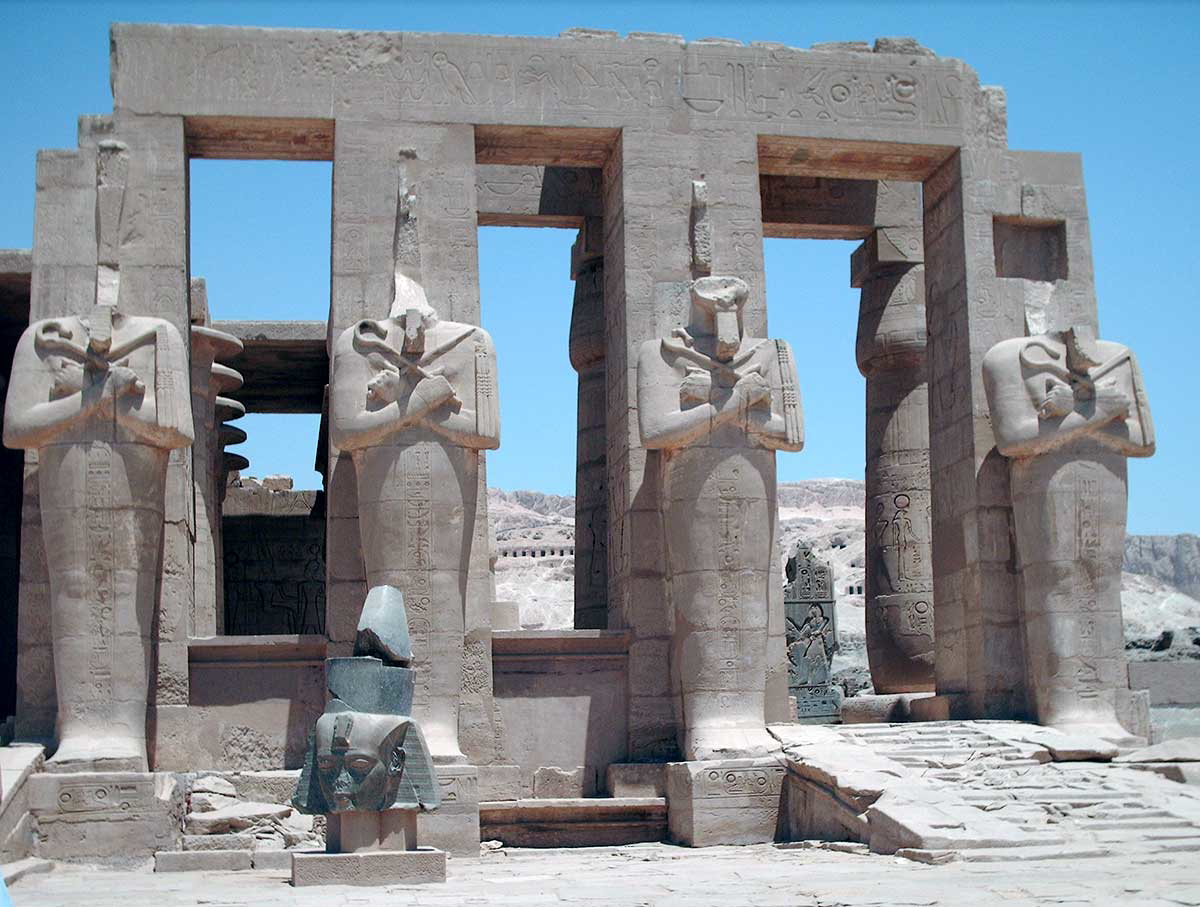
The Ramesseum was the second largest temple in ancient Egypt and was Ramesses’s mortuary temple. It took more than 20 years to construct and honored Ramesses II as a living god before being used for his posthumous worship. This is only one of several temples that were erected for the god-king during his life.
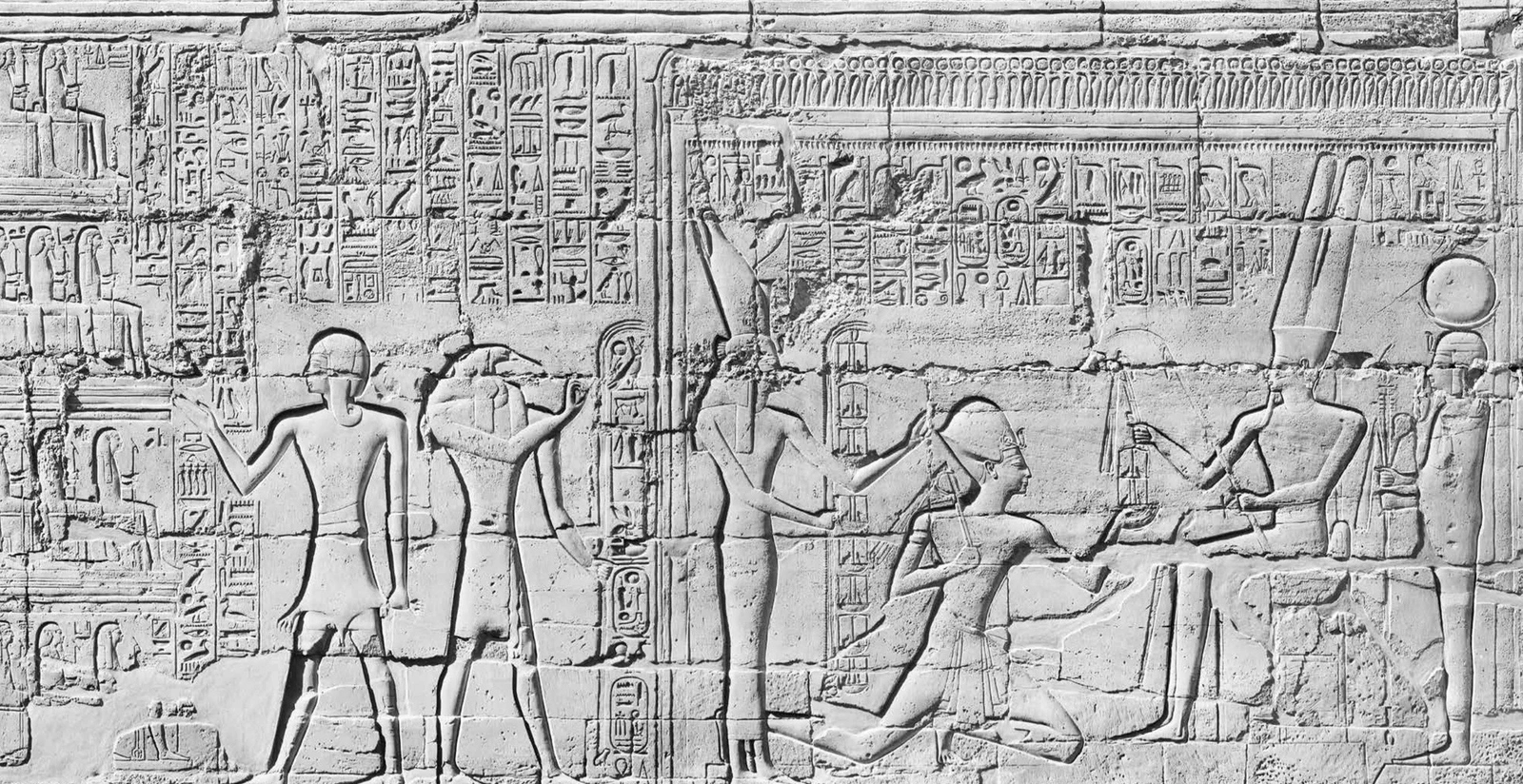
The Ramesseum depicts a scene from one of Ramesses’s Sed Festivals, regal festivals held to mark the 30th anniversary of the pharaoh’s reign and then every three years to rejuvenate his strength, though Ramesses seems to have held his every two years. The scene shows Ramesses in regal costume kneeling before Amun-Ra, who sits on a throne. Amun-Ra offers the pharaoh a blessing and a symbol, and a symbol, a small shrine with two chairs inside atop a semi-circle, which was the symbol of the Sed Festival.
Ramesses the Builder
Ramesses II led the most ambitious building campaigns in Egypt since the pyramids, which were already 1,500 years old at the time. He built extensively across the country from the Delta to Nubia. He both built new structures and remodelled existing structures, justifying his placement of his Ramesses-Amun heads before them.
We have already mentioned his grand new capital, Pi-Ramesses, in the eastern Delta, which replaced Thebes. It was characterized by huge temples and vast palaces, but a colossal pair of feet belonging to a statue of Ramesses is all that remains on the site today. We have also mentioned the Ramesseum, his vast mortuary temple just outside Thebes. His other great building project was Abu Simbel.
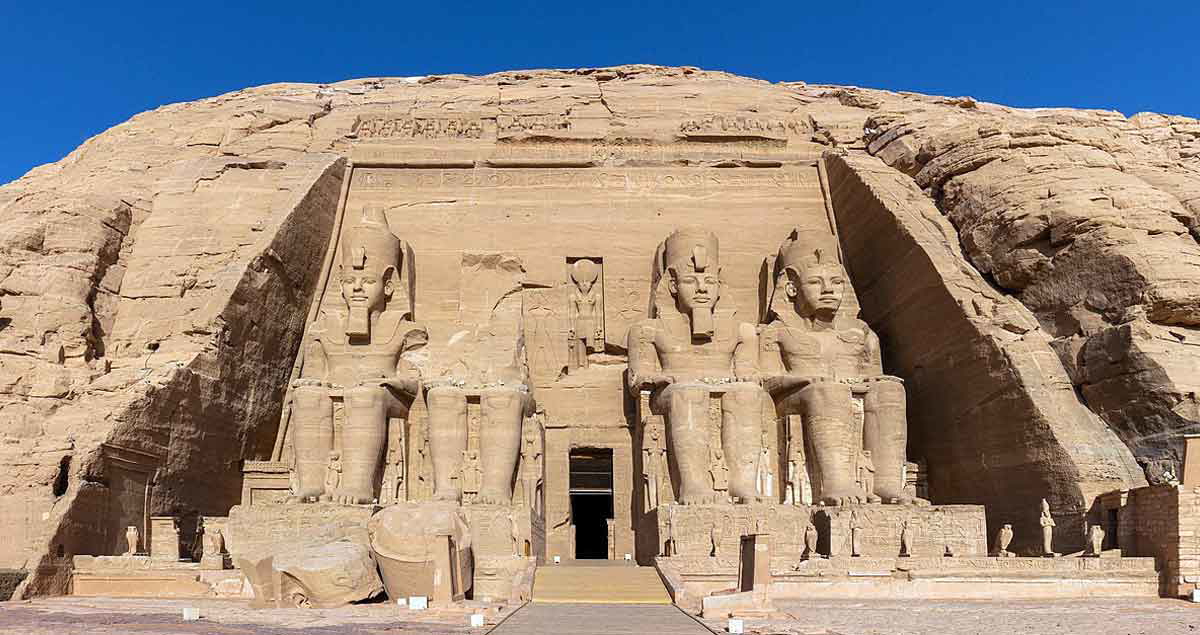
Abu Simbel was constructed near present-day Aswan, nearly 200 miles south of Thebes in Nubia. It was hewn directly into the mountain rock. Excavated in the 1800s, it was almost completely intact. However, in the late 1960s, Abu Simbel had to be taken apart piece by piece and then moved to higher ground due to the construction of the Aswan High Dam. This included a replacement mountain being built to re-create the exact dimensions of Abu Simbel.
The complex includes a “Great Temple” and a “Small Temple.” The entrance to the Great Temple was a message to the Nubian subjects of Egypt that Ramesses was to be feared and worshiped. Four seated statues of Ramesses II, known as Colossi, dominate the front of the Great Temple. Each is just a shade under 20 meters tall. The Great Temple also shows other important members of Ramesses’ family, but as small figures around his ankles.
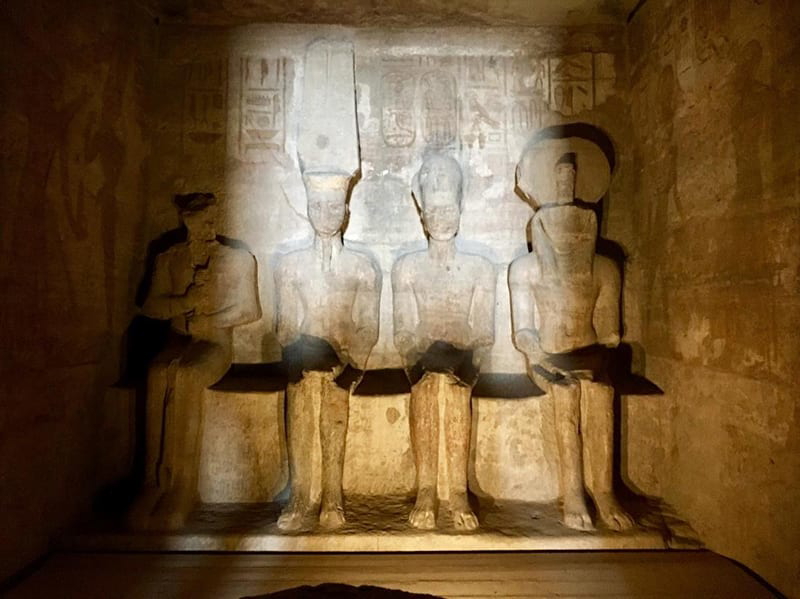
The Inside of the Great Temple is dwarfed by the Colossi, as intended, and is dedicated to the gods Ra-Horakhty, Amun–Ra, Ptah, and Ramesses II himself. It is a small, intimate temple with hieroglyphs telling the story of key achievements during his reign, such as the battle of Kadesh and victories over Nubia and the Libyans.
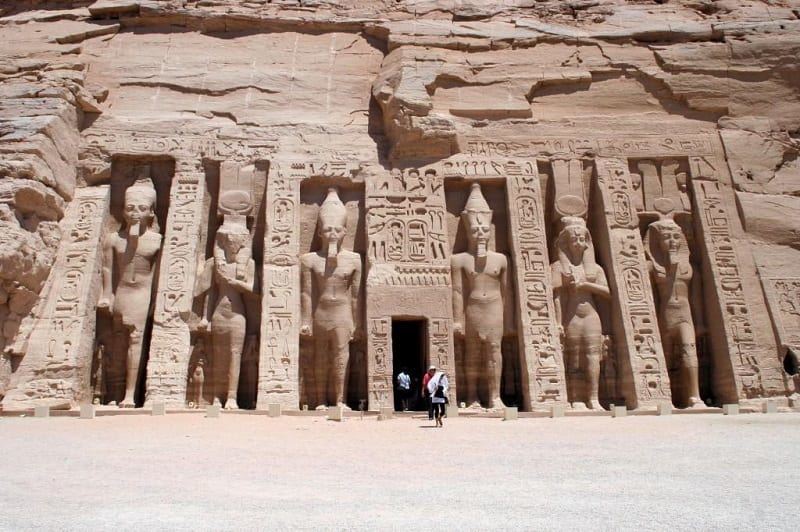
The Small Temple of Abu Simbel features 10-meter-high statues of Rameses II’s wife, Queen Nefertari, and was built in worship of the sky goddess Hathor. The main purpose was to promote Nefertari’s aspect as the goddess incarnate to pair with her husband’s divinity.
Ramesses II: Death and Legacy
Ramesses II died in his early nineties in 1213 BCE after ruling for 66 years and two months, the second-longest reign in Ancient Egypt.
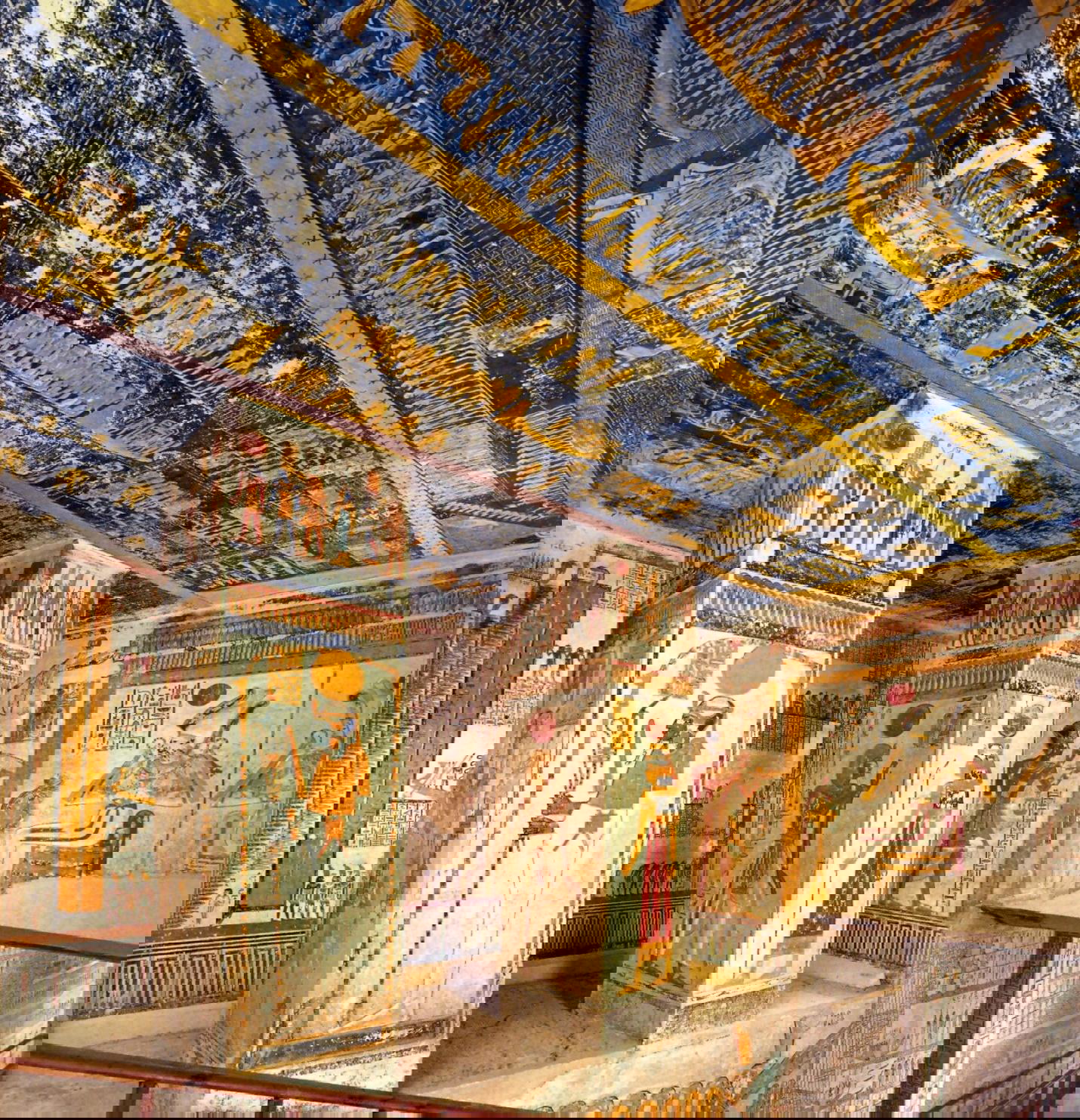
The mummy of Ramesses II lies in the Cairo Museum after archaeologists found his tomb in the Valley of the Kings late in the 1800s. A burial complex known as the Sons of Ramesses II has also been found there, containing the remains of 52 of Ramesses’s sons. He is believed to have sired around 100 children in his lifetime. His 13th son, Merneptah, succeeded him as pharaoh. The tomb of his wife, Nefertari, has also been discovered, best known for its magnificent wall paintings.
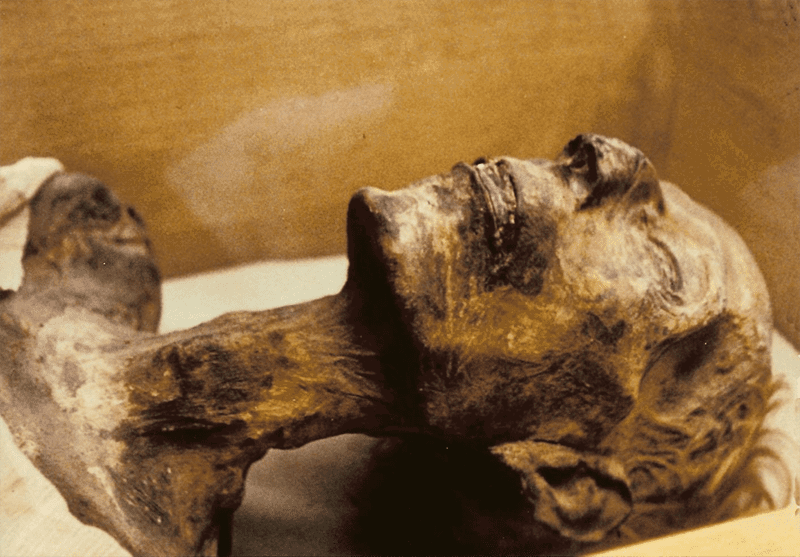
While he was originally buried in his tomb, KV7, due to looting, his body was removed, rewrapped, and then moved several times. The fate of his body is recorded on the linen that protected his remains. His body was eventually found in tomb TT320, which contained the mummified remains of kings and queens, presumably placed there for safekeeping by the priests of Amun, for whom the tomb was originally built.
Both Ramesses’s great achievements and the physical mark he left on the Egyptian world through his building projects have made him one of the most recognizable pharaohs in the popular imagination. He is the most popular candidate for the pharaoh who features in the story of Exodus, resulting in his unforgettable portrayal by Yul Brynner in Cecil B. DeMille’s classic film The Ten Commandments (1956).