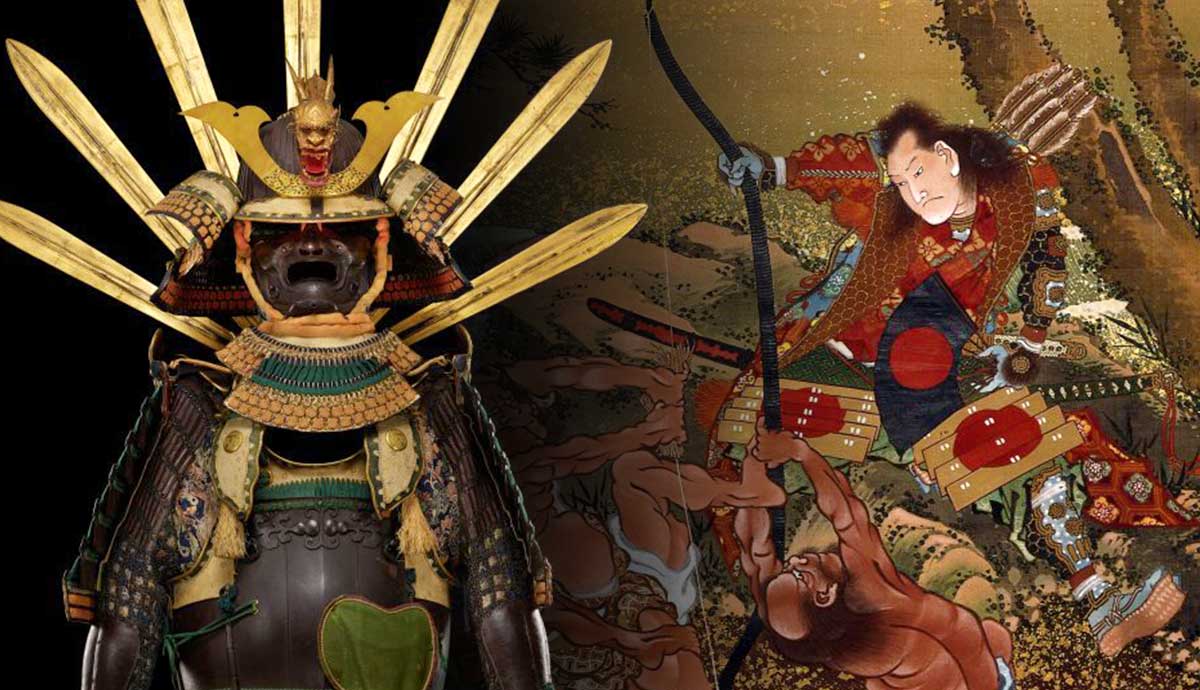
When you picture samurai, you probably picture a warrior with a kabuto helmet and a katana. But the real story of the samurai is actually a lot more complicated than what you’ve seen on TV or even in most books.
We tackled this topic in an interview with Dr. Rosina Buckland, Curator of the Japanese Collections at the British Museum, and Professor Oleg Benesch, Professor of Modern History at the University of York.
The diversity of the samurai is often flattened in popular culture, but it’s six centuries of incredibly varied roles and social functions.
Oleg Benesch
Buckland and Benesch recently co-authored Samurai, an illustrated catalogue accompanying the British Museum exhibition of the same name. As experts in Japanese culture and history, they offer their takes on pop culture phenomena, common misconceptions, material culture, and more during our conversation, which you can watch in full below.
Beyond the Sword: Understanding Japan’s Warrior Class
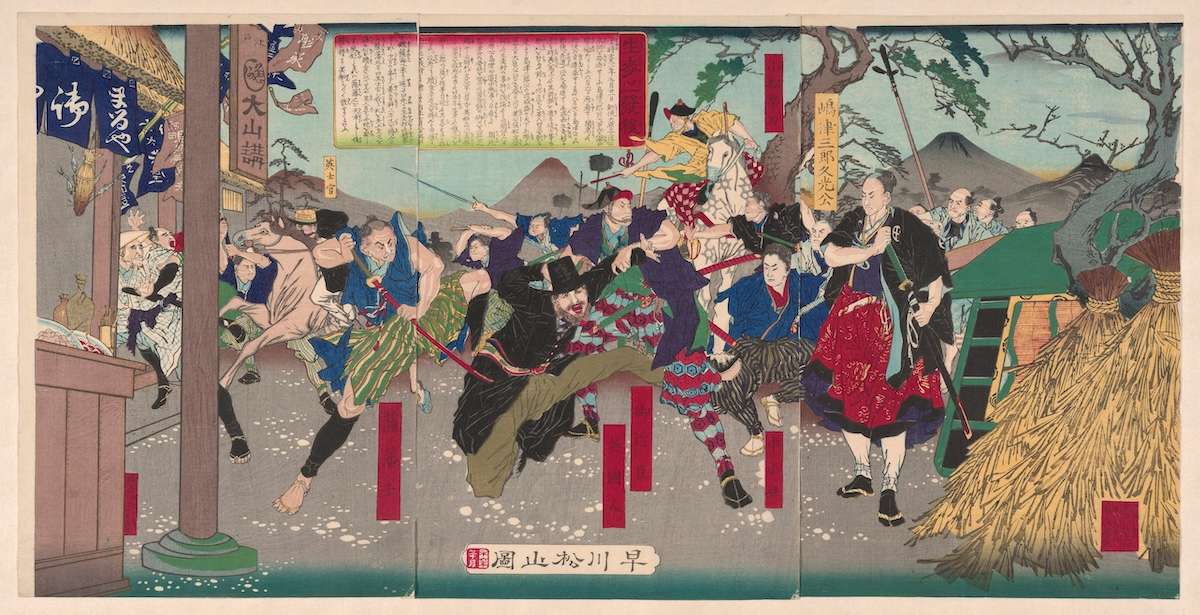
For centuries, the samurai were elite warriors serving powerful lords and Japan’s military government. But beyond the armor and the battles, the samurai were deeply involved in social, political, and cultural life in Japan. During the peaceful Edo Period, for example, many samurai functioned as major patrons of the arts.
The samurai class was technically abolished in the late 19th century. Still, they live on as a global icon of Japanese culture, from ukiyo-e prints to video games.
People think ‘samurai’ refers to a male warrior in armor holding a sword, but they had many roles across the centuries. Men, women, and children were all part of the samurai class.
Rosina Buckland
Exploring a Warrior Tradition Through Material Culture
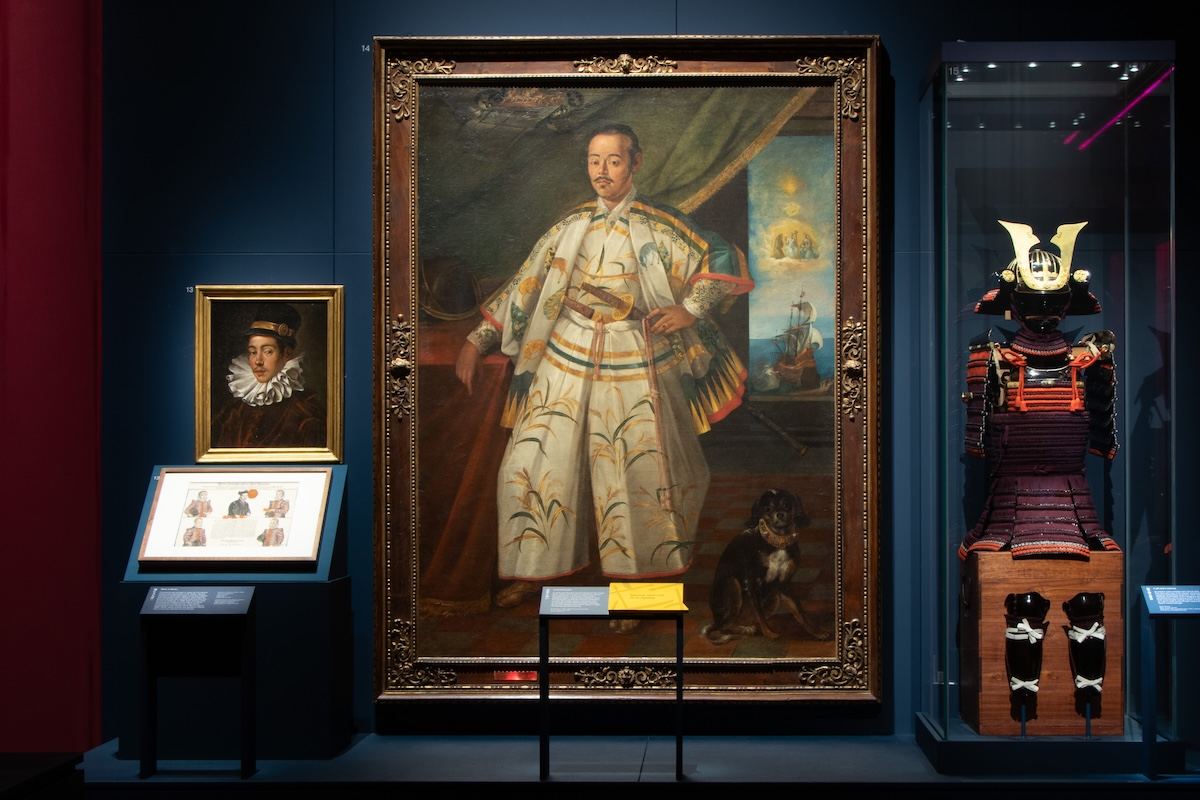
Samurai is on view at the British Museum from February 3 to May 4, 2026. The accompanying exhibition catalogue, co-published by the British Museum Press and University of Washington Press, is available for purchase here.
Both the exhibition and its catalogue are unique because they use real objects to tell the real story of the samurai from their beginnings as a medieval warrior class in Japan to their enduring legacy in global contemporary culture.