The New Testament predicts Jesus’s return to establish his reign visibly in the world. Christians disagree among themselves about what this will look like, and the Muslim version of the event differs from what the New Testament says. Still, the world’s two largest religions wait for the return of Christ in one form or another. Though the majority of the faithful reject attempts to predict the specific time Jesus will come back, such predictions have garnered influence with surprising frequency and have sometimes changed the course of people’s lives.
Is “The Rapture” the Same as the Return of Christ?
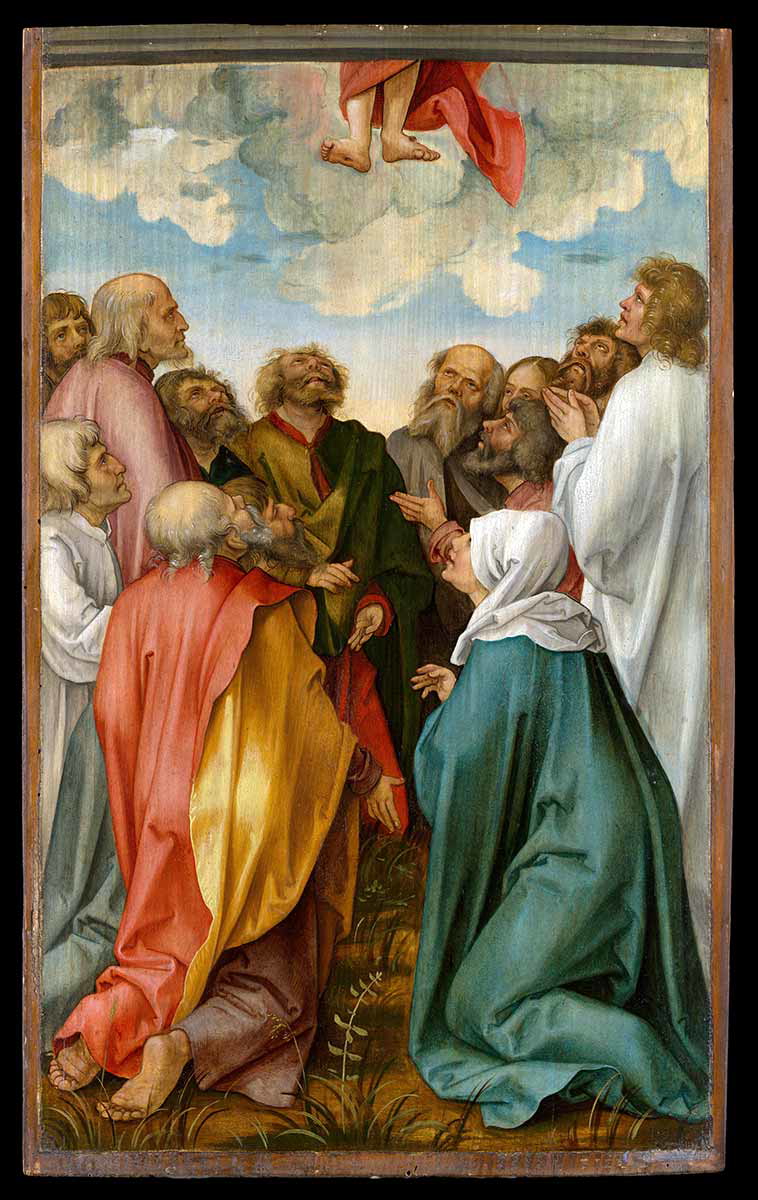
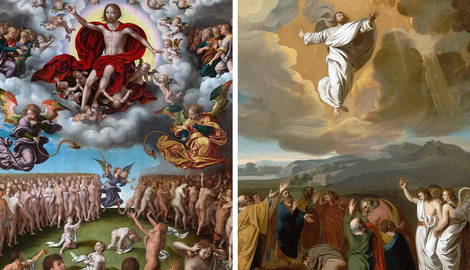
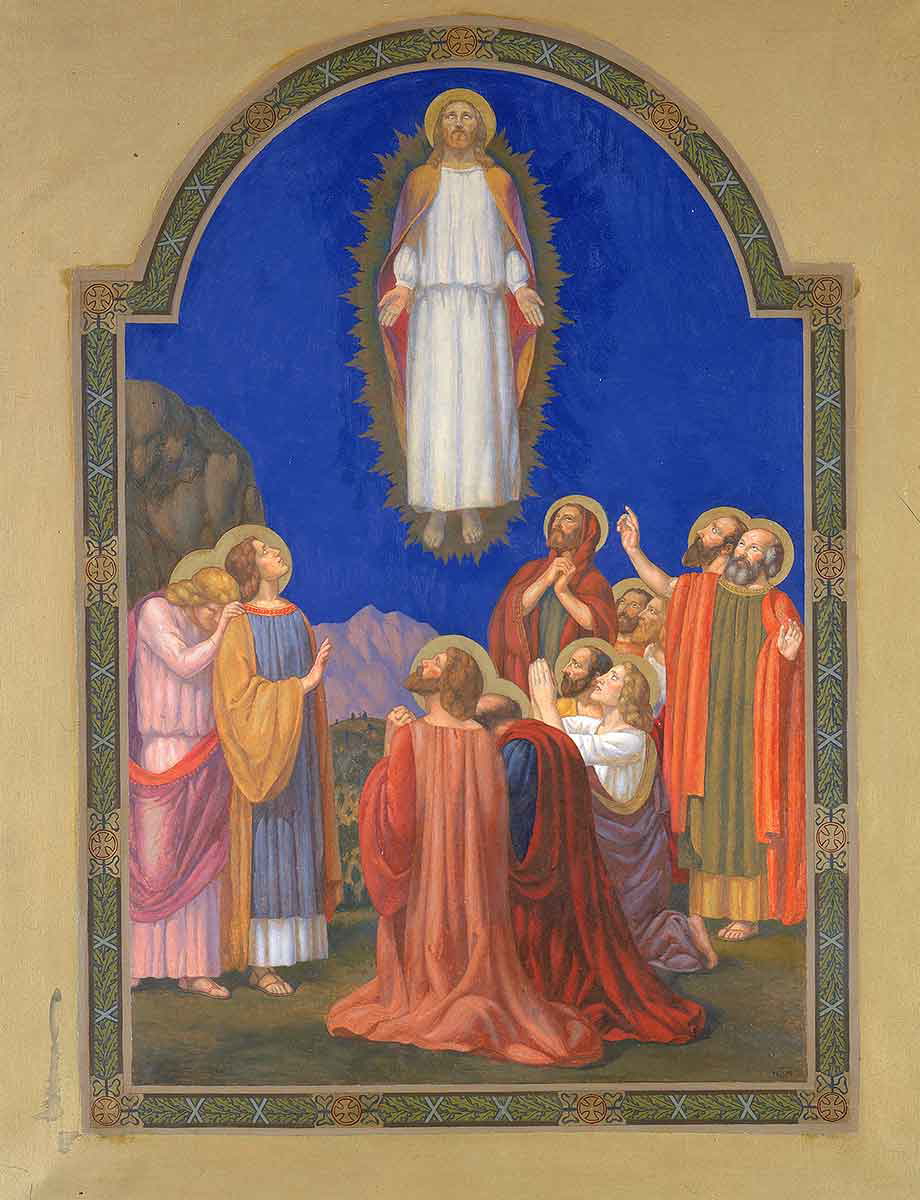
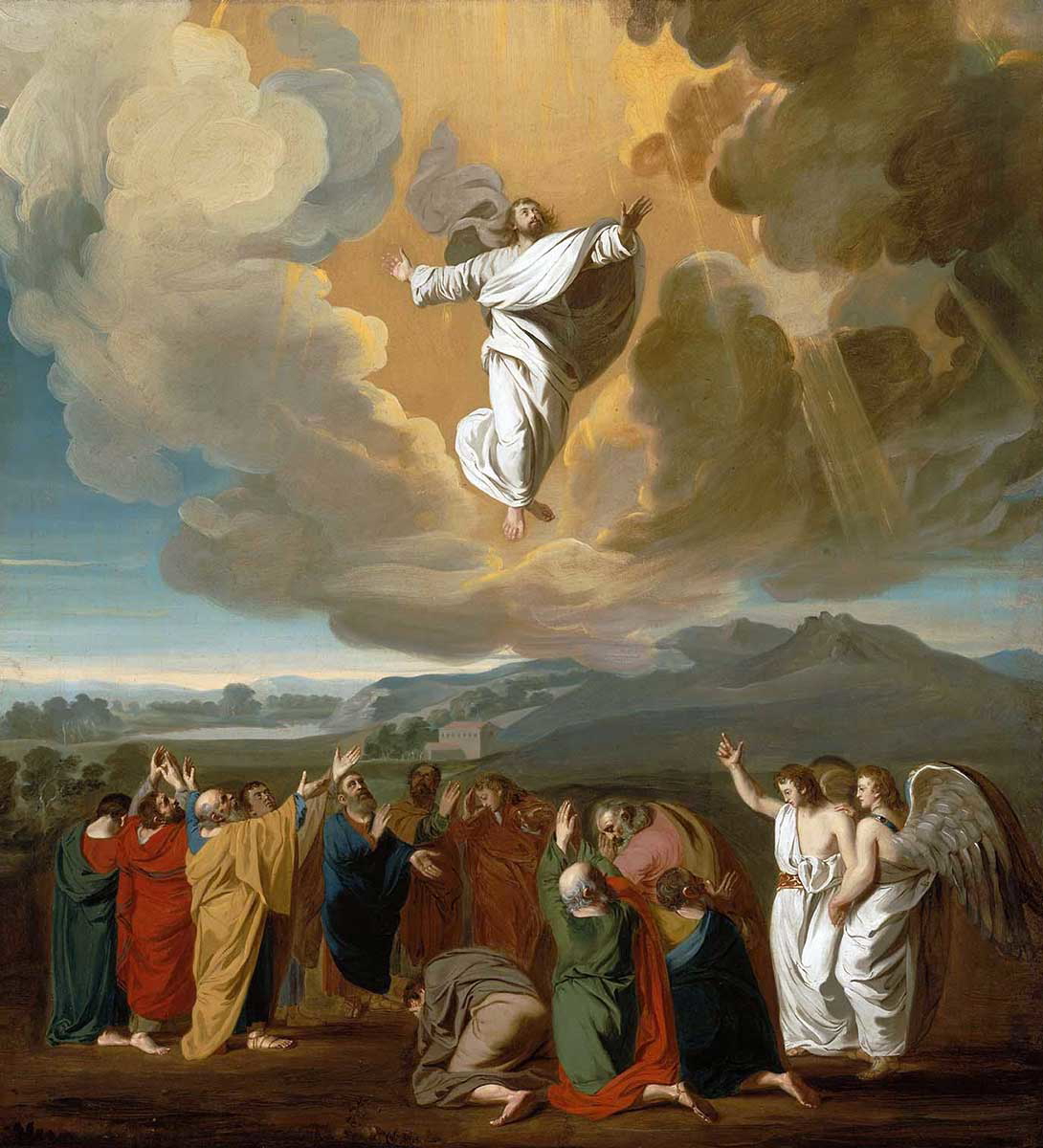
According to the New Testament, Jesus spent 40 days with his disciples after his resurrection. On the 40th day, while in Galilee, Jesus ascended into the clouds until he was out of his disciples’ view, promising that he would, one day, return in the same way. The Christian belief in the return of Christ comes from this story, as well as many other texts in the New Testament.
Later, other beliefs not necessarily shared by all Christians became popularly associated with Christ’s return. Most importantly, many Christians today, especially within the American Evangelical and Pentecostal traditions, believe in a coming event called the “Rapture.” This is the idea that true Christians will be “raptured” out of the world at some point before Jesus’s return. Usually, this event is projected to occur before a seven-year period that will end with Christ’s return, called the “Great Tribulation.” For this reason, attempts at foretelling when Jesus will come back have often been framed as rapture predictions. Despite its popularity nowadays, most Christians throughout history have not connected the idea of a rapture with a belief in Christ’s return.
Sometimes predictions about Jesus’s reappearance are made based on calculations using numbers or other data in the Bible. Other times, they are said to come through direct prophetic messages from God or angels.
Joshua Mhlakela: September 23 or 24, 2025
In the summer of 2025, a South African Christian pastor predicted during an interview on a YouTube channel that the Rapture would happen on the 23rd or 24th of September. He said that Jesus had appeared to him a few years prior in a dream to reveal his plan in person.
The news was shared widely enough on various social media platforms to become a talking point in international news media. Some reportedly sold property in preparation for the event, and several hundred people gathered in Johannesburg, where Mhlakela lives, to await the event.
When the date passed and the faithful found themselves still on Earth, Mhlakela expressed surprise. He later said that he had made a mistake in using the Gregorian Calendar instead of the Julian Calendar, which was used in the time of Jesus. But his adjusted date for early October also came and went without incident.
This is the most recent, popular prediction of the return of Christ. It remains to be seen whether or not Mhlakela will continue to attract a following or whether or not he will make another prediction.
Harold Camping: May 21, 2011
Another recent predictor of the rapture was an American radio Bible teacher named Harold Camping, who said that it would occur on May 21st, 2011. Unlike Mhlakela, Camping did not claim to have received special revelations from the divine through dreams or visions. Instead, he made his calculations about the rapture using numbers and dates in the Bible. Though it is difficult to measure how many people listened to Camping’s radio show, his broadcaster, Family Radio, claimed to reach millions of people, and his own program was translated into 30 different languages on radio stations around the world.
Camping’s insights persuaded thousands of people who donated funds to his network to spread the word. Thousands of billboards were printed, as well as pamphlets and other materials, and many people reportedly quit their jobs and sold property in order to help with the campaign to warn people about Judgment Day.
After May 21st had passed, Camping said that he had miscalculated and adjusted his prediction to October 21st.
Camping predicted not only the rapture, but the end of the world. Many who had taken him seriously experienced significant personal losses.
Herbert W. Armstrong: Before His Death (1986)
Herbert W. Armstrong was another American radio Bible teacher who eventually established an international network of churches called the Worldwide Church of God. He made several predictions of Jesus’s return over the radio waves, but was able to move the date forward as time passed, and the end of his life was coming into view. Armstrong’s most consequential prediction was that Jesus would return before his own death.
After he died in 1986, many members of his movement felt disillusioned and confused. When its leaders, who had been appointed by Armstrong, publicly rejected much of Armstrong’s teaching as a result of self-reflection that had been spurred by the debacle, the community shrank as several factions broke away. The organization was rebranded as Grace Communion International. Though Armstrong is still acknowledged as its founder, the organization no longer accepts specific predictions about Jesus’s return.
Charles Taze Russell: A Gradual Return, Culminating in 1914
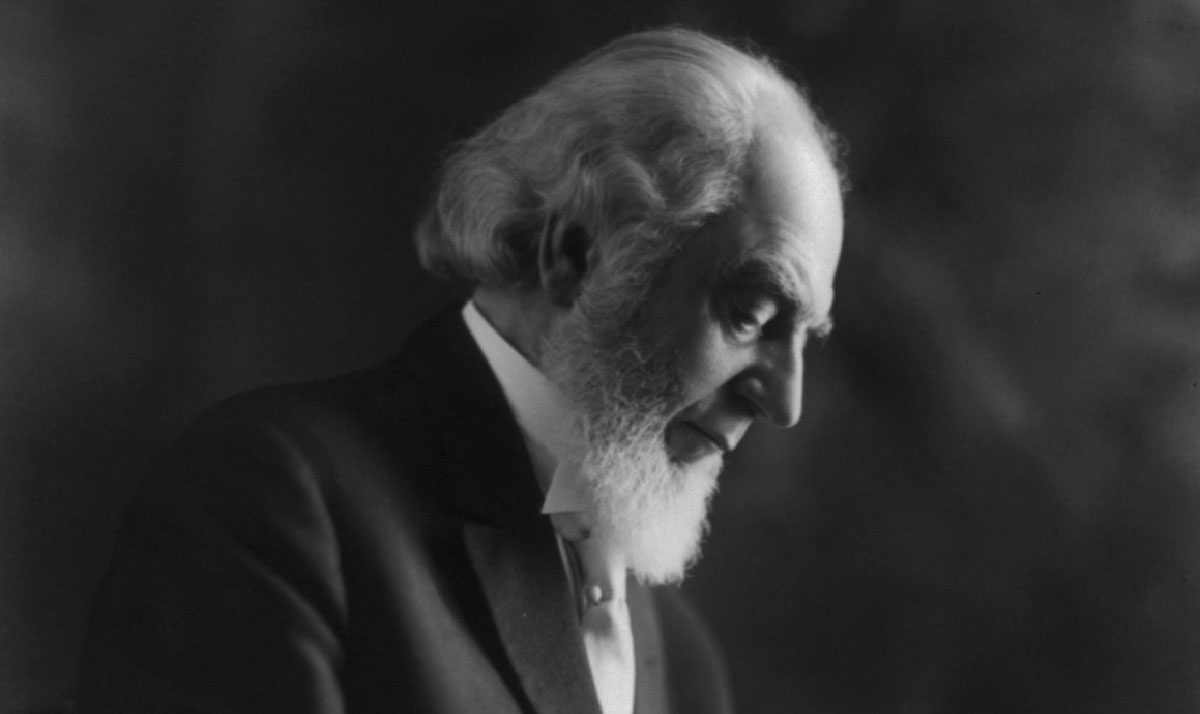
Charles Taze Russell is remembered for being one of the founders of Zion’s Watch Tower Tract Society, the organization that became the Watch Tower Bible and Tract Society, now based in New York City. Members of this organization identify themselves today as Jehovah’s Witnesses. Writing well before the turn of the century, Russell predicted in somewhat cryptic language that Christ’s kingdom would be established on Earth in 1914, and that human government would come to an end. The process that would lead up to this culminating event began in 1799, when the end times had, he said, begun to unfold.
Unlike some others who predicted Christ’s return, Russell did not say the return would be physical or visible. This allowed his followers to later reinterpret his claims in spiritual terms. It also made room for future predictions of Christ’s return within his organization. Today, the organization acknowledges mistakes made by its founders, and marks 1914 as the year that Jesus became king over a heavenly kingdom not visible on Earth.
William Miller and the “Great Disappointment” of 1844
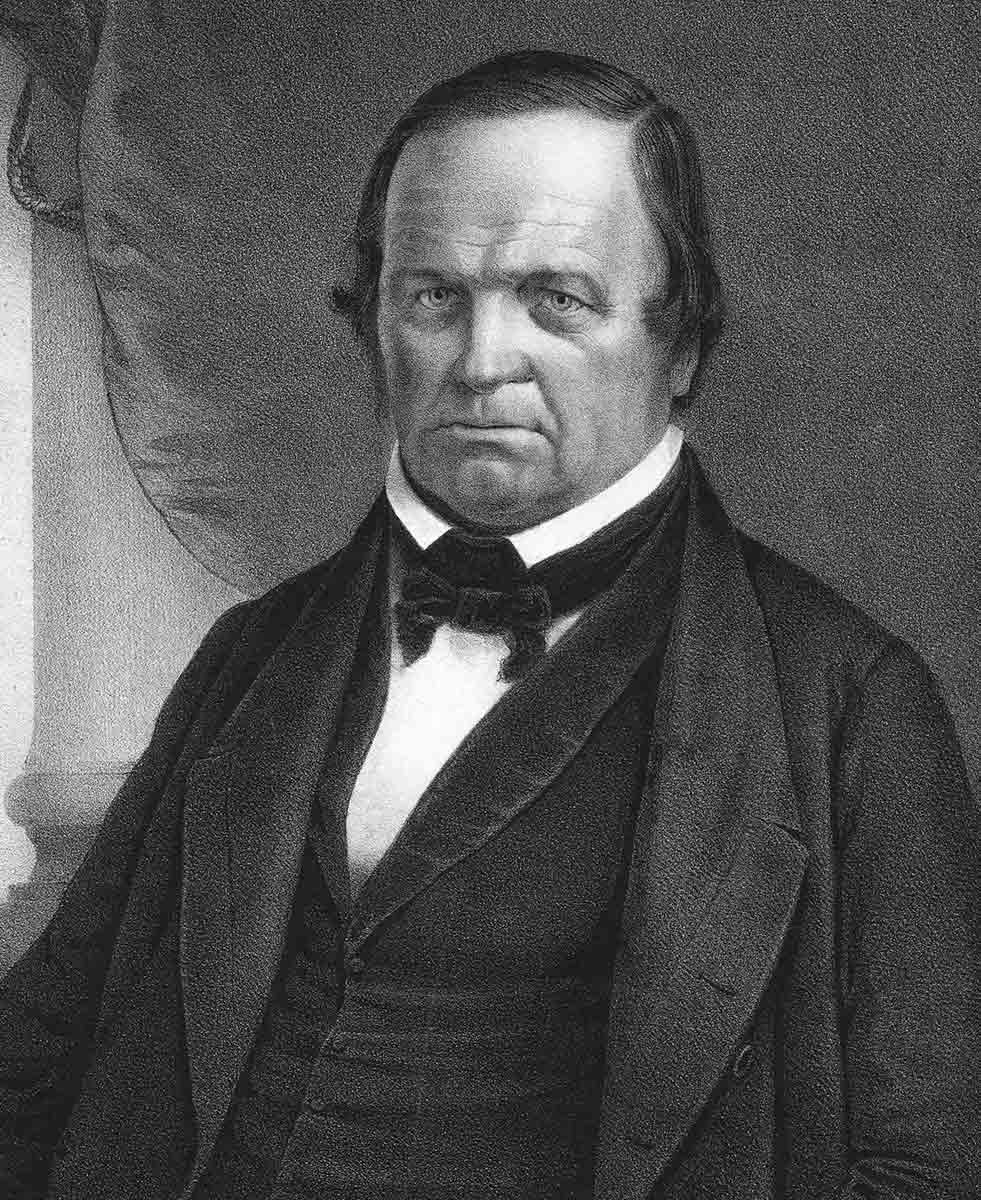
A Baptist pastor named William Miller began preaching in the early 1830s in eastern New York that the present world would end sometime between March 21st, 1843, and the same date in 1844. When March 21st, 1844, came and went, a justification for moving the date to April based on the Karaite Jewish Calendar was found by one of Miller’s followers. But it was not to be. Finally, the date of October 22nd, 1844, which was the Day of Atonement (Yom Kippur) for that year, was set as the final predicted day for Jesus to come back.
The “Millerite Movement,” as Miller’s followers came to be called, is estimated to have included up to 100,000 people. But after October 22nd, 1844, had passed, it is estimated that between only 5-10,000 people continued to follow Miller’s teachings. Two “Adventist” groups—referring to the belief in the imminent advent or coming of Christ—came from this movement and continue to thrive today. The largest of these is the Seventh-day Adventist Church.
Those who were able to get over the “Great Disappointment” of 1844 found a way to reconcile their ongoing commitment to Adventist belief by reinterpreting the significance of the date. Similarly to how the Jehovah’s Witnesses reinterpreted 1914, Seventh Day Adventists said that October 22nd, 1844 marked the day that Jesus entered and cleansed a heavenly sanctuary, rather than his coming to cleanse the Earth.
Thomas Müntzer: The Reign of Christ Would Begin in the 16th Century
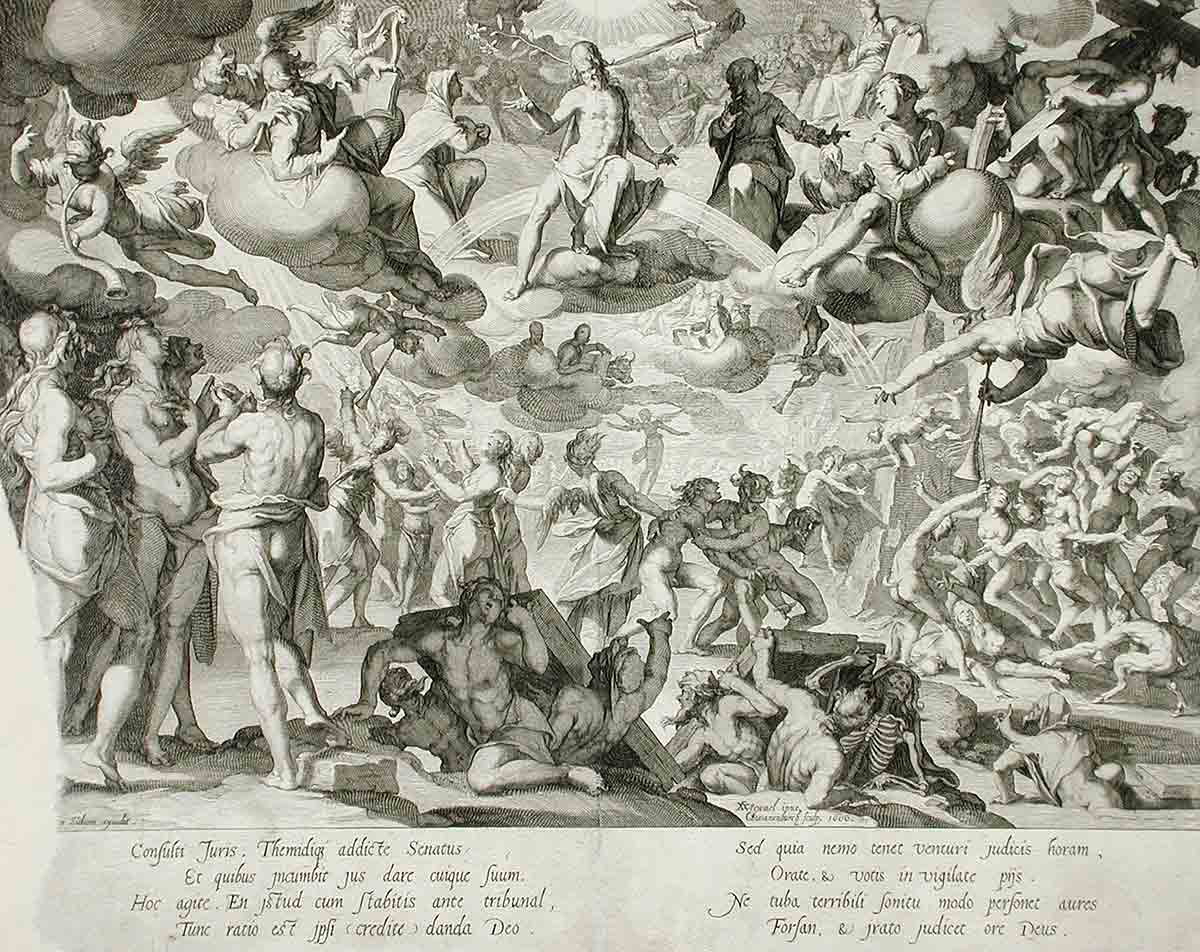
Thomas Müntzer was a Roman Catholic priest who, like his contemporary Martin Luther, advocated for reform in the church in 16th-century Germany. However, he was also a vehement opponent of Martin Luther. Accusing him of compromising his convictions in order to gain the support of the German nobility, Müntzer attacked Luther publicly, berating him for ignoring the plight of German peasants.
Müntzer’s message went beyond egalitarianism to positing that God’s chosen people—the “Elect”—were the poor as opposed to their wealthy overlords. While he agreed with Luther and other Reformers’ objections to the Roman Catholic Church, his advocacy for the poor compelled him to oppose other Reformers as well.
Some have likened Müntzer’s thinking to Marxism—of course, minus the atheism. His idea that the peasants must rise up in armed resistance to their oppressors was an integral part of his preaching, which emphasized the equality of all people and their right to defend and liberate themselves. But unlike Marx, Müntzer connected his revolutionary egalitarianism and the age that he hoped it would usher in: Christ’s utopian rule on earth. Müntzer interpreted the Bible as teaching that Christ’s reign would begin within Müntzer’s lifetime, and as the climax of the peasant uprising he saw as unavoidable.
By the time of the German Peasants’ War of 1524-25, Müntzer had become a formidable and, to the nobility, menacing political figure. His radical preaching had led to some setbacks with local authorities, but it had also gained him a wide following among German peasants.
But it all ended at the Battle of Frankenhausen on May 14-15, 1525, where a militia of around 7,000 adherents to his ideas was mercilessly defeated by German “Lutherans.” Müntzer was captured, tortured, and beheaded.
While Müntzer is counted among the Anabaptists by historians, his ideas about many things not related to baptism differed significantly from what most Anabaptists believed. Müntzer’s brand of militant Anabaptism died with him, while its pacifistic counterparts survived and continue to thrive into the modern day, despite the many persecutions early Anabaptists suffered in the Reformation period. Müntzer’s belief that Christ’s kingdom would come in its fullness on Earth during his lifetime was part of what made him a brash—if not courageous—radical reformer. But the day he hoped for never came.
Why Do People Continue to Believe Despite Failed Predictions?

Psychologists and sociologists of religion have developed several theories about why people are captivated by prophecies that claim to give knowledge of the future. One of the most puzzling or, perhaps, counterintuitive aspects of this phenomenon is that, many times, failed prophecies do not disqualify the prophesier. Failed prophecies can result in a redoubling of commitment to the prophet or teacher’s authenticity. In fact, it can be assumed that, if a prophet or teacher who has already been influential stops short of a full apology after a failed prediction and continues to seek a following, they are likely to succeed. It may be that disappointment is simply too heavy a burden for some to bear.
The list of people who have made attempts to predict Christ’s coming is much longer than the above. Such widely revered figures as Augustine, John Calvin, John Knox, Martin Luther, and John Wesley all suggested possible time periods for Jesus’s return, though their speculations varied from generally rounded centuries to specific years. But these predictions did not foster any major changes in the life plans or behaviors of those who respected their opinions, and no consequential events ensued.
At the heart of the matter, of course, is the New Testament. The New Testament has not, as of yet, provided a date of Christ’s return. But as long as people read it as holy scripture, the undated promise will continue to tantalize.