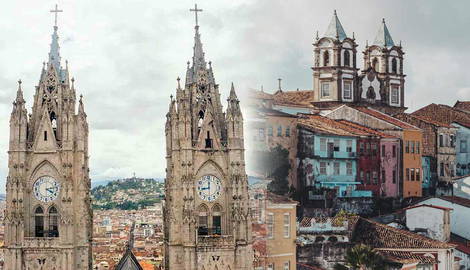
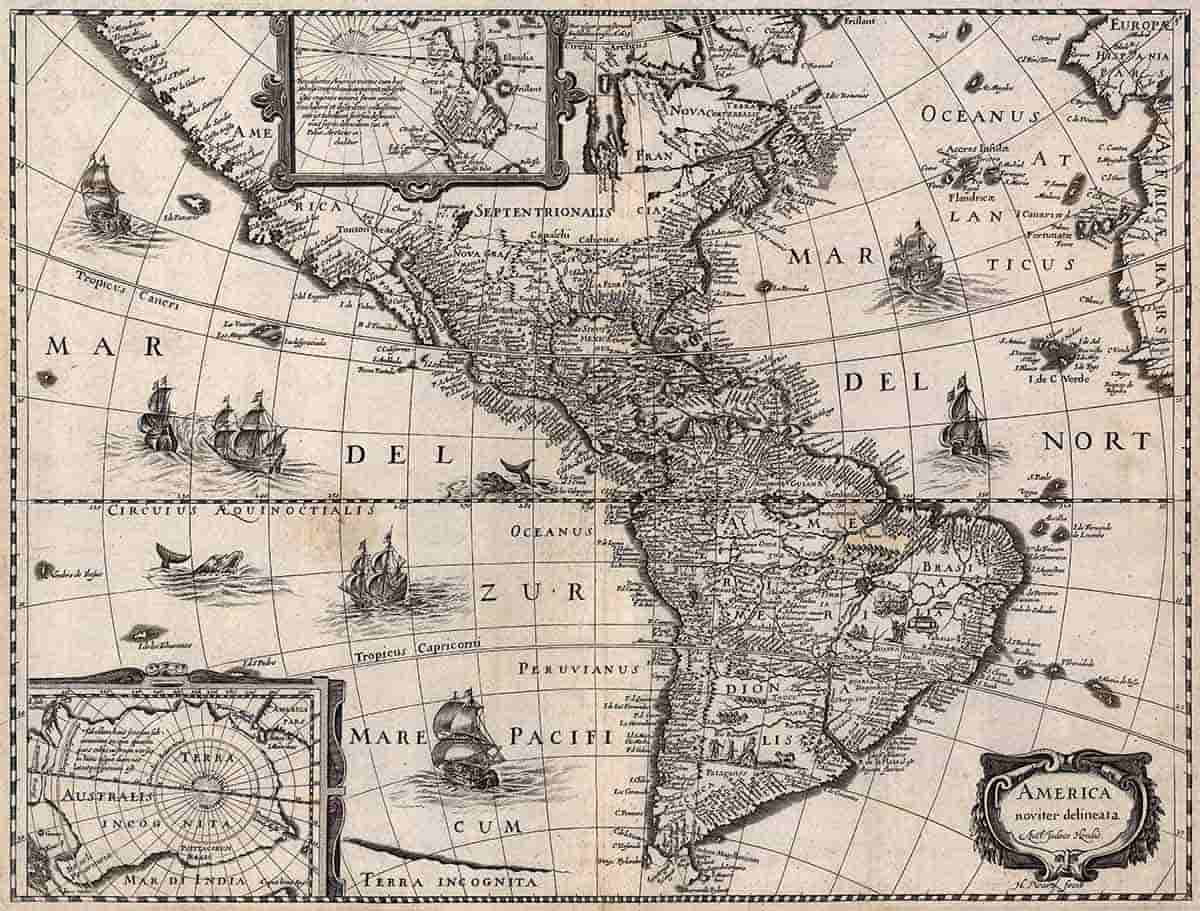
The conquest of South America by European conquistadors dramatically transformed the continent’s nature and all of its indigenous cultures. Colonization left many lasting legacies here, one of the most notable being the array of exquisite colonial cities. While admiring these cities can be a controversial topic in some places, in South America it offers the chance to appreciate the beauty of the architecture, these cities’ stunning natural settings, and their historical significance in context.
Here are some of South America’s most beautiful colonial cities that are well worth your time.
1. Cartagena de Indias, Colombia
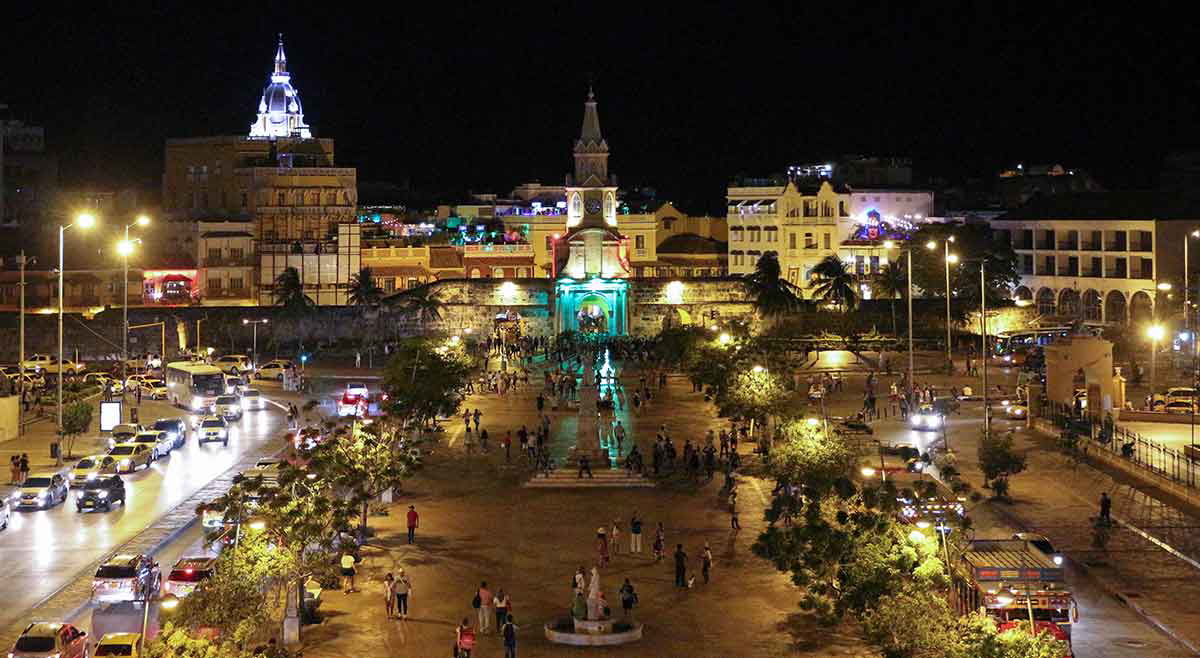
Cartagena resembles a vibrant postcard brought to life and is considered the best-preserved of all the colonial cities in South America. It is located on Colombia’s Caribbean coast, and is a great starting point for visiting nearby islands. The city’s picturesque colonial center, a UNESCO World Heritage Site, tells of nearly 500 years of enthralling maritime history.
Cartagena became a key trading hub soon after it was founded in 1533. It reaped the rewards of the profitable exploitation of indigenous civilizations in South America, especially from Peru and Bolivia, where gold and silver were prime targets. The city also partook in the transatlantic slave trade with gusto, importing enslaved Africans to work on its plantations and replacing the dwindling Indigenous slave workforce.
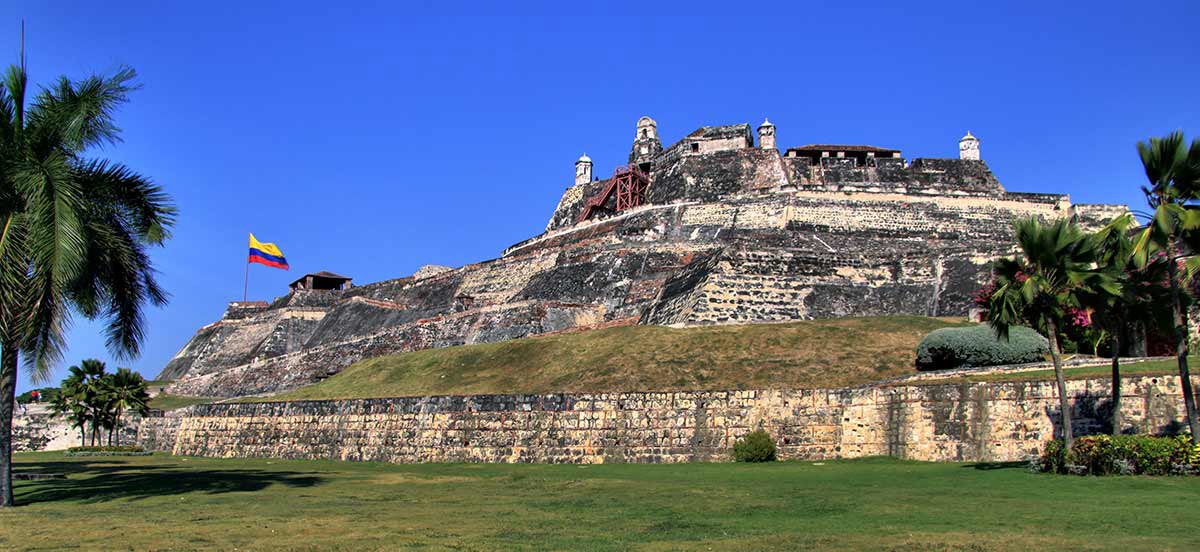
Cartagena’s old town is a walkable maze of cobbled streets, grandiose mansions, churches, museums, and charming little plazas framed by stone arches. It can get overcrowded when cruise ships are in town, but a sunrise stroll guarantees peace. Aside from the immediate historic core, you’ll also find imposing fortifications nearby, like the San Felipe de Barajas Castle, which is easily reached on foot. San Felipe is the largest military fortress built by the Spanish in the Americas and the only one never conquered by enemy forces.
2. Cusco, Peru
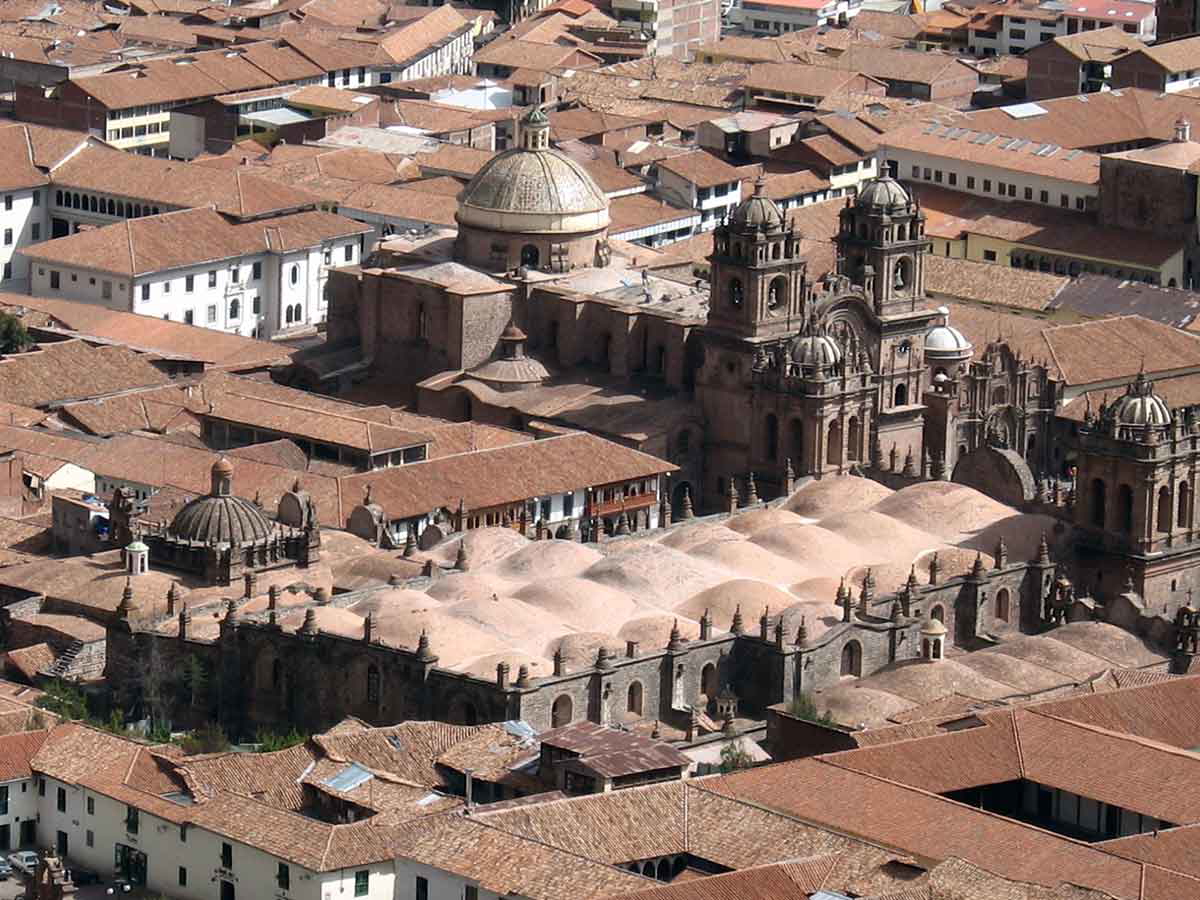
Cusco is one of the oldest cities in the Americas, thriving for over 1,000 years—albeit under different rulers. When the Spaniards arrived in the mid-16th century, they boasted of having “built” Cusco from the ground up. In reality, they mostly destroyed a thriving city home to nearly a quarter of a million people. Then, they built a new one on top.
Thankfully, Cusco’s rich indigenous history was never totally erased. Today, it is the captivating mix of ancient and colonial influences, combined with a bustling tourism scene, that makes Cusco a fantastic city to enjoy for more than a few days. Besides, the altitude alone ensures no sightseeing tour is ever that fast.
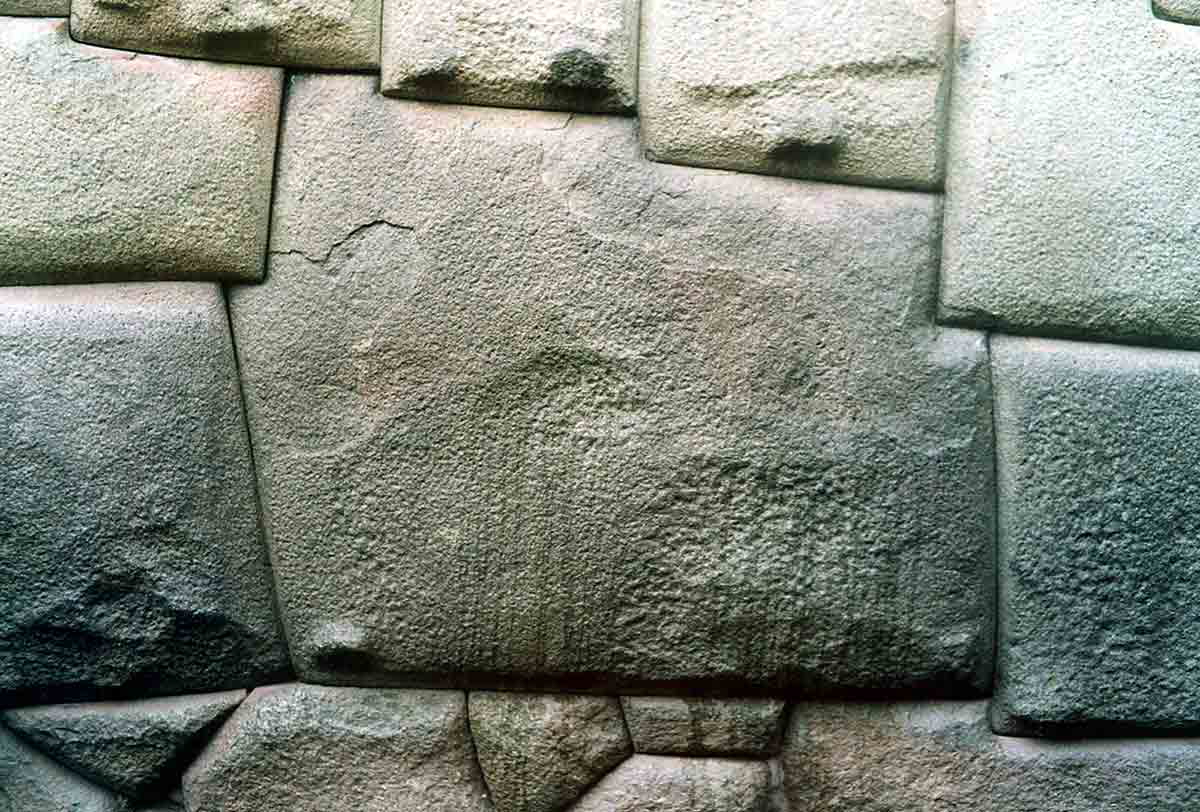
The main square of Cusco is the beautiful Plaza de Armas, home to the impressive cathedral. This area is surrounded by historic sites, lively shops, tasty restaurants, and bustling bars that attract both locals and visitors every night. Explore beyond the plaza, and you’ll find unique architecture all around—the off-shoots of the main square are delightfully enticing.
3. Quito, Ecuador
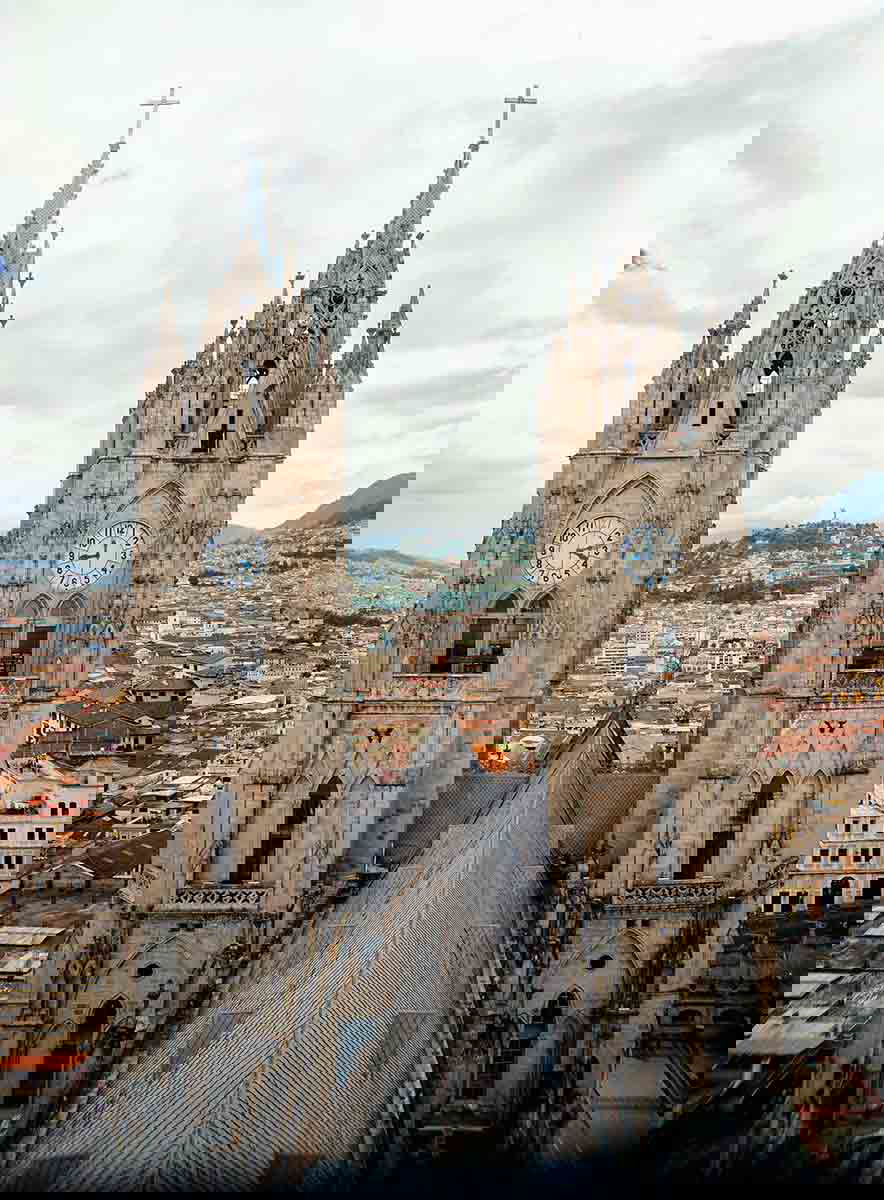
Quito is quite a large capital, home to nearly three million people. The interesting areas, however, are compact and easy to navigate on foot—slowly, given the altitude. The city is framed by some of Ecuador’s most arresting Andean peaks, the most famous of which is Volcán Pichincha, an active peak that has devastated the city several times in history.
Quito’s Centro Historico is a UNESCO World Heritage site, established in 1534 on the ruins of the Incan city called “Ki’to.” Its layout and architecture showcase a mix of indigenous and Spanish cultures. The old town has over 150 buildings, with about one-third being churches. The most famous is the Iglesia de San Francisco, located in its eponymous plaza.
The epicenter of life in Old Town is the Plaza de la Independencia, home to noteworthy buildings like the Presidential Palace and the Catedral Metropolitana de Quito. The square has been the hub of social and political life in the city since its inception in the early 16th century—but it held the same role for Inca society long before then.
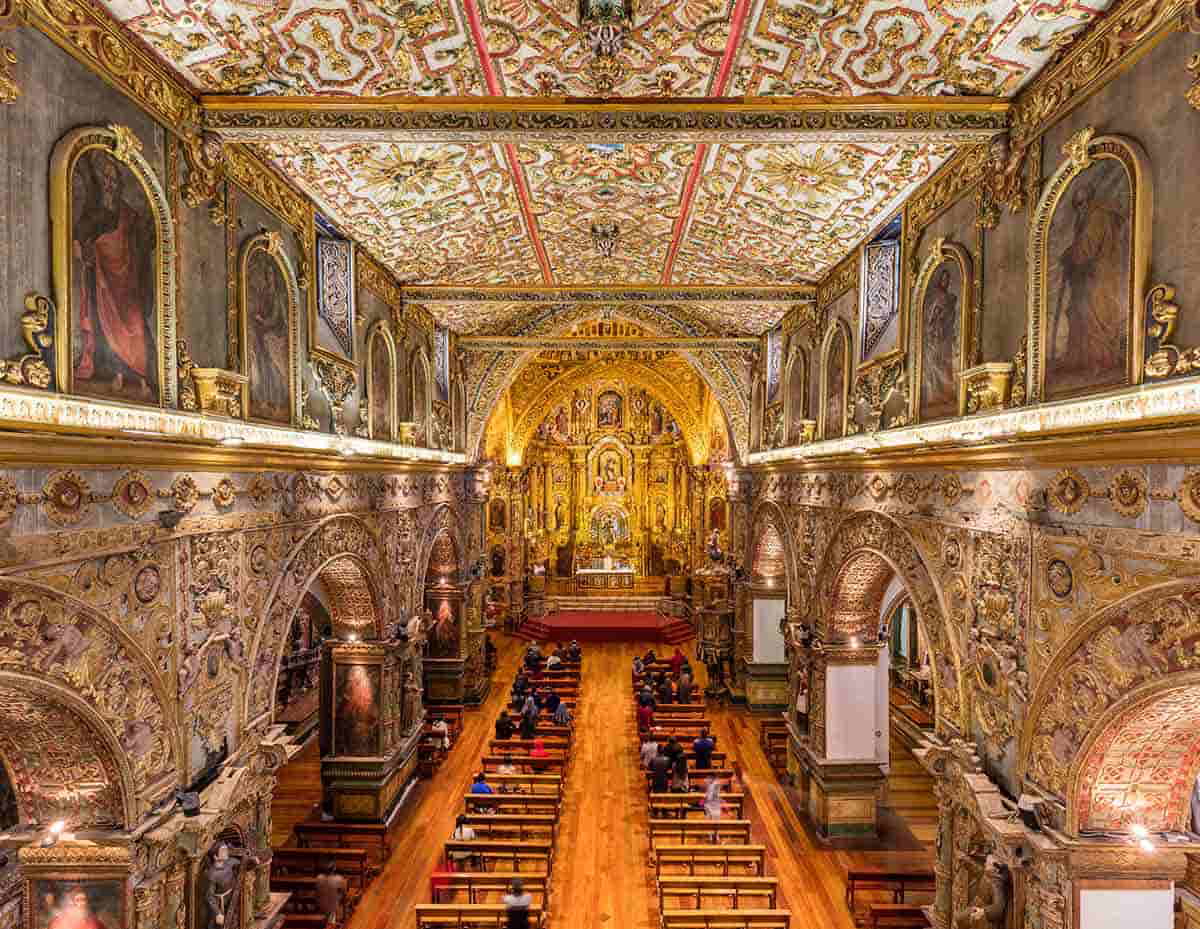
The most arresting colonial treasure in Quito is the San Francisco religious complex. Construction began merely weeks after the arrival of the Spanish and took over a century to complete. It was designed in a Mudejar style that combines Moorish and Spanish elements, and its richly decorated façade and interior are gob-smacking.
Insider tip: Once upon a time (some 20 years ago) Quito was the most underrated colonial city in South America. Although word has undoubtedly spread, as evident in the crowds in the old town center, many are still squeezing all the sightseeing into an overnight layover on the way to/from the Galapagos Islands. Don’t make the same mistake—the city is worth a deeper look.
4. Salvador de Bahia, Brazil
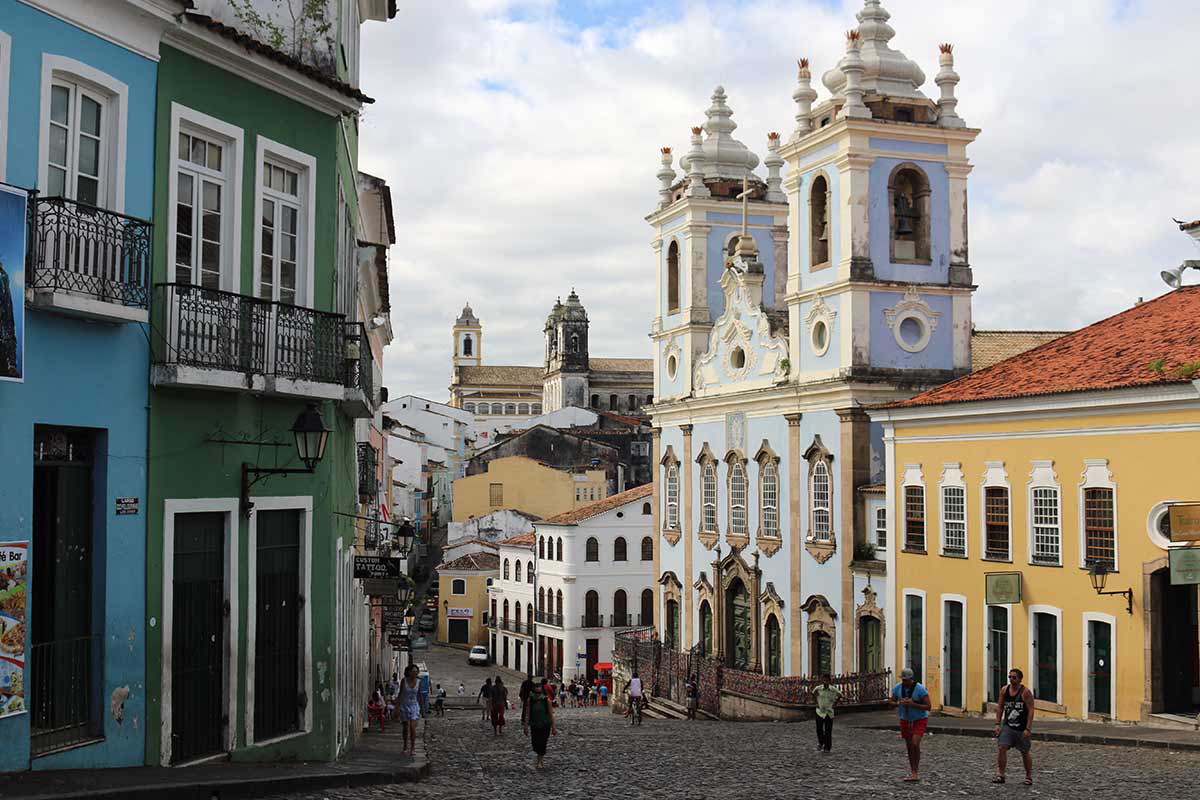
Salvador was Brazil’s original capital city and played perhaps the most pivotal role in South America’s slave trade. Nowadays, it is better known for its vibrant Afro-Brazilian heritage, stunning colonial architecture, and lively festivals, particularly its Carnival, which is considered slightly more authentic than Rio’s. Although this main cultural event attracts millions of visitors each year, the city’s historic center, Pelourinho, is usually not all that crowded at any other time of year. For history enthusiasts intent on learning more about the colonial and cultural past of South America’s largest country, Salvador is unmissable.
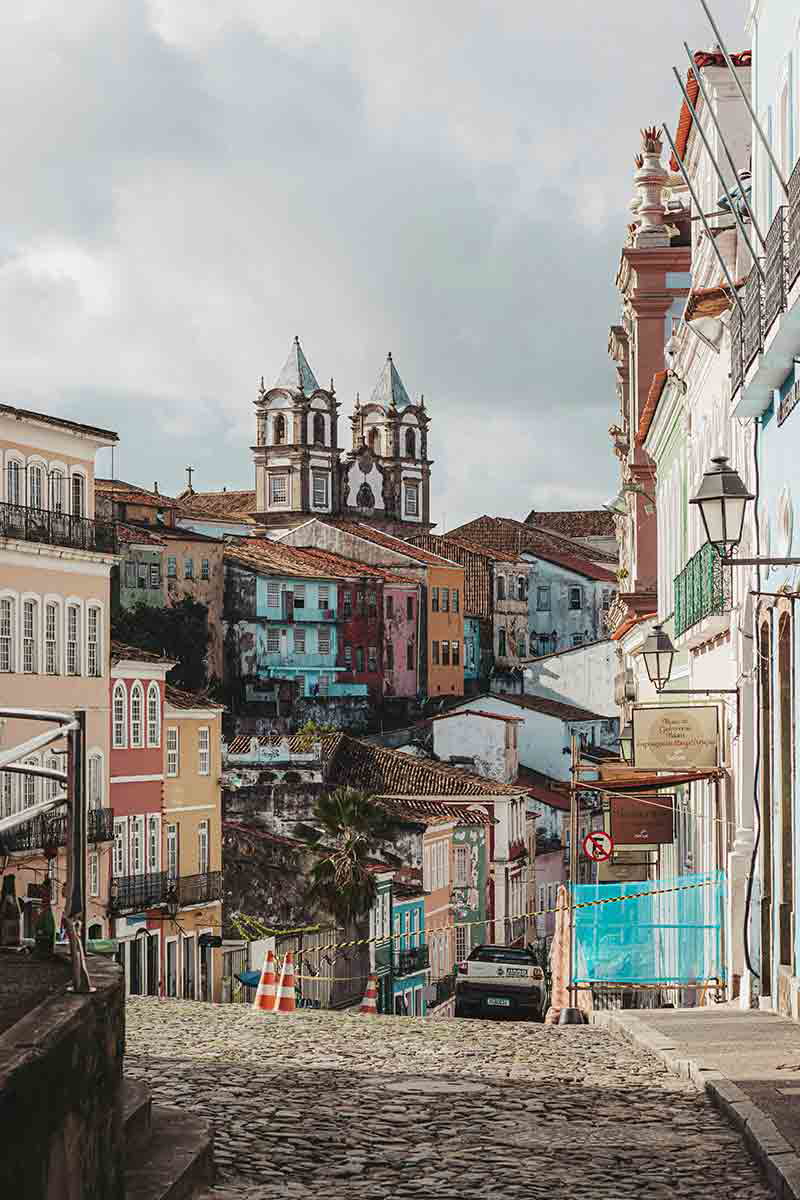
Pelourinho was designated as a UNESCO World Heritage site in 1985. The name means “pillory,” referring to a wooden whipping frame that was used to publicly punish slaves in colonial times. Yet whatever horrid beginnings the area may have had, it has certainly evolved into something incredibly beautiful. The vibrantly colored architecture in Pelourinho is astonishing.
A noteworthy highlight is the Church of São Francisco, famous for its stunning Baroque design and beautifully gilded interiors. Yet the real highlight is the vibe of the place—this is a multi-cultural hub with no comparisons in South America. Afro-Brazilian beats play from caipirinha bars, and local musicians and artists routinely fill every square. Salvador is a Colonial-Era delight that has really come into its own.
Salvador is located in All Saints Bay, which allowed for easy access to trade routes for exporting goods such as sugar and gold from Brazil’s interior. The city rapidly emerged as a significant trading hub in the region, also engaging in the slave trade.
5. Arequipa, Peru
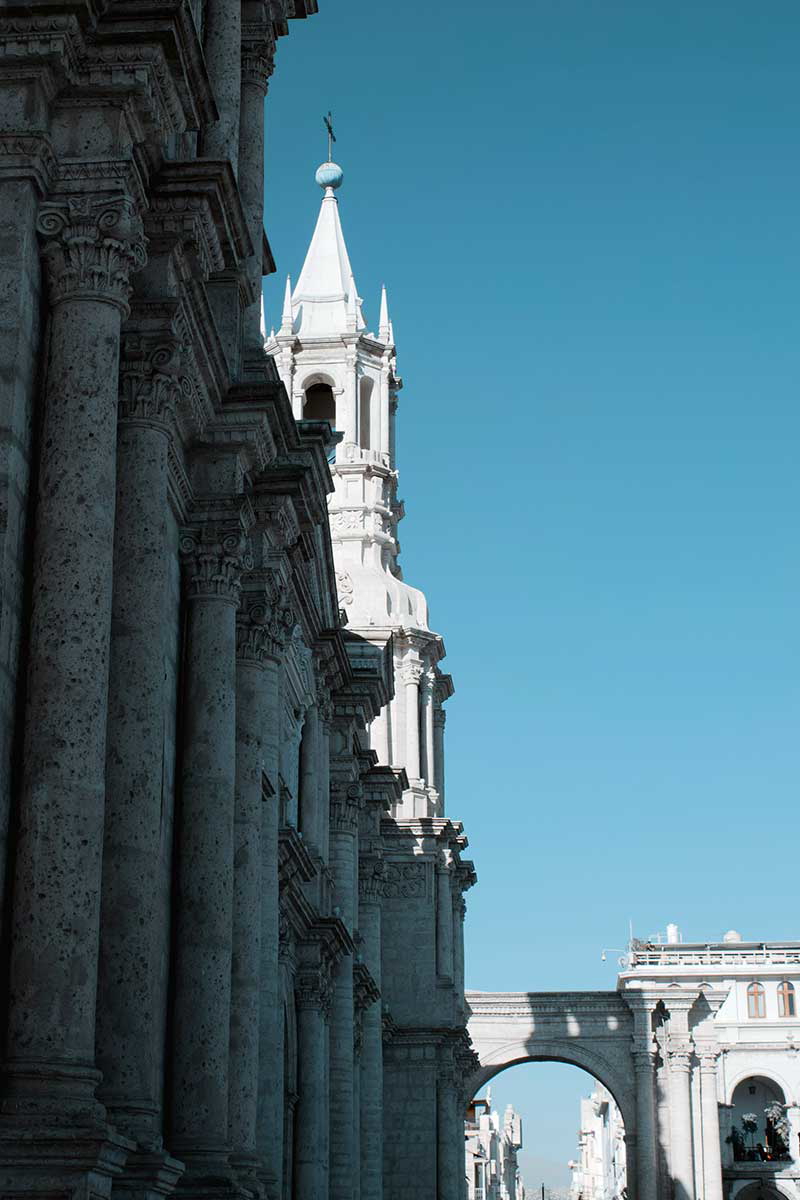
Arequipa may not be as famous as other colonial cities in South America, but that is part of the reason it is often listed among the most livable. The city is set on a plateau relatively high in Peru’s Andes (2,340 m, or 7,700 ft) and is surrounded by three awe-inspiring volcanoes. The most iconic of these is El Misti (5,820 m, or 19,094 feet), which last erupted in 1985.
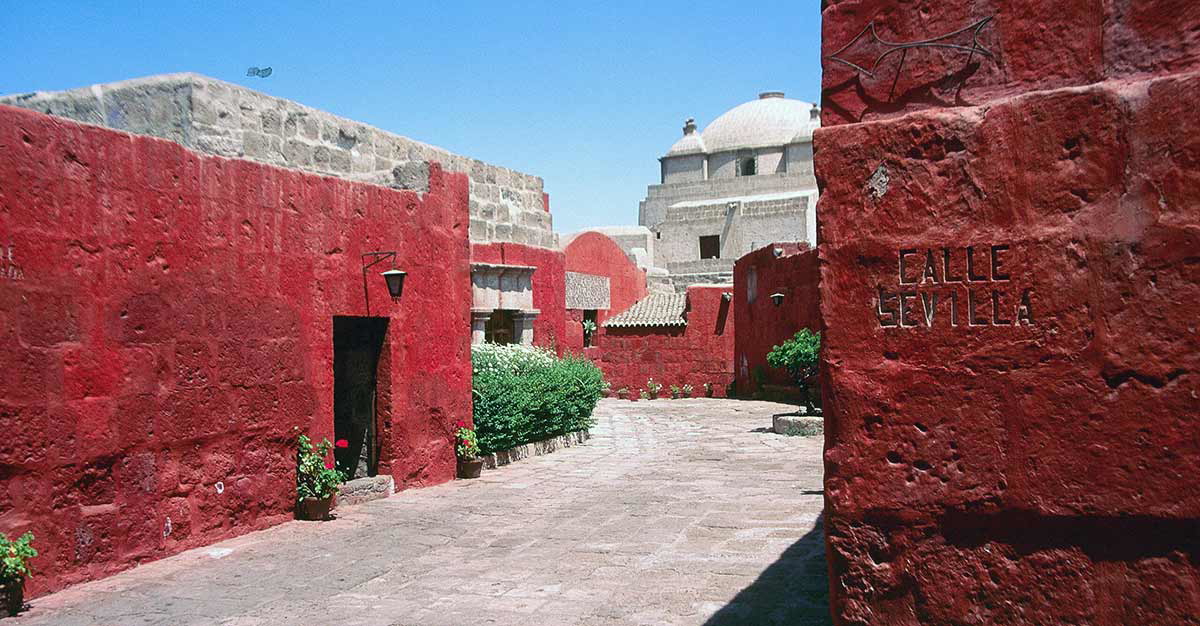
A couple of things make Arequipa stand out. Firstly, its Plaza de Armas has to be the most resplendent in South America. And its main monastery, Santa Catalina, is likewise the prettiest convent on the continent. It was initially founded as a monastery for nuns of the Dominican Order and is still a working convent today, clocking up over four centuries of pious service. The convent is akin to a citadel, covering around five acres, with streets, plazas, and an array of buildings painted in warm terracotta hues.
6. Bogotá, Colombia
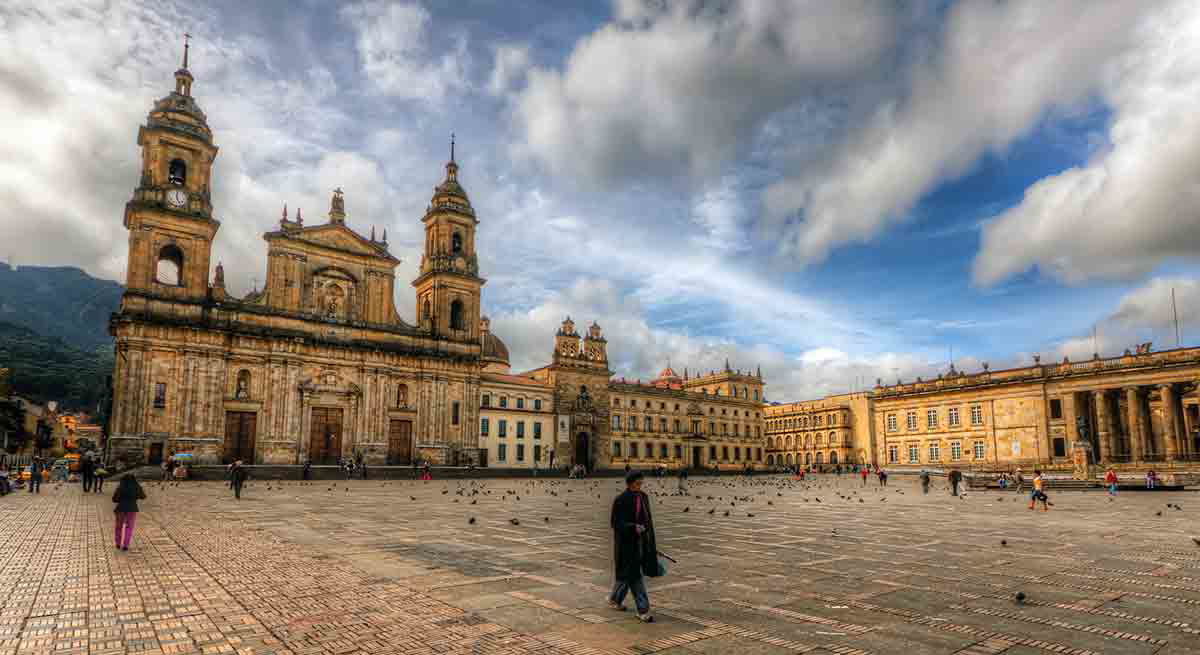
Bogotá’s colonial history goes back to its founding in 1538 by Spanish conquistador Gonzalo Jiménez de Quesada. It was built on the site of a Muisca settlement and quickly became an important center for Spanish rule in the area. Walk through Bogotá today and you’ll find glimpses of this rich past everywhere.
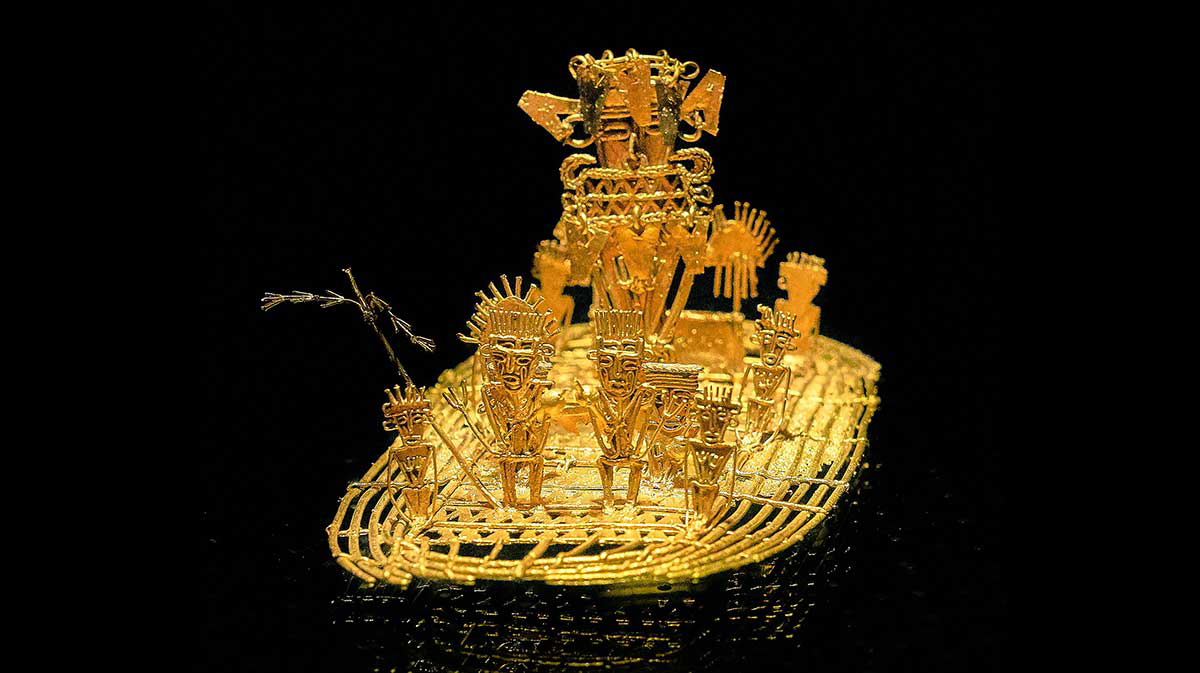
The historic heart of the city, La Candelaria, is all about brightly painted colonial buildings, cobblestone streets, flower-filled balconies, and pretty plazas. One of the most famous landmarks is the Plaza de Bolívar, the city’s main square. It’s surrounded by prominent buildings, like the striking Capitolio Nacional (National Capitol) and the beautiful Primatial Cathedral—one of the largest in South America.
7. Colonia del Sacramento, Uruguay
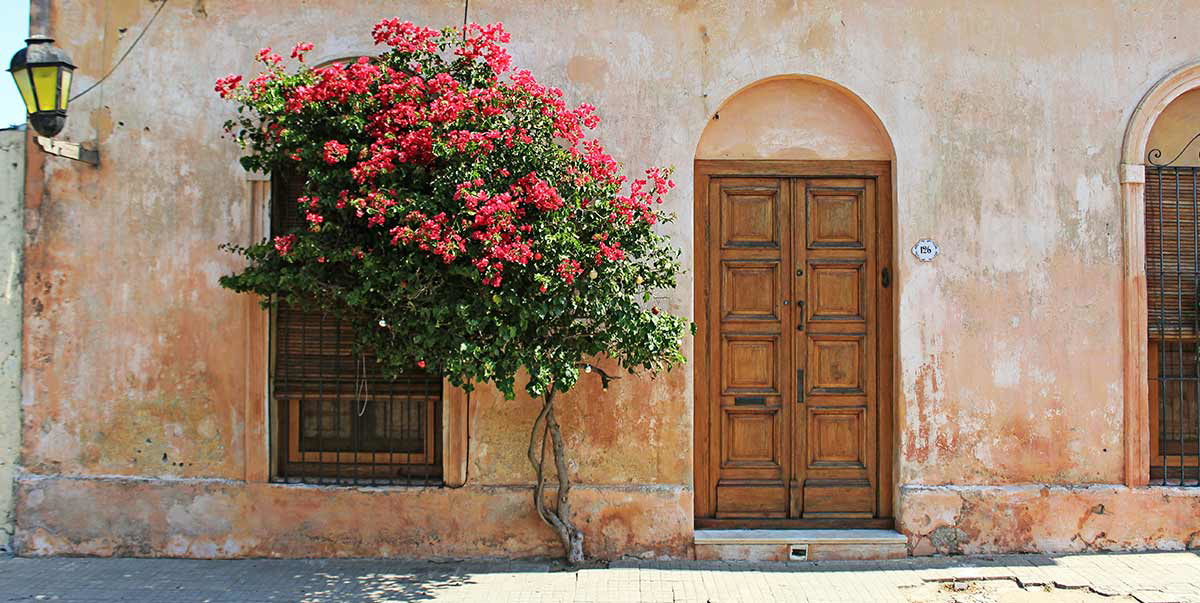
Ask Porteños (residents of Buenos Aires) what to do on a holiday weekend in the city, and don’t be surprised if most tell you to get out of there. For residents of Buenos Aires, Colonia—as the locals call it—is the ultimate escape. This charming colonial city in South America is a delightful mix of Spanish and Portuguese architecture—a rare sight on the continent. Historically, conquistadors were more into competing than collaborating, which explains why you only see this blend in a handful of colonial cities.
Founded in 1680 by the Portuguese, Colonia has a fascinating colonial history and incredibly enchanting architecture. One of its standout attractions is the historic lighthouse, which gifts spectacular views of the surrounding countryside. The picturesque Barrio Histórico is perched on a scenic promontory jutting into the sea, seemingly pointing right at Buenos Aires. Here, you’ll find vibrant houses, lovely plazas, and several museums, framed by a lovely waterfront walkway on the shores of the Rio de la Plata. The town is quiet, small and perfect for exploring on foot, making it the ideal escape from the hustle and bustle of BA!