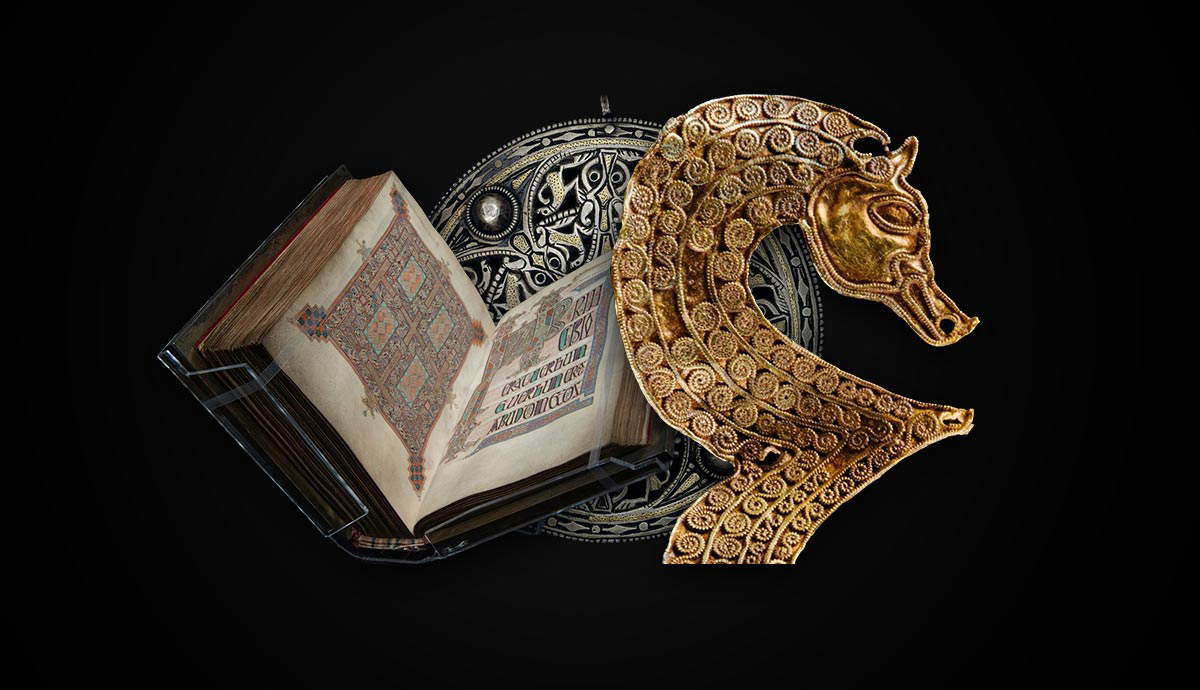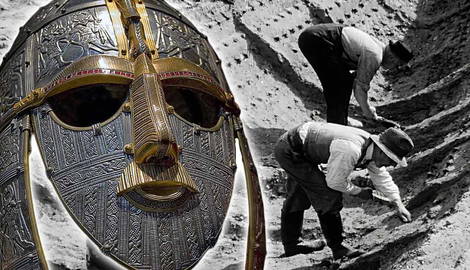
The discovery of the Sutton Hoo burial site revealed many fascinating truths about early Anglo-Saxon burials and funerary practices. Most famous is the magnificent ship burial, which contained many of the artifacts for which the site is famous. Alongside it are many other burial mounds and graves, arguably treasures of knowledge in their own right, which can teach us much about the Anglo-Saxon way of honoring the dead.
Sutton Hoo’s Numerous Tombs
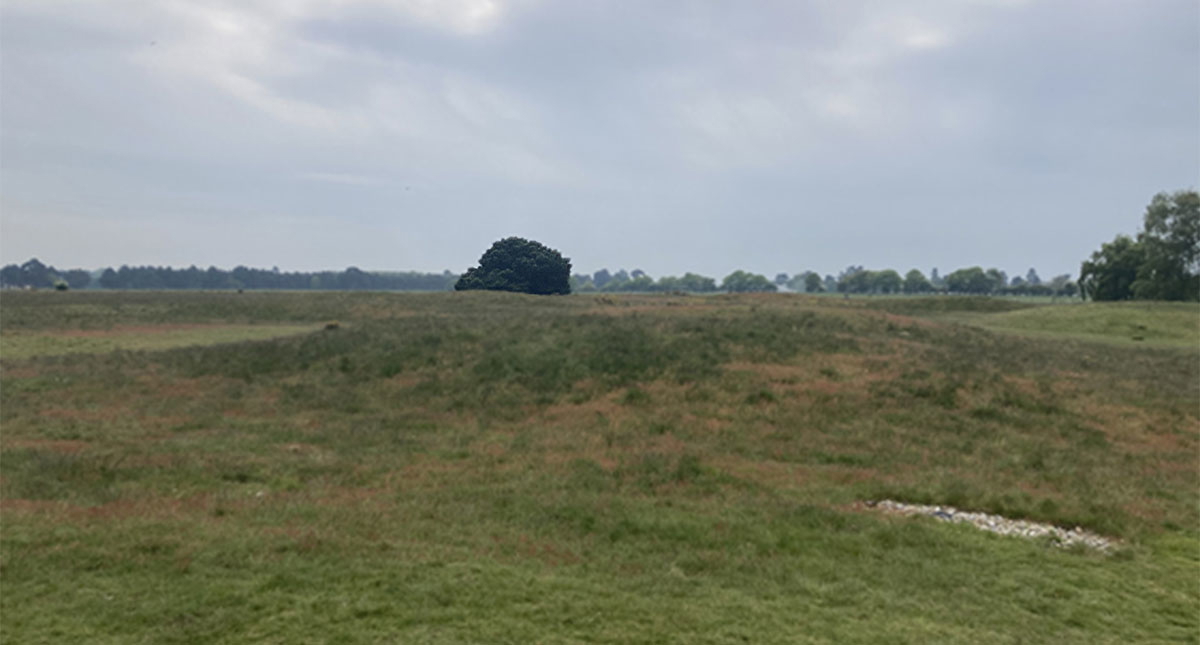
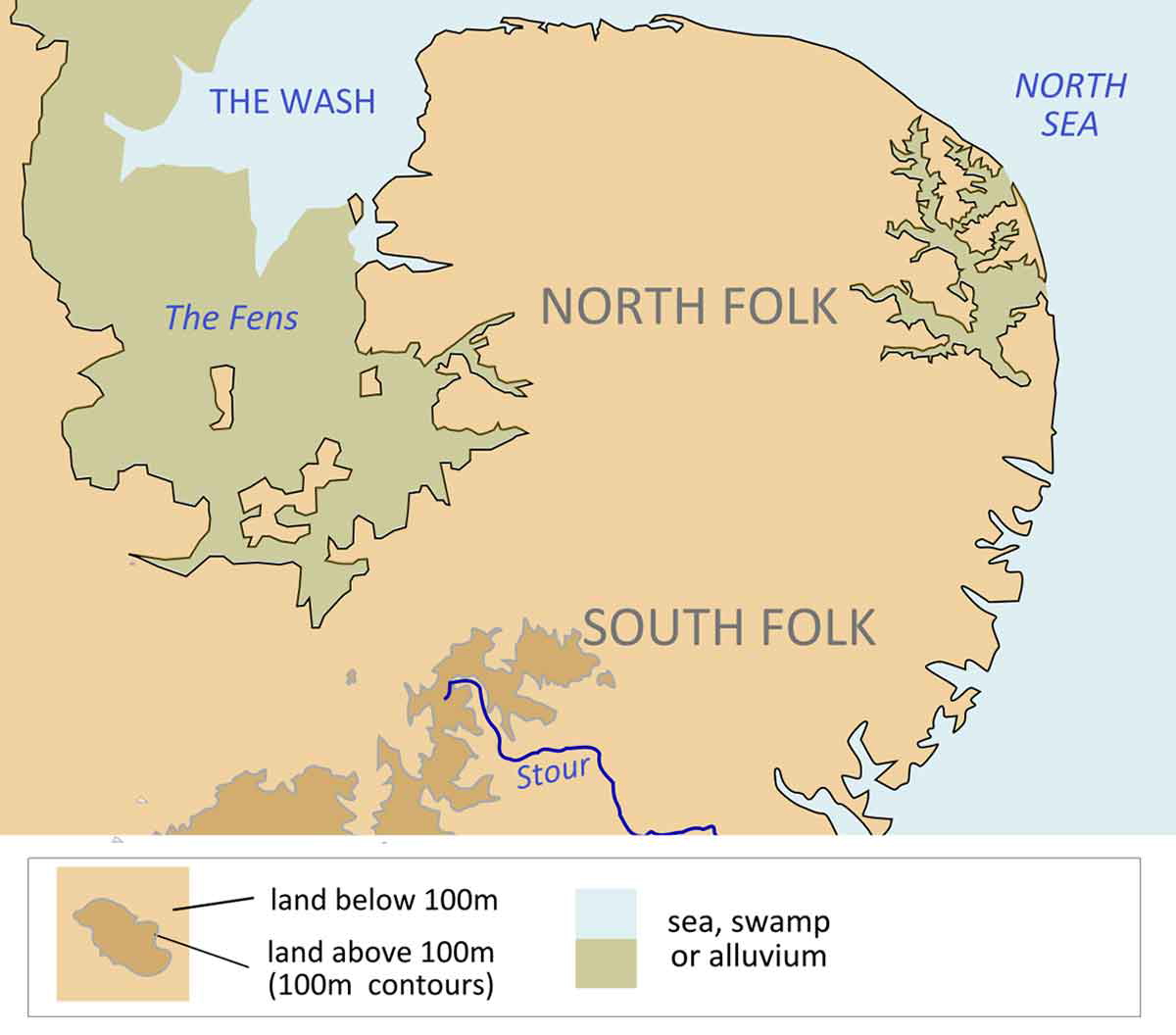
Overlooking the River Deben in Suffolk are 20 or so mounds on the Sutton Hoo estate. When the mounds were excavated in the 1930s, it was immediately obvious that they were tombs from the early Anglo-Saxon Era. Specifically, they belonged to the ancient Anglo-Saxon kingdom of East Anglia, whose ancient capital lies just a few miles away at Rendlesham.
The largest mound, Mound 1, contained a magnificent ship burial, containing a vast array of treasures and a (long since decayed) body. The deceased is believed to have been Rædwald, king of East Anglia’s Wuffingas Dynasty, though some have suggested it was for his son, Rægenhere. Most of the other mounds contained the remains of several cremations stored in funerary urns, alongside a variety of grave goods, although one or two direct inhumation graves were also found in two mounds.
Inside Mound 2 lay another ship burial, sadly robbed of almost all noteworthy treasure, though a few remains suggest it would have been just as richly furnished as the other ship burial.
Meanwhile, Mound 17 held a ritually sacrificed horse buried next to the grave of a man. Interestingly, this was not the only horse buried at Sutton Hoo, as the ashes of a horse and its presumed owner were found in one of the funerary urns. The size, rarity, and vast quantity and quality of grave goods present in the ship burials make it clear they were burials reserved almost certainly for kings or the most senior royals.
The other graves were almost certainly important nobles or members of the Wuffingas Dynasty, no doubt of great importance, but not enough to merit their own ships.
Mound 1 was seemingly the last major tomb at Sutton Hoo, dating to around 625, in keeping with Rædwald’s understood death date and coins found in the grave. The other mounds are believed to date from the 6th to early 7th centuries.
Though worn down by time and human interference, the mounds are still a prominent feature even today. In their prime, they would have dominated the skyline for any inland or outward-bound traveler, asserting the power of those who were buried within and, by extension, their living descendants. In other words, the mounds themselves, arguably treasures in their own right, were symbols of otherworldly majesty and power projected over East Anglia.
The Treasures of the Graves
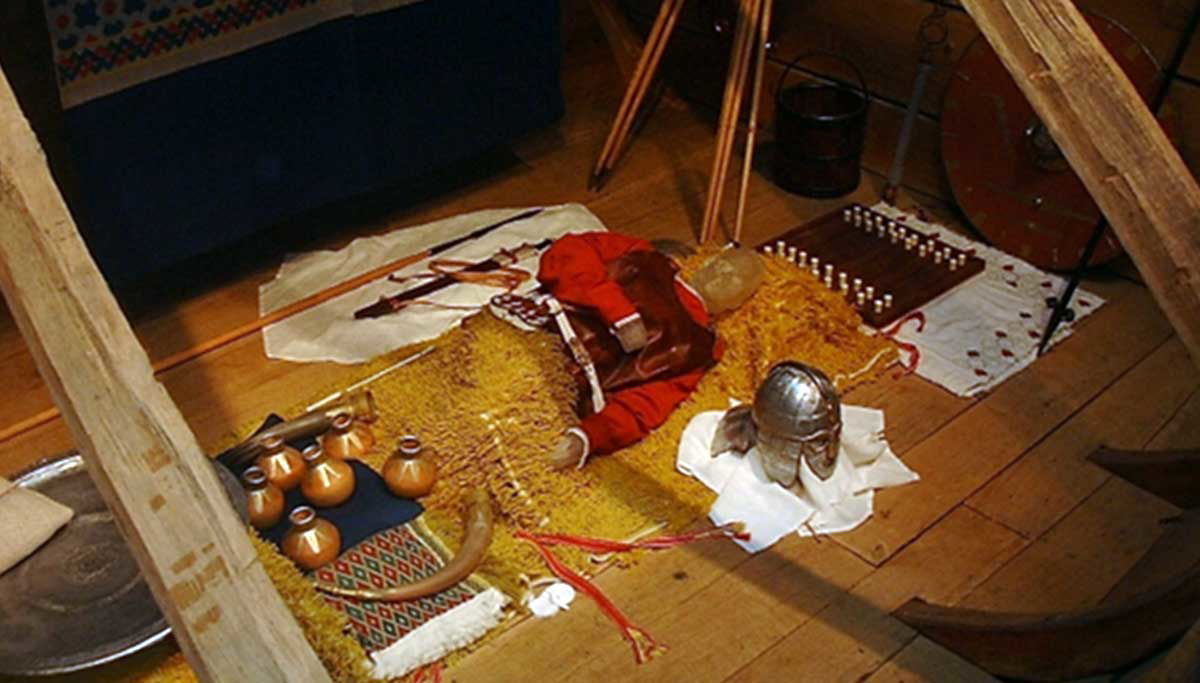
Before even scratching the surface, Sutton Hoo provides a fascinating glimpse of how the East Anglian elite turned death into a projection of authority, as is often the case for barrows and similar funerary earthworks. However, within the mounds lie more fascinating revelations about Anglo-Saxon burial rituals found in the treasures buried alongside the deceased.
The grave goods at Sutton Hoo include a variety of practical items, including combs, tools, boxes, and the like, and more personal goods like gaming pieces, statues, and jewelry. Mound 14 in particular, reportedly, contained a variety of high-quality items crafted in silver.
Though more perishable goods were likely destroyed, fragments of good-quality cloth and animal bones (presumably from sacrifices or food offerings) have been discovered. A repeatedly occurring motif, however, is weaponry.
Valuable shields, spears, and knives have been found in the graves, and even a Frankish throwing axe. The rider in Mound 17 was buried with the trappings and finery befitting a mounted warrior, including a sword attached to a gold buckled sword belt. The horse buried in a grave next to him also indicates his status, as such mighty steeds were treasures in their own right.
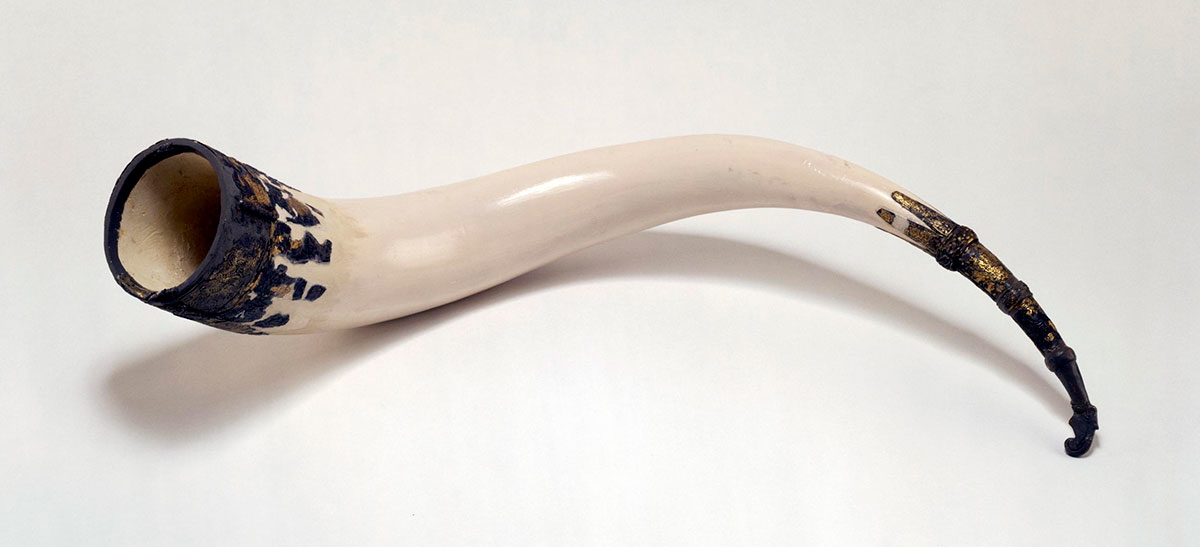
The greatest collection of goods, though, were found inside Mound 1’s ship, which must be counted as a valuable tool and treasure in and of itself. Rædwald or Rægenhere were buried with some of the most astonishing artifacts of the Anglo-Saxon Period, including a magnificent arsenal of weapons and a highly valuable set of chainmail. There were also personal items like coins, fine clothes and cloaks, a lyre, and a gaming board and pieces.
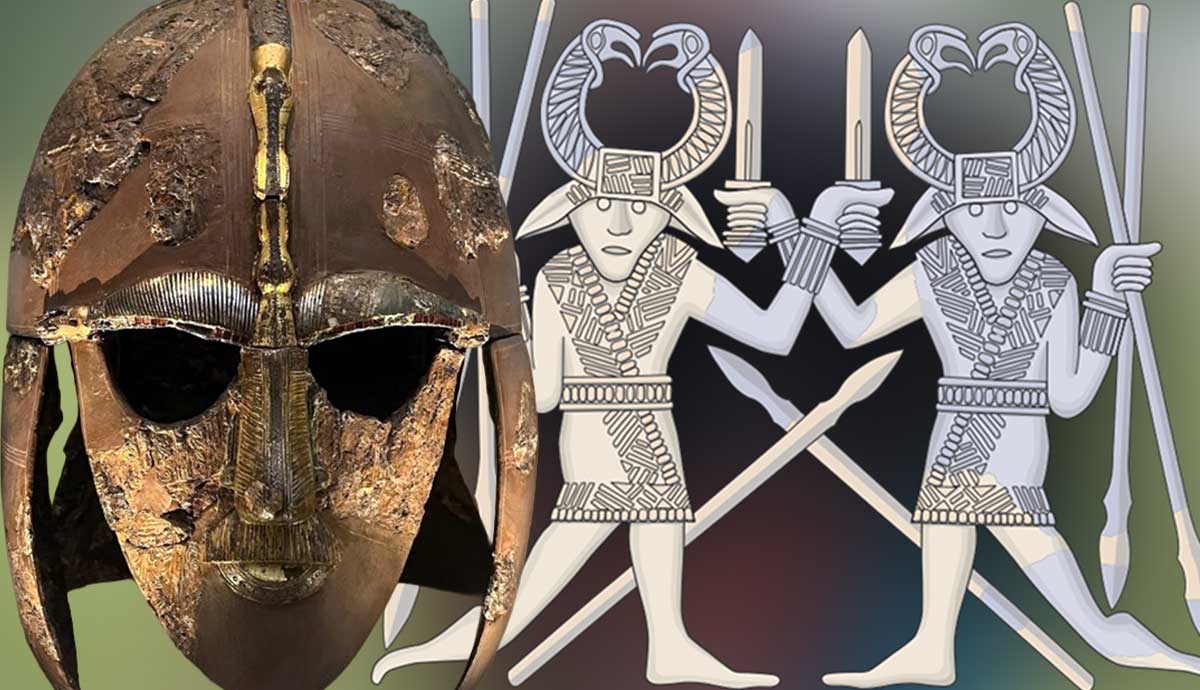
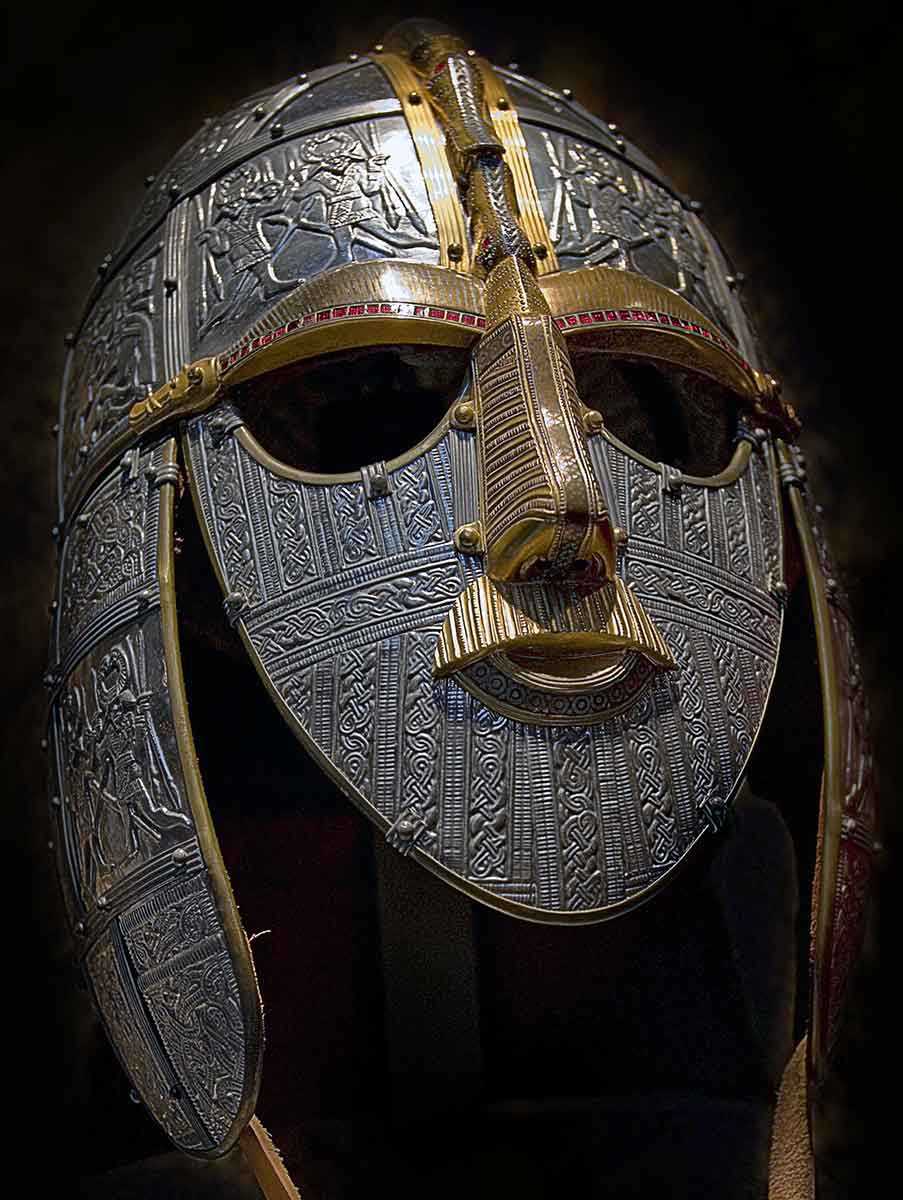
The ship contained all manner of domestic items, seemingly lifted directly from a feasting hall, including a silver dish and bowls, a cooking cauldron, wooden cups, and drinking horns. Then there is the extraordinary Sutton Hoo helmet, which was both perfect for the battlefield and finely crafted with jewels, gold filigree, and intricate decorations of battlefield and mythological scenery.
Given how lavishly the grave was furnished, it is clear why such ship burials are so rare. Indeed, Mound 1 is a textbook example of an Anglo-Saxon “princely burial.” A funeral tradition that arose from the late 6th century, wherein the graves of royal families became far more lavish in parallel with Anglo-Saxon society and politics becoming more overtly monarchical. Even so, the treasures found in the other graves are no mere trifles.
To Honor the Dead
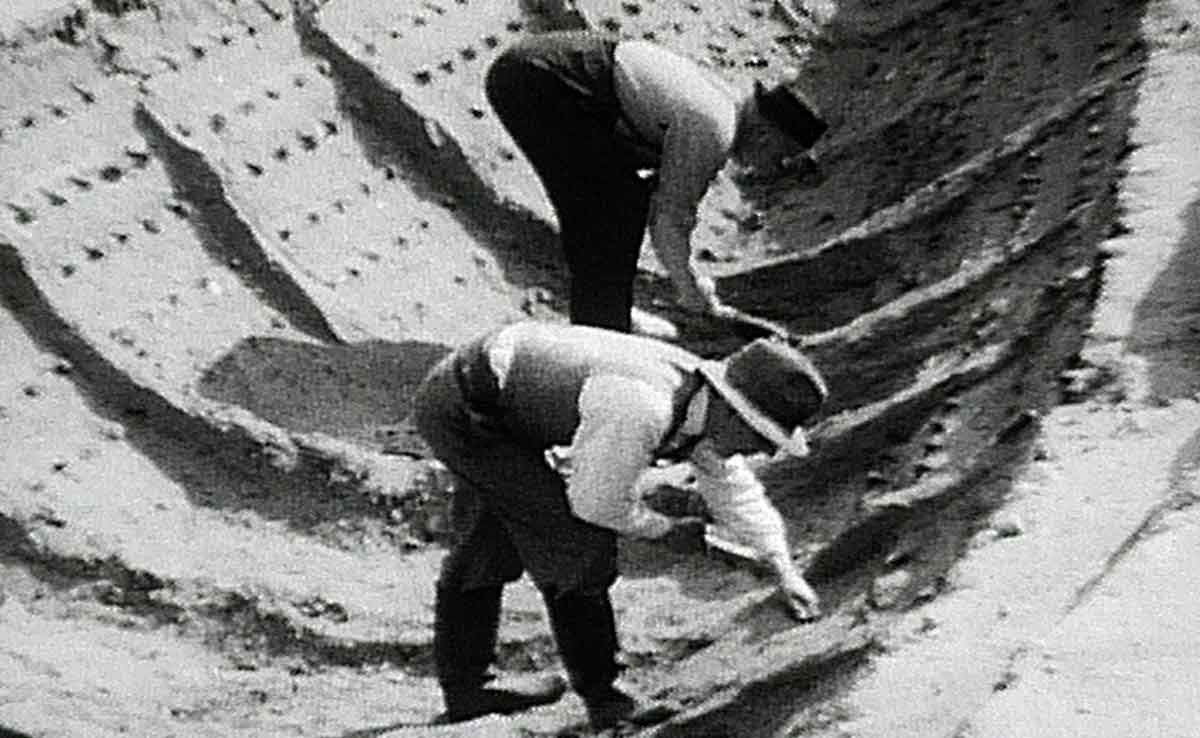
All the items found at Sutton Hoo, from the fantastical to the mundane, were of good quality and value. Some show signs of many years of use and care by their owners. Even Mound 1’s ship was a fully functioning vessel that appears to have been used for many years. They also all served the same purpose: to honor the dead and serve them in the next life.
These were items that would be missed, just like the deceased, possibly seen as a sacrifice to the dead in their honor by the living. This is especially true of the weapons and armor found in many of the graves.
Such objects were not only highly valuable but likely held significance as items to own, donate, and (by extension) be given to the dead for the next life. In the Anglo-Saxon epic poem Beowulf, the eponymous hero often received gifts of weapons and war gear in thanks for his deeds and in a display to show the wealth of his benefactors. Likewise, on Beowulf’s death, his followers lavished him with similar items in his honor, including a helmet not too dissimilar from that found at Sutton Hoo.
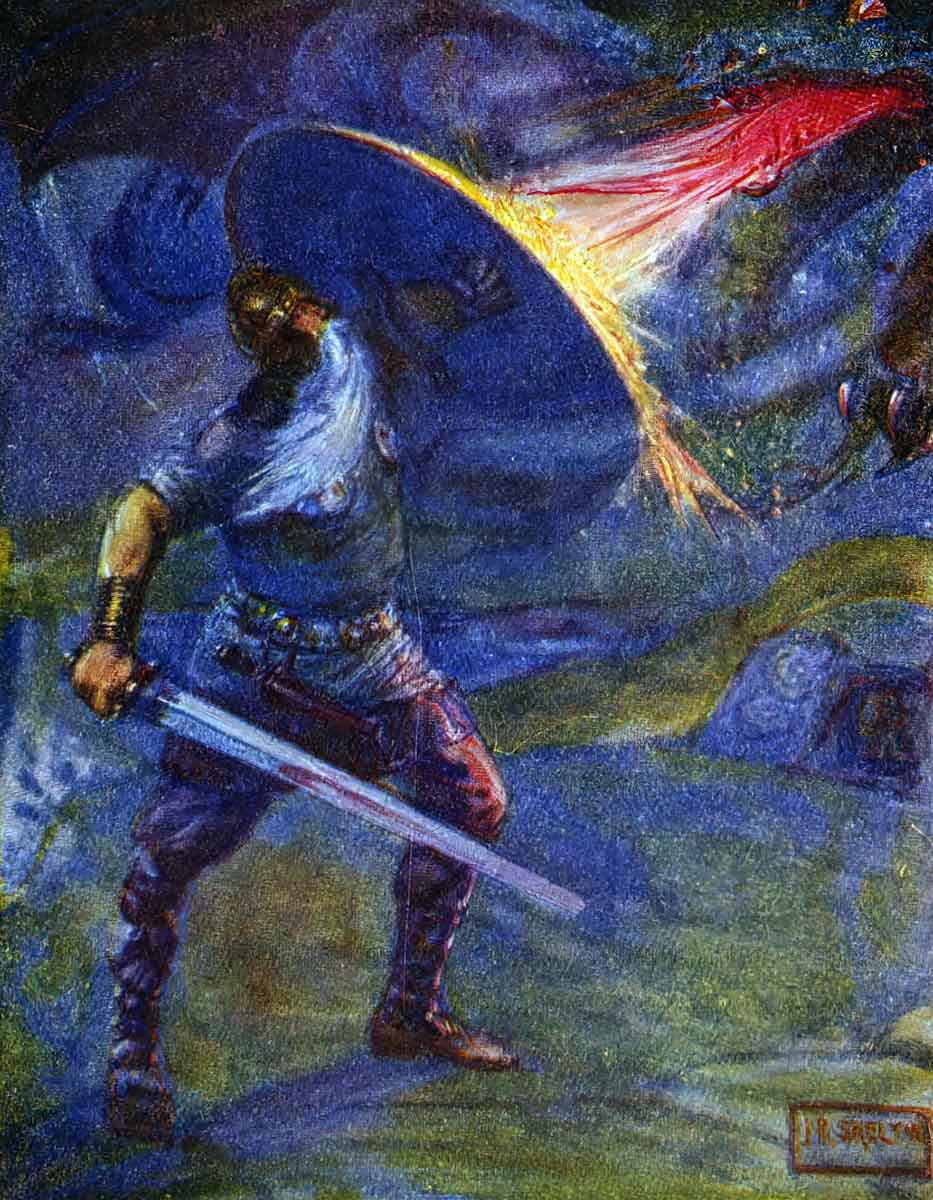
To some degree, this idea of gifting objects in sacrifice to the dead is true of all cultures with grave goods. However, it supports the idea of “the fame” of the dead, found across Norse and Germanic cultures like the Anglo-Saxons. That is, the belief in endurance after death through remembrance.
This idea of everlasting fame is common in Scandinavian sagas and appears too in Beowulf. “Let him who can win glory before he dies: that lives on after him, when he lifeless lies.” Yet this fame was not just for the living. Again, from our understanding of Norse paganism, this fame (or the good name of the dead) was a crucial part of the glory required for a worthy afterlife.
Certainly, Rædwald would have earned that fame. During his reign, East Anglia became arguably the most powerful of the Anglo-Saxon kingdoms. The Anglo-Saxon Chronicle even listed him as one of the eight Bretwalda, or rulers over all of Anglo-Saxon England, though more likely their power tended toward soft power hegemons rather than outright rulership. As such, he was buried with all the ceremony such fame earned him, with items to honor his memory and to take with him to the afterlife.
Parallels With Scandinavia
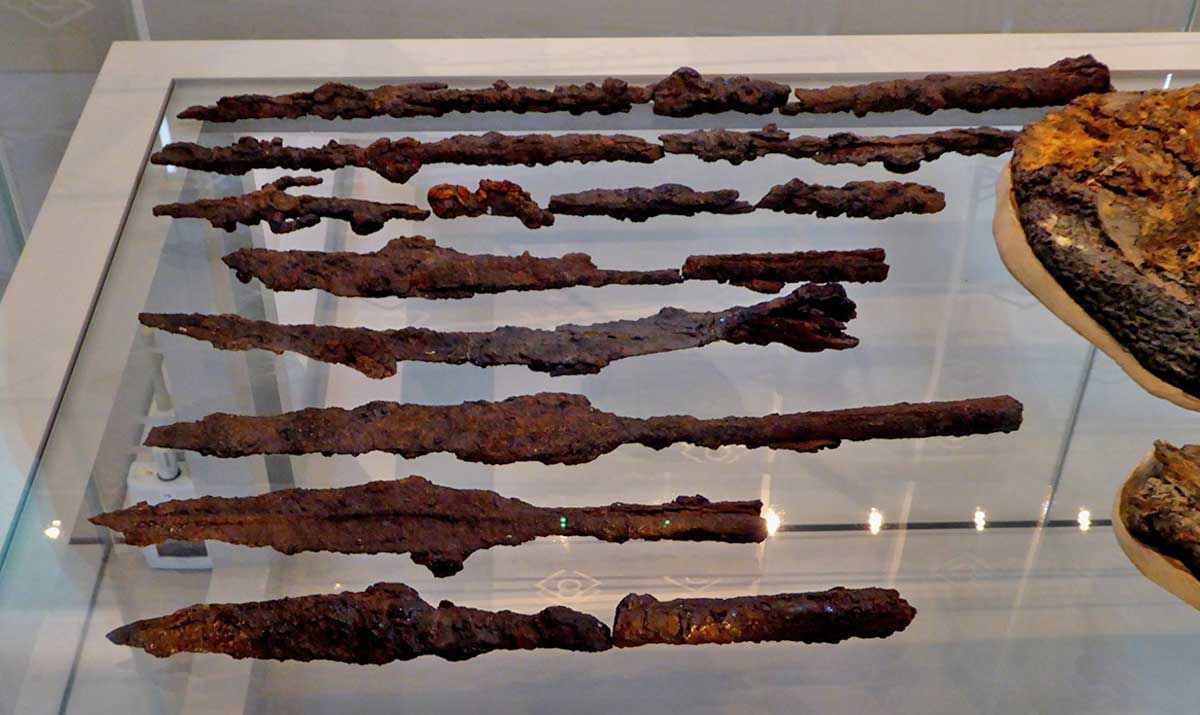
As Germanic pagans, the Anglo-Saxons almost certainly held beliefs around death and the afterlife similar to their cultural cousins in Iron Age and later Viking Scandinavia. As such, the buried goods, like clothes, tools, game pieces, and similar accoutrements, were almost certainly intended to be of use or comfort to the deceased in the next life.
Naturally, those of greater social standing would go to the afterlife with more goods of better quality. The horse in Mound 17, for example, may have served its master in the afterlife. Meanwhile, Mound 1’s dazzling array of goods would have provided Rædwald, or Rægenhere, a very comfortable afterlife. Furthermore, some of the weapons show signs of damage before burial. This indicates they may have been ritually “killed” to go alongside their deceased owners into the afterlife (and in practical terms, made them useless for reuse by grave robbers).
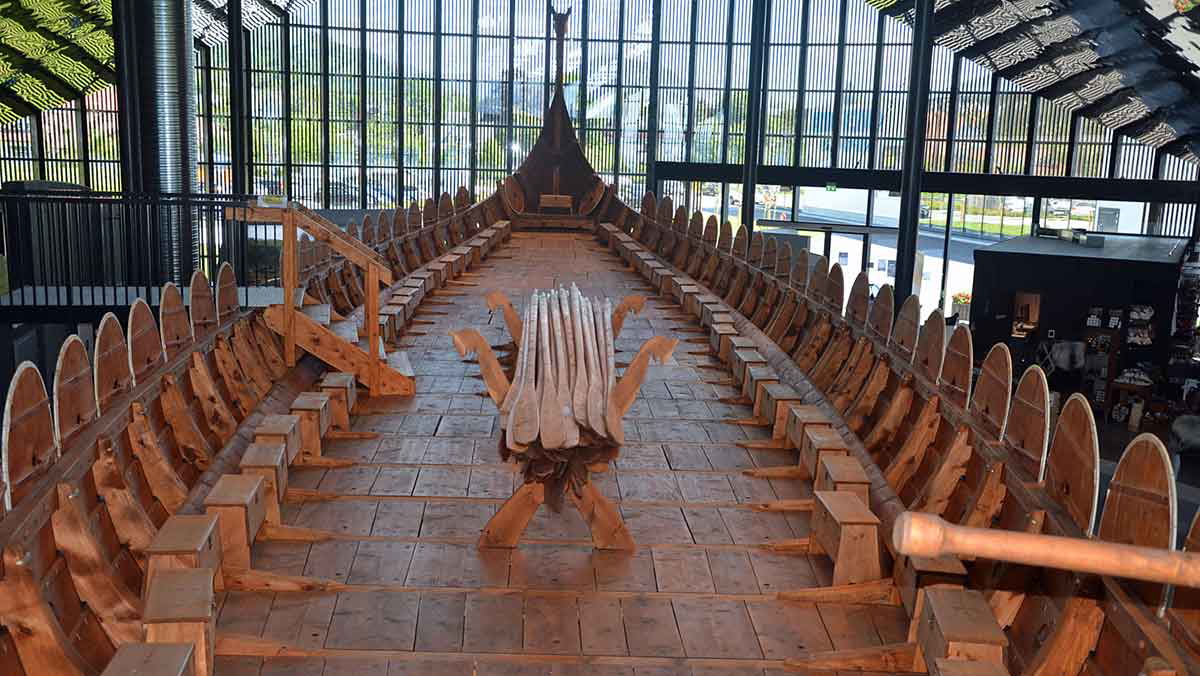
On the topic of weapons, their prevalence in the graves suggests the Anglo-Saxon afterlife was likely somewhat violent. This neatly parallels what we know of the afterlives of their cultural cousins in Scandinavia, where evidence of burial rituals like those at Sutton Hoo abounds.
Ship burials such as Norway’s Mykelbust ship, dated to just a few generations on from Sutton Hoo, show extraordinary similarity with the Sutton Hoo ship regarding goods, ritual, and intent. The best parallels, though, are from Sweden’s Vendel ship burials in Sweden, near contemporary with Sutton Hoo and boasting yet more similarities with the English tomb. The most crucial parallel is the magnificent Vendel helmets, which share much in their design and decoration with the Sutton Hoo helmet. In fact, such are the similarities between the two graves that a connection between the East Anglians and the Vendel Swedes is almost beyond doubt.
Given this obvious connection in practices, it is therefore quite easy to argue that the beliefs and rituals of the Anglo-Saxons mirrored those of their Scandinavian cousins. No doubt the great Anglo-Saxon warriors and kings were set for an afterlife of glory and combat in their version of Valhalla or the Fields of Freya.
Without the literary equivalent of the Viking Sagas, the details of the Anglo-Saxon warrior afterlife cannot be explored with equal certainty. However, the similarity in the archaeological finds helps paint a picture of death as a journey. A journey to an afterlife accompanied by objects precious in life to complement the good name of those who passed.
A Pagan Tomb, a Christian King
The magnificent ship burial would serve Rædwald or Rægenhere well in the afterlife. While the mound loomed over passersby as a reminder of the importance of the next life. Yet it is surprising such a magnificent pagan mausoleum was completed at all, considering Rædwald’s apparent religious convictions.
Though born a pagan, Rædwald converted to Christianity after accepting missionaries from Kent. Furthermore, this conversion seemingly took place before the tomb was constructed, regardless of whether it was for him or Rægenhere. So it must be asked, why did a Christian convert permit himself or Rægenhere to be buried with all the trappings of an ancient pagan king?
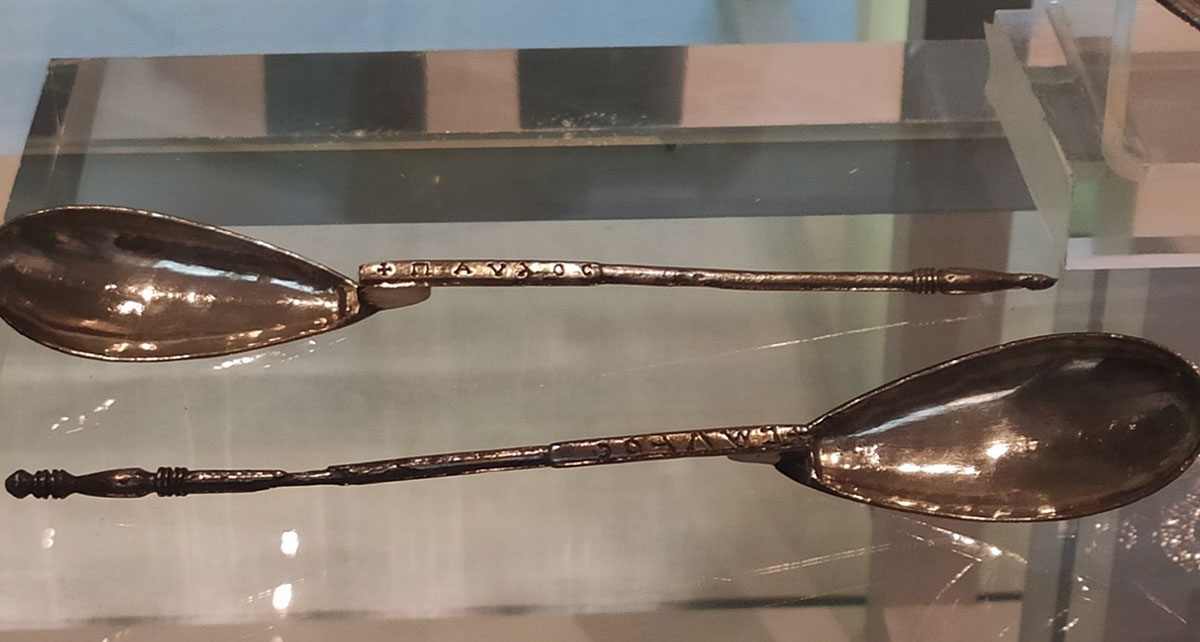
It should be noted that Rædwald’s commitment to Christianity is debated, as he allegedly kept a pagan altar for his wife, alongside his Christian one. It is possible he kept to these bet-hedging ways even in death, giving himself a pagan burial alongside some Christian iconography (specifically a set of christening spoons found in the ship). It could also be as mundane as the lack of consecrated ground required for a Christian burial.
Additionally, Rædwald’s successor, his second son Eorpwald, began his reign as a pagan, and so may have wished to honor his father in the old way. Whatever the case, it appears that the last Anglo-Saxon cultural clue revealed by Sutton Hoo is of a society at the crossroads of major religious and cultural change. Even while the kingdom slowly began embracing a new religion, the East Anglians at least still held some of their ancient traditions and rituals in high esteem.
This fascinating sense of transition is not solely found in the coincidence of Sutton Hoo and its Christian king, either, for once again, Beowulf provides a fascinating supporting parallel. Though ostensibly an outspokenly Christian tale, populated with many Christian references, Beowulf was buried, as has been noted, in a manner highly similar to the Mound 1 ship burial. Although, whoever was buried there, they (unlike Beowulf) were not cremated with their treasure, nor did they probably meet their end fighting a dragon. On the balance of probability, at least.
What Does Sutton Hoo Reveal?
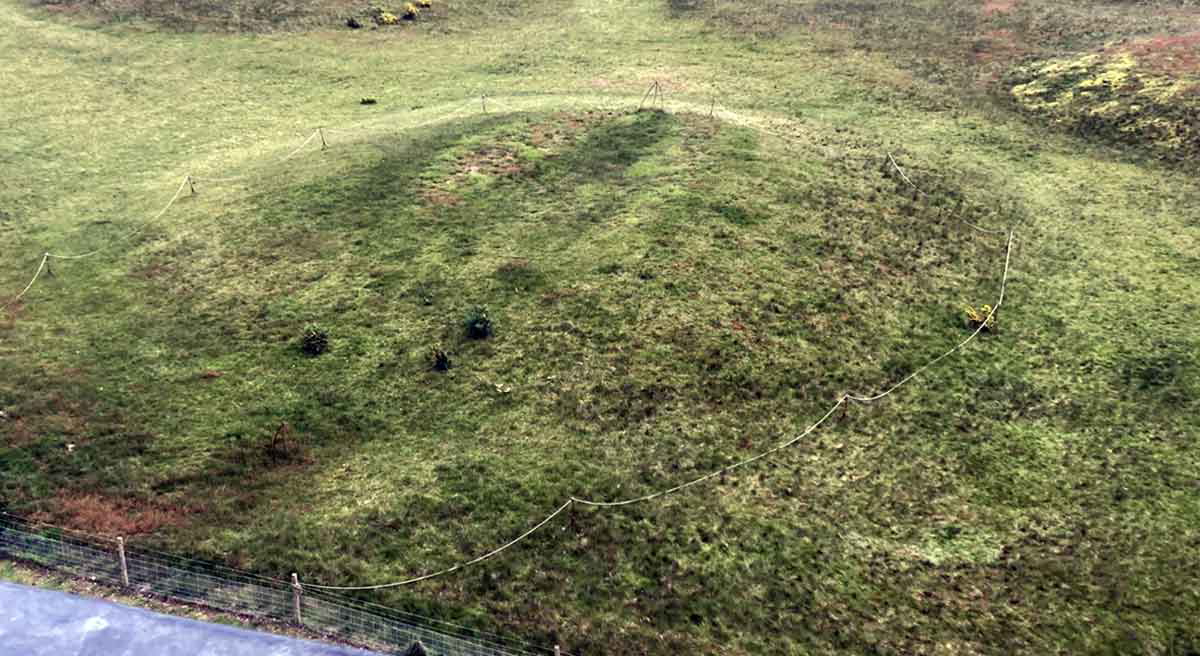
While the ship burial denotes that the old ways maintained their prominence in the face of Christianity’s arrival, the lack of any further additions to the site suggests it was a last hurrah, rather than an ongoing transition.
Though East Anglia would have one or two more pagan rulers, the new religious movement was not reversed. Archaeologists have noted a sharp drop-off in Anglo-Saxon grave goods from the seventh century onwards, and while this change is believed to have causes outside the new religion, it is clear that Sutton Hoo’s most famous burial was a finality. The magnificent ship burial was, perhaps, a last hurrah of the old pagan traditions, before new ways of thinking and new rituals regarding death took hold.
Even dragging the ship from the river to its burial site would have been a noteworthy spectacle, given the considerable time, effort, and resources required.
In this final tomb, Sutton Hoo reveals the cultural changeover of the Anglo-Saxons. The magnificent ship burial and the variety of other graves surrounding it demonstrate the Anglo-Saxon dedication to their deceased and connection to an afterlife closely linked to their Scandinavian cousins. It demonstrates the importance they held in providing goods for the afterlife that held significance in life and in honoring their dead with customs and displays that spoke to their traditions and beliefs. Then, for one last time, these traditions were celebrated in the memorialization of their royal dead in a most magnificent tomb.
Yet in the end, the magnificent mounds overlooking East Anglia’s royal hinterland would cease to hold sway as a new religion took hold. The great and famed persons would lie unremembered and undisturbed in their resting places for almost 1,300 years before their majesty would be unearthed.