
Each color evokes and represents certain qualities. Blue, grey, and black have long been considered colors of sadness and melancholy. Blue is the cold winter hours, permeated with rain mirroring our tears. Grey is the sunless morning sky, the featureless grief we often experience. Black is death, the absence of all colors, a going inwards into the abyss of separation. We explore why we associate each of these colors with sadness and melancholy.
How Blue Impacts Our Emotions
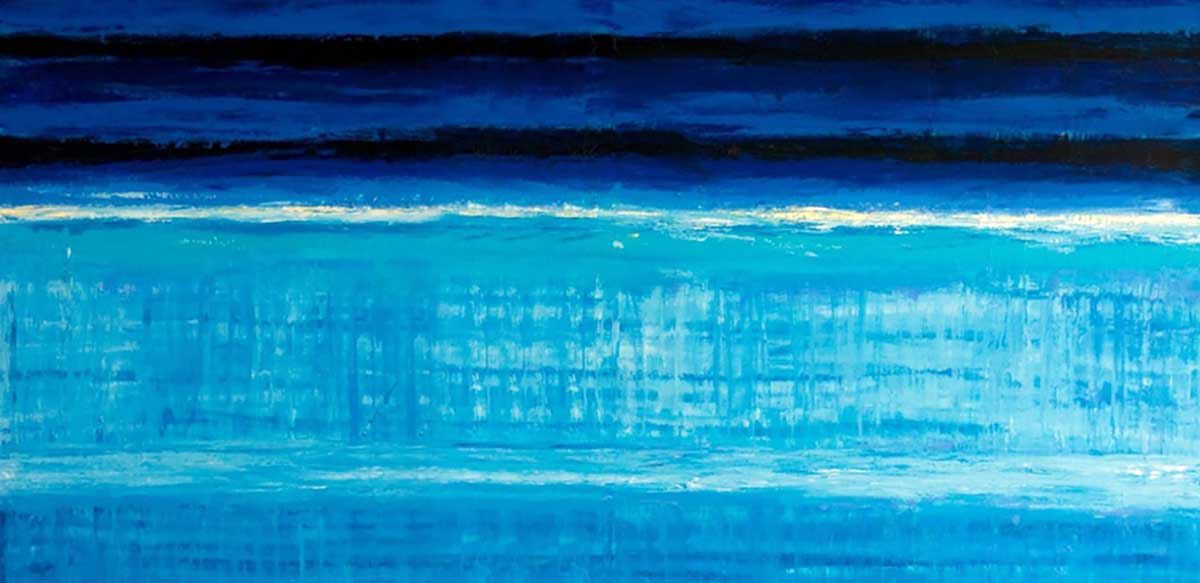
Blue significantly impacts our emotions. As the color of water, blue has long been associated with the fluidity of our emotional states. The cool color temperature of blue stimulates our emotions on a neurological level. According to an MRI study, the color stimulates the hippocampus, responsible for our memories, the hypothalamus, responsible for our biological rhythms, and, most importantly, the amygdala – the part of your brain that processes and regulates emotions. Every day, we are exposed to blue through sunlight, which is essentially blue light. During daytime, blue light can boost our mood and productivity and help us regulate our emotions.
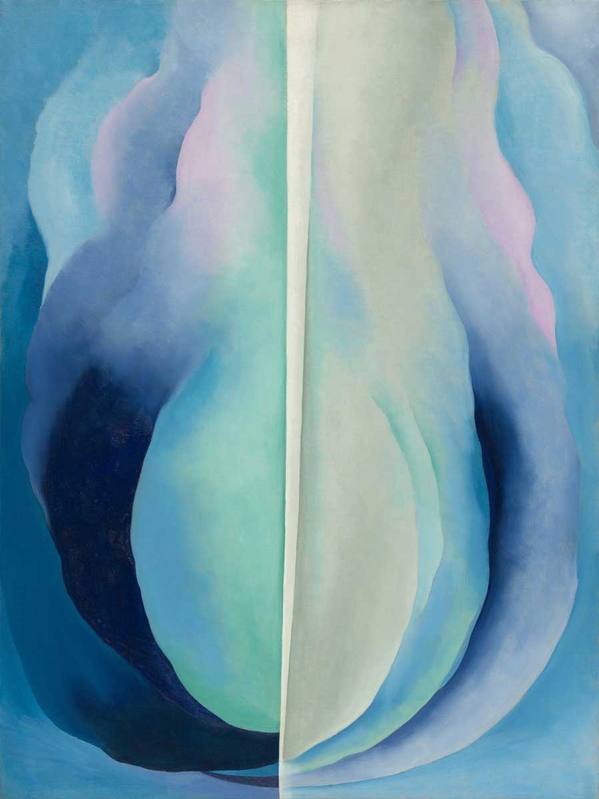
We can only wonder why such a typically positive and serene color came to be associated with sadness, becoming even a synonym for it! Blue is a deeply emotionally stimulating color, as evident in studies on its neurological impact on our brain’s emotional center. While it can make us feel content, it can also make us feel sad, depending on the context. Most importantly, the depth of the emotional impact of the color blue resonates with the depth that often characterizes our experience of sadness.
If our emotions are like water, sadness is a deep blue ocean. The cool temperature of the color resonates with the shivers of isolation, the coldness of distance, and the gloominess of sorrow. For centuries, blue has been the color of sadness and melancholy par excellence. In literature, media, and even casual conversations, the phrase ‘I’m feeling blue’ is one of the most natural ways we express these feelings.
What the Color Grey Represents
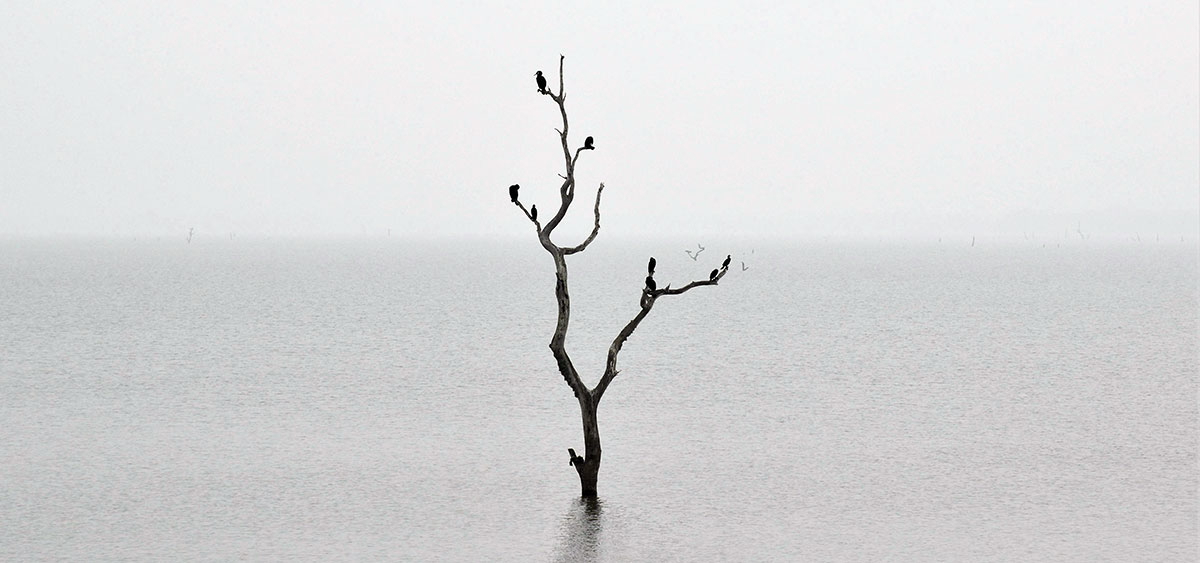
Grey represents sadness, depression, and despair. If blue is the deep ocean of melancholy, grey is the gloomy sky, devoid of hope. The color evokes a distinct flavor of sadness, characterized by apathy, disinterest, and depression. Being a neutral color, grey is not as emotionally stimulating as blue, making it an ideal candidate for representing the kind of sadness that is low in intensity and numbing, such as the one experienced in depression.
In a study conducted in 2020, Achint Kaur hypothesized a link between low-energy emotions, such as sadness, and neutral colors, such as grey. He found that participants “associated grey with depression and sadness”. Certainly, the neutrality of grey reflects the featurelessness that paints our states of sadness and despair. The phrase “everything is grey” evokes this sentiment. Intuitively, we associate it with these moments when life loses all the colorfulness that animates it.
What Black Represents

Black represents grief, absence, and melancholy. Black is the color we choose when we mourn our loved ones, paint our sorrows, and express the piercing feelings of melancholy and grief. It represents the dark night of the soul – a confrontation with the dark unknown. Black not only evokes a sense of absence but also physically represents that absence as an absence of light – it absorbs all the colorful wavelengths of physical light. Although black can also represent mystery, the unknown, and even sophistication, our cultural associations (e.g. funerary rites) reinforce its association with these painful emotions and experiences.
Whether it’s black, grey, or blue, we all have our preferred color palette when it comes to sadness and melancholy. After all, the interplay of colors and emotions is a deeply intimate and personal affair. Out of all colors of the visible light spectrum, to which are you most drawn when you are feeling sad and melancholic?