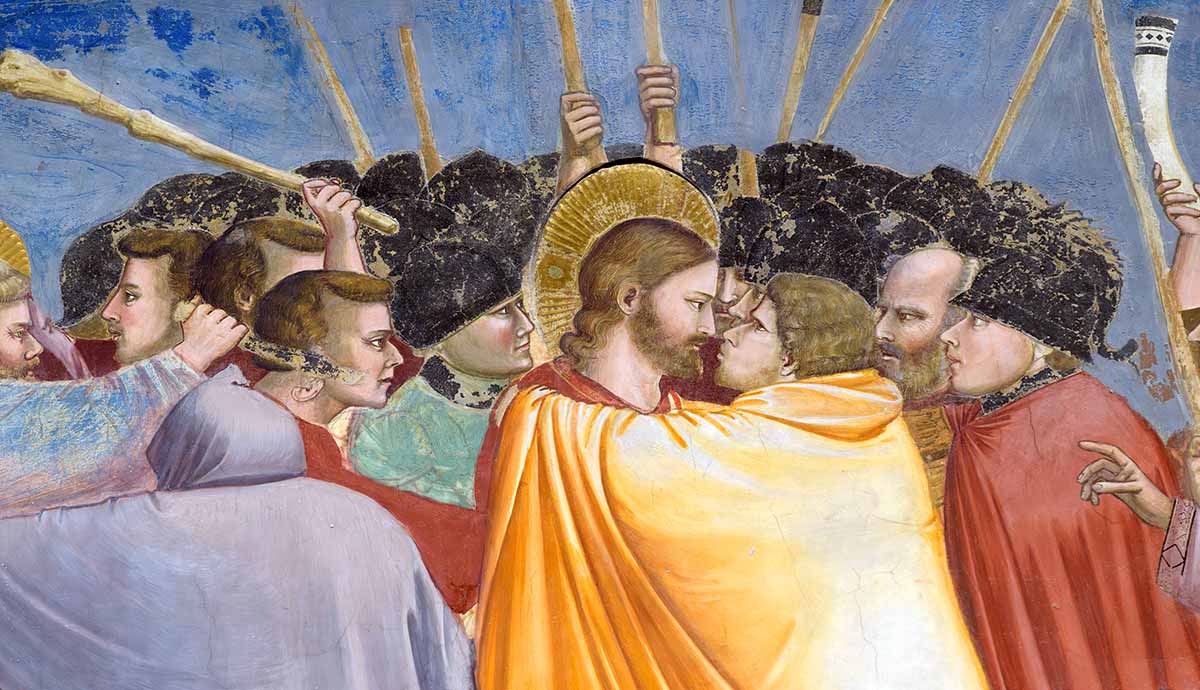
Jesus’ Olivet Discourse and debates with the Pharisees on Tuesday might have been the final nail in the proverbial coffin. While Jesus has always upset the religious leaders with his pointedness and obvious disdain for their traditions and systems, the words Jesus spoke on his last Tuesday were harsher than ever before. Not only did Jesus predict his death and resurrection, he also mentioned who would kill him.
The Holy Week Timeline
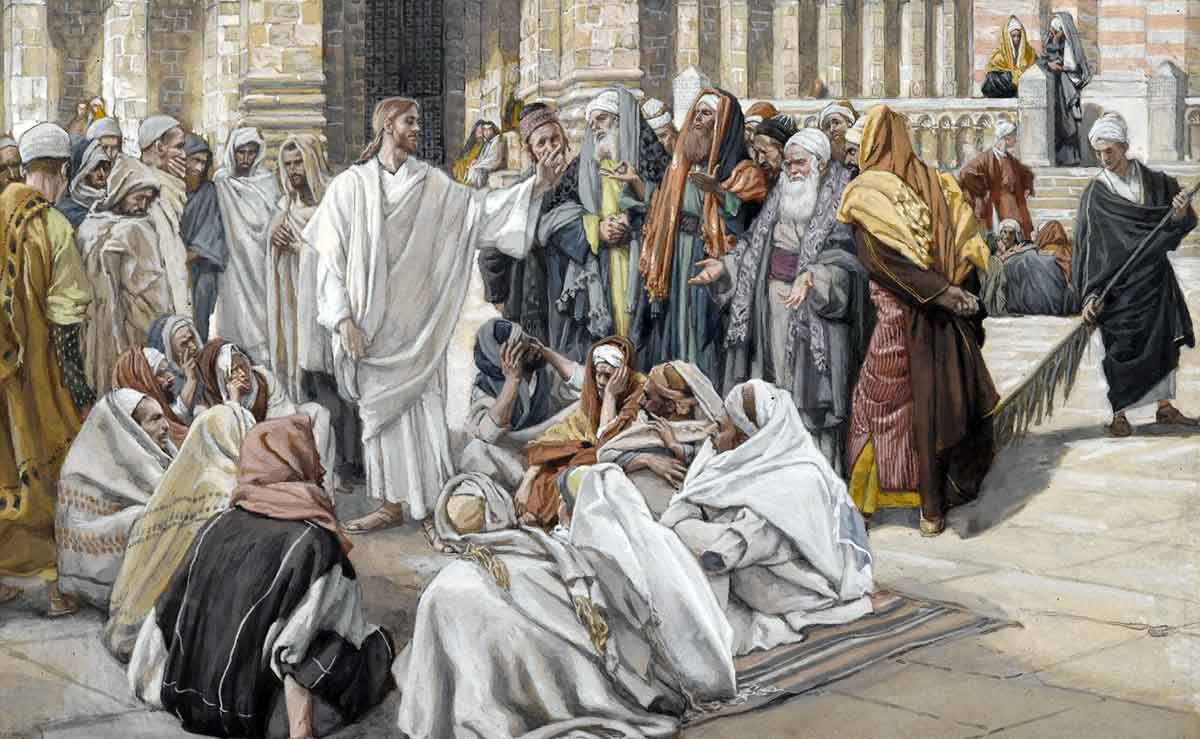
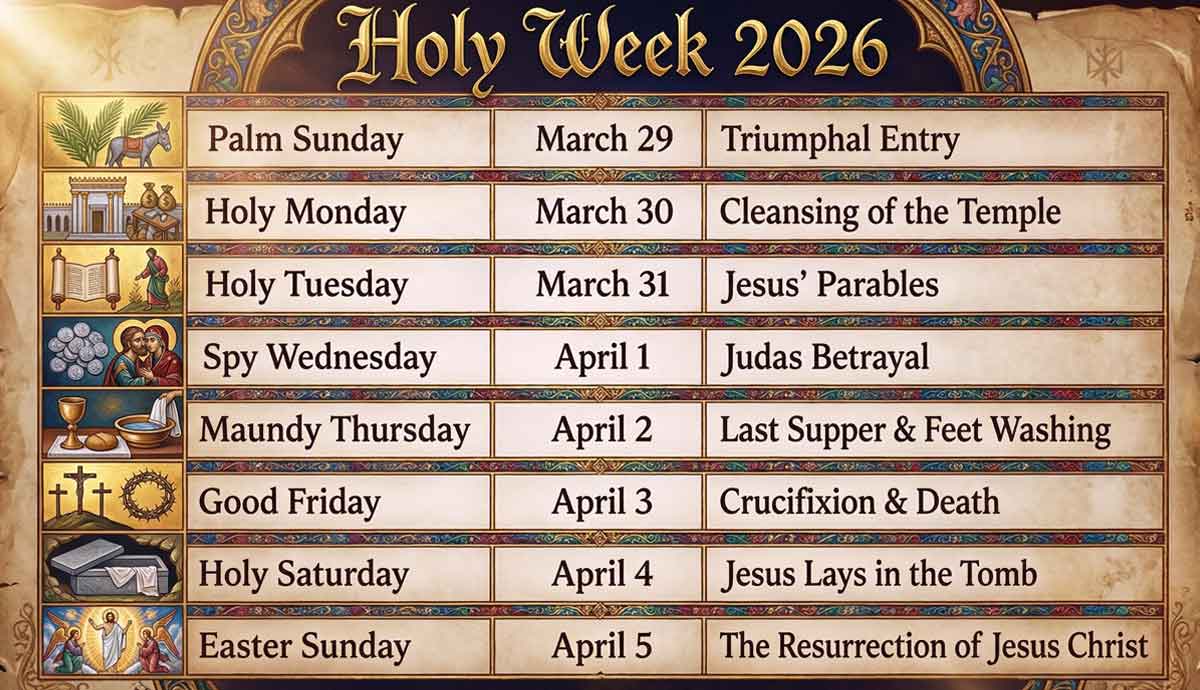
The timeline of Easter can be tricky to grasp and the events fit together like pieces of a much larger puzzle. Just as with a puzzle, it can be helpful to organize similar colors together and familiarize yourself with the bigger picture before we begin…
- On Palm Sunday, Jesus Christ entered Jerusalem riding on a colt. The crowds sang his praises and declared he was indeed their long-awaited Messiah.
- On Monday, the atmosphere shifted when Jesus entered the Temple and started throwing out those who were selling goods.
The tension rises on Tuesday morning when the chief priests, elders, and scribes challenge Jesus’ authority in front of all the people. They insinuated that he was not sent by God but rather received his powers from elsewhere, like dark magic.
Jesus asked them a question they could not answer and proceeded to predict that they would kill him soon, so they left.
Jesus Debates with the Pharisees
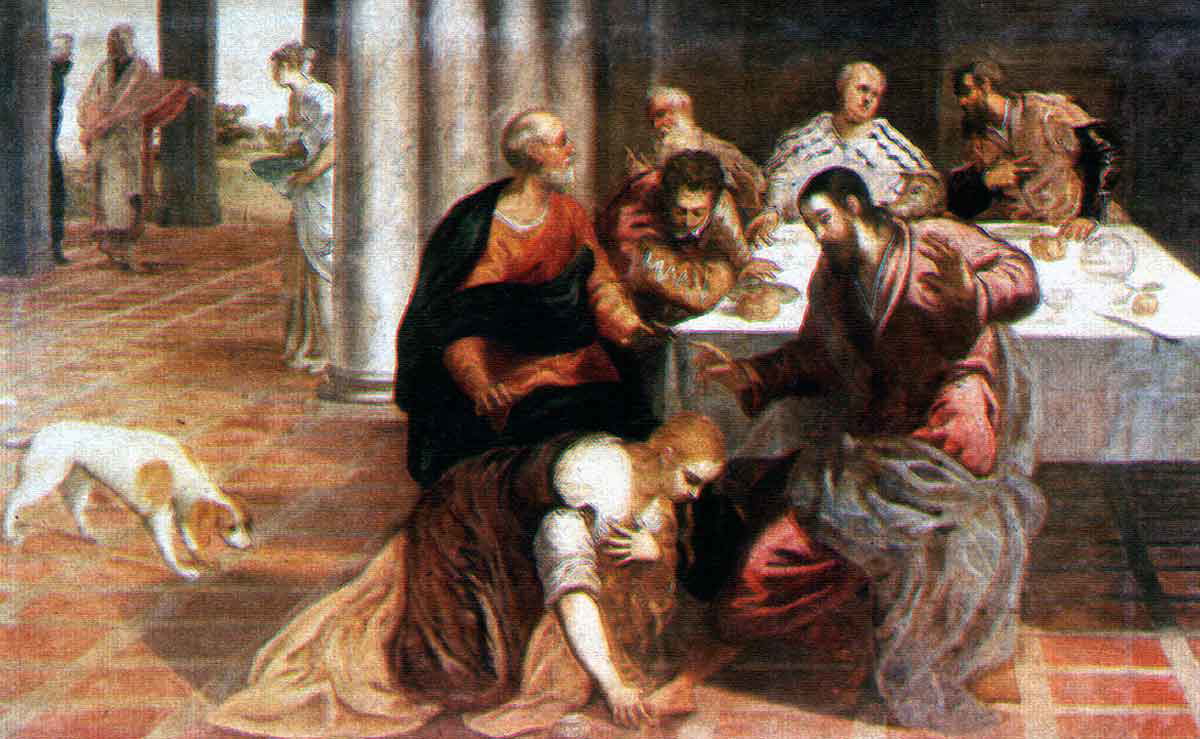
The religious leaders disliked Jesus because of his obvious disdain for their traditions and systems, but they also feared his popularity and what he could do to their social and economic standing.
Then they sent Pharisees and Herodians to try to trap Jesus. In short, they wanted him to say something incriminating so that they would have grounds to arrest and kill him. Jesus knew the Pharisees were being hypocritical in their questioning of him and cleverly evaded their trap.
Desperate to catch him, the Sadduccees stepped up next. They brought up some technicalities of Moses’ law and ethical dilemmas, trying to get Jesus to say the wrong thing, but he ducked from their blows.
Finally, one of the scribes approached and asked Jesus one last question: “Which command is the most important of all?” Jesus answered correctly and then warned the crowds against the Pharisees, Herodians, Sadduccees, and the scribes.
The Olivet Discourse
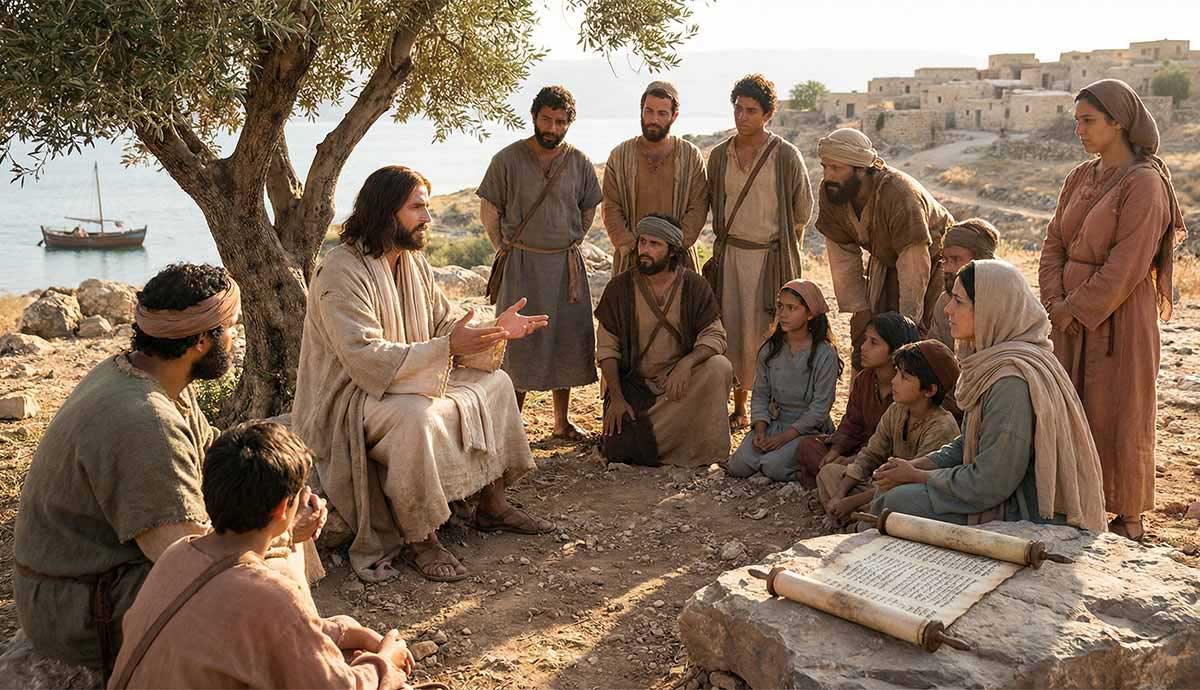
That was when Jesus left the Temple and walked over to the Mount of Olives. There, he spoke intimately to his closest disciples, telling them of what would happen before God’s Kingdom comes. In the Christian tradition, the aim had always been that God would live with his people again, just like he did in the Garden of Eden.
These warnings are what Theologians would describe as ‘apocalyptic literature’. Baker’s Dictionary defines this as a “type of biblical literature that emphasizes the lifting of the veil between heaven and earth and the revelation of God and his plan for the world. Apocalyptic writings are marked by … prediction of future events … , often involving vivid symbolism.”
It’s helpful to remember why Jesus was telling them these things. Sitting in the olive grove, he comforted his disciples that only God knows when that time will come.
What Came Next on the Easter Timeline?
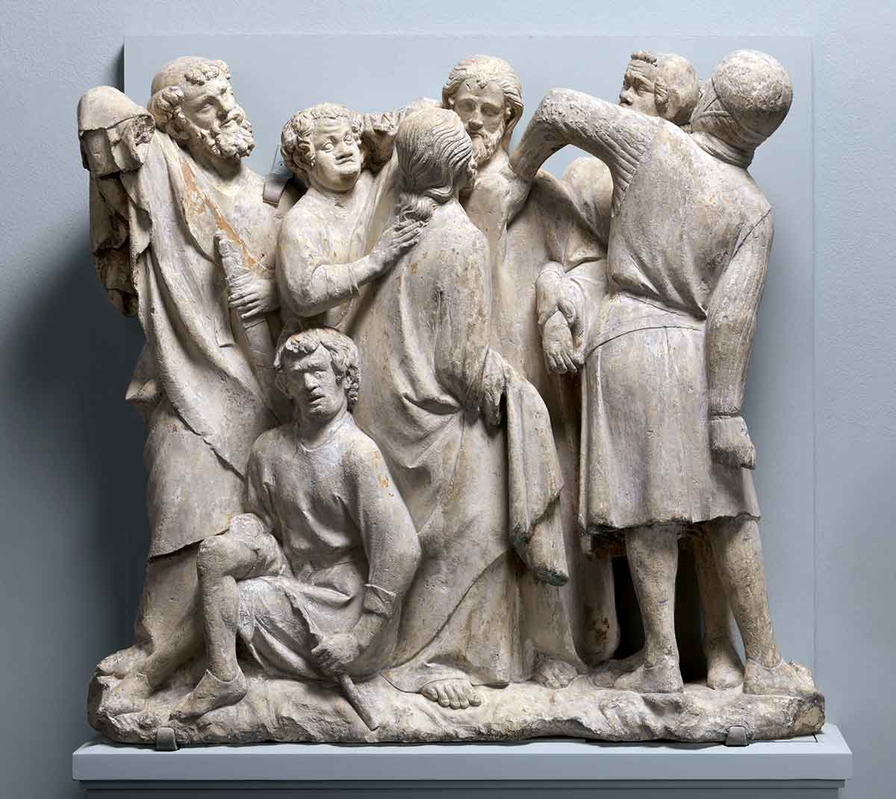
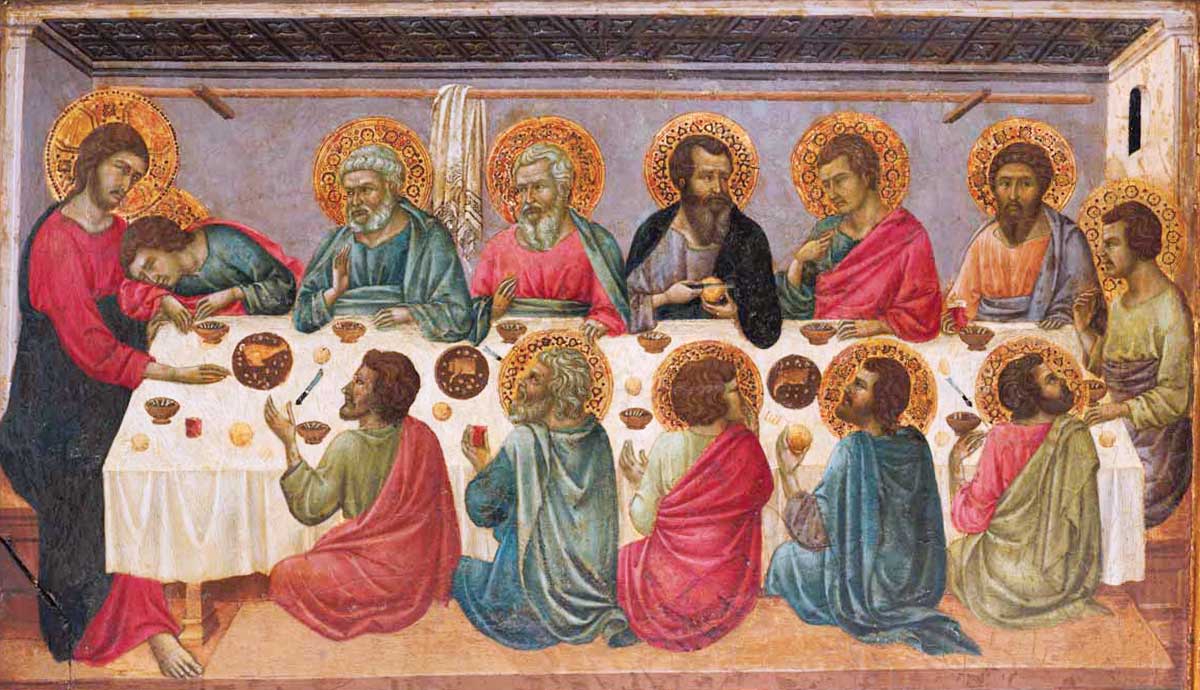
After Tuesday’s debates with the Pharisees and the Olivet Discourse, Holy Wednesday followed. On Thursday, Jesus had the Last Supper and was arrested. Friday was his unfair trial and crucifixion. After three days, Scripture says that Jesus Christ resurrected from the dead and appeared to many people over the course of forty days. Then he gave them the Great Commission and ascended into Heaven.
Jesus knew who would kill him and how they’d turn against him, yet he still engaged with their questions on Tuesday. On Friday, during his trial, he did not answer them and the prophet’s words were fulfilled:
“He was oppressed and afflicted, yet he did not open his mouth; he was led like a lamb to the slaughter, and as a sheep before its shearers is silent, so he did not open his mouth.” – Isaiah 53:7