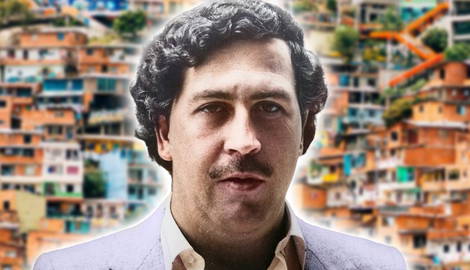
Pablo Escobar was a notorious drug trafficker from Colombia who led the Medellin cartel. Born in 1949 in a lower-middle class family in Rionegro, Colombia, he spent his formative years in Medellín, Colombia’s second-largest city. At its peak, his cartel dominated as much as 80 percent of the US cocaine market. In the 1980s and 90s, he gained notoriety for battling the Colombian government in an effort to block the extradition of Colombian criminals to the United States.
Besides the infamy, he also used vast sums of his money to fund community projects, such as sports grounds, schools, and housing projects for the poor communities in Colombia. A polarizing figure, many regarded him as a criminal who terrorized the entire nation while others viewed him as a modern-day Colombian Robin Hood.
Pablo Escobar and the Medellín Cartel
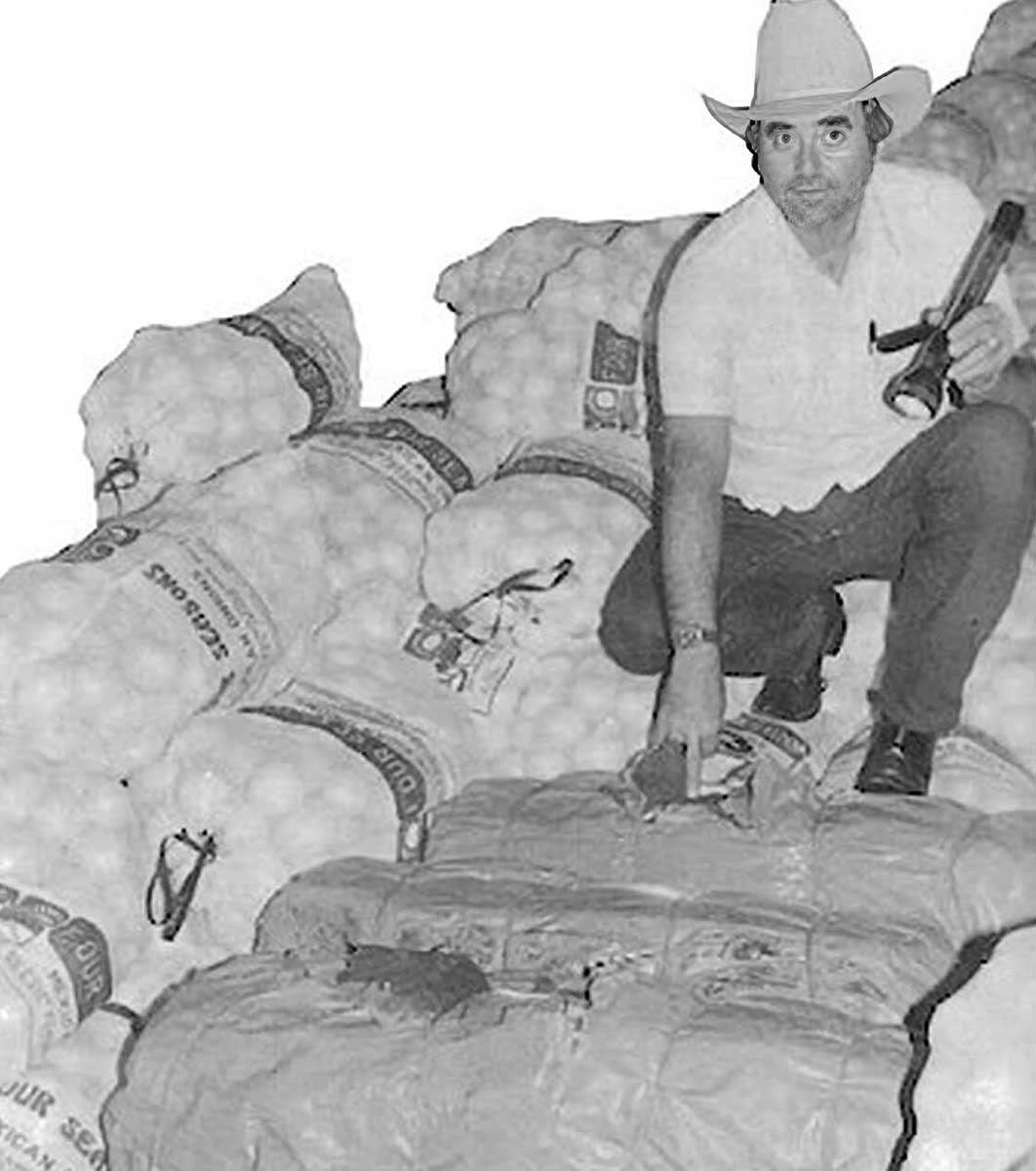
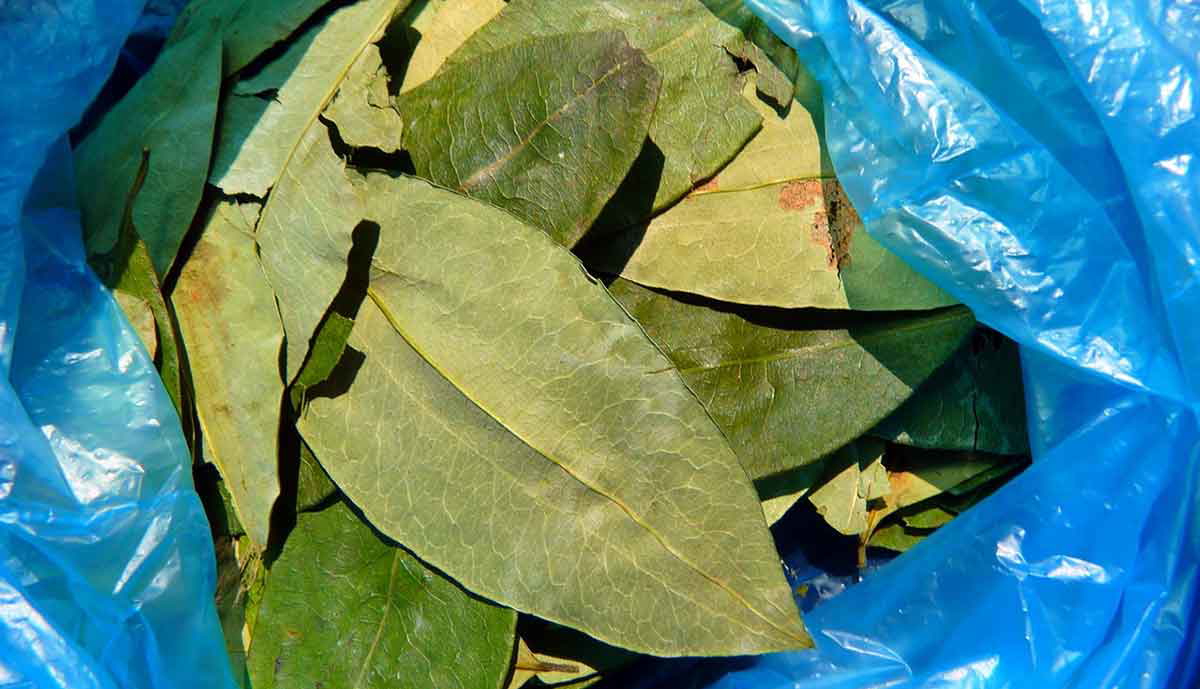
Pablo Escobar established the Medellín Cartel, a sophisticated narcotics trafficking network in the 1970s. While the cartel’s swift ascent was unprecedented, it was propelled by several unique factors. One of them was that the group had a dependable supply system that enabled it to meet America’s outsized cocaine demand. For example, it operated an airplane fleet that shuttled between Peru and Bolivia, where much of the coca – the raw material for cocaine production was cultivated, and Colombia – where coca processing facilities turned the raw material into paste.
The group also established a transshipment point on a private island in the Bahamas called Norman’s Cay. There, airplanes from Colombia loaded with cocaine would refuel and continue their journey to America.
As the trade flourished, it drew the attention of the Colombian government. To avert the pressure, Escobar’s cartel adopted a Plata o plomo (silver or lead) strategy. It gave politicians and law enforcement officials a choice to either accept monetary compensation (silver) or face violence (lead). Some chose bribery while others opted to go against the cartel and risk assassination.
Violence in Colombia
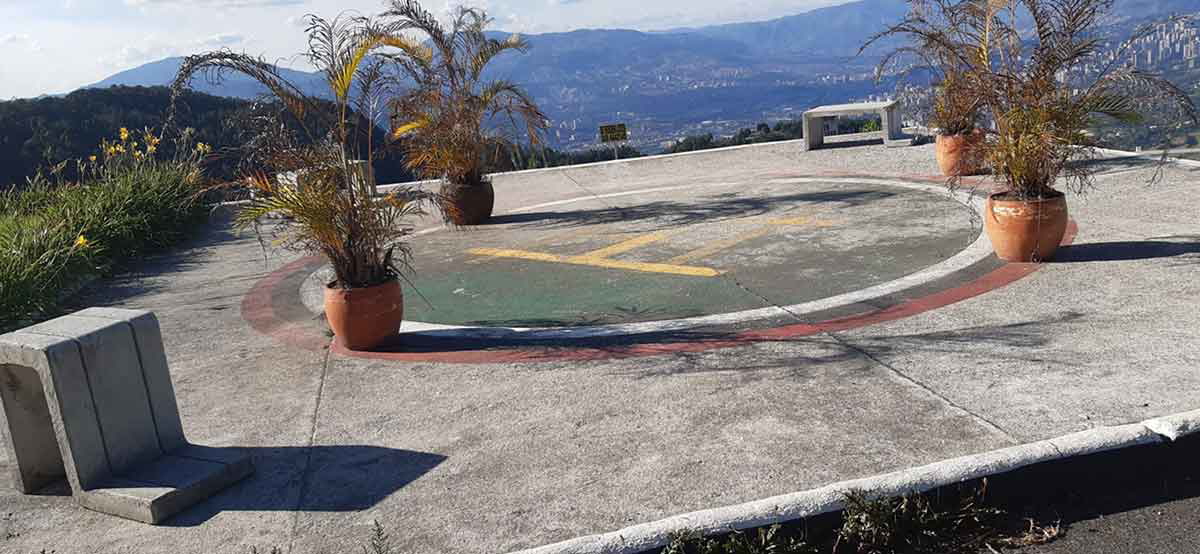
In the 1980s and until his passing in 1993, Pablo Escobar and the Medellin cartel unleashed a wave of violence and destruction in Colombia in a bid to pressure the government to forgo enacting an extradition law allowing the transfer of Colombian criminals to the US. As a result, Medellin’s murder rate skyrocketed, reaching 381 deaths for every 100,000 residents in 1991. Thousands of people lost their lives in the city during that year. Escobar targeted politicians, journalists, and members of the judicial system, among others.
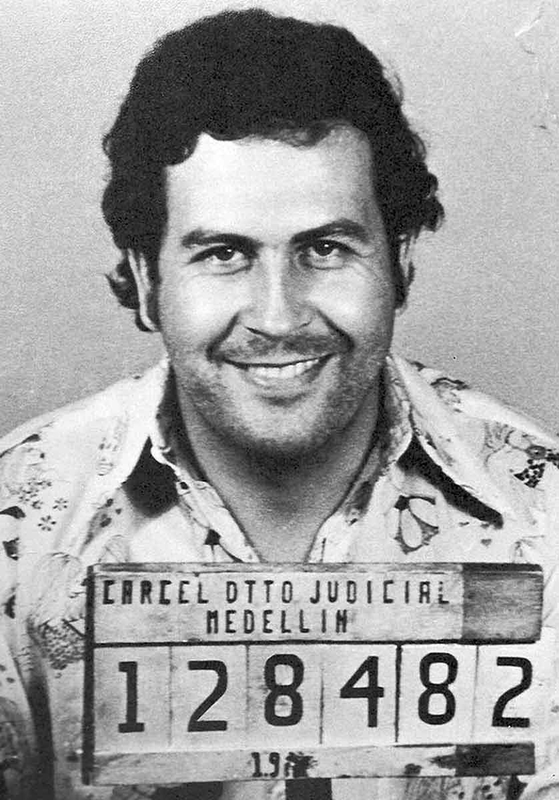
In June 1991, Escobar turned himself in to the authorities after a nationwide manhunt. One of the preconditions of his surrender was that he would stay at a luxurious, private prison. Furthermore, he would have handpicked men guarding the premises which was named La Catedral. While in the prison, Escobar continued to run his drug empire.
In July 1992, Escobar fled the prison, triggering the largest manhunt in Colombia’s history. The situation prompted the DEA to aid the Colombian National Police in the search for the drug lord. On December 2, 1993, Escobar was tracked down to a suburban neighborhood in Medellin using advanced geolocation technology provided by the US. Surrounded by Colombian authorities, Escobar and his bodyguard attempted to flee the location by running across the rooftops of houses, but were shot and killed.
Who Killed Pablo Escobar?
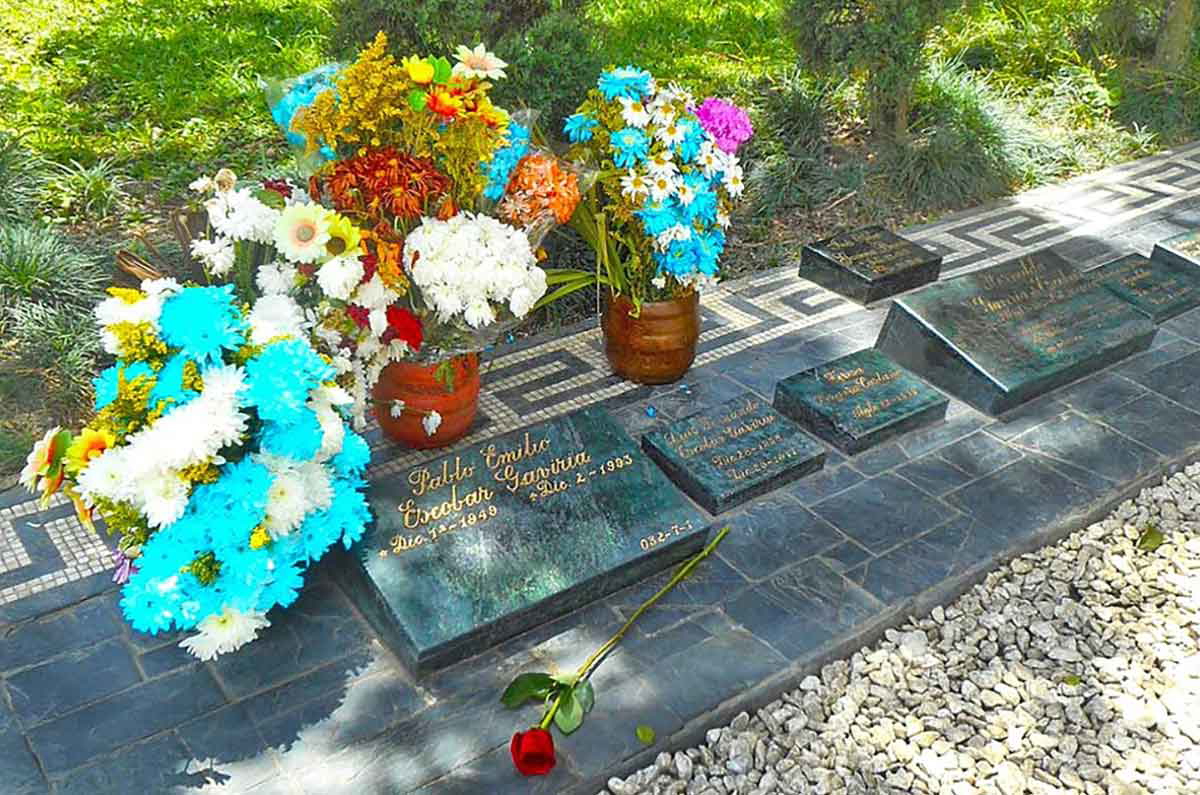
There have been conflicting reports on who actually killed Pablo Escobar. While official records indicated that he was killed by the Search Block, a special police unit set up to go after him, some reports surfaced later stating that Escobar was shot and killed by Los Pepes operatives. Los Pepes was an enemy group funded by the rival Cali Cartel. At that time, many in the Colombian government were said to be okay with Los Pepes’ participation in the hunt for Escobar as the group didn’t mind bending the rules that restricted the police when going after him.
However, Fidel Castano, a co-founder of Los Pepes has in the past rejected the allegations and underscored that Escobar was killed by the police. Another contradictory claim by Escobar’s son, Juan Pablo Escobar Henao, now known as Sebastian Marroquin, suggests that his father took his own life on that Medellin rooftop. In his book – Pablo Escobar: My Father, Marroquin explained that his father had told him many times that he would take his own life to avoid being captured and extradited. As a result, the question of who actually killed Pablo Escobar remains unresolved.