From the very first sounds of donkey hooves entering Jerusalem to the surprised cries of women outside the empty tomb, the Easter story follows a busy and surprising chain of events. While some parts of the Easter timeline might be familiar to you, other details are sure to catch you off guard. In this article, we’ll walk with Jesus and his disciples through Holy Week, from Palm Sunday to Resurrection Day.
Holy Week – Let’s Break it Down
When Christians celebrate Easter, it’s a lengthier celebration than Christmas. Instead of a single day commemorating a certain event, Easter festivities follow the events of a whole week – from one Sunday till the next.
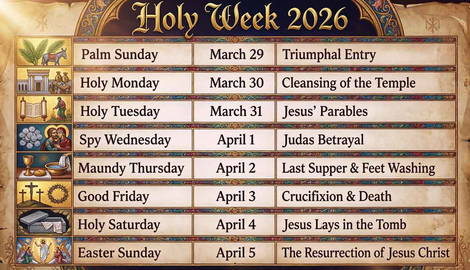
Before we get into the details, these are the events on the Holy Week timeline based on the Bible:
Day |
Date |
Significance |
|---|---|---|
Palm Sunday |
March 29 |
Commemorates Jesus’ triumphal entry into Jerusalem. |
Holy Monday |
March 30 |
Commemorates the cleansing of the Temple and the cursing of the fig tree. |
Holy Tuesday |
March 31 |
Reflects on Jesus’ parables and his prediction of his own death. |
Spy Wednesday |
April 1 |
Traditionally remembers the betrayal of Jesus by Judas Iscariot. |
Maundy Thursday |
April 2 |
Commemorates the Last Supper and the washing of the disciples’ feet. |
Good Friday |
April 3 |
A somber day observing the crucifixion and death of Jesus. |
Holy Saturday |
April 4 |
A day of quiet reflection while Jesus lay in the tomb; includes the Easter Vigil. |
Easter Sunday |
April 5 |
The celebration of the Resurrection of Jesus Christ. |
Palm Sunday, the Triumphal Entry
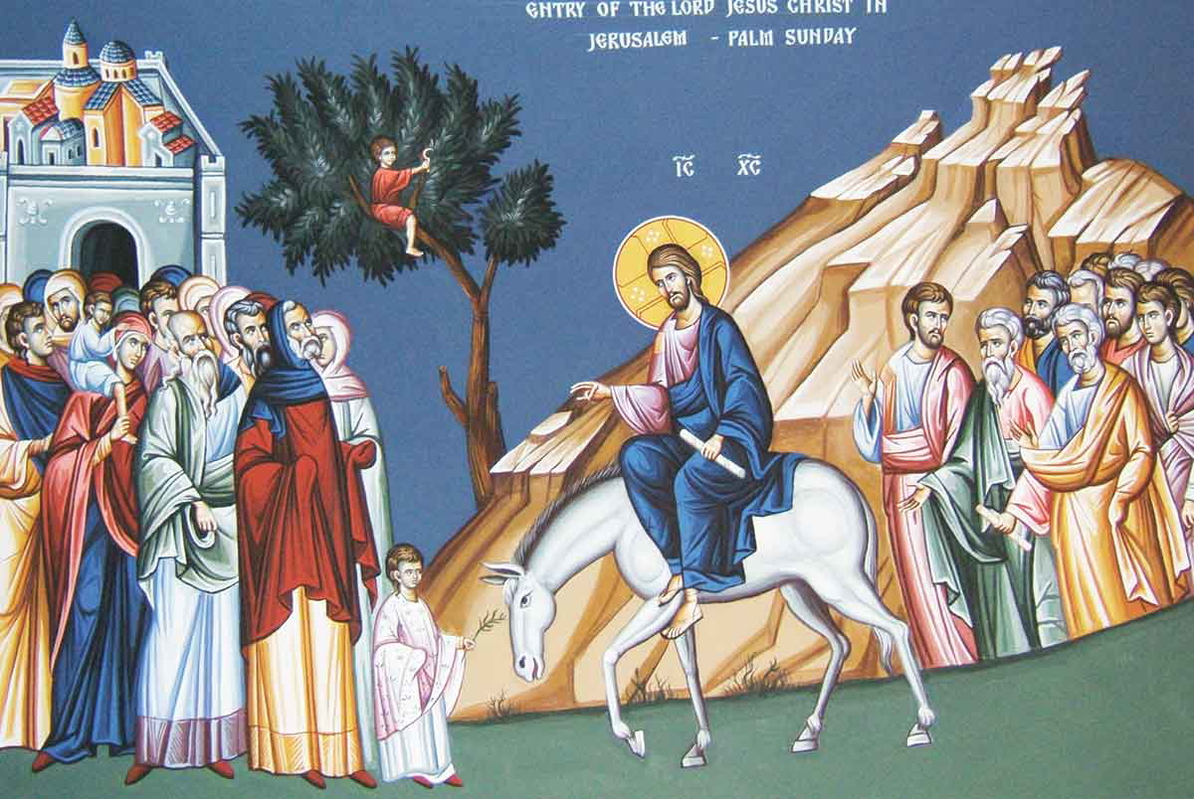
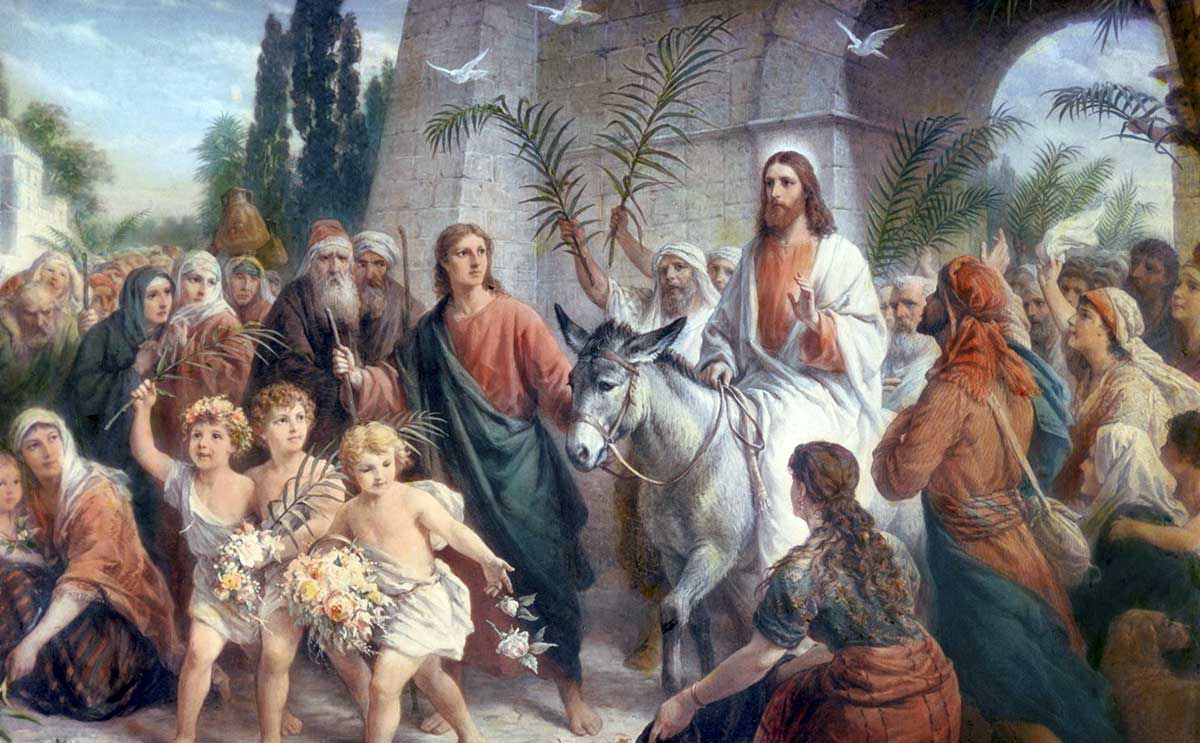
On Sunday, Jesus sent his disciples ahead of him into Jerusalem to find a young donkey. Shortly afterwards, he rode into Jerusalem’s streets. Crowds gathered, waving palm branches in the air, throwing their outer garments on the floor, and shouting: “Hosanna!” They exclaimed that Jesus is in fact, the promised one whom the prophets spoke about.
The prophet Zechariah wrote: “Behold, your king is coming to you; righteous and having salvation is he, humble and mounted on a donkey, on a colt, the foal of a donkey.” (Zech 9:9)
People expected a king to ride on a mighty horse, like Alexander the Great, and instead they got a servant-hearted man who said things like: “The first will be last.” Teachings like this made Jesus very unpopular among the powerful religious leaders of the time and others who benefited in money or status from a different view of God’s kingdom.
Monday in the Temple to Holy Wednesday
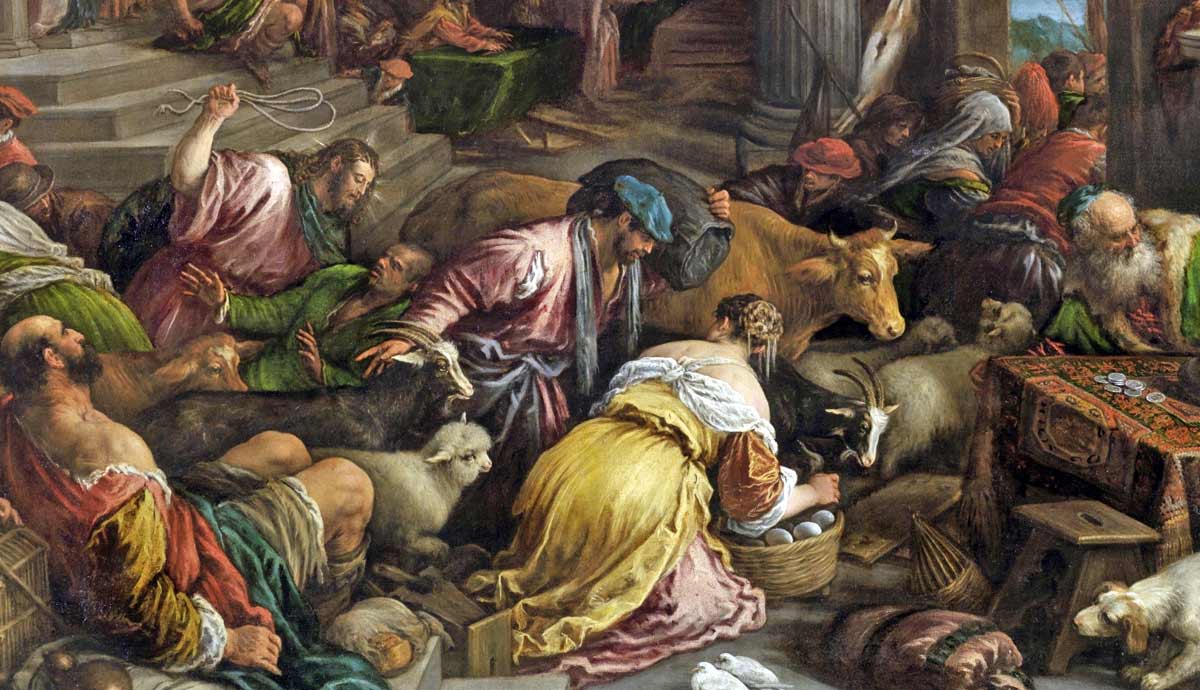
When going to the Temple – which was supposed to be a place where God dwelled – Jesus got angry. It was filled with merchants and people selling goods that the hypocritical and corrupt leaders allowed. They loved money more than God.
The following day, on Tuesday, Jesus went up against the Temple leaders again, debating with them about the wrong in their ways. It is sometimes called Fig Tuesday because Jesus cursed a fruitless fig tree, comparing it to the spiritual leaders who had no godly ‘fruit’ (good characteristics).
On the Mount of Olives, Jesus walked and talked with his disciples about what would happen in the next few days. On this day, Judas negotiated with the religious leaders to betray Jesus.
The Gospels do not tell what specifically happened on Wednesday.
The Garden of Gethsemane and Jesus’ Arrest
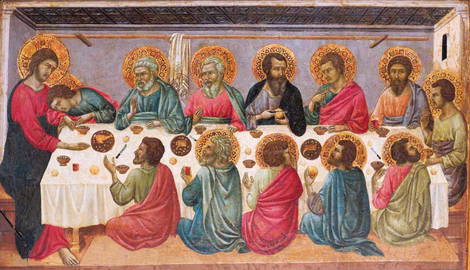
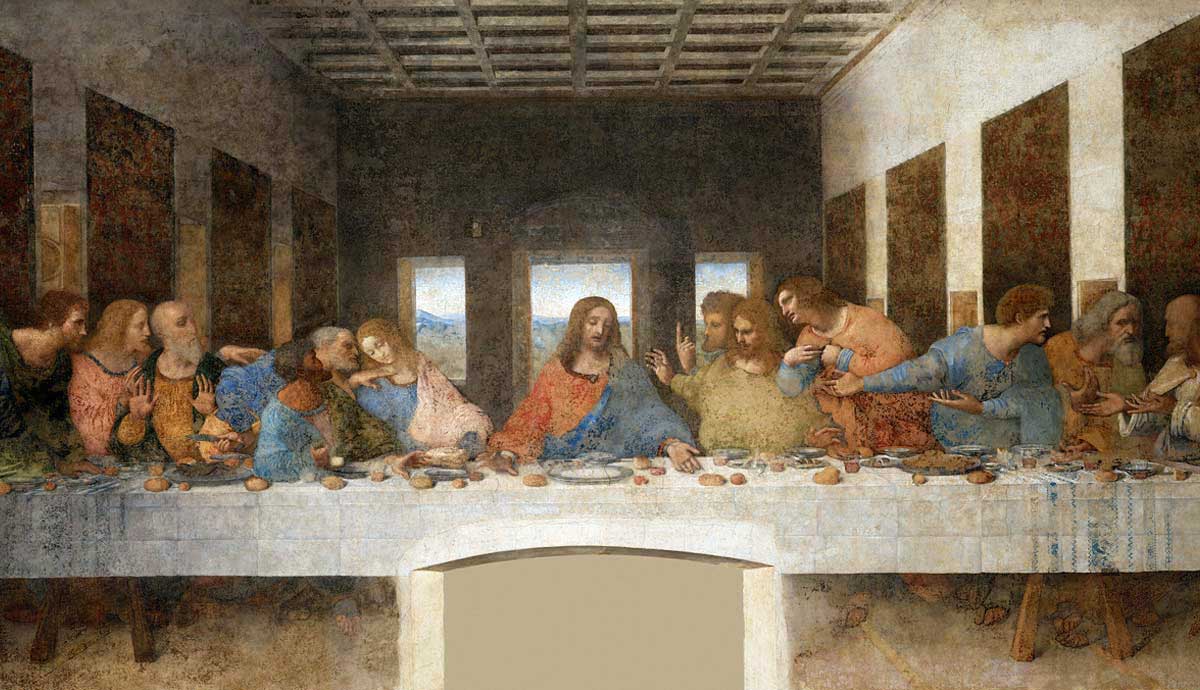
On Thursday, after washing his disciples’ feet, Jesus sat down for the Passover meal with his disciples. He broke bread with them, showing the first example of what would later become the practice of Communion or The Eucharist. He told them again about how his body would be given for them but they still did not understand.
At that table, Jesus identified Judas as the one who would betray him. Jesus went to pray in the Garden of Gethsemane at night and he was arrested by a violent mob.
Even though his unlawful trial found him innocent, Jesus was still crucified on Friday, in the place of a murderer. All his disciples deserted him and Judas committed suicide that morning.
This day is known as Good Friday because Jesus completed his reason for coming to earth: He died in the place of sinners. Jesus’ last words were prayers of forgiveness for those who killed him.
Complete darkness descended when he blew out his last breath and the curtain in the Temple tore as God’s presence spread out into all the earth.
Resurrection Sunday
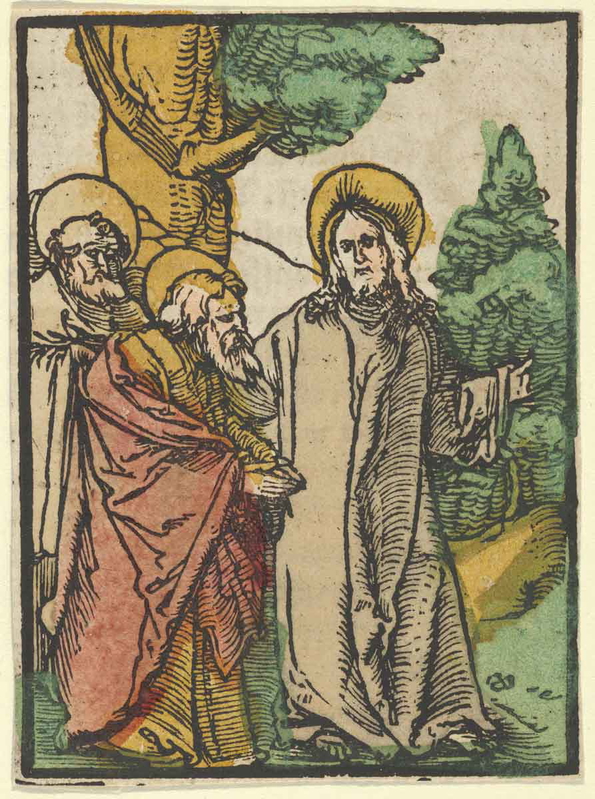
Women who went to visit his grave on Sunday morning were very surprised to find it empty. There was an angel there who told them that Jesus had risen and conquered death, just as he said he would.
In the following forty (40) days, Jesus appeared to many people, even letting them press their fingers through the crucifixion holes in his hands, before giving them the Great Commission and ascending into heaven.
This article explored how each day of Holy Week holds special significance for Christians as they reflect on, learn from, and are emboldened by Jesus’ final days on earth.