According to the Bible, during the forty days in which Moses was given the Ten Commandments on Mount Sinai, God instructed him to build a movable sanctuary that was to be the center ancient Israelite worship thereafter. This mobile center was later replaced by the Temple in Jerusalem. The holiest, most restricted room in the Temple housed only one piece of furniture: the Ark of the Covenant. Yet, though mentioned scores of times in stories from the Wilderness Wandering, Judges, and Monarchical periods, it disappears from view after the reign of King Josiah.
What Was the Ark of the Covenant?
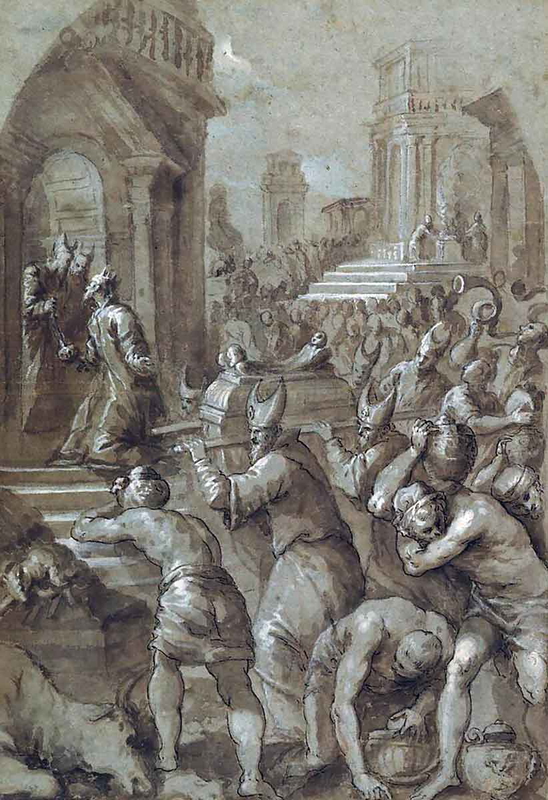
The Ark was, in essence, a box. It contained, at least at some point in its long history, Aaron’s staff, a bowl of manna (a bread-like, nutritious substance that ostensibly fell from the sky six days a week), and the stone tablets on which were engraved the Ten Commandments. On top of the ark sat images of two cherubs—celestial creatures with multiple pairs of wings. It was supposed that this box’s lid symbolized a seat, or throne, upon which the divine presence itself sat amidst the chosen people.
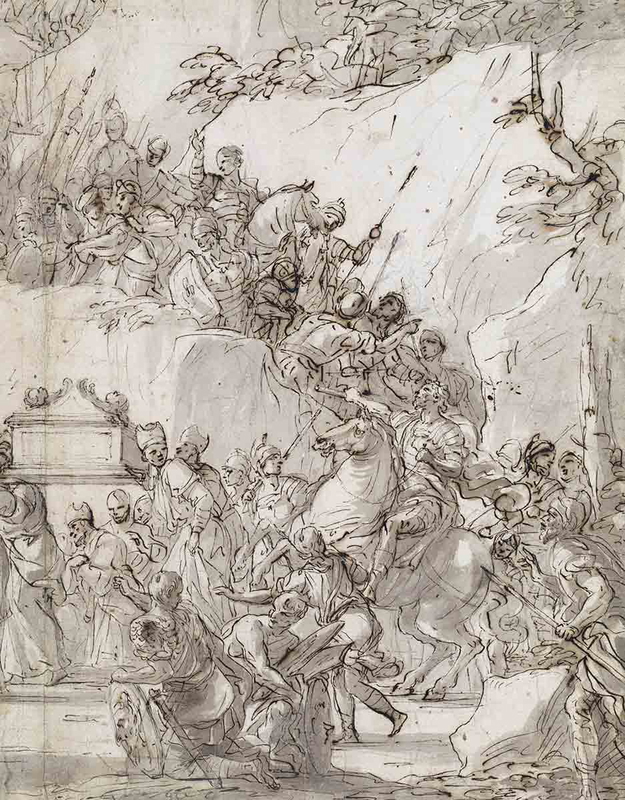
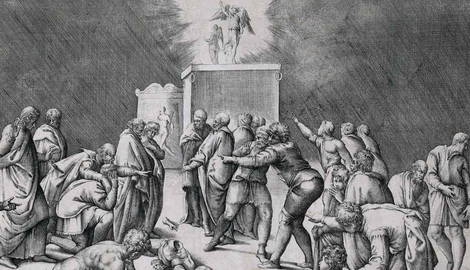
The instructions for making this ark, as well as all of the furnishings that would inhabit or decorate the Tabernacle, are extremely detailed in the Bible. But, given the Ark of the Covenant’s special and unique place within the holiest room in the sanctuary, there is no question that it was the most important item in the Tabernacle, and in the later Temple. Highlighting the degree to which it was associated with divine power, the Bible contains multiple stories in which people who were unqualified to see or touch the Ark die after coming into contact with it. Not merely seen as sacred, it was also an object that evoked fear, according to the biblical stories.
The Ark’s Last Mention in the Bible
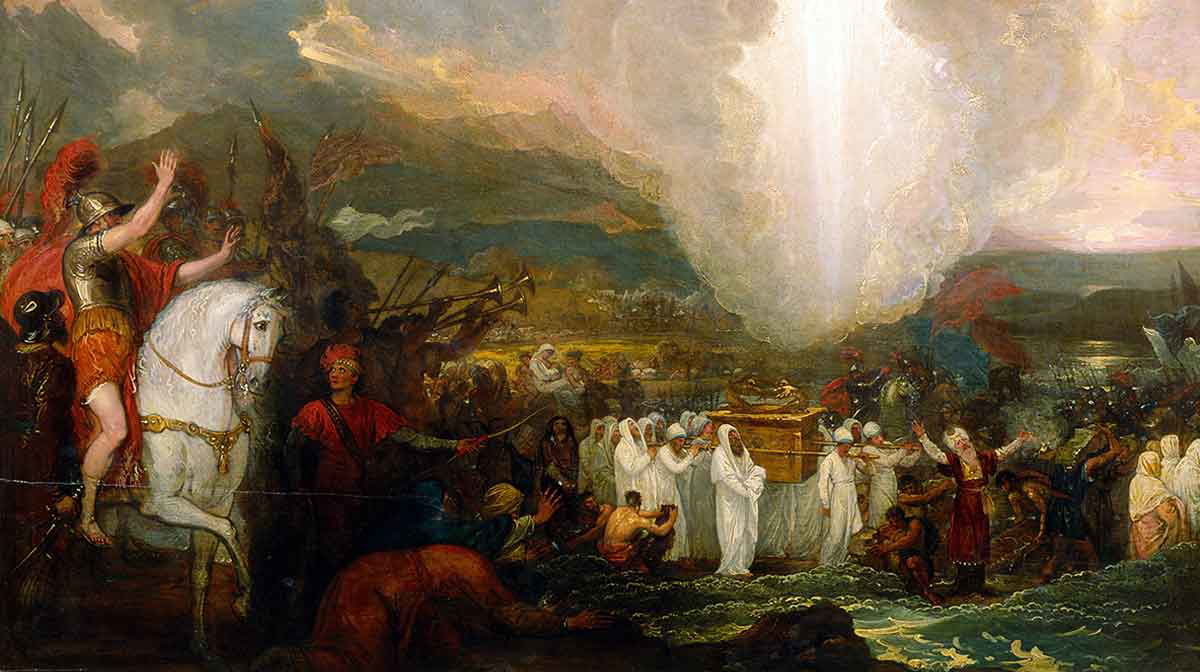
Given its prominence in the narratives leading up to its disappearance, it is surprising that the Bible does not say anything about how the Ark was lost. In fact, it does not even say that it was lost. Instead, the Ark simply disappears from the biblical story after its last mention in the thirty-fifth chapter of II Chronicles. The narrative in this text is about King Josiah’s reforms of Israelite religion. Josiah is celebrated for having purged the Israelite cult of the foreign deities and practices that had been introduced by his predecessors.
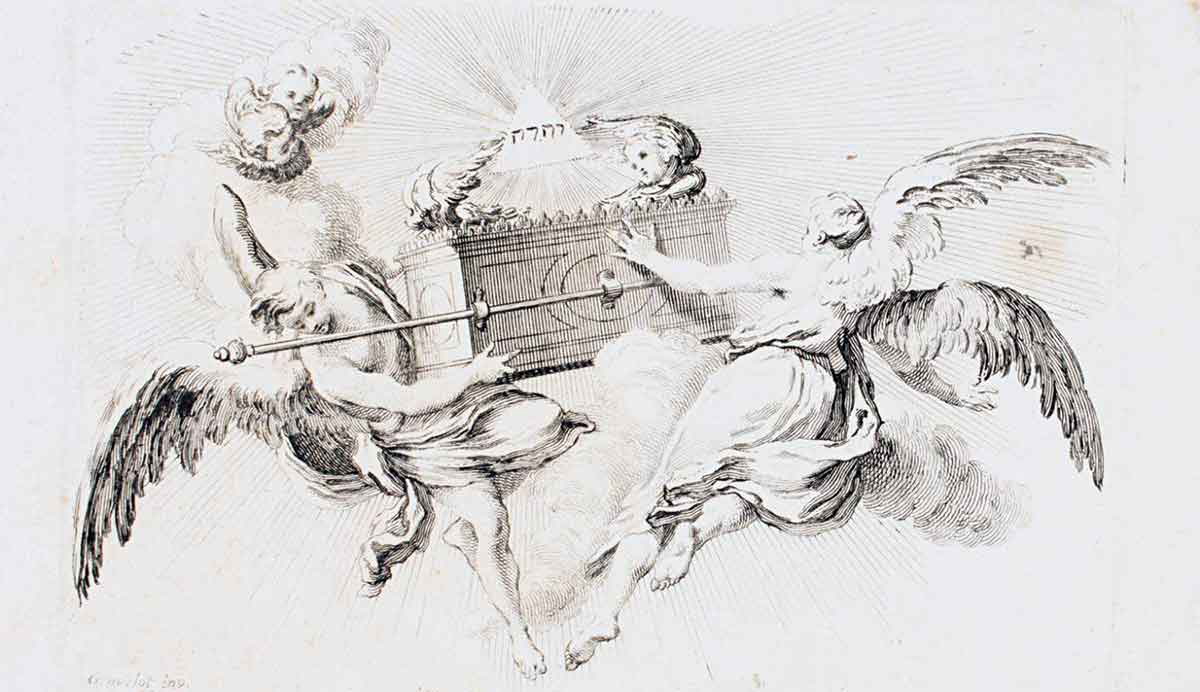
Curiously, one of the things he is said to have done is to instruct the Levites to return the Ark of the Covenant to its place in the Solomonic Temple. This is strange because no explanation is given for why or how it had been removed from there in the first place; the reader assumes, in fact, that it was there all along. In other narratives, touching the Ark of the Covenant could result in death. But in this text, the Ark seems, strangely enough, to have been in storage somewhere outside the Temple.
Does Jeremiah Imply that the Ark Was Destroyed?
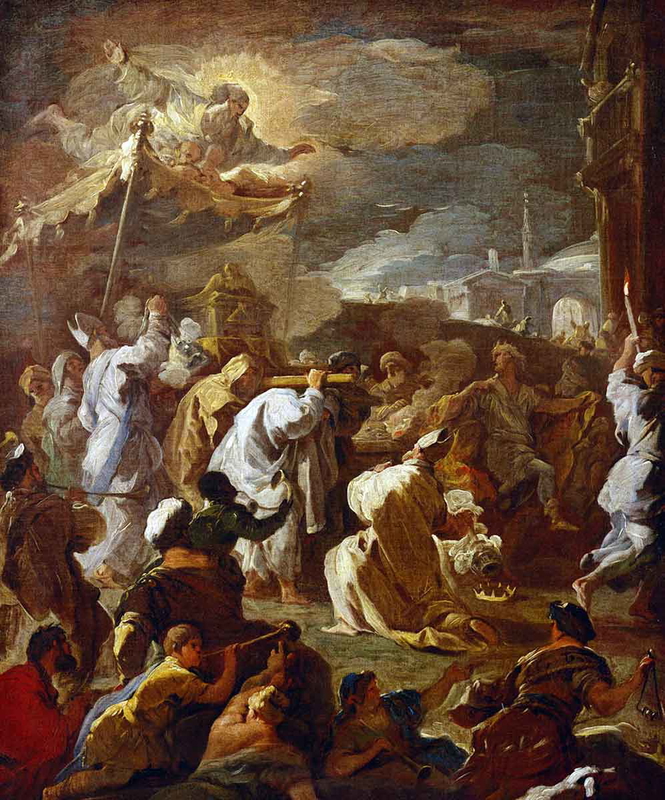
The Ark is mentioned one time in the book of Jeremiah. One of Israel’s greatest prophets, Jeremiah lived through time of the Babylonian invasion and sacking of Jerusalem. In chapter three, Jeremiah prophesies in poetic, imaginative language of a time when God’s reign of peace would be so imminent that the Ark would not come to anyone’s to mind. In a possible—though inconclusive—reference to the Ark, Jeremiah says that “it will not be made again.”
The Hebrew is ambiguous in this phrase, and could be translated, “it will not be done again”—in which case it would be referencing the overall event of Israel’s exile rather than the Ark specifically. However, if the comment is understood as referring to the Ark, as many translations suggest, it could be interpreted as implying that the Ark had been destroyed during Babylon’s pillaging of the Temple.
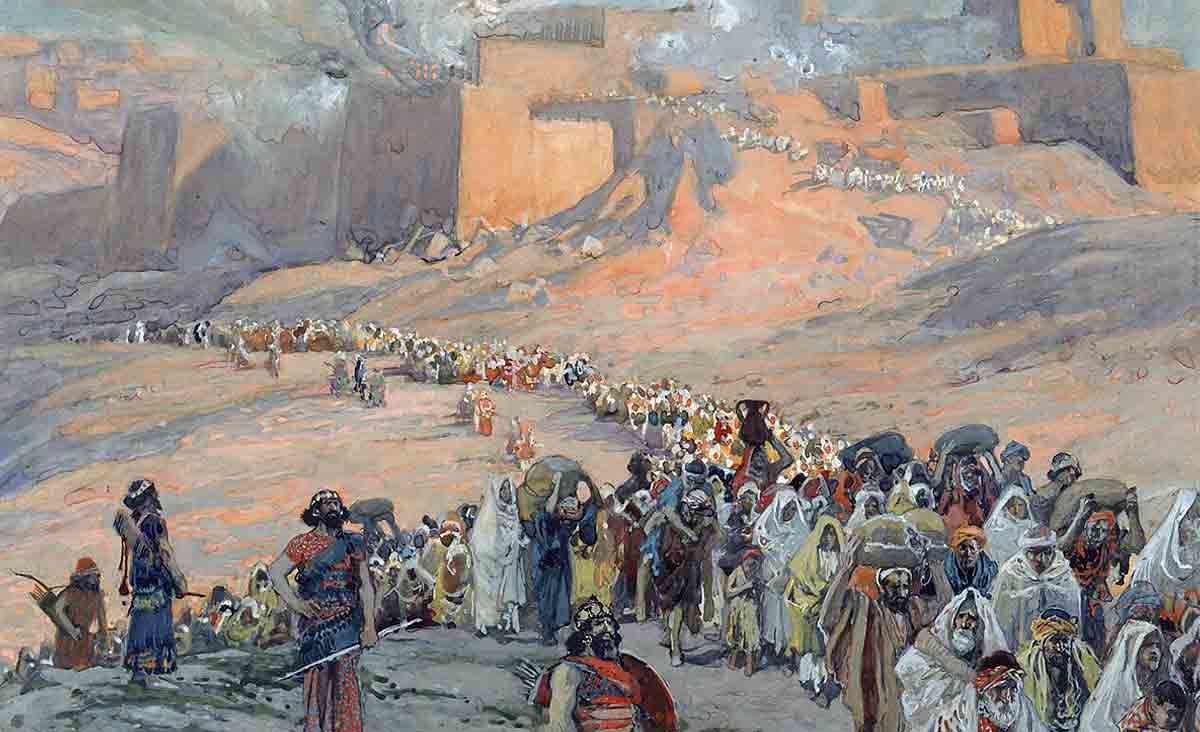
It is worth noting that, while the Bible lists many gold, silver, and bronze furnishings specifically that Nebuchadnezzar took from the Temple, it does not mention the Ark. It also says that the Babylonians burned the Temple to the ground. While the Ark of the Covenant was overlaid with gold, the box itself was made of wood, as were the poles by which it was carried. Thus, it is possible that the Ark was destroyed by fire in 587 or 586 BCE.
Jewish Tradition Contains Several Ideas
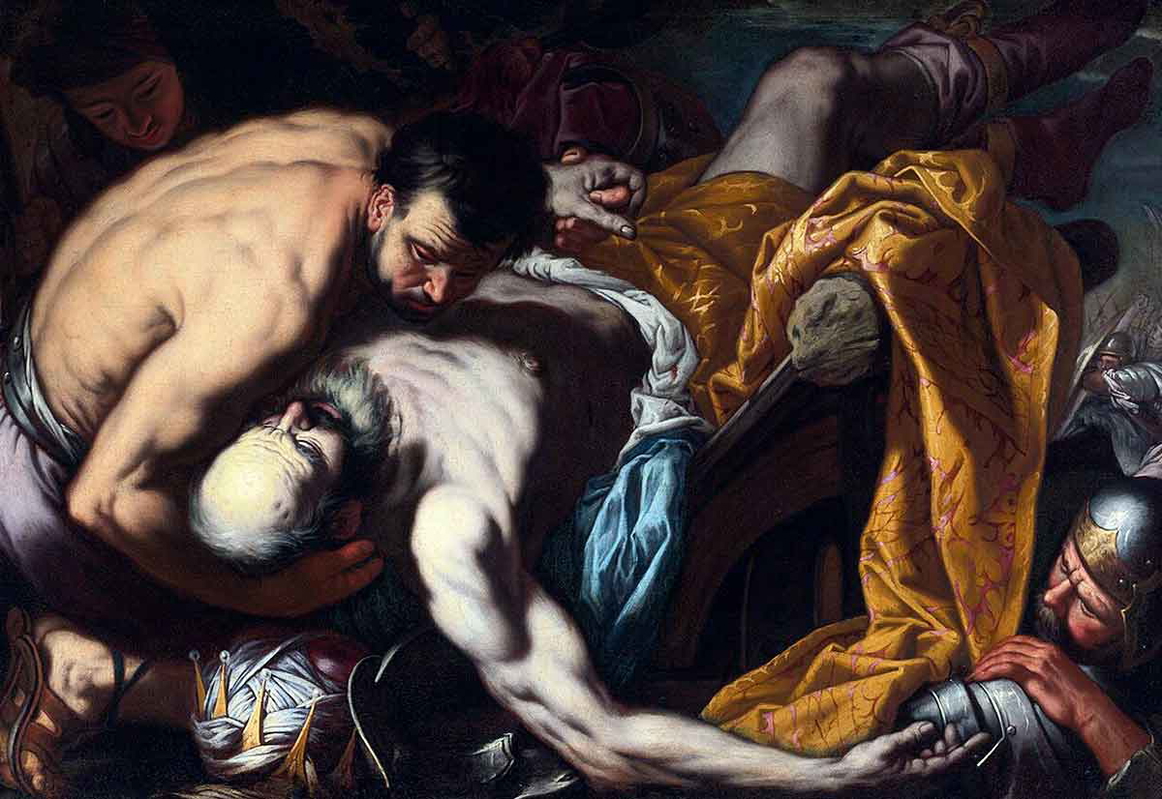
According to one rabbi in the Talmud, which is a collection of ancient Rabbinic commentaries on the Hebrew Bible, Josiah may have hidden the Ark within the Temple Mount in Jerusalem itself in preparation for the impending Babylonian invasion. Another says that it was taken to Babylon. Another suggestion in the Talmud is that, while Josiah told the Levites to put the Ark inside the Temple as is recorded in II Chronicles thirty-five, the Ark was, in fact, already lost. In this possible scenario, the Levites never actually did what Josiah had told them to do because the Ark was already mysteriously gone.

According to the second chapter of the apocryphal book of II Maccabees, which dates to the first to the second century BCE, the prophet Jeremiah took the Ark of the Covenant to Mount Nebo and hid it in a cave there. This anecdote explains the Ark’s disappearance from the biblical narrative, but only by moving the locus of the mystery of the Ark’s whereabouts across the Jordan River to the eastern side.
Is the Ark of the Covenant in Africa?
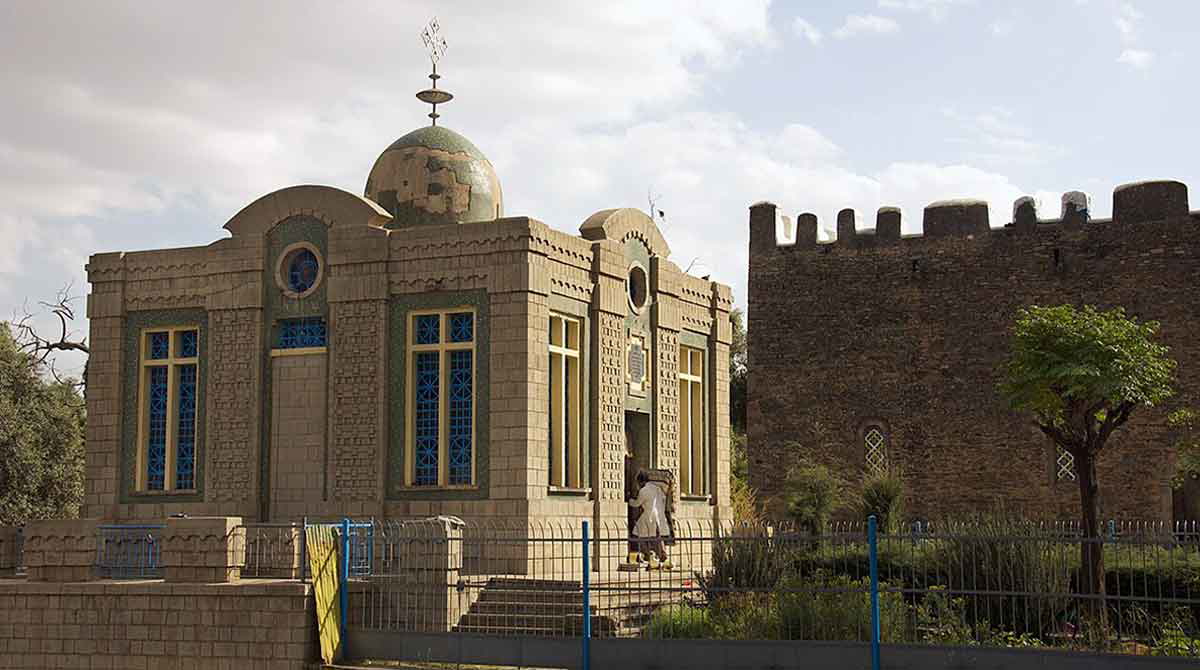
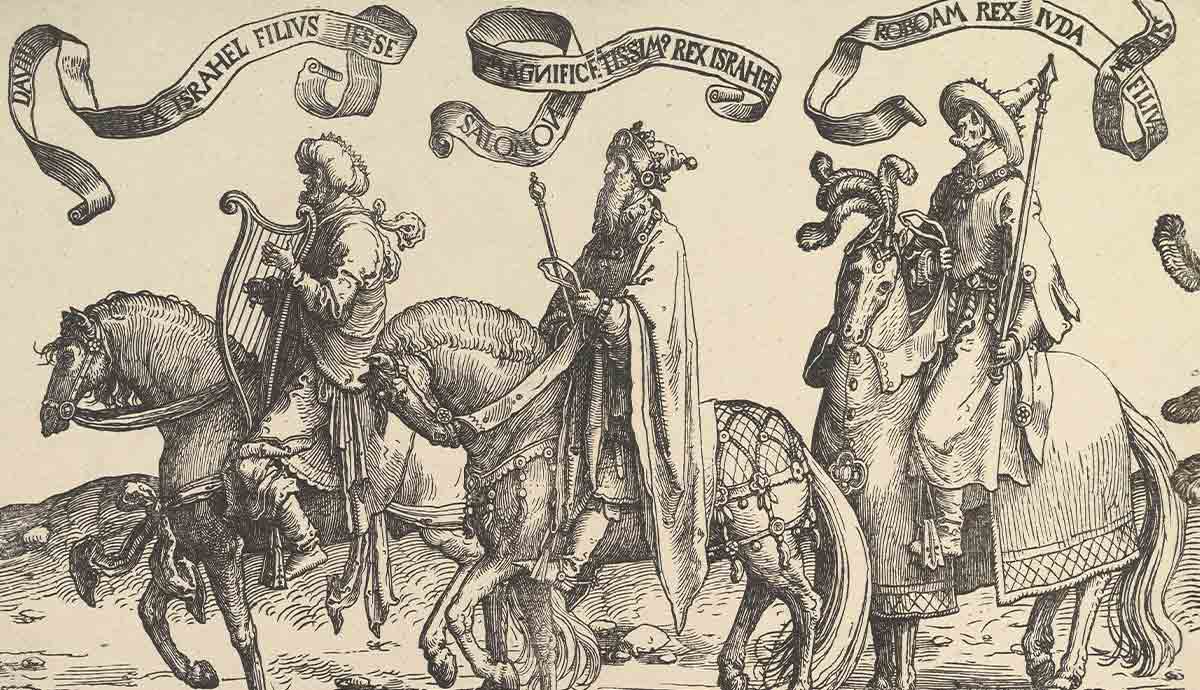
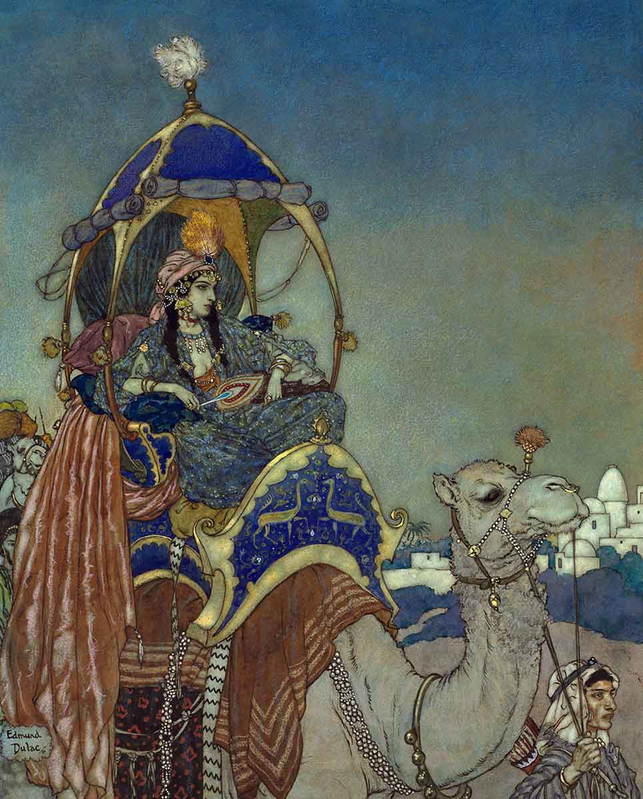
According Ethiopian Orthodox Tewahedo Church tradition, the Ark of the Covenant was brought to Aksum, Ethiopia by an ancient king called Menelik I, whom it is claimed was Solomon’s son by the Queen of Sheba. And according to the story as it is told in Kebra Nagast, a legendary epic of the Ethiopian nation, some of Menelik’s servants stole the Ark from Solomon and replaced it with a fake model, and then brought the original Ark to Ethiopia without anyone finding out. According to this tradition, the Ark is housed to this day in the Church of Our Lady Mary of Zion.
The church buildings in the Tewahedo tradition are modeled after the Solomonic Temple, and each contains a replica of the Ark of the Covenant. The true Ark, however, is never seen by anyone except for the priest who is assigned to watch over it. This priest is not permitted to leave the premises of the church, and he is appointed to the position for life. It is, thus, impossible to verify independently whether or not it is really there. Scholars generally dismiss the veracity of this claim, since the earliest attestation to it is from the thirteenth century CE.
The Other Temple Furniture Is Also Lost
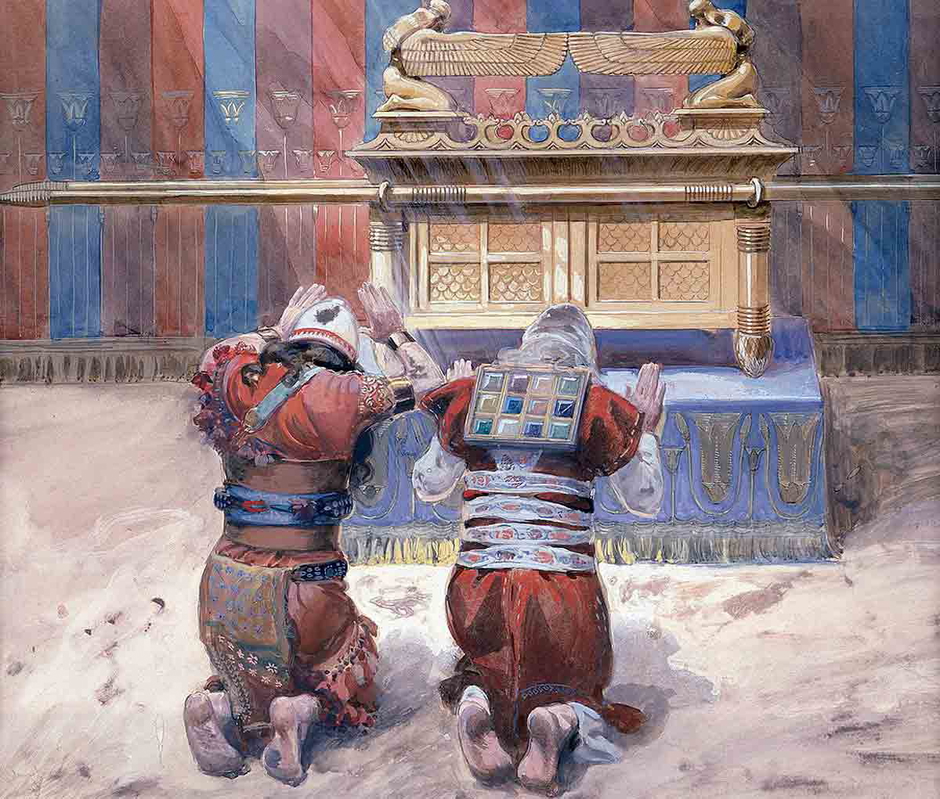
While finding the Ark of the Covenant would trump virtually any imaginable discovery related to biblical archaeology, the truth is that none of the Temple furnishings mentioned in the Bible have been uncovered. The Ark garners special attention because of the magical powers it has in biblical narratives and because of its unique status as the only item housed in the Temple’s “Holy of Holies.” But, actually, finding anything that used to be inside Moses’s Tabernacle or Solomon’s Temple would electrify the world of archaeology and biblical scholarship. As of right now, all of it is missing.