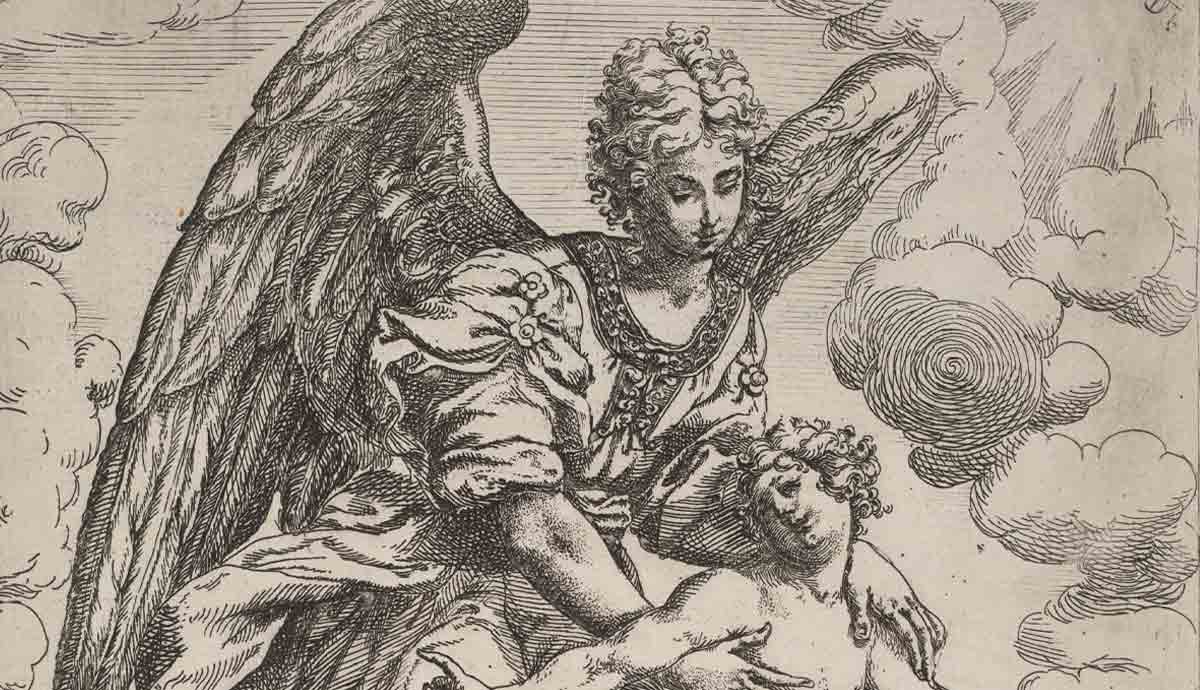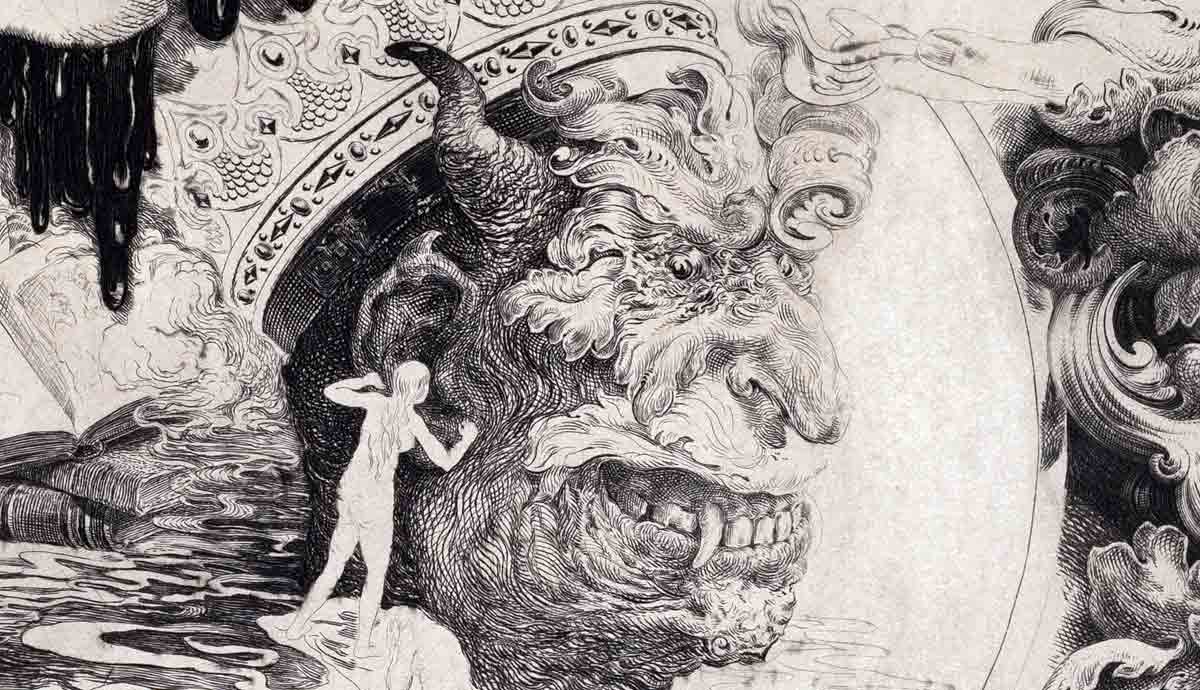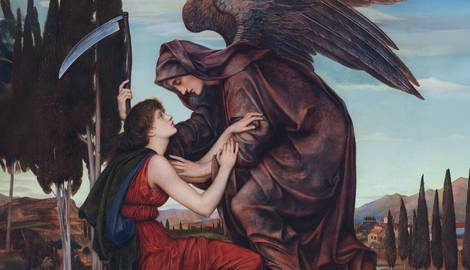
It is difficult to conceptualize an angel who is responsible for human death without conjuring ideas readily associated with demons. The confusion may be understandable. After all, if a spiritual entity is tasked with taking human souls, it may not matter what it is called since it would be terrifying regardless. While there is no specific “angel of death” in the Bible, the Bible contains imagery of potentially dangerous spiritual beings that contributed to the development of the death angel tradition. In the end, the death angel has and will continue to be a composite, evolving figure.
Any Angel in the Bible Could Be Dangerous
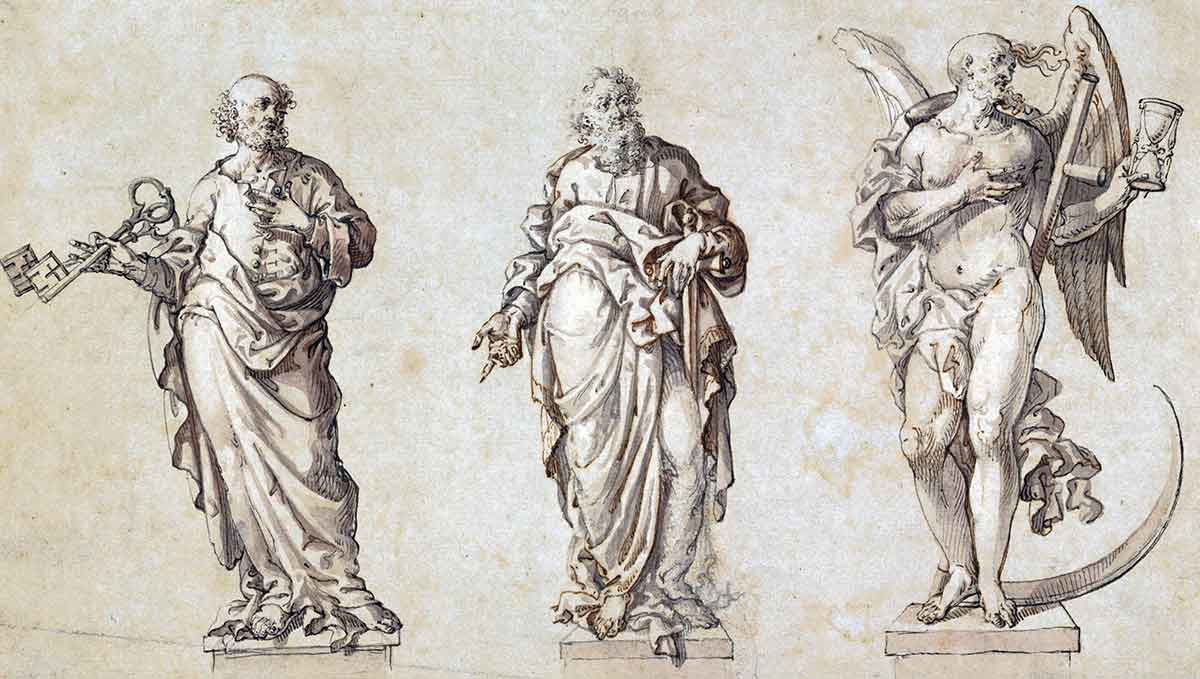
While the New Testament was composed within the space of a single generation of authors, the Hebrew Bible—called the “Old Testament” by Christians—is a collection of writings created over many centuries. The books in the Hebrew Bible agree on the essential nature of God; but the nature of the spiritual realm is imagined differently depending on their author’s individual contexts. In the collections of books from the Hebrew Bible called the Torah (or Pentateuch) and the Former Prophets (or Historical Books), there is no clear divide between angels and demons.
All angels or spirits therein seem to obediently follow God’s commands. In other books in the Hebrew Bible, apocalyptic imagery is often used to portray a cosmic war in which spiritual powers fight against God’s angelic armies. These heavenly battles parallel inter-human conflicts experienced by ancient Israelites and Jews.
But interestingly, the few instances in which angelic activity results directly in premature human death appear in the Torah and the Former Prophets. In this part of the Bible, death is not associated with God’s cosmic archenemy, but with God’s faithful servants.
Killer Angels in the Bible
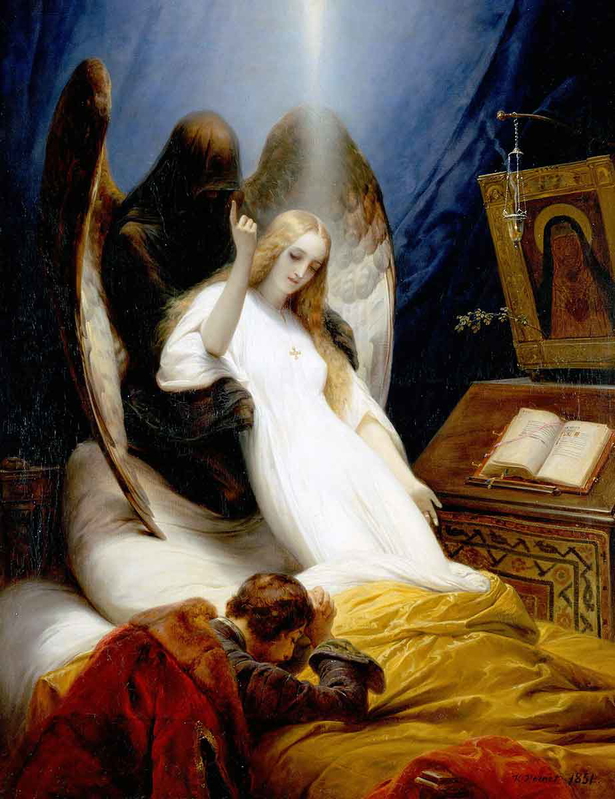
In the story of the Exodus, God liberates the enslaved Israelites from Egypt by pressuring the Pharaoh with a series of ten plagues. The first nine plagues cause death to humans only indirectly either through the destruction and pollution of Egyptian resources or through disease. But the tenth plague is more targeted. In a single night, every firstborn Egyptian child’s life is taken without any human involvement. The story attributes these deaths directly to God several times. But in one place it mentions a “destroyer” as God’s agent in the massacre.
In the book of 1 Samuel, an angel is envisioned as causing a plague in Israel at God’s command. God is in complete control in this scene, easily recalling the angel once God has been persuaded of Israel’s repentance. In 2 Kings, an angel kills a vast army of Assyrians who have besieged Jerusalem in the space of a single night.
New Testament Angels Tend to Protect Rather Than Attack
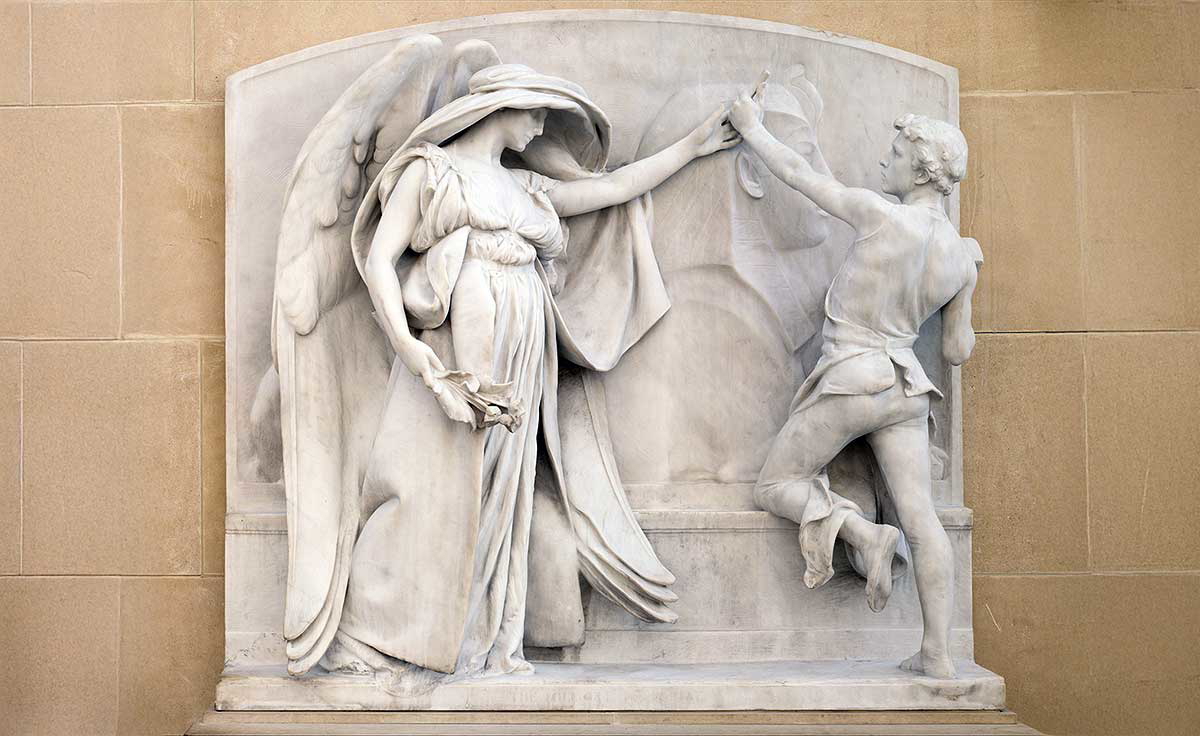
In New Testament stories meant to be read historically, angels function primarily as messengers. Angels do not kill people or cause destruction directly. While humans who see angels are often afraid, the angels tend to reassure them, providing lifesaving warnings of coming dangers or bringing tidings of good things to come. An exception to this general rule is in Acts chapter twelve, where Herod Agrippa is said to be struck with parasites by an angel.
However, in New Testament apocalyptic texts, which are not intended to be read literally or historically, angels often participate in taking human life, mostly through plague, pestilence, or natural disaster.
Though angels in general can be dangerous, the concept of a particular angel whose job is to take people’s souls from their bodies is absent from both the Hebrew Bible and the New Testament. It is accurate to say that the “Death Angel,” as he is popularly imagined, does not have a biblical origin.
The Death Angel Seems to Have a Composite Origin
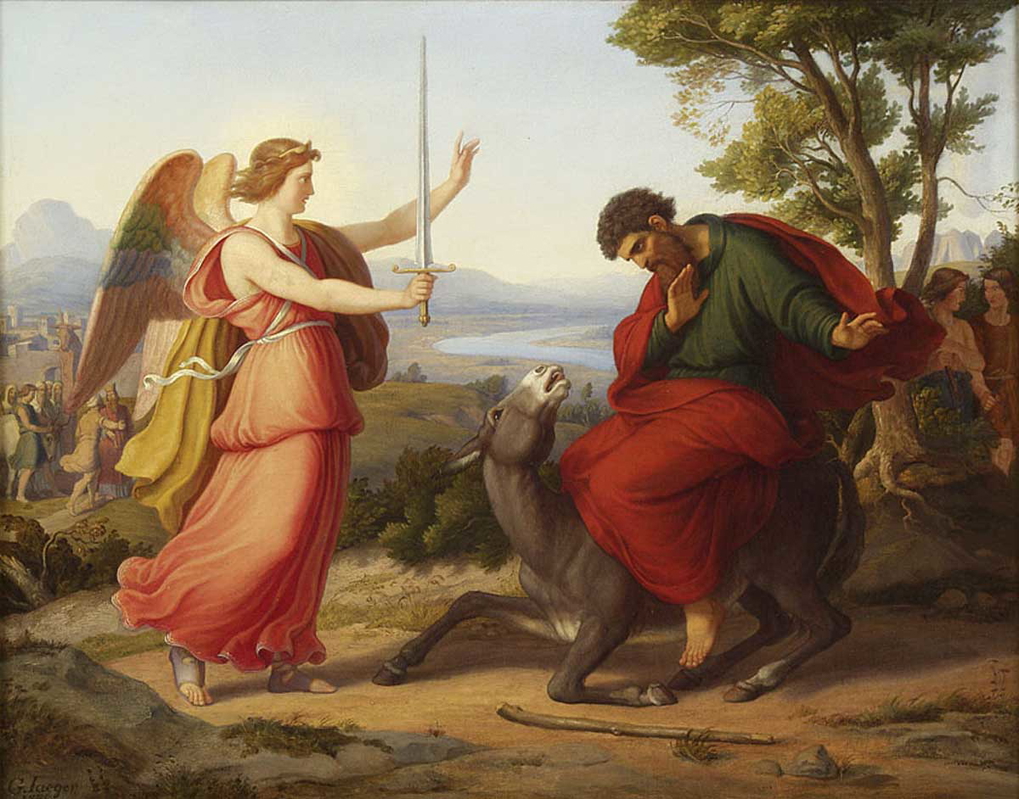
Rabbinic literature references an angel of death frequently and outlines his activities in some detail. Even a backstory about his creation was provided by the rabbis. But despite his having been created by God from the beginning as God’s agent, the angel of death’s activities and role sometimes overlap with those often attributed to Satan.
An angel named Samael is often associated with the death angel in pre-rabbinic Jewish tradition. He plays a role in retellings of biblical stories in the Book of Enoch (2nd or 1st century BCE) and again in the Apocalypse of Baruch (1st century CE). He plays roles associated with “fallen angels,” and is even Satan himself in these texts. In the later work Ascension of Isaiah (5th–7th century CE), his identification as the Devil is explicit.
Later, in Western tradition, the so-called “Grim Reaper” came to be associated in art and popular imagination with the angel of death.
Do Human Beings Need a Death Angel?
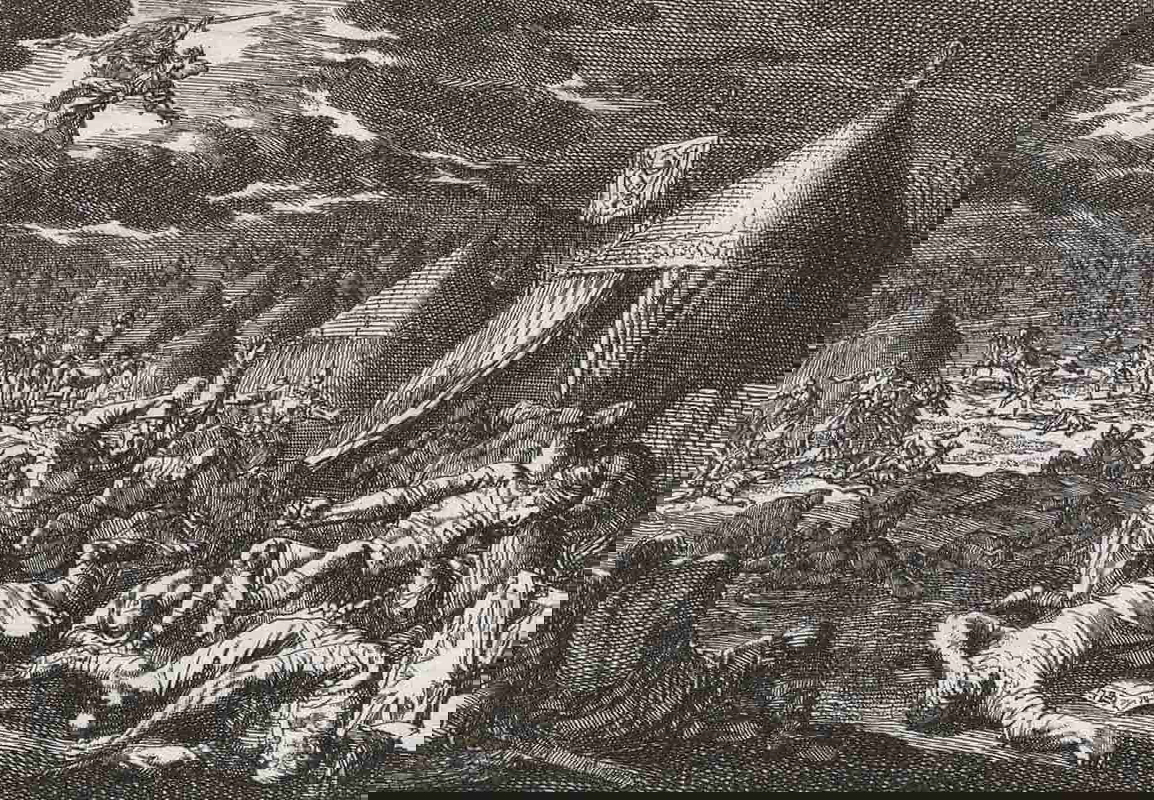
The dangers of hostile spiritual forces loom large across human belief. Whatever it is called and from wherever it comes, the mystery and certainty of death seems to seek embodied expression in human imagination. Through art, tale, and story, portrayals of the death angel range from the violent and terrifying to comforting, perhaps providing a needed sense of closure at the end of life.