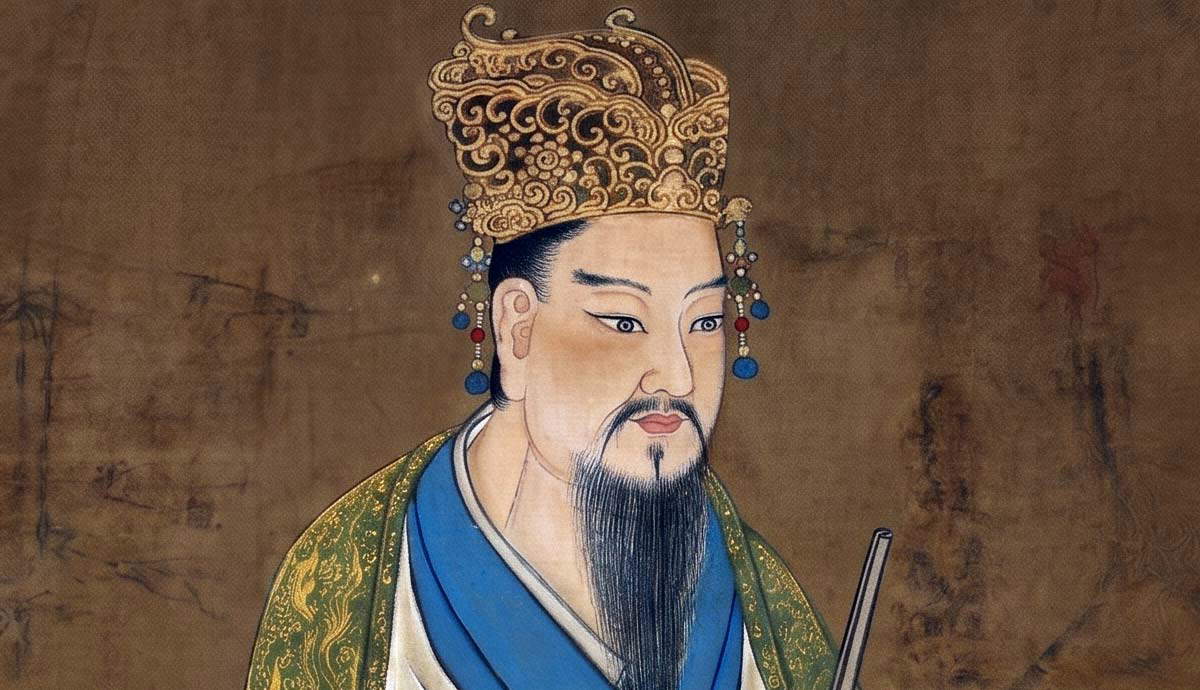

While Jesus was walking the streets of Judea, a powerful and ancient civilization was thriving half a world away. The stories of his life have shaped Western history, but they leave a fascinating question unanswered: what was happening in the mighty Han Dynasty of China during this pivotal era? As Jesus’s ministry began, a completely different story of emperors and dynasties was being written. So, who was ruling China at the time?
Who Inspired Jesus to Start Preaching

Jesus is said to have begun preaching after being influenced by John the Baptist, his cousin. John’s popularity is said to have drawn huge groups of followers including Jesus, who he baptized at the Jordan River. Scholars point to the Jordan River as the place where Jesus began his preaching and met his first followers, Peter and Andrew.
He later traveled to a different area called Galilee, where he gathered others like Philip and Nathanael. Later on in his ministry, Jesus asked his followers what people were saying about him. They replied that some people thought that he was John the Baptist brought back from the dead. Even Herod Antipas, the local ruler of Galilee and Perea, wondered if Jesus might be the resurrected John.
The Age He Began Preaching
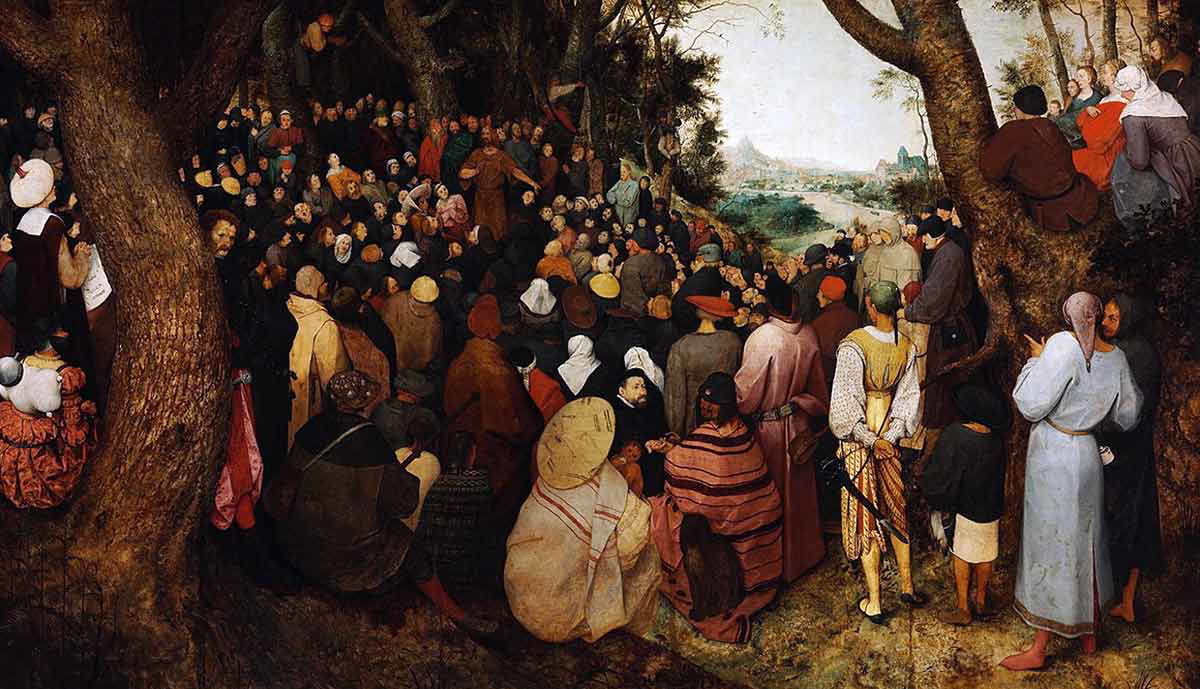
The Gospels of Mark, Matthew, and Luke, in particular, describe his life. At around the age of 30, Jesus began his evangelistic work, moving throughout the region of Galilee and Judea, talking about the Kingdom of God and doing healing acts. His teachings emphasized love, being compassionate, offering forgiveness, and having a strong faith in God. Some of his most well-known teachings include the Sermon on the Mount, which includes the Beatitudes.
At other times, he told famous short stories, such as the Good Samaritan. He is believed to be the most influential person in history largely due to the widespread popularity of the Christian religion which he established.
Who Ruled China During Jesus’s Lifetime?
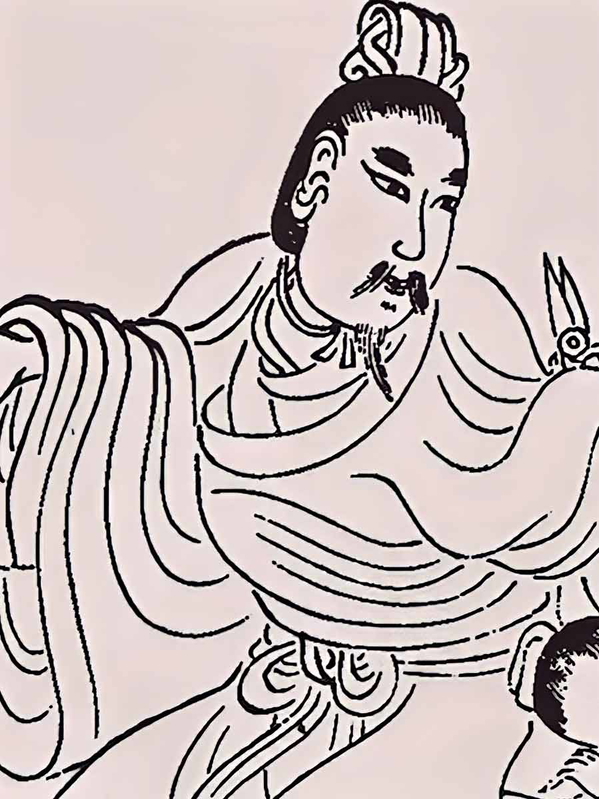
During Jesus’s lifetime, the Han Dynasty governed China and lasted from 206 BC to 220 AD. Emperor Chengdi ruled from 33 BC until 7 BC and Emperor Ai ruled from 7 BC to 1 BC. As such, many experts estimate that Jesus was likely born during the reign of Emperor Ai. Emperor Ping ruled next, from 1 BC to 6 AD. Confucianism had been embraced in China at the time as the main moral system and way of living for about 100 to 150 years by Jesus’s time.
It deeply shaped how leaders ran things and how education worked. The Western Han period, which lasted from 202 BC to 9 AD, ended when a government official named Wang Mang took advantage of widespread disorder and chaos to claim the throne and start the brief Xin dynasty (9 to 23 AD).
For How Long Did Wang Mang Rule?
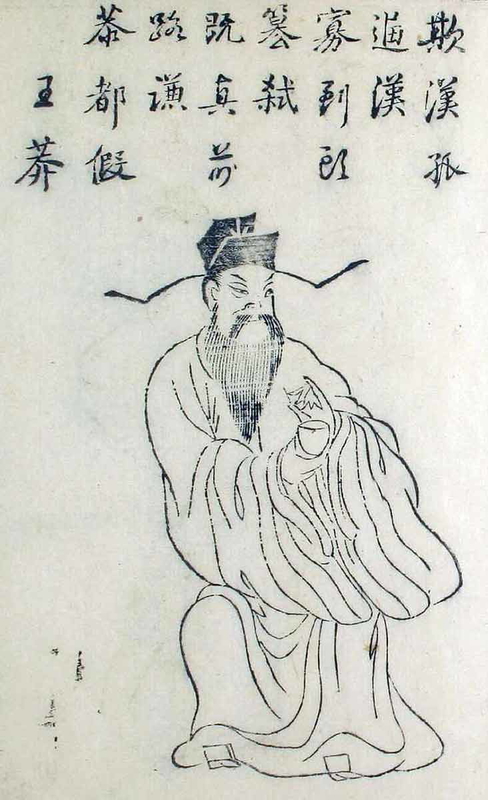
Wang Mang broke apart the wealthy estates and gave them to regular farmers, but the peasant class soon became unhappy because of terrible flooding and other problems. By 23 AD, their anger revealed itself in rebel groups such as the Red Eyebrows. Wang Mang’s rule was ultimately brief and unsuccessful as he succeeded in angering both the elites and the commoners. The capital was soon destroyed by a massive farmers’ uprising, and Wang Mang was murdered. Order was eventually reestablished by Emperor Guangwu, a relative of the Han royal family in 25 AD.
His leadership lasted until 57 AD. The Han dynasty is known for its long period of rule and its accomplishments, which included the development of the government worker system and scientific discoveries such as the creation of paper and the development of an earthquake-sensing tool called a seismoscope.
Notable Characteristics of the Han Dynasty
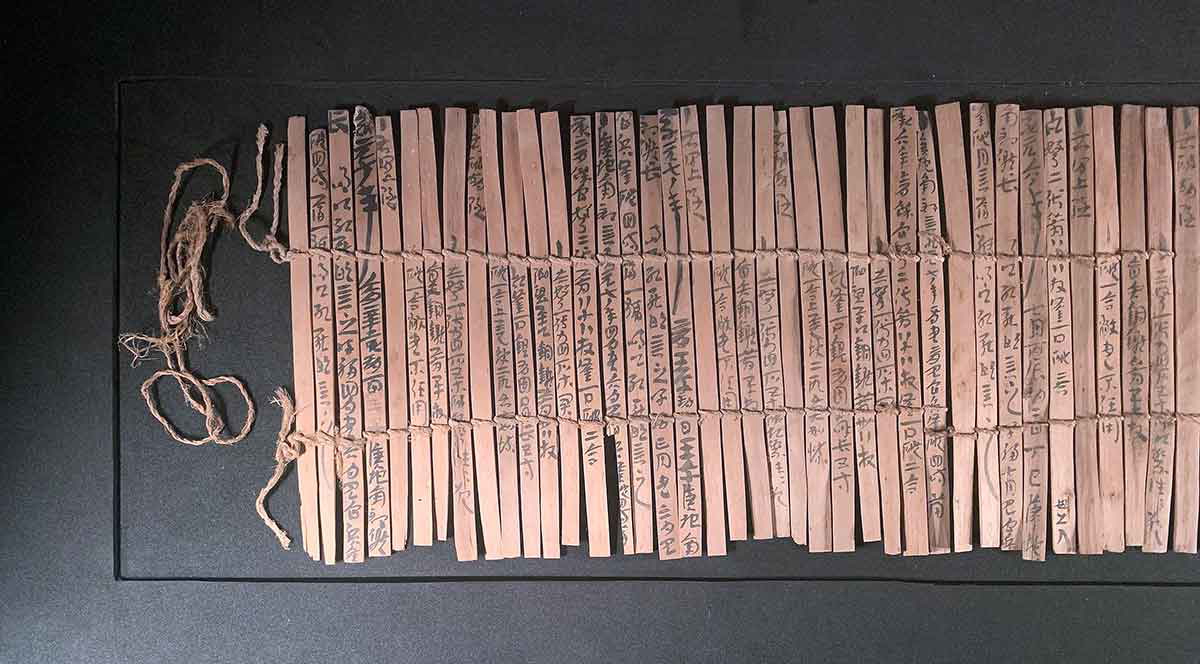
The Han dynasty influenced Chinese culture so much that “Han” became the Chinese word meaning someone who is ethnically Chinese. To summarize, six different leaders ruled China in the years that Jesus existed. Emperor Ai was the leader in office when Jesus was born. He was followed by Emperor Ping, the child-emperor who ruled from 1 BC to 6 AD. Emperor Ping was followed briefly by Ruzi Ying, and then came Wang Mang. Mang ruled while Jesus was growing up and entering adulthood. Then came the Gengshi Emperor (23 to 25 AD) and finally Emperor Guangwu, who reigned from 25 AD to 57 AD. Emperor Guangwu was in power when Jesus died.