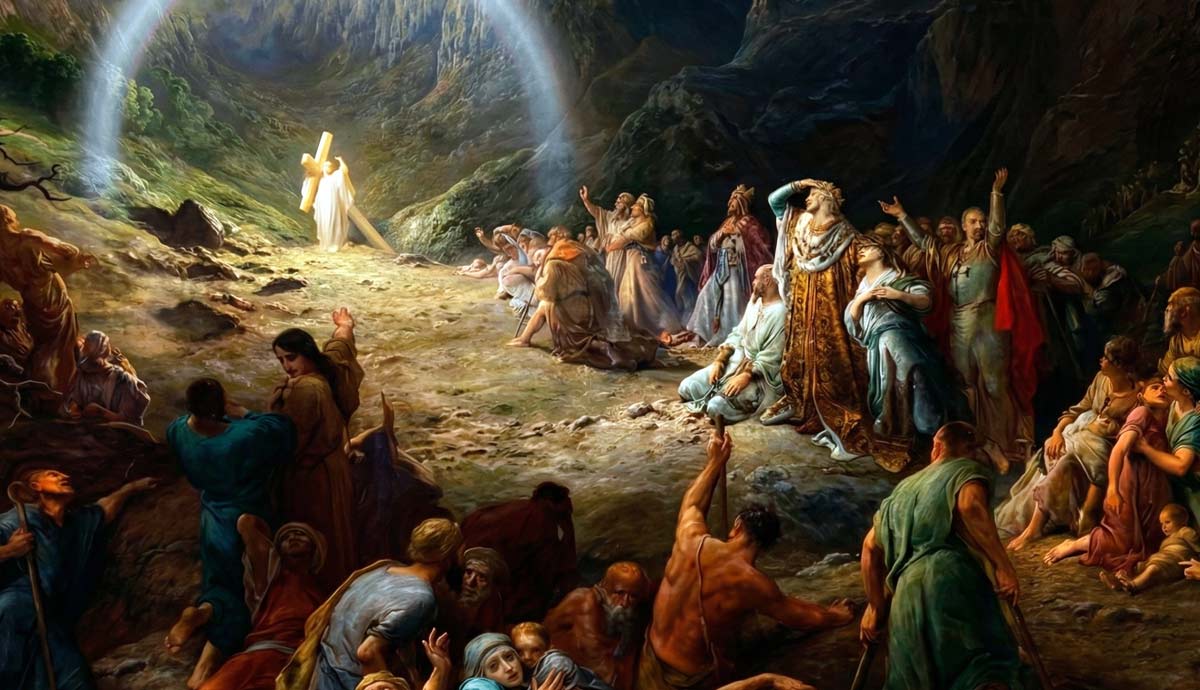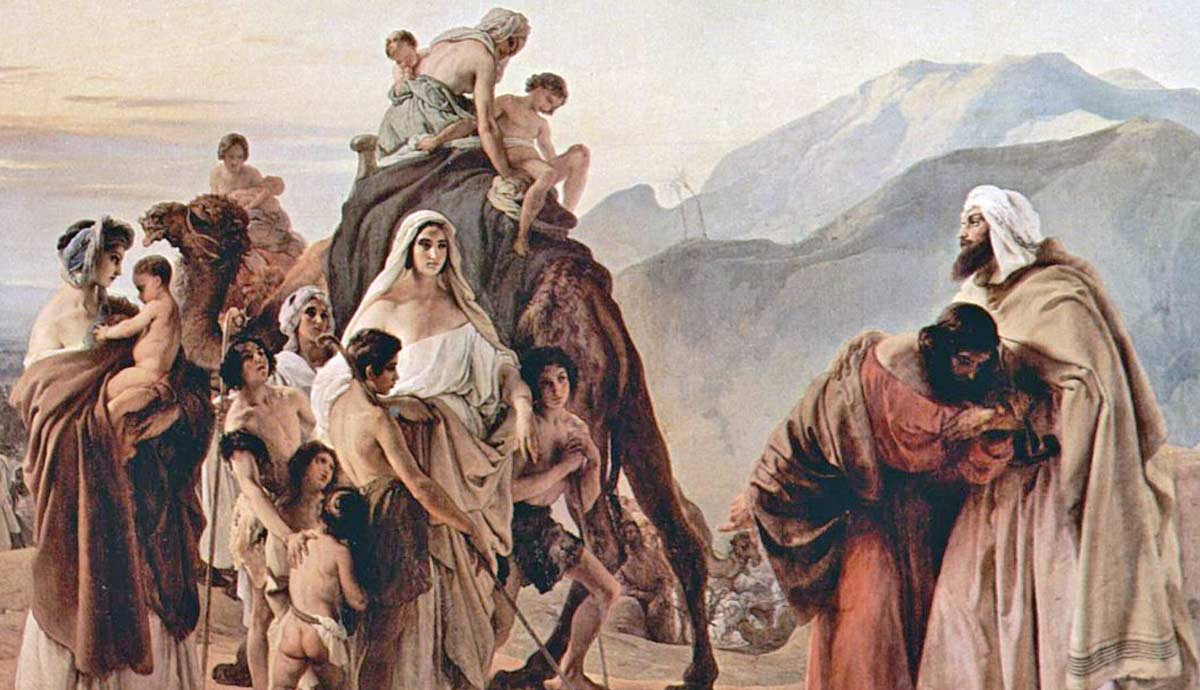
Three kingdoms bordered ancient Israel to the east: Ammon, Moab, and Edom. Edomites are said to be the descendants of Esau, the twin brother of Jacob, who was given the name “Israel” by God. But Ammon and Moab’s origins are portrayed in one of the most negative lights imaginable in the ancient Israelite worldview: as the offspring of incest. And yet, the Bible dedicates an entire book to the story of a Moabite woman who would become the great-grandmother King David.
From Whom Did the Moabites Descend (According to the Bible)?
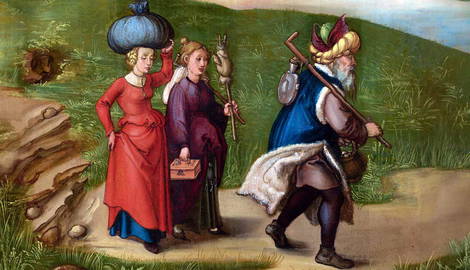
It should be kept in mind that the authors who wrote the story of Moab’s origin were Moab’s sworn enemies, and were probably inclined to paint them in a less than generous light. In one of the Bible’s most scandalous stories, Abraham’s nephew Lot runs with his two daughters to the mountains outside of their home city of Sodom as it is being destroyed by divine fire. Despairing of ever finding husbands after their city’s desolation, Lot’s daughters conspire to inebriate their father with wine so that they can try to conceive children with his help. The text places blame for the scandal entirely on the shoulders of the daughters, noting twice that the drunken Lot was not aware of what was happening.
Both daughters, whose names are not given, become pregnant and give birth to boys. One boy is named Ammon and the other Moab, father of the Moabite nation.
A Moabite King Hired a Prophet to Curse the Hebrews
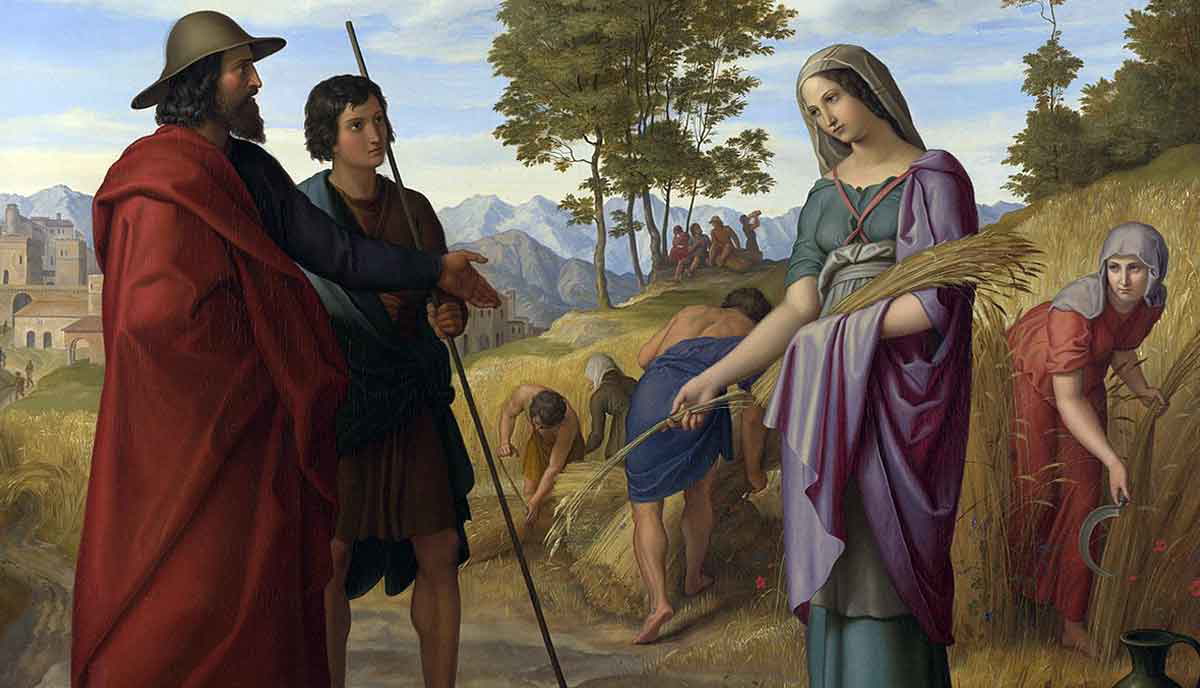
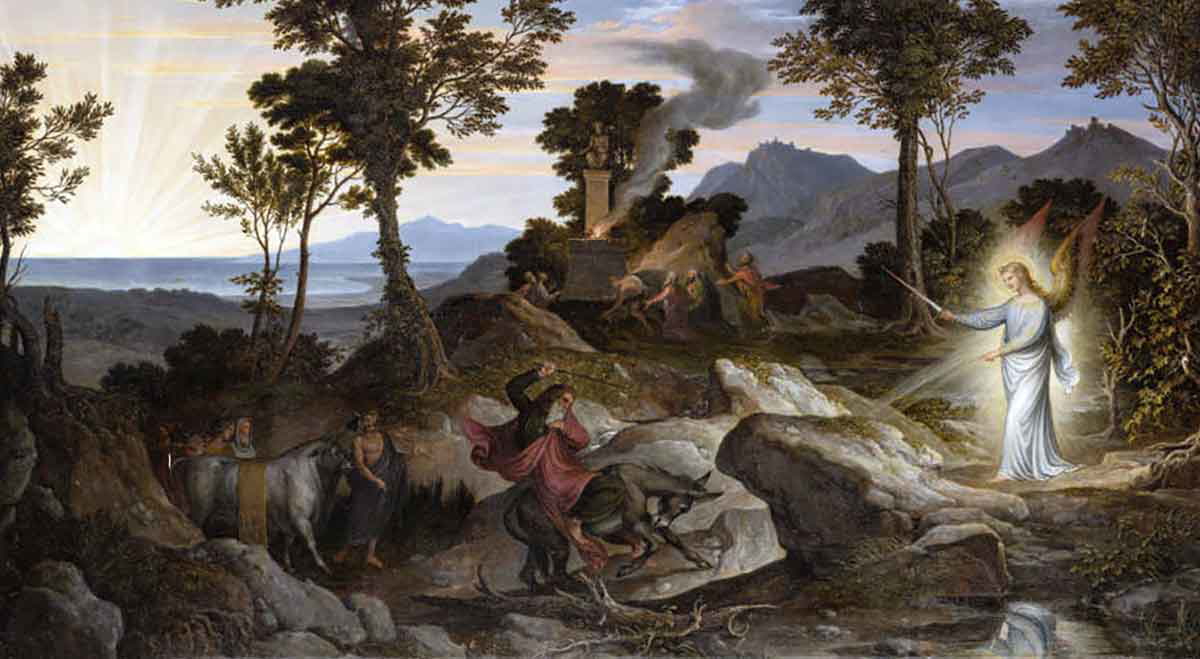
According to the book of Numbers, the Moabites felt threatened by the Hebrew presence in their land during their years of wandering in the Transjordan region before they invaded and settled in Canaan. A Moabite king named Balak is said to have conspired with Midianite leaders to contract a prophet named Balaam to cast a curse upon them. Curiously, Balaam is not portrayed in the text as a false prophet. He is able to receive genuine messages from God. Yet, he does not appear to be an Israelite and, though he fails, he is willing to use his skills in Balak’s service for money.
Ironically, Balaam’s repeated attempts to cast curses on Israel are thwarted by God, an angel, and even Balaam’s donkey. Yet Balaam provides some advice to Balak that, while completely of human origin, becomes Balak’s best shot at mitigating Israel’s unity.
Moabite Women Are Blamed for Leading Israelite Men to Worship Foreign Deities
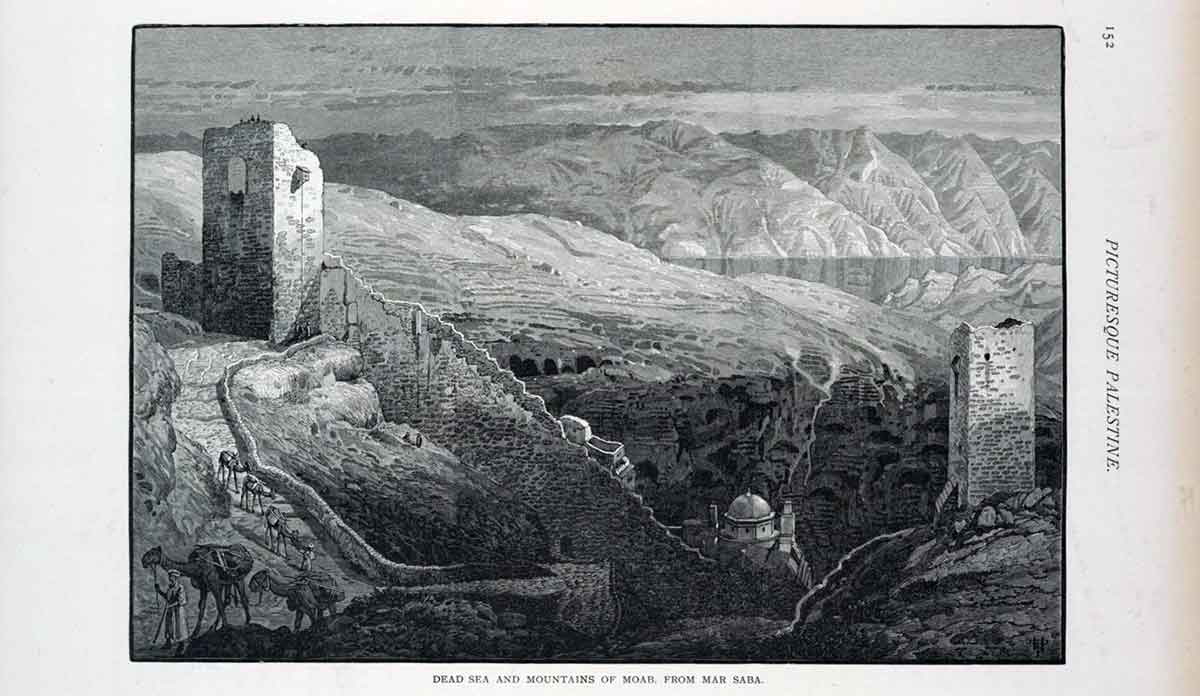
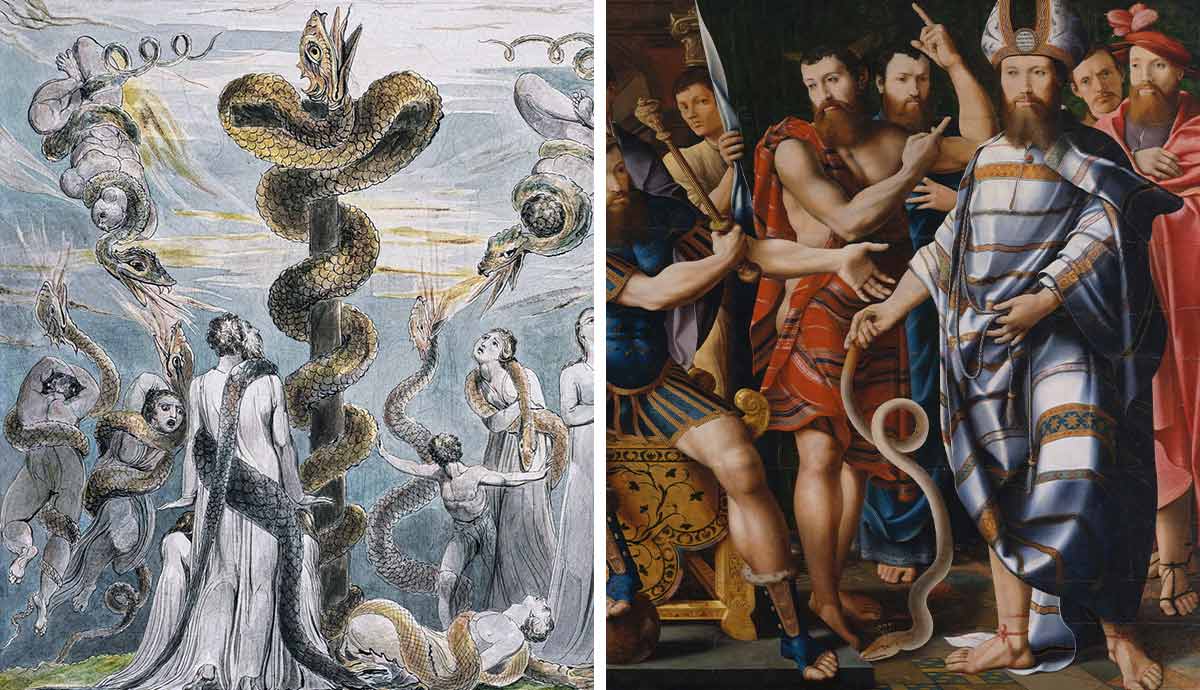
The Bible often connects intermarriage with foreign women with the worship of foreign deities. This association between foreign women and their gods seems to begin after Israel leaves Egypt. Though failing to cast a curse over Israel, the prophet Balaam allegedly recommended that Balak and his compatriots give their women to Israelite men as wives. In doing this, Israelite men would provoke their own deity’s wrath by inviting the worship of foreign deities into their midst. Thus, in a roundabout way, Balak’s goal of undermining Israel’s power would be achieved. It is a “Plan B,” since Balaam’s attempts at a direct curse had failed.
The plan works. Israelite men fall for the scheme by both intermarrying with Moabites and Midianites and worshipping their deities, and God in turn sends a plague that takes thousands of Hebrew lives.
The plague abates only when Phinehas, Moses’s nephew, spears an Israelite man and his Midianite wife, whose name is Cosbi, in their tent.
Why Are the Moabites Associated with the Midianites?
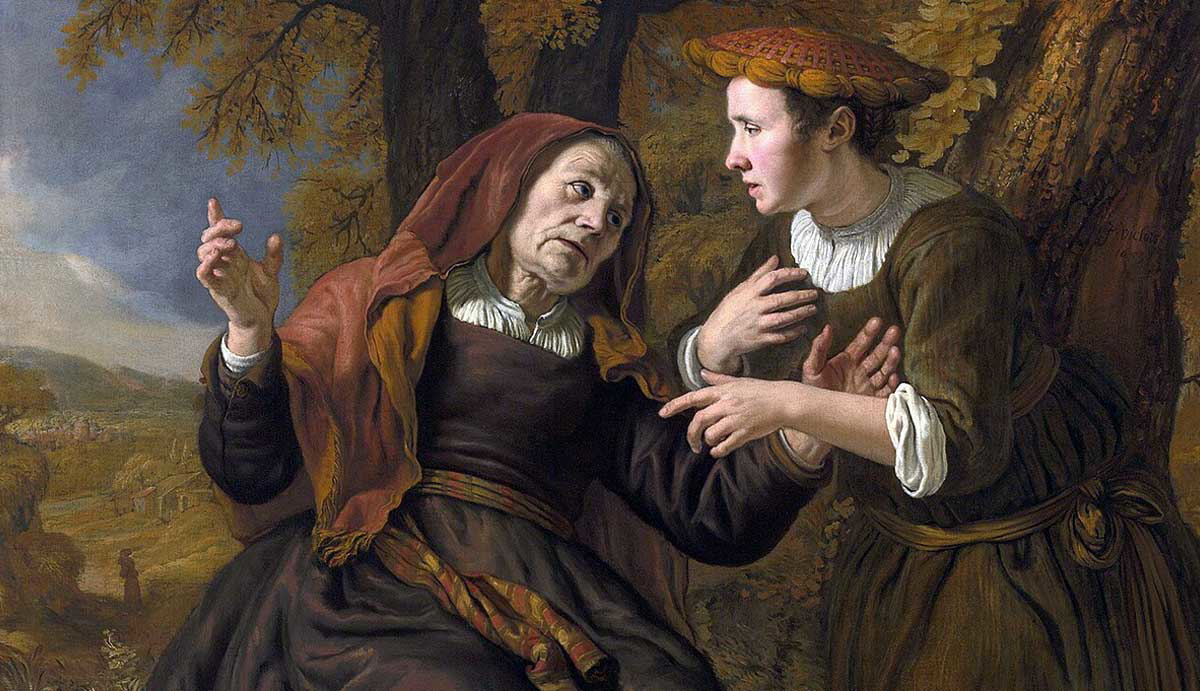
The text does not explain how Phinehas’s double, ad hoc execution could assuage divine wrath against a widespread practice, and the modern reader is left with many questions after reading this story. Perhaps most prominent among them regards Moses’s own wife, who plays a key role early in the Exodus story. She is a Midianite woman named Zipporah. Furthermore, her father is a Midianite priest of the same God who appeared to Moses in the wilderness. Moses spent forty years with this Midianite family before returning to Egypt to liberate the Hebrews from slavery. Why would intermarriage with Midianites be categorically prohibited for all Israelites if Moses’s own family was Midianite?
Another question has to do with the relationship between Moab and Midian. The two groups seem to be viewed as one in this episode of the book of Numbers. But they are not really the same group, and are not more closely related ethnically to each other than they are to Israel.
Is the Whole Bible Hostile to Moabites?
Israel’s relationship with Moab continues to be hostile throughout most of the Bible. Wars, assassinations, and bitter rhetoric characterize the relationship between these two nations. Moab’s religion is excoriated, and is even said to include human sacrifice.
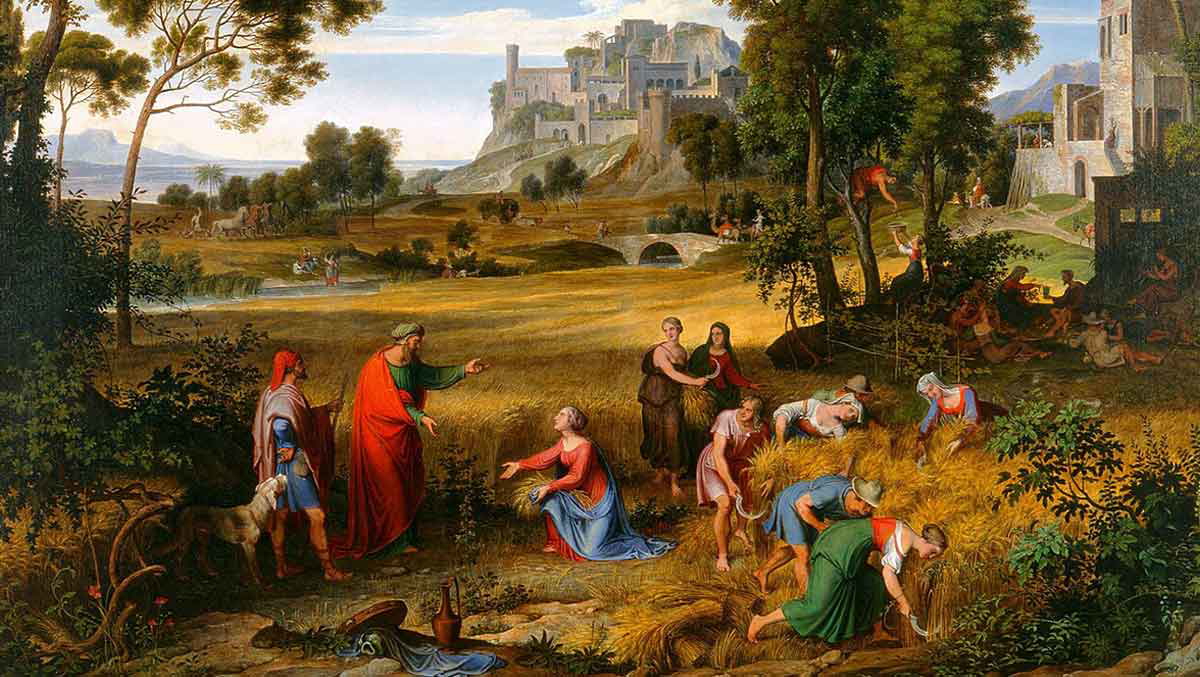
But there is one, striking exception to this general observation: the story told in the book of Ruth. This short book is set in the time of the Judges—the period beginning after Israel’s invasion and settling in the land of Canaan and ending before the Israelite monarchy was established. The main character of this short book is Ruth, a Moabite women who is widowed after having married an Israelite man who had emigrated to Moab as a refugee during a famine in the land of Canaan. The fact that an Israelite family successfully emigrated to and lived in Moab stands out to readers who have read what the Bible says about Moabites in other places.
Ruth Is the Bible’s Most Famous Moabite
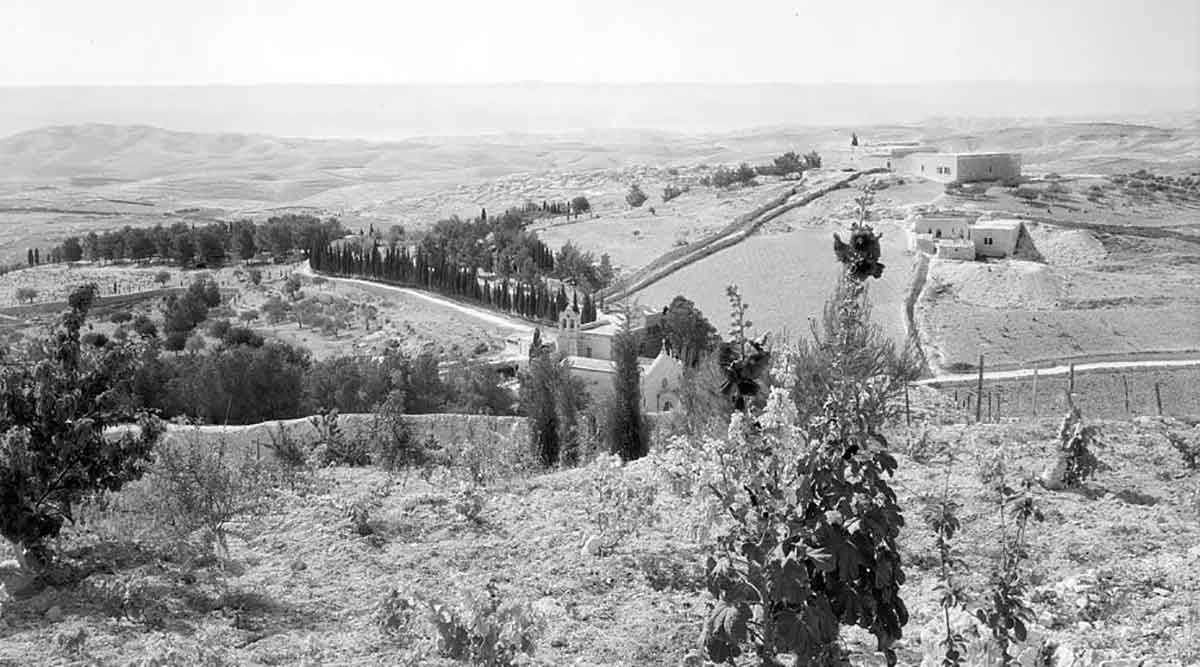
Ruth is portrayed in the Bible as a person of exemplary loyalty. Rather than leave her Israelite mother-in-law Naomi to fend for herself, Ruth chooses to accompany her back to her native land after the two of them are widowed in Moab. While caring for Naomi in Bethlehem, she is noticed by a Judahite farmer named Boaz. Boaz eventually marries her, and the book of Ruth ends by declaring that she was the great-grandmother of King David, Israel’s most celebrated monarch.
On its own, the story is quaint. It is almost entirely free of violence and conflict, there is only a slight hint on the part of one character in the story suggesting there was a stigma attached to marrying a Moabite woman. Overall, Ruth’s presence in Israel appears normal and welcome. Similarly, it appears that her Israelite family members had also been welcomed in Moab. The story of Ruth contrasts with the negative portrayals of Moabites in the rest of the Bible.
What Have Archaeologists Discovered about Moabites?
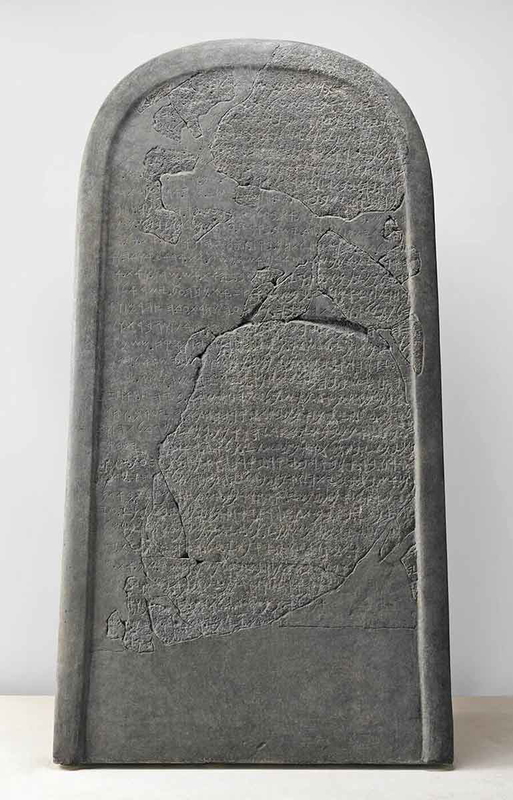
Perhaps the most significant archaeological discovery archaeologists have made related to the Moabites is the “Mesha Stele,” a black stone inscribed under the order of a Moabite king named Mesha that mentions the biblical Israelite king Omri. Albeit from a different point of view, the stele echoes what the Bible says about Omri’s relationship to Moab. Israel had been oppressing Moab, treating it as its vassal kingdom. This inscription celebrates Mesha’s successful rebellion against Israel.
What appears to be an ancient Moabite temple was uncovered in 1999 in Khirbat al-Mudayna in Jordan. Other sites related to religious practices have been discovered in what was once Moabite territory as well. While Chemosh is the Moabite deity most condemned in the Bible, archaeologists have discovered that a variety of deities were worshipped in the land of ancient Moab.