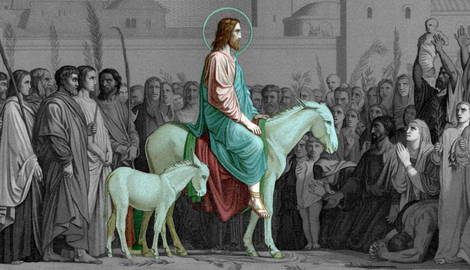
Jesus Christ once said that he never did anything unless the Father (that is, God) told Him to do it – so why did he choose a donkey when riding into Jerusalem in his final days? When Christians celebrate Easter, Holy Week kicks off with Palm Sunday and Jesus entering the city on a colt. Could there be a specific reason why this was his chosen method of transportation?
God’s Promised Messiah
Since the days of Abraham in Genesis – and perhaps even before then, with the Fall of Sin – the God of the Bible made a promise to his people. It was a single promise that would ring out through generations to come, much like a pebble being thrown into a pool of still-standing water.
What humanity (Adam and Eve) messed up in the Garden of Eden, God would redeem. He promised to make a way to bridge the divide that kept people apart from him. One day, in the future, God would send a king who would establish an enduring throne.
God gave this same message again and again to his people, through special messengers called prophets. These prophetic words were written down and became symbols of hope and faith for God’s chosen people, the Israelites. Even though they were suffering at present, one day God would make it all right again.
The King the Jews Expected
But there’s a second storyline or golden thread present in all the pages of Scripture, stretching across as many years as God’s Messianic promise. That is: People don’t really get God. Since Eden, God would say one thing and the people would hear something completely else. They’d twist his words or forget what he said, often leading to their own suffering and destruction.
For instance: God told Adam and Eve they were made in his image (They were like God). Yet the serpent tricked Eve with this very same question, “If you eat of this fruit, then you will be like God”.
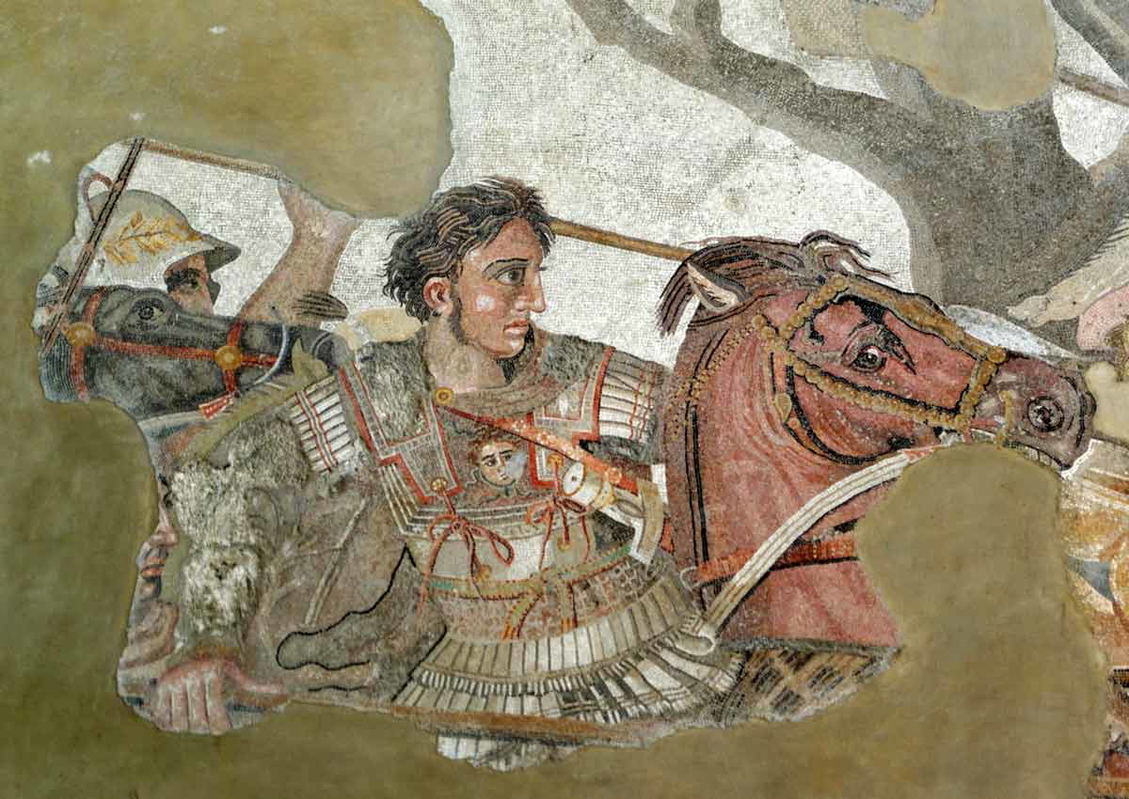
So in the same pattern, the Israelites expected a very different kind of king than Jesus. They wanted a Roman warlord like Alexander the Great. They longed for a king who would strike the earth with a rod (Isaiah 11:4) and finally destroy evildoers (Amos 9:8).
Jesus, the Lowly, Servant King
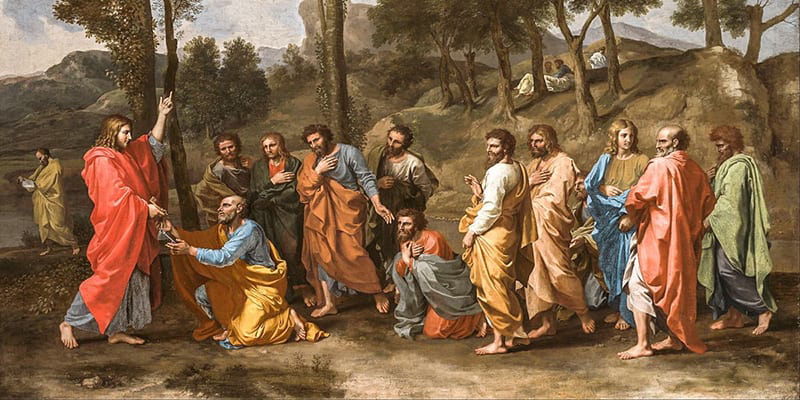
Yet the prophets of God also wrote about a different kind of king – One who would rule with peace (Micah 5:5) and bring safety (Jeremiah 23:5-6). His kingdom would not only be for one nation, but for all the peoples of the world – even Gentiles. This is who Jesus was. Instead of crushing sinners, he dined with them (Matthew 9:10-13). Instead of only bringing judgment, he brought love (John 12:47).
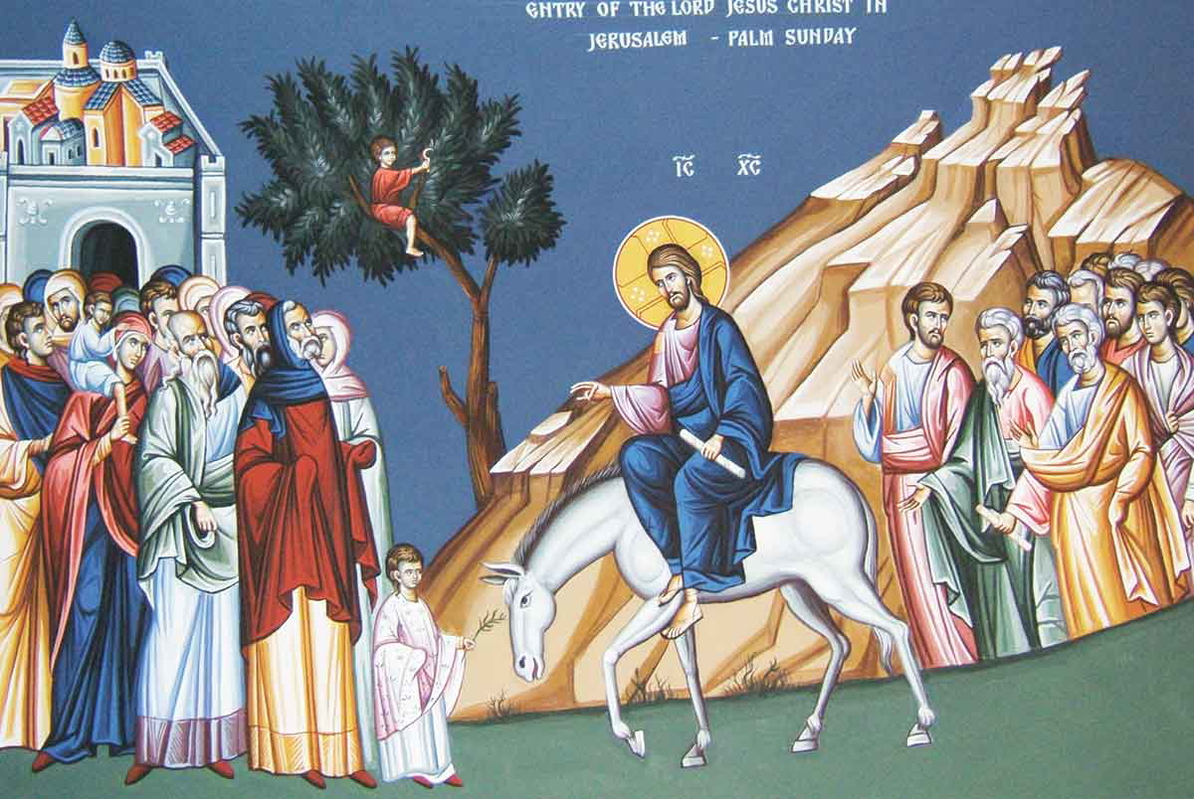
The fact that Jesus entered Jerusalem on a donkey was him making a big statement: I am not the kind of king you desire, but this is the kind of king after God’s heart. This was, in the end, why Jesus Christ was killed. He was not palatable, liked, or accepted by the people. He challenged the norm, the religious structures, and the status quo.
“He came to that which was his own, but his own did not receive him.” – John 1:11
The Crowd’s Exclamations in Scripture
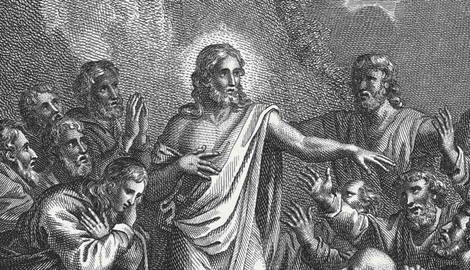
The donkey riding into Jerusalem on the first day of Holy Week was met by a crowd of disciples who believed that Jesus really was the promised Messiah. Everything Jesus did in his short life on earth proved him to be the One they were waiting for.
When the crowd met Jesus on the donkey with palm branches and shouts of praise, they quoted three Old Testament prophecies:
Psalm 118:26 “Blessed is he who comes in the name of the Lord!”
Isaiah 9:6-7 “Of the greatness of his government and peace there will be no end. He will reign on David’s throne and over his kingdom, establishing and upholding it with justice and righteousness from that time on and forever.”
Zechariah 9:9 “See, your king comes to you, gentle and riding on a donkey, and on a colt, the foal of a donkey.”